Top 15 Best Plants for Attracting Hummingbirds Fast!
Many gardeners find that the wrong choice of plants for attracting hummingbirds ends up with dry, unimpressive blooms that do little to draw these tiny birds close. Selecting the best plants for attracting hummingbirds means choosing types that consistently produce bright, tubular flowers, which suit hummingbirds’ long beaks and feeding habits.
Without the right plants, those quick glimpses of hummingbirds rarely turn into regular visits, and the effort spent on the garden feels wasted.
Good hummingbird plants typically feature vibrant reds, oranges, or pinks and hold nectar for extended periods, encouraging frequent feeding. Plants that are about 12 to 24 inches tall tend to offer easy access to the birds while fitting well in most gardens. Also, perennials that bloom reliably over several months work better than short-lived annuals, as they provide a sustained food source.
Native species often outperform imported plants by matching the local hummingbird species’ preferences and the environment’s needs.
Need a Quick Check?
| Image | Product | Price |
|---|---|---|
Our Top Picks 1  | Hummingbird Mint Seeds | Check Price |
Our Top Picks 2  | Hummingbird Trumpet Vine | Check Price |
Our Top Picks 3  | Trumpet Vine Seedlings | Check Price |
Our Selected Top 15 Plants for Attracting Hummingbirds Picks for Every Need
These picks include a variety of plants known for attracting hummingbirds, offering details on their growth habits and appeal to these birds. Each review highlights how well the plant performs, which environments it suits best, and its primary advantages and limitations.
1. Perennial Mix Hummingbird Mint Flower Seeds
Bright, upright flower spikes from these hummingbird mint seeds bring color and fragrance to any sunny garden space. Perfect for gardeners aiming to draw hummingbirds and butterflies, their biggest strength lies in attracting a variety of pollinators while thriving with minimal watering once established.
Planting is straightforward: press seeds lightly into moist, well-draining soil after the last spring frost since they need light to sprout. Daily care involves maintaining consistent moisture until germination occurs. Once mature, they handle drought well, making ongoing watering less demanding.
Ideal for outdoor garden borders or flower bouquets, they need full sun to flourish.
Performance depends on planting in full sun, where blooms appear year-round and keep drawing hummingbirds and beneficial insects. The plants show impressive drought tolerance once settled, which suits less frequent watering routines.
Praise often highlights their vibrant color and ability to attract wildlife, while some mention the need for consistent moisture during germination as a challenge.
These seeds create vibrant, upright flowers that reliably attract hummingbirds and other pollinators throughout the year when planted in full sun. A common difficulty lies in ensuring the soil stays moist during germination, demanding careful attention in the early stages.
Gardens with plenty of sunlight and gardeners ready to keep soil moist initially will appreciate these plants. Those lacking full sun or looking for very low initial maintenance might want to explore other options.
Pros
- Attracts hummingbirds, butterflies, and pollinators
- Year-round blooming in full sun areas
- Drought tolerant after establishment
- Upright habit great for borders or cut flowers
Cons
- Seeds need consistent moisture to germinate
- Requires full sun for best growth
| Specification | Details |
|---|---|
| Expected Blooming Period | Year Round |
| Sunlight Exposure | Full Sun |
| Indoor Outdoor Usage | Outdoor |
| Growth Conditions | Drought tolerant once established |
| Sowing Guide | Lightly press into moist soil after last frost |
2. Hummingbird Trumpet Vine Plant Seeds
Bright orange to salmon-red trumpet-shaped flowers catch the eye and draw hummingbirds right to your garden. Great for anyone wanting to enjoy hummingbirds up close during the summer and into fall, it thrives best in full sun and sandy soil.
Planting during the summer is straightforward, as the seeds prefer moderate watering and sandy soil conditions. Once established, the trumpet vine blooms over a long season from mid-summer through fall.
Its fragrant flowers not only attract hummingbirds but add a pleasant aroma to your outdoor space. The vines need room to grow outdoors in a sunny spot.
The flowers effectively attract hummingbirds consistently through their prolonged blooming period. The plant thrives in sunny outdoor gardens and provides a consistent fragrance. Some find the vine’s growth vigorous, which can be a challenge to control.
The most frequent note in reviews praises its attractiveness to birds, while occasional concerns focus on managing its spreading habit.
The plant’s strong draw for hummingbirds is widely appreciated, with blooms lasting for months and adding lovely fragrance. Some find the growth rate challenging to manage due to its vigorous nature. It needs a sunny outdoor spot and some care to keep it contained.
Gardeners looking for a long-lasting hummingbird attractant in full sun settings will enjoy this trumpet vine. Those with limited space or a preference for indoor plants may want to consider other options better suited for smaller or indoor environments.
Pros
- Attracts hummingbirds reliably throughout blooming season
- Extended flowering period from mid-summer to fall
- Fragrant, colorful trumpet-shaped flowers
- Thrives in full sun with moderate watering
Cons
- Can grow aggressively, needing control
- Only suitable for outdoor planting
| Specification | Details |
|---|---|
| Expected Blooming Period | Summer |
| Sunlight Exposure | Full Sun |
| Soil Type | Sandy Soil |
| Moisture Needs | Moderate Watering |
| Expected Planting Period | Summer |
| Indoor Outdoor Usage | Outdoor |
3. Trumpet Vine Bare Root Seedlings
Bursting with vibrant orange trumpet-shaped flowers, this climbing vine attracts hummingbirds and pollinators like few others. Perfect for gardeners looking to quickly create a colorful screen or cover garden structures while drawing in wildlife, its fastest-growing nature sets it apart from simpler flowering plants.
Starting bare root, the seedlings need to be planted in full sun where they have room to climb fences or trellises. Daily care mostly involves ensuring consistent watering until established.
Its hardy perennial rootstock means it returns year after year, growing larger and showing more blooms each season without extra fuss.
It lives up to expectations by forming lush green foliage and long clusters of vivid orange flowers from spring well into fall. The plant is built to withstand cold climates down to USDA zone 3, providing reliable growth across diverse regions.
Common praise revolves around its rapid coverage and hummingbird-attracting blooms, while some note it can become quite aggressive and require pruning.
Clustered orange blooms consistently attract hummingbirds and pollinators throughout the growing season, while the vine’s rapid growth can make managing spread necessary to avoid overgrowth. It’s well suited for those who want a lively garden feature that supports wildlife.
Gardeners seeking quick coverage and vibrant color in a hardy plant will appreciate its performance. Those with limited space or shade-heavy gardens might consider slower-growing or less sun-dependent options.
Pros
- Fast growing to cover structures quickly
- Cold hardy perennial vine
- Produces bright, nectar-rich flowers
- Draws hummingbirds and butterflies
Cons
- Can become invasive if not pruned
- Needs full sun for best performance
| Specification | Details |
|---|---|
| Expected Blooming Period | Spring to Fall |
| Sunlight Exposure | Full Sun |
| USDA Hardiness Zone | 3-10 |
| Other Special Features | Attracts Pollinators |
4. Nanho Blue Butterfly Bush Live Plant
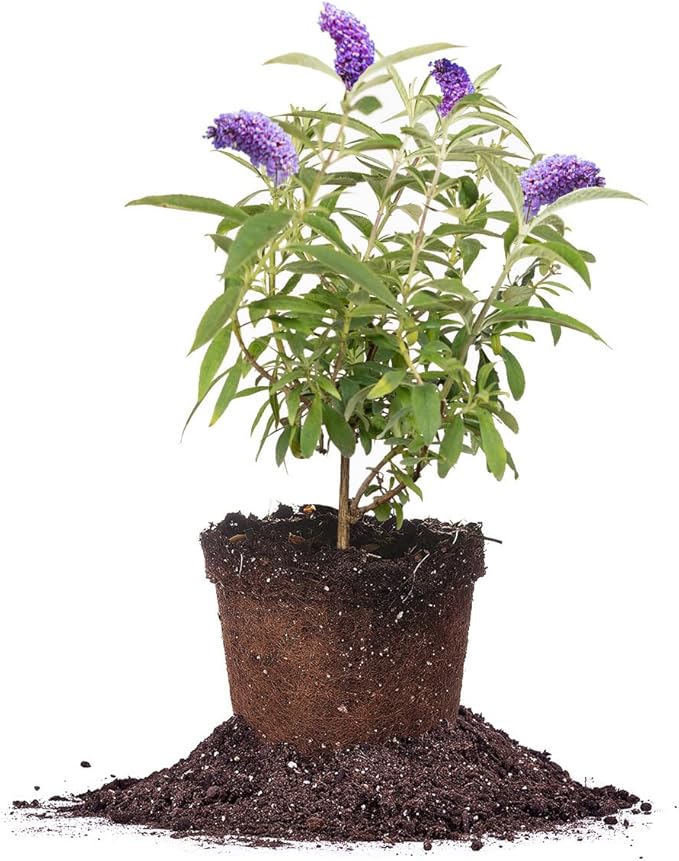
Attracting hummingbirds to your garden calls for plants that bloom vibrantly and handle local climates well. Nanho Blue Butterfly Bush is a fragrant shrub that thrives in warm zones and draws pollinators with its honey-scented purple flowers.
It suits gardeners looking for summer-to-fall color and reliable heat tolerance.
Setting this plant up involves planting it in full sun during spring and watering it deeply every day or two for the first two weeks. Its moderate water needs settle down after establishment, making ongoing care straightforward. The bush grows between 4 to 6 feet tall and drops its leaves in fall, growing back in spring for seasonal interest.
Its main performance is attracting bees and hummingbirds through summer to fall blooms, which are noticeably fragrant and colorful. The plant is deciduous and heat and drought tolerant once rooted, which helps it survive southern US summers. A frequent downside is it may die back in cold winters but regrows well after.
The shrub is sturdy and well-suited to zones 5 through 9.
Many find the fragrant, colorful flowers invite hummingbirds effectively through summer to fall. Some notice the plant dying back in cold winters but appreciate it regrows in spring without issue. Initial establishment requires careful watering but stabilizes later.
Gardeners in warmer climates who want a drought-tolerant, pollinator-friendly shrub will be satisfied. Those in colder regions or expecting year-round foliage might look for evergreen alternatives instead.
Pros
- Honey-scented purple flowers attract pollinators
- Heat and drought tolerant after establishment
- Grows well in zones 5-9
- Provides summer-to-fall blooms
Cons
- May die back in colder zones during winter
- Needs frequent watering initially to establish
| Specification | Details |
|---|---|
| Sunlight Exposure | Full Sun |
| USDA Hardiness Zone | 5 |
| Expected Blooming Period | Summer to Fall |
| Moisture Needs | Moderate Watering |
| Mature Height | 4-6 ft |
5. Wildflower Butterfly and Hummingbird Mix Seeds

Over 7,500 live seeds in a single 1-ounce packet make this mix perfect for anyone wanting to create a colorful garden space that attracts hummingbirds and butterflies. Ideal for a sunny spot of 100 square feet, it offers the chance to fill your yard with a lively display from spring through fall.
Starting a garden with this seed mix is straightforward due to clear planting instructions included in the packaging. It requires full sun and moderate watering, so setting aside a suitably bright and moderately moist area ensures the seeds thrive.
The reusable zip-lock bag helps keep leftovers fresh for future planting, while its adaptability to most soil types means less fuss over soil preparation.
The mix grows plants around 4 feet tall, forming an impressive backdrop that naturally invites hummingbirds. The freshness of the seeds guarantees high germination rates, making less room for disappointment. A downside noted is that in very dry conditions, the seeds need careful watering, or they might struggle to thrive, especially through the hotter months.
The mix is praised for its high germination rate and the vibrant blooms it produces, making it a reliable choice for a hummingbird-friendly garden. The most common complaint concerns the need for regular watering, as the plants may struggle in drought or if neglected.
Anyone with a sunny spot willing to provide moderate watering will appreciate this seed mix. Gardeners without consistent sunlight or who want a low-water option might want to consider different plants better suited to shady or dry areas.
Pros
- Large packet with over 7,500 seeds
- High germination thanks to fresh seeds
- Works well in most soil types
- Reusable packaging with planting instructions
Cons
- Needs careful watering in dry conditions
- Limited to full sun locations
| Specification | Details |
|---|---|
| Expected Blooming Period | Spring to Fall |
| Sunlight Exposure | Full Sun |
| Expected Plant Height | 4 feet |
| Soil Type | Adaptable to most soils |
| Moisture Needs | Moderate Watering |
6. Hummingbird Mint Blue Fortune Live Plant

Gardeners looking to attract hummingbirds while adding long-lasting color to their outdoor spaces will appreciate this plant’s steady lavender-blue blooms. Ideal for outdoor use in full sun areas, it fits well in moderate maintenance gardens, standing out for its ability to keep blooming from midsummer right through to fall.
Planting requires a spot with full sun and well-drained soil, matching zones 5 through 9 for best growth. Once established, it handles drought with little fuss, so daily watering isn’t a struggle.
The fragrant foliage not only adds a pleasant scent but also keeps deer away, making it easier to care for without protecting measures. Its size remains manageable at around 2 to 3 feet tall and fairly wide.
Attracting hummingbirds works well as the lavender-blue flowers appear in abundant spikes during the growth season. The plant maintains healthy growth with minimal intervention and lasts for several months, which adds great value. People mention the scent and deer resistance as strong benefits.
A typical downside involves its need for consistent full sun, which can limit placement options in shaded yards.
The plant receives praise for its abundant and long-lasting blooms that draw hummingbirds throughout the warm seasons. Most common complaints focus on the necessity for full sun exposure, which limits where it can thrive. It’s also confined to specific USDA zones, affecting its adaptability.
This is a great pick for gardeners with sunny outdoor spaces in compatible hardiness zones seeking colorful, low-maintenance options. Those with shady yards or outside zones 5 to 9 should look for alternatives better suited to their conditions.
Pros
- Long-lasting flowers from midsummer to fall
- Drought tolerant once established
- Deer resistant fragrant foliage
- Attracts hummingbirds and pollinators
Cons
- Requires consistent full sun
- Limited to USDA zones 5–9 only
| Specification | Details |
|---|---|
| USDA Hardiness Zone | 5-9 |
| Expected Plant Height | 36 inches |
| Sunlight Exposure | Full Sun |
| Soil Type | Well draining soil |
| Moisture Needs | Moderate Watering |
| Expected Blooming Period | Summer to Fall |
7. Cardinal Flower Red Lobelia Seeds

Cardinal Flower Red Lobelia Seeds stand out with their vibrant red color, known as the reddest red in nature, perfect for anyone wanting to attract hummingbirds and butterflies. Ideal for gardeners in zones 2-9, this low maintenance plant shines by providing abundant nectar throughout summer to fall.
Planting these seeds is straightforward in sunny or partially shaded areas, especially in moist soil where they thrive. They tend to reseed themselves when conditions are right, cutting down on replanting effort.
The flowers are deer resistant, so they hold up well in areas with local wildlife, and they even work well in water gardens or aquarium settings.
The cardinal flowers offer excellent nectar sources, successfully attracting hummingbirds daily during blooming months. Built as perennials, they last several seasons without much fuss, matching their claim of easy growth.
The brightest point is their striking deep red color that stays vibrant, while some note they need consistent moisture to do their best.
The most praised aspect is the vibrant red color that continuously attracts hummingbirds, providing a reliable nectar source. Common feedback points to the plant’s need for consistently moist conditions, which can be tricky in drier locations.
Gardeners in wetter climates or with easy access to watering will appreciate its growth and flower quality. Those looking for a fully outdoor plant or requiring drought-tolerant options may want to consider other species.
Pros
- Vivid red color attracts hummingbirds and butterflies
- Grows in a wide hardiness zone range
- Low maintenance and reseeds itself
- Deer resistant and moisture-tolerant
Cons
- Needs consistently moist soil to thrive
- Indoor usage only, limiting outdoor placement options
| Specification | Details |
|---|---|
| Hardiness Zones | 2-9 |
| Blooming Period | Summer to Fall |
| Growth | Perennial |
| Maintenance | Low |
| Deer Resistance | Yes |
| Usage | Indoor |
8. Mix Honeysuckle Seeds Climbing Vine

Mix Honeysuckle Seeds Climbing Vine suits gardeners looking to attract hummingbirds and butterflies with fragrant, colorful blooms. Its biggest strength lies in year-round flowering and the ability to climb, creating both a natural habitat and a decorative feature in outdoor spaces.
Planting starts by soaking the seeds in warm water for a full day to soften the coat. Sow them shallowly in well-draining soil and keep the earth moist without overwatering. The vine needs full sun to thrive, but it can handle some shade.
Providing a support structure for the vine to climb keeps the plant healthy and promotes more blooms, making it a worthwhile part of your garden routine.
Once growing, the honeysuckle steadily fills out with lush leaves and fragrant flowers that naturally draw pollinators. The vine’s flexible branches can be dried and used for crafts like basket weaving, adding to its appeal. Reviews note its consistent blooming and pollinator attraction as strong points, although some mention the patience needed for seeds to sprout and establish.
Honeysuckle’s year-round flowers reliably attract pollinators and bring fragrance to the garden. The most common difficulty comes from needing to soak seeds before planting and waiting for them to sprout, which demands patience from gardeners.
Anyone wanting a fragrant climbing vine that fills outdoor space with activity from hummingbirds will appreciate this plant. Gardeners seeking low-maintenance, quick-growing options might need to consider alternatives that sprout faster and require less initial care.
Pros
- Attracts hummingbirds and butterflies effectively
- Fragrant flowers bloom year-round
- Flexible branches useful for crafts
- Tolerates partial shade
Cons
- Seeds require soaking and patience to sprout
- Needs support structure to climb properly
| Specification | Details |
|---|---|
| Expected Blooming Period | Year Round |
| Sunlight Exposure | Full Sun |
| Indoor Outdoor Usage | Outdoor |
| Special Features | Attracts Pollinators |
| Planting | Soak seeds in warm water 24 hours |
9. Hummingbird Butterfly Wildflower Mix Seeds

Gardening with a wildflower mix that invites hummingbirds and butterflies turns any space into a lively, colorful retreat. Perfect for anyone looking to enrich their garden’s life while keeping things natural and eco-friendly, it offers a big packet with plenty of seeds to cover a generous area.
Planting the mix is straightforward, spreading seeds across about 100 square feet. It suits borders or wildflower patches, growing easily with regular care. The blooms come in throughout the season, so the area stays vibrant and attractive for pollinators without needing constant replanting or special treatment.
The mix performs well at drawing hummingbirds and butterflies thanks to a blend of nectar-rich flowers. The seeds are pure and live, ensuring good germination.
Most people appreciate the quantity in a single pack. A common downside is the time flowers take to fully establish, meaning patience is required before seeing full effects.
The mix provides a plentiful supply of live seeds that grow into nectar-rich flowers, reliably attracting hummingbirds and butterflies. It takes some time for the flowers to fully bloom, demanding patience before the garden reaches its full colorful potential.
People wanting a vibrant, pollinator-friendly garden over a large area will appreciate this mix. Those needing immediate results in smaller spaces might want to consider plants that bloom faster or come in mature forms.
Pros
- Large packet covers wide garden spaces
- Easy to grow in borders or wildflower areas
- Blooms all season attracting pollinators
- Natural way to support hummingbirds and butterflies
Cons
- Flowers take time to mature fully
- Not a quick fix for empty gardens
| Specification | Details |
|---|---|
| Unit Count | 1 Ounce |
| Seed Quantity | Over 7,500 pure live seeds |
| Coverage Area | Approximately 100 square feet |
| Plant Type | Hummingbird Butterfly Wildflower Mix |
10. Flower Seeds Hummingbird and Butterfly Mix

Flower Seeds Hummingbird and Butterfly Mix is great for gardeners aiming to attract hummingbirds and pollinators with a variety of colorful blooms. It suits outdoor spaces that get full sun and offers a bright, diverse garden from spring through fall, thanks to its mix of annual and perennial seeds.
Starting these seeds outdoors in the spring is straightforward, with a need for daily watering and average soil. The mix includes flowers like snapdragons and butterfly milkweed that grow up to about 36 inches tall. Seeing the garden change from seedlings to a vibrant patch of reds, yellows, pinks, and purples keeps the process rewarding and lively throughout summer and fall.
Performance is solid in attracting hummingbirds and butterflies with a lively variety of flowers. The mix is heirloom and open-pollinated, which supports natural growth cycles well.
Construction here means the seeds come in a bulk package suitable for planting a large area. The strongest praise is for the colorful and dynamic garden that develops. Some find the daily watering requirement a bit demanding, especially in hotter areas.
The mix receives praise for producing a bright and diverse garden that thrives in full sun and attracts plenty of pollinators. A common concern is the need for daily watering to keep the flowers healthy, which can be a bit of a commitment during dry spells.
Gardeners who enjoy nurturing a colorful garden over several months and are willing to water daily will appreciate this seed mix. Those looking for a lower-maintenance or indoor option may want to explore other products.
Pros
- Wide variety of colorful flowers
- Attracts both hummingbirds and butterflies
- Includes both annual and perennial seeds
- Suitable for a wide range of hardiness zones
Cons
- Requires daily watering
- Some flowers may take longer to bloom
| Specification | Details |
|---|---|
| Sunlight Exposure | Full Sun |
| Expected Blooming Period | Summer to Fall |
| Expected Plant Height | 36 inches |
| Moisture Needs | Water Daily |
| USDA Hardiness Zone | 1,2,3,4,5,6,7,8,9,10 |
11. Mix Butterfly Bush Flower Seeds

Featuring seed-grown Butterfly Bush flowers that thrive in full sun, this outdoor plant suits gardeners looking to attract hummingbirds and other pollinators. Its biggest strength lies in vibrant, tall flower spikes that bring lively color and natural activity to any garden space.
Starting seeds indoors 6-8 weeks before the last frost is recommended for healthier sprouts. Lightly pressing seeds into moist soil helps with germination, and keeping that soil evenly moist until seedlings appear maintains growth momentum.
Regular sun exposure is important, and the plant’s mounding habit allows for flexible placement in borders or as a focal shrub.
Attracting hummingbirds and butterflies consistently throughout the year makes it a solid choice for adding dynamic wildlife attraction. The plants grow well outdoors with sturdy flower spikes offering vertical interest. Some mention that patience is necessary during germination and early growth stages, as success depends on proper seed care and timing.
The ability to attract a variety of pollinators throughout the year makes these plants valuable in any garden. Germination success can be a challenge due to the need for light and moisture during seed starting, requiring close attention in the early stages.
Gardening enthusiasts ready to commit time to seed care and indoor starting will appreciate the results. Those seeking instant garden additions might prefer mature plants over starting from seed with this option.
Pros
- Attracts hummingbirds and butterflies effectively
- Bright, tall flower spikes add vertical interest
- Suitable for borders or standalone planting
- Blooms year round in full sun
Cons
- Needs careful seed starting indoors before transplant
- Germination requires consistent moisture and light
| Specification | Details |
|---|---|
| Indoor Outdoor Usage | Outdoor |
| Expected Blooming Period | Year Round |
| Sunlight Exposure | Full Sun |
| Sowing Guidance | Start seeds indoors 6-8 weeks before last frost |
12. Angelonia Snapdragon Flower Seeds

Bright and colorful blooms make Angelonia Snapdragon Flower Seeds a favorite for gardens aiming to attract hummingbirds. Suited for gardeners wanting low-maintenance yet vibrant flowers, these seeds thrive in warm climates and handle summer heat exceptionally well.
Planting is straightforward, requiring well-drained soil and full sunlight. Minimal daily care is needed, allowing the flowers to grow robustly through the season.
Their scent and range of colors add charm to patios, borders, and containers, giving you versatile options for any garden setup.
Flowers bloom consistently from spring to summer, offering steady visual and fragrant appeal. Their heat tolerance keeps them healthy in warmer conditions. Most appreciate how easily they grow and maintain, but some mention that they need plenty of sunlight to truly shine.
Angelonia Snapdragon flower seeds produce vibrant blooms that last all summer, even in hot weather. The plants come in a variety of colors, including purple, pink, white, red, and bi-hues, adding diversity to any garden. These flowers grow well in full sun with well-drained soil, and they typically require little maintenance.
People who want easy-care, long-lasting flowers for beds, borders, or containers will get good results with Angelonias. Their heat tolerance makes them suitable for warm climates. Those looking specifically to attract hummingbirds might find other plants with stronger nectar offerings more appealing, as Angelonias are primarily chosen for their color and fragrance rather than feeding wildlife.
Pros
- Exceptionally heat tolerant in warm climates
- Produces vibrant, assorted flower colors
- Attracts hummingbirds and pollinators
- Requires minimal care to thrive
Cons
- Needs full sunlight for best flowering
- Limited to blooming from spring through summer
| Specification | Details |
|---|---|
| Indoor Outdoor Usage | Indoor, Outdoor |
| Expected Blooming Period | Spring to Summer |
| Sunlight Exposure | Full Sun |
| Expected Planting Period | Spring to Fall |
| Special Features | Air Purification, Attracts Pollinators, Fragrant, High Germination Rate, Low Maintenance |
13. Perennial Rare Mix Hummingbird Mint Seeds

Perfect for gardeners wanting a reliable, fragrant option to attract hummingbirds. Suited for those in USDA zones 6-10 seeking a plant with natural pest resistance and long-lasting nectar supply. Its biggest strength is the strong mint-anise scent that deters deer and rabbits while inviting pollinators year-round.
Planting these seeds requires full sun and regular watering in sandy soil for best results. Once established, they develop deep roots making them drought tolerant and less reliant on frequent watering.
The year-round blooming means you can enjoy steady hummingbird visits and a lively garden throughout multiple seasons without replanting.
Hummingbird Mint seeds consistently attract hummingbirds, bees, and butterflies, supporting a healthy local ecosystem. The plants return stronger each spring with minimal winter care.
The main praise is their hardiness and scent, while the most common drawback is their specific soil and sunlight needs that limit where they thrive.
The plant’s strong fragrance successfully keeps deer and rabbits away while attracting pollinators year-round. Growing conditions limit success to gardeners who can provide full sun and sandy soil with consistent watering.
Those in USDA zones 6-10 looking for reliable pollinator plants will appreciate this mint mix. Anyone lacking proper planting conditions or expecting a low-maintenance option might want to consider alternatives.
Pros
- Strong mint-anise scent deters deer and rabbits
- Attracts hummingbirds, butterflies, and bees reliably
- Excellent drought tolerance through deep root system
- High germination rate for easier growing
Cons
- Requires full sun and sandy soil conditions
- Needs regular watering despite drought tolerance
| Specification | Details |
|---|---|
| USDA Hardiness Zone | 5 |
| Sunlight Exposure | Full Sun |
| Soil Type | Sandy Soil |
| Moisture Needs | Regular Watering |
| Expected Blooming Period | Year Round |
| Indoor/Outdoor Usage | Outdoor |
14. Double Butterfly Corkscrew Snail Vine Seeds

Creating a garden that attracts hummingbirds while adding a splash of exotic color is easier with Double Butterfly Corkscrew Snail Vine Seeds. Perfect for outdoor gardening enthusiasts, especially beginners, the biggest strength lies in its vibrant blooms that develop quickly under full sun and add life from spring through fall.
Sowing the seeds requires keeping the soil moist during germination, which is straightforward even for new gardeners. Planting between spring and fall suits most growing conditions, making the setup simple.
The plant thrives outdoors in full sun and only demands low maintenance, fitting well into busy garden routines while bringing fragrant flowers that attract pollinators.
The flowers consistently perform well across a long blooming season, providing colorful and fragrant additions to any garden. They purify the air as they grow, supporting a healthier environment.
Most appreciate the high germination rate and easy care. A common downside is that these outdoor-only seeds need space and reliable sunlight to flourish, limiting use in shaded or indoor areas.
The seeds reliably produce vibrant, fragrant flowers that attract hummingbirds and require little maintenance. Most users find keeping soil moist and providing full sun crucial for success. The plants do not do well without sufficient sunlight and cannot be grown indoors, which limits options for those with shady gardens.
People with sunny outdoor spaces who want a visually stunning, easy-care plant will enjoy growing these seeds. Gardeners lacking full sun or who want indoor plants should look for alternatives that suit shaded or indoor environments better.
Pros
- Bright, colorful blooms that last seasons
- Simple to grow for beginner gardeners
- Attracts hummingbirds and other pollinators
- Low maintenance outdoor plant
Cons
- Requires full sun exposure
- Not suitable for indoor growing
| Specification | Details |
|---|---|
| Sunlight Exposure | Full Sun |
| Indoor Outdoor Usage | Outdoor |
| Expected Blooming Period | Spring to Fall |
| Expected Planting Period | Spring to Fall |
| Special Features | Air Purification, Attracts Pollinators, Fragrant, High Germination Rate, Low Maintenance |
15. Monarda Citriodora Lemon Mint Seeds

Lemon Mint seeds offer a quick germination time of 10-15 days, making them great for gardeners who want fast results. Suited for novices and experienced growers alike, these seeds attract hummingbirds and butterflies, bringing vibrant wildlife right to your garden. Their main strength lies in the bright, inviting flowers they produce within about 90 days.
Planting these seeds is straightforward since they sprout relatively quickly. Once in the ground, they grow steadily into perennials that bloom in roughly three months. With 300 seeds weighing just 3 grams, there are plenty for a generous planting area.
Regular watering and a sunny spot encourage healthy growth, helping hummingbirds find your garden easily.
These lemon bee balm plants bring a lively touch to any garden space, attracting hummingbirds with their colorful flowers. The seeds are plentiful and lightweight, making them easy to handle. The most frequent positive note highlights their appeal to wildlife, while some find the plant’s lifecycle might be too slow if immediate blooms are desired.
Lemon Mint seeds consistently draw hummingbirds and butterflies to gardens as noted in positive feedback. However, some feel the growth period of approximately 90 days before maturity is a drawback for impatient gardeners looking for quick flowering.
Gardeners who enjoy watching wildlife and don’t mind waiting a few months will appreciate planting these seeds. Those seeking immediate flower display might want to explore faster-blooming options instead.
Pros
- Attracts hummingbirds and butterflies effectively
- Quick germination within two weeks
- Large quantity of seeds provided
- Suitable for both novice and experienced gardeners
Cons
- Plants take around 90 days to mature
- Not ideal for those wanting instant blooms
| Specification | Details |
|---|---|
| Germination Time | 10-15 days |
| Maturity Time | Approximately 90 days |
| Item Weight | 3 g |
| Unit Count | 300 seeds |
| Plant Type | Perennial |
Best Plants for Attracting Hummingbirds Comparison
| Product | Usage | Blooming Period | Sunlight Exposure | Special Features |
|---|---|---|---|---|
| Hummingbird Mint Seeds | Outdoor | Year Round | Full Sun | Attracts Pollinators |
| Hummingbird Trumpet Vine | Outdoor | Summer | Full Sun | Fragrant |
| Trumpet Vine Seedlings | – | Spring to Fall | Full Sun | Attracts Pollinators |
| Nanho Blue Butterfly Bush | Outdoor | Summer to Fall | Full Sun | Moderate Watering |
| Wildflower Hummingbird Mix | – | Spring to Fall | Full Sun | Reusable |
| Blue Fortune Hummingbird Mint | Outdoor | Summer to Fall | Full Sun | Live Plant |
| Cardinal Red Lobelia Seeds | Indoor | Summer to Fall | – | Low Maintenance |
| Honeysuckle Climbing Vine | Outdoor | Year Round | Full Sun | Attracts Pollinators |
| Hummingbird Butterfly Wildflower | – | – | – | – |
| Hummingbird Butterfly Mix Seeds | Outdoor | Summer to Fall | Full Sun | Attracts Pollinators |
| Butterfly Bush Mix Seeds | Outdoor | Year Round | Full Sun | Attracts Pollinators |
| Angelonia Snapdragon Seeds | Indoor, Outdoor | Spring to Summer | Full Sun | Attracts Pollinators |
| Rare Hummingbird Mint Mix | Outdoor | Year Round | Full Sun | High Germination |
| Double Butterfly Snail Vine | Outdoor | Spring to Fall | Full Sun | Fragrant |
| Lemon Mint Monarda Seeds | – | – | – | – |
- UsageOutdoor
- Blooming PeriodYear Round
- Sunlight ExposureFull Sun
- Special FeaturesAttracts Pollinators
- UsageOutdoor
- Blooming PeriodSummer
- Sunlight ExposureFull Sun
- Special FeaturesFragrant
- Usage–
- Blooming PeriodSpring to Fall
- Sunlight ExposureFull Sun
- Special FeaturesAttracts Pollinators
- UsageOutdoor
- Blooming PeriodSummer to Fall
- Sunlight ExposureFull Sun
- Special FeaturesModerate Watering
- Usage–
- Blooming PeriodSpring to Fall
- Sunlight ExposureFull Sun
- Special FeaturesReusable
- UsageOutdoor
- Blooming PeriodSummer to Fall
- Sunlight ExposureFull Sun
- Special FeaturesLive Plant
- UsageIndoor
- Blooming PeriodSummer to Fall
- Sunlight Exposure–
- Special FeaturesLow Maintenance
- UsageOutdoor
- Blooming PeriodYear Round
- Sunlight ExposureFull Sun
- Special FeaturesAttracts Pollinators
- Usage–
- Blooming Period–
- Sunlight Exposure–
- Special Features–
- UsageOutdoor
- Blooming PeriodSummer to Fall
- Sunlight ExposureFull Sun
- Special FeaturesAttracts Pollinators
- UsageOutdoor
- Blooming PeriodYear Round
- Sunlight ExposureFull Sun
- Special FeaturesAttracts Pollinators
- UsageIndoor, Outdoor
- Blooming PeriodSpring to Summer
- Sunlight ExposureFull Sun
- Special FeaturesAttracts Pollinators
- UsageOutdoor
- Blooming PeriodYear Round
- Sunlight ExposureFull Sun
- Special FeaturesHigh Germination
- UsageOutdoor
- Blooming PeriodSpring to Fall
- Sunlight ExposureFull Sun
- Special FeaturesFragrant
- Usage–
- Blooming Period–
- Sunlight Exposure–
- Special Features–
How to Choose the Best Plants for Hummingbirds
Choosing plants that provide ample nectar, bloom at different times, and suit your local climate ensures hummingbirds’ continuous visits and healthy growth. Selecting the right varieties saves money by reducing replacement costs and prevents frustration from plants that struggle to thrive or attract birds.
Flower Type and Shape
Hummingbirds are drawn to tubes and trumpets. These shapes fit their beaks perfectly and make feeding easier.
Bright colors like red and orange catch their attention more quickly than dull hues. I learned this after planting a mix of flowers; those with longer, tubular blooms saw more visits. Native plants often perform better since they adapt to local soil and weather.
They also tend to attract the hummingbirds found in the area naturally. Relying on non-native types can mean the plants struggle or the birds don’t recognize them as a food source.
Choosing flowers with a length of about 1.5 to 2 inches helps hummingbirds feed efficiently. Look for species with narrow openings that suit the bird’s slender tongue.
Native options like trumpet vine or columbine usually have these features and thrive with little fuss.
Blooming Season
Different flowering times make a big difference in keeping hummingbirds around. Gardens with plants blooming at staggered intervals avoid gaps in nectar availability. I once noticed fewer birds when my garden had a short burst of flowers all at once, then quiet for weeks.
Including early bloomers can help attract migrants just arriving, while late bloomers support those passing through on their return. A mix extends feeding opportunities.
A good plan spans from spring to fall with flowers that last several weeks each. Selecting long-lasting blooms from plants that hold nectar over time reduces the risk of losing these visitors. Look for plants documented to bloom at least 4 to 6 weeks or more to keep the garden lively.
Plant Size and Growth Habit
Plants between 3 and 6 feet tall often provide handy perches close to flowers. Hummingbirds like to rest nearby between feedings to conserve energy.
I found that shorter, dense plants work well in small spaces or containers without overwhelming the area. Your garden’s size determines whether taller or compact varieties fit best.
Spacing is another key factor. Crowded plants can limit airflow and increase disease risks. Leaving about 18 to 24 inches between plants usually offers enough room to grow and keeps flowers accessible.
Proper spacing also makes maintenance easier and helps blooms open fully.
Maintenance and Care Requirements
Gardens in dry areas benefit from plants that tolerate drought since that cuts down on watering needs. I switched to drought-resistant varieties after wasting a lot of time watering thirsty plants.
Soil type and sun exposure should also match each plant’s preferences; otherwise, growth suffers or flowers fail to appear. Checking these needs before planting prevents frustration.
Pruning plays a big role in shaping plants and encouraging repeat blooms. Plants that tolerate hard pruning without damage save time.
Look for species recommended for easy trimming and that respond well by producing new flowers. This keeps the garden attractive and hummingbird-friendly all season.
Attractiveness Beyond Flowers
Nectar-rich flowers matter most, but leaf texture can influence hummingbird visits too. Soft, non-thorny leaves provide comfortable spots to rest. Structure matters; some plants offer natural perching spots in their branches, allowing birds to pause safely.
I noticed more repeated visits when perches were available near feeding areas.
Avoid using pesticides or chemicals on these plants, as they can harm hummingbirds directly or reduce their food insects. Natural care methods protect both the birds and the plants. Selecting untreated native species usually keeps the environment safer for wildlife.
Tips for Creating a Hummingbird-Friendly Garden Environment
Hummingbirds are drawn to bright, tubular flowers rich in nectar, so plant varieties like red salvia, trumpet vine, and bee balm to catch their attention. Grouping several plants together helps concentrate nectar sources, making it easier for hummingbirds to feed. Including a water source, such as a small fountain or misting feature, encourages these birds to linger in your garden.
Choose plants that bloom at different times throughout the growing season to provide a continuous food supply. Native plants are often more successful at attracting hummingbirds because they fit naturally into the local ecosystem. Avoid using pesticides, as they can harm the hummingbirds directly or reduce the availability of insect prey essential for their diet.
Helpful tips:
- Arrange plants so taller species do not shade shorter ones.
- Include a variety of flower colors but focus on reds and oranges.
- Use feeders filled with sugar water as a supplement, not a replacement.
Common Mistakes to Avoid When Growing Plants for Hummingbirds
One common mistake is planting flowers that do not produce enough nectar or have shapes unsuitable for hummingbird feeding. Flat, open flowers don’t generally attract them as well as tubular ones.
Overusing pesticides can also inadvertently kill the insects hummingbirds eat, reducing their natural food sources.
Another issue is placement. Placing flowers too close to high-traffic areas may scare hummingbirds away.
Also, planting only one species limits the variety of nectar available and reduces feeding opportunities throughout the season. Relying entirely on feeders might prevent hummingbirds from engaging with natural plants, which offer more diverse nutrition.
Things to avoid:
- Overcrowding plants, which can restrict airflow and flowering.
- Choosing only short-blooming or late-blooming species without variety.
- Ignoring the need for shelter like shrubs or small trees, which provide resting spots.
People Also Asked
How Do I Care for Plants That Attract Hummingbirds?
Plants that attract hummingbirds need regular watering and plenty of sunlight. Deadheading spent flowers encourages more blooms, which means more feeding spots for hummingbirds.
What Size Plant Is Ideal for Attracting Hummingbirds?
Medium-sized plants, about 2 to 4 feet tall, work best for attracting hummingbirds. They are tall enough to be visible but not so large that hummingbirds avoid them for safer, smaller perches nearby.
Are Hummingbird-Attracting Plants Safe for Pets and Children?
Many plants that attract hummingbirds are safe around pets and children, but some like foxglove are toxic if ingested. Check each plant’s safety and keep harmful ones out of reach.
How Long Do Hummingbird-Attracting Flowers Typically Last?
Hummingbird-attracting flowers typically bloom for several weeks to a couple of months. Deadheading can extend the blooming season by encouraging new flowers to grow.
What Common Problems Affect Plants That Attract Hummingbirds?
Common problems include aphids, powdery mildew, and overwatering. Keeping plants well-spaced for airflow and monitoring moisture helps prevent these issues.
Conclusion
Choosing plants that attract hummingbirds mainly comes down to flower shape, color, and nectar availability. Tubular, brightly colored flowers tend to invite hummingbirds because they can easily access the nectar.
Also, picking plants that bloom at different times ensures a longer feeding period for the birds in your yard.
Think about the space you have and how much care you’re willing to give the plants when making your final choice. Smaller yards might need compact varieties, while larger areas allow for more spread-out beds. Review the comparison table and the detailed picks above to find plants that fit your specific conditions and budget.