Top 15 Best Seed to Overseed Lawn for Perfect Grass Now
Many homeowners who try to refresh their lawns quickly find out that not all seed is created equal. The best seed to overseed lawn use is one that germinates evenly and grows thick, otherwise patches and thin spots can leave the yard looking worse than before. Using a cheap or poorly matched seed often means farmers spend weeks waiting for grass that either never fills out or grows inconsistently alongside the original grass type.
Effective overseeding relies mainly on selecting seeds that match your existing grass type and climate zone. For cool-season grasses like Kentucky bluegrass or ryegrass, the seed size and purity matter; higher purity percentages (above 90%) ensure fewer weeds and dead material mixed in. Good seed blends also have a germination rate around 80% or better, so more seeds will sprout and cover thin areas.
Choosing fresh seed packed within the last year helps boost these numbers and saves time and effort on reseeding.
Need a Quick Check?
| Image | Product | Price |
|---|---|---|
Our Top Picks 1  | Pennington Annual Ryegrass | Check Price |
Our Top Picks 2 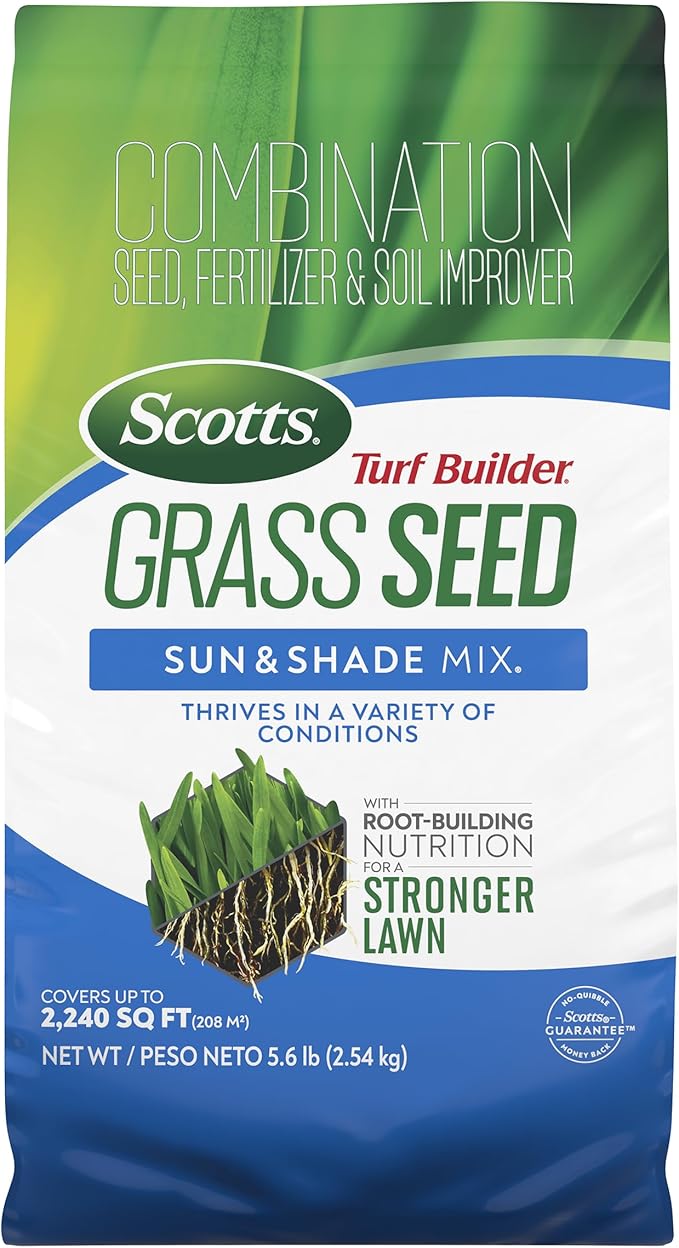 | Scotts Turf Builder Sun & | Check Price |
Our Top Picks 3  | Pennington Contractors Grass Mix | Check Price |
Our Selected Top 15 Seed to Overseed Lawn for Every Budget
This list features a variety of lawn seeds designed for overseeding, suitable for different budgets and needs. Each review explains how well the seed performs, who it’s best for, and highlights its strengths and weaknesses to help you make an informed choice.
1. Pennington Annual Ryegrass
Perfect for southern lawns needing quick green cover during winter, it suits anyone looking to overseed warm-season grasses like Bermuda or Zoysia. The best quality is its rapid establishment, showing results in just days while handling full sun exposure well.
Sowing in spring and giving moderate water helps the coated seeds take root fast. It thrives in outdoor settings receiving 6 to 8 hours of sunlight daily. The grass grows about 3 inches tall and fits as a temporary solution for thinning permanent northern lawns, making it practical for varied landscapes across the USA.
The grass establishes quickly and provides vibrant color within one week, holding up well against foot traffic. Disease resistance keeps it healthy during winter months.
Some users mention the temporary nature of annual ryegrass as a downside since it doesn’t provide a permanent lawn fix, but it excels in speedy green cover.
Rapid growth and quick color are its biggest strengths, providing lawn cover within a week. Despite that, the grass only lasts for a season, which some find limiting for a long-term lawn solution.
Ideal for anyone needing green winter grass in southern regions or a fast fix on thin spots. Those wanting a permanent lawn should look for perennial seed options instead.
Pros
- Fast germination within 3 to 7 days
- Good for full sun southern lawns
- Holds up well under foot traffic
- Disease-resistant during winter
Cons
- Annual ryegrass is temporary, not permanent
- Needs moderate watering to establish properly
| Specification | Details |
|---|---|
| Expected Blooming Period | Winter |
| Sunlight Exposure | Full Sun to Light Shade (6-8 hrs sun) |
| Expected Planting Period | Spring |
| Expected Plant Height | 3 inches |
| Moisture Needs | Moderate Watering |
| Seed Treatment Method | Coated |
2. Scotts Turf Builder Sun & Shade Grass Seed
Crafted to thrive in both full sun and moderate shade, the Scotts Turf Builder Sun & Shade Grass Seed combines several types of grass to grow thick, green lawns. Ideal for homeowners looking to overseed and improve their lawn’s durability while also getting soil nutrients in one product.
Day-to-day use involves spreading the seed mix using a Scotts spreader, making it straightforward to apply evenly. Regular watering is necessary to maintain moisture levels.
The blend contains Kentucky bluegrass, perennial ryegrass, creeping red fescue, chewings fescue, and hard fescue, which cater well to a variety of lawn spots especially where sun and shade meet. The fertilizer and soil improver included cut down on extra gardening steps.
Performance-wise, the seed grows into a strong lawn with medium drought tolerance, giving it a good balance between resilience and water needs. Many users note the thick green growth after spring planting.
Some mention waiting longer than expected to see full thickening, which may test patience. The seed has enough durability to handle moderate lawn traffic without quickly wearing out.
Strong, green growth emerges after planting in spring with root-building nutrition helping establish the lawn. Most users find it takes time to achieve full thickness, demanding patience and watering commitment. The fertilizer and soil improver simplify lawn care, combining multiple steps into one product.
Those looking for a lawn seed mix suited for varied light conditions and willing to water regularly will appreciate this product. Anyone seeking rapid thickening under drought or heavily shaded areas might want to explore alternatives better tailored to those environments.
Pros
- Works well in both sun and shade
- Seed mix includes five grass types
- Includes fertilizer and soil improver
- Medium drought tolerance balances water needs
Cons
- Growth thickening can take longer than expected
- Requires consistent watering to establish well
| Specification | Details |
|---|---|
| Sunlight Exposure | Full Sun |
| Indoor Outdoor Usage | Outdoor |
| Moisture Needs | Regular Watering |
| Expected Planting Period | Spring |
| Seed Treatment Method | Scotts Spreader |
| Medium Drought Tolerance | Yes |
3. Pennington Contractors Central Grass Seed Mix
Quick germination stands out as the biggest advantage in this seed mix, designed mainly for overseeding and lawn repair. It suits homeowners tackling patchy lawns who want visible results without waiting too long. The regional focus makes it a solid option for areas within USDA hardiness zones 1 through 5.
Preparing a yard for reseeding is straightforward thanks to its coated seeds that simplify planting. Using it in the spring and fall fits well with typical lawn care routines, and moderate watering keeps the seeds healthy during growth. Coverage up to 4,000 sq.
ft. lets you tackle large lawns without needing multiple bags, saving time and effort on application.
Growth starts showing in as little as 7 to 21 days, so lawns look refreshed fairly quickly. The grass height generally stays around 3 inches, which maintains a neat, manageable lawn without a lot of constant trimming.
The mix is designed for outdoor use and thrives best with 4-6 hours of sunlight daily. A common drawback is that it requires consistent, moderate watering to maintain good progress, which can be a commitment for busy schedules.
The seed mix shows quick growth, bringing noticeable lawn improvements within three weeks, which appeals to those needing fast patch repair. The need for moderate watering is a frequent concern, as neglecting this slows down the grass development substantially.
Gardeners in cooler climates within zones 1 to 5 gain the most benefits, especially when handling moderate-sized lawn areas. Those living outside these zones or who struggle to maintain regular watering schedules might want to consider other options better suited for their conditions.
Pros
- Visible lawn repair effects in 7 to 21 days
- Coated seeds for easier planting
- Covers up to 4,000 sq. ft.
- Formulated for specific regional climates
Cons
- Requires consistent moderate watering
- Limited to zones 1 through 5 climate-wise
| Specification | Details |
|---|---|
| Expected Blooming Period | Fall |
| Sunlight Exposure | 4-6 Hours of Sun |
| Expected Planting Period | Spring |
| USDA Hardiness Zone | 1, 2, 3, 4, 5 |
| Expected Plant Height | 3 inches |
| Moisture Needs | Moderate Watering |
4. Pennington Smart Seed Kentucky Bluegrass Blend

Choosing a seed mix that delivers both durability and density sets this blend apart for overseeding lawns that get moderate sunlight. The built-in fertilizer means you aren’t guessing on extra feeding, which makes it ideal for anyone wanting thicker, healthier Kentucky bluegrass without extra fuss.
Preparation starts with checking that your lawn receives between 4 to 6 hours of sunlight daily, as recommended. Spread the coated seeds evenly and water regularly to keep the soil moist. The product naturally handles some foot traffic and stands up to common lawn diseases, which keeps maintenance lighter once established.
The seed germinates within 15 to 30 days, giving a quick turnaround for those needing a fast lawn revival. It’s designed to save water compared to regular seed, making it a smart environmental option. One downside is the growth is modest at around 3 inches tall, which might not suit all lawn styles.
The fertilizer mix helps a lot but may require reapplication in longer seasons.
The grass develops quickly into a dense, durable lawn that manages wear well, thanks to the included fertilizer and disease resistance features. A common limitation is the sunlight requirement, restricting use in shadier areas and the modest growth height that may not appeal to those wanting a taller turf.
Anyone with a moderately sunny lawn aiming for thick Kentucky bluegrass will find this seed beneficial. Those with heavily shaded lawns or looking for taller grass might want to explore other seed options more suited to their conditions.
Pros
- Contains appropriate fertilizer for healthy growth
- Resistant to disease and foot traffic
- Requires less water than ordinary grass seed
- Quick visible results in 15 to 30 days
Cons
- Only suitable for areas with 4-6 hours of sunlight
- Grass height limited to around 3 inches
| Specification | Details |
|---|---|
| Sunlight Exposure | 4-6 Hours |
| Expected Plant Height | 3 inches |
| Expected Blooming Period | Fall |
| Expected Planting Period | Spring |
| Seed Treatment Method | Coated |
5. Scotts EZ Seed Patch & Repair

Patching bare spots in your lawn can be a chore, but Scotts EZ Seed Patch & Repair makes it much simpler. It suits anyone wanting an easy way to fill in damaged or thin areas, combining three types of grass seed for better coverage and adaptability in sun or shade.
Its biggest strength is that it includes mulch and fertilizer, all in one jug.
Preparation is straightforward: clear the area first, then spread the seed evenly over up to 85 square feet. Water the patch until the soil is soaked but not puddled.
The seed mix contains Kentucky bluegrass, perennial ryegrass, and fine fescue, which means it works well in various light conditions and soil types. Daytime temperatures ideally should stay between 60°F and 80°F for best germination, so plan your timing accordingly.
Performance-wise, the grass fills in bare patches fairly well under the right temperature conditions, making lawn repair manageable without extra products. Built into a 3.75 lb jug, the package offers a good amount for small to medium repairs. Positive feedback highlights ease of use and reliable grass growth, while some users note that results depend heavily on temperature and proper watering.
Many appreciate how easy it is to patch lawns with one product that combines seed and fertilizer. However, success depends on applying it during appropriate temperatures and maintaining steady watering, which some find challenging.
Gardeners aiming to repair small to medium lawn spots under moderate weather will find this product handy. Those with large areas or colder climates might prefer a seed mix designed for different conditions or seasons.
Pros
- Includes seed, mulch, and fertilizer in one product
- Covers up to 85 square feet per jug
- Works in both sun and shade areas
- Simple three-step application process
Cons
- Best germinates between 60°F and 80°F
- Requires consistent watering until absorbed
| Specification | Details |
|---|---|
| Brand | Scotts |
| Model Number | Scotts – 17508 |
| Coverage | Up to 85 sq. ft. |
| Unit Count | 64 Ounce |
| Seed Types | Kentucky bluegrass, perennial ryegrass, fine fescue |
6. Pennington Kentucky 31 Tall Fescue Grass Seed

Pennington Kentucky 31 Tall Fescue Grass Seed covers up to 4,000 sq. ft. and grows thick grass blades that hold up well against foot traffic.
Best for lawns facing hot summers and heavy rains, it works in full sun to medium-shaded areas, making it suitable for various outdoor lawn types.
Planting is typically done in spring, with grass showing results between 8 and 21 days. The seed adapts well to sandy soil and requires moderate watering.
It grows up to 3 inches tall, which keeps lawns manageable without constant trimming. It handles sun exposure for 4 to 8 hours, balancing shade and sunlight needs effectively.
Strong blades stand up to wear from everyday foot traffic while maintaining a healthy look during heat and rain seasons. The Penkoted coating on the seeds supports better germination and durability. Some reviews mention it takes patience for full lawn coverage, and occasional patchy growth may occur early on, but the thickness comes through after establishment.
The seed’s strongest feature is its durability against heat, rain, and foot traffic, but initial germination can be slow with patchiness before the lawn thickens up. The Penkoted coating helps seeds hold up well until they establish.
This works well for people wanting a tough, low-maintenance lawn in varied sun conditions, especially on sandy soil. Those expecting quick full coverage or with heavily shaded yards might want to look for alternatives.
Pros
- Handles heat and heavy rain well
- Works in full sun to medium shade
- Thick grass stands up to foot traffic
- Covers large areas up to 4,000 sq. ft.
Cons
- May show patchy growth early on
- Slow to fully cover lawn at first
| Specification | Details |
|---|---|
| Expected Planting Period | Spring |
| Coverage Area | Up to 4,000 sq. ft. |
| Sunlight Exposure | 4-8 Hours of Sun |
| Expected Plant Height | 3 inches |
| Soil Type | Sandy Soil |
| Moisture Needs | Moderate Watering |
7. Scotts Turf Builder Thickr Lawn Seed

Anyone looking to revive a patchy lawn with minimal effort will find this seed mix useful. Best for lawns that get full sun, it combines seed, fertilizer, and soil improver to create a denser turf.
Its biggest strength is the potential to increase lawn thickness by up to 50% when given proper care.
Applying the mix is straightforward, designed for use in late spring and again in late summer or early fall. The 3-in-1 formula simplifies the overseeding process by handling seed, feeding, and soil enhancement all at once.
It works on both sun and shade areas but prefers full sun exposure, and using it twice yearly helps fill in thin spots and promote healthier roots.
Performance is solid with grass growing thicker and greener when the product is used as directed. The combination approach supports better root development, which is a key part of sustained lawn quality. Most praise focuses on how the lawn visibly improves after treatment.
Some mention that results vary depending on the current lawn condition, so expectations should be managed.
Visible improvement in lawn thickness is a frequent benefit, with many noting greener, denser turf following treatment. Some point out that lawn condition before use greatly impacts the results, which can be less noticeable if the lawn is not properly cared for. The application schedule also plays a role in success.
Those with thin or weak lawns that receive full sun and can follow the recommended twice-yearly application will likely be satisfied. Lawns mostly in shade or those that cannot be maintained regularly might need a different approach for overseeding.
Pros
- Up to 50% thicker lawn with proper care
- Combines seed, fertilizer, and soil improver
- Suitable for both sun and shade areas
- Easy to apply twice a year
Cons
- Results vary depending on lawn condition
- Designed mainly for full sun exposure
| Specification | Details |
|---|---|
| Sunlight Exposure | Full Sun |
| Weight | 10 lb. |
| Application Times | Late spring, late summer or early fall |
| Key Features | Grass seed, fertilizer, soil improver |
| Area of Use | Thin and weak lawns |
8. Pennington Smart Seed Perennial Rye Grass Seed

Pennington Smart Seed Perennial Rye Grass Seed stands out for its ability to grow a fine-bladed, lush lawn in spots receiving 4 to 6 hours of sunlight. It suits homeowners aiming for a cool-season grass that sprouts quickly and saves water during establishment. Its biggest strength is showing noticeable green growth in just over a week.
Getting the seed down is straightforward thanks to its coated treatment, which helps with even spreading and germination. You’ll want to plant it in spring and provide moderate watering to keep it thriving.
Coverage extends to 750 square feet per bag, making planning your overseeding easier. Its growth stays vibrant into cooler months, balancing well between aesthetic and practicality.
This perennial ryegrass grows to about 3 inches tall, holding its color well through winter and returning year after year. It tolerates foot traffic and shows resistance to common lawn diseases. People frequently praise how fast it greens up while occasional remarks mention that 4-6 hours of sun is a limit to keep in mind for best results.
Pennington Smart Seed Perennial Ryegrass is appreciated for its quick greening and drought savings, making it a practical choice for those managing watering. The most noted drawback relates to its sunlight needs, which some find limiting in heavily shaded areas.
Gardeners looking for a hardy, cool-season lawn that recovers well and shows early results will be satisfied. Those with full shade or who want a lawn for warm-season use year-round might consider alternatives better suited to lower light or different climates.
Pros
- Shows green growth in 8 to 14 days
- Uses up to 30% less water
- Maintains color into winter
- Disease resistant and traffic durable
Cons
- Needs 4-6 hours of sunlight daily
- May require moderate watering to sustain
| Specification | Details |
|---|---|
| Sunlight Exposure | 4-6 Hours |
| Expected Plant Height | 3 inches |
| Coverage Area | 750 sq. ft. |
| Moisture Needs | Moderate Watering |
| Expected Planting Period | Spring |
| USDA Hardiness Zone | 1-12 |
9. Pennington No Mow Fescue Grass Seed

Pennington No Mow Fescue Grass Seed offers a low-maintenance lawn solution that suits homeowners looking to cut down mowing time. Its biggest strength lies in growing tall grass that naturally flops down, creating a neat, no-mow lawn perfect for slopes and tough-to-access areas.
Setting up the lawn requires soil preparation, followed by spreading the seed evenly using a spreader. Regular watering encourages consistent growth, making it simple to maintain a green lawn without the usual mowing chores. It thrives with 4-6 hours of daily sun and works best when planted in the fall to ensure healthy spring and summer growth.
Performing well on erosion-prone hills, this grass seed mix grows up to 12 inches and then settles to about 6 inches, reducing maintenance time. It handles droughts reasonably well, supporting sustainability with minimal watering needs. Reviews frequently point out its ease of care, while some note the slower establishment as a downside during early growth phases.
The grass grows tall and flops naturally, reducing mowing needs, which many find convenient. Common complaints mention the slower start and need for consistent watering during early growth.
Homeowners with slopes, hills, or hard-to-mow lawns will appreciate the low upkeep and drought tolerance. Those wanting quick lawn coverage or very short grass might prefer a different seed mix.
Pros
- Low-maintenance no mow mix
- Drought tolerant for tough areas
- Suitable for slopes and hills
- Supports eco-friendly lawn care
Cons
- Slower growth during initial establishment
- Requires regular watering to thrive
| Specification | Details |
|---|---|
| Expected Plant Height | 12 inches |
| Sunlight Exposure | 4-6 Hours of Sun Per Day |
| Expected Planting Period | Fall |
| Moisture Needs | Regular Watering |
| USDA Hardiness Zone | 1-12 |
10. Jonathan Green Black Beauty Sunny Grass Seed
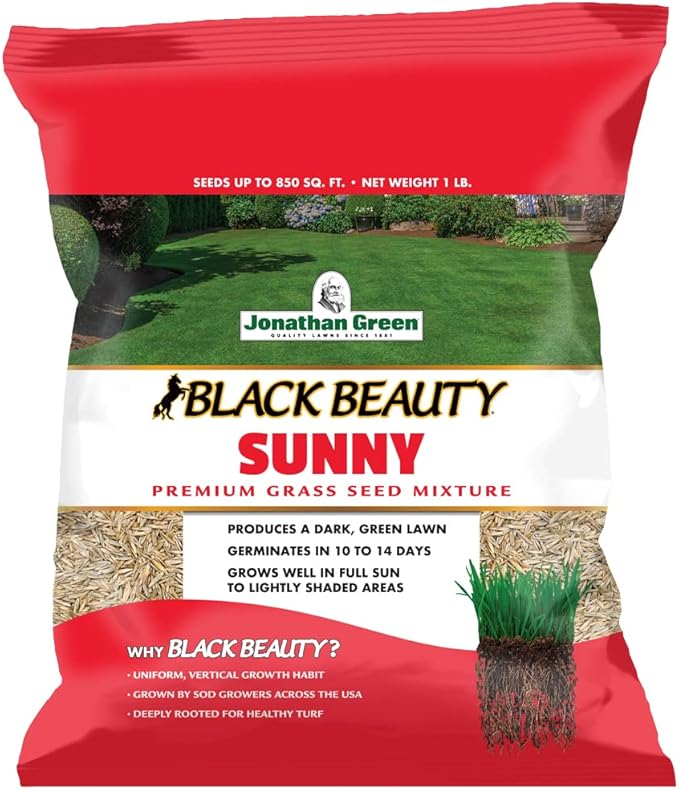
Easy to handle and quick to spread, this grass seed mix suits lawns that get plenty of sun and need to stand up to heat. Its biggest strength is how well it tolerates hot conditions, making it a solid choice for southern-facing yards or slopes where dryness is a concern.
Mixing perennial rye, Kentucky bluegrass, and tall fescue means the grass grows steadily from spring through fall. The seed likes loam soil and moderate watering, and you’ll find it easy to overseed on slopes or sunny areas since it holds moisture better than many other mixes. The waxy coating on the grass blades helps keep water in, cutting down on the usual evaporation you’d find in hotter spots.
The lawn from this seed pumps out a dense, green turf that resists drought well and handles full sun without fading. It grows to about 65 centimeters tall, staying healthy even with less water.
Some note that it’s best in full sun and doesn’t perform as well in heavy shade. Praises focus on its heat and drought resistance; some users mention it needs steady moderate watering to get started.
Most users find the heat tolerance and drought resistance impressive, making it stand out in sunny, dry environments. Some mention that the grass requires steady moderate watering when new, which can be a bit demanding for casual gardeners. The seed thrives on southern exposures but doesn’t perform as well in dense shade.
Ideal for those with sunny lawns or drying slopes looking to maintain lush grass through hot months. Those with shaded yards or who prefer low-water care might want to explore other seed varieties better adapted to those conditions.
Pros
- Handles heat and drought well
- Good for sunny and lightly shaded areas
- Works on slopes with water runoff
- Wax coating helps preserve moisture
Cons
- Needs consistent moderate watering initially
- Less effective in heavy shade
| Specification | Details |
|---|---|
| Sunlight Exposure | Full Sun |
| Expected Blooming Period | Spring to Fall |
| Expected Plant Height | 65 centimeters |
| Soil Type | Loam Soil |
| Moisture Needs | Moderate Watering |
| Special Features | Drought Tolerant |
11. X-Seed Ultra Premium Lawn Seed Mixture

Great for central and northern climates, this lawn seed mixture grows dense, green grass fast. Suitable for overseeding existing lawns and handling high-traffic spots, it stands out for its moisture retention technology that helps the seed absorb a lot of water, speeding up germination and making it easier to grow healthy grass in sun or shade.
Applying the seed is straightforward thanks to the large coverage area of a 7 lb bag. It works well on established lawns and new patches alike, needing moderate watering to keep the moisture levels right.
The blend of perennial ryegrass, fine fescue, and Kentucky bluegrass fits different light conditions which simplifies lawn care on both sunny and shady areas.
The seed mix is designed for rapid germination and covers almost 5,000 square feet on existing lawns, which makes it efficient for larger projects. It produces thick, resilient grass that holds up well under foot traffic and pets.
The most frequent issue mentioned is the same moisture need making care a bit more hands-on during dry spells.
Strong points include the fast germination thanks to moisture boost technology, creating lush lawns quickly in cool climates. The regular need for moderate watering is the main challenge, requiring attention to keep the seed thriving, especially during dry spells.
Good choice for anyone in central or northern regions wanting dense, green grass in both sun and shade. Those in warmer, drier areas might want a seed mix better adapted to handle heat and drought without as much watering.
Pros
- Rapid germination with moisture boost technology
- Covers large areas with one 7 lb bag
- Handles sun and shade well
- Durable on high-traffic and pet areas
Cons
- Requires consistent watering to maintain growth
- Less suited for very hot or dry climates
| Specification | Details |
|---|---|
| Indoor Outdoor Usage | Outdoor |
| Sunlight Exposure | Full Sun |
| Moisture Needs | Moderate Watering |
| USDA Hardiness Zone | 2a |
| Coverage Area (Existing Lawn) | 4,900 sq ft |
12. Pennington Smart Seed Ohio State Mix

A mix of Tall Fescue, Perennial Ryegrass, and Kentucky Bluegrass makes up the Pennington Smart Seed Ohio State Mix. Ideal for outdoor lawns getting 4 to 6 hours of sunlight, it’s designed to handle summer heat and cold winters.
Its standout trait is using less water, up to 30% savings, while keeping a healthy lawn.
Planting requires moderate watering and is best done in spring. The seeds come coated, which helps with even spreading and quicker germination, showing growth in about 8 to 14 days. The included fertilizer supports early growth, reducing extra work.
Suited for zones around 7, it’s made with disease resistance and drought tolerance in mind, meaning less worry about weather extremes.
The grass grows to about 3 inches, resulting in a durable surface that balances color and texture well. Most reviews commend its strong drought tolerance and quick greening effect. Some express that limited sunlight areas might slow growth.
It fulfills its promise to improve lawn density without needing constant water or care.
The grass seed receives praise for its drought tolerance and quick appearance of green, making it clear that lawns improve visibly within two weeks. A common issue is its reliance on receiving enough sunlight to perform well, so shaded spots may not see as good results.
People with lawns that get moderate sunlight and face variable weather will find this seed mix suited to their needs. Those with heavily shaded lawns or in colder zones outside USDA 7 might want to look into alternatives handling less light or colder climates better.
Pros
- Handles summer heat and harsh winters well
- Uses up to 30% less water
- Starts showing growth in 8 to 14 days
- Includes just enough fertilizer for early success
Cons
- Best for areas with at least 4 hours of sun
- May grow slower in shade or less ideal zones
| Specification | Details |
|---|---|
| Sunlight Exposure | 4-6 Hours |
| Expected Plant Height | 3 inches |
| USDA Hardiness Zone | 7 |
| Moisture Needs | Moderate Watering |
| Seed Treatment Method | Coated |
13. Pennington the Rebels Sun and Shade Grass Seed

Pennington The Rebels Sun and Shade Grass Seed is favored for producing a darker, greener, and denser lawn suited to yards with 4 to 6 hours of sunlight. It appeals to homeowners needing a tough, low-maintenance lawn that thrives in both sun and partial shade conditions.
Setup involves planting during spring, with expectations for regular watering to keep moisture consistent. Grows up to around 3 inches tall and can handle a variety of soil types, making it flexible for different lawn conditions.
Seeing grass emerge within roughly 8 to 21 days means quick results without much fuss.
Relies on thick, deep roots to withstand heat, drought, insects, and heavy foot traffic, making it a resilient tall fescue option. The seed performs well in less than ideal conditions and delivers a visually rich lawn. Some mention it requires attentiveness to watering during germination.
Most compliment its durability and impressive density.
Grass emerges quickly, often between 8 and 21 days with regular watering, forming a dense, dark lawn that stands up well to tough conditions. Some note that early stages demand steady moisture, which might be challenging without consistent care.
Great fit for those with yards receiving moderate sun and who need a durable lawn resistant to heat and traffic. Those with less than 4 hours of sunlight or who cannot maintain regular watering may want to explore other options.
Pros
- Grows well in partial shade to full sun
- Thick and deep root system for durability
- Produces a darker, greener, and denser lawn
- Handles heavy foot traffic and drought
Cons
- Requires consistent watering during early growth
- Needs a minimum of 4 hours sunlight daily
| Specification | Details |
|---|---|
| Sunlight Exposure | 4-6 Hours of Sun Per Day |
| Expected Plant Height | 3 inches |
| Expected Blooming Period | Spring to Summer |
| Moisture Needs | Regular Watering |
| Expected Planting Period | Spring |
14. Eretz Annual Ryegrass Seed

Quick germination and vigorous growth make Eretz Annual Ryegrass Seed a solid pick for anyone wanting to boost their lawn’s green coverage fast. It suits those looking to overseed tired lawns or mix grass with clovers and other crops for diversity and soil health.
Getting started involves spreading the seed over the area you want to improve. It works well in sunlit spots but also handles some shade. Keeping the soil moderately moist after sowing helps seeds sprout and grow quickly.
Daily care mainly revolves around watering enough for steady growth without overdoing it.
The seed delivers fast and vibrant grass growth, helping old lawns look fuller and greener in short order. It’s grown in Willamette Valley, Oregon, ensuring high-quality, weed-free seeds that support soil stabilization and erosion control. Most users appreciate how quickly it germinates, though some mention it needs regular watering to keep up best growth.
Fast germination stands out as the main advantage, making lawn green-up noticeably quicker. Regular moderate watering is essential; lacking this care delays or limits growth. The seed quality from Oregon guarantees weed-free results but demands attention to moisture levels.
Anyone wanting quick overseeding with natural soil benefits will appreciate the lively growth and mixing options. Those unable to commit to ongoing watering or seeking all-season grass should consider alternatives better fit for drier or different seasonal conditions.
Pros
- Fast germination and growth rate
- Good for mixing with clovers and vetches
- Supports soil stabilization and erosion control
- Originates from weed seed free local production
Cons
- Requires consistent moderate watering
- Performs best in winter blooming period only
| Specification | Details |
|---|---|
| Expected Blooming Period | Winter |
| Sunlight Exposure | Full Sun, Partial Shade, Partial Sun |
| Moisture Needs | Moderate Watering |
| Origin | Willamette Valley, Oregon USA (Weed Seed Free) |
15. Jonathan Green Blue Panther Kentucky Bluegrass Seed

Overseeding a lawn that needs a rich, consistent bluegrass look suits anyone aiming for a 100% Kentucky Bluegrass lawn. It’s perfect for those wanting to refresh thinning patches or start a new yard with a durable, dark-green turf that handles foot traffic well.
Setting it up just requires regular watering and some patience for the cool-season seed to establish. Best sown in sandy soil under partial sun, it grows steadily from spring through fall. Day-to-day, it needs low maintenance while filling in thin areas and blending well with existing Kentucky bluegrass sod.
The seed reliably produces a dense lawn with uniform leaf texture and a deep green shade. Alongside its ability to create sod-quality grass, it resists wear, making it well-suited for active yards.
Some reviews mention slower germination in cooler conditions as a drawback, but the thick coverage and color remain strong points.
The seed builds a thick, healthy bluegrass lawn that withstands regular wear, praised frequently for its color and density. Some reports note slower growth in cooler climates, which can delay the lawn’s full development.
People wanting a dark green, consistent Kentucky Bluegrass lawn and willing to water regularly will appreciate this seed. Those needing faster germination or with soil types other than sandy might look for alternatives better suited to those conditions.
Pros
- Creates a uniform dark green lawn
- Low maintenance once established
- Good for overseeding thinning Kentucky bluegrass
- Durable under high foot traffic
Cons
- Slower germination in cooler weather
- Best suited for sandy soil only
| Specification | Details |
|---|---|
| Indoor/Outdoor Usage | Outdoor |
| Sunlight Exposure | Partial Sun |
| Soil Type | Sandy Soil |
| Moisture Needs | Regular Watering |
| Expected Blooming Period | Spring to Fall |
Best Seed to Overseed Lawn Comparison Table
| Product | Usage | Sunlight Exposure | Planting Period | Moisture Needs |
|---|---|---|---|---|
| Pennington Annual Ryegrass | Outdoor | Full Sun to Light Shade | Spring | Moderate Watering |
| Scotts Turf Builder Sun & | Outdoor | Full Sun | Spring | – |
| Pennington Contractors Grass Mix | Outdoor | 4-6 Hours Sun | Spring | Moderate Watering |
| Pennington Smart Seed Bluegrass | Outdoor | 4-6 Hours | Spring | Regular Watering |
| Scotts EZ Seed Patch Repair | Outdoor | – | – | – |
| Pennington Kentucky 31 Fescue | Outdoor | 4-8 Hours Sun | Spring | – |
| Scotts Turf Builder Thickr Seed | – | Full Sun | – | – |
| Pennington Smart Seed Ryegrass | Outdoor | 4-6 Hours | Spring | Moderate Watering |
| Pennington No Mow Fescue | Outdoor | 4-6 Hours Sun Per Day | Fall | Regular Watering |
| Jonathan Green Black Beauty | Outdoor | Full Sun | – | Moderate Watering |
| X-Seed Ultra Premium Seed | Outdoor | Full Sun | – | Moderate Watering |
| Pennington Smart Seed Ohio Mix | Outdoor | 4-6 Hours | Spring | Moderate Watering |
| Pennington The Rebels Sun & | Outdoor | 4-6 Hours Sun Per Day | Spring | Regular Watering |
| Eretz Annual Ryegrass | – | Full Sun, Partial Shade | – | Moderate Watering |
| Jonathan Green Blue Panther | Outdoor | Partial Sun | – | Regular Watering |
- UsageOutdoor
- Sunlight ExposureFull Sun to Light Shade
- Planting PeriodSpring
- Moisture NeedsModerate Watering
- UsageOutdoor
- Sunlight ExposureFull Sun
- Planting PeriodSpring
- Moisture Needs–
- UsageOutdoor
- Sunlight Exposure4-6 Hours Sun
- Planting PeriodSpring
- Moisture NeedsModerate Watering
- UsageOutdoor
- Sunlight Exposure4-6 Hours
- Planting PeriodSpring
- Moisture NeedsRegular Watering
- UsageOutdoor
- Sunlight Exposure–
- Planting Period–
- Moisture Needs–
- UsageOutdoor
- Sunlight Exposure4-8 Hours Sun
- Planting PeriodSpring
- Moisture Needs–
- Usage–
- Sunlight ExposureFull Sun
- Planting Period–
- Moisture Needs–
- UsageOutdoor
- Sunlight Exposure4-6 Hours
- Planting PeriodSpring
- Moisture NeedsModerate Watering
- UsageOutdoor
- Sunlight Exposure4-6 Hours Sun Per Day
- Planting PeriodFall
- Moisture NeedsRegular Watering
- UsageOutdoor
- Sunlight ExposureFull Sun
- Planting Period–
- Moisture NeedsModerate Watering
- UsageOutdoor
- Sunlight ExposureFull Sun
- Planting Period–
- Moisture NeedsModerate Watering
- UsageOutdoor
- Sunlight Exposure4-6 Hours
- Planting PeriodSpring
- Moisture NeedsModerate Watering
- UsageOutdoor
- Sunlight Exposure4-6 Hours Sun Per Day
- Planting PeriodSpring
- Moisture NeedsRegular Watering
- Usage–
- Sunlight ExposureFull Sun, Partial Shade
- Planting Period–
- Moisture NeedsModerate Watering
- UsageOutdoor
- Sunlight ExposurePartial Sun
- Planting Period–
- Moisture NeedsRegular Watering
How to Choose the Right Seed for Overseeding
Selecting the right seed depends on climate, soil type, and lawn use to ensure healthy growth and durability. Choosing suitable seeds reduces waste, prevents patchy lawns, and minimizes the need for extra treatments, saving both time and money in the long run.
Seed Type and Grass Variety
Lawns with mismatched grass types often show patchy growth and uneven color. Using a seed that blends well with your current lawn helps the new grass establish without standing out. For example, cool-season grasses like Kentucky bluegrass do better in northern areas and can handle cold, while warm-season grasses like Bermuda thrive in the heat of the south.
This choice affects daily lawn care routines such as watering frequency and mowing height.
Picking a grass variety that suits your yard’s conditions is important too. Some grasses resist heavy foot traffic, essential for busy yards, while others might tolerate shade better. Checking on characteristics such as drought tolerance or shade adaptability helps avoid weak spots developing after overseeding.
Look for seed packages that specify these traits clearly to find a match that fits your backyard’s challenges.
Seed Purity and Germination Rate
Seeds mixed with debris or weed seeds can cause problems as unwanted plants compete for nutrients. High seed purity on the bag means fewer fillers and weeds, leading to a denser lawn and less maintenance.
Germination rate heavily affects how thick your grass grows; a rate above 80% generally means quicker and more dependable results.
Seed labels usually display purity and germination percentages along with test dates. These facts matter since fresh, clean seeds grow more uniformly, reducing patchiness. Bags following official seed labeling standards, like those seen on USDA-certified seed, offer a reliable way to gauge quality before buying.
Seed Coverage and Bag Size
Applying too little seed leaves bare spots that need reseeding sooner. Large lawns require proportionally bigger bags, while small areas can use smaller ones that are easier to handle. Recommendations often suggest 3 to 5 pounds per 1,000 square feet, but checking the bag’s coverage range helps avoid guesswork.
Buying the right bag size also affects storage. Oversized bags can be bulky and lose viability fast if not stored properly.
Some bags contain coatings that retard moisture absorption, making them more durable for multiple uses over time. Balancing coverage with convenience makes regular overseeding simpler to manage.
Soil and Climate Adaptability
Seed that thrives in sandy soil performs poorly in clay, often stalling early growth. Loamy soil holds nutrients best and supports most grass types well.
Knowing your soil texture helps pick a seed blend that fits naturally rather than forcing the grass to struggle. Local climate factors such as average rainfall and seasonal temperatures directly influence germination timing and success.
Cool climates with short growing seasons benefit most from cool-season varieties planted early fall or spring. Warm climates call for warm-season seeds timed to avoid frost and maximize heat.
Ignoring soil and climate compatibility usually leads to slow germination and weak lawns that require more watering and care.
Seed Treatment and Additives
Some seeds arrive coated with fungicides that reduce disease risk in damp early weeks, an advantage in humid or rainy areas. Fertilizer treatments boost early growth by supplying essential nutrients, often speeding up root establishment. These treatments can be worth the extra cost if your soil lacks organic matter or you want quicker lawn recovery.
Additives promoting faster germination, such as coated polymers, help seeds retain moisture. This reduces watering frequency, which is practical for busy gardeners.
However, some premium coatings add significant expense without substantial benefits in well-maintained soils. Assessing your lawn’s condition against package claims will guide whether enhanced seed options are a reasonable investment.
Effective Techniques for Preparing Your Lawn Before Overseeding
Proper preparation of your lawn significantly improves the success of overseeding. Begin by mowing your existing grass shorter than usual, which helps the new seeds reach the soil more easily.
Remove any accumulated thatch, as thick layers prevent seed-to-soil contact. Aerating the lawn with a core aerator creates holes that increase oxygen and water penetration, encouraging seed germination.
Before spreading seeds, rake the lawn to clear debris and break up soil clumps. This creates a better seedbed and ensures the seeds don’t just sit on top of the ground. Applying a starter fertilizer tailored for new grass supports young seedlings with essential nutrients.
Finally, water the area lightly but regularly to keep the soil consistently moist during the critical germination period.
Common Mistakes to Avoid When Overseeding Your Lawn
Putting seeds down without properly preparing the soil is a common error that reduces germination rates. Avoid overseeding over thick thatch or compacted soil as these conditions prevent seed roots from establishing firmly. Spreading too many seeds can cause overcrowding, which leads to weak, thin grass rather than a dense lawn.
Skipping the watering schedule after overseeding is another frequent mistake. Seeds need consistent moisture to sprout and develop; otherwise, they dry out and die.
Applying fertilizer immediately after overseeding without choosing the right type can burn new seedlings. Applying seed in windy or very hot weather also harms seed placement and growth.
People Also Asked
How Do I Prepare My Lawn Before Overseeding with New Seed?
Start by mowing your lawn shorter than usual and removing any debris or thatch. Loosen the soil with a rake or aerator so the new seeds can make good contact with the ground. Water lightly after seeding to keep the soil moist but not waterlogged.
What Is the Recommended Seeding Rate for Overseeding a Lawn?
A typical seeding rate is about 5 to 10 pounds of seed per 1,000 square feet, depending on the grass type and lawn condition. Over-applying seed won’t help and can crowd new seedlings. Check the seed bag since rates vary between species.
How Long Does Overseeded Grass Take to Fully Establish?
Overseeded grass usually takes 2 to 6 weeks to germinate and start growing, but full establishment can take a few months during which the new grass fills in and thickens. Keep the soil consistently moist to avoid dry spots that hinder growth.
Are There Common Problems After Overseeding and How to Fix Them?
Common problems include uneven germination and weed growth. Light, frequent watering helps seeds sprout evenly. Remove weeds early to reduce competition by pulling them or spot-treating with herbicide after the grass starts growing.
Can Overseed Grass Be Mixed with Existing Lawn Types Safely?
Overseeding with similar grass types that match your existing lawn is generally safe and improves lawn density. Mixing very different grass species can result in patchy growth or color differences, so choose seed blends recommended for your region and current lawn type.
Conclusion
Choosing the best seed for overseeding your lawn depends mostly on climate compatibility, seed purity, and how quickly you want the grass to establish. Consider the type of grass that thrives in your region and the quality of the seeds to avoid weeds. Germination speed matters if you need fast coverage, especially for high-traffic areas.
Match the seed choice to your yard size and how much effort you want to put into maintenance. Smaller spaces or tighter budgets might call for blends that are easier to care for and more economical. Take another look at the comparison table and product details to find the seed that fits your specific needs and conditions best.