Top 15 Best Cloverpit Seed You Can’t Miss Today!
Using a poorly designed cloverpit seed can turn planting into a frustrating task rather than a simple one. The best cloverpit seed ensures that seeds are evenly spaced and planted at the correct depth, avoiding waste and uneven growth.
Seeds that come loose or clog the mechanism are common issues with cheaper models, leading to patchy coverage and extra work later on.
A reliable cloverpit seed typically features a durable, rust-resistant metal or high-grade plastic construction to withstand frequent use and outdoor conditions. The seed hopper should hold enough seeds to cover a reasonable area without constant refilling, often around a liter or more.
Adjustability for seed size and planting depth is critical, with clear markings to help set depths between 0.5 and 2 centimeters, which suits most clover seed types. Easy disassembly for cleaning reduces downtime and prevents seed jams, making regular maintenance straightforward.
Need a Quick Check?
| Image | Product | Price |
|---|---|---|
Our Top Picks 1  | White Dutch Clover Seeds | Check Price |
Our Top Picks 2 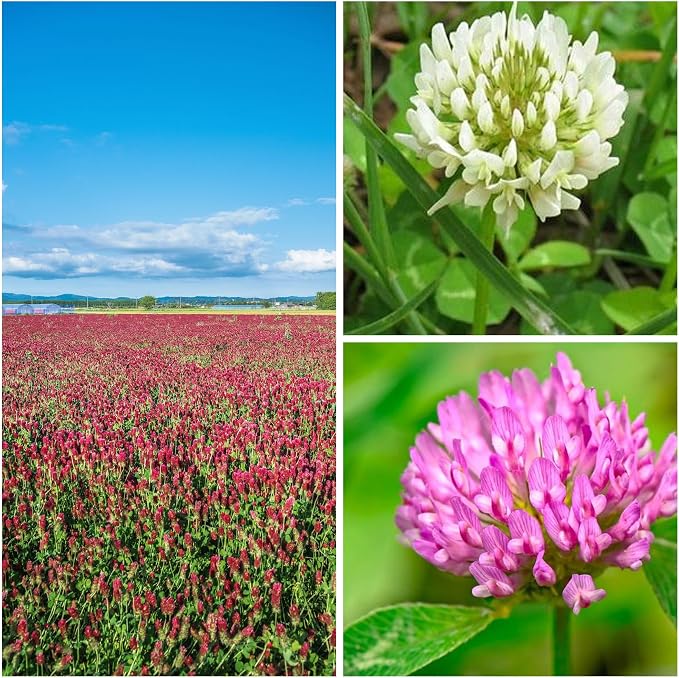 | Mountain Valley Clover Trio | Check Price |
Our Top Picks 3  | Sow Right Cover Crop Seeds | Check Price |
Our Selected Top 15 Cloverpit Seed for Different Needs
This selection features a variety of cloverpit seeds chosen for different gardening conditions and preferences. Each review explains how the seed performs, identifies the ideal user, and highlights its main advantages and disadvantages to help you make an informed choice.
1. White Dutch Clover Trifolium Repens Seeds
White Dutch Clover seeds come as a large 1 ounce packet containing over 40,000 pure live seeds, meant for planting up to 1,000 square feet. Ideal for gardeners wanting a natural green cover that supports pollinators and improves soil health through nitrogen fixation. Its ability to create a dense carpet with delicate white blooms stands out as its biggest benefit.
Planting is straightforward, spreading the seeds evenly over the desired area. The clover grows well between pavers or in a larger meadow setting, quickly developing lush green foliage with white flowers.
Regular watering helps, but the hardy nature of the seeds means they establish relatively easily even under average garden conditions.
The main function of covering ground and attracting bees is handled effectively by the dense growth and flowers. The plant’s resilience and soil enhancing qualities add ongoing garden value.
The biggest plus reported is the visual appeal and bee friendliness; a common downside is that it can take time to fill in a large area completely.
Many find the clover’s thick green carpet and white blooms excellent for garden appeal and supporting pollinators. A noted issue is the time it takes to achieve full coverage when planting large areas.
People wanting a natural ground cover that benefits bees and soil will appreciate these seeds. Those seeking instant lawn coverage might prefer faster-growing alternatives.
Pros
- Large seed quantity for wide coverage
- Attracts pollinators like bees
- Improves soil health by fixing nitrogen
- Works well between pavers and in meadows
Cons
- Slow to fully establish in large spaces
- Requires some care to maintain lush growth
| Specification | Details |
|---|---|
| Unit Count | 1 Ounce |
| Seed Quantity | Over 40,000 Pure Live Seeds |
| Coverage Area | Approximately 1,000 Square Feet |
2. Mountain Valley Seed Co Clover Trio Seed Blend
A mix of red, white, and crimson clover seeds designed for outdoor planting, best suited for gardeners and farmers focused on soil health and attracting pollinators. What stands out most is its balanced blend that supports soil enrichment while providing forage for wildlife.
Sowing these seeds requires moderate watering and benefits from outdoor conditions, making it a straightforward choice for cover cropping or pasture improvement. Because of the high germination rate, setting it up is smooth and reliable.
These seeds grow annually, offering consistent results for soil nitrogen fixing and erosion control throughout the year.
The blend significantly improves soil structure by naturally fixing nitrogen, which helps maintain fertile ground for future crops. Customers have noted its effectiveness in attracting bees and butterflies, enhancing pollination.
One downside mentioned occasionally is the need for consistent watering to keep it healthy. The seed mix itself is well crafted with an emphasis on balance and vitality.
The seed blend consistently attracts pollinators and improves soil fertility, which is its biggest strength. On the downside, it requires regular moderate watering to thrive, which could be a drawback for drier environments or gardeners looking for low-maintenance options.
Those wanting to enrich soil while supporting wildlife will appreciate this seed blend. Gardeners needing indoor options or drought-tolerant plants might want to consider alternatives better suited to those specific conditions.
Pros
- Balanced blend for multiple benefits
- High germination rate ensures good growth
- Works well for pollinators and livestock forage
- Helps improve soil nitrogen naturally
Cons
- Needs consistent moderate watering
- Only suitable for outdoor planting
| Specification | Details |
|---|---|
| Indoor/Outdoor Usage | Outdoor |
| Blooming Period | Annual |
| Moisture Needs | Moderate Watering |
| Seed Blend | Red Clover, White Clover, Crimson Clover |
| Purpose | Cover Crop, Soil Enrichment, Pollinator Support |
| Germination Rate | High |
3. Sow Right Seeds Cover Crop Seed Collection
Choosing a cover crop seed collection that supports soil health while attracting pollinators is a strong reason to consider this set. Ideal for gardeners with clay soil wanting a diverse mix for winter planting, its biggest strength is offering nine different seed packets tailored for soil improvement, erosion control, and weed suppression.
Setup involves sowing the seeds in full sun during winter, making sure to water regularly for good germination. The mix includes annual buckwheat, crimson and Dutch white clover among others, each with clear instructions.
Day-to-day care mainly consists of monitoring moisture and ensuring enough sunlight, which fits well into typical outdoor gardening routines without complex demands.
Performance excels in promoting soil health, reducing erosion, and attracting beneficial insects like pollinators. Each seed packet is chosen with a high germination rate, which reflects well in consistent plant growth.
The strongest praise notes how well the collection works for boosting soil quality. The most common drawback is the necessity for regular watering, which might be demanding in drier climates.
Plants from these seed packets grow reliably thanks to high germination rates and help improve soil while attracting pollinators. Watering demands are frequent, especially in less humid conditions, which needs consistent attention to maintain good growth.
Seasonal gardeners working with clay soil and full sun exposure will appreciate this collection’s benefits. Those unable to commit to regular watering or needing indoor options might want to look for a different seed mix.
Pros
- Includes nine different seed types for variety
- High germination rate for reliable growth
- Attracts pollinators to the garden
- Clear growing instructions included
Cons
- Requires regular watering especially in dry weather
- Only suited for outdoor use in full sun
| Specification | Details |
|---|---|
| Expected Planting Period | Winter |
| Sunlight Exposure | Full Sun |
| Soil Type | Clay Soil |
| Moisture Needs | Regular Watering |
| Expected Blooming Period | Winter |
4. Eretz Tri-Clover Seed Blend

Gardening spots and small plots often need a natural way to boost soil health while inviting pollinators. Eretz Tri-Clover Seed Blend is perfect for anyone who wants a mix that grows lush clover with vibrant blooms and benefits the soil deeply.
Its biggest strength lies in improving soil fertility by fixing nitrogen naturally.
Planting the seeds outdoors suits gardens and small growth plots that receive full sun to partial shade. The blend requires no special coatings or fillers, which means what you sow is pure and effective. It attracts honey bees and other pollinators throughout spring, summer, and fall, supporting a lively garden ecosystem.
No weeds or other unwanted seeds get mixed in, so maintenance stays straightforward.
The seed blend generally grows thick and healthy, creating green manure that adds organic matter to the soil while protecting it. The composition is free from GMO traits, weed seeds, and coatings, reflecting clean, authentic Willamette Valley seed stock. The main praise focuses on its soil health benefits and bee attraction, though some may find it slower to bloom if conditions aren’t ideal.
Most users appreciate the rich growth and pollinator attraction that boost garden vitality, along with a clear increase in soil fertility. However, the main complaint notes that it might take longer to bloom if the growing conditions don’t match the needs for full sun or partial shade.
Those wanting a natural, chemical-free way to improve soil and support pollinators will find this blend works well. Gardeners expecting quick ornamental blooms or seeking seeds for indoor planting might want to explore other options better suited to those needs.
Pros
- Contains three distinct clover flower varieties
- Attracts honey bees for pollination support
- Improves soil fertility through nitrogen fixation
- Free from weed seeds, fillers, and coatings
Cons
- Can have slow blooming under less ideal conditions
- Outdoor use only; no indoor options available
| Specification | Details |
|---|---|
| Indoor Outdoor Usage | Outdoor |
| Sunlight Exposure | Full Sun, Partial Shade, Partial Sun |
| Expected Blooming Period | Spring, Summer, Fall |
| Origin | Willamette Valley, Oregon USA |
| Seed Type | Non GMO and Weed Seed Free |
| Seed Purity | No weed seeds, no fillers, no coatings |
5. Pennington Clover Grass Seed Mix

Covers up to 1,400 sq ft, making it a great choice for northern US lawns looking for a mix of clover and grass. Perfect for outdoor spaces that get 4-6 hours of sunlight daily, it stands out for its hardy white clover component paired with fine grass seed. Ideal for fall planting, it brings greenery during cooler months.
Planting requires a fall season approach with regular watering to keep the moisture level just right. The mix grows to about 2 inches, so it doesn’t get too tall or wild. You’ll need to ensure it receives moderate sunlight daily, which suits many typical northern yards.
Using 7 pounds covers a good-sized area, making it practical for small to medium lawns.
The mix thrives in a broad USDA hardiness zone range from 1 to 12, showing how adaptable it is to many climates. It reliably grows white clover and grass together, which brings a healthier yard environment by balancing soil nitrogen. The most common upside noted is its consistent germination, while some find the 2-inch plant height shorter than expected for lawn coverage.
Many appreciate how reliably this seed mix germinates and thrives within a wide USDA zone range, giving dependable green coverage for fall planting. Some note the short plant height can make the lawn feel less dense than expected, especially in larger spaces.
Those looking for a manageable, low-height lawn with clover benefits will find this seed mix satisfying. Lawns needing taller grass or less frequent watering might need an alternative seed blend more suited to those preferences.
Pros
- Covers a large area with just 7 lbs
- Good for northern US climates
- Balanced clover and grass seed mix
- Adaptable hardiness zones 1-12
Cons
- Plant height limited to 2 inches
- Requires consistent watering for best results
| Specification | Details |
|---|---|
| Coverage | Up to 1,400 sq ft |
| Sunlight Exposure | 4-6 Hours of Sun Per Day |
| Expected Plant Height | 2 inches |
| Moisture Needs | Regular Watering |
| Expected Planting Period | Fall |
| USDA Hardiness Zone | 1-12 |
6. White Dutch Clover Seed Coated

Gardeners looking for a low-maintenance, eco-friendly ground cover will appreciate White Dutch Clover Seed Coated. Its biggest advantage is its high germination rate combined with resilience, making it perfect for areas needing erosion control and improving soil health naturally.
Planting is straightforward in spring, late summer, or fall, thriving best in full sun to partial shade. It requires minimal watering thanks to its drought tolerance. The seed spreads naturally over time, reducing the need for frequent mowing and giving you a greener space with less effort.
Ideal for supporting pollinators like bees and attracting wildlife such as deer.
It performs solidly in providing durable ground cover and contributes to soil nitrogen, cutting down the need for fertilizers. The seed coating improves germination, promoting steady growth.
A common note from users is how well it sustains drought conditions. Some mention that its spread can take time to cover large areas fully.
Highest praise goes to how well the seed establishes itself with minimal care and supports soil health through nitrogen fixing. The most frequent complaint relates to the time it takes for the clover to spread fully across large spaces, which requires patience.
Those wanting a green, low-water ground cover that supports wildlife will find this seed suits their needs well. People looking for rapid coverage or indoor planting options should consider other alternatives.
Pros
- High germination ensures good coverage
- Low maintenance and drought resistant
- Attracts pollinators and wildlife
- Helps reduce fertilizer use due to nitrogen fixing
Cons
- Slow to spread over large areas
- Limited to outdoor use only
| Specification | Details |
|---|---|
| Sunlight Exposure | Full Sun, Partial Shade, Partial Sun |
| Expected Planting Period | Spring, Late Summer or Fall |
| USDA Hardiness Zone | 3-10 |
| Expected Plant Height | 8 inches |
| Special Features | Drought Tolerant, Eco Friendly, Erosion Control, Food Plot, Ground Cover |
7. O.M. Scott & Sons Strawberry Clover Seed

Strawberry clover seed designed for easy lawn care, ideal for those wanting a drought-resistant green space that stays vibrant with minimal effort. It suits anyone looking for a low-maintenance option with the bonus of small, decorative pink flowers adding charm to yards in USDA Zones 6A-9A.
Setup is straightforward by spreading seed outdoors where you want it to grow. Requires little ongoing maintenance due to natural drought tolerance, so watering demands are reduced. Safe for homes with kids and pets since it contains no artificial additives or pesticides.
It encourages playtime in greener lawns without frequent upkeep.
This seed reliably produces a green lawn that remains healthy through drier spells. The build, the clover itself, is tough and holds its color well, matching expectations for drought tolerance.
Noted praise highlights its pet-safe formula, while some note slower establishment compared to traditional grasses.
The strongest praise focuses on how it remains greener longer during droughts while being safe for kids and pets. Most common complaint relates to the slower growth rate compared to ordinary lawn grass, which can be patience-testing for those wanting quick coverage.
People wanting a lawn that requires less water and fewer chemicals will appreciate the low maintenance and pet-safe qualities. Those needing fast lawn establishment or living outside USDA zones 6A-9A might want to explore other seed options.
Pros
- Low maintenance for easy lawn care
- Drought tolerant to stay green longer
- Safe around children and pets
- Produces small, attractive pink flowers
Cons
- Slower to establish than regular grass
- Limited to certain USDA zones (6A-9A)
| Specification | Details |
|---|---|
| Indoor Outdoor Usage | Outdoor |
| Zones | 6A-9A |
| Type | Strawberry Clover |
| Pet Friendly | Yes |
8. Home Grown English Lavender Seeds

Home Grown English Lavender Seeds deliver authentic English lavender with a consistently strong fragrance and excellent oil quality. Ideal for gardeners who want the traditional scent and versatility of true English lavender, these seeds suit both indoor and outdoor planting with a focus on reliable germination.
Start by cold stratifying the seeds for 2–4 weeks to significantly boost germination chances before planting either indoors or outdoors. Growing from spring to fall, the plant prefers loam soil and reaches about 2 feet tall.
The practical guide included makes the setup straightforward for all skill levels, and the sturdy seeds give a good start to your garden or aromatic project.
These seeds perform well in USDA zones 4 through 9, offering intense fragrance that holds up from spring into fall. The traditional variety offers a more intense aroma compared to hybrids, really standing out in culinary and wellness applications.
Most users praise the authentic scent, while some note the need for stratification can be a bit tricky when starting out.
Intense fragrance and authentic English lavender aroma are the main benefits praised. Most common complaint deals with the need to cold stratify seeds to achieve good germination rates, which can complicate the process for some gardeners.
Those looking for a genuine, classic lavender scent and variety will appreciate this product. Gardeners seeking easy-start seeds without extra preparation might prefer alternatives that do not require cold stratification.
Pros
- Stronger fragrance than hybrid lavenders
- Suitable for indoor and outdoor growing
- Includes clear guidance for successful planting
- Great for culinary and wellness uses
Cons
- Cold stratification required before planting
- May not germinate well without proper prep
| Specification | Details |
|---|---|
| Expected Blooming Period | Spring to Fall |
| Expected Planting Period | Spring to Fall |
| USDA Hardiness Zone | 4, 5, 6, 7, 8, 9 |
| Expected Plant Height | 2 feet |
| Soil Type | Loam Soil |
9. Sow Right Seeds Crimson Clover Seed

Planting clover seeds in your garden feels like setting up a natural shield that quietly works under your soil. Perfect for gardeners wanting to boost soil health during winter without much fuss, it stands out for its winter-hardiness and drought tolerance, making it ideal for various climates.
Getting started requires planting seeds about a quarter inch deep and spacing them 3-4 inches apart in a sunny spot. It takes about one to three weeks for germination when soil temperatures stay between 65-70°F. Once sprouted, regular watering keeps the plants happy, and they reach a good height of 12 to 18 inches after a couple of months.
Coverage matches well with garden beds around 8 by 4 feet, so no need for multiple packets for small areas.
This clover seed excels at fixing nitrogen and crowding out weeds, which helps your garden beds stay fertile and less prone to unwanted plants. Its winter hardiness allows it to survive colder seasons without much trouble. The seed packet contains around 1600 seeds, which is a generous amount for the coverage it provides.
Some users note waiting up to three weeks for germination can feel slow, but the high germination rate ensures most seeds will sprout.
High germination rate guarantees strong growth through the season, but waiting up to three weeks for seeds to sprout is common. This can feel like a slow start, especially when eager to see results. The large packet size fits well for moderate garden sizes and provides plenty of seeds for the coverage it promises.
Anyone looking for a winter-ready, low-maintenance cover crop that improves soil quality will appreciate its benefits. Those with shaded gardens or who want faster germination might look at other options better suited for those conditions.
Pros
- Winter-hardy and drought-tolerant variety
- High germination rate ensures good growth
- Effective nitrogen-fixing cover crop
- Enough seeds for an 8′ x 4′ garden bed
Cons
- Germination can take up to 21 days
- Best suited only for full sun locations
| Specification | Details |
|---|---|
| Germination Time | 7-21 days |
| Plant Height | 12-18 inches |
| Seed Packet Coverage | 8′ x 4′ garden bed |
| Soil Type | Sandy Soil |
| Sunlight Exposure | Full Sun |
| Recommended Planting Zones | USDA zones 6-8 |
10. Cover Crop Seeds 5-Variety Collection

Great for gardeners wanting a mix of cover crop seeds that nourish soil and fit small growing spaces, this 5-variety collection stands out for its versatility. It suits anyone managing container gardens, raised beds, or small garden plots looking to improve soil health and attract pollinators with low maintenance.
Planting the seeds is straightforward, working well in spring through fall in full sun locations. The mix includes oats, buckwheat, and clovers, which grow to about 24 inches tall and handle moderate watering without fuss.
Seeds are untreated and show high germination rates, making it suitable for loam soil in USDA zones 3-9. It thrives outdoors, supporting beneficial microbes and suppressing weeds naturally.
Once established, the cover crops effectively improve soil structure and add organic matter throughout the growing season. They’re disease resistant and drought tolerant, which adds to their reliability.
The biggest praise centers on their ability to attract pollinators and boost soil health. A common downside is that the variety may require some patience during early growth stages before showing full benefits.
The mix’s ability to attract pollinators and improve soil is highly valued, while the slower early growth requires patience. Most find these seeds effective for building healthier soil without much fuss.
Gardeners with small plots or raised beds looking for reliable soil improvement will appreciate this set. Those wanting quicker or larger-scale cover cropping might want to explore other options.
Pros
- Includes 5 complementary cover crop varieties
- High germination rate for better planting success
- Disease resistant and drought tolerant mix
- Suitable for small space and container gardens
Cons
- Untreated seeds require careful handling
- Slow initial growth before full soil benefits appear
| Specification | Details |
|---|---|
| Sunlight Exposure | Full Sun |
| Expected Plant Height | 24 inches |
| Soil Type | Loam Soil |
| USDA Hardiness Zone | 3-9 |
| Expected Planting Period | Spring to Fall |
| Seed Treatment Method | Untreated |
11. Crimson Clover Seeds

Crimson Clover Seeds are made from heirloom, non-GMO plant material ideal for outdoor gardening. Perfect for gardeners wanting to improve soil naturally, their biggest strength lies in nitrogen fixation and attracting pollinators with vibrant red blooms.
Planting works best in full sun on loam soil, requiring regular moisture through spring or fall. These seeds suit cool weather growing and need low maintenance, thriving well in USDA zones 3-10.
Deer and disease resistance reduce worries, while the high germination rate makes setup straightforward and rewarding.
These seeds perform well as a cover crop by fixing nitrogen and supporting pollinators. The plants reach around 18 inches tall and improve soil health by suppressing weeds and reducing erosion. Most praise focuses on their drought tolerance, although some note the need for consistent watering early on to get good growth started.
Most users highlight the strong nitrogen-fixing ability and pollinator support as key benefits, with some caution about the initial watering needs to see good results. These seeds also stand out for being drought tolerant and resistant to common outdoor issues.
Gardeners looking for a low-maintenance, beneficial cover crop in cooler seasons will find these seeds fit well. Those wanting something for hot weather or low sunlight areas might want to consider alternatives better suited for those conditions.
Pros
- High germination rate ensures good crop start
- Deer and disease resistant for outdoor durability
- Attracts pollinators like bees and butterflies
- Drought tolerant once established
Cons
- Needs regular moisture to thrive initially
- Untreated seeds may require careful storage
| Specification | Details |
|---|---|
| Sunlight Exposure | Full Sun |
| Expected Plant Height | 18 inches |
| Soil Type | Loam Soil |
| Seed Treatment Method | Untreated |
| USDA Hardiness Zone | 3-10 |
| Expected Planting Period | Spring |
12. Seeds2Go Ladino White Clover Seeds

Large, upright green leaves and big white blooms make this ideal for gardeners who want a cover crop that’s easy to grow and benefits soil health. It stands out for adding nitrogen naturally, improving soil without synthetic additives.
Planting starts best in spring under full sun, and it thrives in clay soil with moderate watering needs. The seeds come pre-inoculated with Rhizobium bacteria, so the nitrogen fixation kicks in right away, boosting soil fertility as the clover grows.
It also attracts pollinators, helping support local ecosystems alongside your garden.
Its main role as a nitrogen-fixer is very effective, and the Ladino variety grows taller and bigger than regular white clover. Pollinators love it, which adds extra value beyond soil improvement.
The biggest downside is it’s sensitive to drought, so consistent moisture matters for good growth. Otherwise, it performs exactly as expected for a perennial legume.
The pre-inoculation with Rhizobium bacteria greatly supports soil nitrogen increase, which many find valuable. Most commonly, the plants need consistent moisture, or they won’t perform as well, reflecting their drought sensitivity. Pollinators visiting the flowers add an unplanned benefit.
Growers wanting a reliable cover crop that also supports pollinators will be pleased with this choice. Anyone in a less moist climate or struggling to maintain soil moisture might want to explore more drought-resistant clover types or alternatives.
Pros
- Pre-inoculated for nitrogen fixation
- Large leaf size with upright growth
- Attracts pollinators
- Suitable for clay soil and outdoor use
Cons
- Sensitive to drought conditions
- Needs moderate watering to thrive
| Specification | Details |
|---|---|
| Sunlight Exposure | Full Sun |
| Expected Plant Height | 8 inches |
| Expected Blooming Period | Spring |
| Soil Type | Clay Soil |
| Moisture Needs | Moderate Watering |
| USDA Hardiness Zone | 3 |
13. Sow Right Seeds Erosion Control Cover Crop

Sow Right Seeds Erosion Control Cover Crop suits gardeners wanting an easy way to improve soil health and reduce erosion. It stands out by combining three seed types, Winter Rye, Dutch White Clover, and Winter Oats, in one kit, making soil care straightforward and effective for home garden beds.
Getting started involves planting in the fall, using the detailed instructions provided on each seed packet. These winter-hardy seeds need full sun and regular watering, adapting well to sandy or clay soils. The packet covers an 8′ x 4′ bed, giving enough seed to treat a typical garden area without extra buying or mixing.
The kit does a solid job at improving soil while suppressing weeds during fall to winter. The included seeds have a high germination rate, so enough plants grow to protect and enrich the soil.
Most praise highlights the easy planting instructions and hardy seed types, while some note that consistent watering is essential to keep them healthy through winter.
Lots of praise goes to how easy it is to plant using the straightforward instructions, with the seeds growing well together to protect soil through the colder months. The most common complaint is needing consistent watering to keep the plants healthy during that time.
Gardeners who want an affordable, easy way to improve soil in a small to medium outdoor space will appreciate this kit. Those with larger areas or less ability to water regularly might want to consider other options that cover more ground or require less maintenance.
Pros
- Includes three useful seed varieties in one
- High germination rate for reliable growth
- Suitable for sandy or clay soils
- Instructions make planting simple
Cons
- Requires regular watering to thrive
- Only covers about an 8′ x 4′ garden bed
| Specification | Details |
|---|---|
| Indoor Outdoor Usage | Outdoor |
| Expected Blooming Period | Fall to Winter |
| Sunlight Exposure | Full Sun |
| Expected Planting Period | Fall |
| Moisture Needs | Regular Watering |
| Seed Types | Winter Rye, Dutch White Clover, Winter Oats |
14. Organic Clover Sprout Seeds

When looking to grow fresh, nutrient-rich sprouts at home, quality seeds make all the difference. Ideal for anyone wanting to add a healthy boost to their meals, these clover sprout seeds stand out for being organic, non-GMO, and carefully tested for safety and germination.
Their strongest feature is consistent sprouting success due to precise storage and quality control.
Starting sprouts is simple with these seeds. They require regular watering and thrive indoors, making them suitable for kitchen counters or small growing setups.
The seeds come untreated, so everything about their growth relies on a controlled environment, something supported by their high germination guarantee and climate-controlled storage. You won’t need special equipment, just a bit of attention to moisture and light.
Performance is reliable, with most sprouts reaching around 2 inches tall quickly. The seeds are sourced in the USA and certified organic, which assures purity and safety.
Reviews often praise the great germination rate, while occasionally noting some batches may have lower initial vigor. These seeds work well in various USDA zones, which speaks to their adaptability inside homes across different regions.
Sprouting success is generally reliable thanks to tested quality and careful storage. Most users find the germination rates high and consistent, but occasional variations in vigour can occur. The seeds bring nutrient density in small, manageable plants perfect for fresh diets. Being untreated and organic adds safety benefits without extra processing.
Those who want easy, safe sprouting indoors across various climates will appreciate these seeds. People looking for outdoor planting or needing more vigorous early growth might consider alternatives tailored for different uses or climates. Ideal for home cooks focused on health and organic choices.
Pros
- Certified organic and non-GMO
- High germination rate guaranteed
- Stored in climate-controlled conditions
- Rich in vitamin K, C, and folate
Cons
- Some batches show less vigorous sprouting
- Designed only for indoor use
| Specification | Details |
|---|---|
| Indoor Outdoor Usage | Indoor |
| USDA Hardiness Zone | 1, 2, 3, 4, 5, 6, 7, 8, 9, 10, 11, 12, 13 |
| Expected Plant Height | 2 inches |
| Moisture Needs | Regular Watering |
| Seed Treatment Method | Untreated |
15. White Dutch Clover Organic Seed

Attracting pollinators while requiring very little watering, this White Dutch Clover Organic Seed is ideal for anyone looking to start a flowering lawn with minimal effort. Its ability to grow well in partial sun and resist drought makes it particularly suited for outdoor spaces in USDA zones 3 to 9.
Starting your flowering lawn is straightforward, mow existing grass short, spread the seeds by hand evenly, and water it lightly. No need to remove grass beforehand, which keeps the setup simple. Once established, it thrives with little maintenance and nearly no watering, except during long dry spells.
Its tolerance for shade and extended bloom time means it keeps your lawn lively through multiple seasons.
The seed germinates at a high rate and grows to about 4 inches tall, providing a consistent flowering lawn that attracts beneficial pollinators. Many praise its low-maintenance nature and environmental benefits. Some mention it takes time for the lawn to fully establish and fill in evenly, but the build quality of the seed and its adaptability to loam soil are strong points.
The seed is praised for creating a lovely flowering lawn that requires minimal watering and maintenance once it’s established. While it attracts pollinators effectively, some find the initial growth period a bit slow to cover the lawn evenly.
Gardeners looking for a kid- and pet-friendly, environmentally conscious lawn option will appreciate this seed. Those needing quick lawn coverage or who want a grass-free surface might want to explore alternatives.
Pros
- High germination rate
- Drought tolerant
- Attracts beneficial pollinators
- Shade resistant
Cons
- Can take time to fully establish
- Needs grass to be mowed very short first
| Specification | Details |
|---|---|
| Sunlight Exposure | Partial Sun |
| Expected Blooming Period | Spring to Fall |
| USDA Hardiness Zone | 3-9 |
| Expected Plant Height | 4 inches |
| Moisture Needs | Little To No Watering |
| Soil Type | Loam Soil |
Comparison of Top Cloverpit Seeds Reviewed
| Product | Usage | Special Feature(s) | Blooming Period | Sunlight Exposure |
|---|---|---|---|---|
| White Dutch Clover Seeds | Outdoor | – | – | – |
| Mountain Valley Clover Trio | Outdoor | High Germination Rate | Annual | – |
| Sow Right Cover Crop Seeds | Outdoor | Attracts Pollinators, High Germination | Winter | Full Sun |
| Eretz Tri-Clover Blend | Outdoor | Attracts Pollinators | Spring, Summer, Fall | Full Sun, Partial Shade |
| Pennington Clover Grass Mix | Outdoor | Clover & Grass Mix | Fall | 4-6 Hours Sun |
| White Dutch Coated Seeds | Outdoor | Drought Tolerant, Erosion Control | – | Full Sun, Partial Shade |
| O.M. Scott Strawberry Clover | Outdoor | Pet Friendly | – | – |
| Home Grown English Lavender | Indoor, Outdoor | Gift Suitable | – | – |
| Sow Right Crimson Clover | Indoor, Outdoor | High Germination Rate | Winter-hardy | Full Sun |
| Cover Crop 5-Variety Mix | Outdoor | Attracts Pollinators, Disease Resistant | Summer | Full Sun |
| Crimson Clover Seeds | Outdoor | Deer Resistant, Disease Resistant | Spring to Summer | Full Sun |
| Seeds2Go Ladino Clover | Outdoor | Attracts Pollinators | Spring | Full Sun |
| Sow Right Erosion Control | Outdoor | High Germination Rate | Fall to Winter | Full Sun |
| Organic Clover Sprout | Indoor | Fast Growing, High Germination | – | – |
| White Dutch Organic Clover | Outdoor | Attracts Pollinators, Drought Tolerant | Spring to Fall | Partial Sun |
- UsageOutdoor
- Special Feature(s)–
- Blooming Period–
- Sunlight Exposure–
- UsageOutdoor
- Special Feature(s)High Germination Rate
- Blooming PeriodAnnual
- Sunlight Exposure–
- UsageOutdoor
- Special Feature(s)Attracts Pollinators, High Germination
- Blooming PeriodWinter
- Sunlight ExposureFull Sun
- UsageOutdoor
- Special Feature(s)Attracts Pollinators
- Blooming PeriodSpring, Summer, Fall
- Sunlight ExposureFull Sun, Partial Shade
- UsageOutdoor
- Special Feature(s)Clover & Grass Mix
- Blooming PeriodFall
- Sunlight Exposure4-6 Hours Sun
- UsageOutdoor
- Special Feature(s)Drought Tolerant, Erosion Control
- Blooming Period–
- Sunlight ExposureFull Sun, Partial Shade
- UsageOutdoor
- Special Feature(s)Pet Friendly
- Blooming Period–
- Sunlight Exposure–
- UsageIndoor, Outdoor
- Special Feature(s)Gift Suitable
- Blooming Period–
- Sunlight Exposure–
- UsageIndoor, Outdoor
- Special Feature(s)High Germination Rate
- Blooming PeriodWinter-hardy
- Sunlight ExposureFull Sun
- UsageOutdoor
- Special Feature(s)Attracts Pollinators, Disease Resistant
- Blooming PeriodSummer
- Sunlight ExposureFull Sun
- UsageOutdoor
- Special Feature(s)Deer Resistant, Disease Resistant
- Blooming PeriodSpring to Summer
- Sunlight ExposureFull Sun
- UsageOutdoor
- Special Feature(s)Attracts Pollinators
- Blooming PeriodSpring
- Sunlight ExposureFull Sun
- UsageOutdoor
- Special Feature(s)High Germination Rate
- Blooming PeriodFall to Winter
- Sunlight ExposureFull Sun
- UsageIndoor
- Special Feature(s)Fast Growing, High Germination
- Blooming Period–
- Sunlight Exposure–
- UsageOutdoor
- Special Feature(s)Attracts Pollinators, Drought Tolerant
- Blooming PeriodSpring to Fall
- Sunlight ExposurePartial Sun
How to Choose the Right Cloverpit Seed
Choosing cloverpit seed based on quality, germination rate, and suitability for your soil type ensures healthy growth and reduces waste. Selecting the right seed prevents poor yields and the need for costly replanting, saving time and money in the long run.
Seed Variety and Purity
Growing success starts with choosing the right strain of seed that thrives in your specific climate and soil. Using a variety unsuitable for your conditions often leads to poor germination and weak plants.
High germination rates, typically above 85%, are crucial as they indicate how many seeds will sprout effectively, saving both time and money. Seed purity must also be checked carefully since even a small percentage of foreign seeds can introduce weeds or unwanted grasses that compete with your crop.
Pure seed content over 90% is ideal to avoid contamination. Look for product labels that specify strain origin and germination percentage. This attention pays off in uniform growth and less weeding later on.
Packaging Size and Quantity
Your planting area size directly influences how much seed you need. Buying too much leads to waste and storage issues, while too little disrupts the planting process.
Smaller packages often come with resealable bags, which help keep seeds dry and viable if you don’t plant them all at once. Bulk orders can be cheaper but require proper storage and careful planning to avoid spoilage.
Consider measuring your planting area and calculating seed rate per square foot before purchasing. Packaging that reseals or is moisture-resistant is helpful for preserving seed health between uses.
Seed Treatment and Quality
Seeds sometimes come treated with fungicides or growth enhancers to improve their chances against disease and promote early vigor. Untreated seeds may require extra care and are more prone to failure in challenging soil conditions.
Moisture content is another important factor; seeds with too much moisture can develop mold during storage, reducing viability. Cleaned seeds free from dust, debris, and broken pieces result in more uniform germination and healthier stands.
Look for specifications on treatment and moisture level on the label to ensure quality. Properly cleaned, treated seeds take less effort to manage and grow better.
Price and Value
Price per pound or kilogram is the easiest way to compare affordability between products of different sizes. Cheaper seeds might seem appealing but beware if purity or germination rates are low, this increases the need for replanting. Some sellers charge extra for packaging types or shipping, which can add considerably to the total cost.
Assessing value means looking not just at price but the overall quality and specifications that save money and effort in the long run.
Check for hidden fees and balance cost against guaranteed seed quality and purity for better outcomes.
Storage and Shelf Life
Proper storage extends seed viability well beyond purchase. Seeds kept in cool, dry, and dark places maintain their germination potential longer. Packaging that guards against moisture, light exposure, and pests can make a big difference, especially if you keep seeds for more than one season.
Expiration or best-before dates on packaging provide important guidance on when seeds might start losing viability.
Storing seeds in airtight containers with desiccants after opening original packaging is a practical way to preserve freshness.
Effective Planting Techniques for Optimal Cloverpit Seed Growth
One key factor in cultivating healthy cloverpit plants is ensuring proper soil preparation. The seeds require a well-drained, fertile environment with a pH level close to neutral. Before planting, tilling the soil can help break up compacted layers and improve seed-to-soil contact.
Use a fine rake to create a smooth seedbed. Plant the cloverpit seeds shallowly, as they need light to germinate; pressing them lightly into the soil without covering too deeply encourages faster sprouting.
Moisture management is also important right after sowing. Water the area gently but consistently, avoiding waterlogging, which can lead to seed rot.
Once established, cloverpit plants tolerate moderate dry spells. Rotating cloverpit with other crops and avoiding over-fertilization with nitrogen encourages better root development and reduces weed pressure.
- Prepare soil by tilling and smoothing the surface
- Plant seeds shallowly for adequate light exposure
- Maintain consistent moisture without waterlogging
- Rotate crops to prevent soil nutrient depletion
Comparing Cloverpit Seeds with Traditional Clover Varieties for Lawn and Pasture Use
Cloverpit seeds differ from traditional clover varieties mainly in their growth habit and adaptability. Unlike common white or red clovers, cloverpit typically has a denser ground cover that can better resist foot traffic, making it useful for both lawns and pastures. Its seeds often have a faster germination time, which helps establish a thicker stand more quickly.
Traditional clover types tend to require more frequent reseeding and can be less tolerant of drought, while cloverpit shows reasonable resilience under variable moisture conditions. This can reduce maintenance efforts, especially in mixed-use areas where soil conditions can vary. However, traditional clovers sometimes have higher nitrogen fixation, benefiting soil fertility slightly more.
- Cloverpit seeds produce denser turf suitable for high-traffic areas
- Faster germination compared to typical clover varieties
- Good drought tolerance reduces need for irrigation
- Traditional clovers may offer greater nitrogen fixation benefits
People Also Asked
How Do I Properly Care for Cloverpit Seed After Planting?
Keep the soil moist but not waterlogged after planting cloverpit seed, watering gently daily until sprouts appear. Avoid heavy watering that displaces seeds and use a light mulch to retain moisture during dry spells.
What Size Cloverpit Seed Is Best for Different Soil Types?
Medium-sized cloverpit seeds generally work well across various soil types, including sandy and loamy soils. For heavier clay soils, slightly larger seeds can improve germination by maintaining moisture better.
Are Cloverpit Seeds Safe to Use Around Pets and Children?
Cloverpit seeds are generally safe around pets and children, as they are natural and non-toxic. Still, avoid large amounts of seeds or sprouts being eaten directly to prevent any mild digestive upset.
How Long Does It Typically Take for Cloverpit Seeds to Sprout?
Expect cloverpit seeds to sprout within 7 to 10 days under optimal conditions, such as consistent soil moisture and warmth around 60-70°F. Cooler temperatures may slow germination and require a bit more patience.
What Common Problems Should I Watch for When Growing Cloverpit?
Watch for fungal issues caused by overwatering or poor drainage, which can stunt cloverpit growth. Thin seedlings if overcrowded to improve air circulation and reduce disease risks.
Conclusion
Choosing the best cloverpit seed mainly comes down to the seed variety’s suitability for your local climate, how quickly it germinates, and the density of growth it produces. Quality seeds with good germination rates save time and improve results. Also, consider seeds that are resistant to common pests or diseases in your area to reduce the need for extra care.
Match the seed choice to the size of your planting area and how often you plan to sow to keep costs reasonable. Smaller patches may not need premium seed blends, while larger spaces benefit from more consistent coverage. The table above lays out these details clearly, and the pick summaries give straightforward guidance to help you decide.