Top 15 Best Ryegrass Seed That Will Transform Your Lawn!
Starting a lawn with cheap or low-quality seed often results in thin, patchy grass that struggles to fill out. The best ryegrass seed can make a noticeable difference by establishing quickly and growing dense, green coverage that withstands foot traffic and varying weather conditions.
Choosing the right seed affects not only how fast your lawn fills in but also how it handles stress throughout the season.
Good ryegrass seed typically has a high germination rate, often above 85%, ensuring most seeds sprout. Seed size and purity matter too; larger, clean seeds tend to produce stronger seedlings.
The composition of the mix, whether perennial or annual ryegrass, also influences durability and growth speed. Perennial ryegrass is usually more disease-resistant and lasts longer, making it a practical choice for a consistent lawn.
Need a Quick Check?
| Image | Product | Price |
|---|---|---|
Our Top Picks 1  | Pennington Annual Ryegrass | Check Price |
Our Top Picks 2  | Pennington Smart Ryegrass | Check Price |
Our Top Picks 3  | Outsidepride Ryegrass Blend | Check Price |
Our Selected Top 15 Ryegrass Seed for Different Needs
This list features a variety of ryegrass seed types tailored for different uses and environments. Each selection is evaluated based on growth performance, suitability for specific conditions, and its advantages and disadvantages to help you find the best match for your lawn or pasture needs.
1. Pennington Annual Ryegrass Seed
Pennington Annual Ryegrass Seed works well for anyone wanting quick green coverage in southern lawns during winter. It’s best for places getting 6 to 8 hours of sun and excels at bringing fast color to warm-season grasses like Bermuda or Zoysia.
Getting the seed down is straightforward, usually in spring, with moderate watering needed to keep it alive. It grows fast, showing green in just a few days.
It fits nicely over existing grass that thins out in colder months, which helps keep lawns looking lively until the warm season returns.
Growth happens quickly and it withstands foot traffic without much trouble. The coated seeds promote steady germination, and it holds up against common lawn diseases.
Some find it doesn’t last beyond its annual cycle, meaning it needs to be seeded again each year for continued coverage.
Quick color and good disease resistance stand out, making it reliable during winter months. Most users notice it doesn’t last beyond its annual lifecycle, which means reseeding is a routine part of using it.
Anyone aiming to keep southern lawns green through winter will appreciate how fast it grows. Lawns needing permanent or long-lasting grass cover might consider other options that don’t require yearly replanting.
Pros
- Fast establishment with visible green in days
- Works well over warm-season grasses
- Handles foot traffic and resists diseases
- Suitable for all USDA zones 1 through 12
Cons
- Needs yearly reseeding to maintain coverage
- Requires consistent watering to look best
| Specification | Details |
|---|---|
| Expected Planting Period | Spring |
| Sunlight Exposure | Full Sun to Light Shade (6-8 hrs sun) |
| Expected Blooming Period | Winter |
| Moisture Needs | Moderate Watering |
| Seed Treatment Method | Coated |
| Expected Plant Height | 3 inches |
2. Pennington Smart Seed Perennial Ryegrass
Perennial ryegrass coated seed designed for areas receiving 4 to 6 hours of sunlight offers a quick green solution. Perfect for those wanting a dependable lawn that manages to stay green through cooler seasons while requiring less water than usual. Its biggest strength lies in drought efficiency combined with a fast germination period.
Planting it in spring and following moderate watering amounts sets you up for a lawn that appears in 8 to 14 days. Covers up to 750 sq.
ft., so spreading the seed evenly in your outdoor space is straightforward. The grass grows to about 3 inches tall and thrives with half to a full day of sun exposure, making it ideal for medium-light areas.
Its disease resistance adds confidence so you don’t worry about patches.
The ryegrass creates a dense, fine-bladed lawn that holds its color well into winter months. It stands up satisfactorily to foot traffic, making it good for families or light playing areas.
Most appreciate how lush the lawn stays year after year, while some mention it needs monitoring for water to avoid drying out. Its construction as coated seed aids in germination and protects the seed during planting.
Greens up quickly within 8 to 14 days and keeps a healthy color late into the season while requiring less water. Some find the seed needs careful watering to avoid drying, which can be a bit demanding during hot spells. Seed coating helps improve germination and ease of planting.
Gardeners looking for a lawn that’s both water-efficient and visually appealing in moderate sun will appreciate this choice. Those needing coverage for larger areas or full sun exposure might want to explore other options better suited to more intense conditions or bigger spaces.
Pros
- Uses up to 30% less water
- Lush, fine-bladed lawn texture
- Holds color well into winter
- Resistant to disease and foot traffic
Cons
- Needs careful watering to avoid drying out
- Covers only up to 750 sq. ft. per bag
| Specification | Details |
|---|---|
| Sunlight Exposure | 4-6 Hours |
| Expected Plant Height | 3 inches |
| Expected Blooming Period | spring, winter |
| Seed Treatment Method | Coated |
| Moisture Needs | Moderate Watering |
3. Outsidepride OSP Ryegrass Blend
A rich, dark green lawn is what stands out most with this seed blend, perfect for anyone aiming for a healthy outdoor space. It suits homeowners and professionals alike who need quick results and a durable turf, especially where full sun and regular watering are part of the routine.
Getting started involves planting during winter in sandy soil, where the seed thrives with regular watering. It’s designed to sprout quickly, which makes it handy for fixing bare spots or overseeding fall and winter lawns.
Keeping up with its moisture needs day to day leads to that lush, carpet-like appearance that the seed promises.
The seed establishes itself fast and tolerates wear well, so it holds up under heavy foot traffic, making it a strong choice for sports or everyday lawn use. It comes with zero weed or crop seed contamination, ensuring a pure start.
Some find the need for regular watering a limiting factor in drier areas, so that’s worth considering.
Seed stands out for fast germination and impressive wear tolerance, ensuring the lawn recovers quickly and looks dense. Regular watering is crucial, which some may find demanding, especially in less irrigated areas. The pure seed quality means no unexpected plants crowding your lawn.
Those needing a quick and durable lawn in sandy soil and zone 4 climate will appreciate this blend. It’s less suitable for areas with irregular watering or non-sandy soils, where different seed types might perform better.
Pros
- Rapid germination speed for quick lawn establishment
- High wear tolerance ideal for sports and heavy foot traffic
- 100% pure seed with no weed or crop contamination
- Great for overseeding warm-season grasses in winter
Cons
- Requires consistent watering to maintain growth
- Best suited for sandy soils, not all soil types
| Specification | Details |
|---|---|
| Expected Planting Period | Winter |
| Sunlight Exposure | Full Sun |
| Soil Type | Sandy Soil |
| Moisture Needs | Regular Watering |
| USDA Hardiness Zone | 4 |
4. Scotts Turf Builder Perennial Ryegrass Mix

Perennial ryegrass seed that works well in full sun and light shade areas, suitable for homeowners wanting a quickly establishing lawn with decent drought resistance. Its key strength lies in helping roots grow deeper and stronger, building a lawn that’s more durable over time.
Applying the seed is straightforward during spring or fall, either for new lawns or overseeding existing ones. The blend requires regular watering and performs best in outdoor spaces with full sun exposure. Using it means knowing your lawn needs medium durability and is moderately tolerant of drought conditions.
The seed’s primary job is rapid establishment and root development, supported by what’s called Root-Building Nutrition. It helps create a thick, green lawn by focusing on healthier root growth.
Common praise appreciates how fast the grass appears, while the main downside is its limited drought resistance, which means it needs consistent watering to thrive.
Quick seed growth combined with root-building ingredients makes for a lawn that gets green fast, but it won’t hold up well without steady moisture. Those praising the seed highlight just how well the roots develop, while the most common complaint centers on struggling through dry spells.
Gardeners living in zones 5 or areas with regular watering can expect a reliable lawn. People facing hotter, drier conditions should look for mixes with stronger drought tolerance for better success.
Pros
- Seeds establish quickly for a faster green lawn
- Designed for full sun and light shade areas
- Root-Building Nutrition supports deeper roots
- Good medium drought resistance with regular watering
Cons
- Needs regular watering due to low drought resistance
- Limited to USDA zone 5 and similar climates
| Specification | Details |
|---|---|
| Sunlight Exposure | Full Sun |
| Expected Planting Period | Spring |
| Moisture Needs | Regular Watering |
| Durability | Medium |
| USDA Hardiness Zone | 5 |
5. Trifecta II Gray Leaf Spot Resistant Perennial Ryegrass

Putting together a lawn that stays healthy during gray leaf spot outbreaks can be a real challenge. This perennial ryegrass seed mix works well for outdoor lawns needing strong resistance against disease. Its biggest advantage is the blend of three gray leaf spot resistant seed varieties, making it a solid choice for wear-prone, sunny areas with sandy soil.
Seeding a new lawn requires spreading 6 to 8 pounds per 1,000 square feet, which covers a substantial area up to 8,330 square feet. Overseeding an existing lawn needs only 3 to 4 pounds per 1,000 square feet, stretching coverage even further. Germination happens fairly quickly, usually between 7 and 12 days, meaning you won’t wait long to see green shoots come up.
The mix stands up well in full sun and shows good drought tolerance too.
This ryegrass blend performs reliably against gray leaf spot, with one variety ranked number one in resistance during trials. It’s a great fit for sandy soil and outdoor open spaces where sun exposure is total. Most praise focuses on how disease-resistant and drought-tolerant the grass is.
Some mention that while it doesn’t bloom, establishing a dense lawn can take some patience after seeding.
The ryegrass seed is praised for its strong resistance to gray leaf spot and drought tolerance, making it ideal for sunny, sandy outdoor lawns. Some find it lacks visual interest since it does not bloom and that growing a thick lawn requires some time and care after spreading the seed.
Gardeners seeking a disease-resistant ryegrass for new or overseeded lawns will appreciate its performance on sandy soil and in full sun. Those wanting a flowering or quick-thickening turf might look elsewhere due to its slower establishment and lack of bloom.
Pros
- Includes 3 gray leaf spot resistant varieties
- Fast germination in 7 to 12 days
- Good drought tolerance in full sun
- Covers a large area per bag
Cons
- No blooming period is needed to improve the appearance of your lawn
- Establishment can require patience after seeding
| Specification | Details |
|---|---|
| Germination Period | 7 to 12 Days |
| Sunlight Exposure | Full Sun |
| Soil Type | Sandy Soil |
| Drought Tolerance | Yes |
| Coverage for New Lawns | 6-8 lbs./1,000 sq. ft.; up to 8,330 sq. ft. |
| Coverage for Overseeding | 3-4 lbs./1,000 sq. ft.; up to 16,000 sq. ft. |
6. Barenbrug Turf Star Perennial Ryegrass Seed
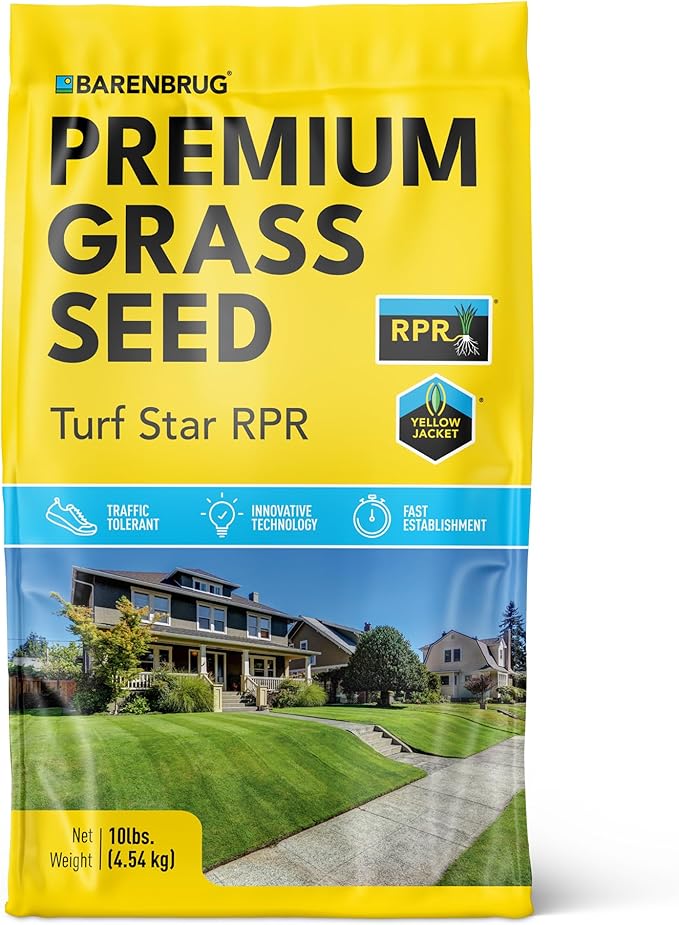
Fast germination stands out in this perennial ryegrass seed blend, perfect for homeowners aiming to revive their lawns quickly. It suits those looking to fix worn-out patches with minimal effort, especially in busy outdoor areas that face heavy foot traffic and variable weather.
Preparing the lawn involves planting during summer with moderate watering to support strong growth. The seed works well with traditional cool-season lawns, making overseeding straightforward.
Thanks to the RPR technology, it regenerates thin or damaged spots without repeated reseeding, keeping your yard looking fresh throughout the summer months under full sun.
Performance-wise, the grass establishes quickly and handles both everyday wear and tear as well as pests and diseases effectively. Its resilience to tough conditions makes it reliable, though some may notice it requires consistent moisture during dry spells. The seed blend combines elite varieties that contribute to a dense, green lawn, though expectations should be set for care during hotter seasons.
The seed blend’s ability to quickly fill in worn patches stands out clearly as a key benefit. Many mention the convenience of not having to reseed frequently. On the downside, it requires steady watering, which can be a challenge in hotter, drier periods.
Anyone wanting a hassle-reducing lawn repair during summer will find this seed valuable. Those in cooler climates or looking to plant outside summer may want to explore options better suited to their schedules and environmental conditions.
Pros
- Rapid germination speeds up lawn recovery
- Strong resistance to disease and pests
- Withstands heavy foot traffic effectively
- Requires only moderate watering to thrive
Cons
- Needs consistent moisture in dry conditions
- May not perform as well outside summer planting
| Specification | Details |
|---|---|
| Expected Blooming Period | Summer |
| Sunlight Exposure | Full Sun |
| Expected Planting Period | Summer |
| Moisture Needs | Moderate Watering |
| Indoor/Outdoor Usage | Outdoor |
7. Barenbrug Perennial Ryegrass Seed

Gardeners looking for an all-natural ryegrass seed that works well in both sun and shade will appreciate this variety. It’s particularly suited for those with sandy soil who want a reliable grass that sprouts quickly. Its biggest strength lies in germinating fast, within just 5 to 8 days.
Preparing a patch with this seed doesn’t require much fuss. It needs moderate watering, which helps it stay healthy without drowning.
Because it handles both sunny spots and shaded areas, you don’t have to worry too much about where you plant it. It’s a good match for sandy soil, so the setup aligns well with such areas in the yard.
The grass establishes quickly and grows into a dense, green cover that holds up fairly well over time. The seed itself comes pure without any fillers, so you know you’re planting just ryegrass.
Some comments mention it being somewhat drought tolerant, which works fine with moderate watering but might struggle during long dry spells. It puts in reliable performance with consistent results.
Fast germination and pure seed quality stand out as major positives, helping lawns fill in quickly and naturally. A notable downside is the limited drought tolerance, meaning regular care is necessary during dry conditions to keep it looking good.
Gardeners with sandy soil and mixed sunlight will find this seed a solid choice for a dependable lawn. Those expecting a drought-proof or low-water grass should look toward more drought-hardy options better suited to arid environments.
Pros
- All natural seed, no filler
- Germinates fast in 5-8 days
- Works in both sun and shade
- Suitable for sandy soil
Cons
- Only somewhat drought tolerant
- Requires moderate watering to thrive
| Specification | Details |
|---|---|
| Grass Type | Perennial Ryegrass |
| Sunlight Exposure | Full Sun |
| Soil Type | Sandy Soil |
| Moisture Needs | Moderate Watering |
| Germinates In | 5-8 days |
| Drought Tolerant | Somewhat |
8. Pennington Smart Seed Perennial Ryegrass

Pennington Smart Seed Perennial Ryegrass stands out for its ability to thrive in full sun, making it ideal for bright, open lawns. Its main strength lies in producing a thick, green turf that fills in quickly, suitable for homeowners wanting a reliable, lush lawn without too much fuss.
Preparation involves spreading the seed evenly across a well-prepared soil bed exposed to full sunlight. Once set, it requires regular watering as it establishes. The seed’s compatibility with sunny areas means it fares best where shade is minimal.
Maintenance includes watering and occasional mowing, supporting strong growth typical of perennial ryegrass.
Performance shows up in its dense, fast-growing nature, covering patches effectively with a rich green color. Its build as a perennial ryegrass ensures resilience and quick recovery from wear. Strong points from users focus on how thick and healthy the grass gets, while some mention it may struggle in shaded or overly damp conditions.
The grass develops a thick, green turf that recovers well after use according to reviews. Common complaints revolve around its need for consistent watering and poor performance in shaded spots.
People with sunny yards seeking a strong perennial ryegrass will find this seed a solid choice. Those with shaded lawns or low watering schedules might want a seed better suited to those conditions.
Pros
- Grows dense, lush green grass quickly
- Designed for full sun environments
- Perennial type supports long-term lawn health
Cons
- Not suitable for shaded areas
- May require frequent watering during establishment
| Specification | Details |
|---|---|
| Sunlight Exposure | Full Sun |
9. Pennington the Rebels Sun and Shade Grass Seed

Pennington The Rebels Sun and Shade Grass Seed suits anyone looking for a tough, dependable grass that handles both sun and partial shade well. Its biggest strength lies in producing a darker, greener, and denser lawn than typical tall fescues. It tolerates heavy use and challenging conditions with less fuss.
Setup involves planting in spring and ensuring 4 to 6 hours of sunlight daily for best results. Regular watering is important to keep the grass thriving. The seed coating helps with easy spreading, and you’ll start seeing growth in just 8 to 21 days.
Versatility in soil types makes it practical for many yard situations.
Performance impresses with a dense and deep-rooted lawn that handles heat, drought, insects, and traffic well. The grass grows to about 3 inches, offering a lush appearance that lasts from spring to fall.
While the seed performs well outdoors, some users mention the need for consistent watering, especially in dry periods.
Growth usually begins between 8 and 21 days, leading to a rich, dark green lawn. The grass is tough but does require consistent moisture, especially during dry spells. It handles foot traffic and pests well, making it reliable over time with proper care.
People with yards receiving 4 to 6 hours of sun and who can water regularly will appreciate the resilience and density offered. Those with very shady or indoor spaces should consider other options better suited to such environments.
Pros
- Thick, deep, and dense root system
- Thrives in sun and partial shade
- Resists heat, drought, insects, and traffic
- Visible growth within 8 to 21 days
Cons
- Needs regular watering to maintain health
- Only suitable for outdoor use
| Specification | Details |
|---|---|
| Sunlight Exposure | 4-6 Hours of Sun Per Day |
| Expected Planting Period | Spring |
| Expected Plant Height | 3 inches |
| Expected Blooming Period | Spring to Fall |
| Moisture Needs | Regular Watering |
| Seed Treatment Method | Coated |
10. Gulf Annual Ryegrass Seed

Picking ryegrass seed that grows quickly and covers a large area without constant fuss feels rewarding. Ideal for those with moderately moist loam soil in full sun, this seed performs well in colder zones.
Its biggest strength lies in spreading evenly across up to 10,000 square feet with just one 50-pound bag.
Setting up involves spreading the seed over a prepared area and maintaining moderate watering. It grows best in loam soil exposed to full sun, requiring some attention to moisture levels but not overly demanding care. Keeping it hydrated without waterlogging helps the seedlings thrive during their growing season, which suits gardeners familiar with maintaining annual plants.
Growth is fast and vigorous, delivering a dense carpet of ryegrass suited for USDA hardiness zone 3 and surrounding areas. The seed bag is bulky but manageable. Reviews praise its ability to cover ground effectively, though some find the moderate watering needs a bit of a balancing act.
It establishes well in the right soil but may struggle outside recommended zones or soil conditions.
Its ability to quickly cover up to 10,000 square feet in suitable soil and sunlight stands out as the main advantage. Most find managing the moisture levels correctly to be a common challenge with this seed, which can affect growth if not monitored carefully.
Gardeners located in USDA hardiness zones 1 through 7 with loam soil and access to full sun will find this seed a reliable choice. Those with different soil types or less control over watering might prefer a different variety that tolerates broader conditions or lower moisture needs.
Pros
- Covers large areas effectively
- Thrives in full sun conditions
- Suitable for USDA zone 3 and above
- Grows well in loam soil
Cons
- Requires careful moderate watering
- Limited to certain climate zones
| Specification | Details |
|---|---|
| Seed Type | Annual Rye Grass Seed |
| Coverage | Up to 10,000 sq. ft. |
| Bag Weight | 50 lb |
| Sunlight Exposure | Full Sun |
| USDA Hardiness Zone | 3 |
| Soil Type | Loam Soil |
| Moisture Needs | Moderate Watering |
11. Annual Ryegrass Cover Crop Seed

Annual Ryegrass Cover Crop Seed works well for anyone needing a dependable cover crop that grows fast. Its biggest strength lies in how quickly it germinates, making it a simple choice for keeping fields green, especially when other grasses go dormant.
Preparing any planting with this seed is straightforward since it comes dry and easy to handle. Measuring and spreading the seed fits well into existing planting routines.
Regular watering and full sun exposure help maintain healthy growth while it fills in garden plots or agricultural spaces. This seed is suited to seasonal plans where speed and coverage matter most.
Fast establishment and a high germination rate make it reliable for creating an effective green cover quickly. It’s designed for low maintenance, so ongoing care is minimal once it’s growing. Some users have noted it requires consistent watering to keep performance optimal.
Its build as a dry seed allows easy distribution without mess or clumping.
Seeds show rapid growth and provide reliable green cover, which most users appreciate. The common downside revolves around its need for consistent watering to keep the grass thriving.
Gardeners or farmers looking to maintain green cover during off-seasons will find it meets their needs. Those with limited watering options or shaded planting areas might want to consider alternatives better adapted to those conditions.
Pros
- Quick germination for fast ground cover
- Easy to distribute dry seed format
- Supports seasonal planting plans well
- Requires low maintenance once established
Cons
- Needs regular watering to perform well
- Best suited for full sun environments only
| Specification | Details |
|---|---|
| Expected Blooming Period | Fall |
| Sunlight Exposure | Full Sun |
| Moisture Needs | Regular Watering |
| Special Features | Fast Establishment, High Germination Rate, Low Maintenance |
| Use | Cover Crop |
12. GreenView Pure Perennial Ryegrass Seed

Perennial ryegrass seeds designed for outdoor use make a great choice when aiming for a lawn that handles both heat and drought well. Ideal for homeowners facing varied weather conditions, its biggest strength lies in creating a tough, green lawn that resists patches and pests without constant fuss.
Seeding is simple, especially in spring or fall, with fast germination showing within 7 to 12 days. It adapts well to sandy soil and works under both full sun and partial shade, making it flexible across different yard spots.
Regular watering is necessary to keep the grass healthy, promoting deep root development that improves its durability.
The seed blend holds up impressively against common lawn troubles like brown patches, insects, and diseases. It also stands strong against foot traffic, great for families with kids or pets. Some mention that the need for constant watering can be demanding, but the resilience once established is widely appreciated.
The seed blend is praised for producing a resilient lawn that handles heat, pests, and traffic well once the roots are established. A common criticism is the demand for constant watering, which some may find challenging, especially in dry climates or with limited watering resources.
Anyone looking for a hardy lawn in areas with sandy soil and varying sunlight will find this seed useful. Those unable to provide consistent moisture or with non-sandy soil types should consider other options better suited to their conditions.
Pros
- Starts growing fast within 7-12 days
- Resistant to drought and heat
- Thrives in both sun and partial shade
- Durable against insects and disease
Cons
- Requires frequent watering to stay healthy
- Best suited for sandy soil only
| Specification | Details |
|---|---|
| Expected Planting Period | Spring or Fall |
| Sunlight Exposure | Full Sun |
| Soil Type | Sandy Soil |
| Moisture Needs | Constant Watering |
| Usage | Outdoor |
13. Fundamentals by Scotts Perennial Ryegrass Mix

Perfect for sunny yards where there’s a lot of foot traffic, Fundamentals by Scotts Perennial Ryegrass Mix stands out for its quick germination and durability. It suits busy outdoor spaces that need grass which can take a beating and still stay green.
Getting started involves spreading the seed evenly on loam soil and keeping it regularly watered, which is crucial since the seeds are coated to absorb twice the water of regular seeds. This helps the grass establish faster and keeps it green under full sun. Day-to-day, it handles high use well and needs regular watering to stay its best.
The perennial ryegrass grows quickly, filling in worn spots and helping with erosion control thanks to the seed coating. The biggest compliment often goes to how fast it takes root and thrives in sunny areas.
On the downside, it’s somewhat limited to USDA zones 10 and 11 and may need more water than some other mixes.
The fast germination and toughness in sunny, high-traffic areas stands out as the product’s main advantage. The most common drawback is that it needs consistent watering and is limited to warmer USDA zones, which can restrict where it works well.
People with active yards in warm climates will appreciate how quickly it grows and withstands wear. Gardens outside USDA zones 10 and 11 or those looking for low-water options might want to explore seeds better matched to their conditions.
Pros
- Germinates quickly in full sun
- Coated seeds absorb twice as much water
- Handles high traffic well
- Helps control erosion effectively
Cons
- Best suited only for zones 10 and 11
- Requires regular watering to thrive
| Specification | Details |
|---|---|
| Indoor Outdoor Usage | Outdoor |
| Expected Blooming Period | Spring |
| Sunlight Exposure | Full Sun |
| USDA Hardiness Zone | 10, 11 |
| Soil Type | Loam Soil |
| Moisture Needs | Regular Watering |
14. Eretz Annual Ryegrass Seed

Eretz Annual Ryegrass Seed is a smart choice for anyone looking to quickly boost lawn greenness and growth. Its fast germination suits gardeners wanting rapid results, especially when mixed with clovers or other crops.
It stands out for supporting soil stabilization while producing thick, vibrant grass in a short time.
Planting is straightforward with this seed, and it responds well to moderate watering. It handles full sun, partial sun, and partial shade, making it versatile for various yard locations.
Good for overseeding, it integrates nicely with existing lawns or cover crops, so maintenance blends easily into routine lawn care without special demands.
Growth speed and vigor are its biggest strengths, giving visible results quickly. It is grown authentically in the Willamette Valley and guaranteed weed seed free, which reflects in the purity of the lawn it develops.
Reviewers appreciate the impressive green coverage, although a few mention needing consistent moisture to sustain the healthiest look.
The seed’s rapid growth and vibrant green coverage impress regularly, proving reliable for quick lawn beautification. Consistent moderate watering is needed to maintain its lush appearance, which some may find demanding.
People wanting a fast-growing, hardy ryegrass for various sun conditions will be happy with this seed. Those with very shady lawns or who struggle with watering schedules might prefer a seed blend better suited to low-light or drought conditions.
Pros
- Fast germination and vigorous growth
- Good for soil stabilization and erosion control
- Versatile in sunlight exposure
- Weed seed free and authentic origin
Cons
- Requires consistent moderate watering
- May not thrive in extreme shade conditions
| Specification | Details |
|---|---|
| Expected Blooming Period | Winter |
| Sunlight Exposure | Full Sun, Partial Shade, Partial Sun |
| Moisture Needs | Moderate Watering |
| Origin | Authentic Willamette Valley, Oregon USA grown seed (Weed Seed Free) |
15. Outsidepride Perennial Ryegrass Seed

Getting reliable and nutrient-rich grass for livestock can be a challenge, especially with frequent grazing and varying weather conditions. Outsidepride Perennial Ryegrass Seed suits anyone needing fast-growing, healthy forage for cattle, sheep, horses, and more. Its biggest strength lies in how quickly it establishes and encourages animals to eat more thanks to its sweet, nutrient-packed leaves.
Planting is best done in fall, making it ready for summer growth when feed is needed most. The seed’s high germination rate ensures a thicker, more consistent coverage compared to other ryegrass options. In daily care, this seed supports rotational grazing systems well, keeping the pasture productive and fresh for livestock without needing frequent replanting.
It delivers strong growth and consistently high forage yields, which helps maintain a good feed supply over time. The seed is designed for outdoor use, thriving in typical farm conditions without extra care beyond regular planting.
Most people appreciate how quickly it gets going and how well it feeds animals. Some note that in less ideal conditions, growth might slow down or be less dense than expected.
The strongest praise revolves around how quickly the grass establishes and how much livestock enjoy the nutrient-rich leaves. The most common complaint concerns slower growth or patchy coverage when conditions aren’t ideal, which can happen if planting times aren’t followed or the climate is off.
Those looking for dependable and fast-growing pasture seed will find this a solid choice, especially with fall planting. Farmers needing flexible forage options for animals like cattle or sheep will appreciate it. Alternatives might suit situations where planting periods cannot be timed or where extreme climate conditions persist.
Pros
- Rapid establishment after planting
- High nutrient and sugar content for animals
- Suitable for various uses like hay and grazing
- Consistent forage yields over time
Cons
- Growth can slow in unfavorable conditions
- Requires fall planting for best results
| Specification | Details |
|---|---|
| Indoor/Outdoor Usage | Outdoor |
| Expected Blooming Period | Summer |
| Expected Planting Period | Fall |
| Special Feature | High Germination Rate |
Best Ryegrass Seed Comparison Table
| Product | Usage | Sunlight Exposure | Moisture Needs | Planting Period |
|---|---|---|---|---|
| Pennington Annual Ryegrass | Outdoor | Full Sun to Light Shade | Moderate Watering | Spring |
| Pennington Smart Ryegrass | Outdoor | 4-6 Hours Sun | Moderate Watering | Spring |
| Outsidepride Ryegrass Blend | Outdoor | Full Sun | Regular Watering | Winter |
| Scotts Turf Builder Perennial | Outdoor | Full Sun | Regular Watering | Spring |
| Trifecta II Gray Leaf Ryegrass | Outdoor | Full Sun | – | – |
| Barenbrug Turf Star Ryegrass | Outdoor | Full Sun | Moderate Watering | Summer |
| Barenbrug Perennial Ryegrass | Outdoor | Full Sun | Moderate Watering | – |
| Pennington Smart Ryegrass 2 | Outdoor | Full Sun | – | – |
| Pennington The Rebels Grass | Outdoor | 4-6 Hours Sun | Regular Watering | Spring |
| Gulf Annual Ryegrass | – | Full Sun | Moderate Watering | – |
| Annual Ryegrass Cover Crop | – | Full Sun | Regular Watering | – |
| GreenView Pure Perennial | Outdoor | Full Sun | – | Spring or Fall |
| Fundamentals Scotts Ryegrass | Outdoor | Full Sun | Regular Watering | – |
| Eretz Annual Ryegrass | – | Full Sun, Partial Shade | Moderate Watering | – |
| Outsidepride Perennial Ryegrass | Outdoor | – | – | Fall |
- UsageOutdoor
- Sunlight ExposureFull Sun to Light Shade
- Moisture NeedsModerate Watering
- Planting PeriodSpring
- UsageOutdoor
- Sunlight Exposure4-6 Hours Sun
- Moisture NeedsModerate Watering
- Planting PeriodSpring
- UsageOutdoor
- Sunlight ExposureFull Sun
- Moisture NeedsRegular Watering
- Planting PeriodWinter
- UsageOutdoor
- Sunlight ExposureFull Sun
- Moisture NeedsRegular Watering
- Planting PeriodSpring
- UsageOutdoor
- Sunlight ExposureFull Sun
- Moisture Needs–
- Planting Period–
- UsageOutdoor
- Sunlight ExposureFull Sun
- Moisture NeedsModerate Watering
- Planting PeriodSummer
- UsageOutdoor
- Sunlight ExposureFull Sun
- Moisture NeedsModerate Watering
- Planting Period–
- UsageOutdoor
- Sunlight ExposureFull Sun
- Moisture Needs–
- Planting Period–
- UsageOutdoor
- Sunlight Exposure4-6 Hours Sun
- Moisture NeedsRegular Watering
- Planting PeriodSpring
- Usage–
- Sunlight ExposureFull Sun
- Moisture NeedsModerate Watering
- Planting Period–
- Usage–
- Sunlight ExposureFull Sun
- Moisture NeedsRegular Watering
- Planting Period–
- UsageOutdoor
- Sunlight ExposureFull Sun
- Moisture Needs–
- Planting PeriodSpring or Fall
- UsageOutdoor
- Sunlight ExposureFull Sun
- Moisture NeedsRegular Watering
- Planting Period–
- Usage–
- Sunlight ExposureFull Sun, Partial Shade
- Moisture NeedsModerate Watering
- Planting Period–
- UsageOutdoor
- Sunlight Exposure–
- Moisture Needs–
- Planting PeriodFall
How to Choose the Best Ryegrass Seed
Selecting ryegrass seed based on factors like climate adaptability, disease resistance, and growth rate ensures a healthy, durable lawn that suits your environment. Choosing the right seed reduces the need for frequent replacements and maintenance, saving both time and money in the long run.
Seed Type and Blend
Walking across a lawn grown with only one type of grass can quickly reveal its weaknesses through patchiness or browning during certain seasons. Perennial ryegrass differs from annual by lasting several years and providing better wear tolerance, making it more suitable for lawns with frequent foot traffic. Annual ryegrass grows fast but dies off after one season, often used for short-term cover or overseeding.
Hybrid varieties combine traits for quicker establishment and longer survivability but may vary in climate adaptability.
Using mixed blends that combine perennial, annual, and sometimes hybrid types creates a lawn that holds up year-round by filling in gaps left by individual varieties. This mix ensures green coverage through shifting temperatures and soil conditions, improving resilience. Opt for blends designed for your region’s climate, whether cooler northern zones or warmer southern areas, and consider soil texture since some types prefer well-drained soils while others tolerate heavier clay.
Germination Rate and Seed Quality
Waiting weeks for a lawn to fill in is frustrating, especially when spotty germination leaves bare patches. Seeds with a high germination rate over 85% kickstart growth quickly, promoting a dense lawn that crowds out weeds.
Low-quality seed often contains inert material or weed seeds, reducing uniformity and lawn health.
Seed purity matters as much as germination. Purity percentages above 90% mean fewer impurities and a cleaner, more reliable lawn. Check packaging for a recent test date to ensure freshness; older seeds lose viability and result in uneven growth.
Smelling the seed or inspecting for mold can also indicate freshness, but lab-tested labels are the most reliable method.
Coverage and Seeding Rate
Estimating how much seed to buy prevents waste or bare spots. A five-pound bag might cover 1,000 square feet when used as general overseeding but less for establishing new turf where thicker coverage is needed. Recommended seeding rates fall between 5 to 10 pounds per 1,000 square feet for new lawns, and 2 to 5 pounds for overseeding existing grass.
Sparse seeding leads to slow lawn development and increased weed invasion, while overly dense seeding wastes product and can cause competition among seedlings. The right density encourages rapid root establishment and a lush, uniform lawn. Measure your lawn area carefully and follow labeled guidelines to avoid these issues.
Soil and Climate Compatibility
Planting seed without matching the soil type or local climate often results in patchy lawns struggling with drought or waterlogging. Ryegrass varieties vary in tolerance to heavy clay, sandy soils, or poorly drained ground. Some prefer well-drained, loamy soils, so selecting a seed type adapted to your soil improves survival and growth speed.
Climate also plays a critical role. For cool, moist regions, perennial types that stay green through moderate winters perform well. Warmer areas may need blends tolerant of heat stress and irregular rainfall.
Shade tolerance varies too; certain cultivars manage low light better, and foot traffic tolerance reduces wear damage in active yards. Matching seed traits to these local factors is essential for healthy turf.
Pest and Disease Resistance
Lawns that regularly suffer from diseases like leaf spot or rust are a sign low resistance seeds were used. Naturally disease-resistant varieties reduce the frequency and severity of infections, saving time and chemical treatments.
These seeds often come from cultivars bred to withstand common regional pathogens.
Many bags include seed treatments or coatings that prevent fungal attacks or insect damage during early growth, which helps seedlings establish without setbacks. Choosing seed with these protections reduces long-term maintenance and improves lawn longevity by minimizing weakened patches that invite pests.
A stronger, healthier lawn develops more consistently with resistant types and treated seed.
Effective Ryegrass Seed Overseeding Techniques for a Lush Lawn
Ryegrass seed requires proper soil preparation to germinate well and establish a thick, healthy lawn. Before overseeding, mow the existing grass closely and remove any debris or dead patches. This clears the way for good seed-to-soil contact, which is crucial for germination.
Spread the seed evenly using a broadcast spreader to avoid clumping.
After seeding, lightly rake the area to cover the seeds with a thin layer of soil, about a quarter-inch deep. This protects the seeds from birds and evaporation.
Water the lawn immediately and keep the soil consistently moist for at least two weeks. Frequent, light watering is better than heavy soaking, as it encourages roots to grow downward.
Additional tips:
- Apply seed in early fall or spring for best results, avoiding extreme heat or cold.
- Use a high-quality seed with a high germination rate for faster establishment.
- Fertilize with a nitrogen-rich product after the grass reaches a few inches tall.
Comparing Ryegrass Varieties: Understanding Seasonal and Regional Performance
Different ryegrass varieties show varying performance depending on the season and location. Perennial ryegrass tends to thrive in cooler climates, maintaining good green color and growth through spring and fall. Annual ryegrass grows faster but is less durable, often used for quick cover in transition periods.
In regions with hot summers, some ryegrass cultivars are bred for heat tolerance, but most struggle with extended heat and drought. Choosing a variety based on local climate conditions can minimize reseeding and patchy spots.
Seed mixes that combine ryegrass with other cool-season grasses can improve lawn resilience. Some blends balance quick germination with longer-lasting grass types to provide a consistently green lawn during variable weather.
Key points to consider:
- Match seed type to average seasonal temperatures and rainfall patterns.
- Consider the grass’s wear tolerance if the lawn sees heavy foot traffic.
- Look for certified seed with known purity and germination rates.
People Also Asked
How Much Ryegrass Seed Do I Need per Square Foot?
Use about 3 to 5 pounds of ryegrass seed per 1,000 square feet, which roughly translates to 0.003 to 0.005 pounds per square foot. Spreading the seed evenly helps avoid patchy growth and unnecessary seed wastage.
What Is the Best Way to Plant Ryegrass Seed?
Plant ryegrass seed by loosening the soil, spreading the seed thinly, then lightly raking it in before watering gently. Keeping the soil moist but not soaked will encourage better germination.
Is Ryegrass Seed Safe for Pets and Children?
Ryegrass seed itself is non-toxic and generally safe around pets and children. It’s a good idea to wait until the grass is well-established before letting pets run freely to prevent seed clumping in fur or ingestion of loose soil.
How Long Does Ryegrass Seed Take to Fully Grow?
Ryegrass seed typically takes about 7 to 14 days to germinate and around 4 to 6 weeks to fill in fully under normal conditions. Warmer soil temperatures and consistent watering speed up growth.
What Common Problems Occur After Planting Ryegrass Seed?
Common problems after planting include poor germination due to dry soil, fungus issues in overly wet conditions, and weed competition. Maintaining consistent moisture without overwatering helps reduce these issues.
Conclusion
Choosing ryegrass seed mainly depends on how fast it grows, how well it stands up to foot traffic, and how it fits your local climate. A seed that establishes quickly can fill bare spots sooner, while durability matters if the area gets a lot of use. Climate adaptability ensures the grass stays healthy through seasonal changes.
Pick a ryegrass seed that suits the size of your lawn and how much you want to spend, since some varieties need more frequent overseeding or watering. For a clear comparison of features and costs, check the table and detailed reviews above to find the best fit for your yard.