How Long Does A Great Horned Owl Live: Lifespan Facts And Influencing Factors
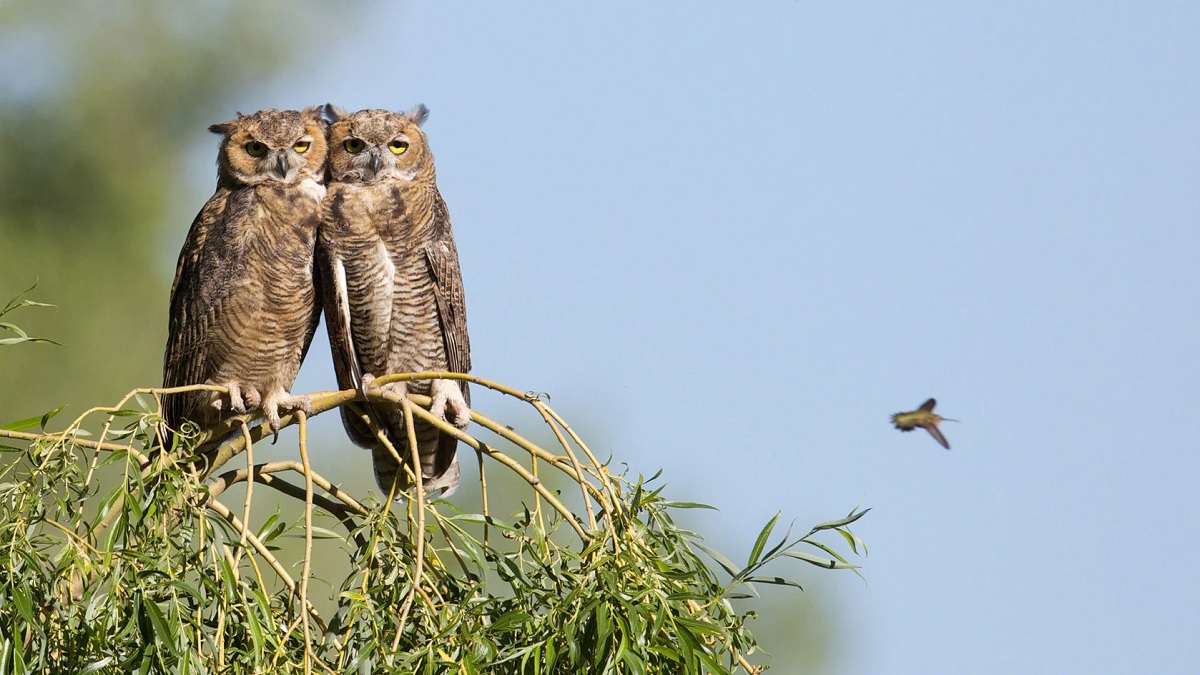
Great horned owls are among the most iconic and widely recognized owls in North America. Known for their piercing yellow eyes, distinctive ear tufts, and deep hoots, these nocturnal predators inspire curiosity and admiration. People often want to know more about their lifespan and what factors influence how long they thrive in the wild versus captivity.
Understanding the longevity of great horned owls helps wildlife enthusiasts, birdwatchers, and conservationists appreciate the challenges these owls face throughout their lives. Their survival depends on food availability, environmental conditions, and avoiding natural predators. Studying their lifespan also sheds light on their reproductive cycles and behaviors, which are critical for maintaining healthy populations.
Many wonder about how long does a great horned owl live in the wild compared to protected environments. Lifespan can vary widely based on habitat, diet, and threats. By exploring these factors, you gain a deeper understanding of the life expectancy and resilience of this remarkable species.
Knowing their lifespan also emphasizes the importance of conservation efforts. Protecting nesting sites, minimizing human disturbances, and ensuring safe habitats can support these majestic birds to live longer, healthier lives.
Average Lifespan In The Wild
The lifespan of great horned owls in the wild is influenced by numerous natural factors, including food availability, predation, environmental conditions, and disease. Understanding their average life expectancy helps bird enthusiasts and conservationists appreciate the challenges these nocturnal predators face. Lifespan in the wild often differs significantly from captivity due to the harsh realities of natural habitats.
Juvenile Survival And Early Challenges
The first year of life is the most critical for great horned owls. Juvenile owls face numerous threats, including predation from larger raptors, mammals, and even other owls. Hunting skills and flight proficiency develop during this period, and failure to adapt can significantly reduce survival chances.
Food scarcity also plays a role. Young owls rely heavily on the parents for hunting and feeding, and insufficient prey can lead to malnutrition or starvation. Weather extremes, such as harsh winters or prolonged storms, further challenge juveniles, impacting their growth and ability to establish independence.
Despite these obstacles, those that survive the first year demonstrate remarkable adaptability. Early experiences shape their hunting efficiency, territorial behaviors, and overall resilience. Studies suggest that a significant portion of great horned owls do not reach adulthood, emphasizing how vital early survival is for population maintenance.
Adult Longevity And Territory
Once past the juvenile stage, great horned owls tend to live longer, though the wild remains unpredictable. Adult owls face fewer direct threats but must defend their territories and compete with neighboring owls for food and nesting sites. Territorial disputes can lead to injury or death, influencing overall lifespan.
Hunting success is critical for survival. Owls that consistently capture prey like rabbits, rodents, and small birds maintain better health and energy reserves, increasing their chances of reaching an older age. Seasonal changes also affect prey availability, requiring adults to adapt their hunting strategies and movement patterns.
Adults in stable habitats with abundant food and minimal human interference have the best chances of longevity. Territorial stability reduces stress and energy expenditure, allowing owls to focus on reproduction and hunting rather than constant defense.
Average Life Expectancy
On average, great horned owls in the wild live around 13 to 15 years, although many do not survive this long due to natural hazards. Some individuals, however, have been documented reaching over 20 years in exceptional circumstances. Factors such as disease, predation, and environmental changes play a major role in reducing lifespan for most owls.
Mortality causes include collisions with vehicles, exposure to toxins like rodenticides, and extreme weather events. Despite these challenges, great horned owls are resilient predators, capable of adapting to diverse habitats, including forests, deserts, and urban areas. Their adaptability contributes to their overall life expectancy, even in the face of natural threats.
Factors Affecting Wild Lifespan
Several factors influence how long a great horned owl lives in the wild. Availability of prey, habitat quality, predation pressure, and human impact all affect longevity. Forested and rural areas tend to support longer lifespans compared to urban environments, where collisions and disturbances are more common.
Genetic health and individual adaptability also play roles. Owls that develop efficient hunting techniques, strong immune systems, and effective territorial behaviors are more likely to reach advanced ages. Understanding these factors provides valuable insight into population dynamics and helps guide conservation efforts to support healthy wild populations.
The average lifespan in the wild reflects a balance between natural challenges and the owl’s remarkable adaptability. By studying survival rates, scientists and bird enthusiasts can better appreciate the resilience and complexity of these iconic predators.
Lifespan In Captivity
Great horned owls can live significantly longer in captivity compared to the wild due to controlled environments, regular food supply, and reduced threats. Understanding lifespan in captivity highlights how environmental stability and care influence longevity. Captive conditions provide protection from predators, harsh weather, and food scarcity, allowing owls to reach ages rarely seen in their natural habitats.
Improved Nutrition And Health Care
One of the main advantages of captivity is consistent access to nutritious food. Captive owls are provided with balanced diets that meet their dietary requirements, including rodents, small birds, and specially formulated supplements. Reliable nutrition ensures they maintain optimal body condition and energy levels, which directly contributes to longer lifespans.
In addition to diet, captive owls benefit from regular veterinary care. Routine health checks, vaccinations, and prompt treatment of injuries or illnesses prevent complications that would be fatal in the wild. Parasite management and disease prevention programs further reduce mortality risks. As a result, owls in captivity can avoid many of the natural hazards that shorten life in the wild, such as starvation or disease.
Safety From Predators And Environmental Hazards
Captivity provides protection from natural predators, including larger raptors, mammals, and aggressive birds. Eliminating these threats allows owls to focus on other activities like resting, flying in controlled spaces, or reproducing without constant stress.
Environmental hazards such as storms, extreme temperatures, and habitat destruction are also mitigated in captivity. Temperature-controlled enclosures, secure shelters, and careful monitoring prevent exposure to extreme conditions. By minimizing these external risks, captive great horned owls can avoid injuries and stress-related health issues, further extending their lifespan.
Social And Psychological Wellbeing
While safety and nutrition are critical, psychological wellbeing also impacts lifespan. Captive owls often receive enrichment activities, interaction with caretakers, and controlled social exposure. Mental stimulation through environmental enrichment reduces stress and prevents negative behaviors such as self-plucking or repetitive pacing, which can compromise health.
Providing a predictable routine, visual barriers for privacy, and opportunities for natural behaviors like hunting simulations or perching supports emotional stability. A mentally balanced owl is less likely to experience stress-related illness, contributing to overall longevity.
Lifespan Estimates In Captivity
Great horned owls in captivity can live 20 to 30 years, with some exceptional individuals reaching over 35 years. This is significantly longer than the 13 to 15 years typical in the wild. Lifespan in captivity is influenced by factors such as diet quality, enclosure conditions, enrichment, and veterinary care.
These extended lifespans highlight the benefits of controlled care and protection from natural hazards. Studying longevity in captivity also provides insights into their biology, health needs, and aging processes, which can inform conservation efforts and improve understanding of this iconic species.
Stages Of Life And Development
Great horned owls go through several distinct life stages, each with unique challenges and growth milestones. Understanding these stages helps bird enthusiasts, researchers, and conservationists appreciate the species’ development and behaviors. From hatching to adulthood, each phase shapes hunting skills, social behaviors, and survival strategies, ultimately influencing lifespan and reproductive success.
Nestling Stage
The first stage of life is the nestling period, beginning immediately after hatching. During this time, great horned owlets are entirely dependent on their parents for warmth, food, and protection. Both male and female owls contribute to feeding, bringing a variety of prey items like small mammals and birds to ensure proper growth.
Nestlings develop rapidly in the first few weeks, growing feathers, strengthening muscles, and beginning to open their eyes. Parental care is crucial during this stage, as owlets are vulnerable to predation, starvation, and environmental hazards. The nestling stage is also when early behaviors, such as begging calls and wing flapping, are learned.
Consistent feeding and protection from adults ensure that the young develop the skills needed for survival. Survival rates at this stage can be variable, with only a portion of the nestlings reaching fledging, highlighting the importance of parental care and environmental conditions.
Fledgling Stage
After several weeks in the nest, great horned owlets enter the fledgling stage. They begin to leave the nest under parental supervision, learning essential skills like flying, hunting, and avoiding predators. This stage is marked by increased independence but continued reliance on parents for food and guidance.
During the fledgling period, young owls practice flight and stalking techniques, gradually improving coordination and strength. Social learning also occurs, as fledglings observe their parents’ behaviors and interactions with other wildlife. These lessons are crucial for establishing territories and surviving in the wild.
Fledglings face significant challenges, including predation and the trial-and-error nature of hunting. Success during this stage directly impacts survival and the likelihood of reaching adulthood. Observing fledglings provides insights into the development of natural instincts and the transition to independent life.
Juvenile And Subadult Stages
The juvenile stage follows fledging, with owls continuing to refine hunting and survival skills. Juveniles begin exploring territories and may encounter other young owls, leading to social learning and competition. During this phase, physical strength, agility, and hunting efficiency improve steadily.
Subadult owls gradually assume full independence, marking the transition to adulthood. They establish their own territories, attract mates, and begin reproductive behaviors. Success in these stages determines future survival and the ability to contribute to the species’ population.
Monitoring juveniles and subadults offers insights into mortality risks, skill development, and behavioral adaptation. These stages are critical for understanding population dynamics and the life cycle of great horned owls.
Adult Stage
The adult stage is marked by sexual maturity, full territorial establishment, and participation in breeding. Adult great horned owls are skilled hunters, capable of taking down a variety of prey. They also engage in courtship, nest building, and raising the next generation of owlets.
Adults face fewer threats than juveniles but still contend with environmental hazards, competition, and occasional predation. Reproductive success during adulthood directly influences population stability. Understanding the adult stage highlights the culmination of development and the factors that contribute to longevity and survival.
Each stage of life in great horned owls builds on the previous one, shaping survival skills, behaviors, and reproductive success. Awareness of these stages allows enthusiasts and researchers to better understand their biology, ecology, and the challenges they face in the wild.
Threats That Can Shorten Lifespan
Great horned owls face numerous threats in the wild that can reduce their lifespan. From natural predators to human-related hazards, these majestic birds encounter challenges at every stage of life. Understanding the factors that shorten lifespan helps bird enthusiasts, conservationists, and researchers implement strategies to protect and support healthy populations of this iconic species.
Predation And Natural Hazards
While adult great horned owls have few natural predators, juveniles and eggs are highly vulnerable. Predators such as raccoons, hawks, eagles, and other large birds can attack nests, reducing survival rates for nestlings and fledglings. Even adults can occasionally fall prey to larger raptors or ground-based predators if caught off guard.
Natural hazards such as harsh weather events—storms, extreme cold, or heat waves—also pose significant risks. Young or inexperienced owls may be unable to seek shelter or find sufficient food during these conditions, leading to malnutrition, hypothermia, or even death. Understanding predation and environmental threats emphasizes the importance of safe nesting sites and suitable habitats for survival.
Human-Related Threats
Human activity is a major factor that can shorten the lifespan of great horned owls. Collisions with vehicles are a leading cause of injury and mortality, particularly in areas where roads intersect with their hunting grounds. Urban expansion and habitat destruction reduce available territory and force owls into riskier environments.
Chemical exposure is another concern. Rodenticides and pesticides can poison owls directly or indirectly through contaminated prey. Electrocution from power lines and entanglement in fencing or nets also pose serious hazards. Educating communities about these risks and creating safer environments can significantly improve the survival rates of wild owls.
Disease And Parasites
Diseases and parasites contribute to decreased lifespan in great horned owls. Viral infections, bacterial diseases, and fungal infections can weaken an owl’s immune system, reducing its ability to hunt and defend territory. Parasites, including mites, lice, and internal worms, can lead to poor health, reduced energy, and even death if untreated.
Young owls are particularly susceptible to disease due to underdeveloped immune systems. Monitoring and research into common pathogens help scientists understand the prevalence and impact of illness on populations. Healthy prey availability and uncontaminated habitats also reduce disease risks, supporting longer lifespans in the wild.
Competition And Territorial Conflicts
Competition for food and nesting sites can indirectly shorten lifespan. Owls may engage in aggressive encounters with rivals to defend territory, leading to injury or energy depletion. Limited resources force individuals to travel farther, increasing exposure to predators, vehicles, and other hazards.
Territorial disputes are especially intense during breeding season, when adults are motivated to protect nests and attract mates. Maintaining optimal hunting efficiency and territory quality is critical for survival. Recognizing these behavioral challenges provides insight into natural threats that influence lifespan.
Awareness of these threats—predation, human-related hazards, disease, and competition—underscores the importance of conservation efforts and habitat protection. By mitigating risks, we can support longer, healthier lives for great horned owls in the wild.
FAQs
How Long Does A Great Horned Owl Live In The Wild?
In the wild, a great horned owl typically lives around 13 to 15 years, though some individuals can survive over 20 years under ideal conditions. He faces threats from predators, harsh weather, and food scarcity, which can shorten his lifespan. She must also navigate human-related dangers like collisions and habitat loss. You will notice that their survival largely depends on avoiding these hazards and finding abundant prey. Observing their natural behavior helps you understand how longevity varies between individuals and environments.
How Long Does A Great Horned Owl Live In Captivity?
Great horned owls in captivity often live longer than their wild counterparts, sometimes reaching 25 to 30 years. He benefits from regular food supply, medical care, and protection from predators. She does not face environmental stresses like harsh weather or scarcity of prey. You can see that a controlled environment contributes significantly to their extended lifespan. Captive owls provide researchers and enthusiasts with valuable insights into their life cycle, health, and behavior over longer periods than what is typically observed in the wild.
What Factors Affect The Lifespan Of A Great Horned Owl?
Several factors influence how long a great horned owl lives. He is affected by availability of prey, environmental conditions, and predation risk. She may face human-induced hazards like collisions with vehicles or exposure to toxins. You will notice that genetics, disease, and stress levels also play critical roles. Understanding these factors allows you to see why some owls thrive for decades while others have shorter lives. Managing habitats and minimizing threats can significantly improve survival rates and overall longevity.
At What Age Do Great Horned Owls Reach Maturity?
Great horned owls reach sexual maturity around one to two years of age. He starts breeding and establishing territories at this stage. She lays eggs and begins raising chicks, which contributes to the species’ continuity. You will notice that early survival of juveniles is critical, as high mortality rates can impact population numbers. Understanding their development stages gives insight into how age and maturity relate to overall lifespan and reproductive success.
Can Human Activity Shorten The Lifespan Of Great Horned Owls?
Yes, human activity can significantly impact the lifespan of great horned owls. He may be exposed to hazards like car collisions, hunting, pollution, and habitat destruction. She can struggle to find safe nesting sites or sufficient prey due to urban expansion. You will see that minimizing these threats and promoting owl-friendly environments directly influences their survival. Conservation efforts and awareness are essential in protecting these birds and extending their natural lifespan.
How Does Diet Influence A Great Horned Owl’s Longevity?
Diet plays a crucial role in how long a great horned owl lives. He requires a steady supply of prey such as rodents, birds, and small mammals to maintain energy and health. She may face malnutrition if prey is scarce, reducing her lifespan. You will notice that a balanced diet supports strong immunity, reproductive success, and overall vitality. Ensuring that natural habitats provide adequate food sources is key to promoting the longevity of these remarkable owls.
Final Words
Understanding the lifespan of great horned owls provides valuable insight into their survival strategies, behaviors, and ecological role. These owls face numerous challenges in the wild, from predation and harsh weather to competition for food and nesting sites. Despite these risks, their adaptability and resilience allow many individuals to reach impressive ages, especially once they survive the vulnerable juvenile stages.
When comparing wild and captive lifespans, it becomes clear how environmental stability, consistent nutrition, and veterinary care can significantly extend life. Captive great horned owls often live decades longer than their wild counterparts, emphasizing the impact of human protection and managed habitats. Studying both scenarios helps researchers understand the factors that contribute to longevity and population health.
Exploring how long does a great horned owl live highlights the balance between natural challenges and the owl’s remarkable survival abilities. By protecting habitats, reducing human hazards, and supporting conservation efforts, we can help ensure these iconic birds continue to thrive for generations to come.