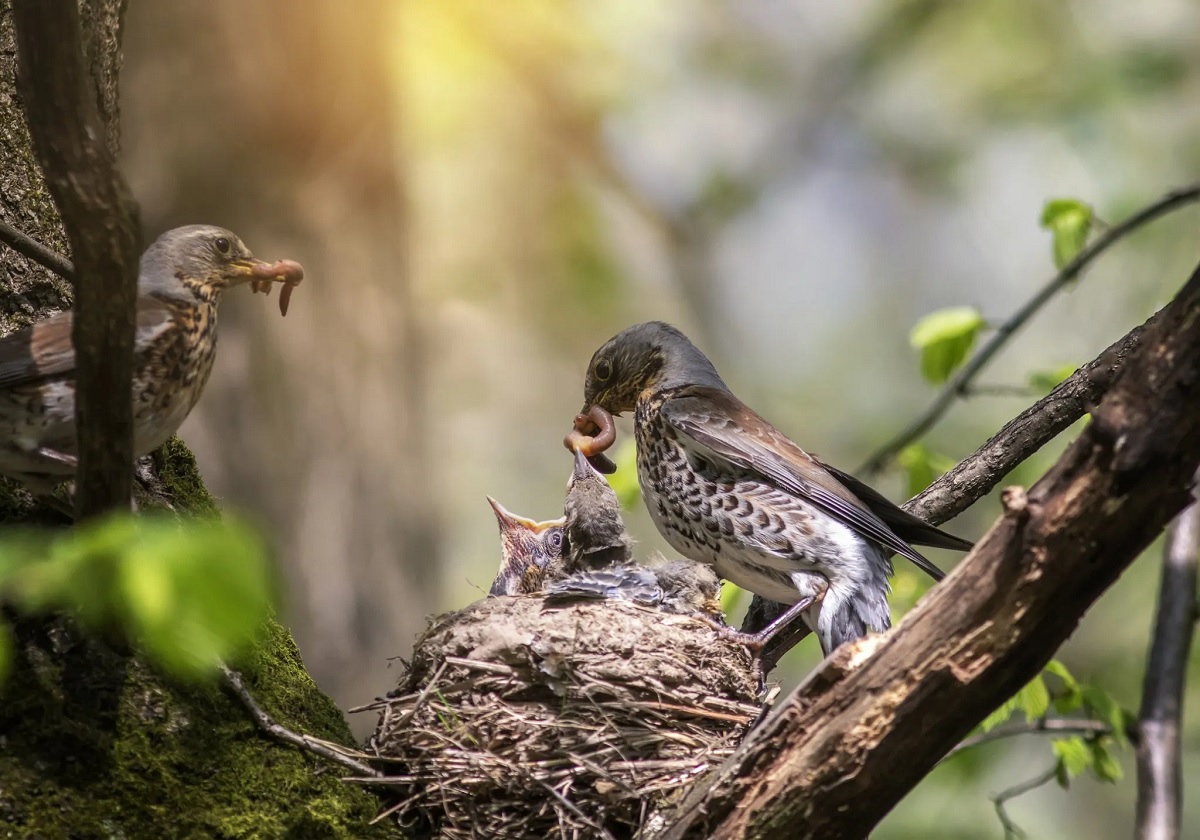
How Often Do Birds Have Babies: A Complete Breeding Cycle Breakdown
Watching birds build nests, guard eggs, and raise tiny chicks often sparks curiosity about their family cycles. These moments feel brief, yet they follow natural patterns shaped by survival and timing. From city balconies to quiet forests, bird parents repeat these routines year after year.
Many people wonder how seasons, food supply, and daylight influence breeding behavior. Some birds seem to raise chicks quickly, while others take long breaks between nesting periods. These rhythms are not random and reflect careful biological planning.
Understanding how often do birds have babies helps explain why some species appear more frequently with young birds nearby, while others remain unseen for months. Nesting habits, climate, and species traits all play roles in these cycles.
By learning about bird reproduction, you gain a deeper appreciation for their resilience and adaptability. This knowledge also helps bird lovers support safe environments where birds can continue raising healthy generations close to home.
Seasonal Timing Of Bird Breeding
Seasonal timing plays a major role in how and when birds reproduce, shaping their entire breeding success. Changes in temperature, daylight, and food availability signal birds to prepare for nesting and raising chicks. These natural cues ensure young birds hatch during periods that offer the best chance of survival, growth, and protection across different environments.
Spring As The Primary Breeding Season
Spring is widely recognized as the most active breeding season for birds, largely because it provides ideal environmental conditions. Warmer temperatures reduce the risk of egg exposure, while longer daylight hours allow parent birds more time to forage and guard their nests. As insects, seeds, and plants become abundant, adult birds can meet the increased energy demands of egg-laying and chick-feeding. This seasonal abundance directly supports faster chick growth and higher survival rates.
Hormonal changes triggered by increasing daylight also play a critical role. Birds rely on photoperiod cues to initiate mating behaviors, nest building, and egg production. These internal changes help synchronize breeding across populations, ensuring that many birds hatch chicks around the same time. This synchronization can reduce predator pressure, as predators are overwhelmed by the number of nests rather than focusing on a single one.
Spring breeding also allows enough time for multiple broods in some species. Birds such as sparrows, robins, and finches may raise two or even three sets of chicks before summer ends. This flexibility increases population stability and offsets losses caused by predation or harsh weather earlier in the season.
Summer Breeding In Warmer Regions
In warmer climates, summer becomes an extension of the breeding season rather than a limitation. Birds living in tropical and subtropical regions often take advantage of stable temperatures and consistent food sources to breed later in the year. Unlike temperate zones, where seasons are sharply defined, these regions allow birds more freedom in choosing breeding windows based on rainfall and food cycles instead of temperature alone.
Summer breeding is common among species that rely on late-emerging insects or ripening fruits. As vegetation matures, it creates dense cover that offers protection for nests and fledglings. This additional shelter reduces exposure to predators and extreme weather, making summer a viable time to raise young. Some birds also benefit from reduced competition, as earlier breeders have already completed nesting.
However, summer breeding carries risks. Heat stress can affect egg viability and chick health, especially during prolonged heatwaves. Parent birds must work harder to keep nests cool and maintain hydration. Despite these challenges, species adapted to warm environments have developed behaviors such as shaded nesting and increased feeding efficiency to support successful summer breeding cycles.
Limited Breeding During Fall And Winter
Fall and winter breeding is less common but still occurs in specific species and regions. Birds that rely on stable food supplies, such as coastal species feeding on fish or birds living near human settlements, may breed outside the traditional spring window. In these cases, consistent resources reduce the risks normally associated with colder seasons.
Shorter daylight hours and cooler temperatures generally suppress breeding hormones in most birds. This natural slowdown allows adults to conserve energy and focus on survival rather than reproduction. Migratory birds, in particular, avoid fall and winter breeding as they prepare for long-distance travel or recover from migration stress.
Some birds, such as owls and certain seabirds, begin courtship in late winter so chicks hatch early in spring. This strategy ensures young birds are ready to hunt or migrate when conditions improve. While fall and winter breeding remains rare, it highlights how flexible and adaptive bird species can be when environmental conditions support reproduction.
Breeding Frequency By Bird Species
Breeding frequency varies widely among bird species and is closely tied to size, lifespan, habitat, and survival strategies. While some birds raise multiple broods in a single year, others invest all their energy into one carefully timed nesting attempt. These differences help balance population growth and ensure species survival across changing environments.
Small Birds With Multiple Broods Per Year
Small birds are known for their high breeding frequency, often raising several broods within a single breeding season. Species such as sparrows, finches, wrens, and robins have short lifespans and face higher predation risks, which drives them to reproduce more often. By laying eggs multiple times, these birds increase the chances that at least some offspring survive to adulthood.
Their rapid breeding cycles are supported by fast egg development and short nestling periods. Many small birds can complete one nesting cycle in just a few weeks, allowing them to start a new brood soon after the previous chicks fledge. Abundant food sources during spring and early summer make it easier for parents to meet the high energy demands of repeated breeding.
Environmental conditions strongly influence how many broods small birds attempt each year. In areas with mild climates and long breeding seasons, two to four broods are common. In harsher regions, these same species may limit themselves to one or two broods. This flexibility allows small birds to adjust their breeding frequency based on available resources and weather stability.
Medium-Sized Birds With One Or Two Broods
Medium-sized birds typically follow a more balanced breeding strategy, producing one or two broods per year. Species such as doves, pigeons, woodpeckers, and many waterfowl invest more time and energy into each nesting attempt. Their larger body size allows them to protect eggs and chicks more effectively, reducing the need for frequent breeding.
These birds often build sturdier nests and provide extended parental care, which improves chick survival. Because raising young requires significant effort, attempting too many broods could weaken the adults and reduce long-term survival. Limiting breeding frequency helps maintain energy reserves for migration, molting, or overwintering.
Habitat quality plays a major role in determining whether a second brood occurs. When food remains plentiful and weather conditions stay favorable, some medium-sized birds may attempt an additional nesting. If conditions decline, they often stop after one successful brood. This cautious approach reflects a balance between reproduction and self-preservation.
Large Birds With Infrequent Breeding Cycles
Large birds generally breed less frequently, often producing only one brood per year or even one brood every few years. Eagles, albatrosses, cranes, and other large species invest heavily in each offspring, focusing on quality rather than quantity. Their long lifespans allow them to reproduce over many years, reducing the need for frequent breeding.
Extended courtship, long incubation periods, and prolonged chick dependency all contribute to lower breeding frequency. Some large birds spend months teaching young birds how to hunt, fly, or migrate before they become independent. This extended care greatly increases survival chances but limits how often parents can breed.
Environmental stability is crucial for these species. Poor food availability or habitat disruption may cause them to skip breeding altogether in a given year. While this strategy reduces short-term population growth, it helps ensure adult survival and long-term reproductive success. This slow but steady approach reflects the unique life history of large bird species.
Number Of Broods Per Year
The number of broods per year refers to how many separate nesting cycles a bird completes within a single breeding season. This number varies widely depending on species, climate, food availability, and environmental stability. Some birds raise only one brood annually, while others can successfully raise several, especially in regions with long, favorable breeding seasons.
Factors That Influence Brood Count
Several environmental and biological factors determine how many broods a bird can raise each year. Food availability is one of the most important influences, as frequent breeding requires a steady supply of insects, seeds, or other dietary resources. When food is abundant, birds can recover energy quickly and prepare for another nesting attempt. In contrast, limited food often restricts birds to a single brood.
Climate also plays a critical role. Mild temperatures and predictable weather reduce the risks of egg loss and chick mortality. Birds living in warmer regions or temperate zones with long springs and summers are more likely to raise multiple broods. In colder climates, shorter breeding seasons limit the time available for repeated nesting.
Parental effort and physical condition further affect brood count. Raising chicks is energy-intensive, and birds must balance reproduction with their own survival. Species with fast growth rates and shorter incubation periods can attempt more broods, while those requiring extended care usually raise fewer. These combined factors shape how many broods birds produce each year.
Single Brood Versus Multiple Broods
Bird species that raise a single brood per year often invest heavily in each nesting attempt. Larger birds and those with longer lifespans typically fall into this category, focusing on producing fewer but stronger offspring. These birds rely on stable habitats and high parental care to ensure chick survival. A single successful brood may be sufficient to maintain population levels over time.
In contrast, birds that raise multiple broods follow a different strategy. Smaller birds, such as sparrows and finches, often produce two or more broods in a season. Their shorter lifespans and higher exposure to predators encourage frequent reproduction. Multiple broods increase the likelihood that some offspring will survive despite environmental threats.
The choice between single and multiple broods is not fixed. Many birds adjust their breeding behavior based on current conditions. Favorable weather and abundant food may encourage additional broods, while poor conditions can limit reproduction. This flexibility allows birds to respond effectively to changing environments and seasonal challenges.
Nesting Duration And Egg Laying Patterns
Nesting duration and egg laying patterns reveal how birds manage time, energy, and survival during reproduction. From the first twig placed in a nest to the final egg laid, each step follows a species-specific rhythm. These patterns are shaped by environmental conditions, predator risks, and the physical demands placed on parent birds throughout the breeding season.
How Long Birds Spend Building And Using Nests
The time birds spend building and occupying nests varies greatly among species. Some small birds complete nest construction in just a few days, using readily available materials like grass, feathers, and twigs. Others, such as raptors or waterbirds, may spend weeks reinforcing large nests that will be reused for several seasons. Nest complexity often reflects the level of protection needed for eggs and chicks.
Once eggs are laid, nesting duration extends through incubation and early chick development. Incubation periods range from about ten days in small songbirds to over a month in larger birds. During this time, parents must regulate egg temperature and protect the nest from predators and weather changes. The nest remains a critical shelter until chicks are strong enough to leave.
Environmental conditions can shorten or lengthen nesting duration. Harsh weather, food shortages, or disturbances may force birds to abandon nests early. In stable environments, birds may complete longer nesting cycles, ensuring chicks are well developed before fledging. This balance helps maximize reproductive success while minimizing risk.
Patterns Of Egg Laying And Clutch Size
Egg laying patterns are carefully timed to support successful incubation and chick survival. Most birds lay one egg per day until a full clutch is completed. This gradual process prevents excessive physical strain on the female and allows energy reserves to recover between eggs. Clutch size varies widely, from a single egg in some seabirds to more than ten in certain ground-nesting species.
Many birds delay full incubation until the last egg is laid. This strategy ensures that chicks hatch around the same time, reducing size differences that could affect feeding and survival. In species where eggs hatch at different times, older chicks may gain a competitive advantage, which can be beneficial in environments with limited food.
Egg laying patterns are also influenced by environmental cues such as daylight length and food abundance. When conditions are favorable, birds may produce larger clutches. In less stable conditions, smaller clutches reduce the burden on parents. These adaptive patterns reflect how birds fine-tune reproduction to match available resources and environmental pressures.
Environmental Factors That Affect Reproduction
Environmental factors play a crucial role in determining when and how successfully birds reproduce. Conditions surrounding food, climate, and habitat directly influence breeding readiness and chick survival. Even small environmental changes can shift nesting schedules or reduce reproductive success, making these factors essential to understanding bird breeding behavior across different regions.
Climate And Weather Conditions
Climate and weather patterns strongly affect bird reproduction by shaping breeding timing and nest survival. Temperature influences egg development, incubation success, and chick health. Mild, stable temperatures reduce stress on parent birds and help maintain proper egg warmth, while sudden cold snaps or heatwaves can damage eggs or weaken young chicks. Weather extremes often force birds to delay breeding or abandon nests altogether.
Rainfall also plays a significant role. Adequate rain supports plant growth and insect populations, providing essential food for nesting birds. Too much rain, however, can flood nests or chill eggs, especially in ground-nesting species. Prolonged storms limit foraging time, reducing the ability of parents to feed their young consistently.
Seasonal predictability allows birds to synchronize reproduction with favorable conditions. In regions where weather patterns are becoming less predictable, breeding success may decline. Birds must constantly adjust to shifting climate signals, highlighting the delicate balance between environmental stability and reproductive success.
Food Availability And Habitat Quality
Food availability is one of the most direct environmental factors affecting reproduction. Breeding requires high energy output, particularly during egg production and chick feeding. When insects, seeds, or prey are abundant, birds can support larger clutches and raise healthier chicks. Limited food often leads to fewer eggs, delayed nesting, or complete breeding failure.
Habitat quality closely interacts with food supply. Healthy habitats provide diverse feeding opportunities, safe nesting sites, and protection from predators. Loss of trees, wetlands, or grasslands reduces nesting options and increases competition among birds. Even when food is present, poor habitat structure can expose nests to predators or harsh weather.
Human activities such as urban development and agriculture can alter both food availability and habitat quality. Some birds adapt by using artificial structures or new food sources, while others struggle to reproduce. These environmental pressures demonstrate how tightly reproduction is linked to the surrounding ecosystem.
FAQs
How Often Do Birds Have Babies?
Birds usually have babies once or twice a year, but this depends on the species, climate, and food availability. You may notice small birds having babies more often because they grow and mature quickly. Larger birds often reproduce less frequently. Seasonal changes also matter, as birds prefer breeding when conditions support chick survival.
In warmer regions with stable food, birds may breed more often. In colder areas, you usually see fewer breeding cycles because the season is shorter.
Do All Birds Have Babies Every Year?
Not all birds have babies every year. Some species skip breeding seasons when food is scarce or weather conditions are harsh. You might see this behavior more often in larger birds that invest a lot of energy into raising a single brood.
Smaller birds are more likely to breed yearly, sometimes multiple times. Skipping a year helps birds conserve energy and survive until conditions improve, which increases their chances of successful breeding later.
How Many Times A Year Do Small Birds Have Babies?
Small birds often have babies two to four times per year, especially in regions with long spring and summer seasons. You may notice birds like sparrows or finches raising several broods because their nesting cycles are short.
Each brood requires intense effort, but small birds recover quickly. If food stays abundant and weather remains mild, they can successfully raise multiple groups of chicks within one year.
How Often Do Large Birds Have Babies?
Large birds usually have babies once a year or even once every few years. You will see this pattern in birds like eagles, cranes, or albatrosses. These birds spend a long time caring for their young.
Extended incubation and long learning periods reduce how often they can breed. This slower pace helps ensure that each chick has a higher chance of surviving to adulthood.
Does Climate Affect How Often Birds Have Babies?
Climate plays a major role in how often birds have babies. You may notice birds breeding more frequently in warm, stable climates where food is available year-round. Mild weather reduces stress on eggs and chicks.
In colder or unpredictable climates, birds limit breeding to short seasons. Sudden weather changes can delay nesting or reduce the number of broods in a year.
Can Birds Have Babies More Than Once In A Season?
Yes, many birds can have babies more than once in a single season. You often see this in small and medium-sized birds that finish nesting quickly. Once chicks leave the nest, parents may start again.
However, this depends on food supply and energy levels. If conditions decline, birds usually stop breeding to protect their health and survival.
Final Thoughts
Bird reproduction follows natural rhythms shaped by seasons, species traits, and environmental conditions. Some birds raise only one brood each year, while others may produce multiple broods when food, weather, and safety allow. These patterns explain why bird breeding appears frequent in some habitats and limited in others, offering insight into how birds successfully maintain their populations.
Understanding how often do birds have babies also depends on factors such as migration, nesting success, and parental care. Long-distance migrants usually have fewer breeding opportunities, while resident birds can breed more than once if conditions remain favorable. Human activity and climate changes can further influence these cycles.
By learning how often do birds have babies, observers gain a clearer picture of bird life stages and seasonal behaviors. This knowledge encourages respect for nesting areas and supports better conservation efforts that help birds thrive year after year.