Top 15 Best Marijuana Seeds You Can’t Miss Today!
Starting a grow with the wrong seeds often leads to weak plants, poor yields, and wasted time. The best marijuana seeds can make a big difference, offering stronger genetics and higher germination rates, so there’s less guesswork in your grow.
Without good seeds, plants might struggle with slow growth or become vulnerable to pests and diseases, which is frustrating after putting in effort on the rest of the grow environment.
Good marijuana seeds are usually firm and have a dark, striped shell, indicating maturity. Germination rates above 80 percent are typical for quality seeds, so you can expect most of them to sprout successfully. The strain’s genetics matter too, affecting the plant’s size, potency, and flowering time, usually ranging from 7 to 12 weeks.
Seeds stored properly in cool, dry conditions maintain their viability much longer than those exposed to heat or moisture.
Need a Quick Check?
| Image | Product | Price |
|---|---|---|
Our Top Picks 1  | BIONA Hemp Seeds | Check Price |
Our Top Picks 2  | Ripkitty Organic Hemp | Check Price |
Our Top Picks 3  | Sun Hemp Seeds | Check Price |
Our Selected Top 15 Marijuana Seeds You Can Trust
These top marijuana seeds have been carefully chosen to highlight their growth performance, ideal users, and key advantages and disadvantages. Each review offers clear insights to help you understand which seed variety might best match your cultivation needs and preferences.
1. BIONA Organic Hemp Seeds
Hemp seeds with a clearly nutty flavor, suitable for anyone looking to add organic, vegan-friendly nutrition to meals without intoxicating effects. Perfect for those who enjoy Mediterranean cuisine and want a wholesome, natural snack or ingredient.
Daily use involves simply roasting the seeds to bring out their nutty flavor, making them an easy addition to salads, yogurts, or baking. The soft pack keeps the seeds fresh and convenient to handle. Since they are all-ages appropriate and vegan, these seeds work well for a variety of diets without any need for special preparation.
Performance is consistent with a focus on delivering a rich, natural taste without any intoxicants. The organic nature of the hemp seeds means the product feels clean and natural.
Most praise highlights the enjoyable nutty flavor when roasted, while the main downside concerns potential traces of peanuts, an allergen for some.
Roasting these seeds brings out a naturally delicious nutty flavor that improves meals, making it the product’s best feature. Presence of peanuts as possible allergens is the common concern noted, requiring caution for sensitive individuals.
Those seeking organic, flavor-rich hemp seeds without any psychoactive effects will appreciate this product. Avoid it if peanut allergies are an issue or a resealable packaging is necessary for you.
Pros
- Organic and vegan-friendly
- Nutty flavor when roasted
- No intoxicating effects
- Suitable for all ages
Cons
- May contain traces of peanuts
- Soft pack may not be resealable
| Specification | Details |
|---|---|
| Flavor | nutty |
| Brand Name | Biona |
| Allergen Information | Peanuts may contain |
| Diet Type | Vegan |
| Specialty | Organic |
| Container Type | soft pack |
2. Ripkitty Raw Organic Hemp Seeds
Anyone looking for a natural, plant-based addition to their diet will appreciate these hemp seeds. They suit vegans, people following kosher and gluten-free diets, and those who want a versatile ingredient.
Their biggest strength lies in being pure, organic, and ready to use in many ways without fuss.
Using these hemp seeds is simple since they come whole and raw in a convenient bag. You can sprinkle them on salads, blend them into smoothies, or add them to baking recipes. They don’t require any prep work, which makes them practical for daily meals.
Being vegan and kosher certified means they fit easily into specialized dietary routines.
These seeds deliver on their promise of organic, natural quality. They perform well as a nutritious supplement with a mild, nutty flavor that mixes well into various dishes. The package is sturdy enough to keep the seeds fresh.
One of the most pointed remarks in reviews is about the occasional variability in seed size, which some found a bit inconsistent.
Praised for its organic, kosher, and vegan certifications, the seeds are valued for versatility and natural quality. The most frequent complaint concerns slight differences in seed size, which may affect texture when used in certain recipes.
Those wanting an easy, plant-based protein and nutrient boost will find these seeds fit well into their diet. People seeking perfectly uniform seed size or specialized packaging for long-term storage might want to explore other options.
Pros
- Certified kosher and vegan-friendly
- Organic and raw whole seeds
- Gluten-free and safe for most diets
- Versatile for many cuisine styles
Cons
- Occasional inconsistency in seed size
- Packaging could be improved for freshness
| Specification | Details |
|---|---|
| Brand Name | Ripkitty |
| Item Form | Whole |
| Specialty | Kosher, Vegan, Gluten Free |
| Diet Type | Kosher, Vegan |
| Nut or Seed Type | Hempseed |
| Container Type | Bag |
3. Sun Hemp Seeds
Sun Hemp Seeds stand out for their resilience in outdoor conditions, particularly thriving under full sun and drought situations. Perfect for gardeners aiming to grow in less-than-ideal watering conditions, these seeds are a reliable choice for long growing seasons stretching from spring to fall.
Planting these seeds outdoors involves selecting a sunny spot where they can soak up maximum sunlight through their growth cycle. Their drought tolerance means you won’t need to water constantly, easing the care routine. Over several months, the plants steadily develop, adapting well to outdoor weather challenges without extra intervention.
These seeds deliver consistent outdoor performance, flourishing in sunny, dry environments. Built to endure drought, they maintain healthy growth across the blooming period. Common praise highlights their robustness in tough conditions, while some find they require patience to fully mature, reflecting their natural lifespan from spring through fall.
The seeds are praised for their ability to grow strong without frequent watering and under full sun, making them ideal for outdoor gardeners in dry conditions. The most common downside is the need to wait through a long blooming period before harvest.
Gardeners looking for easy-care, sun-loving outdoor plants will find these seeds very fitting. Those seeking quick indoor yields or residing in Louisiana should consider other options to meet their needs.
Pros
- Highly drought tolerant for dry climates
- Thrives under full sun outdoors
- Long blooming period from spring to fall
- Low-maintenance once established
Cons
- Not suitable for indoor growing
- No shipping to Louisiana residents
| Specification | Details |
|---|---|
| Indoor Outdoor Usage | Outdoor |
| Drought Tolerant | Yes |
| Expected Blooming Period | Spring to Fall |
| Sunlight Exposure | Full Sun |
| Shipping Restriction | No shipping to Louisiana |
4. HOME GROWN 10 Herb Variety Seed Pack

HOME GROWN 10 Herb Variety Seed Pack provides a comprehensive mix of ten culinary herb seeds ideal for anyone wanting fresh herbs at home. Its biggest strength lies in offering over 3000 heirloom seeds with high germination rates, ensuring an abundant and ongoing harvest season after season.
Setup involves planting seeds either indoors or outdoors, fitting both hydroponic systems and traditional soils. It needs moderate watering and thrives best in full sun with loam soil.
The variety of herbs like basil, mint, and thyme means you can keep a versatile garden going all year round without much fuss, making it great for regular use in cooking.
The seeds germinate reliably, offering fresh herbs continuously. The small plant height of about 2 feet makes managing the garden easier. Strong points users mention include the diverse selection and consistent sprouting.
On the downside, some have noted that the seed count overwhelms smaller garden spaces, and moderate watering is required to avoid drying out.
Many appreciate the wide variety of herbs and reliable germination that let you harvest continuously. Some find the volume of seeds more than needed for compact gardens, making management a bit tricky. Regular watering is essential to maintain healthy growth.
Gardeners wanting diverse, organic herb options that can be grown indoors or out will benefit from this pack. People with limited space or who prefer low-maintenance plants might look for smaller or single-herb seed varieties instead.
Pros
- Contains 3000+ high germination seeds
- Suitable for indoor and outdoor gardening
- Includes a variety of ten common culinary herbs
- Supports year-round planting and harvesting
Cons
- Seed quantity can be overwhelming for small spaces
- Requires consistent moderate watering
| Specification | Details |
|---|---|
| Indoor Outdoor Usage | Indoor, Outdoor |
| Sunlight Exposure | Full Sun |
| Expected Plant Height | 2 feet |
| Moisture Needs | Moderate Watering |
| Expected Planting Period | Year Round |
5. Cannabis Grower’s Guide

Using these plant care labels feels like a clever nod to cannabis culture without shouting it out loud. Great for indoor growers who want to keep things low-key but informative, the main appeal lies in offering clear, trustworthy info right where your plants are, making daily care easier and more engaging.
Setting up involves just sticking the label near your indoor cannabis plants. It works well under full sun and shows you all the daily care details you need, like watering and soil type, making routine checks straightforward. Since it looks like a regular plant label, it fits in naturally without drawing attention, so you can keep it attached all season long.
The label holds up well thanks to durable materials, and the recycled paper means it’s an eco-friendlier choice. Information about expected potency and growth cycle is detailed enough for casual growers.
People appreciate its subtlety, though some might want a version for outdoor use or different plant sizes, which it doesn’t cover.
Durability and subtle design are the strongest points, providing useful growing tips without making the plant stand out in a room. Common dissatisfaction relates to its indoor-only use and focus on one soil and height type, limiting versatility.
Anyone growing cannabis indoors on a moderate scale with sandy soil will find this label helpful. Those with outdoor gardens or plants needing other soil types might look for alternatives better suited to their conditions.
Pros
- Looks like a normal plant care label
- Clear info on strain properties and care
- Made from 100% recycled materials
- Good durability for indoor use
Cons
- Not designed for outdoor plants
- Limited to specific plant height and soil type
| Specification | Details |
|---|---|
| Indoor Outdoor Usage | Indoor |
| Durability | Durable |
| Sunlight Exposure | Full Sun |
| Expected Plant Height | 65 centimeters |
| Soil Type | Sandy Soil |
| Moisture Needs | Moderate Watering |
6. Creeping Thyme Seed Mix

Creeping Thyme Seed Mix offers a vibrant and easy ground cover solution for outdoor gardeners looking to brighten large spaces. Perfectly suited for those wanting colorful blooms with little fuss, its biggest strength lies in providing a wide variety of colors that thrive from spring to fall.
Setting up involves planting the seeds in a well-draining potting mix, ideally during spring to early summer. Partial shade to full sun works for growing these hardy plants, which reach about 12 inches tall. The seeds perform well in USDA zones 5 through 9, making them suitable for many outdoor environments.
Daily care is minimal since these thrive naturally once established.
Colorful blooms in shades of red, purple, and blue appear reliably throughout the growing season, drawing in pollinators like bees and butterflies. The build of the seed mix itself feels generous with over 32,000 seeds, ensuring ample coverage. Most praise points to its broad color variety and easy maintenance.
Some complaints mention that the flowers are small and the growth height limited.
Color variety and ease of growth receive the most praise, while small flowers and a max height of about 12 inches are common limitations. Its strength lies in covering large areas with colorful blooms that support pollinators throughout the season.
Gardeners wanting low-maintenance, ornamental ground cover in zones 5 to 9 will appreciate this seed mix. Those seeking taller plants or larger flowers might prefer exploring other options better suited for those preferences.
Pros
- Over 32,000 seeds for large garden coverage
- Vibrant mix of red, purple, and blue flowers
- Attracts bees, butterflies, and hummingbirds
- Requires minimal care once established
Cons
- Flowers are small in size
- Limited plant height at 12 inches
| Specification | Details |
|---|---|
| Indoor/Outdoor Usage | Outdoor |
| Expected Blooming Period | Spring to Fall |
| Sunlight Exposure | Full Sun To Partial Shade |
| USDA Hardiness Zone | 5-9 |
| Expected Plant Height | 12 inches |
| Soil Type | Well-draining Potting Mix |
7. KENAF Hibiscus Cannabinus Hemp Seeds

Fibrous and versatile, these Kenaf Hibiscus Cannabinus Hemp Seeds suit gardeners seeking a hardy plant with multiple uses. Its ability to reseed itself and tolerate sun to part shade makes it ideal for growing outdoors in various climates.
Planting requires spacing of about 32 to 42 inches apart in spring, where it thrives best in average soil with moderate watering. The seeds produce plants that can reach between 72 and 96 inches tall, blooming from late summer into fall with distinctive purplish pink flowers.
Sunlight conditions range from full sun to part shade, making it adaptable to many garden spots.
Built to grow outdoors in USDA hardiness zones 6 through 10, it delivers consistent growth and reseeds naturally to provide a continuous presence in the garden. Reviewers highlight its usefulness beyond aesthetics due to applications in fiber, food, and fuel.
The main drawback noted is the need for considerable space because of its large height and spread.
Kenaf Hibiscus Cannabinus stands out for its ability to reseed easily and adapt to both sunny and partly shaded outdoor environments. Its versatility is often praised, while needing substantial space is the most common limitation mentioned.
People looking for an outdoor plant with multiple practical uses and room to grow tall will appreciate this seed. Those with small gardens or indoor spaces should consider different varieties that stay more compact.
Pros
- Reseeds itself for continuous growth
- Thrives in sun to part shade
- Multiple uses including fiber and edible oil
- Suitable for zones 6 to 10
Cons
- Requires large space to grow fully
- Needs average to dry soil conditions
| Specification | Details |
|---|---|
| Expected Plant Height | 96 inches |
| USDA Hardiness Zone | 6 – 10 |
| Sunlight Exposure | Sun – Part Shade |
| Plant Spacing | 32 – 42 inches |
| Bloom Time | Late Summer – Fall |
8. Canna Indica Seeds

Bright red seeds and unique growth make these ideal for gardeners who want a striking addition. They thrive well in partial shade, which sets them apart from many other types that demand full sun.
The standout here is how well they adapt to sandy soil conditions with moderate watering, making them manageable for those with specific garden setups.
Getting started involves planting the seeds in a sandy soil mix and placing them where they receive some shade during the day. Regular but moderate watering keeps the soil moist without soaking it. These requirements align well with common garden conditions, so daily care is pretty straightforward.
Watching the vibrant shoots pop up is an enjoyable part of the routine.
Growth is steady and plants tend to develop rich colors, making for an eye-catching display. The build-up from seed to mature plant is reliable under recommended conditions, with good resistance to overwatering issues.
The most praised feature is the strong color, while a frequent note is the need to avoid too direct sunlight, as it can stress the plants.
The seeds produce plants with a noticeable red coloration that adds beauty, but they don’t take well to full sun and need shading. Watering at a moderate level is important as too much or too little can affect growth quality. The results depend heavily on following those care steps.
Gardeners expecting colorful, shade-tolerant plants growing in sandy soil will appreciate these seeds. Those looking for plants that handle full sun or heavy watering will want to look for alternatives better suited to those conditions.
Pros
- Vibrant red seed color stands out in any garden
- Adapts well to partial shade environments
- Fits sandy soil without extra amendments
- Moderate watering prevents overwatering risks
Cons
- Not suited for full sun exposure
- Requires careful watering balance
| Specification | Details |
|---|---|
| Sunlight Exposure | Partial Shade |
| Soil Type | Sandy Soil |
| Moisture Needs | Moderate Watering |
9. Indian Hemp Dogbane Seeds

Indian Hemp Dogbane Seeds stand out for their rarity and heirloom status, ideal for gardeners who appreciate native and rare flower varieties. These seeds best suit those with some gardening experience who want to grow something unique that thrives in a wide range of climates from zones 1 to 11.
Setting these seeds is straightforward, requiring full sun and regular watering to keep them healthy. They bloom between summer and fall, meaning you’ll enjoy their flowers when many others have finished.
The heirloom aspect guarantees a genetic line that’s been preserved, which is appealing for sustainable and consistent gardening.
Flowering reliably in diverse hardiness zones shows strong adaptability, making the seeds a solid choice for many regions. The build here refers to the plant’s natural toughness and ability to bloom well outdoors.
Gardeners appreciate the choice of a rare native species, while some mention that regular watering is essential and can be demanding during dry periods.
These seeds get praised for their rarity and native status, offering gardeners a unique and environmentally friendly plant option. A common drawback is the need for regular watering, which some find requires more attention during dry spells.
Gardeners who enjoy cultivating unusual, native plants and have ample sunlight will appreciate these seeds. Those lacking time for regular care or with shaded gardens might prefer a lower-maintenance, more shade-tolerant variety.
Pros
- Rare, heirloom flower seeds
- Suitable for wide hardiness zones
- Blooms in summer to fall
- Native species adds garden diversity
Cons
- Requires consistent watering
- Not ideal for low-sun locations
| Specification | Details |
|---|---|
| Expected Blooming Period | Summer to Fall |
| Sunlight Exposure | Full Sun |
| USDA Hardiness Zone | 1, 2, 3, 4, 5, 6, 7, 8, 9, 10, 11 |
| Moisture Needs | Regular Watering |
10. Mixed Canna Lily Flower Seeds

Growing bold tropical plants that brighten up a garden can be a challenge, but these mixed canna lily flower seeds are an easy way to introduce vibrant color and lush foliage. Perfect for outdoor gardeners who want tall, eye-catching plants that attract pollinators and bloom through fall to winter.
Planting the seeds outside in a full sun location helps them thrive, as they love bright light. Once established, the plants grow steadily; the large leaves and striking flowers require minimal attention.
The setup involves simple soil preparation and regular watering, but the main appeal is their ability to bloom continuously without extra fuss during cooler months.
The flowers show up on tall stems about 5 feet high, creating a small tropical feel similar to a banana plant with impressive leaves up to 2 feet long. These cannas produce strong clumps each season thanks to their thick tuber-like roots. Most people love how easily these plants fill garden spaces with vibrant color.
Sometimes the height can be more tricky to manage in smaller yards.
The strongest praise lies in how easily these lilies bloom for an extended season with bold colors and large leaves that brighten gardens. The most common complaint notes that the plants can become quite tall, which might not suit smaller areas well.
People wanting a low-effort, colorful outdoor plant that supports local pollinators will enjoy these seeds. Those needing indoor plants or with limited garden space might look for more compact options elsewhere.
Pros
- Attracts pollinators effectively
- Blooms throughout fall and winter
- Large, striking foliage
- Requires minimal maintenance
Cons
- Can grow quite tall for small spaces
- Limited to outdoor growing
| Specification | Details |
|---|---|
| Indoor Outdoor Usage | Outdoor |
| Expected Blooming Period | Fall to Winter |
| Sunlight Exposure | Full Sun |
| Expected Plant Height | 5 feet |
11. Canna Stuttgart Plant Seeds
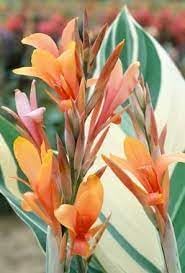
Fresh seeds tailored for outdoor growing and survival in USDA Hardiness Zone 3 stand out as the main strength here. Ideal for gardeners working with sandy soil who want a reliable and vigorous start from seed to plant, these Canna Stuttgart Seeds suit anyone aiming for moderately watered, hardy crops.
Using the seeds means starting with a premium mix designed to aid germination and growth, making setup straightforward. Seeds come from a temperature and moisture-controlled storage, ensuring freshness for the current or next growing season.
Growing outside in sandy soil with moderate watering will meet the needs these seeds expect.
Plants grown from these seeds generally thrive outdoors in cooler zones thanks to their hardiness. The seed mix supports vigorous early growth, which is praised for taking the guesswork out of successful sprouting.
A noted downside is that the package contains only seeds, no actual plants, which might surprise those expecting mature specimens. Packaging for freshness appears reliable.
The seeds come fresh and ready for planting with a mix designed to help vigorous growth. Many notes highlight the absence of live plants in the package, which could surprise some buyers expecting mature plants instead of seeds.
Those farming outdoors in colder regions with sandy soil will appreciate the targeted design. Gardeners needing immediate plants or those with different soil conditions should consider alternative options more suited to their environment.
Pros
- Seeds stored in moisture-controlled facility
- Suitable for USDA Zone 3 outdoors
- Premium mix designed for vigorous growth
- Works well in sandy soil with moderate watering
Cons
- Only seeds included, no live plants
- Requires sandy soil for best results
| Specification | Details |
|---|---|
| Outdoor Usage | Outdoor |
| USDA Hardiness Zone | 3 |
| Soil Type | Sandy Soil |
| Moisture Needs | Moderate Watering |
| Seed Package Type | Seeds Only, no live plants |
12. Hemp Agrimony Flower Seeds

Gardeners looking for a tall, flowering plant that attracts pollinators will appreciate Hemp Agrimony Flower Seeds. Perfect for outdoor planting between USDA zones 5 and 9, it thrives in sun to part shade and offers long-lasting blooms from mid summer to fall. Its biggest strength is the continuous display of flowers that keep your garden buzzing with life.
Starting these seeds in spring gives you enough time for the plants to reach their expected height of 48 to 72 inches by summer. Space them about 48 to 72 inches apart to allow room for growth.
The plants tolerate average soil and moisture levels, so they don’t require special treatment and handle occasional dampness well. Bees, birds, and butterflies will make regular visits throughout the blooming months.
These plants reliably fill the garden with bell-shaped flowers in shades of raspberries and cream, creating both color and wildlife interest. The blooms last around two weeks per flower, providing continuous blossoming.
Most find the plant sturdy and low maintenance, though the size means you need enough garden space to avoid crowding. Some gardeners note the large spacing requirement limits how many can fit in a smaller area.
Flowers last about two weeks each, keeping the garden lively with pollinators through summer and fall. Many appreciate the hardy nature and long bloom period, but several note the wide spacing requirement limits how many plants they can grow close together.
Those with larger gardens who enjoy inviting wildlife and colorful blooms across seasons will be happy with these seeds. Smaller garden spaces or those wanting denser plantings should consider alternatives due to the plant’s height and spacing needs.
Pros
- Long-lasting flowers for months of color
- Attracts bees, birds, and butterflies
- Tolerates average soil and moisture
- Suitable for varied light conditions
Cons
- Requires large spacing between plants
- Grows quite tall, needs sufficient garden space
| Specification | Details |
|---|---|
| USDA Hardiness Zone | 5 – 9 |
| Expected Blooming Period | Mid Summer – Fall |
| Plant Height | 60 inches |
| Light Requirements | Sun – Part Shade |
| Soil Type | Average |
| Moisture Needs | Average – Tolerates Moist |
13. Venidium Orange Seeds

Venidium Orange Seeds stand out for their freshness and quantity, offering 100 seeds ideal for growers aiming to cultivate a full crop come spring. Perfect for those wanting a reliable strain that thrives with full sun, these seeds promise a consistent blooming period aligned with the season.
Starting with spring planting, these seeds respond well to standard gardening routines under full sunlight. Since the recommended planting and blooming periods both fall in spring, planning your schedule around these times helps maximize growth potential.
Handling fresh seeds improves germination rates and creates a strong foundation for healthy plants.
Designed with growers in mind, the seeds reliably bloom in spring as expected. Many appreciate that the 100-seed count allows for generous experimentation or replacement if some seeds don’t sprout.
A frequent downside noted is the strict need for full sun exposure, which limits suitability in less sunny environments.
Most users appreciate having a large batch of fresh seeds that bloom reliably in spring, making it easier to maintain a predictable cultivation cycle. A common drawback remains the strict necessity for full sun, which might challenge those with less favorable outdoor conditions.
Growers with access to strong spring sunlight and space for many plants will find these seeds well suited. Those in shaded areas or outside the spring planting period may want to explore alternatives better adapted to varied light or seasonal flexibility.
Pros
- 100 fresh seeds included for extensive planting
- Blooming period perfectly timed for spring
- Requires full sun for optimal growth
- Original Venidium- Orange strain fidelity
Cons
- Needs consistent full sun exposure
- Limited to spring planting window only
| Specification | Details |
|---|---|
| Product | Original Venidium- Orange |
| Quantity | 100 Seeds |
| Expected Planting Period | Spring |
| Expected Blooming Period | Spring |
| Sunlight Exposure | Full Sun |
14. 7 Pot Brain Strain Seeds

7 Pot Brain Strain Seeds deliver a powerful experience for growers in zones 8, 9, and 10, thriving best in sandy soil. Perfect for those seeking a strong, hardy plant that thrives in warmer climates, these seeds stand out for their resilience and specialized growing conditions.
Setting up these seeds requires sandy soil to optimize growth and health. Daily care involves monitoring the plant’s environment to suit USDA hardiness zones 8 to 10, ensuring it receives the right warmth and drainage.
Their preference for sandy soil means typical garden soils might need adjustment for best results, demanding attention to soil type before planting.
They perform strongly in the right zones, showing good adaptation to heat and dry conditions. Built by nature to suit warmer climates, these seeds produce vigorous plants when soil conditions are met. The best feedback highlights their robustness, while some find the soil specificity limits easy growing in other areas, which can be a challenge for beginners.
Plants grown from these seeds are praised for their strength and heat resilience. The common drawback lies in the requirement for sandy soil, making them less versatile for general garden soils. This specificity means the seeds aren’t the easiest choice for all gardeners.
Growers in USDA zones 8 through 10 who can supply sandy soil conditions will find these seeds highly rewarding. Those outside these climates or without sandy soil should consider alternatives better suited to their growing environment.
Pros
- Thrives well in warm USDA zones 8 to 10
- Prefers sandy soil for optimal growth
- Strong, heat-adapted plant genetics
Cons
- Needs specific sandy soil for best results
- Limited to warmer climate zones only
| Specification | Details |
|---|---|
| USDA Hardiness Zone | 8, 9, 10 |
| Soil Type | Sandy Soil |
15. Mad Dog Skullcap Seeds

Growing Mad Dog Skullcap Seeds feels rewarding for anyone ready to put in steady care under full sunlight. Best suited for those familiar with regular watering routines, these seeds stand out for their reliable growth when given consistent attention.
Planting the seeds requires ensuring they are placed where they receive full sun. Daily watering helps keep the soil moist without becoming soggy, making it important to maintain a balance. Watching these seeds thrive depends heavily on meeting their watering needs and sunlight exposure, so a routine is essential for good results.
Mad Dog Skullcap Seeds produce healthy plants that respond well to steady moisture and plenty of light. They tend to grow robustly when cared for properly, though some mention that frequent watering can be demanding. The seeds have a solid build in terms of resilience to typical growing conditions and truly benefit from regular attention.
The seeds receive high marks for showing strong growth when given the right conditions, notably full sun and consistent watering. However, the most frequent drawback mentioned is that the routine care, especially the need for regular watering, can be challenging to maintain consistently.
Those who can dedicate time to daily watering and have access to full sun will likely appreciate these seeds. People seeking a low-maintenance or indoor option might want to consider alternatives better adapted to less frequent care or shaded environments.
Pros
- Thrives in full sun exposure
- Responds well to regular watering
- Seeds produce resilient plants
Cons
- Requires steady, consistent watering
- Not suited for low-light environments
| Specification | Details |
|---|---|
| Other Special Features | Seeds |
| Sunlight Exposure | Full Sun |
| Moisture Needs | Regular Watering |
Comparison of Top Marijuana Seeds Reviewed
| Product | Usage | Sunlight Exposure | Blooming Period | Moisture Needs |
|---|---|---|---|---|
| BIONA Hemp Seeds | – | – | – | – |
| Ripkitty Organic Hemp | – | – | – | – |
| Sun Hemp Seeds | Outdoor | Full Sun | Spring to Fall | – |
| HOME GROWN Herb Variety | Indoor, Outdoor | – | – | – |
| Cannabis Grower’s Guide | Indoor | Full Sun | – | Moderate Watering |
| Creeping Thyme Mix | Outdoor | Full Sun to Partial Shade | Spring to Fall | – |
| KENAF Hibiscus Hemp | Outdoor | Sun to Part Shade | Summer | Average |
| Canna Indica Seeds | – | Partial Shade | – | Moderate Watering |
| Indian Hemp Dogbane | – | Full Sun | Summer to Fall | Regular Watering |
| Mixed Canna Lily | Outdoor | Full Sun | Fall to Winter | – |
| Canna Stuttgart Seeds | Outdoor | – | – | Moderate Watering |
| Hemp Agrimony Flowers | Outdoor | Sun to Part Shade | Mid Summer to Fall | Average to Tolerant Moisture |
| Venidium Orange Seeds | – | Full Sun | Spring | – |
| 7 Pot Brain Seeds | – | – | – | – |
| Mad Dog Skullcap | – | Full Sun | – | Regular Watering |
- Usage–
- Sunlight Exposure–
- Blooming Period–
- Moisture Needs–
- Usage–
- Sunlight Exposure–
- Blooming Period–
- Moisture Needs–
- UsageOutdoor
- Sunlight ExposureFull Sun
- Blooming PeriodSpring to Fall
- Moisture Needs–
- UsageIndoor, Outdoor
- Sunlight Exposure–
- Blooming Period–
- Moisture Needs–
- UsageIndoor
- Sunlight ExposureFull Sun
- Blooming Period–
- Moisture NeedsModerate Watering
- UsageOutdoor
- Sunlight ExposureFull Sun to Partial Shade
- Blooming PeriodSpring to Fall
- Moisture Needs–
- UsageOutdoor
- Sunlight ExposureSun to Part Shade
- Blooming PeriodSummer
- Moisture NeedsAverage
- Usage–
- Sunlight ExposurePartial Shade
- Blooming Period–
- Moisture NeedsModerate Watering
- Usage–
- Sunlight ExposureFull Sun
- Blooming PeriodSummer to Fall
- Moisture NeedsRegular Watering
- UsageOutdoor
- Sunlight ExposureFull Sun
- Blooming PeriodFall to Winter
- Moisture Needs–
- UsageOutdoor
- Sunlight Exposure–
- Blooming Period–
- Moisture NeedsModerate Watering
- UsageOutdoor
- Sunlight ExposureSun to Part Shade
- Blooming PeriodMid Summer to Fall
- Moisture NeedsAverage to Tolerant Moisture
- Usage–
- Sunlight ExposureFull Sun
- Blooming PeriodSpring
- Moisture Needs–
- Usage–
- Sunlight Exposure–
- Blooming Period–
- Moisture Needs–
- Usage–
- Sunlight ExposureFull Sun
- Blooming Period–
- Moisture NeedsRegular Watering
How to Choose the Right Marijuana Seeds
Choosing marijuana seeds depends on factors like strain type, growth difficulty, and desired effects, which help match your needs and experience level. Picking the right seeds from the start prevents wasted time and resources, ensuring a smoother, more successful growing process.
Genetics and Strain Type
Some seeds contain purely indica traits, leading to shorter, bushier plants with a calming effect, while others favor sativa characteristics, growing taller with more energetic highs. Hybrid seeds blend these, which can make growth and effects less predictable. Knowing the cannabinoid profile is critical for daily use, high THC levels tend to increase potency, but higher CBD content can offer mellow relief without strong psychoactive effects.
Strains with solid reputations often deliver consistent flavors, aromas, and yields across different environments. Strains that struggle in one climate may thrive in another, so checking grower reviews for your area is useful. Fruity, earthy, or pine scents can be expected depending on terpene content.
A typical yield goal might range from 400 to 600 grams per square meter indoors, but some strains are bred for higher production or more intense flavors.
Germination Rate and Viability
Seeds with a reported germination rate above 85% provide a clearer idea of how many will sprout, reducing wasted effort and cost. Old or poorly stored seeds lose viability, resulting in many that never crack open. Fresh seeds stored in cool, dark, and dry conditions last longer, sometimes up to two years without performance loss.
Testing germination in a small batch before planting full-scale helps avoid surprises. The seed’s hardness and color give clues, dark, glossy seeds tend to be viable, while pale or cracked ones often fail.
Skipping this step can lead to empty pots and frustration, especially when seeds are expensive or limited in number.
Growth Difficulty and Time to Harvest
Seeds designed for beginners typically need less fuss. Hardy plants resist pests and environmental stress better, withstanding variations in humidity and temperature.
Strains with flowering times around 8 to 10 weeks fit well into many growers’ schedules, whereas longer cycles require more patience and care.
Certain varieties demand pruning or topping to keep growth manageable or improve yields. Specialized care increases complexity, which can lead to mistakes if overlooked.
Simpler strains free up time and reduce the risk of crop loss, important when learning the ropes or balancing with other responsibilities.
Yield Potential
Average yields can range widely, but many indoor strains promise about 400 grams per square meter under standard conditions. Outdoor plants tend to produce more due to less space restrictions, sometimes exceeding 500 grams per plant.
Knowing the expected production helps plan storage and use, especially if supply consistency is needed.
Bud size and density are just as important as weight. Dense, resin-coated buds usually indicate better potency and quality. Strains with large, dense buds often require more support or trimming but reward growers with richer harvests.
Low-density, airy buds may yield less desirable effects and consumption experience.
Seed Type and Legal Considerations
Regular seeds produce both male and female plants, requiring identification and removal of males to prevent pollination. Feminized seeds grow mostly female plants, simplifying care when focusing on flower production. Autoflowering seeds switch to blooming based on age, not light cycles, speeding up harvest but sometimes producing smaller yields.
Regional laws vary widely. Some places allow seed possession and cultivation under specific limits, while others prohibit them entirely.
Confirming seed source legitimacy ensures compliance and reduces the risk of fraud or poor genetics. Reliable providers usually comply with local regulations and offer germination guarantees.
Tips for Maximizing Germination Rates of Marijuana Seeds
Marijuana seeds reach their potential only after successful germination. One effective way to improve germination rates involves keeping the seeds in a dark, warm, and humid environment consistently.
Placing seeds between damp paper towels, then inside a ziplock bag, helps maintain moisture without drowning the seeds. Ensure the temperature stays between 70-85°F (21-29°C) for optimal results. Avoid soaking seeds for more than 24 hours; excessive water blocks oxygen and may cause seed rot.
Handling seeds gently reduces the risk of damaging their delicate outer shell. Use tweezers or clean hands to transfer them instead of squeezing. Planting the seeds once their taproot appears, usually within 2-7 days, improves the chance of healthy growth.
A shallow depth of roughly 0.5 to 1 inch in germination medium prevents seedlings from struggling to reach the surface.
Key points to maximize germination:
- Maintain warmth and moisture without overwatering
- Avoid prolonged soaking and rough handling
- Plant promptly once roots emerge
Comparing Autoflowering vs. Photoperiod Marijuana Seeds for Different Growing Needs
Autoflowering and photoperiod marijuana seeds differ mainly in their flowering triggers, which affects grower choices based on time, space, and experience. Autoflowering seeds are less dependent on light cycles and start flowering after about 2-4 weeks of growth regardless of light exposure. This trait suits growers looking for quick harvests or those limited to natural daylight periods.
In contrast, photoperiod seeds require specific light schedules, usually 12 hours of darkness, to begin flowering. This control allows manipulation of plant size and growth phase duration, ideal for growers wanting to maximize yield or train plants over a longer period.
Photoperiod plants tend to produce larger and more potent buds but need more maintenance and attention to lighting.
Comparison summary:
- Autoflowers grow faster, ideal for beginners or quick cycles
- Photoperiod seeds offer more control, better for experienced growers seeking larger harvests
- Choice depends on available space, time commitment, and desired yield
People Also Asked
How Do I Properly Store Marijuana Seeds to Keep Them Fresh?
Store marijuana seeds in a cool, dark, and dry place to keep them fresh. A common method is using a sealed container like a small glass jar with a silica gel packet inside to control moisture.
What Size Container Is Best for Germinating Cannabis Seeds Indoors?
A small container or seedling tray about 2-4 inches deep works well for germinating cannabis seeds indoors. It helps retain moisture without drowning the seeds.
Are There Any Safety Precautions When Handling Marijuana Seeds?
Handle marijuana seeds with clean, dry hands or tweezers to avoid contaminating them. Avoid exposing them to excessive heat or light during handling.
How Long Do Marijuana Seeds Typically Remain Viable for Planting?
Marijuana seeds can remain viable for planting up to one to two years if stored properly. Older seeds may have lower germination rates but can still sprout with extra care.
What Are Common Issues When Growing Cannabis from Seeds and Solutions?
Common issues include poor germination, mold, or seedling damping off. Using fresh seeds, maintaining proper moisture, good airflow, and sterile growing medium helps prevent these problems.
Conclusion
Choosing marijuana seeds comes down to a few key factors: the plant’s growth time, the yield you can expect, and the strain type that fits your personal preference or needs. Knowing how much space you have and how much effort you want to put into growing also helps narrow down the options. Keep these basics in mind to find seeds that work best for you.
Match the seed variety to your available space and how frequently you plan to use the plants. Budget plays a role, too, as some seeds are pricier but may offer bigger harvests. Take another look at the comparison table and the detailed picks above to find the best fit for your situation.