Top 15 Best Birds to Have as Pets You’ll Love Instantly!
People often grab a bird without knowing what to expect, and soon find themselves dealing with constant noise, a messy cage, or a bird that constantly tries to escape and bite. Choosing the best birds to have as pets means looking beyond their pretty feathers and chirps. Birds that become stressful additions usually aren’t the right fit for most homes, which is why it’s important to have a realistic idea of their daily needs before bringing one into your space.
The main things that set good pet birds apart are temperament, size, and care requirements. Smaller species like budgerigars or cockatiels generally fit apartment living better and need less space, around 18 by 18 inches at minimum for their cage.
A bird that’s too large or loud can become unmanageable in a confined area. Ease of cleaning is critical, birds that produce a lot of dust or droppings require more frequent maintenance, which can quickly become a chore. Safe, sturdy cages with bar spacing appropriate to the bird’s size prevent escapes and injuries.
Knowing these factors helps create a better experience for both the bird and its owner.
Need a Quick Check?
| Image | Product | Price |
|---|---|---|
Our Top Picks 1  | Parrots Pet Birds Guide | Check Price |
Our Top Picks 2  | Complete Pet Bird Handbook | Check Price |
Our Top Picks 3  | Canary Care Guide | Check Price |
Our Selected Top 15 Birds to Have as Pets Worth Buying
This list highlights several popular pet birds, looking into their personalities, care requirements, and how well they fit with different people. Each review highlights key strengths and weaknesses to help readers make informed choices based on lifestyle and preference.
1. Parrots and Other Pet Birds Training and Care Guide
Parrots And Other Pet Birds Training and Care Guide is perfect for anyone new to or experienced with birds who wants clear, practical advice on caring for parrots and other pet birds. Its biggest strength lies in offering straightforward training tips and care routines to build a healthy, well-behaved bird relationship.
Daily use involves following easy-to-understand instructions on feeding, cleaning, and training. The guide covers important safety precautions and explains how to establish a routine that fits daily life. Advice is organized to help users address common challenges like bird behavior and cage setup without confusion.
Information in the guide is thorough and reliable, ensuring confidence while caring for birds. Most praise points to its clarity and helpfulness in managing bird behavior. The main drawback from reviews shows some topics could go into more detail for specific bird species, leaving a bit of curiosity unfulfilled.
Clarity and practical advice are the most praised aspects of this guide, helping bird enthusiasts build routines easily. Some feel the guide would benefit from more detailed coverage about individual species’ behaviors and needs. The overall tone is simple yet informative.
Bird keepers seeking straightforward daily care and basic training support will find this guide suits their needs well. Those wanting in-depth species-specific strategies or complex behavior troubleshooting might prefer additional specialized resources.
Pros
- Clear and practical training instructions
- Helpful care routines for daily use
- Safety guidelines included
- Suitable for multiple bird types
Cons
- Some sections lack species-specific detail
- Could include more advanced behavior solutions
| Specification | Details |
|---|---|
| Focus | Training and care for parrots and other pet birds |
| Content | Practical advice for feeding, training, cleaning, safety |
| Audience | New and experienced bird keepers |
| Approach | Step-by-step routines and behavioral tips |
2. Complete Pet Bird Owners Handbook
Finding reliable, clear guidance when caring for pet birds can be a challenge, especially for those new to bird ownership. Complete Pet Bird Owners Handbook is a great resource for anyone looking for detailed information on caring for pet birds.
Its biggest strength lies in providing detailed, practical advice all in one resource.
Setting up your bird’s living space and daily routine is made easier with straightforward instructions and helpful tips throughout the book. It covers topics like nutrition, cleaning, and recognizing signs of illness, which are critical for daily care. The layout helps you quickly locate information whenever questions come up during your bird care journey.
Designed as an all-in-one manual, the book covers a wide range of bird species and their needs. The build quality shows in the well-organized content and durable print suitable for frequent use. Strong points include thorough explanations and easy-to-follow advice, while some find the length a bit overwhelming at times.
The book receives praise for covering every aspect of bird care in detail, making it a useful reference on hand. Some readers mention it can feel dense due to the amount of information presented in a single volume.
Homeowners wanting thorough, reliable advice on different bird species will find it very helpful. Those preferring a simpler or digital guide might need to look for alternative options.
Pros
- Detailed guidance on feeding and health
- Clear instructions for daily care tasks
- Organized for quick information access
- Applicable to many bird species
Cons
- Length can feel overwhelming for beginners
- No digital format available
| Specification | Details |
|---|---|
| Format | Printed book |
| Content coverage | Comprehensive care and feeding |
| Suitable for | Various species of pet birds |
| Durability | Durable print and binding for frequent use |
3. Canary Care and Breeding Guide
A detailed canary care and breeding guide is ideal for anyone new to keeping canaries or those looking to improve their knowledge. Its biggest strength lies in providing clear, practical instructions for canary health, diet, and breeding, making it a solid resource for better pet bird care.
Setting up with this guide is straightforward, as it covers daily feeding routines, cage maintenance, and breeding cycles comprehensively. It explains essential topics like nutrition, hygiene, and nesting in easy-to-understand language.
You can quickly find advice on common issues and effective care techniques, which makes managing your canary’s well-being more manageable day after day.
The guide performs well in delivering thorough, easy-to-follow information that supports both novice and experienced bird keepers. It is well-organized and written with practical tips rather than vague suggestions.
Some reviews mention it may lack advanced breeding techniques for highly experienced breeders, but the majority appreciate the clear explanations for everyday care and health monitoring.
Many find the guide very helpful for day-to-day canary care and appreciate its straightforward approach to breeding basics. Some mention it does not cover complex breeding methods that experienced breeders might seek. It focuses more on health and routine management rather than specialized breeding strategies.
People who want a clear, practical manual to raise and breed healthy canaries will be satisfied. Those looking for detailed, technical breeding knowledge or professional-level advice should consider more specialized resources.
Pros
- Clear daily care instructions
- Comprehensive breeding guidelines
- Easy-to-understand language
- Practical health advice for canaries
Cons
- Lacks advanced breeding techniques
- Not suitable for professional breeders
| Specification | Details |
|---|---|
| Focus | Canary care and breeding |
| Content Type | Practical instructions and guidelines |
| Target Audience | People who are new to keeping canaries or have some experience with them |
| Topics Covered | Health, diet, breeding cycles, hygiene |
4. Morning Dove Care Guide

People who want a calm, gentle companion bird will appreciate the Morning Dove Care Guide. It’s designed for anyone wanting to easily grasp daily care basics and ensure the well-being of morning doves, with its biggest strength being clear and straightforward guidance for caretakers.
Setting up the space for your morning dove becomes simpler with practical tips on diet, habitat, and interaction. The guide covers feeding routines and cleaning advice that helps maintain a healthy environment. Day-to-day use revolves around following these easy instructions to keep your dove happy and well-cared for, making daily maintenance manageable and less confusing.
It offers concise, reliable advice that suits both new and experienced bird keepers alike. The guide is well-organized, making it easy to reference as questions arise. The most frequent compliment highlights how helpful the advice is for understanding dove habits.
Occasionally, some find the details not deep enough for more advanced care knowledge.
Many appreciate the clarity and simplicity of care directions, making daily routines more straightforward. Some express a wish for more detailed, advanced information beyond the basics.
Those new to keeping morning doves or seeking general care advice will find this guide fitting well. Anyone wanting deeper, expert-level knowledge might want to look for additional resources.
Pros
- Easy to understand care instructions
- Covers feeding and habitat setup
- Helpful for beginners
Cons
- Lacks advanced care details
- No multimedia supplements included
| Specification | Details |
|---|---|
| Type | Care Guide |
| Target Bird | Morning Dove |
| Focus | Daily Care and Habitat |
| Format | Written Instructions |
5. Budgies Care Guide

A straightforward guide tailored for budgie lovers, ideal for anyone looking to understand budgie care basics well. Its biggest strength lies in clear, practical advice that helps manage feeding, habitat, and social needs effectively.
Setting up involves following step-by-step care instructions that cover daily feeding routines and maintaining a clean environment. Guidance on socializing your bird and recognizing health signs makes everyday upkeep manageable. It makes tracking your budgie’s well-being easier with focused tips rather than overwhelming information.
The guide’s main role in supporting healthy, happy budgies is well covered. It is built with clear sections and easy language, making it user-friendly.
The strongest praise is about its straightforward explanations. Some find complaints about missing advanced behavioral detail or deeper veterinary advice.
Clear and practical instructions stand out as the guide’s strongest point, making daily budgie care accessible. The main complaint centers on the absence of detailed veterinary and behavior advice for more experienced pet keepers.
Those new to budgie ownership will appreciate the straightforward help offered, especially in managing basic needs. People seeking in-depth medical or psychological guidance on budgies should look for more specialized resources instead.
Pros
- Clear daily care instructions
- Simple language for easy understanding
- Focuses on feeding and habitat needs
- Includes socialization tips
Cons
- Lacks advanced behavioral guidance
- Does not cover veterinary care in depth
| Specification | Details |
|---|---|
| Budgie enthusiasts and beginners | |
| Focus Areas | Feeding, habitat care, social interaction |
| Language Style | Simple, clear |
| Detail Level | Basic to intermediate care advice |
6. Little Live Pets Talking Bird Toy Rosie

Little Live Pets Talking Bird Toy Rosie offers a fun and interactive bird experience for kids aged 5 to 15. It is best for those who want a toy that mimics real bird sounds and movements, making playtime feel lively and engaging.
The talking and whistling features stand out as its biggest attraction.
Setting up Rosie is straightforward with two AAA batteries included. The bird comes in a small cage, making it easy to keep contained and part of a child’s play space.
You can record your voice and have Rosie repeat it in a chirpy tone or whistle back when you interact, which keeps daily play interesting and fresh. It responds well to touch and voice commands, adding ongoing entertainment.
The toy performs well in imitating a real bird’s sounds with over 20 different chirps, whistles, and tweets. The moving beak and flocked feathers add to its realistic feel.
The build quality is decent for a toy of this kind, sturdy enough for typical use. A common praise is its lifelike sound, while some find the battery life could be better.
Rosie is praised for its realistic chirps and interactions that keep kids engaged for hours. Most users notice the battery drains a bit fast, which can interrupt playtime. Adjusting to replace batteries regularly is part of the experience.
Children who enjoy interactive toys with sound and movement will appreciate this bird. Those looking for a quieter or more durable pet alternative might want to explore different options better suited to older kids or longer use.
Pros
- Realistic bird sounds and movements
- Records and repeats your voice
- Includes cage for tidy play
- Comes with batteries and manual
Cons
- Battery life could be longer
- Limited to certain age range (5-15 years)
| Specification | Details |
|---|---|
| Brand Name | Little Live Pets |
| Model Name | 26692 |
| Unit Count | 1 Count |
| Included Components | 2 AAA Batteries, 1 Bird, 1 Cage, 1 Instruction Manual |
| Age Range Description | Youth |
| Manufacturer | MOOSE TOYS LLC |
7. Practical Guide to Pet and Aviary Birds

Living with the Practical Guide to Pet and Aviary Birds feels like having a trusted companion for understanding your pet birds’ needs. It suits both beginners and experienced bird enthusiasts who want clear, practical advice. Its biggest strength lies in straightforward information that makes daily bird care easier.
Setup involves simply opening the guide and finding relevant sections quickly thanks to its organized layout. Day-to-day use supports feeding tips, habitat requirements, and behavior understanding, helping you respond to your bird’s signals. It covers safety and cleaning routines clearly, promoting a healthy environment for your feathered friends.
Performance-wise, the guide provides practical knowledge that directly affects bird wellbeing. It is well structured and easy to read from front to back or for specific reference.
Strong praise highlights its helpfulness in resolving common bird care challenges. Some complain that it lacks extensive detail on rarer species, which might disappoint those seeking deep technical info.
The guide’s strongest point is its clarity in explaining daily care and safety practices, making bird care less intimidating. The most frequent critique relates to limited information about less common birds, which users wanting detailed species-specific guidance might find inadequate.
People new to bird keeping or those wanting straightforward advice will value this guide. Those looking for specialized knowledge or in-depth ornithological data might prefer more comprehensive references or species-specific books.
Pros
- Clear, practical bird care tips
- Easy-to-use layout
- Suitable for multiple bird types
- Focuses on safety and hygiene
Cons
- Lacks detail on rare bird species
- Not a deep technical resource
| Specification | Details |
|---|---|
| Content type | Guidebook |
| Focus | Pet and aviary birds care |
| Ease of use | Organized layout |
| Audience | Beginners and experienced bird enthusiasts |
8. Bird Parakeet Cage Toys

Perfect for small to medium pet birds, this set offers a variety of toys that keep them active and entertained. It suits parakeets, cockatiels, conures, and similar birds well, providing plenty of climbing and chewing options to prevent boredom.
Setting up takes little effort since it comes with 11 different toys like ladders, bells, and a hammock that can be attached inside cages. Birds spend time climbing, chewing, or resting on various pieces, making playtime diverse and engaging throughout the day.
The construction feels sturdy enough for daily use with wood and metal parts that hold up under bird activity. Most birds enjoy the sound of the crisp bells and colorful toys.
Some mention occasional wear on wooden parts, but nothing that affects overall fun and exercise.
Crisp bells and colorful wooden toys attract birds’ attention and encourage active play. The main drawback lies in the wooden components showing wear with regular chewing, which users have noticed but found acceptable. The toys provide a good range of entertainment and exercise options.
People with small to medium birds will find this set a great way to keep their pets stimulated and happy. Birds that prefer very durable or less wooden toys might look into more rugged options, but those wanting a fun, interactive indoor toy set will appreciate these pieces.
Pros
- Variety of toys for different activities
- Suitable for multiple bird breeds
- Crisp bell sounds engage birds
- Includes hammock and ladders for resting and exercise
Cons
- Wooden parts can wear out over time
- Some birds may need time to adapt
| Specification | Details |
|---|---|
| Included Components | 11 Pieces Bird Toys including crisp bells, wooden toys, a hammock, climbing ladder, and perch |
| Breed Recommendation | All Breed Sizes |
| Recommended Uses For Product | Indoor |
| Specific Uses For Product | Climbing, Entertainment |
| Pet Type | Bird |
9. Paper Bird Toys for Small to Medium Birds
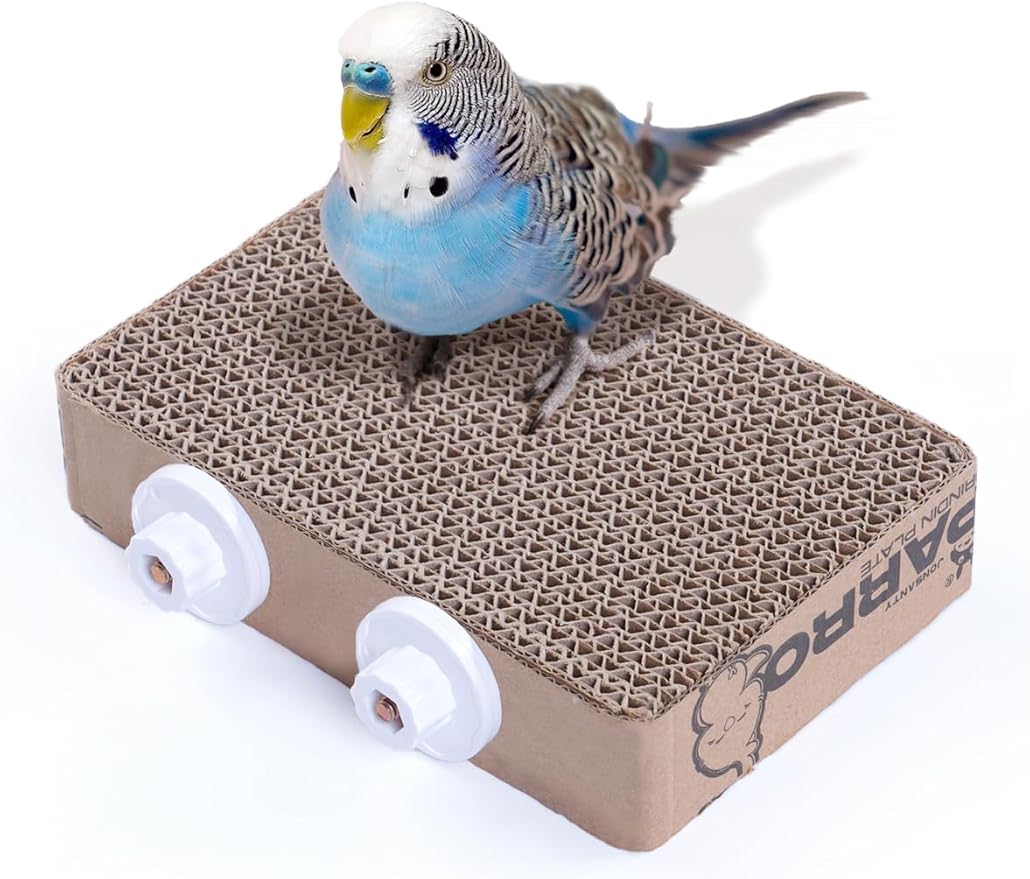
Made entirely from natural corrugated cardboard, this toy provides a safe and eco-friendly playtime option for birds of all breeds and sizes. Its design encourages birds to engage in natural behaviors like chewing and shredding, making it ideal for indoor pets who need mental and physical stimulation.
Setup involves simply placing it in your bird’s cage or play area, where it becomes an inviting spot for pecking and resting. Its lightweight material is easy to replace when shredded, and birds seem drawn to its texture and shape.
Daily use satisfies their instinctive curiosity without any added maintenance or cleaning hassles.
Constructed without harmful substances, the material ensures your bird’s health remains a priority. The toy effectively fulfills birds’ natural desire to chew and shred, which can help reduce unwanted behavior. Strongest praise highlights how natural and safe the material feels to the bird.
A frequent complaint mentions that it wears down quickly, requiring frequent replacement.
Birds respond well to the natural texture and safety of the cardboard, showing plenty of interest and interaction. Because the material is corrugated cardboard, it doesn’t last long and will need to be replaced as it gets torn apart.
Perfect for bird lovers looking for a simple, safe chewing toy that mimics natural habits indoors. Those looking for longer-lasting or more varied stimulation might want to explore other options beyond cardboard toys.
Pros
- Made from all-natural corrugated cardboard
- Encourages natural pecking and shredding behaviors
- Safe material with no harmful substances
- Suitable for birds of all sizes
Cons
- Wears down quickly, needs regular replacement
- Single unit may require frequent repurchasing
| Specification | Details |
|---|---|
| Breed Recommendation | All Breed Sizes |
| Recommended Uses For Product | Indoor |
| Brand Name | JONS NTY |
| Unit Count | 1 Count |
| Pet Type | Bird |
10. Bird Parrot Swing and Climbing Toys

Colorful and varied, these bird toys catch your parrot’s attention quickly, making them great for small parakeets, cockatiels, and similar breeds. The biggest strength lies in the variety of toys included, offering plenty of choices for climbing, chewing, and playing to keep birds active indoors.
Setup is straightforward, with nine different toys to arrange as you like in the cage or play area. The combination of natural wood and bells makes daily interaction fun and stimulating for birds.
Toys include a climbing ladder, a swinging perch with bells, and chewable wooden pieces that encourage exercise and muscle strengthening, catering well to small birds’ natural behaviors.
Durability feels solid with natural wooden materials that withstand chewing well. The bells add a lively sound that birds seem to enjoy. The main limitation is that it’s designed for small breeds, so it might not suit larger parrots who need sturdier equipment.
It effectively keeps smaller birds entertained and active but may not last long under heavy use by more powerful birds.
This set keeps smaller birds busy with climbing and chewing, thanks to natural wood and engaging bells, but its durability doesn’t hold up well with bigger, more aggressive chewers. Most users find the variety great but note the size limit for heavier birds.
Those with small birds like parakeets and cockatiels will find this set ideal to encourage activity and play. People with larger or more destructive birds should choose sturdier, bigger toys to make sure they last longer and stay safe.
Pros
- Includes multiple toys for varied bird activity
- Natural wood safe for chewing
- Bells attract and engage birds
- Good for exercising small breed birds
Cons
- Not suitable for larger or stronger birds
- Wood pieces may wear down with heavy chewing
| Specification | Details |
|---|---|
| Breed Recommendation | Small Breeds |
| Specific Uses For Product | Exercise, Climbing |
| Recommended Uses For Product | Indoor |
| Included Components | 6 x Bird Chewing Toys, 1 x Pet Climbing Ladder Bridge, 1 x Parrot swing with Bells, 1 x Parrot Perch Stand Toy |
| Number of Items | 9 |
| Brand Name | lovyoCoCo |
11. Complete Pet Bird Owners Guide

Complete Pet Bird Guide offers detailed knowledge designed for bird lovers, especially those new to keeping pet birds. Its greatest strength lies in providing comprehensive, practical advice all in one place, making it ideal for creating a safe and enjoyable environment for your feathered friend.
Setting up with this guide involves following clear instructions on bird care, feeding, and habitat safety. Day-to-day use benefits from tips on regular cleaning, diet variety, and recognizing signs of bird health issues.
The guide simplifies forming routines that keep both owner and bird comfortable and aligned on safety and nutrition.
The guide’s thoroughness in addressing varied bird species and their specific needs makes it well-built for informing care practices. It tends to answer most questions a new bird owner might face.
A frequent remark concerns the occasional overwhelming amount of detail, which some might find harder to digest in one go, but the quality of information remains solid.
Praise revolves around the guide’s well-rounded, in-depth advice that covers essential aspects of pet bird care from diet to habitat safety. A common drawback is the volume of information, which occasionally proves hard to absorb all at once without re-reading.
Those looking for a thorough, reference-style bird care guide will appreciate this book’s scope and detail. It suits people ready to commit to learning extensively rather than seeking a brief overview. Casual bird keepers might prefer simpler, more concise guides.
Pros
- Detailed advice on bird safety and nutrition
- Covers various bird species care needs
- Clear guidance on daily maintenance routines
- Helpful for beginners to build confidence
Cons
- Information can feel overwhelming at times
- Some sections may be too detailed for casual readers
| Specification | Details |
|---|---|
| Content type | Bird care manual |
| Focus areas | Safety, nutrition, habitat setup |
| Intended users | New and experienced bird enthusiasts |
| Coverage | Multiple bird species |
12. KATUMO Parrot and Parakeet Grass Swing Toy

Keeping small birds entertained and active indoors can be a challenge, especially when they need toys to occupy their natural behaviors like chewing and climbing. Perfect for parakeets and small parrots, the KATUMO Parrot and Parakeet Grass Swing Toy mainly shines as a safe and engaging perch that taps into a bird’s natural instincts.
The setup is straightforward: hang the swing using its four stainless steel chains, and it’s ready for your bird to explore. Made from natural seagrass with added wooden blocks and colorful acrylic pieces, it invites birds to chew and shred safely.
Keeping it indoors or outdoors works well since it’s designed to endure active play and encourages your pet to climb, nibble, and stay mentally stimulated.
Designed with durability in mind, the swing offers a sturdy spot for smaller birds to perch and play. The natural materials feel safe for chewing and shredding, which parrots love.
Most praise highlights how well it keeps birds entertained and reduces boredom, though some mention that it can get messy as birds chew through the seagrass. It holds up well but requires occasional cleaning from debris.
The product receives strong praise for keeping small birds entertained by encouraging natural chewing and climbing behaviors. The most common complaint centers on seagrass debris falling from wear and tear during active use, which means occasional cleaning is necessary.
Those with small parrots or parakeets looking for a safe and stimulating play area will appreciate this toy’s design and materials. Birds needing larger or more rugged toys may want to explore different options tailored to bigger species or heavier chewing habits.
Pros
- Natural seagrass material safe for chewing
- Four stainless steel chains for strong hanging
- Includes colorful wooden and acrylic toys
- Suitable for indoor and outdoor use
Cons
- Can get messy from shredded seagrass pieces
- Mostly designed for small bird species only
| Specification | Details |
|---|---|
| Breed Recommendation | Small |
| Specific Uses For Product | Active |
| Recommended Uses For Product | Indoor, Outdoor |
| Material | Natural seagrass, wooden blocks, acrylic toys, stainless chains |
| Item Type Name | Toy |
| Age Range Description | All Life Stages |
13. Macaws as Pets Care Guide

Macaws as Pets Care Guide offers detailed advice tailored for people caring for macaws, making it a helpful resource for anyone ready to commit to a large, intelligent bird. Its biggest strength lies in helping newcomers navigate the complexities of macaw care to ensure a healthy, happy pet.
Setting up with this guide involves understanding the space requirements, diet, and daily interaction macaws need. It points out essentials like suitable cage dimensions and recommended feeding schedules.
Day-to-day care suggestions focus on mental stimulation and socialization, which are critical for these birds’ wellbeing.
The guide excels at covering everything from feeding to behavior, helping bird parents handle challenges like loud calls or chewing habits. The most praised aspect is its clear, step-by-step instructions.
Some users find the detailed requirements overwhelming but generally acknowledge its thoroughness helps prevent common issues.
The most common praise highlights the guide’s thoroughness in explaining the specific needs of macaws, including their diet and mental health. Some users mention the comprehensive nature can feel intense due to the level of commitment required for these birds.
People committed to providing a dedicated, enriched environment for a macaw will find this guide invaluable. Those looking for simpler pet care or less demanding animals might prefer a different option.
Pros
- Clear guidance on diet and environment
- Addresses behavioral issues in detail
- Suitable for both new and experienced bird caretakers
Cons
- Care demands can feel overwhelming
- Requires commitment to long-term care
| Specification | Details |
|---|---|
| Focus | Comprehensive macaw care |
| Topics Covered | Diet, habitat, behavior, health |
| Target Audience | Current and prospective macaw caregivers |
| Format | Guidebook |
| Complexity | In-depth care instructions |
14. Lovebirds Care and Housing Guide

Perfect for anyone new to lovebirds or those wanting a clear care roadmap, the Lovebirds Care and Housing Guide is all about setting you up with the right knowledge to keep your pet healthy and happy. Its biggest strength lies in covering essential care and housing needs in a straightforward way.
Setting up and daily care for lovebirds become much easier with the guide. It explains what kind of cage and environment lovebirds need, focusing on safety and comfort. Feeding routines, cleaning schedules, and social interaction tips make day-to-day caregiving less confusing and more rewarding.
The guide covers the main concerns of those who keep lovebirds, helping you avoid common mistakes and support your bird’s well-being. It is clear and practical, offering information in digestible chunks rather than overwhelming details. A frequent complaint from reviews is that it lacks in-depth behavior advice beyond basic care.
The guide provides clear, simple advice to avoid common pitfalls in lovebird care, but it falls short when more detailed behavior help is needed. Readers appreciate the straightforward housing and diet tips while wishing for expanded content on interaction and training.
Beginners will find this guide very helpful to establish a good foundation for lovebird care. Those looking for advanced behavioral techniques or in-depth training strategies should consider additional resources or specialized guides.
Pros
- Clear guidance on housing and space needs
- Focused tips for daily maintenance
- Practical feeding and nutrition advice
- Easy to follow for beginners
Cons
- Limited behavior and training information
- Covers only basic care topics
| Specification | Details |
|---|---|
| Focus | Care and Housing |
| Target pet | Lovebirds |
| Main topics | Diet, Habitat Setup, Daily Care |
| Approach | Step-by-step Guidance |
15. Wild Harvest Molting Supplement for Birds

Molting supplements like Wild Harvest’s stand out by focusing on birds’ nutritional needs during feather replacement. Perfect for people with pet birds who want to support healthy plumage, it suits all kinds of feathered friends thanks to its thoughtfully chosen seeds and added vitamins.
Its biggest strength lies in providing targeted nutrients that help maintain vibrant feathers.
Daily use involves simply mixing the granule form supplement into your bird’s existing diet. The blend of millet, oat groats, and canary grass seed adds variety while delivering vitamins and minerals essential during molting periods.
Offering balanced nutrition without complicated preparation makes it an easy addition to daily feeding routines.
Designed specifically to support plumage health, it performs well in keeping birds’ feathers colorful and strong throughout their molting phase. The granule form is convenient and natural, but some might find birds are selective about eating it. Most praise centers on improved feather quality, while the common drawback involves occasional picky eating habits.
Many people notice improved feather color and condition when giving their birds this supplement, though some find it challenging to get their birds to accept the granules consistently. It works best during molting when birds need extra nutrition and may be less useful outside these times.
Those caring for birds going through molting will appreciate the formula and ease of use this supplement provides. Those with finicky eaters or birds not currently molting might look for other nutritional options or everyday supplements instead.
Pros
- Provides vitamins and minerals for molting birds
- Includes seeds that birds naturally enjoy
- Suitable for all types of pet birds
Cons
- Some birds may be picky about eating it
- Only intended for use during molting periods
| Specification | Details |
|---|---|
| Flavor | Millet, Oat Groats, Canary Grass Seed |
| Item Form | Granule |
| Specific Uses For Product | Coat |
Best Pet Birds Comparison Table
| Product | Best For | Breed Size | Usage | Included Components |
|---|---|---|---|---|
| Parrots Pet Birds Guide | – | – | – | – |
| Complete Pet Bird Handbook | – | – | – | – |
| Canary Care Guide | – | – | – | – |
| Morning Dove Guide | – | – | – | – |
| Budgies Care Guide | – | – | – | – |
| Little Live Rosie Bird Toy | Youth | – | Interactive Toy | 1 Count |
| Practical Pet Birds Guide | – | – | – | – |
| Bird Parakeet Cage Toys | All Breed Sizes | All | Indoor Entertainment | 11 Pieces Toys |
| Paper Bird Toys | All Breed Sizes | Medium | Indoor | 1 Item |
| Parrot Swing Climbing Toy | Small Breeds | Small | Exercise, Climbing | 9 Pieces Toys |
| Complete Pet Bird Guide | – | – | – | – |
| KATUMO Grass Swing Toy | All Life Stages | Small | Indoor, Outdoor | 1 Toy |
| Macaws as Pets Guide | – | – | – | – |
| Lovebirds Care Guide | – | – | – | – |
| Wild Harvest Molting Supplement | Coat | – | Molting Supplement | Granule Form |
- Best For–
- Breed Size–
- Usage–
- Included Components–
- Best For–
- Breed Size–
- Usage–
- Included Components–
- Best For–
- Breed Size–
- Usage–
- Included Components–
- Best For–
- Breed Size–
- Usage–
- Included Components–
- Best For–
- Breed Size–
- Usage–
- Included Components–
- Best ForYouth
- Breed Size–
- UsageInteractive Toy
- Included Components1 Count
- Best For–
- Breed Size–
- Usage–
- Included Components–
- Best ForAll Breed Sizes
- Breed SizeAll
- UsageIndoor Entertainment
- Included Components11 Pieces Toys
- Best ForAll Breed Sizes
- Breed SizeMedium
- UsageIndoor
- Included Components1 Item
- Best ForSmall Breeds
- Breed SizeSmall
- UsageExercise, Climbing
- Included Components9 Pieces Toys
- Best For–
- Breed Size–
- Usage–
- Included Components–
- Best ForAll Life Stages
- Breed SizeSmall
- UsageIndoor, Outdoor
- Included Components1 Toy
- Best For–
- Breed Size–
- Usage–
- Included Components–
- Best For–
- Breed Size–
- Usage–
- Included Components–
- Best ForCoat
- Breed Size–
- UsageMolting Supplement
- Included ComponentsGranule Form
How to Choose the Perfect Pet Bird
Consider factors like the bird’s size, temperament, and care needs to ensure it fits your lifestyle and living space. Choosing the right bird prevents stress for both you and the pet, saving money on unexpected health or behavior issues and making your experience more enjoyable.
Temperament and Social Needs
Some birds demand constant attention and interaction, while others manage well alone for hours. Birds with high social needs can become stressed and destructive if left isolated or ignored, especially species that bond strongly with humans. An overly energetic parrot may not suit a laid-back household, as it requires mental stimulation daily to prevent boredom and behavioral problems.
Choosing a bird whose temperament matches your lifestyle is crucial. Some species tolerate families and other pets better; others prefer quiet, predictable routines. Consider if you can dedicate time for socializing or if the bird will mostly be on its own.
A calm, independent bird adapts well to minimal interaction, while social species thrive on frequent engagement.
Size and Space Requirements
Birds need enough room to move their wings freely and avoid stress from cramped spaces. A bird’s wingspan determines the minimum suitable cage size; small birds may do fine in cages around 18×18 inches, but larger parrots often require aviaries several feet wide. Inadequate space can lead to muscle atrophy and behavioral issues.
Placement matters too. Even a large cage feels tight if located in a small room or crowded corner. Daily flight practice or supervised out-of-cage time adds essential activity, especially for active species.
Look for cages with horizontal bars if climbing is important for the species, and choose materials that hold up to chewing.
Noise Level and Vocalization
Loud calls can be a dealbreaker in apartments or shared housing. Some birds naturally vocalize at high volume and frequency, suitable for households where noise isn’t a concern.
Birds with piercing calls can upset neighbors or household members sensitive to sound.
It’s important to know your tolerance for noise and the bird’s typical vocal patterns. Quiet species still produce noise but often at a lower volume or less frequently. Bird calls vary from short chirps to long screeches.
Consistent training and socialization can reduce excessive noise, but inherent vocal tendencies remain.
Diet and Maintenance Needs
Diet complexity varies widely: some birds eat mostly seeds and pellets, others require fresh fruits, vegetables, or specialized supplements. Providing a balanced diet demands time for preparation and knowledge to avoid nutritional deficiencies or poisoning from toxic foods.
Cleaning frequency depends on the bird’s size, habits, and cage setup; neglected cages quickly develop odor, attract pests, and pose health risks. Regular waste removal and disinfecting are necessary, especially for large or messy birds.
Handling cleaning also requires care to minimize exposure to dust and bacteria.
Lifespan and Commitment
The length of time a bird lives affects the seriousness of commitment. Small birds might live 5 to 10 years, while larger parrots can reach 50 or more.
Understanding lifespan helps plan for consistent care across different life stages and unexpected changes.
Young birds need frequent attention and training, while seniors might require adapted diets and veterinary care. Ownership means preparing for these phases and ensuring resources and stability throughout. Impulsive decisions to adopt a bird without considering this often lead to rehoming.
Diet and Nutrition Tips for Pet Birds
Birds require a variety of nutrients that differ widely depending on the species. A diet based purely on seed can lack essential vitamins, leading to problems such as feather plucking and weakened immunity.
Fresh fruits and vegetables are important additions, supplying vitamins, minerals, and fiber. For example, carrots, apples, and leafy greens are suitable for many small to medium birds. Pelleted diets provide a more balanced alternative by including formulated nutrients tailored to bird needs.
Avoid feeding avocado, chocolate, caffeine, or alcohol, as these are toxic to birds. Fresh water should always be available, and food dishes need daily cleaning to prevent bacterial growth.
Offering some bird-specific treats during training or play can encourage good behavior, but keep treats to less than 10% of the total diet to maintain nutritional balance.
- Incorporate fresh fruits and vegetables daily
- Use formulated pellets as a dietary base
- Keep seeds as occasional supplements rather than the primary food
- Provide constant access to clean water
Common Behavioral Issues and How to Address Them
Many pet birds develop behavior issues such as excessive screaming, biting, and feather plucking. These often stem from stress, boredom, or lack of social interaction. Establishing a consistent daily routine helps reduce anxiety and confusion.
Birds benefit from mental stimulation through toys and puzzles designed for their beaks. Rotate toys regularly to maintain their interest and prevent destructive behavior.
Social species need companionship, either from their human caretakers or another bird, to avoid loneliness. Training sessions focused on positive reinforcement reduce biting and encourage calm interactions. Address biting promptly by staying calm and withdrawing attention rather than reacting aggressively.
Feather plucking might require veterinary attention to rule out medical causes alongside behavioral adjustments. Providing a safe environment with natural light and opportunities to fly can also reduce unwanted behaviors.
- Set a daily routine for feeding and playtime
- Offer a variety of toys and rotate them often
- Use positive reinforcement training techniques
- Ensure social interaction and companionship
- Consult a vet if plucking persists
People Also Asked
How Much Space Does a Pet Bird Need at Home?
A pet bird needs enough space to stretch its wings and move around comfortably. A cage that is several times the bird’s size works best, plus supervised time outside the cage daily. Crowded or small cages can lead to stress and health problems.
What Are Common Health Issues for Pet Birds?
Common health issues for pet birds include respiratory infections, feather plucking, and nutritional deficiencies. Watching for signs like changes in droppings, breathing, or behavior helps catch problems early. Regular check-ups with an avian vet support ongoing health.
Can Pet Birds Safely Live with Other Animals?
Pet birds can live safely with some other animals if introductions are slow and supervised. Cats and dogs driven by high prey instincts pose risks, so never leave birds alone unsupervised with them. Separate housing often reduces stress for all pets involved.
How Long Do Pet Birds Typically Live in Captivity?
Pet birds typically live from 5 to over 50 years depending on species. Smaller birds like budgies live around 5 to 10 years, while parrots such as macaws can exceed 50 years. Understanding the lifespan helps plan long-term care and commitment.
What Should I Feed a Pet Bird for Proper Care?
Feeding a pet bird a balanced diet means offering high-quality pellets supplemented with fresh fruits, vegetables, and occasional seeds. Avoid giving only seeds, as they lack some nutrients. Fresh water should always be available and food changed regularly to prevent spoilage.
Conclusion
Choosing a pet bird comes down to size, noise level, and how much daily care it needs. Smaller birds might fit better in tight spaces but can be louder. Some species need more attention and social interaction, which matters if you have a busy schedule.
Think about these factors to find a bird that fits well with your lifestyle.
Consider your living space and budget before making a decision. Some birds need more room or special equipment that can add to cost.
Review the comparison table and the detailed picks above to see which option fits your needs best. Matching a bird to your situation helps ensure both you and the bird will be happy together.