Top 15 Best Plants for Hummingbirds and Butterflies Revealed
Choosing the best plants for hummingbirds and butterflies often feels straightforward until the garden ends up attracting little more than bees or looking barren. Many plants sold for these purposes either fail to bloom in the local climate or don’t produce enough nectar to keep these creatures coming back. A well-chosen plant encourages hummingbirds and butterflies by offering the right kind of flowers and a welcoming environment at just the right time of year.
The key factors that separate good plants for attracting hummingbirds and butterflies include flower shape, nectar production, and bloom duration. Tubular, brightly colored flowers, especially reds and purples, tend to do best for hummingbirds. For butterflies, flat-topped clusters of flowers provide landing spots, while high nectar content ensures they feed longer.
Plants that bloom consecutively over several months provide a sustainable food source, keeping the garden active throughout the season.
Need a Quick Check?
| Image | Product | Price |
|---|---|---|
Our Top Picks 1  | Seed Needs Hummingbird Seeds | Check Price |
Our Top Picks 2  | Wildflower Butterfly Mix | Check Price |
Our Top Picks 3  | Earth Science Wildflower Seeds | Check Price |
Our Selected Top 15 Plants for Hummingbirds and Butterflies Worth Buying
This list features a variety of plants that attract hummingbirds and butterflies, each reviewed for their growth, bloom quality, and suitability for different garden types. You will find insights into their strengths and weaknesses, helping you choose plants that best fit your outdoor space and preferences.
1. Seed Needs Hummingbird and Butterfly Flower Seeds
A wildflower seed mix designed to attract hummingbirds and butterflies fills any garden with vibrant colors. Perfect for outdoor spaces and gardeners seeking a variety of blooms, it stands out for its broad spectrum of flower types and colors, enhancing visual appeal while supporting pollinators.
Sowing the seeds in spring works best for full sun locations, where daily watering keeps the plants healthy. The mix includes both annuals and perennials, creating blooms from summer through fall.
Expect flowers reaching about 36 inches, suitable for average soil without extra fuss over soil conditions or moisture beyond regular watering.
The seed mix reliably produces flowers that attract butterflies, hummingbirds, and other pollinators, contributing to a lively garden environment. Being heirloom and open-pollinated means it supports natural plant variety over time.
The most common drawback mentioned relates to the need for consistent watering, which can be a bit demanding in drier periods but critical for success.
Consistent watering is essential to maintain the blooms, but the mix reliably attracts hummingbirds and butterflies, creating a garden filled with a variety of colorful flowers. The heirloom seeds support natural pollination and add value beyond appearance.
Gardeners with sunny spots and willingness to water regularly will find this seed mix rewarding. Those seeking low-maintenance or shade-tolerant options might want to consider different seed blends tailored to those conditions.
Pros
- Large mix of annual and perennial flower seeds
- Attracts butterflies and pollinators effectively
- Suitable across a wide range of USDA zones
- Produces colorful blooms from summer to fall
Cons
- Needs daily watering to thrive
- Requires full sun for best results
| Specification | Details |
|---|---|
| Sunlight Exposure | Full Sun |
| Expected Blooming Period | Summer to Fall |
| Expected Plant Height | 36 inches |
| Expected Planting Period | Spring |
| Moisture Needs | Water Daily |
| USDA Hardiness Zone | 1,2,3,4,5,6,7,8,9,10 |
2. Wildflower Seeds Butterfly and Hummingbird Mix
Perfect for gardeners wanting to attract hummingbirds and butterflies, this mix offers a large packet filled with over 7,500 live seeds. The biggest advantage is its ability to cover around 100 square feet, turning a yard into a colorful habitat for pollinators without needing constant reseeding.
Opening the resealable packet is simple, and planting follows clear instructions. It thrives in full sun with moderate watering, adapting to most soil types.
Growing up to about 4 feet tall, the plants flourish from spring into fall, making for a long and lively display. Day-to-day care involves regular watering but no complicated maintenance.
The seed mix reliably produces vibrant wildflowers that attract both hummingbirds and butterflies, just as intended. Packaging is sturdy and reusable, helping keep seeds fresh for another season. A common issue is slower germination in some soil conditions, but the large seed count helps compensate for this by giving plenty of chances for growth.
Most praise goes to the abundance of seeds and how long it blooms from spring through fall, creating a vibrant garden space. A common drawback is slower germination in some soil types, which can delay the full display.
Those who want a colorful garden attracting hummingbirds and butterflies will enjoy this mix, especially with enough space and sun exposure. Gardeners with shaded yards or poor soil might want to consider a different option designed for those conditions.
Pros
- Extra large packet covers 100 square feet well
- Over 7,500 pure live seeds included
- Reusable packaging with planting instructions
- Adaptable to most soil types
Cons
- Germination speed can vary in different soils
- Requires full sun for best flowering
| Specification | Details |
|---|---|
| Expected Blooming Period | Spring to Fall |
| Sunlight Exposure | Full Sun |
| Expected Plant Height | 4 feet |
| Soil Type | Adaptable to most soils |
| Moisture Needs | Moderate Watering |
3. Earth Science Butterfly and Hummingbird Wildflower Seeds
Watching hummingbirds and butterflies visit your garden turns it into a lively and colorful spot. Perfect for gardeners wanting a long blooming season and a variety of flowers that support pollinators, this seed blend covers a wide area with diverse wildflowers.
Planting the seeds requires a sunny outdoor space with moderate watering. The mix contains over 40,000 seeds covering around 1,500 square feet, meaning a generous spread for a small garden or larger meadow.
Flowers emerge from spring to fall, giving continuous color and habitat. The blend’s range ensures a steady supply of nectar for hummingbirds and butterflies during warmer months.
The flowers support bees, butterflies, hummingbirds, and other native pollinators well due to the diverse selection including Purple Cone Flowers, Cosmos, and Black-Eyed Susans. The seeds thrive best in USDA Hardiness Zones 4 through 9. Some found planting conditions demanding depending on their garden’s sunlight and watering consistency, but most enjoy the variety and abundance of blooms. The biggest praise is for the rich biodiversity it attracts while a common complaint touches on the moderate watering needs that require attention.
Most find the flower diversity supports impressive pollinator activity, creating a lively garden environment. Some struggle with the watering schedule needed to keep the seeds thriving and blooming well throughout the growing season.
Gardeners with sunny spaces who can maintain moderate watering will appreciate the abundance of flowers and pollinators. Those with shaded gardens or inconsistent watering might consider other plant options better suited for lower maintenance.
Pros
- Wide variety of flowers attracting many pollinators
- Long blooming season from spring to fall
- Generous seed quantity covers large areas
- Suitable for multiple USDA hardiness zones
Cons
- Requires consistent moderate watering
- Needs full sun for best blooming
| Specification | Details |
|---|---|
| Expected Blooming Period | Spring to Fall |
| Sunlight Exposure | Full Sun |
| USDA Hardiness Zone | 4, 5, 6, 7, 8, 9 |
| Moisture Needs | Moderate Watering |
| Seed Quantity | Over 40,000 seeds in 4oz |
| Coverage | Approximately 1,500 square feet |
4. Perennial Hummingbird Mint Flower Seeds

Attracting hummingbirds, butterflies, and other pollinators year-round is the main strength of these Perennial Hummingbird Mint Flower Seeds. Perfect for gardeners looking to add vibrant flower spikes to their outdoor space, they thrive in full sun and demand minimal watering once established.
After the last spring frost, the seeds need to be lightly pressed into moist, well-draining soil and kept consistently damp until they sprout. Daily care becomes easy as mature plants tolerate drought, making watering infrequent.
Their upright growth fits well behind borders or as striking cut flowers, bringing both color and life to your garden.
Flowers attract a variety of pollinating insects effectively, encouraging a lively garden environment. The plants handle outdoor conditions well, needing full sun for best results. One highlight is their drought tolerance after roots develop.
Some say germination can be slow or tricky without the right moisture and light, pointing to the need for patient and attentive early care.
The strongest point is how well the flowers attract a variety of pollinators while adding vivid color all year. The most common challenge is maintaining the right moisture and light conditions during germination, which requires careful attention in the early stages.
Gardeners looking for a colorful, wildlife-friendly addition that doesn’t demand much watering after establishment will find these seeds rewarding. Those looking for fast germination may want to explore options that handle soil moisture and light variations better during sprouting.
Pros
- Attracts hummingbirds and butterflies year-round
- Drought-tolerant once rooted
- Bright flower spikes ideal for borders and cuts
- Suitable for full sun locations
Cons
- Requires consistent moisture to germinate
- Seeds need light exposure for sprouting
| Specification | Details |
|---|---|
| Expected Blooming Period | Year Round |
| Sunlight Exposure | Full Sun |
| Indoor Outdoor Usage | Outdoor |
| Attracts Pollinators | Yes |
| Growth Habit | Upright with vibrant flower spikes |
| Watering Needs | Minimal once established |
5. Wildflower Seeds Mix for Hummingbirds and Butterflies

Gardeners looking to attract hummingbirds and butterflies will appreciate this wildflower seed mix. It suits outdoor spaces with full sun and offers a diverse selection of 24 annual, perennial, and biennial plants.
Its biggest highlight is the high germination rate, promising a lively and colorful garden.
Sowing the seeds in spring or summer is straightforward, and most seeds usually sprout between 35 and 75 days. Growing up to 48 inches tall, these wildflowers quickly turn any patch into a vibrant spot that invites pollinators like butterflies, bees, and ladybugs regularly.
Maintaining it mainly involves providing plenty of sun and some water to keep the flowers blooming well.
The mix shines at its main purpose, successfully attracting a variety of pollinators while enhancing garden beauty. The seed quality is excellent with 99% pure live seed and no filler, which means few gaps after planting.
Some people have noted it can take a while before all flowers fully bloom, occasionally leading to uneven blooms early on.
The mix consistently produces a high rate of healthy sprouts, making for a lively garden loved by pollinators. The most frequent issue mentioned is the uneven timing of blooms, which some find less visually uniform at first. Patience during the initial growth phase is key.
People with sunny outdoor spaces looking to invite hummingbirds and butterflies will find great satisfaction. Those without enough full sun exposure or needing faster, uniform blooming might want to explore alternatives.
Pros
- High germination rate ensures dense flower growth
- Wide variety of annual, perennial, and biennial plants
- Attracts multiple pollinator species effectively
- Seeds are fresh and free of fillers
Cons
- Blooms can appear uneven during early growth stages
- Suitable only for full sun outdoor areas
| Specification | Details |
|---|---|
| Sunlight Exposure | Full Sun |
| Expected Blooming Period | 35-75 days |
| Seed Purity | 99% pure live seed |
| Expected Plant Height | 48 inches |
| Planting Period | Spring and Summer |
| Usage | Outdoor |
6. Burpee Wildflower Flower Seeds for Hummingbirds and Butterflies

Burpee Wildflower Flower Seeds bring a diverse mix of 18 sun-loving wildflower varieties to your garden, designed specifically to attract hummingbirds and butterflies throughout spring, summer, and fall. Ideal for gardeners wanting a lively outdoor space and continuous blooms until frost, it stands out by covering up to 1,000 square feet with non-GMO, organic seeds.
Planting involves scattering the seeds outdoors in a sunny spot after the last heavy frost. The mix includes both annual and perennial flowers, so you get vibrant color and activity from insects over multiple seasons.
Moderate watering is enough to keep the bloom going, and it suits most soil types making daily maintenance straightforward and rewarding.
Flowers grow to about 65 centimeters and consistently attract hummingbirds and butterflies, supporting local pollinators. The mix’s certified heirloom and organic nature ensures quality and authenticity. Some users have mentioned the need for patience as seeds take time to germinate and bloom fully, but generally, the blend delivers lasting color and wildlife interest.
The seed mix draws a lot of hummingbirds and butterflies, creating a lively garden scene through multiple growing seasons. Growing times can be slow, and flowers need full sun to thrive, so results aren’t immediate or suited to shaded areas.
Anyone looking for a sustainable, organic way to support pollinators in a sunny garden will enjoy this mix. Gardeners with limited sun or those wanting quicker blooms might want to explore faster-growing or shade-tolerant seed options.
Pros
- Mix includes 18 flower varieties
- Non-GMO, certified heirloom seeds
- Attracts hummingbirds and butterflies
- Covers large outdoor area
Cons
- Requires patience for germination
- Needs full sun exposure
| Specification | Details |
|---|---|
| Expected Blooming Period | Spring to Fall |
| Sunlight Exposure | Full Sun |
| Expected Plant Height | 65 centimeters |
| Moisture Needs | Moderate Watering |
| Coverage Area | Up to 1,000 square feet |
| Hardiness Zones | 4, 5, 6, 7, 8, 9, 10 |
7. Butterfly and Hummingbird Wildflower Seed Mix

Butterfly and Hummingbird Wildflower Seed Mix attracts butterflies, hummingbirds, and pollinators with high-nectar flowers. Ideal for gardeners wanting strong color and a long bloom season, it covers up to 100 square feet with non-GMO, open-pollinated seeds suited for outdoor use in full sun.
Planting calls for springtime in an area with average moisture and full sun. The large seed quantity ensures easy spreading across garden beds, borders, or containers. The seed mix supports a growing season from summer into fall, making nectar available continuously for pollinators, keeping your garden lively for months.
Its main role of drawing hummingbirds and butterflies gets consistent positive mentions. High germination rates mean quick growth, but some note its reliance on full sun limits where it thrives.
The seed variety supports steady flowering through frost, though wetter areas may not be ideal. Strong garden appearance results from vibrant coloring of the blooms.
The seed mix reliably produces vibrant, high-nectar flowers that attract pollinators throughout the growing season. Most users appreciate its strong germination and long bloom period, while some find it doesn’t do well in shaded or very wet areas.
Gardeners with sunny spots looking to boost pollinator activity and colorful blooms will enjoy this blend. Those with shade-heavy or damp gardens might want to consider other options better suited to those conditions.
Pros
- Contains over 30,000 high-quality non-GMO seeds
- Attracts hummingbirds, butterflies, and beneficial pollinators
- Long bloom season from summer to frost
- High germination rate for reliable growth
Cons
- Requires full sun to thrive
- Not suited for overly wet conditions
| Specification | Details |
|---|---|
| Indoor Outdoor Usage | Outdoor |
| Sunlight Exposure | Full Sun |
| Expected Blooming Period | Summer to Fall |
| Expected Planting Period | Spring |
| Moisture Needs | Average |
8. Hummingbird Mint (Agastache) Blue Fortune Perennial

Bright lavender-blue flowers burst for months, creating a lively spot that hummingbirds and butterflies won’t resist. Ideal for gardeners wanting something low maintenance yet striking.
Its strongest point lies in attracting pollinators with long-lasting blooms that bring life to any outdoor space.
Starting with full sun and well-drained soil, it’s easy to place in most garden spots. Once settled in, the plant demands minimal care and handles dry spells well, so watering doesn’t have to be a daily chore. Growing between 24 and 36 inches tall, it fits nicely among other perennials without overtaking your garden.
The blooms last from midsummer until fall, delivering consistent color and attracting lots of beneficial pollinators. Its fragrant leaves also keep deer away naturally. Some mention the size can require more room than expected, but generally, it performs well without frequent fuss.
The plant grows sturdy and welcomes outdoor conditions within USDA Zones 5 to 9.
Long-lasting blooms and strong pollinator attraction stand out as key strengths, while some find its mature size demands more garden space than expected. Fragrant foliage helps avoid deer damage, adding to the plant’s practicality.
Gardeners who want a colorful, low-maintenance option for attracting hummingbirds and butterflies will appreciate this plant. Those with limited sunny space or small gardens might consider more compact alternatives.
Pros
- Produces abundant lavender-blue flowers
- Drought tolerant once established
- Fragrant foliage repels deer naturally
- Attracts beneficial pollinators all season
Cons
- Requires 24–36 inches of space to grow
- Needs full sun to thrive well
| Specification | Details |
|---|---|
| Expected Blooming Period | Summer to Fall |
| Sunlight Exposure | Full Sun |
| Expected Plant Height | 36 inches |
| Soil Type | Well draining soil |
| Moisture Needs | Moderate Watering |
| USDA Hardiness Zone | 5-9 |
9. Hummingbird and Butterfly Wildflower Seed Mix

Great for anyone wanting to attract hummingbirds and butterflies, this seed mix covers a large area and includes a wide variety of flowers that bloom throughout the growing season. Its biggest appeal lies in the mix of both annuals and perennials, providing color and pollinator visits now and in the future.
Planting is simple enough for beginners, requiring spreading the seeds on full sun or partial shade spots after the last frost or in fall where climate allows. Existing weeds need clearing, and seeds should be pressed lightly into the soil with regular moisture to encourage growth.
The generous 60,000 seeds cover about 300 square feet, making it easy to fill garden beds or borders quickly.
Once established, the mix produces a colorful display from spring through fall, combining varieties like butterfly milkweed and scarlet sage that hummingbirds and butterflies love. The blend balances annual flowers for quick impact and perennials for longer-term gardening. Reviews appreciate how well it attracts pollinators, while some mention that moderate watering is necessary for the best results.
Most reviews highlight the seed mix’s ability to attract a variety of hummingbirds and butterflies, making it a lively addition to any pollinator garden. A notable downside is the need to keep the soil moderately moist and clear weeds before planting to ensure the seeds take hold well.
This seed mix suits gardeners aiming to create colorful, wildlife-friendly beds with flowers that bloom across seasons. Those seeking a low-maintenance planting option or indoor use will want to explore alternatives, as preparation and watering are important for success here.
Pros
- Covers up to 300 sq. ft. with 60,000 seeds
- Includes 18 annual and perennial flower varieties
- Attracts hummingbirds and butterflies effectively
- Suitable for a wide range of USDA zones
Cons
- Requires clearing existing growth before sowing
- Needs regular moisture for seed establishment
| Specification | Details |
|---|---|
| Expected Blooming Period | Spring to Fall |
| Sunlight Exposure | Full Sun |
| Expected Planting Period | Spring, Summer, Fall |
| USDA Hardiness Zone | 1, 2, 3, 4, 5, 6, 7, 8, 9, 10 |
| Moisture Needs | Moderate Watering |
10. Perfect Plants Lil Raspberry Butterfly Bush

Compact and sturdy, the Lil Raspberry Butterfly Bush is a small outdoor shrub designed to fit well in tight spaces like containers or garden borders. It suits gardeners wanting a colorful, low-maintenance plant that attracts butterflies, bees, and hummingbirds.
Its biggest strength lies in its continuous raspberry-red blooms from late spring through fall.
Planting is straightforward in spring with loam soil and full sun. The shrub stays manageable at about 1 to 3 feet tall and wide. It handles heat and drought well once established, reducing the need for frequent watering.
Deer resistance means less worry about damage, making daily care light and predictable even in hot or dry seasons.
Performance excels in attracting a variety of pollinators, enriching garden life with natural activity and movement. It’s disease resistant and keeps blooming steadily until frost, showing strong hardiness across zones 5 to 10. The common downside is the restriction on shipping to California and Arizona, limiting availability for residents there.
The Lil Raspberry Butterfly Bush receives praise for attracting a lively mix of pollinators and blooming consistently throughout warm months. A common complaint involves the shipping restrictions that prevent California and Arizona buyers from ordering this plant. Otherwise, it fulfills its garden role well.
Those with limited gardening space who want bright, reliable blossoms will be pleased with this shrub. It suits gardeners in zones 5 through 10 who can provide full sun and moderate water. Anyone outside these zones or in restricted areas should consider alternative plants.
Pros
- Continuous raspberry-red blooms until first frost
- Compact size fits small spaces and containers
- Attracts butterflies, hummingbirds, and bees effectively
- Heat, drought, and deer resistant
Cons
- Not available for California and Arizona residents
- Needs full sun to thrive
| Specification | Details |
|---|---|
| Expected Plant Height | 1 feet |
| Sunlight Exposure | Full Sun |
| Moisture Needs | Moderate Watering |
| USDA Hardiness Zone | 5-10 |
| Expected Blooming Period | Spring to Fall |
11. Butterfly Bush Flower Seeds Mix

Strongly fragrant blooms attract hummingbirds and butterflies with ease, making it ideal for anyone looking to bring pollinators into their garden. The Butterfly Bush Flower Seeds Mix fits beginners and seasoned gardeners alike, standing out for its easy growth and wide climate adaptability.
Getting started is simple: scatter the seeds on moist soil in spring and press lightly without covering. Keep the soil in light, and watch as it thrives outdoors in full sun. It grows quickly, tolerates drought and poor soil, and requires only occasional pruning to keep blooms coming.
Its versatility allows planting in borders, hedges, or containers with minimal fuss.
Reliable across USDA zones 3 through 9, this hardy plant produces blooms from summer to fall, sometimes year-round in milder spots. It handles both cold and dry weather well, making it durable. While its blooms attract plenty of pollinators, some find it needs regular pruning to stay manageable.
It’s low maintenance with rapid growth as a highlight.
Flowers draw a wide variety of pollinators which brighten up any garden space. Some find pruning necessary to prevent the bush from becoming unruly during its fast growth period.
Gardeners wanting a low-maintenance plant that thrives in varied climates will enjoy growing these seeds. Those with limited sunlight or unwilling to prune regularly might prefer other options.
Pros
- Attracts hummingbirds and butterflies
- Tolerates drought and poor soil
- Quick growth with long-lasting blooms
- Suitable for containers, borders, and hedges
Cons
- Requires regular pruning to maintain shape
- Needs full sun for best flowering
| Specification | Details |
|---|---|
| Zones | USDA zones 3-9 |
| Sunlight Exposure | Full Sun |
| Blooming Period | Year Round |
| Use | Outdoor |
12. Wildflower Seeds Butterfly and Hummingbird Mix

Perfect for gardeners aiming to attract hummingbirds and butterflies, this wildflower seed mix offers a premium selection of 15 varieties. Its biggest strength lies in delivering a colorful, pollinator-friendly garden that flourishes from spring through fall, making it ideal for anyone wanting a lively, natural outdoor space filled with diverse blooms.
Planting is straightforward thanks to the high germination rate of the seeds, which arrive in five convenient packets combined into one bag, totaling over 5000 seeds. It requires full sun exposure, so placing the garden in a sunny spot helps the flowers thrive. Watching the different types bloom progressively keeps the garden dynamic and visually interesting throughout the season.
The mix performs well in creating a vibrant environment that attracts both hummingbirds and butterflies. The heirloom, Non-GMO seeds grow into a variety of flowers like sunflowers and zinnias that appeal to pollinators. The main compliment is the long bloom period from spring until frost, while a repeated drawback involves the need for consistent full sun, which might limit placement options in shadier yards.
The seed mix is praised for its vibrant and diverse blooms that attract a range of pollinators all season long. A common issue is the necessity for full sun, which can be limiting for some garden spots. The variety keeps interest alive with different flowers appearing one after another.
Those with sunny gardens and a goal to support hummingbirds and butterflies will find this seed mix very satisfying. Gardeners with predominantly shaded yards should consider other options better suited to low-light conditions.
Pros
- Includes 15 different wildflower varieties
- Non-GMO heirloom seeds for natural growth
- High germination rate ensures good sprouting
- Blooms from spring until frost
Cons
- Requires full sun for best results
- Not ideal for shaded garden areas
| Specification | Details |
|---|---|
| Seed Variety | 15-Variety Wildflower Seeds |
| Seed Quantity | 5000+ Seeds (5 packets in 1 bag) |
| Seed Type | Non-GMO heirloom seeds |
| Expected Blooming Period | Spring to Fall |
| Sunlight Exposure | Full Sun |
| Germination Rate | High |
13. Wildflower Seeds Annual and Perennial Mix

Attracting hummingbirds and butterflies to a garden can bring a lot of life and color, and this mix of over 23 wildflower seeds is designed exactly for that. It suits gardeners who want a simple way to plant a variety of flowers that support pollinators throughout North America using a single, well-rounded seed mix.
Planting is straightforward as the seeds come in individual, resealable bags that keep them fresh until you’re ready. It prefers partial sun and works well in loam soil or potting mix.
Regular, moderate watering helps maintain growth, and the seeds can be planted in nearly every season, making it flexible for different garden schedules. Once they start blooming, these flowers keep attracting pollinators from spring through fall.
The mix grows to about 15 inches tall and provides consistent blooming through multiple seasons, creating a lively garden presence. Its high germination rate means most seeds sprout successfully.
The biggest praise is its variety of flowers attracting a wide range of pollinators, though some find the moisture needs require a steady commitment. The package’s resealability helps with storage after opening, preserving seed freshness.
The high germination rate and variety make it easy to attract hummingbirds and butterflies, but it requires steady watering to keep the flowers healthy. The resealable packaging is convenient for storing leftover seeds, preventing waste.
Gardeners wanting a diverse, reliable seed mix for outdoor planting will appreciate this product. Those seeking taller plants or low-maintenance flowers might want to explore other options better suited to those needs.
Pros
- Over 23 varieties included in seed mix
- High germination rate for reliable planting
- Resealable package keeps seeds fresh
- Suitable across a wide range of USDA zones
Cons
- Needs regular, consistent watering
- Maximum height limited to 15 inches
| Specification | Details |
|---|---|
| Sunlight Exposure | Partial Sun |
| Expected Blooming Period | Spring to Fall |
| Expected Plant Height | 15 inches |
| Moisture Needs | Moderate Watering, Regular Watering |
| Expected Planting Period | Summer, Spring, Winter, Autumn |
| USDA Hardiness Zone | 1, 2, 3, 4, 5, 6, 7, 8, 9, 10, 12 |
14. Perfect Plants Nanho Blue Butterfly Bush
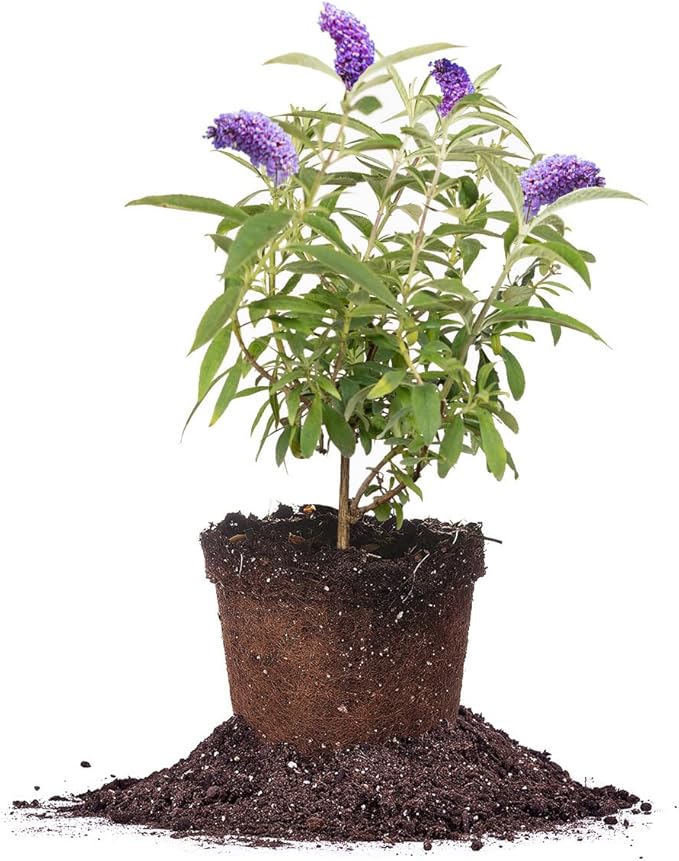
Honey-scented purple flowers bloom from summer to fall, attracting bees, hummingbirds, and other pollinators. It suits gardeners in USDA Zones 5-9 looking for a heat- and drought-tolerant shrub that adds color and fragrance to outdoor spaces. Its biggest strength is its fragrant summer blooms that keep pollinators coming.
Plant it promptly after delivery and water deeply every one to two days for two weeks to help the roots settle in. Once established, it thrives in full sun and requires moderate watering. The plant grows between four and six feet tall, dropping leaves in fall and sometimes dying back in winter before regrowing in spring.
The shrub performs well in warmer climates, especially from Zones 5 through 9, handling heat and drought reliably. Being deciduous, it may die back in colder winters but reliably comes back.
Most praise focuses on its attractive, long-lasting flowers and strong scent, while some note it needs consistent watering initially and may lose leaves during colder months.
The vibrant purple flowers and appealing honey scent draw hummingbirds and butterflies in warm months, making it a lively addition to gardens. Some find the need for deep watering every one to two days after planting a bit demanding, especially in hotter areas.
Anyone looking for a colorful, fragrant shrub for Zones 5-9 that thrives in full sun will be satisfied. Those in colder climates anticipating evergreen coverage or low-maintenance plants during winter might want to consider other options.
Pros
- Fragrant honey-scented flowers attract pollinators
- Heat and drought tolerant once established
- Long bloom period from summer to fall
- Moderate water needs after initial establishment
Cons
- Leaves drop in fall, may die back in winter
- Needs frequent watering for first two weeks
| Specification | Details |
|---|---|
| USDA Hardiness Zone | 5 |
| Sunlight Exposure | Full Sun |
| Expected Blooming Period | Summer to Fall |
| Moisture Needs | Moderate Watering |
| Plant Type | Deciduous Shrub |
| Mature Height | 4-6 ft |
15. Butterfly Bush Seeds Mix

Gardeners looking to attract hummingbirds and butterflies will appreciate this seed mix. Ideal for those who want colorful, lively outdoor spaces, its main success lies in drawing a variety of pollinators to the garden throughout the year.
Starting your seeds indoors about 6-8 weeks before the last frost works well. Light helps them germinate, so pressing them gently on moist soil is important.
Keep the soil lightly moist as they sprout. The plants grow tall with flower spikes, perfect for the back of borders or even as a standalone feature in full sun.
Once established, the flower spikes provide strong visual interest and do a great job attracting butterflies and hummingbirds. The plants bloom year-round and have a mounding habit that adds depth to garden beds.
Some find the height a little too tall for certain spaces, but most enjoy the vibrancy it brings.
Strongest praise centers on how well the flowers attract butterflies and hummingbirds throughout the year. A common issue is that the seeds need consistent light moisture and careful indoor starting to germinate well.
People looking for colorful, pollinator-friendly plants with tall growth will be happy here. Those with limited sun exposure or who prefer low-maintenance plants might want to consider other options.
Pros
- Attracts a wide variety of pollinators
- Tall flower spikes add vertical interest
- Good for back borders or standalone
- Year-round blooming
Cons
- Requires full sun for best results
- Seeds need careful moisture management
| Specification | Details |
|---|---|
| Indoor Outdoor Usage | Outdoor |
| Sunlight Exposure | Full Sun |
| Expected Blooming Period | Year Round |
| Sowing Guidance | Start seeds indoors 6-8 weeks before last frost |
Best Plants for Hummingbirds and Butterflies Comparison
| Product | Usage | Blooming Period | Sunlight Exposure | Attracts Pollinators |
|---|---|---|---|---|
| Seed Needs Hummingbird Seeds | Outdoor | Summer to Fall | Full Sun | Yes |
| Wildflower Butterfly Mix | Outdoor | Spring to Fall | Full Sun | – |
| Earth Science Wildflower Seeds | Outdoor | Spring to Fall | Full Sun | – |
| Perennial Hummingbird Mint | Outdoor | Year Round | Full Sun | Yes |
| Wildflower Hummingbird Mix | Outdoor | 35-75 days | Full Sun | – |
| Burpee Wildflower Seeds | Outdoor | Spring to Fall | Full Sun | – |
| Butterfly Hummingbird Mix | Outdoor | Summer to Fall | Full Sun | Yes |
| Hummingbird Mint Blue Fortune | Outdoor | Summer to Fall | Full Sun | – |
| Hummingbird Butterfly Mix | Outdoor | Spring to Fall | Full Sun | Yes |
| Perfect Plants Raspberry Bush | Outdoor | Spring to Fall | Full Sun | Yes |
| Butterfly Bush Seed Mix | Outdoor | Year Round | Full Sun | – |
| Wildflower Seeds Butterfly Mix | – | Spring to Fall | Full Sun | – |
| Wildflower Annual Perennial Mix | Outdoor | Spring to Fall | Partial Sun | – |
| Perfect Plants Nanho Blue | Outdoor | Summer to Fall | Full Sun | – |
| Butterfly Bush Mix | Outdoor | Year Round | Full Sun | Yes |
- UsageOutdoor
- Blooming PeriodSummer to Fall
- Sunlight ExposureFull Sun
- Attracts PollinatorsYes
- UsageOutdoor
- Blooming PeriodSpring to Fall
- Sunlight ExposureFull Sun
- Attracts Pollinators–
- UsageOutdoor
- Blooming PeriodSpring to Fall
- Sunlight ExposureFull Sun
- Attracts Pollinators–
- UsageOutdoor
- Blooming PeriodYear Round
- Sunlight ExposureFull Sun
- Attracts PollinatorsYes
- UsageOutdoor
- Blooming Period35-75 days
- Sunlight ExposureFull Sun
- Attracts Pollinators–
- UsageOutdoor
- Blooming PeriodSpring to Fall
- Sunlight ExposureFull Sun
- Attracts Pollinators–
- UsageOutdoor
- Blooming PeriodSummer to Fall
- Sunlight ExposureFull Sun
- Attracts PollinatorsYes
- UsageOutdoor
- Blooming PeriodSummer to Fall
- Sunlight ExposureFull Sun
- Attracts Pollinators–
- UsageOutdoor
- Blooming PeriodSpring to Fall
- Sunlight ExposureFull Sun
- Attracts PollinatorsYes
- UsageOutdoor
- Blooming PeriodSpring to Fall
- Sunlight ExposureFull Sun
- Attracts PollinatorsYes
- UsageOutdoor
- Blooming PeriodYear Round
- Sunlight ExposureFull Sun
- Attracts Pollinators–
- Usage–
- Blooming PeriodSpring to Fall
- Sunlight ExposureFull Sun
- Attracts Pollinators–
- UsageOutdoor
- Blooming PeriodSpring to Fall
- Sunlight ExposurePartial Sun
- Attracts Pollinators–
- UsageOutdoor
- Blooming PeriodSummer to Fall
- Sunlight ExposureFull Sun
- Attracts Pollinators–
- UsageOutdoor
- Blooming PeriodYear Round
- Sunlight ExposureFull Sun
- Attracts PollinatorsYes
How to Choose the Best Plants for Hummingbirds and Butterflies
Choosing plants that provide ample nectar, bloom during the right seasons, and suit your local climate ensures hummingbirds and butterflies will visit regularly. Selecting well-adapted, low-maintenance plants saves time, reduces replacement costs, and supports a healthy garden ecosystem.
Plant Hardiness and Climate Suitability
Growing plants suited to your USDA hardiness zone or local climate makes a big difference in how well they withstand weather changes. Choosing a plant outside your zone often leads to weak growth or seasonal dieback, wasting time and effort. Knowing the typical bloom schedule helps maintain a steady supply of nectar, since gaps in flowering mean fewer visits from flying pollinators.
Look for drought tolerance if your region has dry spells to avoid constant watering trouble. Good options handle local temperatures and rainfall with minimal fuss.
Many gardeners find that plants rated for zones matching their area with a flowering window extending several months fit best. Checking whether a plant can thrive with your available water and average seasonal conditions ensures it will last beyond the first year.
Nectar Production and Flower Shape
Plants that produce large amounts of nectar attract more frequent visits from hummingbirds and butterflies. Flowers with tubular shapes work well for hummingbirds’ long bills, while flatter or clustered flowers suit butterflies, which prefer landing platforms. Selecting species that combine these shapes expands the number of visitors your garden can support.
Colors like red and orange catch hummingbirds’ attention, while butterflies often go for purples and yellows. Fragrance also plays a role; sweet scents draw butterflies but usually go unnoticed by hummingbirds. Prioritizing vibrant, nectar-rich blooms with diverse shapes creates a garden buzzing with activity.
Growth Habit and Size
Measuring the space available in your garden before planting avoids overcrowding or overly sparse planting. Some plants grow slowly into compact forms, while others spread quickly or reach several feet tall. Choosing the right growth habit based on your maintenance preference helps with ongoing care.
Annuals may need replanting yearly, but perennials and shrubs provide structure with less effort.
Knowing mature height and width prevents unwanted shading or competition among plants. Bulky shrubs might overwhelm small beds, whereas fast-spreading plants can take over if left unmanaged. A balance based on expected growth rate and size makes for an orderly, thriving planting.
Maintenance and Care Requirements
Regular pruning improves plant vigor and backs healthy flower production. Ignoring this often results in woody, leggy plants that bloom less.
Soil type matters too; some thrive in well-drained sandy soil, while others prefer moisture-retentive loam. Fertilizing at recommended intervals keeps energy up, though overdoing it encourages leaf growth over flowers.
Plants resistant to pests and diseases reduce the need for sprays and minimize losses. Not every plant is equally hardy in your area, so check common local issues before buying. Understanding each plant’s care routine saves time and frustration later.
Wildlife Support and Habitat Value
Native or well-adapted plants contribute more than just nectar; they often support local pollinator populations by providing suitable shelter and larval host sites. Including such plants helps foster a balanced ecosystem in your garden. Non-native plants may not offer these benefits and occasionally discourage pollinators.
Many plants come treated with pesticides that linger and deter or harm visiting insects. Buying pesticide-free or organically grown stock and avoiding chemical treatments encourages a healthier environment for pollinators to thrive. These choices benefit the whole neighborhood’s biodiversity.
Tips for Creating a Hummingbird and Butterfly-Friendly Garden Environment
Hummingbirds and butterflies need more than just nectar-rich plants to thrive in your garden. Position your flowering plants in sunny spots, as both are attracted to bright, open areas. Include a variety of flower types that bloom at different times to provide a continuous food source through the seasons.
Avoid using pesticides because these chemicals can be harmful to pollinators. Providing shallow water sources, like a dish with pebbles or a small fountain, encourages butterflies to drink.
Incorporate native plants whenever possible; these are best suited to local hummingbirds and butterflies and generally require less maintenance.
To help main attractants:
- Choose bright, tubular flowers like bee balm, trumpet vine, and salvia for hummingbirds.
- Plant flat-topped or clustered flowers such as milkweed and lantana for butterflies to easily land on.
- Mix perennial and annual plants for consistent blooms.
Common Mistakes to Avoid When Growing Plants for Hummingbirds and Butterflies
Planting the wrong species or massing all plants together without variety can reduce your garden’s appeal to hummingbirds and butterflies. Avoid non-native plants with little nectar or those that produce excessive foliage but few flowers. Overwatering is a common issue since many nectar plants prefer well-drained soil, and excess moisture can attract pests or cause root rot.
Avoid heavy use of chemical fertilizers; these can alter soil chemistry and negatively affect plant nectar quality. Placing feeders too close to flowering plants might also discourage hummingbirds from visiting the flowers, limiting natural pollination opportunities.
Another frequent mistake is not considering the garden layout: plants should be spaced properly to allow easy access for fluttering wings and quick feeding.
Key pitfalls to watch for:
- Relying solely on feeders without enough nectar plants.
- Ignoring bloom times and collapsing food sources suddenly.
- Using pesticides that harm butterfly caterpillars and adult hummingbirds.
People Also Asked
What Plants Attract Hummingbirds and Butterflies to My Garden?
Plant varieties like butterfly bush, bee balm, and trumpet vine attract both hummingbirds and butterflies. Choose native species when possible as they adapt better and require less maintenance.
How Do I Care for Plants That Attract Hummingbirds and Butterflies?
These plants generally prefer full sun and well-drained soil. Water them regularly during dry spells but avoid overwatering to prevent root rot. Mulching around the base helps retain moisture.
Are These Hummingbird and Butterfly Plants Safe for Pets?
Many common hummingbird and butterfly plants are non-toxic, including milkweed and zinnias. Always verify individual plant safety, especially if your pet tends to chew on plants.
How Tall Do Hummingbird and Butterfly-Attracting Plants Usually Grow?
Hummingbird and butterfly plants vary, but many such as butterfly bush can grow between 3 to 6 feet tall. Place taller plants toward the back of garden beds for better visual layering and room.
What Common Problems Affect Plants That Attract Hummingbirds and Butterflies?
Aphids and powdery mildew are common problems with these plants. Regular inspection and prompt removal of affected leaves can keep issues from spreading. Consider companion planting for natural pest control.
Conclusion
Choosing plants that attract hummingbirds and butterflies really comes down to nectar availability, bloom season, and how well the plants grow in your local climate. These factors ensure the plants will actually support the wildlife you want to see and keep visiting. Pay attention also to the plant’s size and growth habits so it fits well in your garden without requiring excessive care.
Consider your available space and how much time you want to spend maintaining the plants before making a final choice. Smaller gardens or busy schedules call for easier-care options. You can review the comparison table and detailed picks above to find plants that suit your needs, budget, and environment.
This will help create a garden that both attracts and supports hummingbirds and butterflies consistently.