Top 15 Best Parrot to Have as a Pet You’ll Love!
Many people buy a parrot without realizing how demanding some species can be. The best parrot to have as a pet fits well into your lifestyle and doesn’t end up being overwhelming because of noise, mess, or attention needs. Parrots that require constant interaction or make loud, high-pitched calls can quickly become a problem in an apartment or busy household.
Choosing the right species early on prevents frustration and ensures both the bird and owner stay happy over time.
Size plays a big role in suitability; smaller parrots like budgies or cockatiels generally need less space and can be easier to handle. The cage should be large enough to allow flight, not just perching, with bars spaced to prevent escape or injury, usually around 0.5 to 1 inch for small to medium parrots.
Materials matter for safety too; sturdy metals that resist rust and are easy to clean work best. A cage that opens fully and has removable trays cuts down on the daily chore of cleaning, which is crucial since parrots can be messy.
Need a Quick Check?
| Image | Product | Price |
|---|---|---|
Our Top Picks 1  | Little Live Talking Bird | Check Price |
Our Top Picks 2  | ZURU Pets Alive Cockatoo | Check Price |
Our Top Picks 3  | Rosella Parrot Care Guide | Check Price |
Our Selected Top 15 Parrot to Have as a Pet Worth Buying
This list showcases a carefully selected variety of parrots perfect for people who keep them as pets, highlighting each bird’s behavior, care needs, and personality traits. You’ll learn about their suitability for different lifestyles along with their advantages and challenges to help make an informed decision.
1. Little Live Pets My Really Real Talking Bird
Flocked feathers and a moving beak give Indie a lifelike feel perfect for kids aged 5 to 15 who want a pet bird without the fuss. It excels at providing realistic bird sounds and reactions that make playtime engaging and fun.
Setting up involves inserting the included 2 AAA batteries and placing Indie in his small cage. Day-to-day, he responds to touch and voice with chirps, whistles, and tweets.
The buttons let you record your voice or make him whistle back, making interactions lively and easy to enjoy with minimal maintenance.
Indie repeats your voice in a chirpy tone and whistles musical tunes that grab attention easily. The plastic and flocked feathers feel sturdy enough for typical play, with the moving beak adding to the realism. Most people appreciate how life-like he sounds and moves, while some find the bird’s responses occasionally repetitive.
Indie stands out with lifelike sounds and movements, capturing the essence of a real bird. The repeated responses can feel a bit predictable, which might reduce excitement after a while. Its design and sounds make interactions enjoyable but limited to preset reactions.
Kids looking for a hands-on, interactive toy bird will appreciate this as a lively companion. Those wanting varied or more advanced communication from a robotic pet may want to look for a different option with more complex features.
Pros
- Realistic flocked feathers and moving beak
- Over 20 sounds and reactions to touch and voice
- Can record and repeat your voice
- Includes cage for easy display and storage
Cons
- Responses can become repetitive over time
- Small parts not suitable for children under 5
| Specification | Details |
|---|---|
| Model Number | 26691 |
| Included Components | 2 AAA Batteries, 1 Bird, 1 Cage, 1 Instruction Manual |
| Manufacturer Recommended Age | 5 – 15 years |
| Model Series | Really Real Bird |
| Character | Indie |
2. Pets Alive Chirpy Birds White Cockatoo by ZURU
Bright white feathers and a chatty personality make Pets Alive Chirpy Birds White Cockatoo a fun companion for young kids aged 3 and up. It suits anyone wanting a playful pet experience with repeat-after-you speech and singing features that keep interactions lively.
Opening the egg to reveal the Cockatoo is an engaging start, especially for kids. Day to day, speaking to it brings fun as it repeats phrases back and performs two songs. The included comb and fluffy clay encourage some light hands-on play, while the adoption certificate adds a little extra charm.
Setup simply involves taking the electronic bird out and interacting to hear sounds and voice repeats.
It works well as a toy that mimics a parrot’s talking and singing abilities. The plush body feels soft and cuddly, good for handling by children.
One common plus is how clearly the voice repeats what you say, making it feel more alive. Some find the durability could be better, with occasional mechanical glitches mentioned, but the overall build is inviting and entertaining.
The standout feature praised is the clear speak and repeat function that makes interaction feel real and engaging. Most common complaint involves occasional mechanical hiccups affecting smooth play. The overall experience balances well between interactive fun and simple maintenance.
Kids from 3 to 10 years old enjoying playful talking pets will find this a delightful choice. Those wanting a more rugged or realistic bird with longer-lasting performance might look for alternative options better suited to active play and durability.
Pros
- Repeats what you say with clear voice playback
- Includes two unique songs for entertainment
- Soft, cuddly plush material is kid-friendly
- Comes with fun accessories like comb and fluffy clay
Cons
- Some reports of mechanical glitches interrupting play
- Durability could be improved for active handling
| Specification | Details |
|---|---|
| Brand Name | Pets Alive |
| Model Name | Chirpy Birds |
| Model Number | 9537D |
| Manufacturer recommended age | 36 months – 10 years |
| Item Type Name | Plush |
| Character | Bird |
3. Rosella Parrot Care and Guide
Rosella Parrot Care and Guide is perfect for anyone wanting a detailed companion to properly care for a Rosella parrot. Its biggest strength lies in providing clear, practical advice on feeding, habitat setup, and health, which is vital for keeping these colorful birds happy and safe.
Setting up a Rosella’s environment is easier with step-by-step instructions you can follow daily. Tips on cage size, diet specifics, and cleaning routines ensure that the bird’s needs are met without guesswork. The guide focuses on regular upkeep like feeding schedules and maintaining cage hygiene, helping you avoid common care mistakes.
The guide explains everything about the care routine in a straightforward way, making it useful for beginners and experienced keepers alike. Most praise focuses on how well it covers the bird’s dietary needs, but some users find the advice a bit basic when looking for more detailed behavior insights.
The guide is praised for its detailed care instructions, especially regarding diet and cage maintenance, helping Rosella parrots thrive in a home setting. However, it often lacks in-depth content on advanced parrot behavior and training, which some users have noted as a missing element.
Those new to Rosella parrots will find the guide very helpful for establishing good care habits early on. Experienced parrot enthusiasts looking for advanced behavioral techniques and training methods may need to look for additional resources to supplement this guide.
Pros
- Clear feeding guidelines for Rosella parrots
- Step-by-step habitat setup instructions
- Focus on health and hygiene routines
- Suitable for beginners and seasoned bird keepers
Cons
- Some advice may be too basic for experts
- Lacks detailed behavior training tips
| Specification | Details |
|---|---|
| Species Focus | Rosella Parrot |
| Care Topics Covered | Feeding, Habitat Setup, Health |
| Target Audience | New and Experienced Bird Keepers |
| Format | Guidebook |
| Clarity Level | Simple and Practical |
4. Quaker Parrot Care and Owners Manual

Taking care of a Quaker parrot can be challenging without proper guidance, but the Quaker Parrot Care and Owners Manual provides clear, practical advice perfect for first-time parrot keepers. Its biggest strength is how well it prepares you to understand and manage your bird’s needs, making pet care less overwhelming.
Setting up a space for the parrot gets simpler with detailed explanations on environment, diet, and daily routines. The manual covers important aspects like feeding schedules, cage setup, safety precautions, and cleaning tips, which are essential for keeping your pet healthy and happy on a day-to-day basis. It helps you anticipate and address common parrot behaviors too.
The manual’s content is straightforward and easy to understand, focusing on practical advice rather than jargon. It’s structured to guide users through all stages of parrot care effectively. The strongest praise highlights how comprehensive and helpful the care instructions are, though some users note it could include more visuals.
One common criticism points to this lack of pictures, making some steps harder to visualize.
The manual excels in delivering comprehensive and easy-to-follow care instructions, making parrot ownership approachable. However, the absence of illustrations can slow down understanding for visual learners or those unfamiliar with bird care basics.
People new to Quaker parrots who want a straightforward starting point will find this manual very useful. Those seeking detailed behavioral training or step-by-step visuals might prefer a different resource that focuses more on those areas.
Pros
- Clear care instructions for beginners
- Comprehensive coverage of essential topics
- Focus on daily routines and safety
- Easy language without jargon
Cons
- Lacks pictures or visual aids
- Could include more behavioral guidance
| Specification | Details |
|---|---|
| Type | Care and pet manual |
| Focus | Quaker parrots |
| Content | Parrot care, feeding, environment, cleaning |
| Usability | Beginner-friendly |
5. Parrots and Other Pet Birds Care and Training Guide

Perfect for anyone new to bird care, Parrots and Other Pet Birds Care and Training Guide covers essential aspects of keeping pet parrots happy and healthy. Its biggest strength lies in detailed training advice that helps build a strong, trusting relationship with your pet bird.
Getting started with this guide feels straightforward as it breaks down daily care routines, nutrition, and safe handling techniques in simple, clear terms. It guides you through cage setup, diet choices, and ways to maintain cleanliness, making it easier to provide a comfortable environment for your parrot every day.
The book excels in explaining parrot behavior and training, making it easier to teach your bird tricks or manage unwanted behaviors. The physical book feels sturdy and well-printed, but some users mention that more illustrations would help clarify certain complex points.
It covers the basics well without overwhelming beginners with too much jargon.
Clear training advice is highly valued for building trust with parrots, while the limited number of illustrations leaves some needing more visual guidance. Those wanting a straightforward, practical resource find it helpful, but readers seeking in-depth biology or exotic bird species information might prefer a more specialized book.
The guide suits beginners focusing on common parrot species and basic training skills. People interested in detailed scientific knowledge or advanced behavior troubleshooting would want to explore other more comprehensive references.
Pros
- Clear step-by-step training instructions
- Comprehensive care topics in one guide
- Easy to understand language
- Helpful diet and health tips
Cons
- Lacks sufficient illustrations
- Some sections feel a bit brief
| Specification | Details |
|---|---|
| Type | Care and training guide |
| Format | Printed book |
| Focus | Parrots and other pet birds |
| Coverage | Care routines, training techniques |
6. Bird Parakeet Swing and Chewing Toys

Great for anyone looking to keep their small to medium-sized birds active and entertained. It suits birds like parakeets, cockatiels, and love birds, offering them a variety of toys that encourage climbing, chewing, and resting.
Its broad selection of pieces keeps birds busy and engaged for hours.
Setting it up involves hanging the individual pieces inside the cage or play area, then watching your bird explore and play. The collection includes swings, ladders, bells, and a hammock, which gives birds multiple ways to climb, chew, and perch. You’ll notice birds using different toys throughout the day, which helps reduce boredom and supports their natural activity levels.
Durability matches daily wear and tear from chewing and climbing, with wooden pieces showing strong construction. Bells provide clear sounds that capture attention, encouraging play. Birds enjoy the varied textures and movement, but some pieces can wear out quicker than others if your bird chews aggressively.
Cleaning is straightforward since all parts are easy to remove and wipe down.
Birds spend a lot of time interacting with the colorful toys and respond well to the bell sounds. Most notice the wooden toys get chewed up quicker, especially by more aggressive chewers. The mix of climbing, chewing, and resting options helps keep birds entertained and active indoors.
People with small to medium birds like parakeets and cockatiels will find this collection offers great engagement and exercise opportunities. Those with larger or stronger-chewing birds might want something with tougher materials designed to last longer under heavy use.
Pros
- Variety of toys for multiple bird activities
- Suitable for many small to medium bird breeds
- Crisp bell sounds grab bird attention
- Easy to set up and clean
Cons
- Wooden parts can wear down from strong chewing
- Some pieces may need frequent replacement
| Specification | Details |
|---|---|
| Brand Name | lovyoCoCo |
| Included Components | 11 Pieces Bird Toys including crisp bells, wooden toys, a hammock, climbing ladder, and perch |
| Pet Type | Bird |
| Recommended Uses For Product | Indoor |
| Breed Recommendation | All Breed Sizes |
7. Talking Parrot Toy with Wristband

Unique wristband design sets this talking parrot apart from other interactive pet toys, making it perfect for kids up to 12 years old who want a fun, portable companion. It repeats what you say in a playful voice, offering entertainment for both children and adults without needing any complicated setup.
Getting started is simple since the parrot comes ready to go and fits comfortably on your wrist with its 11.8 wristband. You can wear it around or hold it in your hand thanks to its manageable size of 5.7 body length and 8.3 wingspan.
Daily use mostly involves repeating phrases and interacting through voice mimicry, which easily keeps kids engaged.
The toy effectively mimics speech with a fun voice that adds a lively element to playtime. It’s built as a stuffed animal with soft plush materials, providing a pleasant tactile feel.
While many enjoy how realistic it looks and sounds, the most common feedback points out that the repeating function can sometimes be a bit repetitive or limited over time.
Many praise the parrot’s realistic appearance and entertaining voice mimicry that brings a lot of laughs. On the other hand, users often note that the parrot’s repetition can become a bit monotonous with extended use.
Young children up to 12 years old who enjoy interactive toys will appreciate this parrot’s portable design and simple fun. Those looking for a more complex or varied pet experience may want to explore other interactive pet toys with broader features.
Pros
- Portable with comfortable wristband design
- Engaging voice mimicry repeats what you say
- Soft, plush material ideal for kids
- Compact size suits small hands
Cons
- Repeating function gets repetitive after a while
- Limited appeal for older kids or adults
| Specification | Details |
|---|---|
| Body Length | 5.7″ |
| Wingspan | 8.3″ |
| Wristband Length | 11.8″ |
| Manufacturer | My OLi |
| Recommended Age | 0 – 12 years |
8. Natural Corn Cob Parrot Chew Toys

LovyoCoCo Natural Corn Cob Parrot Chew Toys offer a natural chewing experience perfect for medium to small parrots like cockatiels and parakeets. Its biggest strength is combining safe, eco-friendly materials with engaging textures that keep your bird active and entertained indoors.
Setting up the chew toy is straightforward thanks to the convenient hook for attaching it inside the cage. The lightweight design makes it easy to reposition or take along, while the variety of corn cob, husk, rattan balls, wooden blocks, and beads encourage your parrot to climb and play daily.
This constant activity helps prevent boredom and supports mental stimulation.
The chew toy holds up well with natural materials that are safe for parrots to gnaw on. Its main advantage lies in offering a mix of textures that attract birds to interact physically and mentally. The most common downside is that it is not water resistant, so any mess or water around can affect the toy’s durability.
Still, the build quality serves its purpose for indoor use effectively.
Praise highlights how the assortment of natural textures keeps parrots interested and active, promoting healthy chewing. A frequent drawback is its lack of water resistance, which means it won’t hold up well around water or moist environments.
Those with indoor medium or small parrots looking for a safe, natural chew toy will find this product suitable. People seeking an outdoor-friendly or washable option should consider alternatives that handle moisture better.
Pros
- Made from natural, safe corn cob materials
- Variety of textures encourages physical activity
- Lightweight and easy to install with hook
- Promotes mental engagement to prevent boredom
Cons
- Not water resistant
- Designed for indoor use only
| Specification | Details |
|---|---|
| Pet Toy Type | Chew Toy |
| Breed Recommendation | Medium, Small, Small Breeds |
| Indoor Outdoor Usage | Indoor |
| Scent Name | Unscented |
| Flavor | Corn Cob |
| Target Species | Cockatiel, Parakeet |
9. Large Natural Parrot Chewing Toys

Having a colorful and natural set of toys for your parrot adds a lot of fun and engagement to their day. Perfect for all breed sizes, these Large Natural Parrot Chewing Toys focus on keeping birds busy with their natural chewing instincts. The main strength is how well they encourage healthy beak and muscle exercise.
Setting these up is straightforward since they are lightweight and portable. Ideal for indoor use, they provide plenty of texture variety with nuts, wooden beads, apple wood blocks, and woven corn blocks that keep things interesting.
The cotton rope and food coloring add safe, natural materials that hold up well during daily chewing sessions.
They perform just as intended by promoting biting, chewing, and shredding behaviors that large parrots need. The build combines different safe materials that last through repeated use.
Most find them durable and engaging, although some mention that they’re not water-resistant, requiring extra care around water or messy spots.
Most users appreciate how these toys keep parrots physically active and emotionally engaged, helping reduce loneliness and aggression. Common issues arise from their lack of water resistance, meaning they can get damaged if exposed to moisture or placed near water bowls.
People with birds searching for a safe, natural chewing outlet for indoor parrots will find these toys to be a great fit. Parrots who spend time outdoors or tend to play with wet items might need toys designed to handle moisture better to avoid damage.
Pros
- Made from safe and natural materials
- Encourages healthy beak exercise
- Lightweight and easy to move around
- Variety of textures for chewing and shredding
Cons
- Not suitable for outdoor use
- Not water resistant, needs careful placement
| Specification | Details |
|---|---|
| Pet Toy Type | Chew Toy |
| Breed Recommendation | all breed size |
| Recommended Uses For Product | Playing |
| Indoor Outdoor Usage | Indoor |
| Weight | Lightweight |
| Water Resistance Level | Not Water Resistant |
10. Parrot Training and Taming Guide

A thorough guide designed for anyone wanting to tame and train parrots effectively. Ideal for anyone focused on bird safety and proven techniques, it stands out by providing clear, practical steps to tackle common challenges in parrot training.
Getting started involves reading through straightforward chapters that cover behavior understanding and training techniques. Day-to-day use means applying these tactics consistently, helping teach your bird tricks or manners gently without stress. The guide emphasizes patience and safety, making learning a positive experience for both you and your parrot.
Training advice focuses on positive reinforcement and gradual progress, which many find very reliable for building trust. The guide is well-structured, making complex behavior easier to understand.
Some readers find examples occasionally repetitive, but most appreciate the clear explanations and safety reminders throughout.
Many appreciate how the guide provides patient, clear instructions that keep both parrot and owner safe during training. The most frequent downside mentioned is the repetition in some sections, which slows down those seeking quick tips.
People looking for thorough, careful training techniques will find this guide useful. Those wanting quick fixes or illustrated tutorials might want to consider other options.
Pros
- Clear, step-by-step training methods
- Emphasizes safety for bird and owner
- Focus on positive reinforcement
- Easy-to-understand language
Cons
- Some content feels repetitive
- Lacks visual aids for complex steps
| Specification | Details |
|---|---|
| Content Type | Training and taming instructions |
| Target Audience | Parrot enthusiasts and trainers |
| Focus Areas | Behavior understanding, safety, positive reinforcement |
| Format | Guide/Instructional material |
11. Paper Bird Platform and Parrot Toy
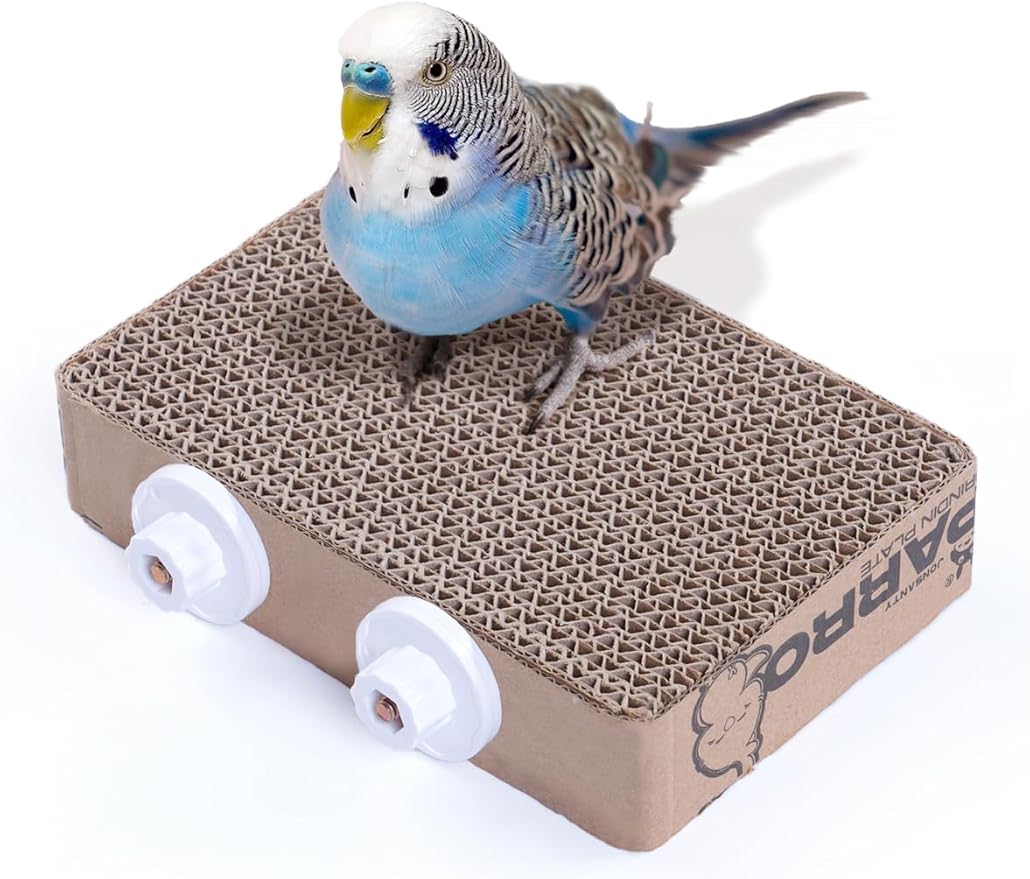
Natural corrugated cardboard forms the basis of this bird platform and toy designed for indoor birds of all sizes. Its biggest advantage is how it caters to birds’ desire to explore and chew while ensuring safety through non-toxic materials.
It’s a simple yet thoughtful way to keep any pet bird engaged.
Setting it up is straightforward since it doesn’t require any complex installation or additional parts. Birds can start interacting with it right away, using their beaks to peck, chew, and shred as they naturally would.
The cardboard texture makes it comfortable for resting, and the material is light enough to move around but sturdy enough to handle regular bird activity.
Made to meet instinctive behaviors like gnawing and simulated hunting, the platform holds up well under daily use. Its all-natural, safe cardboard is a major factor in preventing health issues from harmful substances. The main praise highlights its appeal to a bird’s curiosity, while the most frequent concern mentions its limited lifespan since cardboard can wear out relatively fast.
The biggest appeal lies in how well the cardboard satisfies birds’ need to chew and explore safely. The most common complaint involves the material’s limited durability, as it tends to wear down with active use.
People looking for a natural, safe space where their bird can express natural behaviors will appreciate this product. Those seeking a longer-lasting or outdoor option might want to explore other toys built from more durable materials.
Pros
- Made from safe, all-natural materials
- Designed to satisfy birds’ instinctive chewing
- Lightweight and easy to move
- Suitable for birds of all sizes
Cons
- Cardboard can wear out quickly
- Only intended for indoor use
| Specification | Details |
|---|---|
| Material | All-natural corrugated cardboard |
| Breed Recommendation | All Breed Sizes |
| Recommended Uses | Indoor |
| Number of Items | 1 |
| Pet Type | Bird |
| Manufacturer | JONSΛNTY |
12. LWINGFLYER Life Size Foam Parrot Decoration

Bright green feathers and life-size dimensions make this foam parrot a standout decoration. Perfect for anyone looking for a colorful, low-maintenance bird model that adds a natural vibe without the fuss of a live pet.
Its most notable feature is the easy display thanks to wired feet and claws.
Setting it up is simple; the wired feet allow you to secure it on branches, shelves, or even as a shoulder prop for costumes. No cleaning worries come with the foam and feather build, meaning you can keep it outdoors or indoors with minimal care.
It fits well in garden displays or themed parties and doesn’t need feeding or attention like a real parrot.
The foam and faux feathers create a convincing look, though some say the wings could be sturdier. It holds its shape well over time without fading and stays firmly attached with its wire claws. The biggest compliment is how lifelike it looks at a glance, while the most frequent complaint involves the occasional fragility of the feather tips.
Most appreciate its true-to-size appearance and easy display system, while some find the feather edges prone to damage. It adds decorative flair with ease, but you’ll need to handle the feathers gently to keep them in good shape.
Ideal for people wanting a decorative parrot without pet responsibilities or allergies. Not suitable for those seeking a durable outdoor animal replica or a living companion needing interaction.
Pros
- Life-size with vivid green coloring
- Wired feet allow secure placement
- Feathers add realistic texture
- Suitable for various holiday decorations
Cons
- Feather tips can be delicate
- Foam body may dent if handled roughly
| Specification | Details |
|---|---|
| Material | Foam, feather |
| Color | Green |
| Theme | Birds, Modern |
| Occasions | Christmas, Easter, Halloween, New Year |
| Product accessories | Claw with wire, wired feet for easy displaying |
13. Amazon Parrots Care and Guide

Amazon Parrots Care and Guide is perfect for anyone ready to provide thoughtful, patient care to their feathered friend, especially those new to raising Amazon parrots. It stands out by offering detailed advice tailored specifically to Amazon parrots, which helps build a strong, healthy relationship between pet and owner.
Setting up with this guide involves understanding their dietary needs, cage requirements, and social interactions. It emphasizes regular cleaning routines, safe toys, and proper handling to keep the parrot comfortable and content daily.
You’ll find advice on avoiding common mistakes that affect their well-being and happiness over time.
The guide delivers practical, focused information suited to Amazon parrots’ unique behaviors and health concerns. It is well-organized, making the care advice easy to follow. The most frequent praise highlights how informative and clear the guidance is, while some users mention that it could include more visuals for better clarity.
The guide is widely praised for its clear, detailed instructions that help people meet Amazon parrots’ unique needs. A notable drawback is the absence of enough visual aids that could make complex care steps easier to grasp. Day-to-day care becomes more manageable with this focused guidance.
Those new to Amazon parrots looking for straightforward instructions will appreciate this guide the most. People wanting visual learning or more behavioral troubleshooting advice might find it less helpful and could look for additional resources alongside it.
Pros
- Detailed care instructions specific to Amazon parrots
- Covers diet, habitat, and social needs clearly
- Easy-to-understand language for beginners
Cons
- Lacks illustrative images for certain topics
- Does not include troubleshooting common behavioral issues
| Specification | Details |
|---|---|
| Target species | Amazon parrots |
| Focus areas | Diet, housing, social behavior, health care |
| Format | Guidebook/manual |
| Usability | Step-by-step instructions |
14. Colorday Parrot Talking Coach and Voice Bell

Teaching a parrot to speak can be challenging, especially when you are not around. Made for small to large birds like cockatiels and parakeets, this voice recordable toy stands out by allowing you to use your own voice to encourage your pet’s talking skills. Its biggest strength is creating a personal connection even during your absence.
Setup is straightforward: record the phrases you want your parrot to learn, and play them back through the toy. The lightweight and portable design lets you move it indoors or outdoors without fuss.
Interaction happens daily as the bird hears your voice repeatedly, making training time more engaging while helping the bird cope with loneliness.
Sound quality is solid, offering realistic playback that captures your voice clearly. Build quality suits frequent use, although the toy isn’t designed to resist water. Most users praise how well it holds the bird’s attention, but some mention the lack of water resistance can be a drawback if used outdoors during damp conditions.
Playback through a high-quality sound system keeps birds engaged with a realistic voice that helps them learn better. The main downside lies in the absence of water resistance, which means extra care needs to be taken when the toy is placed outside.
People wanting to foster a strong bond with their talking parrot using personal voice cues will find this toy useful. Avoid it if your bird’s environment is frequently wet or humid, as the toy doesn’t withstand exposure to moisture well.
Pros
- Allows recording your own voice for training
- Works for small to large birds
- Lightweight and easy to move around
- High-quality realistic sound playback
Cons
- Not water resistant, careful outdoors
- Limited to indoor or dry outdoor use
| Specification | Details |
|---|---|
| Pet Toy Type | Preening Toy |
| Target Species | Cockatiel, Parakeet |
| Recommended Uses For Product | Playing |
| Indoor Outdoor Usage | Indoor, Outdoor |
| Additional Features | Lightweight, Portable |
| Water Resistance Level | Not Water Resistant |
15. Tipmant Electric Talking Parrot Toy

Talking back is the standout feature of this parrot toy, making it a fun companion especially for kids aged 6 to 12. It suits anyone looking for an entertaining, interactive pet alternative that offers more than just a static decoration.
Setup is straightforward, just switch it on and talk to it. The parrot repeats what you say, moving its head, flapping its wings, and swinging its body to add life to the interaction. It also serves as a quirky desk accessory with a pen holder and mini drawer, which can be practical in a home or office setting.
The toy does a solid job at mimicking a talking parrot, with smooth, realistic movements that bring it to life. The craftsmanship is detailed, making it look quite real on its branch. Its strongest point is definitely the repeating talk feature.
On the downside, some might find it less engaging over long periods, as it relies solely on what you say to it.
Popular feedback highlights the toy’s lifelike movements and ability to mimic speech as engaging features. Common complaints mention that its appeal can wane since it doesn’t have pre-set phrases or autonomous interaction. It’s a charming interactive toy at first but depends on the user’s engagement to stay fun.
Children and adults looking for a playful, talking desk companion will enjoy this parrot. Those seeking a pet-like experience with more independent behavior or continuous entertainment might want to explore other interactive options.
Pros
- Repeats what you say with lively movements
- Realistic design with high-quality workmanship
- Includes pen holder and mini drawer
- Perfect for children and as a desk accessory
Cons
- Interaction depends entirely on user input
- May lose appeal after extended use
| Specification | Details |
|---|---|
| Brand Name | Tipmant |
| Model Number | HL517 |
| Age Range | 6 – 12 years |
| Character | Bird |
| Manufacturer | Yingmate |
Best Parrots to Have as Pets Compared
| Product | Type | Age Range | Included Components | Indoor/Outdoor |
|---|---|---|---|---|
| Little Live Talking Bird | Play Figure | Youth | 2 AAA Batteries, Bird, Cage | – |
| ZURU Pets Alive Cockatoo | Stuffed Toy | 3 years and up | – | – |
| Rosella Parrot Care Guide | – | – | – | – |
| Quaker Parrot Owner Manual | – | – | – | – |
| Parrots & Pet Birds Guide | – | – | – | – |
| Parakeet Swing Chew Toys | Toys | – | 11 Pieces Bird Toys | Indoor |
| Talking Parrot Wristband Toy | Stuffed Toy | – | 1 Plush Parrot | – |
| Natural Corn Cob Chews | Chew Toy | – | – | Indoor |
| Large Natural Parrot Toys | Chew Toy | – | – | Indoor |
| Parrot Training Guide | – | – | – | – |
| Paper Bird Platform Toy | Toy | – | 1 Platform Toy | Indoor |
| LWINGFLYER Foam Parrot | Foam Toy | – | – | – |
| Amazon Parrot Care Guide | – | – | – | – |
| Colorday Talking Parrot Coach | Preening Toy | – | – | Indoor, Outdoor |
| Tipmant Electric Talking Parrot | Interactive Toy | 6 – 12 years | – | – |
- TypePlay Figure
- Age RangeYouth
- Included Components2 AAA Batteries, Bird, Cage
- Indoor/Outdoor–
- TypeStuffed Toy
- Age Range3 years and up
- Included Components–
- Indoor/Outdoor–
- Type–
- Age Range–
- Included Components–
- Indoor/Outdoor–
- Type–
- Age Range–
- Included Components–
- Indoor/Outdoor–
- Type–
- Age Range–
- Included Components–
- Indoor/Outdoor–
- TypeToys
- Age Range–
- Included Components11 Pieces Bird Toys
- Indoor/OutdoorIndoor
- TypeStuffed Toy
- Age Range–
- Included Components1 Plush Parrot
- Indoor/Outdoor–
- TypeChew Toy
- Age Range–
- Included Components–
- Indoor/OutdoorIndoor
- TypeChew Toy
- Age Range–
- Included Components–
- Indoor/OutdoorIndoor
- Type–
- Age Range–
- Included Components–
- Indoor/Outdoor–
- TypeToy
- Age Range–
- Included Components1 Platform Toy
- Indoor/OutdoorIndoor
- TypeFoam Toy
- Age Range–
- Included Components–
- Indoor/Outdoor–
- Type–
- Age Range–
- Included Components–
- Indoor/Outdoor–
- TypePreening Toy
- Age Range–
- Included Components–
- Indoor/OutdoorIndoor, Outdoor
- TypeInteractive Toy
- Age Range6 – 12 years
- Included Components–
- Indoor/Outdoor–
How to Choose the Right Pet Parrot
Selecting a pet parrot involves considering its size, temperament, and noise level to match your living space and lifestyle. Understanding their care needs and lifespan helps prevent future challenges and expenses. Choosing carefully ensures a happier pet and fewer surprises.
Size and Space Requirements
Several parrots grow to a length exceeding 20 inches, with wingspans often reaching or surpassing 3 feet. Those dimensions mean the cage cannot be cramped if you want to avoid your bird developing feather plucking or other stress behaviors.
In a typical apartment or small home, a cage at least 24 by 36 inches with a 24-inch height is needed for medium-sized birds. Larger species need even more room.
Space for free flight or at least supervised out-of-cage time is equally crucial. Confinement to small cages for hours daily leads to health and behavioral problems.
Parrots require room to flap their wings fully and move about. Clear floor space or a dedicated flight area helps maintain physical fitness. Ignoring these needs can result in an unhappy, unhealthy bird.
Noise Level and Vocalization
Some species vocalize loudly and regularly throughout the day. Parrots often scream, loud enough to carry through walls, which can lead to tension with neighbors.
Birds like cockatoos and macaws are particularly noisy. Others, such as budgerigars or some conures, tend toward softer or less frequent calls but still make daily noises.
Living with a noisy species means scheduling quiet times and providing distractions to reduce excessive calling. Tolerance varies by household; repeated loud squawks can become exhausting without breaks. Understanding typical volume levels in decibels and the bird’s propensity to mimic sounds helps prevent unexpected disturbances.
Temperament and Social Needs
Many parrots form strong social bonds but differ in friendliness and tolerance for handling. African greys can be reserved and selective, while cockatiels display approachable, gentle temperaments.
Some parrots thrive on daily interaction, needing an hour or more of owner time. Others manage alone better, though all need social stimulation.
Compatibility with kids or other pets depends on species patience and behavior. Parrots may nip or become stressed during loud or unpredictable activity.
A household with young children or multiple animals demands extra caution and introduction time to ensure safe, harmonious relationships.
Care Complexity and Maintenance
Regular cleaning of cages is non-negotiable as droppings and food waste accumulate quickly. Some species require specific diets, mixing pellets, fresh fruits, vegetables, and nuts; failing to meet this leads to nutritional deficiencies.
Trimming nails and beaks may be needed, with certain birds requiring professional grooming.
Providing mental enrichment through toys, puzzles, and interaction is critical to avoid boredom-induced behaviors like screaming or feather plucking. Complex species demand more time and variety.
Overlooking these care factors often leads to health problems and difficult behavior that can exhaust even the most experienced pet parents.
Lifespan and Longterm Commitment
The lifespan of popular parrots varies widely; some live 10–20 years while others, like macaws and amazons, frequently reach 50 years or more. This long life expectancy means ownership extends well into future decades.
Many people experience lifestyle changes, like moving or family adjustments, while still needing to provide responsible care.
Anticipating this commitment requires evaluating your readiness to provide a stable environment for the bird across multiple decades. Transferring a bird to another home due to unplanned circumstances risks emotional trauma and health problems.
A clear plan for lifelong care is essential before acquiring a parrot.
Training and Socialization Techniques for Pet Parrots
Building trust with a pet parrot starts with consistent, gentle interaction. Begin training sessions in a quiet environment free from distractions. Use simple commands like step up to teach the bird to perch on your hand.
Short, daily drills keep the bird engaged without causing stress.
Socialization involves more than handling; it’s about exposure. Introducing the parrot to different people, noises, and environments gradually helps reduce fear and aggressive behaviors. Avoid overwhelming the bird; observe its reactions and adjust the pace.
- Use positive reinforcement, such as treats or praise, rather than punishment.
- Keep sessions under 15 minutes to prevent boredom or frustration.
- Establish a routine so the parrot knows what to expect each day.
Patience and respect for the bird’s comfort zones make training more effective and deepen the bond between the pet and owner.
Understanding Dietary Needs and Health Maintenance for Pet Parrots
Parrots require a varied diet to stay healthy, with fresh fruits, vegetables, and a high-quality pellet mix forming the base. Avoid feeding only seeds, as they lack essential nutrients and can lead to obesity and malnutrition.
Regular health checks are crucial. Monitor for changes in feather condition, droppings, and behavior. Early signs of illness can be subtle.
- Provide fresh water daily and clean the dish to prevent bacteria growth.
- Incorporate foods rich in calcium and vitamin A to support bone and immune health.
- Limit fatty, salty, and sugary foods to prevent health issues.
- Schedule annual vet visits specializing in avian care for proper checkups and vaccinations.
Maintaining a balanced diet and watching for health changes keeps pet parrots active and reduces the risk of chronic conditions.
People Also Asked
How Much Space Does a Pet Parrot Need at Home?
A pet parrot needs enough space to stretch its wings and climb around, which means a cage at least twice the wingspan and some out-of-cage time daily. Having a safe room or play stand helps provide room for exercise and mental stimulation.
What Are Common Health Problems in Pet Parrots?
Common health problems in pet parrots include feather plucking, respiratory infections, and nutritional deficiencies. Regular vet check-ups and a balanced diet rich in fresh fruits and vegetables help prevent these issues.
Can Parrots Live Safely with Small Children or Other Pets?
Parrots can live safely with small children or other pets if supervised closely. Children should learn how to handle birds gently, and other pets should be monitored so they don’t stress or harm the parrot.
How Long Do Parrots Typically Live as Household Pets?
Parrots typically live 20 to 50 years depending on the species. Smaller parrots like budgies live shorter lives around 10 to 15 years, while larger species like macaws can live over 40 years with proper care.
What Are the Essential Care Tips for a Happy Parrot?
Essential care tips include providing a balanced diet, daily exercise outside the cage, mental stimulation through toys and interaction, routine cleaning, and regular vet visits to keep the parrot healthy and engaged.
Conclusion
Choosing the right parrot comes down to size, temperament, and lifespan. Some parrots need more attention and larger living spaces. Others are quieter or better around children.
Knowing your daily routine and how much care you can give makes a big difference. A parrot’s social needs and noise level also affect how well they fit into your home.
Think about the space you have and how much time you can spend with your bird before deciding. The budget for food, toys, and veterinary care is important too.
Check the comparison table and the detailed descriptions above to find the parrot that aligns best with your situation.