Top 15 Best Annuals for Hummingbirds That Attract Swarms
Many gardeners trying to attract hummingbirds quickly learn that not all plants labeled as the best annuals for hummingbirds work well in practice. Buying cheap or inappropriate varieties often leads to little activity, as these plants might not produce enough nectar or have the right flower shape to suit hummingbird feeding habits.
This can be frustrating when the goal is to see these tiny birds visit regularly and enjoy the garden. Reliable annuals for hummingbirds usually bloom continuously and have vibrant red or orange petals that are easy for hummingbirds to recognize from a distance.
What separates effective annuals for hummingbirds from less suitable options is mostly about flower structure and nectar production. Tubular flowers around 1 to 2 inches long are ideal because they match the birds’ long bills and tongues.
These plants should also provide nectar with the right sugar concentration, typically around 20 to 25 percent, which keeps hummingbirds coming back. Easy-to-grow annuals that handle direct sunlight and regular watering fit best into most garden settings, maintaining a steady supply of nectar throughout the growing season.
Need a Quick Check?
| Image | Product | Price |
|---|---|---|
Our Top Picks 1  | Wildflower 24 Mix | Check Price |
Our Top Picks 2  | Seed Needs Hummingbird Mix | Check Price |
Our Top Picks 3  | Wildflower TX-CA-FL Bulk | Check Price |
Our Selected Top 15 Annuals for Hummingbirds for Different Needs
This list features a variety of annual plants that attract hummingbirds, each chosen for different gardening needs and environments. You will learn about their growth habits, suitability for various spaces, and the advantages and limitations of each option to help find the best fit for your garden.
1. Wildflower Seeds Mix 24 Varieties
Attracting hummingbirds to a garden can feel tricky, but using the Wildflower Seeds Mix with 24 varieties is a straightforward way to invite them in. It’s great for outdoor gardeners wanting a diverse patch of flowers that draws pollinators while adding natural beauty to their space. Its freshness and high germination rate make it stand out.
Planting takes place in spring or summer under full sun, giving these wildflowers the best chance to thrive. Seeds are 99% pure live seed, ensuring most will sprout without filler plants crowding the area.
Expect blooms between 35 to 75 days, providing several weeks of color and activity. Growing up to 48 inches tall, the plants create a lively, colorful backdrop that buzzes with hummingbirds and other pollinators.
Performance-wise, these wildflowers reliably bring butterflies, bees, and hummingbirds to the garden thanks to their vibrant flowers and mix of annual, perennial, and biennial plants. The seed mix is well tested for high germination, reducing frustration from non-sprouting seeds.
Some reviews mention the need for patience since not all seeds bloom simultaneously, which can leave gaps.
The seed mix is praised for its high germination rate and variety, which means most seeds will sprout and create a vibrant garden attracting hummingbirds and other pollinators. The main drawback noted is that blooms do not appear simultaneously, so the garden’s color and activity can feel uneven at times.
Collectors who enjoy a lively, colorful garden filled with a range of pollinators will appreciate this mix. Those seeking a quick and uniform bloom might want to consider other options that flower all at once or fit more specific sun conditions.
Pros
- High germination rate ensures strong growth
- Includes 24 varieties for garden diversity
- Attracts many types of pollinators
- Produces blooms in about 1-2 months
Cons
- Not all seeds bloom at once
- Requires full sun exposure to thrive
| Specification | Details |
|---|---|
| Sunlight Exposure | Full Sun |
| Indoor Outdoor Usage | Outdoor |
| Expected Blooming Period | 35-75 days |
| Expected Plant Height | 48 inches |
| Expected Planting Period | spring and summer |
2. Seed Needs Hummingbird and Butterfly Flower Seeds
Seed Needs Hummingbird and Butterfly Flower Seeds offer a wide variety of colorful annual and some perennial flowers that attract hummingbirds and butterflies. Ideal for gardeners wanting a vibrant, pollinator-friendly outdoor space, its biggest strength lies in the diversity of flower types included, ensuring blooms in many shades through summer to fall.
Planting the seeds in full sun during the recommended spring period is straightforward, with daily watering needed to keep the soil moist. The mix grows up to about 36 inches tall, creating a lively garden patch without requiring special soil.
Given its outdoor use design, it fits well into average garden conditions and supports a lively ecosystem through its heirloom, open-pollinated varieties.
The seed mix reliably produces red, orange, yellow, blue, pink, and purple flowers that attract abundant hummingbirds and butterflies during warm months. The combination of annual and a few perennial flowers keeps the garden flourishing season after season with minimal effort.
The main compliment focuses on the rich floral variety, while the need for daily watering is a common drawback mentioned.
Many appreciate the rich mix of flowers that ensure a colorful, pollinator-friendly garden from summer through fall. The frequent need for daily watering is the most common issue faced by gardeners using these seeds. The product’s ability to deliver striking blooms across many colors earns positive attention.
Those looking to attract hummingbirds and butterflies in standard garden soil and full sun will be pleased with this mix. Gardeners who struggle to keep up with regular watering or need indoor planting options might want to explore alternatives that demand less maintenance or offer indoor use.
Pros
- Wide variety of flower colors and types
- Attracts hummingbirds and butterflies effectively
- Includes both annuals and some perennials
- Suitable for a broad range of USDA zones
Cons
- Requires daily watering to thrive
- Only suitable for outdoor planting
| Specification | Details |
|---|---|
| Sunlight Exposure | Full Sun |
| Expected Blooming Period | Summer to Fall |
| Expected Plant Height | 36 inches |
| Soil Type | Average |
| Moisture Needs | Water Daily |
| USDA Hardiness Zone | 1,2,3,4,5,6,7,8,9,10 |
3. Wildflower Seeds Bulk Mix Native to TX, CA & FL
Gardeners looking to create a colorful, hummingbird-friendly meadow on at least 100 square feet of sunny outdoor space will appreciate this wildflower seed mix. Its biggest strength lies in providing a generous amount of over 10,000 native wildflower seeds designed to fill large areas with nectar-rich blooms that attract hummingbirds and other pollinators.
Planting involves a simple “throw and grow” approach, making it easy to spread the seeds across your chosen outdoor space. The mix includes 25 different wildflower varieties native to Texas, California, and Florida, contributing to a diverse and thriving meadow environment. Expect year-round blooming given full sun exposure and proper care, ensuring your garden remains vibrant through different seasons.
Seeds in this mix are premium quality with no fillers, supporting a thick and lively display of flowers that pull in hummingbirds and butterflies alike. The seed packet is large, providing ample coverage for sizable garden areas.
Most praises highlight the abundant blooms that attract pollinators well, while some note that the germination can vary depending on local conditions and care.
Many find the seeds produce a vibrant, nectar-rich meadow that attracts hummingbirds well, though the germination rate depends on proper planting conditions and local climate. The size and diversity of the mix allow for a visually rich habitat, but the need for full sun limits placement options.
Gardeners with ample sunny outdoor space aiming to support pollinators will find this mix rewarding. Those with shaded gardens or smaller planting areas may want to select seed mixes better suited to low-light environments or more compact spaces.
Pros
- Over 10,000 high-quality seeds per packet
- Diverse mix of 25 native wildflower varieties
- Encourages hummingbirds and pollinators with nectar-rich blooms
- Suitable for large outdoor areas (approx. 100 sq. ft.)
Cons
- Germination success varies with local conditions
- Requires full sun for continuous blooming
| Specification | Details |
|---|---|
| Blooming Period | Year Round |
| Sunlight Exposure | Full Sun |
| Coverage Area | Approx. 100 sq. ft. |
| Seed Packet Size | 30 grams (over 1 oz) |
| Seed Count | 10,000+ live seeds |
| Usage | Outdoor |
4. Wildflower Seeds Butterfly Hummingbird Mix

Wildflower Seeds Butterfly Hummingbird Mix stands out by offering a diverse selection of 15 heirloom wildflower varieties in one bag, perfect for anyone wanting to attract hummingbirds and butterflies. It suits gardeners looking for a vibrant, long-lasting bloom season with a natural mix that supports pollinators prominently.
Planting involves spreading the mix in a sunny outdoor spot since it thrives in full sun. The setup is straightforward given the mix’s high germination rate, making it easier to see results without replanting.
Throughout the season, the flowers come up at different heights and bloom times, creating colorful patches that change naturally from spring to fall, keeping the garden lively for months.
The seed mix performs well in bringing continuous blooms that appeal to hummingbirds and other pollinators. The blend includes well-known flowers like Sunflower, Zinnia, and Cosmos that deliver reliable growth.
This heirloom batch is non-GMO and offers a good mix of textures and colors. Some mention the abundance can be overwhelming in small spaces, but most find the broad variety worth it for the sustained visual interest.
The seed mix receives praise for reliably producing a colorful and diverse garden that attracts pollinators over several months. A frequent note is the challenge of managing dense growth, which can take over smaller garden areas if unchecked. Working with the mix feels like planting a natural, evolving flower patch more than maintaining individual plants.
Anyone wanting a lively, pollinator-friendly garden that thrives in full sun will appreciate this selection. Those with limited garden space or little sunlight might want to consider alternatives more suited to their conditions, since dense growth and sun requirements are key factors here.
Pros
- Includes 15 different wildflower types for variety
- Germinates well with high success rate
- Supports hummingbirds and butterflies effectively
- Long bloom period from spring to fall
Cons
- May produce dense growth unsuitable for small gardens
- Requires full sun for best results
| Specification | Details |
|---|---|
| Seed Varieties | 15 (Sunflower, Zinnia, Cosmos, and more) |
| Blooming Period | Spring to Fall |
| Sunlight Exposure | Full Sun |
| Seed Type | Non-GMO Heirloom |
| Seed Count | 5000+ (5 packets in 1 bag) |
| Germination Rate | High |
5. Kaytee Hummingbird ElectroNectar Bird Food
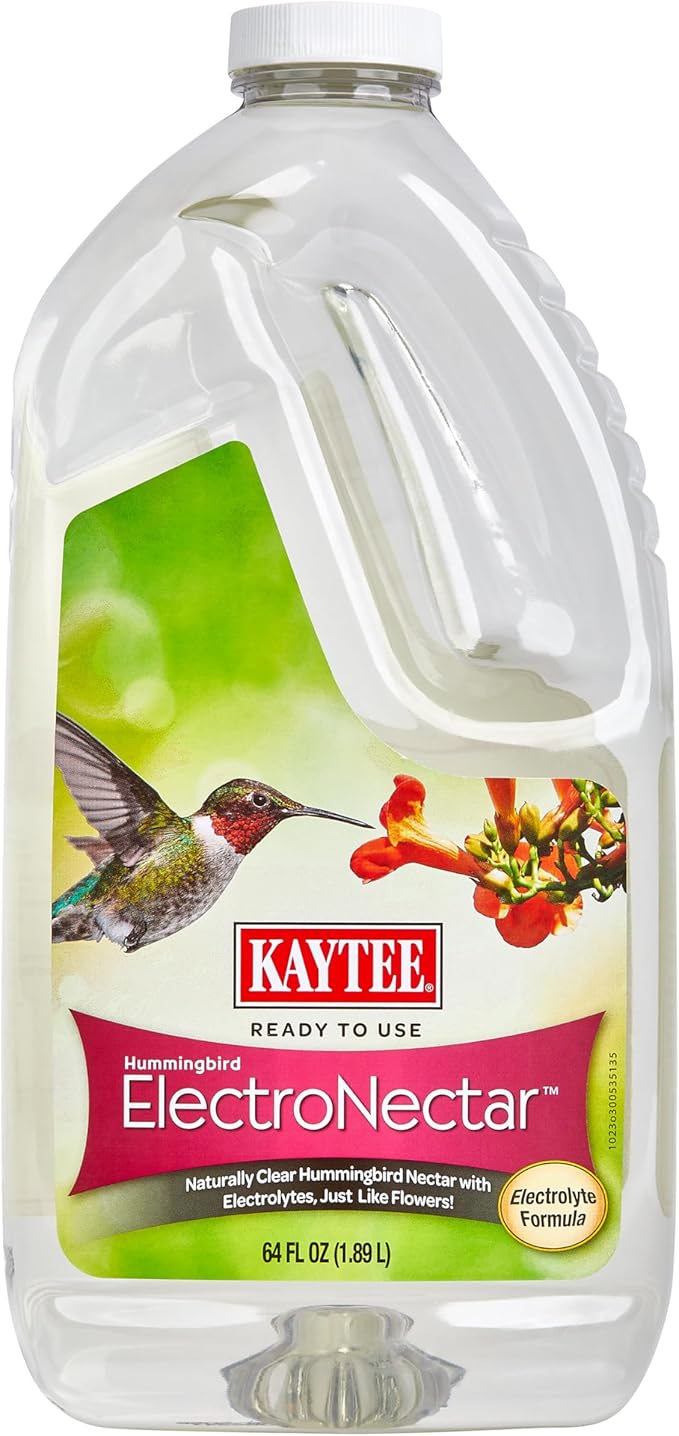
Kaytee Hummingbird ElectroNectar Bird Food offers a ready-to-use nectar formula that nourishes and hydrates hummingbirds outdoors. Best suited for small breed hummingbirds, its biggest strength lies in providing electrolytes in a clear liquid form that avoids the mess of mixing sugar or water.
Setting up involves simply shaking the sealed bottle well before pouring the nectar into a clean feeder. No need to add sugar or dilute the liquid, which keeps things simple and convenient.
After opening, the nectar should be refrigerated to maintain freshness. Keeping the feeder clean before refilling helps attract hummingbirds consistently.
The clear nectar attracts hummingbirds efficiently without relying on food color, while providing hydration with electrolytes. The formula comes in a well-sealed 64-ounce bottle, made in the USA.
Positive notes focus on its convenience and nourishing qualities, though some mention the need for extra care with refrigeration and cleaning to avoid spoilage or mold.
The most praised aspect is the convenience of ready-to-use nectar that keeps hummingbirds nourished and hydrated without extra preparation. The common complaint focuses on the necessity of refrigeration and regular feeder cleaning to maintain nectar quality and prevent spoilage.
Anyone wanting low-maintenance hummingbird feeding with a health-conscious formula will appreciate this product. Those looking for a non-perishable option or who dislike refrigeration demands might want to consider other nectar options.
Pros
- Nectar comes ready to use, no mixing required
- Contains electrolytes to support hummingbird health
- Clear formula avoids staining feeders
- Large 64-ounce bottle lasts through the season
Cons
- Requires refrigeration after opening
- Needs feeder cleaning to prevent mold buildup
| Specification | Details |
|---|---|
| Brand Name | Kaytee |
| Item Form | Liquid |
| Special Ingredients | Electrolytes |
| Container Type | Bottle |
| Included Components | Kaytee Hummingbird Ready to Use, 64 Ounces |
| Allergen Information | Non-GMO |
6. Wildflower Seeds Butterfly and Hummingbird Mix

Bright wildflowers sprouting across a sizable patch really bring your garden to life and attract hummingbirds with ease. Ideal for gardeners wanting a colorful and lively space, it offers an ample amount of seeds to cover a large area without needing frequent replanting. Its biggest strength lies in how many flowers bloom from one packet.
Setting it up is straightforward thanks to the included planting instructions and the resealable zipper that keeps seeds fresh for later use. It thrives in full sun and adapts well to most soil types, needing only moderate watering.
Watching it grow from spring to fall adds vibrancy to daily garden routines, making every moment outside more enjoyable.
The mix successfully transforms a 100 square foot space into a hummingbird haven with flowers reaching up to 4 feet tall. Seeds have a strong germination rate, reflecting their freshness and quality.
Most appreciate how many seeds are included, while occasionally some worry about the moderate water requirements during hot spells.
The overwhelming amount of seeds gives a vibrant garden full of blooms and hummingbird visits, while moderate watering needs may pose a challenge for those seeking low-maintenance planting. The resealable packaging helps preserve freshness, supporting gardening success across the entire season.
People eager to fill a large sunny garden with long-lasting flowers will enjoy this mix. Those with shaded spaces or looking for very drought-tolerant plants might want to explore other options better suited to their conditions.
Pros
- Large 1-ounce packet covers big areas well
- Seeds stay fresh thanks to reusable packaging
- Plant height reaches up to 4 feet
- Flowers bloom from spring through fall
Cons
- Requires moderate watering to keep flowers healthy
- Best suited for full sun, less ideal in shade
| Specification | Details |
|---|---|
| Expected Blooming Period | Spring to Fall |
| Sunlight Exposure | Full Sun |
| Expected Plant Height | 4 feet |
| Soil Type | Adaptable to most soils |
| Moisture Needs | Moderate Watering |
| Packet Size | 1 ounce with over 7,500 seeds |
7. Perennial Hummingbird Mint Flower Seeds

Great for anyone wanting to bring hummingbirds and other pollinators into their garden, Perennial Hummingbird Mint Flower Seeds stand out for their ability to attract wildlife while thriving in full sun. These seeds suit gardeners looking for vibrant, easy-care annuals with year-round blooms.
Start by pressing the seeds lightly onto moist, well-draining soil after the last spring frost. They need light to germinate, so avoid covering them deeply.
Keeping the soil consistently moist is important until the seedlings appear. Once established, the plants tolerate drought well, reducing the need for frequent watering during hot summer days.
These flowers do a solid job pulling in hummingbirds, butterflies, and other pollinators, thanks to their upright habit and colorful flower spikes. The plants handle full sun exposure effectively and show good resilience once rooted. Most praise focuses on how well they attract wildlife, while some find germination a bit slow or finicky if moisture isn’t maintained properly.
Flowers consistently attract pollinators throughout the year, making the garden lively and colorful. Most find the seeds need steady moisture to sprout well, which sometimes challenges gardeners who are less vigilant about watering in the early stages.
Gardeners wanting a wildlife-friendly, drought-tolerant flower that blooms continuously will appreciate this option. Those less able to maintain moist soil during germination or who prefer faster seedlings might want to explore alternatives.
Pros
- Attracts hummingbirds and butterflies effectively
- Year-round blooms in full sun
- Low watering need after root establishment
- Attractive flower spikes suitable for borders or bouquets
Cons
- Seeds require light, careful sowing
- Germination needs constant moisture
| Specification | Details |
|---|---|
| Expected Blooming Period | Year Round |
| Sunlight Exposure | Full Sun |
| Indoor Outdoor Usage | Outdoor |
| Planting Method | Press seeds into moist soil |
| Watering Needs | Drought tolerant once established |
8. Scarlet Sage Heirloom Flower Seeds

Scarlet Sage Heirloom Flower Seeds grow bright red tubular blooms on an 18-inch upright plant, made to welcome hummingbirds and other pollinators. Best suited for outdoor gardens in zones 2 through 12, it thrives in sunny, sandy, or rocky soil with minimal care.
Its biggest strength lies in heat and drought tolerance.
Planting seeds outdoors from spring to fall is straightforward, thanks to the included growing guide. These flowers need regular watering but handle tough soil types and sunshine well.
The annual to tender perennial growth means you see late summer to early fall blooms, and if flowers aren’t trimmed back, the plants can self-seed to brighten your garden again next season.
The blooms successfully attract not only hummingbirds but also honeybees and butterflies, making it a lively addition to any pollinator-friendly space. The plant consistently shows resilience to heat and drought, though some note flowers only appear later in summer.
Deer resistance adds to its value by keeping unwanted nibblers away. A downside is it requires full sun and may not do well indoors or in shaded gardens.
Bright red blooms draw plenty of pollinators, making the garden lively during summer and fall. Many find the plant tough in heat and poor soil, but the flowering is mostly confined to the later growing season. Also, it requires sufficient sun and regular watering to keep its vibrant appearance.
Gardeners in USDA zones 2 through 12 with sunny spots and sandy or rocky soil will appreciate its resilience and color. Those looking for early blooms or indoor flowers may want to explore other options better suited to shade or indoor environments.
Pros
- Attracts hummingbirds, bees, and butterflies
- Handles heat, drought, and poor soil well
- Deer resistant in garden settings
- Can self-seed for next season
Cons
- Needs full sun for best blooming
- Not suitable for indoor growing
| Specification | Details |
|---|---|
| Sunlight Exposure | Full Sun |
| USDA Hardiness Zone | 2-12 |
| Expected Plant Height | 18 inches |
| Soil Type | Sandy Soil |
| Moisture Needs | Regular Watering |
| Expected Blooming Period | Summer to Fall |
9. The Old Farmers Almanac Wildflower Seeds Pollinator Mix

Wildflower Seeds Pollinator Mix is a vibrant seed blend perfect for anyone wanting to attract hummingbirds and other pollinators. Its biggest appeal lies in its ability to keep blooming from summer through fall, offering a longer season of color and activity in your garden.
Planting these seeds in full sun and keeping the soil regularly watered sets them up for success. The mix is drought tolerant, making it forgiving even if you miss a watering or two. It thrives outdoors in loam soil, and you can plant anytime from spring to fall.
Watching the flowers come alive and keep attracting pollinators for months is a reward you get steadily.
The mix performs well by producing strong, fragrant blooms that hummingbirds really like. Its high germination rate means you’ll see steady growth after planting. Some users note that patience is required as it takes time for full blooms to develop.
The ability to draw pollinators while enduring drought conditions stands out.
The blend reliably produces fragrant flowers that attract hummingbirds over a long blooming period, which most find very satisfying. The main drawback is the need for consistent watering even though the mix tolerates some drought, meaning it’s not entirely maintenance-free.
Gardeners looking for an easy-care, sun-loving annual that provides months of pollinator activity will appreciate this mix. Those wanting quicker blooms or less watering might want to explore other options.
Pros
- Attracts a variety of pollinators
- Extended bloom time from summer to fall
- High germination rate ensures growth
- Drought tolerant for less frequent watering
Cons
- Requires patience for full bloom development
- Needs regular watering despite drought tolerance
| Specification | Details |
|---|---|
| Sunlight Exposure | Full Sun |
| Expected Blooming Period | Summer to Fall |
| Soil Type | Loam Soil |
| Moisture Needs | Regular Watering |
| USDA Hardiness Zone | 2,3,4,5,6,7,8,9,10,11 |
| Indoor/Outdoor Usage | Outdoor |
10. Wildflower Seeds Annual & Perennial Mix

Wildflower Seeds Annual & Perennial Mix is perfect for gardeners wanting to attract hummingbirds and butterflies with minimal effort. Its biggest strength lies in the variety of over 23 wildflowers, ensuring a colorful, lively garden that welcomes pollinators across seasons.
Setting up the seed mix is straightforward thanks to the resealable package that keeps seeds fresh and easy to store. It works well when planted outdoors in partial sun, fitting into any typical garden schedule throughout spring, summer, autumn, and even winter in some zones.
Regular moderate watering keeps the soil moist enough for good germination without overdoing it.
The mix consistently delivers fresh seeds with a high germination rate, making it reliable for growing numerous wildflowers up to 15 inches tall. It’s built for a wide range of USDA zones from 1 to 12, which means it suits almost all climates in North America. The main praise is how vibrant and diverse the blooms attract various pollinators, while the most common complaint points to occasional slower growth in colder climates.
Many users appreciate the rich variety of wildflowers that attract hummingbirds and butterflies throughout multiple seasons. The high germination rate paired with the resealable packaging ensures seeds stay fresh for planting over time. A common downside is slower development in areas with colder temperatures, which can delay the full bloom.
The seed mix suits gardeners wanting a diverse, colorful pollinator-friendly garden across most North American climates. Those in very cold regions should consider adjusting watering and planting times or look for mixes tailored to colder climates for faster growth.
Pros
- Contains over 23 wildflower varieties
- High germination rate for consistent growth
- Resealable package keeps seeds fresh
- Suitable for a wide range of USDA zones
Cons
- Slower growth in colder climates
- Requires regular moderate watering
| Specification | Details |
|---|---|
| Expected Blooming Period | Spring to Fall |
| Sunlight Exposure | Partial Sun |
| Expected Plant Height | 15 inches |
| USDA Hardiness Zone | 1, 2, 3, 4, 5, 6, 7, 8, 9, 10, 12 |
| Moisture Needs | Moderate Watering, Regular Watering |
| Soil Type | Loam Soil, Potting Mix |
11. Hummingbird & Butterfly Wildflower Seed Mix

Attracting hummingbirds and butterflies to your garden can be tricky without the right plants. The Hummingbird & Butterfly Wildflower Seed Mix suits gardeners looking to fill large outdoor spaces with vibrant flowers that bring pollinators close. Its biggest strength is the variety of 18 annual and perennial seeds that promise colorful blooms throughout multiple seasons.
Planting the mix is straightforward and beginner-friendly. Scatter the seeds after the last frost or in fall where conditions allow, onto full sun or partial shade areas.
Pressing the seeds gently into the soil and keeping the ground lightly moist supports healthy germination. The 60,000 seeds cover a generous 300 square feet, ideal for beds, borders, or meadow-style plantings, delivering a spread of color year after year.
The mix performs well in attracting the target pollinators while providing an engaging variety of flowers such as butterfly milkweed and scarlet sage. It’s well-suited for USDA hardiness zones 1 through 10, making it versatile for many climate types.
Most find it rewarding once flowers bloom, though dry spells require moderate watering to maintain growth, which some users highlight as a consideration. The build is essentially the seed diversity, which supports both quick annual colors and lasting perennial blooms.
The seed mix is praised for its impressive variety and broad coverage that makes a big visual impact and keeps pollinators coming from spring through fall. A common drawback is the watering requirement during establishment, which may not suit all gardeners, especially those in drier areas.
Those wanting an inviting pollinator garden with a mix of quick blooms and lasting plants will appreciate this seed mix. Gardeners facing very dry conditions or limited sun exposure might consider alternatives better suited to those constraints.
Pros
- Wide coverage with 60,000 seeds
- Mix of both annual and perennial flowers
- Attracts hummingbirds and butterflies effectively
- Can be planted in various hardiness zones
Cons
- Requires moderate watering to thrive
- Plants need full sun to partial shade only
| Specification | Details |
|---|---|
| Coverage Area | 300 sq. ft. |
| Seed Varieties | 18 annual and perennial |
| Sunlight Exposure | Full Sun to Partial Shade |
| Blooming Period | Spring to Fall |
| Watering Needs | Moderate |
| USDA Hardiness Zones | 1 to 10 |
12. HOME GROWN Monarch Butterfly Wildflower Mix
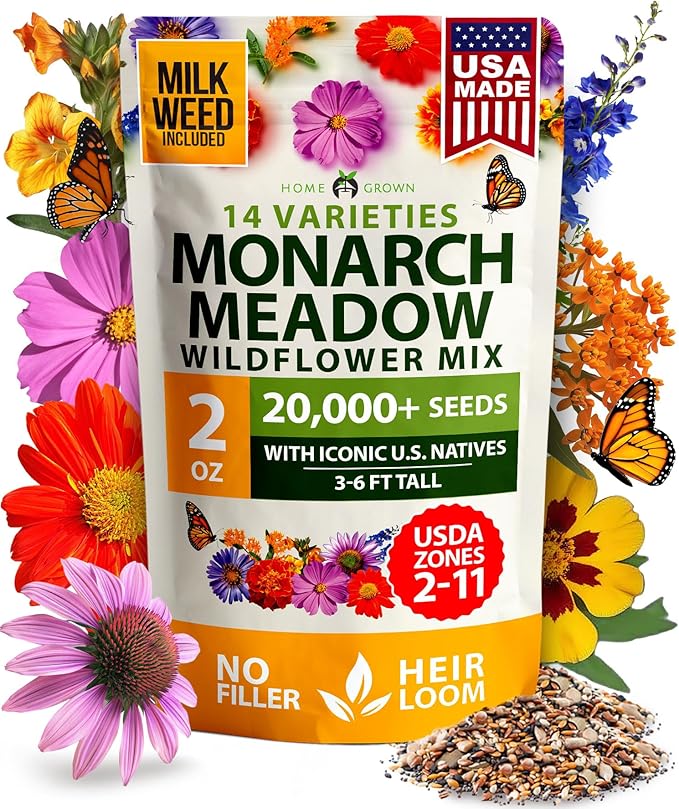
Over 20,000 wildflower seeds come together in a mix designed to create a vibrant, pollinator-friendly garden space. Perfect for anyone wanting to attract monarchs, bees, and hummingbirds, it’s especially suited for outdoor use with flowers that bloom from spring through fall.
Starting a garden with these seeds involves planting in full sun during spring or fall, with loam soil and moderate watering. The seeds include a combination of butterfly weed, milkweed, and perennial wildflowers that will brighten any garden while supporting essential biodiversity.
Watching the area transform into a colorful meadow invites daily enjoyment of these pollinators.
Expect a colorful show in orange, purple, yellow, and white flowers that grow up to about 2 feet tall. The seed mix provides a lasting display from season to season, returning year after year in appropriate USDA zones.
Most praise highlights the vibrant and continuous blooms, while some note the need for consistent watering to keep the plants thriving.
The seed mix produces a beautifully colorful, lively meadow that attracts important pollinators throughout the growing season. The main challenge lies in maintaining the right moisture level and sunlight, which is crucial for a successful and lasting display.
Gardeners aiming to support monarchs and hummingbirds will appreciate how this mix encourages biodiversity. Those with limited sun exposure or inconsistent watering may want to consider alternative planting options that suit their conditions better.
Pros
- Creates vibrant, pollinator-friendly gardens
- Continuous blooms from spring through fall
- Suitable for a wide range of USDA zones
- Includes milkweed for monarch butterflies
Cons
- Requires consistent moderate watering
- Needs full sun exposure to thrive
| Specification | Details |
|---|---|
| Expected Blooming Period | Spring to Summer |
| Sunlight Exposure | Full Sun |
| Expected Plant Height | 2 feet |
| Soil Type | Loam Soil |
| Moisture Needs | Moderate Watering |
| USDA Hardiness Zone | 3, 4, 5, 6, 7, 8, 9 |
13. Zinnia Seeds Bulk Mixed Colors

Gardeners looking to fill large spaces with bright, hummingbird-friendly flowers will appreciate these bulk zinnia seeds. Their biggest appeal lies in the sheer quantity and variety of colors, making them perfect for attracting pollinators across a broad area without worrying about running out of seeds.
Sowing these seeds requires partial sun exposure, which suits gardens with some shade during the day. The large packet covers over 200 sq. ft.
, so it’s ideal for meadows, borders, or sharing with friends. The seeds are non-GMO and professionally stored, which supports healthy germination and uniform growth right from the start.
Expect vibrant, 4-5 inch blooms in mixed shades of red, yellow, pink, orange, green, white, and purple to draw in hummingbirds and other pollinators. The seeds deliver strong germination, but some may find the mixed colors less predictable if aiming for uniform color zones. The bulk packaging supports large planting projects but could be overwhelming for small garden plots.
The seeds offer reliable, uniform germination encouraging vigorous growth, combined with a generous range of bright flower colors that successfully attract hummingbirds. Largest excitement comes from planting for big areas, while the main drawback is the inconsistency of mixed colors that some gardeners might find less cohesive than single-color packs.
Those planning to cover extensive garden spaces or who enjoy varied colorful blooms will find this seed mix rewarding. Gardeners with smaller plots or aiming for one-color themes should consider smaller or single-color seed collections instead.
Pros
- Large quantity suitable for big gardens
- High germination rate from quality storage
- Attracts hummingbirds and pollinators
- Wide variety of vibrant bloom colors
Cons
- Mix of colors may not suit uniform garden schemes
- Bulk size impractical for small spaces
| Specification | Details |
|---|---|
| Seed Count | 10,000+ seeds |
| Coverage Area | Over 200 sq. ft. |
| Sunlight Exposure | Partial Sun |
| Flower Size | 4-5 inches |
| Colors | Mixed red, yellow, pink, orange, green, white, purple |
14. Oregon Wildflower Seed Mix

Oregon Wildflower Seed Mix offers a well-chosen blend of 20 varieties tailored to flourish in Oregon’s climate. Perfect for gardeners who want low-maintenance flowers that attract hummingbirds throughout the growing season. Its biggest strength lies in combining annuals and perennials for a colorful, buzzing garden from spring to fall.
Planting is straightforward, just scatter the seeds in a sunny spot, press them lightly into loam soil, and keep the area moist until you see sprouts. Works great for beginners and experts alike, with flexibility to plant in spring, summer, or fall. You’re set with a seasonal garden that naturally returns year after year without constant care.
Flowers emerge reliably from spring through fall, creating a vibrant and diverse bloom that hummingbirds love. The mixture contains a non-GMO blend sourced from the USA, supporting high germination rates.
Most admire how easily the seeds grow in full sun conditions, while some note that moisture levels need regular attention to keep things going strong.
Many appreciate how easily the seeds grow and the variety of flowers that bloom over several months, providing lasting color and attracting hummingbirds. On the downside, maintaining consistent soil moisture is essential during germination, which can be a bit demanding if you miss a watering.
Gardeners looking for a vibrant, low-maintenance mix that adapts well to Oregon’s climate will find this blend enjoyable and reliable. Those with soil types other than loam or who prefer minimal watering may want to consider different options.
Pros
- Suitable for a wide range of USDA zones 1 through 10
- Contains 20 hand-selected flower varieties
- Mix includes both annual and perennial flowers
- Non-GMO seeds sourced from the USA
Cons
- Requires consistent moderate watering until germination
- Best suited for loam soil, limiting soil adaptability
| Specification | Details |
|---|---|
| Expected Blooming Period | Spring to Fall |
| Sunlight Exposure | Full Sun |
| Expected Planting Period | Spring, Summer, Fall |
| Soil Type | Loam Soil |
| Moisture Needs | Moderate Watering |
15. Non-GMO Wildflower Seeds for Pollinators

Non-GMO Wildflower Seeds for Pollinators turn your outdoor space into a vibrant haven for hummingbirds, bees, and butterflies. Ideal for gardeners wanting variety, it stands out by offering 47 flower types instead of the usual handful, delivering more colors and longer blooming seasons.
Getting started requires just scattering the seeds on soil, tamping lightly, and watering moderately. Best planted in spring or fall, these seeds thrive in full sun and adapt across USDA zones 1-13. The mix includes annuals that flower the first season and perennials that return each year, making it a simple, natural setup with continuous rewards.
Performance centers on a rich diversity of blooms that actively attract various pollinators for months, from spring through summer. The seeds contain no fillers or coatings, ensuring genuine growth. Some find wait times for blooming a bit long for perennials, but overall, growth reliably happens.
Strong growth and variety impress most, while occasional patchy coverage is mentioned.
Growth success depends on proper scattering, tamping, and watering, with many enjoying the wide variety and bright colors. Some report slower bloom times for perennials, which can require patience before the full effect appears in the yard.
Gardeners seeking a natural, diverse pollinator-friendly garden will appreciate this mix, especially across a broad range of climates. Those wanting instant or uniform coverage might look for mixes designed for rapid, uniform germination instead.
Pros
- Includes 47 flower varieties, not just a few
- No fillers or coated seeds, pure wildflower mix
- Works across wide USDA zones 1-13
- Annual and perennial blooms for extended color
Cons
- Perennials may take longer to establish blooms
- Patches can be uneven in certain soil conditions
| Specification | Details |
|---|---|
| Usage | Outdoor |
| Expected Blooming Period | Spring to Summer |
| Sunlight Exposure | Full Sun |
| Planting Period | Spring, Fall |
| USDA Hardiness Zone | 1-13 |
| Moisture Needs | Moderate Watering |
Best Annuals for Hummingbirds Comparison Table
| Product | Bloom Period | Sunlight Exposure | Special Features | Planting Period |
|---|---|---|---|---|
| Wildflower 24 Mix | 35-75 days | Full Sun | High Germination Rate | Spring, Summer |
| Seed Needs Hummingbird Mix | Summer to Fall | Full Sun | Attracts Pollinators, Heirloom | Spring |
| Wildflower TX-CA-FL Bulk | Year Round | Full Sun | Air Purification | – |
| Wildflower Butterfly Hummingbird | Spring to Fall | Full Sun | High Germination Rate | – |
| Kaytee ElectroNectar Bird Food | – | – | Electrolytes Liquid Bird Food | – |
| Wildflower Butterfly Hummingbird Mix | Spring to Fall | Full Sun | Reusable | – |
| Perennial Hummingbird Mint | Year Round | Full Sun | Attracts Pollinators | – |
| Scarlet Sage Heirloom | Summer to Fall | Full Sun | Deer Resistant, Drought Tolerant | Spring to Fall |
| Old Farmer’s Almanac Pollinator | Summer to Fall | Full Sun | Drought Tolerant, Fragrant | Spring to Fall |
| Wildflower Annual Perennial Mix | Spring to Fall | Partial Sun | Fresh Seeds, High Germination | Summer, Spring, Winter, Autumn |
| Hummingbird Butterfly Mix | Spring to Fall | Full Sun | Attracts Pollinators | Spring, Summer, Fall |
| Home Grown Monarch Mix | – | – | Attracts Pollinators | – |
| Zinnia Mixed Colors Bulk | – | Partial Sun | – | – |
| Oregon Wildflower Mix | Spring to Fall | Full Sun | – | Spring, Summer, Fall |
| Non-GMO Pollinator Wildflower | Spring to Summer | Full Sun | Attracts Pollinators, Non-GMO | Spring, Fall |
- Bloom Period35-75 days
- Sunlight ExposureFull Sun
- Special FeaturesHigh Germination Rate
- Planting PeriodSpring, Summer
- Bloom PeriodSummer to Fall
- Sunlight ExposureFull Sun
- Special FeaturesAttracts Pollinators, Heirloom
- Planting PeriodSpring
- Bloom PeriodYear Round
- Sunlight ExposureFull Sun
- Special FeaturesAir Purification
- Planting Period–
- Bloom PeriodSpring to Fall
- Sunlight ExposureFull Sun
- Special FeaturesHigh Germination Rate
- Planting Period–
- Bloom Period–
- Sunlight Exposure–
- Special FeaturesElectrolytes Liquid Bird Food
- Planting Period–
- Bloom PeriodSpring to Fall
- Sunlight ExposureFull Sun
- Special FeaturesReusable
- Planting Period–
- Bloom PeriodYear Round
- Sunlight ExposureFull Sun
- Special FeaturesAttracts Pollinators
- Planting Period–
- Bloom PeriodSummer to Fall
- Sunlight ExposureFull Sun
- Special FeaturesDeer Resistant, Drought Tolerant
- Planting PeriodSpring to Fall
- Bloom PeriodSummer to Fall
- Sunlight ExposureFull Sun
- Special FeaturesDrought Tolerant, Fragrant
- Planting PeriodSpring to Fall
- Bloom PeriodSpring to Fall
- Sunlight ExposurePartial Sun
- Special FeaturesFresh Seeds, High Germination
- Planting PeriodSummer, Spring, Winter, Autumn
- Bloom PeriodSpring to Fall
- Sunlight ExposureFull Sun
- Special FeaturesAttracts Pollinators
- Planting PeriodSpring, Summer, Fall
- Bloom Period–
- Sunlight Exposure–
- Special FeaturesAttracts Pollinators
- Planting Period–
- Bloom Period–
- Sunlight ExposurePartial Sun
- Special Features–
- Planting Period–
- Bloom PeriodSpring to Fall
- Sunlight ExposureFull Sun
- Special Features–
- Planting PeriodSpring, Summer, Fall
- Bloom PeriodSpring to Summer
- Sunlight ExposureFull Sun
- Special FeaturesAttracts Pollinators, Non-GMO
- Planting PeriodSpring, Fall
How to Choose the Best Annuals for Hummingbirds
Choosing annuals that produce bright, tubular flowers and thrive in your climate ensures hummingbirds are attracted and plants stay healthy. Paying attention to bloom time and care needs helps avoid frequent replacements, saving both money and effort throughout the season.
Bloom Time and Duration
Some flowering plants keep their blooms for just a few days, while others can stay colorful for weeks. Many annuals offer either steady blooms throughout the growing season or come in waves where flowers appear in bursts. This affects how often hummingbirds visit a garden, since they return where the food source is consistent.
Plants that bloom continuously or have overlapping waves provide a steady supply of nectar, which means more frequent hummingbird visits. Short bloom periods create gaps when the garden feels empty to these birds. Typically, blossoms lasting two to three weeks or more, with repeated flowering over several months, give the best long-term appeal.
Look for species labeled with extended or repeat blooming to keep your outdoor space lively.
Flower Shape and Color
Tubular-shaped flowers suit hummingbirds best since their long bills fit easily inside these blooms for accessing nectar. The vividness of flower color also plays a major role. Bright reds and oranges catch hummingbirds’ attention from a distance, while pinks can be appealing too.
Blues, purples, and yellows tend to attract fewer visits in comparison.
Variation within a single plant or bed, like different shades of red or orange, or even mixed flower shapes, helps sustain hummingbird interest over time. Changes in flower size and form mean birds encounter new nectar sources even as some blooms fade.
A selection with deep tubes and vibrant red tones tends to work well every season.
Growth Habit and Size
Many annuals reach between 1 and 3 feet tall, with similar spread widths. Knowing the mature size helps avoid overcrowding or blocking hummingbird visibility from a distance. In containers, space is limited, so compact or trailing varieties are better.
Upright, bushy plants usually hold flowers at convenient feeding heights.
Trailing growth can be ideal for window boxes or hanging pots, but it may limit how well birds can perch and feed. Taller annuals placed where birds can hover or perch on nearby branches simplify access. Considering both height and spread ensures hummingbirds can easily spot and use your plants during their daily visits.
Sunlight and Water Needs
Most nectar-producing annuals thrive under full sun to promote consistent flowering. Too much shade tends to reduce bloom quantity and flower size, making plants less appealing to hummingbirds.
Water needs vary but keeping soil moist without waterlogging is key. Some types tolerate brief droughts better, which reduces watering frequency.
Daily care involves regular watering during hot weather, especially in containers where soil dries quickly. Understanding a plant’s drought tolerance can save a lot of frustration, those with low tolerance may wilt or drop flowers when neglected.
Choosing sun-loving, moderate-water plants fits well in typical summer climates and helps ensure your garden stays attractive.
Attractiveness to Hummingbirds
Plants producing large amounts of nectar attract hummingbirds more reliably. Frequent and abundant blooms mean a better food supply, which keeps the birds coming back. Choosing plants known for producing a lot of nectar will increase your chances of attracting these visitors regularly.
Combining nectar-rich flowers with feeders or other hummingbird-friendly plants improves the likelihood of visits by creating a concentrated feeding area. Good bloom frequency, along with visual and scent cues, makes the environment inviting.
This combination ensures a diverse and sustainable spot for hummingbirds throughout the season.
Effective Planting and Maintenance Tips to Attract Hummingbirds
Hummingbirds are drawn to bright, tubular flowers that provide easy access to nectar. Position annuals in clusters rather than as single plants to make food sources more visible.
Choose a sunny spot as most hummingbird-friendly plants thrive with at least six hours of sunlight daily.
Regular watering is essential, especially during dry spells, to keep flowers healthy and producing nectar. Deadheading spent blooms encourages continuous flowering throughout the season. Avoid using pesticides in areas where you want to attract hummingbirds; these chemicals can harm both the birds and the insects they feed on.
To ensure the best results:
- Plant a variety of annuals that bloom at different times to extend feeding opportunities.
- Incorporate native plants alongside annuals for better adaptability and food supply.
- Provide shallow water features or mist areas, as hummingbirds also need water for hydration and bathing.
Consistent care maintains a vibrant garden that hummingbirds will return to throughout the growing season.
Comparing Annuals and Perennials for Sustained Hummingbird Activity
Annuals bloom profusely during their single growing season, offering a burst of nectar-rich flowers that attract hummingbirds quickly. Their relatively short life cycle means they fill gaps in nectar availability, especially in early or late parts of the season.
Perennials, on the other hand, return year after year and often develop stronger root systems that support longer-lasting blooms. This can provide more dependable feeding spots but may have shorter flushes of flowering compared to annuals.
Combining both types creates a continuous source of nectar, with annuals filling in when perennials are not blooming.
Consider the following when deciding between annuals and perennials:
- Annuals require replanting each year but offer quick, abundant flowers.
- Perennials demand less yearly maintenance once established but may bloom less intensely.
- User preference for garden design and local climate impacts which plant types perform best.
Balancing annuals and perennials provides a reliable habitat that encourages sustained hummingbird visits across seasons.
People Also Asked
How Do I Care for Annuals That Attract Hummingbirds?
Water the plants regularly, especially during dry spells, to keep the flowers healthy and producing nectar. Deadhead spent blooms to encourage new flowering, which keeps the garden attractive to hummingbirds for longer. Avoid pesticides that can harm hummingbirds and the insects they feed on.
What Size Annual Plants Are Ideal for Hummingbird Gardens?
Choose annuals that grow between one to three feet tall, which fits well with hummingbird feeding habits. Smaller plants might be less visible, while very tall ones could be harder for hummingbirds to access easily. Grouping several plants together in this size range helps create a better feeding area.
Are Annual Plants Safe for Hummingbirds and Other Wildlife?
Most annual plants that attract hummingbirds are safe for them and other wildlife when grown organically. Avoid treated seeds or plants sprayed with insecticides. Native plant varieties tend to be the safest and most beneficial choices for local ecosystems and hummingbird health.
How Long Do Hummingbird-Friendly Annuals Typically Bloom?
Many hummingbird-friendly annuals bloom for about two to three months during the growing season. Regular feeding with a balanced fertilizer can help extend bloom times by supporting plant health. Monitoring for stress signs, like wilt or pests, also helps keep blooms coming longer.
What Common Problems Affect Annuals Frequented by Hummingbirds?
Common problems include aphids, fungal diseases, and wilting due to inconsistent watering. Good air circulation and well-drained soil reduce fungal issues. Regular checks and prompt removal of damaged leaves or bugs help keep the plants strong and attractive to hummingbirds.
Conclusion
Choosing the best annuals for hummingbirds comes down to picking flowers that produce plenty of nectar, bloom continuously through the season, and attract hummingbirds specifically. Pay attention to the flower colors since hummingbirds prefer reds and tubular shapes.
Also, consider plants that fit your local climate to ensure they grow well and keep hummingbirds coming back.
Think about how much space you have and how much time you want to spend on care when deciding on plants and arrangements. Smaller gardens or containers may need more compact choices, while larger spaces allow for a variety of plants. Head back to the comparison table and the detailed picks above to find options that match your needs and get started attracting hummingbirds to your garden.