Top 15 Best Antibiotic for Chicken Wound You Must Try!
Anyone who has tended to a chicken’s wound knows that using the wrong antibiotic can slow healing or even cause harmful reactions. Finding the best antibiotic for chicken wound means avoiding ingredients that chickens may dislike or that don’t penetrate tissue well, which results in persistent infections.
Cheap options often fail to control the bacteria, leaving the wound raw and the bird stressed. Proper treatment must balance effectiveness with safety to prevent antibiotic resistance or toxicity in poultry.
The key factors to look for include an antibiotic that targets common poultry pathogens like Staphylococcus and E. coli, follows recommended dosage ranges that avoid overdose but remain effective, and comes in a form that’s easy to apply, such as ointments or sprays. Medications should be non-irritating, have a suitable shelf life, and allow for quick wound coverage to reduce contamination. Antibacterial strength should match typical poultry care standards without excessive chemical additives.
Need a Quick Check?
| Image | Product | Price |
|---|---|---|
Our Top Picks 1  | Silver Chicken Spray | Check Price |
Our Top Picks 2  | Herbal Pet Antibiotics | Check Price |
Our Top Picks 3 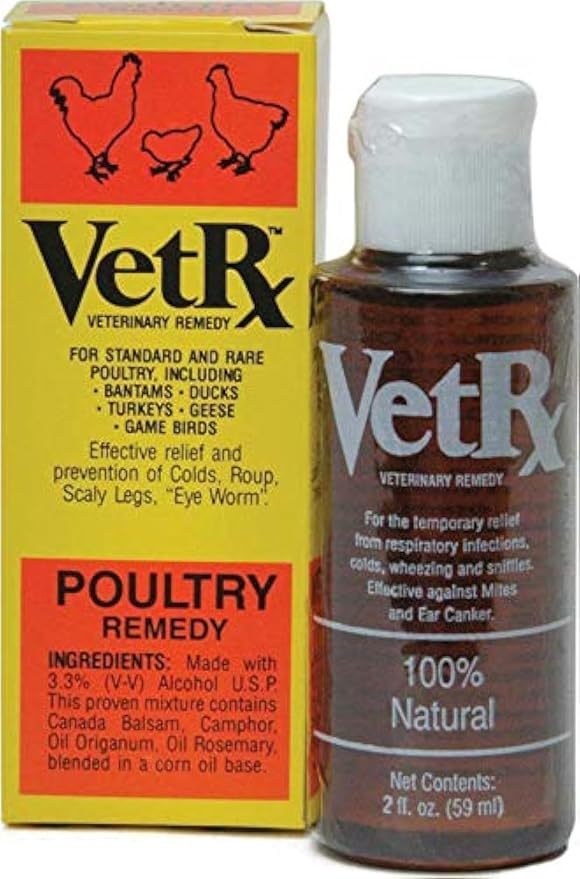 | Goodwinol Poultry Remedy | Check Price |
Our Selected Top 15 Antibiotic for Chicken Wound You Can Trust
This list features carefully chosen antibiotics designed to treat chicken wounds effectively. Each product is reviewed for its healing performance, suitability for different situations, and key advantages and disadvantages, helping readers make informed decisions based on their specific needs.
1. Wound Spray for Chicken with Silver
Colloidal ‘Nano’ Silver combined with deionized water forms the heart of this wound spray, tailored for bird skin treatment. Best suited for chicken keepers looking for a natural alternative to antibiotics, it stands out for its gentle, safe approach that suits delicate areas like the head and beak without artificial additives.
Shaking the bottle before each use is essential to mix the ingredients properly. The spray applies easily to wounds or irritations, offering 2-4 sprays daily.
It’s light, weighing only 4 ounces, so handling it during regular care routines doesn’t get cumbersome. Monitoring the bird before and after use ensures you can track its reaction and effectiveness.
This wound spray effectively soothes pecking sores, cuts, and bumblefoot, doing a solid job supporting minor wounds without antibiotics. The build as a naturally based formula reassures many about safety for delicate bird parts. Some find it slow acting, which can be a downside when quicker healing is hoped for, but the natural composition remains its main appeal.
The strongest praise highlights the product’s safety for sensitive areas and how it avoids antibiotics while still assisting wound care. A common complaint focuses on it working slower than stronger antibiotic alternatives, requiring patience and repeated doses for noticeable results.
Someone seeking a gentle, chemical-free option for minor wounds on chickens will appreciate this spray. Those wanting rapid healing for more serious wounds may want to explore additional veterinary treatments instead.
Pros
- Natural formula safe for birds’ head and beak
- Lightweight and easy to handle spray bottle
- No artificial additives included
- Works on multiple wound types like bumblefoot
Cons
- Slower visible healing compared to antibiotics
- Requires frequent application daily
| Specification | Details |
|---|---|
| Item Weight | 4 ounces |
| Item Package Dimensions L x W x H | 5.35 x 1.93 x 1.85 inches |
| Item Dimensions LxWxH | 5.4 x 1.9 x 1.9 inches |
| Active Ingredient Concentration | 50 PPM Colloidal ‘Nano’ Silver |
| Manufacturer | SILVER GRADE |
| Shelf Life | 3 years |
2. Herbal Pet Antibiotics for Small Animals and Birds
Liquid herbal antibiotics designed for small pets and birds stand out for their broad effectiveness and natural formulation. Suitable for a wide variety of animals including chickens, ducks, and rabbits, it’s especially good for treating common ailments like infections and digestive discomfort, making it a reliable choice for diverse households.
Administering the product is straightforward due to its liquid drop form, which many animals accept more easily than pills. The chicken-flavored formula helps encourage consumption, reducing the struggle during treatment periods.
The dosing is flexible for different sizes and breeds, making daily use manageable regardless of the type of pet or poultry you have.
Effectiveness covers a range of issues like UTIs, runny noses, and allergies, with consistent absorption thanks to its liquid form. The natural ingredients support a gentler treatment approach. Positive feedback often highlights how well animals tolerate the flavor, while a common downside is that some may need repeated dosing for stubborn infections.
Many find the chicken-flavored liquid easy to give and gentle on animals, with noticeable improvements in common infections and allergies. However, for persistent or severe wounds, multiple doses are often necessary, and some infections may need supplementary treatment.
Those caring for a variety of small pets and birds will appreciate the broad spectrum and ease of use. Animals with serious wounds or complicated infections might require additional veterinary care beyond this antibiotic drops. Those needing a quick fix for minor symptoms will find this product suitable.
Pros
- Effective for multiple symptoms and species
- Easy-to-administer liquid drop form
- Chicken flavor improves pet acceptance
- Works for all sizes and breeds
Cons
- Some pets require repeated doses
- May not fully clear severe infections alone
| Specification | Details |
|---|---|
| Flavor | Chicken |
| Item Form | Drops, Liquid |
| Specific Uses | Cough, Food Allergies, Joints Moments, Stomach Discomfort, UTIs |
| Suitable For | Fish, reptiles, turtles, bearded dragons, bunnies, chickens, ducks, geese, quails, large animals |
3. Goodwinol Vet RX Poultry Remedy
Goodwinol Vet RX Poultry Remedy is designed to treat wounds and infections for various birds including chickens, ducks, and turkeys. It’s especially suitable for people with birds who want a versatile product that works both inside and outside. Its biggest strength lies in handling a wide range of poultry with a single, compact bottle.
Using the remedy is straightforward since it comes in a small 2.4-ounce bottle that’s easy to pour or apply. You simply follow the directions provided for dosage and application, whether you’re addressing a wound externally or giving it internally.
Its size and packaging make it practical for regular treatment without too much fuss.
Performance-wise, the remedy serves well across different bird varieties, offering a reliable approach to basic wound care and infection support. The build of the bottle is sturdy and travel-friendly, though some mention it could be tricky to measure doses accurately. Most users appreciate its versatility, although a few wish for clearer instructions.
Goodwinol Vet RX Poultry Remedy is well-regarded for treating a variety of birds with both internal and external applications. A common issue is the difficulty some have with accurately measuring the proper dose from the bottle. The packaging is small and sturdy but requires attention when dispensing.
Those needing a versatile solution for different poultry types will find it suitable. Anyone looking for precise dosing might prefer a product with clearer measurement tools or more detailed instructions to avoid mistakes during treatment.
Pros
- Useful for many types of poultry
- Works for both internal and external use
- Compact and easy to handle bottle
Cons
- Dose measurement can be difficult
- Instructions could be clearer
| Specification | Details |
|---|---|
| Item Weight | 2.4 ounces |
| Item model number | 0 46938 02001 |
| Package Dimensions | 4.13 x 1.65 x 1.61 inches |
| Item Dimensions | 4.17 x 1.65 x 1.61 inches |
| Color | Brown |
4. Banocin Antibiotic Powder

Chicken wounds need quick and effective treatment to avoid infection, and Banocin Antibiotic Powder fits that need well. Suitable for backyard flocks or small poultry operations, its biggest strength lies in easy application directly to the wound for targeted antibiotic action.
Preparing the powder for use is straightforward, you sprinkle it right onto the cleaned wound. No mixing or additional steps are required, making it practical for daily use.
The powder format allows precise dosing and helps keep the affected area dry, which is essential for proper healing and preventing further contamination.
Banocin works effectively at preventing infection and promoting healing when applied consistently. The powder is finely milled and easy to handle without clumping. Most users appreciate how it dries quickly, but some mention it can be dusty during application, which requires a bit of care to avoid inhalation.
Strong praise focuses on the powder’s quick-drying nature and straightforward application on wounds. The most common complaint is the dustiness when spreading it, which may require caution around birds and handlers. Handling small packs is convenient, but quantity might not be enough for large-scale use.
Ideal for small to medium-sized chicken flocks needing quick wound treatment. Anyone managing a large number of birds might want to look for bigger quantity options to meet their needs better. Careful handling during application improves both safety and effectiveness.
Pros
- Directly applied powder for targeted treatment
- Easy to use with no need for mixing
- Dries quickly to protect the wound
- Compact 10-gram packs
Cons
- Dusty during application
- Limited quantity per pack for larger flocks
| Specification | Details |
|---|---|
| Quantity | 10 Grams per pack |
| Packaging | 2 X Banocin Antibiotic Powder |
5. Vetericyn Plus Poultry Wound Care Spray

Healing a variety of poultry wounds without antibiotics makes this spray excellent for anyone wanting a safe, non-toxic treatment option. It suits all breed sizes and is especially handy for addressing common skin problems in chickens.
The biggest advantage lies in its ability to promote skin repair while avoiding any egg withdrawal period.
Daily use involves spraying a few times on affected areas like pecking sores or bumblefoot, fitting easily into a regular care routine. Its non-irritating formula means it can be applied without stressing the bird.
The spray bottle’s size and grip allow for controlled application, ensuring wounds are treated without waste or mess.
Effectiveness in healing wounds is clear, with skin repair support and relief from various skin issues. The build is practical, an 8-ounce bottle made from high density polyethylene that withstands normal handling.
Strong points include its veterinarian recommendation and antibiotic-free composition. A common drawback is that it comes without a warranty, which might concern some.
Many find the spray effective in soothing and repairing wounds without causing irritation, which reassures poultry keepers. However, the need for multiple daily applications can be time-consuming and inconvenient during busy routines.
People seeking a safe, gentle wound care spray for their chickens will appreciate this product’s formula and ease of use. Those preferring longer-lasting treatments or warranty protection might want to consider alternative options.
Pros
- Non-toxic, safe for chickens and environment
- No egg withdrawal period after application
- Simple spray application for easy use
- Recommended by veterinarians for skin care
Cons
- No warranty offered with the product
- May require frequent applications daily
| Specification | Details |
|---|---|
| Item Weight | 9.6 ounces |
| Item Package Dimensions L x W x H | 7.95 x 5 x 2.28 inches |
| Item Dimensions LxWxH | 2.2 x 2.2 x 6.5 inches |
| Size | 8 oz |
| Material | High Density Polyethylene |
| Brand Name | Vetericyn |
6. Chicken Wound Silver Spray

People who raise chickens and need quick, safe treatment for wounds will find this spray very helpful. It suits anyone dealing with pecking injuries, skin irritations, or bumblefoot on their birds. The fastest visible relief and gentle application stand out as its biggest advantages.
Using it daily is straightforward. Hold your hen comfortably, then spray a few times directly onto the wound.
It cleans the area while forming a protective layer that supports healing without stinging. The bottle’s stream spray lets you treat from a distance, and it applies without odor or mess, so no worries if a chicken licks it.
The product works quickly to soothe and clean wounds, helping avoid infections. Its build is practical, you get 12 fl oz in a compact bottle that fits easily in hand. The strongest praise centers on its gentle, safe formula that doesn’t upset birds.
Some mention it needs repeated applications throughout the day for lasting effects.
Many appreciate how gentle and effective the spray is on wounds, with quick visible improvements. However, some find they must apply it up to three times daily to keep the healing process going strong. The lack of unpleasant smell and safety for licking also come up positively.
This spray is a great fit for chicken keepers wanting safe daily wound care with no harsh chemicals. People who prefer less frequent treatments or want to avoid handling their birds often might look at other options. The compact bottle size and easy spray make it a practical choice for regular use.
Pros
- Clinically proven for quick soothing of chicken wounds
- No odor and safe if birds lick the spray
- Easy application from a distance with stream setting
- Gentle, non-stinging silver formula
Cons
- Requires multiple daily applications for sustained effect
- Needs careful bird handling during treatment
| Specification | Details |
|---|---|
| Item Weight | 13.8 ounces |
| Item Dimensions (LxWxH) | 3.25 x 2.75 x 7.75 inches |
| Item Package Dimensions (LxWxH) | 8.03 x 3.43 x 2.4 inches |
| Size | 12 fl oz |
| Manufacturer | PetSilver |
7. Chicken Wound Spray with Hypochlorous

Chicken Wound Spray with Hypochlorous is a gentle and effective healing aid for poultry wounds, perfect for anyone caring for backyard birds. Its standout feature is a hypochlorous acid formula that cleans wounds without stinging, making it safe even if the chicken licks the treated area.
Using the spray is straightforward, just apply it directly onto cuts, scrapes, or irritated skin areas. The alcohol-free and dye-free solution makes cleaning wounds easy and comfortable for the birds. It helps reduce redness and swelling, promoting quick natural healing while keeping the skin protected from infections throughout daily care.
The spray works well for rapid healing of various minor wounds and skin irritations commonly seen in chickens. It comes in a lightweight 11.2-ounce bottle that’s easy to handle and store.
Most users appreciate its gentle cleansing action, but some mention they wish it had a larger size for frequent use around flocks.
The spray is praised for being gentle on chicken wounds without causing discomfort, helping them heal quickly while preventing infection. Many find the bottle size a bit small for regular use across multiple birds, which is the main drawback mentioned.
Anyone caring for a few chickens with minor scrapes will find it convenient and safe. Those managing large flocks or more severe injuries might prefer a larger or stronger veterinary product designed for extensive treatment.
Pros
- Gentle, non-stinging hypochlorous acid formula
- Safe for animals even if licked
- Alcohol and dye free
- Reduces redness and swelling effectively
Cons
- Smaller bottle size may not last long
- Not designed for major wounds or infections
| Specification | Details |
|---|---|
| Item Weight | 11.2 ounces |
| Manufacturer | VivaElixir |
| Item Package Dimensions | 8 x 3.75 x 2.5 inches |
| Brand Name | VivaElixir |
| Target Audience | Birds |
8. Manna Pro Hen Healer Ointment

Manna Pro Hen Healer Ointment is designed to protect and support healing of minor wounds on poultry. Suitable for all classes of birds, it excels at creating a protective barrier against insects and dirt while reducing pecking with its distinctive blue color.
Best for anyone needing reliable first aid for chicken cuts and scrapes.
Applying the ointment is straightforward thanks to its easy-to-handle 2 oz container. It works on various body parts including legs, head, face, comb, and wattles, making it versatile around the coop.
The blue tint serves a practical role by discouraging other chickens from pecking healed or healing wounds, helping the area stay clean and protected during recovery.
Once applied, the ointment forms a thin, protective layer that keeps out dirt and insects effectively. The consistency holds well without being messy, allowing it to stay in place on active birds. Praises often highlight the protective barrier and peck-prevention color, while some mention a slight difficulty in spreading the ointment evenly on very fine feathers.
Praise for its ability to create a barrier that keeps wounds clean and deters pecking stands out as the main benefit. Some find that spreading the ointment over fine feathers is a bit tricky and could be smoother. The small size requires careful application to last through multiple injuries.
Those with diverse poultry needing a gentle yet effective wound ointment will appreciate this product. People with many birds or larger wounds might prefer a bigger container or something that spreads more easily.
Pros
- Protects wounds from insects and dirt
- Blue tint reduces pecking
- Works on multiple body parts
- Compact and easy to handle container
Cons
- Can be hard to spread on fine feathers
- Small 2 oz size may require frequent replacements
| Specification | Details |
|---|---|
| Item Weight | 1.6 ounces |
| Size | 2 oz |
| Color | White (with blue tint) |
| Manufacturer | Manna Pro – Pets |
| Model Number | 1000216 |
| Usage | For body, legs, head, face, comb and wattles |
9. Dr. Orchards Chicken Wound Spray

Gentle and easy to use, this spray suits anyone caring for backyard flocks needing daily wound support. Its biggest strength lies in being safe for chickens while soothing minor wounds and irritations without sting or harsh chemicals.
Clear feathers or clip them around the wound before spraying. Saturate the affected area to flush out debris. Use it 3-4 times a day or as needed, keeping wounds clean and moist for best results.
No rinsing needed, which saves time in daily care and lowers stress on the birds.
The spray handles minor wounds and feather pecking well, calming irritation and speeding recovery with its gentle formula. It’s built in a 12-ounce bottle that’s easy to handle during treatments. Many praise how safe it is if accidentally pecked or ingested, though some mention frequent applications can be time-consuming.
The product is praised most for its gentle, non-stinging touch and safety around chickens, even when they peck it accidentally. On the downside, the need for applying the spray 3-4 times daily can demand more effort, especially for larger flocks or busier keepers.
Those wanting a natural, chemical-free option for routine minor wound care will find this spray very handy. Anyone looking for a stronger antibiotic treatment or less frequent application might want to consider alternative products better suited for serious infections or less maintenance.
Pros
- No egg withdrawal period for laying hens
- Antibiotic-free and steroid-free formula
- Non-stinging and gentle on skin
- Safe if pecked or ingested
Cons
- Requires multiple daily applications
- Only suitable for minor wounds and skin irritations
| Specification | Details |
|---|---|
| Size | 12 ounces |
| Item Weight | 14.4 ounces |
| Model Name | CW1 |
| Includes | Spray Bottle |
| Package Dimensions | 7.76 x 4.53 x 3.03 inches |
10. Chicken Wound Care ProGel

Perfect for backyard chicken keepers, this gel helps treat wounds while conditioning skin and feathers. Its biggest strength is the easy, targeted application that keeps the area clean and hydrated without a mess. Suits anyone needing a first aid supply that cares for sensitive spots on birds or other animals.
Using the gel is straightforward, apply enough directly on the wound or onto a cloth, then gently work it through the feathers and skin. The moisturizing formula with coconut oil and aloe vera keeps the skin soft while you treat the injury.
Clear and control-friendly, it lets you focus treatment exactly where needed without fuss or residue.
The gel works well to keep chicken wounds clean and conditioned, helping recovery feel comfortable and supported. It’s designed for multiple animals, making it versatile beyond just chickens. The most common praise involves its moisturizing, gentle formula.
Some note the gel can feel a bit sticky or take time to absorb fully.
The gel is praised for its gentle, moisturizing effects that help keep wounds clean and skin hydrated. The main complaint centers on its sticky texture and that it sometimes takes a while to fully absorb into the skin and feathers.
Backyard chicken keepers who want a focused, easy-to-use wound care product will appreciate it most. Those needing an instantly dry or quick-absorbing treatment might want to look for alternatives better suited for fast application.
Pros
- Precision gel for targeted wound care
- Contains moisturizing coconut oil and aloe vera
- Mess-free and easy to apply
- Works on multiple animal species
Cons
- May feel sticky after application
- Absorption can be slow on some wounds
| Specification | Details |
|---|---|
| Item Weight | 7.4 ounces |
| Brand Name | Coop Care |
| Item model number | chickenwound2965 |
| Item Package Dimensions | 5.75 x 4.37 x 2.32 inches |
| Color | Clear |
11. Banocin Antibiotic Powder

Banocin Antibiotic Powder comes in a fine, topical powder form designed for external use. Ideal for treating chicken wounds where clean, dry application matters most, it stands out for its portability and simple storage in a compact 10g bottle.
Using the powder involves applying it directly onto clean, dry skin, so preparation is straightforward. The small bottles fit easily into a first aid kit or bag, making it convenient for daily care or travel.
Storing it in a cool, dry place helps maintain its effectiveness, though care must be taken to avoid contact with broken skin or eyes.
Effectiveness at preventing infection in wounds is the main strength here, thanks to its fine texture that stays in place without running or clumping. The compact packaging feels sturdy and durable. Most users find it easy to carry and apply, though some note that any skin irritation requires stopping use promptly.
The powder works well in keeping wounds clean and protected without running off, and the small bottles are convenient for daily use. However, some users experience skin irritation that forces them to stop using it right away. It performs best when applied carefully on properly cleaned and dry skin.
Those looking for a portable, topical antibiotic powder for minor wounds will appreciate its ease of use and packaging. Anyone with sensitive skin or prone to irritation should consider alternative treatments to avoid discomfort or adverse reactions.
Pros
- Compact packaging for easy storage and carrying
- Simple to apply to clean, dry wounds
- Fine powder minimizes mess and spreads evenly
- Effective for topical antibiotic care
Cons
- Must avoid contact with broken skin beyond wounds
- Can cause irritation requiring discontinuation
| Specification | Details |
|---|---|
| Form | Fine topical powder |
| Application | External use on clean, dry skin |
| Package size | 3 of Compact 10g bottle |
| Storage | Cool, dry place; avoid eyes or broken skin |
| Use caution | Discontinue if irritation occurs |
12. Triple Antibiotic Powder Pack

Triple Antibiotic Powder Pack offers a simple and effective way to treat minor wounds on chickens. Suited for anyone needing a reliable antibiotic ointment, its biggest strength lies in preventing infection while helping skin heal naturally.
It’s ideal for small cuts, scrapes, or burns, providing consistent protection in a convenient packet form.
Using it is straightforward, each packet contains ointment you can apply directly to wounds. The box includes 144 packets, so supplies last through multiple treatments. It’s easy to carry around and apply without creating a mess.
Since the ointment promotes skin cell regeneration, it supports quicker healing while guarding against infection throughout daily care routines.
Performance-wise, the ointment does a solid job at preventing infections and helping wounds heal back together. It’s designed to be gentle yet effective on minor injuries.
The most common praise highlights how well it stops infections from spreading. On the downside, some might find applying ointment multiple times a day a bit time-consuming instead of a single-dose option.
Many users find this antibiotic ointment great at stopping infections in minor wounds, making their chicken’s healing process smoother. The key downside noted is that applying ointment several times a day can be somewhat inconvenient compared to single-use treatments.
People looking for a steady, safe ointment to regularly treat scratches or burns will find this pack suits them well. Those wanting a less frequent or more fast-acting antibiotic might want to explore other options better tailored to their needs.
Pros
- Prevents infection of minor cuts effectively
- Supports skin cell regeneration and healing
- Comes in a convenient 144 count packet box
- Easy to apply directly onto wounds
Cons
- Requires multiple applications for best results
- May feel a bit messy during application
| Specification | Details |
|---|---|
| Brand Name | Safetec |
| Item Form | Ointment |
| Product Benefits | Promotes regeneration and healing of skin cells, Prevents infection |
| Container Type | Box, packet |
| Dosage Form | Ointment |
| Item Highlight | 144 Count, Box |
13. Triple Antibiotic Ointment

Ideal for treating minor wounds on chickens, Triple Antibiotic Ointment stands out because of its ability to prevent infection while encouraging skin cell regeneration. It suits people with backyard birds who need a reliable and portable first aid solution that’s easy to keep handy.
Each packet fits neatly into first aid kits, backpacks, or even a car glove box, making it convenient to carry around. The ointment applies smoothly to cuts, scrapes, or burns on feathers and skin alike. Its design supports quick access which is handy when dealing with restless chickens.
Effectiveness in preventing infection and promoting healing rates high with daily use. The ointment comes in a compact, lightweight package that feels sturdy and easy to handle.
Most users appreciate its long shelf life and ease of application. Some note the small packet size can run out quickly depending on the wound’s severity.
The ointment is praised for its effective infection prevention and skin healing support, which users appreciate during routine care. The frequent downside mentioned is the small packet size, which might not cover bigger wounds fully without multiple packets.
People with backyard chickens looking for a reliable, travel-friendly wound treatment will be satisfied. Those with larger flocks or more serious injuries may want to consider larger tubes or veterinary options to avoid running out mid-use.
Pros
- Convenient packet size for easy carrying
- Promotes skin cell regeneration
- Long shelf life saves waste
- Made in the USA
Cons
- Packet size may be too small for larger wounds
- No detailed instructions included
| Specification | Details |
|---|---|
| Package Dimensions | 4.57 x 0.98 x 0.91 inches |
| Item Weight | 0.704 ounces |
| Manufacturer | Zoll |
| Item model number | 14390 |
| Made In | USA |
14. Natureplex Triple Antibiotic Ointment

Minor cuts and scrapes on chickens can get infected quickly, so having an effective ointment is key. Natureplex Triple Antibiotic Ointment suits those wanting a trusted solution to protect wounds and aid healing with less scarring.
Its main strength lies in combining infection prevention with skin nourishment in one product.
Applying the ointment is straightforward thanks to the 0.33-ounce tube size, making it easy to carry and use as needed. It treats common injuries like cuts, scrapes, and burns, providing a topical analgesic effect that reduces discomfort. The ointment also protects the skin while helping minimize scar appearance, which is a plus for maintaining your chicken’s skin health after healing.
The ointment effectively prevents infection from developing in minor wounds, while nourishing the skin for better healing outcomes. Its compact tube container makes it easy to apply exactly where needed without waste.
Most praise centers on how fast it soothes and protects injuries, though some mention the small tube size means frequent purchases if used on many injuries.
The ointment provides fast-acting infection protection while also soothing wounds, which many find helpful. Frequent use can mean running out quickly due to the small tube size, which some consider a drawback.
People treating occasional minor injuries will appreciate its dual action and size. Those managing larger or more severe wounds may want to explore stronger or larger-quantity treatments instead.
Pros
- Protects against infection for minor wounds
- Reduces appearance of scars after healing
- Includes topical analgesic to ease pain
- Compact 0.33-ounce tubes for easy application
Cons
- Small tubes may run out quickly
- Only suitable for minor cuts, scrapes, burns
| Specification | Details |
|---|---|
| Brand Name | Natureplex |
| Age Range Description | Kid |
| Number of Items | 2 |
| Manufacturer | Natureplex |
| Model Number | B07QHC5DXF |
| Manufacturer Part Number | 3083 |
15. First Aid Bacitracin Antibiotic Ointment
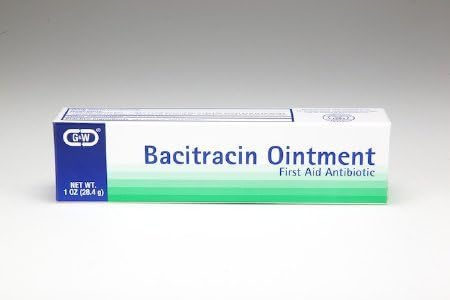
First Aid Bacitracin Antibiotic Ointment offers reliable topical prevention against infection for minor wounds in chickens. Best suited for anyone needing an easy-to-use, gentle ointment that promotes faster healing while reducing discomfort in sensitive skin.
Applying the ointment is simple due to its smooth texture that spreads easily without causing stinging or burning. Its gentle formula creates a protective barrier over wounds, calming irritated skin. The compact 1-ounce size fits neatly in a first-aid kit or pocket, making it convenient to carry around whenever quick treatment is needed.
Effectiveness in fighting a wide range of impurities helps wounds heal quicker while minimizing the risk of infection. Its soothing nature is often praised for reducing discomfort during recovery. Some find the small tube size a bit limiting for larger wounds or frequent use.
It performs well on minor injuries and is built to be easily portable and affordable.
The ointment consistently receives praise for calming irritated skin and preventing infection during wound healing. The most common drawback mentioned is that the 1-ounce size can run out quickly when treating larger or multiple wounds.
Those looking for a budget-friendly, portable antibiotic ointment for minor chicken wounds will appreciate its effectiveness and ease of use. Larger scale treatments or deep infections may require a different product with more volume or broader application options.
Pros
- Fights a broad range of impurities to prevent infection
- Gentle, soothing effect reduces skin irritation
- Spreads smoothly without stinging or burning
- Compact size for easy portability
Cons
- Small tube may not be ideal for large or frequent wounds
- Limited to topical use on minor wounds only
| Specification | Details |
|---|---|
| Brand Name | McKesson |
| Unit Count | 1 Ounce |
| Number of Items | 1 |
| Manufacturer | G&W |
| Model Number | 2129310 |
Best Antibiotics for Chicken Wounds Comparison Table
| Product | Item Weight | Manufacturer | Brand Name | Target Audience Keyword |
|---|---|---|---|---|
| Silver Chicken Spray | 4 ounces | SILVER GRADE | SILVER GRADE | Birds |
| Herbal Pet Antibiotics | – | – | – | – |
| Goodwinol Poultry Remedy | 2.4 ounces | Goodwinol Products Corp | Goodwinol | birds |
| Banocin Antibiotic Powder | – | – | – | – |
| Vetericyn Poultry Spray | 9.6 ounces | Vetericyn | Vetericyn | birds, dogs |
| Silver Chicken Wound Spray | 13.8 ounces | PetSilver | PetSilver | Birds |
| Hypochlorous Chicken Spray | 11.2 ounces | VivaElixir | VivaElixir | Birds |
| Manna Pro Hen Healer | 1.6 ounces | Manna Pro- Pets | Manna Pro | birds |
| Dr. Orchards Chicken Spray | 14.4 ounces | Dr. Orchard’s | Dr. Orchard’s | – |
| Chicken Wound ProGel | 7.4 ounces | FlexTran | Coop Care | – |
| Banocin Antibiotic Powder | – | – | – | – |
| Triple Antibiotic Powder | – | Safe-Tec | Safetec | – |
| Triple Antibiotic Ointment | 0.704 ounces | Zoll | – | – |
| Natureplex Antibiotic Ointment | – | Natureplex | Natureplex | – |
| Bacitracin First Aid Ointment | 1 Ounce | G&W | McKesson | – |
- Item Weight4 ounces
- ManufacturerSILVER GRADE
- Brand NameSILVER GRADE
- Target Audience KeywordBirds
- Item Weight–
- Manufacturer–
- Brand Name–
- Target Audience Keyword–
- Item Weight2.4 ounces
- ManufacturerGoodwinol Products Corp
- Brand NameGoodwinol
- Target Audience Keywordbirds
- Item Weight–
- Manufacturer–
- Brand Name–
- Target Audience Keyword–
- Item Weight9.6 ounces
- ManufacturerVetericyn
- Brand NameVetericyn
- Target Audience Keywordbirds, dogs
- Item Weight13.8 ounces
- ManufacturerPetSilver
- Brand NamePetSilver
- Target Audience KeywordBirds
- Item Weight11.2 ounces
- ManufacturerVivaElixir
- Brand NameVivaElixir
- Target Audience KeywordBirds
- Item Weight1.6 ounces
- ManufacturerManna Pro- Pets
- Brand NameManna Pro
- Target Audience Keywordbirds
- Item Weight14.4 ounces
- ManufacturerDr. Orchard’s
- Brand NameDr. Orchard’s
- Target Audience Keyword–
- Item Weight7.4 ounces
- ManufacturerFlexTran
- Brand NameCoop Care
- Target Audience Keyword–
- Item Weight–
- Manufacturer–
- Brand Name–
- Target Audience Keyword–
- Item Weight–
- ManufacturerSafe-Tec
- Brand NameSafetec
- Target Audience Keyword–
- Item Weight0.704 ounces
- ManufacturerZoll
- Brand Name–
- Target Audience Keyword–
- Item Weight–
- ManufacturerNatureplex
- Brand NameNatureplex
- Target Audience Keyword–
- Item Weight1 Ounce
- ManufacturerG&W
- Brand NameMcKesson
- Target Audience Keyword–
How to Choose the Best Antibiotic for Chicken Wounds
Choosing the right antibiotic for chicken wounds depends on factors like the type of infection, ease of application, and safety for the bird. Selecting an effective treatment helps prevent complications, reduces recovery time, and avoids unnecessary expenses from ineffective products.
Antibacterial Spectrum
Many poultry keepers struggle with infections that do not respond to common treatments. This often happens because the chosen product covers only a narrow bacteria range or targets strains with known resistance issues.
Effective care requires products that handle both gram-positive and gram-negative bacteria, which are common in chicken wounds. Ignoring this leads to prolonged infections and more aggressive interventions later. Products covering a broad spectrum reduce guesswork and improve healing times.
Standard antibiotics for wounds usually target species like Staphylococcus and E. coli. Avoiding those antibiotics with widespread resistance, such as older types frequently overused in agriculture, is crucial.
Checking product labels and consulting updated resistance reports can save effort and expense. Choosing formulations with proven efficacy against local bacterial profiles makes daily care less frustrating and keeps chickens healthier.
Application Method
Applying treatment can be a stressful moment for both chicken and caretaker. Using products available in spray, ointment, or powder form affects how easily and precisely the medication reaches the wound.
Sprays and powders typically reduce handling time, meaning less stress for the birds and less risk of contamination. Ointments allow for targeted application but require a steadier hold, which can be tricky with flapping poultry.
Spray formats also allow quick coverage of multiple wounds or hard-to-reach spots while minimizing mess. Powder forms dry quickly and often create a protective barrier, but may need reapplication after moisture exposure.
Choosing the right form depends on the bird’s temperament and wound location, which can improve treatment compliance and speed up recovery.
Safety and Withdrawal Period
Side effects from wound medications are not always obvious but can impact chicken health and productivity. Poor safety profiles carry risks like irritation or systemic reactions that may go unnoticed until damage has occurred.
Selecting treatments with documented minimal side effects is important to maintain the flock’s well-being and avoid extra veterinary visits.
Residues from antibiotics can linger in meat and eggs, posing concerns for food safety. Clear withdrawal periods, often indicated on packaging, inform when it is safe to consume or sell products from treated chickens.
Managing these timelines accurately reduces wasted product and prevents regulatory issues. Tracking withdrawal times in daily routines helps keep producers compliant without stress.
Formulation Stability
Many products lose effectiveness if stored improperly or kept past their shelf life. Some antibiotics break down quickly when exposed to heat, moisture, or direct sunlight.
This decreases their potency, which means wounds may not heal as expected despite proper application. A stable formulation will maintain consistent strength and require less frequent replacement.
Good storage conditions typically involve cool, dry places away from sunlight. Shelf lives vary from several months to a couple of years, depending on the product type. Checking expiration dates and following storage instructions directly affects how well treatments work during use.
Consistent potency avoids trial and error with seemingly ineffective options.
Costeffectiveness
Cost is a major factor in choosing wound treatments, especially for those managing multiple birds. Some products appear cheap but require larger doses or repeated applications, increasing overall expenses.
Others come in quantities too small to treat a whole flock effectively, causing delays and restocking hassles.
Consider dosing recommendations relative to flock size and treatment duration when evaluating price. Products that deliver effective results faster or reduce secondary infections often save money over time despite an initially higher price.
Balancing upfront cost with health benefits usually leads to better value and fewer complications down the line.
Proper Application Techniques for Antibiotics on Chicken Wounds
Cleaning the wound thoroughly before applying any antibiotic is essential to prevent infections. Use clean water and a mild antiseptic to remove dirt or debris, allowing the medication to work effectively.
Dry the area gently using a sterile cloth or gauze to avoid trapping moisture, which can promote bacterial growth.
Apply the antibiotic directly to the affected spot, covering the entire wound and a small margin around it. Use a dosage recommended on the product label or by a veterinarian. Avoid over-application; too much medication can cause irritation or slow healing.
- Wear disposable gloves to maintain hygiene and protect yourself from contamination.
- Repeat applications as often as instructed, usually daily or twice daily, until the wound shows clear signs of healing.
- Monitor the wound regularly for changes like swelling, odor, or discharge, which may indicate the need for veterinary attention.
Providing a clean, dry environment afterward reduces the risk of reinfection and supports recovery.
Natural Alternatives and Complementary Treatments for Chicken Wound Care
Some natural substances can support wound healing in chickens but should not replace antibiotics in serious cases. Aloe vera gel, known for its soothing properties, can be applied lightly to reduce inflammation and keep the wound moist.
Honey, especially raw or medical-grade types, offers antibacterial benefits and can create a protective barrier over wounds. It’s important to use only small amounts and ensure the chicken does not excessively peck at the wound, disturbing the dressing.
- Keep the chicken’s living area clean and dry to minimize exposure to bacteria.
- Adding vitamins like A, C, and E to their diet can support immune function and tissue repair.
- Apply herbal rinses made from chamomile or calendula to calm irritated skin.
Natural treatments work best as complementary measures alongside proper wound care and veterinary-recommended antibiotics, especially for deep or infected injuries.
People Also Asked
How Do I Apply Antibiotic Ointment to a Chicken Wound Safely?
Clean the wound thoroughly before applying antibiotic ointment to reduce infection risk. Use gloves to avoid contaminating the area and gently spread a thin layer of ointment over the wound. Avoid overapplication as it may attract dirt or cause irritation to the chicken’s skin.
Can Antibiotic Cream Cause Side Effects in Chickens?
Antibiotic creams can sometimes cause mild side effects like redness or swelling if the chicken is sensitive. Watch for worsening symptoms and discontinue use if irritation occurs. Consulting a vet beforehand can help avoid allergic reactions or misuse.
How Long Does Antibiotic Treatment for Chicken Wounds Usually Last?
Treatment usually lasts about 5 to 7 days but may vary based on wound severity and healing progress. Continue applying the antibiotic ointment daily until the wound looks healed and no discharge is present. Stopping too early can lead to infection returning.
Is This Antibiotic Safe for Use Around Chickens and Their Environment?
Common antibiotic ointments for poultry wounds are generally safe around chickens and their coops, but avoid applying large amounts near their feathers to prevent ingestion. Keep the treated area clean and monitor the chicken closely to ensure no adverse effects develop.
Will Antibiotic Ointment Fit Small Wounds on Bantam Chickens Properly?
Antibiotic ointment can be applied effectively to small wounds on bantam chickens because it spreads easily in thin layers. Applying just enough to cover the wound without excess helps prevent the ointment from getting on feathers, which can cause matting or attract dirt.
Conclusion
Choosing the right antibiotic for a chicken wound depends largely on how quickly it treats common infections, the ease of application, and safety for your birds. Pay attention to whether the product is suitable for the type of wound and matches the severity of the infection you expect to treat.
Think about your storage space and budget since some antibiotics come in larger quantities or require specific conditions. Consider how often you need to treat wounds in your flock before picking one.
Check back to the comparison table and product descriptions above to find the best fit for your needs and situation.