Are Birds Considered Pets When Renting – What Tenants Need To Know
Renting a home or apartment often comes with questions about what types of animals are allowed on the property. Birds are a unique case because they are small, low-maintenance, and typically housed in cages, but they still require care and attention. Understanding how landlords and property managers classify birds can help tenants navigate rental agreements smoothly.
He or she may wonder whether keeping a bird counts the same as having a dog, cat, or other conventional pet. Different landlords have varying policies regarding pets, and birds can sometimes fall into a gray area. Their size and containment often make them less intrusive, yet they are still living creatures that require responsibility and adherence to housing rules.
Considering birds in rental agreements involves examining noise, hygiene, and potential property damage. Tenants may need to clarify expectations about cage placement, cleaning, and the number of birds permitted.
Learning about these considerations ensures that bird owners maintain a positive relationship with landlords while providing a safe and healthy environment for their feathered companions. It also helps prospective tenants understand their rights and responsibilities regarding avian pets in rental properties.
Rental Policies Regarding Birds
Rental policies regarding birds vary widely among landlords, property managers, and housing complexes. Understanding these policies is essential for tenants who want to keep birds while complying with lease agreements. He or she must be aware of rules concerning pet classification, cage placement, noise, and potential damages to ensure a smooth rental experience. Clear communication with landlords helps prevent misunderstandings and supports responsible pet ownership.
Birds As Recognized Pets
Some rental agreements explicitly list birds as acceptable pets, while others do not mention them at all. He or she may encounter policies that treat birds differently from dogs or cats due to their small size and limited interaction with common areas. In many cases, birds are allowed as long as they remain caged, are quiet, and do not pose a risk to property or neighbors.
Landlords may require tenants to disclose the type and number of birds before moving in. Some complexes impose restrictions on exotic species, large birds, or multiple birds to limit noise and potential damage. Understanding whether birds are officially recognized as pets in the lease helps tenants avoid penalties and ensures compliance with rental rules. Clear disclosure and adherence to guidelines foster positive relationships between tenants and property managers.
Deposit And Additional Fees
Many landlords include clauses regarding security deposits or additional pet fees when tenants keep birds. He or she may be required to pay a non-refundable fee or increased deposit to cover potential damages caused by cage equipment, bird droppings, or chewing. Fees can vary depending on the number and species of birds.
Tenants should clarify whether these fees apply specifically to birds and how they will be assessed. Maintaining cleanliness and minimizing property impact can reduce concerns and help recover deposits fully at the end of the lease. Understanding financial obligations related to keeping birds ensures that tenants are prepared for any extra costs associated with avian pets.
Noise And Nuisance Considerations
Birds can produce noise that some landlords consider a disturbance. He or she must be mindful of squawking, chirping, or calling, especially in apartments with shared walls or close neighbors. Excessive noise may lead to complaints and possible lease violations if not managed properly.
Tenants can mitigate noise concerns by placing cages in low-traffic areas, using cover sheets during rest periods, and providing enrichment to reduce stress-related vocalizations. Communicating with landlords about the bird’s behavior and taking proactive measures demonstrates responsible ownership and helps maintain a harmonious living environment. Awareness of noise policies is crucial for long-term tenancy and positive neighbor relations.
Restrictions On Bird Types And Numbers
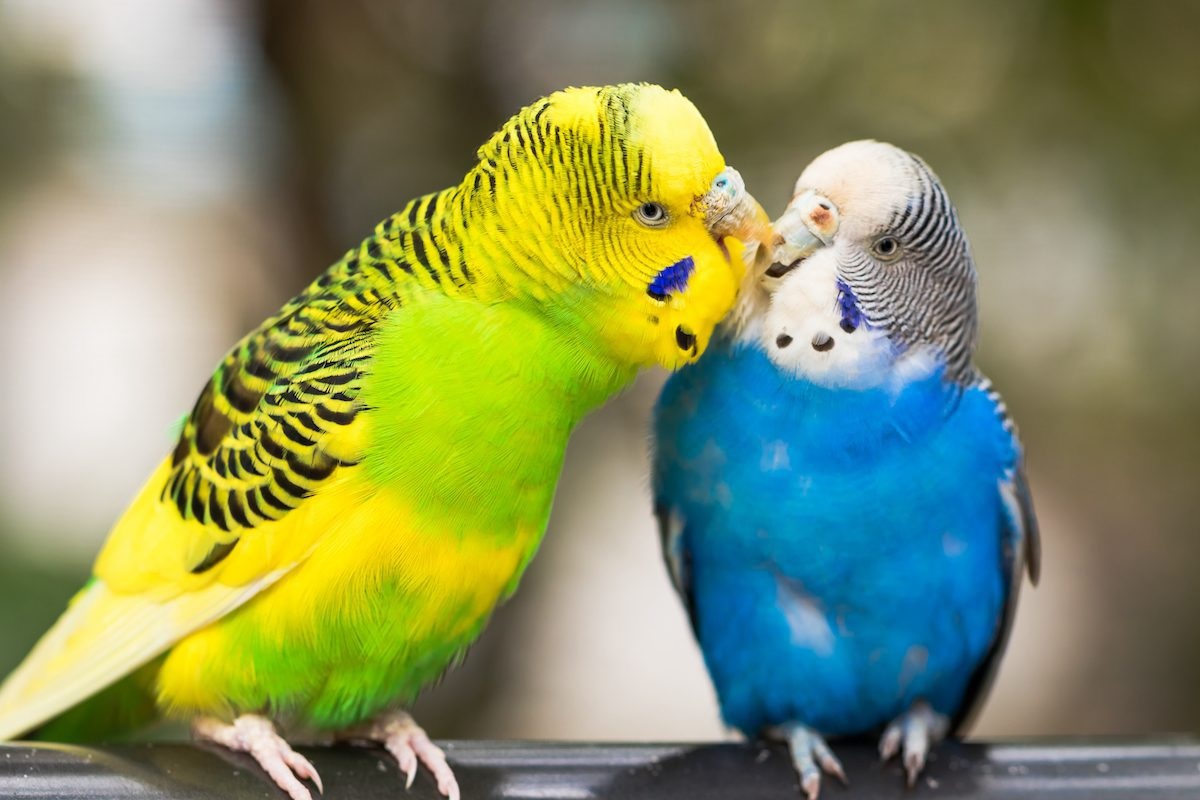
Rental agreements may impose restrictions on certain types or numbers of birds. He or she may encounter limits on large parrots, exotic species, or multiple birds that could create hygiene, noise, or safety concerns. Smaller species like finches or budgies are often more acceptable due to their minimal footprint and manageable care requirements.
Understanding these limitations ensures tenants comply with lease terms and avoid conflicts. Keeping birds within permitted guidelines, maintaining clean cages, and monitoring behavior can satisfy landlord concerns while allowing tenants to enjoy the companionship of their feathered friends. Being informed about species and quantity restrictions is essential for responsible bird ownership in rental housing.
Disclosure And Documentation
Proper disclosure is key to avoiding lease violations. He or she should inform landlords about the presence, species, and number of birds before signing a rental agreement. Providing documentation such as vaccination records, cage specifications, and care plans can help landlords feel confident about allowing birds in their property.
Transparent communication demonstrates responsibility and can prevent misunderstandings or future disputes. Maintaining open dialogue also provides an opportunity to negotiate terms, such as additional deposits or restrictions, that accommodate both tenant and landlord needs. Clear disclosure and proper documentation are critical for keeping birds legally and safely in rental housing.
Legal Considerations For Keeping Birds In Rentals
Keeping birds in rental properties involves more than just following landlord policies; there are legal considerations that tenants must understand. He or she must balance pet ownership with lease agreements, local laws, and housing regulations. Understanding legal aspects helps prevent disputes, ensures responsible bird ownership, and maintains a positive relationship with landlords and neighbors.
Lease Agreements And Pet Clauses
Lease agreements often outline specific rules regarding pets, and birds may or may not be explicitly mentioned. He or she should carefully review the lease for clauses about pets, animal restrictions, or additional fees. Some leases categorize birds as pets, while others only list dogs and cats, leaving birds in a gray area.
Disclosing the presence of birds before signing the lease is legally important, as failure to do so may constitute a breach of contract. Clear documentation, including species, number, and cage size, can help landlords approve bird ownership while protecting tenants from potential lease violations. Understanding pet clauses ensures compliance and prevents disputes.
Local And State Regulations
Certain local or state laws may govern the ownership of specific bird species, particularly exotic or protected birds. He or she must verify that the species kept are legal in the area and do not require permits or special documentation.
Violation of these regulations can result in fines, confiscation of birds, or legal action. Tenants should research wildlife laws, including bans on endangered species, and ensure compliance with municipal noise ordinances that could apply to loud bird species. Being informed about legal restrictions safeguards both the tenant and the birds.
Health And Safety Requirements
Legal considerations may include health and safety standards for keeping birds. He or she may be required to maintain clean cages, provide adequate ventilation, and prevent odors or infestations that could affect neighbors or property.
Some municipalities mandate vaccination or disease prevention for certain birds to protect public health. Following these requirements not only ensures compliance but also demonstrates responsible bird ownership. Adhering to health and safety standards minimizes risk of disputes, ensures humane treatment, and maintains a safe living environment for all tenants.
Insurance And Liability
Tenants should consider insurance implications of keeping birds in rentals. He or she may need to verify whether renters’ insurance covers damage caused by pets, including birds, or whether additional coverage is required.
Damage from bird cages, droppings, or chewing can potentially be classified as property damage. Being proactive about liability coverage protects tenants financially and legally. Clear communication with landlords regarding potential risks and insurance requirements can prevent conflicts and ensure that bird ownership remains within legal and contractual boundaries.
Handling Disputes And Documentation
Proper documentation is essential for resolving any disputes that may arise regarding bird ownership. He or she should maintain records of correspondence with landlords, care instructions, and legal permits if applicable.
Keeping clear evidence of compliance with lease terms, local laws, and safety standards can prevent misunderstandings and protect tenants’ rights. Proactive documentation and communication demonstrate responsibility and legal awareness, fostering trust and minimizing the likelihood of conflicts regarding keeping birds in rental properties.
Benefits Of Declaring Birds As Pets
Declaring birds as pets in rental properties offers numerous advantages for both tenants and landlords. Transparency in pet ownership ensures legal compliance, fosters trust, and allows tenants to provide proper care while enjoying the companionship of their birds. He or she benefits from reduced risk of lease violations and creates a safe and stable environment for feathered companions.
Legal Protection And Lease Compliance
One major benefit of declaring birds as pets is legal protection and adherence to lease agreements. He or she avoids potential conflicts or penalties by notifying landlords about bird ownership, ensuring compliance with lease clauses regarding animals. Failure to declare birds can lead to lease violations, eviction notices, or fines, even for small, caged birds that are often less intrusive than dogs or cats.
By openly declaring birds, tenants establish a formal understanding with landlords, which can include agreements on cage placement, maintenance responsibilities, and limits on the number or type of birds. Documentation of disclosure protects tenants’ rights and ensures that bird ownership is legally recognized, reducing stress and allowing tenants to care for their pets without fear of legal repercussions. Clear communication also sets expectations and creates a framework for resolving issues if they arise, promoting a positive landlord-tenant relationship.
Access To Support And Resources
Declaring birds as pets can provide access to specialized support and resources. He or she benefits from landlord guidance on safe areas for cages, noise management, and maintenance routines. Some landlords may offer suggestions or approve modifications to support bird care, such as protective floor coverings or wall placements to minimize damage.
Access to resources can also include permission to use outdoor spaces safely, designated feeding areas, or opportunities to participate in bird-related community activities. When birds are officially recognized, tenants may feel more confident in providing enrichment, proper nutrition, and veterinary care, knowing that their pet ownership aligns with property rules. This proactive approach enhances the well-being of both birds and tenants, creating a harmonious living environment.
Enhanced Responsibility And Care
Declaring birds as pets encourages tenants to take responsibility for their care. He or she is more likely to maintain clean cages, monitor bird health, and prevent damage to the rental property when ownership is officially recognized. Responsibility extends to observing noise levels, preventing escape, and ensuring the safety of both the birds and other tenants.
Acknowledging birds as pets reinforces the idea that they require ongoing attention, proper nutrition, and enrichment. Tenants may also be more motivated to track vaccination records or medical needs, improving overall bird health. Declared pet status fosters consistent routines and accountability, ensuring that birds receive high-quality care while maintaining harmony with property management and neighbors.
Building Trust With Landlords
Transparency in declaring birds strengthens trust between tenants and landlords. He or she demonstrates honesty and reliability, showing that pet ownership is managed responsibly. Landlords are more likely to approve future pet requests or consider reasonable accommodations when tenants proactively communicate about their birds.
Building trust can reduce restrictions and increase flexibility, such as allowing multiple birds or minor modifications for cage placement. Positive relationships between tenants and landlords lead to a more stable rental experience and reduce the likelihood of disputes or complaints. Open communication ensures mutual understanding, reinforces compliance with property rules, and supports a supportive environment for both tenants and their feathered companions.
Promoting a Safe Environment For Birds
Officially declaring birds as pets promotes a safer living environment. He or she ensures that cages are properly placed, hazards are minimized, and other tenants are aware of bird presence. Recognition as pets allows for better planning regarding ventilation, lighting, and cleaning schedules.
A safe environment reduces stress for birds, supports healthy behavior, and prevents accidents. Declaring birds also signals to landlords and neighbors that care and attention are being taken seriously, creating a community where both humans and birds can thrive. The transparency associated with declaring birds ultimately benefits the well-being of the animals while ensuring that tenants comply with rental policies and legal obligations.
Potential Challenges Of Keeping Birds While Renting
Keeping birds in rental properties can be rewarding, but it also comes with unique challenges. He or she must carefully balance bird care with lease agreements, property limitations, and social considerations. Understanding potential obstacles helps tenants plan effectively, avoid conflicts, and ensure the well-being of their feathered companions while maintaining a positive relationship with landlords and neighbors. Awareness of these challenges allows tenants to enjoy bird ownership responsibly, even within the constraints of rental housing.
Lease Restrictions And Pet Policies
Navigating lease restrictions and pet policies is one of the primary challenges of keeping birds in rental properties. He or she may encounter agreements that do not list birds as acceptable pets, or that impose strict limits on the type, size, or number of birds allowed. Some landlords require additional deposits, non-refundable fees, or explicit written approval before birds can be housed, which can complicate tenancy.
Failure to comply with lease policies can lead to serious consequences, including warnings, fines, or even eviction. Tenants must review leases thoroughly and communicate openly with landlords regarding bird ownership.
Providing detailed information about the species, number of birds, and their care routine can reassure landlords and prevent misunderstandings. By understanding lease clauses, obtaining written permissions, and documenting agreements, tenants can maintain compliance, foster positive landlord-tenant relationships, and ensure that their birds can live safely and legally in rental housing without risk of conflict.
Noise, Hygiene, And Space Challenges
Noise, hygiene, and limited space present additional difficulties for bird owners in rentals. He or she may face complaints from neighbors due to chirping, squawking, or calling, particularly in multi-unit housing with shared walls. Birds also produce droppings, feathers, and cage debris that require regular cleaning to prevent property damage and maintain sanitary conditions.
Tenants must manage these challenges through strategic cage placement, daily cleaning routines, and providing enrichment to reduce stress-induced noise. Space constraints may limit cage size, flight opportunities, or access to sunlight, requiring creative solutions such as vertical setups, wall-mounted perches, and interactive toys. Maintaining hygiene, managing noise, and optimizing space are essential for bird health and for preventing disputes with landlords or neighbors.
Legal And Social Considerations
Bird ownership in rentals can involve social and legal complications. He or she may encounter neighbors with allergies, fear of birds, or objections to pets. Additionally, local laws or housing regulations may restrict certain species or require permits for exotic or protected birds.
Tenants must communicate openly with landlords, understand local regulations, and obtain any necessary documentation to ensure compliance. Ignoring these factors can result in fines, disputes, or removal of birds. Addressing social and legal challenges proactively demonstrates responsible ownership, ensuring both the safety of the birds and a harmonious living environment for tenants and neighbors.
FAQs
Are Birds Considered Pets In Rental Properties?
Yes, birds are often considered pets in rental properties. He or she must understand that landlords may classify them similarly to dogs or cats, even though they are smaller and usually caged. Recognizing birds as pets ensures that tenants follow lease agreements and disclose their presence before moving in.
Landlords may have specific rules regarding the type, number, or size of birds allowed. Proper disclosure prevents lease violations, fines, or potential eviction. By treating birds as pets, tenants can legally keep them, provide proper care, and maintain a positive relationship with property managers.
Do I Need To Inform My Landlord About Keeping Birds?
Yes, informing your landlord about keeping birds is essential. He or she should disclose the species, number, and cage size to ensure compliance with the lease agreement. Full transparency helps avoid misunderstandings and potential disputes regarding pets.
Landlords may require written approval, additional deposits, or specific cage placement to minimize property damage and noise. Proper communication demonstrates responsible ownership and protects your rights as a tenant. By notifying your landlord, you create a formal agreement that legally allows you to keep birds while renting and ensures your feathered companions are accommodated safely.
Are There Restrictions On The Number Or Type Of Birds?
Many rental agreements impose restrictions on the number or type of birds allowed. He or she may encounter limits based on size, species, or potential noise levels. Smaller birds like finches and budgies are often more acceptable than large parrots.
Understanding these restrictions ensures compliance and prevents conflicts with landlords or neighbors. Providing proper cage care, maintaining hygiene, and following property rules demonstrate responsible pet ownership. Awareness of limits on bird numbers and species helps tenants make informed decisions, ensuring their birds are allowed under the lease while minimizing potential disturbances in the rental property.
Can Birds Be Considered Exotic Pets In Rentals?
Some birds may be classified as exotic pets depending on their species. He or she must check local laws and rental policies, as exotic birds often require permits or special documentation. Larger parrots or rare species may also have stricter restrictions due to noise, care needs, and safety concerns.
Tenants should communicate with landlords and provide necessary permits or records to ensure legal compliance. Recognizing exotic birds’ special requirements helps prevent lease violations and legal issues. Proper planning allows tenants to responsibly enjoy keeping these birds while respecting both property rules and regulatory requirements.
Do Declaring Birds Affect Security Deposits Or Fees?
Yes, declaring birds can affect security deposits or pet-related fees. He or she may be required to pay an additional deposit or non-refundable fee to cover potential property damage from cages, droppings, or chewing.
Being transparent about bird ownership ensures that tenants are financially prepared and that landlords are aware of potential risks. Maintaining clean cages, monitoring noise, and preventing damage increases the likelihood of deposit return. Understanding the financial implications of keeping birds allows tenants to plan responsibly and comply with lease requirements while enjoying pet ownership.
How Do Lease Agreements Typically Treat Birds Compared To Other Pets?
Lease agreements often treat birds differently from dogs or cats due to their smaller size, confined living spaces, and lower risk of property damage. He or she may find that some leases explicitly list birds as acceptable pets, while others categorize them as “small animals” with specific rules.
Understanding the lease classification helps tenants follow regulations, avoid fines, and gain landlord approval. Proper disclosure, cage placement, and adherence to any limitations on species or quantity ensure compliance. Treating birds according to lease terms protects both the tenant’s legal standing and the well-being of the birds while renting.
Final Thoughts
Keeping birds in a rental property requires careful attention to both lease agreements and landlord policies. Birds, while often small and low-maintenance compared to other pets, can still pose concerns related to noise, odor, or property damage. Understanding the rules in your lease and communicating openly with your landlord ensures a smooth living arrangement and avoids potential conflicts.
Many tenants wonder are birds considered pets when renting, and the answer often depends on the specific wording of the rental agreement. Some landlords include birds under the general “pet” category, while others may have separate clauses for caged or exotic birds. Seeking permission in writing and clarifying any pet-related deposits or restrictions helps protect both you and your landlord.
Knowing are birds considered pets when renting also highlights the importance of responsible ownership. Maintaining clean cages, minimizing disturbances, and respecting property guidelines allows bird owners to enjoy their feathered companions while complying with rental policies, creating a harmonious environment for everyone involved.