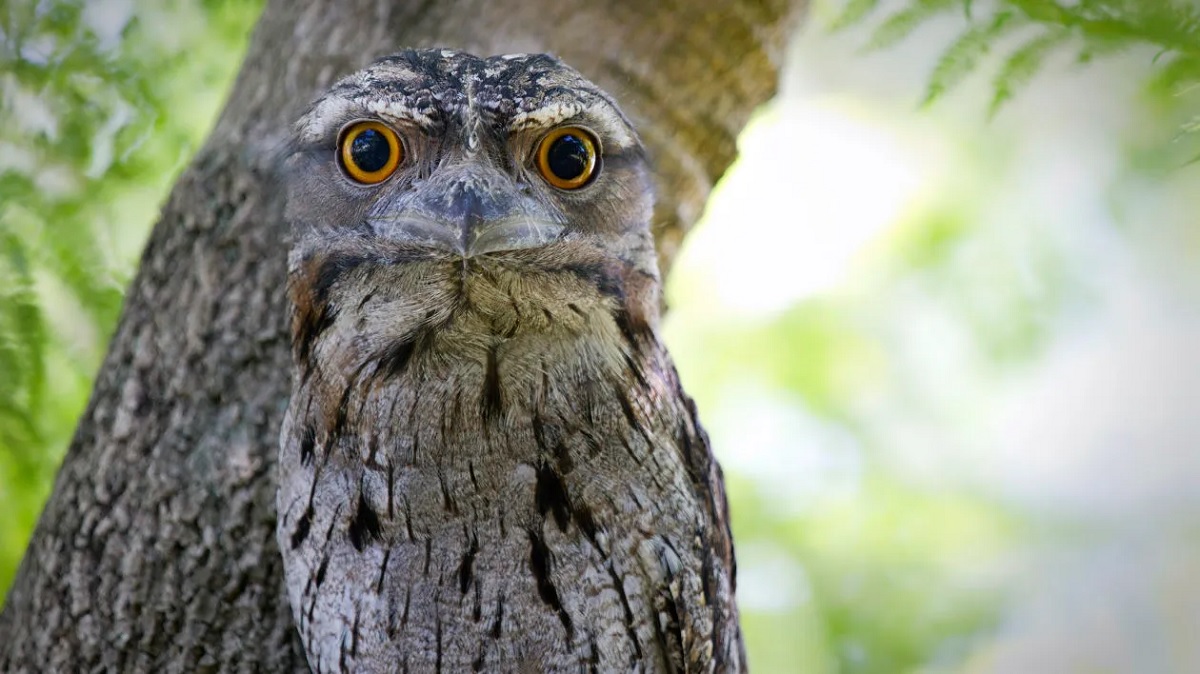
What Bird Can’t Move Its Eyeballs: Fascinating Facts About Avian Vision
Birds are known for their keen eyesight, which helps them hunt, navigate, and avoid predators. Their visual abilities are often more advanced than those of humans, allowing them to detect subtle movements and judge distances with remarkable precision. Some birds, however, have a unique anatomical feature that limits their eye movement, relying instead on other adaptations to see their surroundings effectively.
What bird cant move its eyeballs is a question that intrigues both bird enthusiasts and scientists. Unlike humans, whose eyes can move within their sockets, certain bird species have rigid eye structures. These birds compensate by moving their heads extensively to adjust their field of view, demonstrating a fascinating adaptation to their lifestyle and environment.
This limitation does not hinder their survival; in fact, it often enhances their ability to focus on prey or scan for danger. Studying these birds provides insight into evolutionary adaptations and the diversity of avian vision.
Understanding the mechanics behind immobile eyes helps explain why some birds exhibit constant head movements and how they have evolved to thrive despite this unique physical trait.
The Unique Anatomy of Birds’ Eyes
Birds’ eyes are marvels of evolution, designed to provide exceptional vision for survival. Their anatomy differs significantly from mammals, allowing for enhanced depth perception, color detection, and spatial awareness. Understanding these structural adaptations provides insight into why certain birds, such as those that cannot move their eyeballs, rely on head movements to compensate.
Eye Structure and Position
The structure and positioning of a bird’s eyes play a critical role in its visual capabilities. Many birds have large, forward-facing eyes, providing binocular vision essential for precise depth perception, while others have side-placed eyes for a broader field of view. Unlike mammals, a bird’s eyeball often fills much of the eye socket, leaving little room for movement.
This rigid positioning is particularly notable in species like owls, whose large, tubular eyes are fixed in place. These birds must rotate their heads extensively to scan their surroundings. Despite the inability to move their eyes, the anatomical design maximizes visual acuity, allowing for effective hunting, navigation, and predator avoidance.
Retina and Visual Acuity
Birds possess highly specialized retinas that contribute to their exceptional vision. The retina contains a dense concentration of photoreceptor cells, including cones responsible for color perception. Some birds even have four types of cones, allowing them to perceive ultraviolet light, which is invisible to humans.
The high density of photoreceptors enhances visual acuity, enabling birds to detect subtle movements from great distances. In species with immobile eyes, such as owls, the retina’s structure compensates for limited eyeball mobility. Combined with head movements, this adaptation allows these birds to maintain a wide field of vision while focusing sharply on prey or other objects.
Scleral Rings and Eye Rigidity
Another key adaptation is the presence of scleral rings, bony structures that support the eyeball and maintain its shape. These rings provide rigidity, preventing deformation and allowing for precise light focus on the retina. While this structure enhances visual clarity, it also limits the range of eyeball movement.
Species with tubular eyes, like owls and certain diurnal raptors, rely heavily on this adaptation. The combination of fixed eyes and rigid scleral support ensures that images remain sharp and stable, even during rapid head movements. This anatomical trade-off highlights the evolutionary balance between visual acuity and mobility in birds.
Head Movements and Compensatory Behavior
Because some birds cannot move their eyes, head mobility becomes crucial. Species like owls can rotate their heads up to 270 degrees, allowing them to scan their environment thoroughly without moving their bodies. This compensatory behavior provides the flexibility needed for hunting, predator detection, and navigation.
Head movement also enables birds to maintain binocular vision while observing multiple directions. By combining immobile eyes with flexible necks, these birds achieve a broad field of vision while retaining the sharp focus necessary for survival. Understanding this interplay between anatomy and behavior illustrates the sophistication of avian visual adaptations.
Evolutionary Advantages
The unique eye anatomy in birds represents a remarkable evolutionary solution. Fixed, tubular eyes provide high-resolution vision while reducing vulnerability to injury during hunting or flight. Head mobility ensures that these birds can still respond dynamically to environmental cues, maintaining safety and efficiency.
Studying these adaptations sheds light on the evolutionary pressures that shaped avian vision. From predation to navigation, the combination of immobile eyes and compensatory behaviors demonstrates how birds have evolved to optimize survival in diverse habitats. The interplay of structure and behavior highlights the intricate balance achieved by natural selection in avian species.
Birds That Cannot Move Their Eyeballs
Some bird species possess a fascinating adaptation: immobile eyeballs. Unlike humans, whose eyes can move within their sockets, these birds rely entirely on head movements to scan their environment. This unique adaptation allows for remarkable visual precision, even with limited ocular mobility, and highlights the intricate evolutionary strategies birds have developed to survive in their habitats.
Owls: Masters of Fixed Eyes
Owls are perhaps the most well-known birds with immobile eyes. Their large, tubular eyes are fixed within their skulls, providing exceptional binocular vision and depth perception essential for nocturnal hunting. The rigidity of their eyes is supported by strong scleral rings, which prevent deformation and maintain precise focus on prey.
Because their eyes cannot move, owls compensate by rotating their heads up to 270 degrees. This extreme head mobility allows them to scan the environment completely while remaining nearly stationary, minimizing noise and movement that could alert prey. The combination of fixed eyes and highly flexible necks makes owls unparalleled hunters at night, demonstrating an evolutionary trade-off between eye movement and visual acuity.
Diurnal Raptors: Eagles and Hawks
Several diurnal raptors, including eagles and hawks, also have limited eyeball mobility. These birds rely on keen vision to spot prey from great distances, and their fixed eyes provide high-resolution images with minimal distortion. Tubular eyes and large retinas ensure that visual details remain sharp, even during flight or when focusing on fast-moving targets.
Raptors compensate for immobile eyes through precise head movements and body positioning. By tilting and rotating their heads, they maintain binocular vision and track prey effectively. This adaptation enhances their hunting efficiency, allowing them to detect subtle movements from hundreds of meters away. The inability to move their eyes does not hinder these birds; instead, it enables superior focus and accuracy in predation.
Hummingbirds and Other Specialized Birds
Interestingly, some small birds, like hummingbirds, also exhibit limited eye mobility, though less extreme than owls or raptors. Hummingbirds require stable vision while hovering and feeding on nectar, and immobile eyes help reduce visual blur during rapid wing movement. Their head movements and body orientation become crucial for scanning flowers and avoiding predators.
Other specialized birds, such as certain seabirds, rely on similar adaptations. Fixed eyes allow for sharper focus on distant prey or navigational landmarks over open water. These birds coordinate subtle head adjustments with precise flight patterns to maintain a wide field of view despite ocular immobility, demonstrating a shared evolutionary strategy across different habitats and feeding behaviors.
Adaptations for Survival
Birds with immobile eyes have developed compensatory adaptations that optimize survival. Neck flexibility, body positioning, and behavioral strategies such as scanning from perches or hovering enable them to overcome the limitations of fixed eyes. These adaptations ensure that prey detection, predator avoidance, and navigation remain highly effective.
For nocturnal hunters like owls, immobile eyes enhance binocular vision, improving depth perception in low light. For diurnal raptors, sharp, fixed vision allows spotting distant prey with incredible clarity. In smaller birds, precise coordination of head and body movement maintains visual stability during fast or complex maneuvers. Across species, these strategies illustrate the evolutionary balance between ocular rigidity and behavioral compensation.
Ecological and Evolutionary Implications
The presence of immobile eyes in various bird species highlights the diverse evolutionary pressures shaping avian vision. Predation, hunting efficiency, and environmental navigation have driven adaptations that prioritize visual acuity over ocular mobility. By restricting eye movement, these birds achieve sharper focus, increased depth perception, and enhanced prey detection.
Head mobility and behavioral adjustments serve as a natural solution to the challenges of fixed eyes, demonstrating the intricate link between anatomy and survival strategy. Studying these birds provides insight into how physical limitations can drive complex behavioral adaptations and shape species evolution. Understanding which birds cannot move their eyeballs allows researchers to appreciate the sophisticated trade-offs that have evolved in avian vision.
Behavioral Observations
Observing birds with immobile eyes reveals characteristic head movements, such as tilting, rotating, or jerking, which compensate for limited ocular motion. Owls, for example, frequently pivot their heads while perched, scanning their surroundings without moving their bodies. Raptors often tilt and angle their heads during flight to maintain focus on prey while minimizing motion blur.
These behavioral patterns are crucial for survival. Birds without movable eyes rely on these strategies to maintain situational awareness, track fast-moving prey, and detect potential threats. By understanding these observable behaviors, birdwatchers and researchers can gain insight into the functional adaptations that enable these species to thrive despite the physical limitation of immobile eyes.
Importance of Fixed-Eye Adaptations
The evolutionary decision for certain birds to develop fixed eyes reflects a trade-off between stability and flexibility. Immobile eyes reduce the risk of distortion and improve image clarity, critical for hunting, navigating, and survival. Coupled with highly flexible necks and specialized behaviors, this adaptation represents a successful evolutionary strategy.
Across habitats—from dense forests to open skies—birds with fixed eyes have optimized their vision for specific ecological niches. Their survival demonstrates that what may seem like a limitation is actually a carefully balanced adaptation, allowing these birds to maintain exceptional visual performance while thriving in diverse environments.
How Birds Compensate For Immobile Eyeballs
Birds with immobile eyeballs face unique challenges in scanning their environment, tracking prey, and avoiding predators. To overcome these limitations, they have developed remarkable behavioral and anatomical adaptations. Head mobility, body positioning, and specialized vision work together to ensure that birds maintain a wide field of view and precise focus, despite their fixed eyes.
Head Rotation and Neck Flexibility
The most obvious compensation is extreme head mobility. Birds like owls can rotate their heads up to 270 degrees, allowing them to observe their surroundings without moving their bodies. This ability is made possible by an unusually flexible neck structure, including extra cervical vertebrae and specialized blood vessels that prevent injury during rotation.
Head rotation enables birds to track prey, monitor for predators, and navigate complex environments effectively. Instead of relying on eye movement, these birds pivot their heads to align their fixed eyes with objects of interest. This adaptation is particularly crucial for nocturnal hunters, whose fixed, tubular eyes provide sharp vision but require constant head adjustment to scan wide areas.
Body Positioning and Posture
In addition to head movement, birds adjust their body posture to compensate for immobile eyes. Raptors, for example, tilt and angle their bodies during flight to maintain binocular vision and track distant prey. Similarly, owls shift perches or slightly lean to enhance their line of sight.
These adjustments allow birds to maintain stable focus while observing multiple angles, compensating for the inability to move their eyes independently. Coordinating head and body movements ensures that their field of view is maximized and that visual information remains precise. Over time, these behavioral strategies become instinctive, allowing birds to react quickly to threats or opportunities.
Visual Acuity and Specialized Retinas
Birds with fixed eyes often possess retinas adapted for high-resolution vision. Tubular or elongated eyes increase the density of photoreceptors, enhancing visual clarity and depth perception. Some birds, like raptors, have foveae that provide concentrated zones of sharp vision, enabling them to detect small prey from great distances.
Even with immobile eyes, this retinal specialization allows birds to maintain accurate focus. By moving their heads to align these high-acuity regions with their target, birds achieve detailed observation without relying on ocular movement. This combination of structural and behavioral adaptations ensures that immobile eyes do not hinder survival or hunting efficiency.
Behavioral Scanning Patterns
Birds also develop specific scanning behaviors to cover their surroundings. Owls, for instance, frequently pivot their heads back and forth while perched, performing systematic sweeps to detect movement. Hawks and eagles may rock or tilt their heads during flight to compensate for the narrow field of tubular eyes.
These scanning patterns are instinctive and critical for survival. They allow birds to detect prey, spot predators, and maintain environmental awareness despite ocular immobility. By combining rotational head movements with precise postural adjustments, birds maintain a nearly complete field of vision, demonstrating a sophisticated solution to their anatomical limitation.
Integration of Multiple Adaptations
The combination of head rotation, body positioning, and retinal specialization represents a holistic adaptation to immobile eyes. Birds integrate these strategies seamlessly to maintain awareness, focus on prey, and navigate complex environments.
For nocturnal hunters, this integration enables precise nocturnal vision and predator avoidance, while diurnal raptors utilize similar strategies to track prey across open landscapes. Even small birds like hummingbirds use head and body adjustments to stabilize vision during rapid movements. Collectively, these compensatory adaptations illustrate how birds have evolved to thrive despite the physical constraint of immobile eyeballs.
Impact on Hunting and Survival
The immobility of some birds’ eyeballs has a profound influence on their hunting techniques and overall survival strategies. While it might seem like a limitation, birds have evolved remarkable adaptations that allow them to maintain sharp vision, detect prey, and avoid predators. Understanding how fixed eyes shape behavior and survival provides insight into the intricate balance between anatomy and ecological success.
Precision in Predation
Birds with immobile eyes, such as owls and raptors, rely heavily on precise head movements to track prey. The inability to move their eyes within the socket means they must rotate their heads or adjust body positioning to maintain visual contact. Owls, for instance, can rotate their heads up to 270 degrees, enabling them to scan wide areas while remaining almost invisible to prey.
This adaptation allows for exceptional precision in predation. The combination of tubular eyes, high retinal density, and head mobility provides accurate depth perception and visual acuity. Birds can detect subtle movements, judge distances, and strike with precision. Immobile eyes, therefore, do not hinder hunting efficiency; instead, they facilitate focused vision critical for successful predation, particularly in low-light or complex environments.
Adaptations for Nocturnal Hunting
Nocturnal birds like owls demonstrate how immobile eyes influence survival under specific ecological conditions. Fixed, tubular eyes increase the concentration of light on the retina, enhancing night vision. Head rotation compensates for the limited field of view, allowing them to detect prey quietly and effectively in darkness.
These adaptations reduce energy expenditure, as birds can remain perched while scanning their surroundings without moving their entire body. Stealth is enhanced, minimizing detection by prey. The integration of immobile eyes with other anatomical features, such as facial discs that direct sound, ensures that these birds excel at nocturnal hunting and maintain a critical niche in their ecosystems.
Hunting Strategies in Diurnal Birds
Diurnal birds of prey, such as eagles and hawks, also benefit from fixed eyes. Their tubular eyes provide high-resolution focus, allowing them to spot small prey from hundreds of meters above. To compensate for immobility, they tilt their heads and adjust flight angles, maintaining binocular vision while tracking moving targets.
This strategy enhances survival by increasing hunting efficiency and reducing wasted energy. Birds can make rapid decisions during flight, accurately targeting prey without extensive visual scanning. Even with fixed eyes, these raptors achieve remarkable accuracy, demonstrating that immobility is not a disadvantage but rather an adaptation optimized for their hunting style and environmental conditions.
Predator Awareness and Evasion
Immobile eyes also influence how birds detect and avoid predators. By relying on head movements and environmental scanning, birds maintain situational awareness while minimizing exposure. Owls, for example, can scan for threats without revealing their position, while diurnal raptors use elevated perches and head rotations to monitor potential dangers.
These strategies ensure survival beyond hunting. Fixed eyes paired with behavioral adaptations allow birds to balance predation with self-preservation. Awareness of surroundings, combined with rapid head and body adjustments, enables timely reactions to threats, maintaining both individual safety and reproductive success.
Evolutionary Advantages
The impact of immobile eyes on hunting and survival illustrates a broader evolutionary principle: structural constraints can drive behavioral innovation. Birds that cannot move their eyes have evolved compensatory adaptations that enhance visual accuracy, prey detection, and predator avoidance.
The combination of anatomical specialization and behavioral flexibility demonstrates that immobility is not a weakness but an evolved trait optimized for survival. By understanding how fixed eyes shape hunting strategies and survival mechanisms, we gain insight into the intricate relationship between anatomy, behavior, and ecological success in avian species.
FAQs
What Bird Can’t Move Its Eyeballs?
The bird most famously unable to move its eyeballs is the owl. Unlike humans, owl eyes are tubular rather than spherical, which restricts their movement within the sockets. This adaptation allows for large eyes that gather more light, enhancing night vision but sacrificing flexibility.
To compensate, owls have extremely flexible necks that can rotate up to 270 degrees. This remarkable rotation enables them to scan their surroundings fully without moving their bodies. Observing an owl in action shows how this unique adaptation makes them efficient nocturnal hunters.
Why Can’t Owls Move Their Eyeballs?
Owls’ eyes are fixed to provide greater visual clarity and light gathering for low-light hunting. The tubular shape allows for a larger retina and more photoreceptor cells, improving depth perception and night vision, but it prevents lateral or vertical eye movement.
Because their eyes cannot move independently, owls rely entirely on head rotation to survey their environment. This design prioritizes hunting efficiency over mobility, allowing them to spot prey at great distances and in near darkness while maintaining stealth.
How Do Birds Compensate For Immobile Eyeballs?
Birds with immobile eyes, like owls, compensate through exceptional neck flexibility. Owls can rotate their heads up to 270 degrees, enabling them to look in almost every direction without moving their bodies.
Additionally, their binocular vision and large eyes provide excellent depth perception, while peripheral vision helps detect predators. These adaptations allow them to navigate, hunt, and remain vigilant despite limited eyeball mobility, demonstrating a remarkable balance between structure and function.
Do Other Birds Besides Owls Have Fixed Eyeballs?
Yes, several birds of prey, such as eagles, hawks, and falcons, have limited eye movement. While not as extreme as owls, their eyes are relatively fixed to maintain visual precision during flight and hunting.
These birds rely on head movement and body positioning to track prey or scan their surroundings. Fixed eyes allow for sharper focus on distant objects and reduce distortions, which is crucial for predatory accuracy and survival in the wild.
How Does Fixed Eyeball Anatomy Help Birds Hunt?
Fixed eyeballs help predatory birds maintain stable focus on prey. The tubular eye structure enhances light intake, providing sharp vision and accurate depth perception even at long distances.
Owls and hawks can pinpoint small animals in dim light or from high perches without moving their heads rapidly. This anatomical feature, combined with neck rotation, allows them to approach prey silently and strike with precision, maximizing hunting success.
Are There Any Limitations To Not Being Able To Move Eyeballs?
Yes, immobile eyes limit direct eye tracking and require constant head movement to observe surroundings. This can make quick reactions more challenging if neck movement is restricted or injured.
Despite these limitations, adaptations like enhanced neck rotation, binocular vision, and wide peripheral vision compensate effectively. These birds have evolved to make immobile eyes an advantage rather than a hindrance, balancing limitations with extraordinary predatory skills.
Why Are Owls Symbolically Associated With Fixed Eyes?
Owls’ fixed, staring eyes give them a mysterious and wise appearance, leading to cultural symbolism as creatures of insight and knowledge. Their unwavering gaze contributes to their aura of intelligence and alertness.
You may notice their eyes always seem focused, reinforcing the perception of wisdom and vigilance. The inability to move their eyes independently has fascinated humans for centuries, inspiring myths, art, and storytelling that celebrate their extraordinary vision and hunting prowess.
Conclusion
Birds with immobile eyeballs showcase a fascinating evolutionary adaptation that balances anatomical constraints with behavioral ingenuity. These species, including owls and certain raptors, rely on extreme head mobility, body positioning, and specialized vision to navigate, hunt, and avoid predators effectively. The immobility of their eyes does not hinder survival; instead, it enhances precision and stability in their visual perception.
Understanding what bird cant move its eyeballs highlights the complex interplay between anatomy and behavior. Fixed eyes provide sharper focus, greater depth perception, and increased visual acuity, while compensatory head and body movements ensure that the bird maintains a wide field of view. Observing these adaptations reveals how birds overcome physical limitations to thrive in diverse ecological niches, from nocturnal hunting to high-altitude predation.
Studying this unique adaptation underscores the remarkable diversity of avian evolution. It demonstrates that what might appear as a limitation is, in fact, a sophisticated survival strategy, allowing these birds to excel in their environments while maintaining exceptional visual performance.