How to Keep Birds Out of My Carport: 7 Proven Tricks
Birds swooping into carports can turn a peaceful parking spot into a feathery nightmare, leaving droppings everywhere and creating constant messes to clean up. These unwanted visitors often seek shelter from rain or predators, nesting in the rafters and turning your space into their playground.
Dealing with this issue frustrates homeowners year after year, especially in areas with large populations of pigeons, sparrows, or starlings. The sticky residue from their waste not only looks unsightly but can also damage vehicles and property over time.
That’s why knowing how to keep birds out of my carport becomes essential for maintaining a clean, functional area. Simple, effective strategies exist to deter them humanely without harming local wildlife.
Materials You’ll Need
Stocking up on the right materials simplifies your efforts to keep birds away from your carport permanently. These items blend physical blocks, sensory deterrents, and basic tools, all affordable and accessible at home improvement stores or online retailers. Budget around $80-150 for a complete setup that lasts seasons without frequent replacements.
Physical Barriers
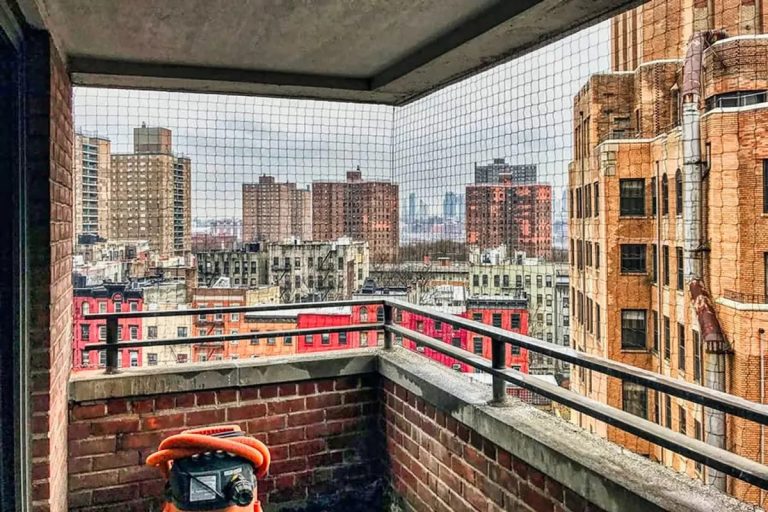
Netting forms the backbone of effective bird control, draping over your carport like an invisible roof to block entry completely. Select heavy-duty polyethylene bird netting with 3/4-inch mesh, UV-resistant to handle sun exposure without degrading. A 30×50-foot roll suits most single-car spaces, lightweight at under 5 pounds yet tough against pecking or wind gusts.
Installation relies on zip ties, paracord, or stainless steel clips fastened to rafters and posts every 12 inches. Tension it evenly to avoid sagging pockets where birds might squeeze through, and overlap seams by 6 inches for seamless coverage. This setup permits airflow and daylight while denying nesting spots.
Pair it with stainless steel bird spikes, 4-inch prongs that install on beams and ledges via screws or strong adhesive. Position them densely along horizontal surfaces where pigeons perch, spacing bases 1-2 inches apart. These humane spikes make landing impossible without injury.
For edges, add bird slope guards—angled plastic strips that redirect birds away from eaves. Clean surfaces thoroughly before mounting to ensure longevity through rain and temperature swings.
Visual and Motion Deterrents
Reflective materials exploit birds’ fear of flashing lights and sudden movements. Iridescent Mylar tape, cut into 3-foot lengths, dangles from strings or hooks, shimmering brilliantly in breezes to simulate danger. Buy 300 feet to crisscross the space densely, tying knots loosely for maximum flutter.
Inflatable or decoy predator balloons shaped like owls or hawks float strategically, tethered with monofilament line to sway unpredictably. Place 5-8 units spaced evenly, inflating to 18 inches for visibility from all angles.
Motion-activated spinners or pinwheels amplify the chaos, mounting on poles or rafters with swivel bases that rotate 360 degrees in wind. Opt for colorful, multi-bladed models covering 20-30 feet radius each.
Ultrasonic devices emit pulses birds hate, with models featuring timers and stakes for ground placement. Solar-powered units recharge automatically, activating only when motion triggers them for energy efficiency.
Natural Repellents and Installation Tools
Peppermint-based sprays and gels offer chemical-free repulsion through strong scents and sticky textures. Blend 20 drops of essential peppermint oil, a quart of water, and a teaspoon of castile soap in a pump sprayer; coat beams weekly to deter sparrows and finches drawn to sheltered spots.
Transparent bird gel, applied with a caulk gun, creates a non-drying tacky layer on narrow ledges—birds avoid the uncomfortable footing. One tube covers 30 linear feet, remaining effective for months despite weather.
Gather tools like an 8-12 foot fiberglass ladder for safe overhead work, nitrile gloves to protect hands from irritants, and a 25-foot tape measure for accurate sizing. Heavy-duty tin snips cut netting cleanly, while silicone sealant fills tiny gaps around posts.
Quick Physical Barriers
Setting up physical barriers offers the fastest way to block birds from your carport, delivering immediate results in under an hour. These simple installations create solid defenses using everyday hardware store finds, stopping pigeons and sparrows dead in their tracks without chemicals or electronics.
Bird Netting Installation
Drape UV-resistant bird netting across the entire carport ceiling for instant exclusion, sealing off rafters where nests form. Pick 3/4-inch mesh polyethylene sheets, 50 feet long by 30 feet wide, that resist tearing from wind or claws. Unroll it flat on the ground first, then hoist with a helper using poles or ladders to center it perfectly.
Attach along all edges with black zip ties every 8-10 inches, threading through rafter holes and pulling tight to eliminate gaps. For sagging centers, run support lines of paracord crisscrossed from corner to corner, cinching knots firmly. Overlap side seams by 12 inches and secure with hog rings crimped by pliers, forming an airtight bird-proof dome.
Trim excess with sharp utility scissors, leaving 6-inch overhangs that tuck under eaves. This method allows rain to pass through while blocking 100% of access, and birds quickly abandon the area after failed entry attempts. Rain or shine, it holds strong for 3-5 years with zero maintenance beyond occasional dust brushing.
Test effectiveness by sprinkling birdseed nearby—if none gather overhead within days, you’ve nailed it.
Bird Spikes and Slopes
Mount stainless steel bird spikes on every horizontal ledge to shatter perching dreams, installing in minutes with peel-and-stick bases. Buy 10-foot strips with 4-inch prongs spaced 2 inches apart, cutting to fit beams using tin snips. Clean surfaces with alcohol wipes, then press adhesive pads firmly for 24-hour cure time before full exposure.
Screw permanent versions into wood using masonry bits for concrete posts, spacing strips end-to-end without gaps. Pigeons hate the unstable footing, fluttering away frustrated while spikes remain invisible from below.
Add slope guards—45-degree angled plastic ledges that glue or screw atop spikes—for extra deflection on wide eaves. These 12-inch wide pieces snap together like puzzle parts, covering 20 feet per kit. Position them to funnel birds downward, preventing grip entirely.
Combine both on L-shaped brackets for corners, creating layered defense. Walk the perimeter post-install to spot missed spots, adding spikes proactively. This duo repels larger flocks humanely, cutting droppings by 90% overnight.
Edge Sealing and Hardware Clips
Seal sneaky entry points around posts and eaves with foam sealant and metal flashing for total lockdown. Squeeze expanding polyurethane foam into 1-inch gaps, letting it cure 30 minutes before trimming flush with a knife. Top with aluminum flashing bent at 90 degrees, screwed every 6 inches to deflect climbers.
Use spring-loaded bird clips on chain-link or fabric edges, gripping netting without ties for tool-free setup. Heavy-duty C-clamps secure loose corners temporarily during storms, releasing easily later.
For open sides, stretch clear vinyl curtains on tension rods, weighted at bottoms with sandbags to sway without flapping loose. Drill pilot holes for rod brackets 2 feet apart, threading poles through curtain grommets.
Galvanized fencing wire weaves through mesh bottoms, anchoring to ground stakes hammered 12 inches deep. These quick fixes plug every vulnerability, turning your carport into a fortress birds can’t breach.
Visual and Sound Deterrents
Visual and sound deterrents chase birds away through fear and confusion, offering quick, low-cost setups that activate with wind or motion. These non-invasive tools mimic predators and disrupt calm, perfect for carports where full barriers feel overkill. Deploy them in layers for maximum impact without permanent changes.
Reflective Tape and Balloons
Hang iridescent Mylar tape across rafters to flash sunlight like predator eyes, startling pigeons mid-flight. Cut 2-inch wide rolls into 3-foot strips, knotting loosely to fishing line strung between posts every 5 feet. The constant shimmer and snap in breezes create disorienting chaos, making birds veer off instinctively.
Add large shiny CDs or DVDs threaded on monofilament, dangling in clusters of 10-15 per corner. As they spin, rainbows bounce everywhere, amplifying the terror for sparrows nesting nearby. Inflate predator balloons—hawk or owl faces in bold black and white—to 20 inches, tethering with 10-pound test line to sway 2-3 feet above ground.
Position 6-8 balloons spaced evenly, refreshing helium weekly or using mylar versions with self-sealing valves. Birds associate the erratic movement with danger, abandoning perches after just one encounter.
Rotate placements monthly to counter habituation, ensuring strips twist freely without tangling. This setup costs under $20 and repels flocks humanely within days.
Motion Spinners and Pinwheels
Colorful pinwheels and wind spinners whirl aggressively, simulating attacking hawks that send starlings scattering. Mount 12-18 inch diameter models on 3-foot poles staked into gravel or clamped to beams, blades whirring at 20 RPM in light winds. Choose UV-faded resistant plastic with multiple arms for louder whooshes.
Place 4-6 units around the perimeter, angling upward to cover overhead approaches. Holographic surfaces catch light for dual visual-audio punch, deterring even bold grackles.
Decoy owls on swivel bases rotate 360 degrees, heads bobbing realistically in gusts. Secure with twist ties to rafters, adding feather attachments that rustle menacingly. Position facing prevailing winds for constant action.
Battery-free designs thrive in breezy areas, outperforming static fakes. Birds test boundaries once, then avoid the unpredictable zone entirely.
Ultrasonic Repellers and Noise Makers
Ultrasonic devices blast high-pitched frequencies birds despise, inaudible to humans yet piercing to avian ears. Stake solar-powered units covering 4,000 square feet centrally, motion sensors triggering 15-second bursts up to 25 kHz. Weatherproof casings endure rain, recharging via built-in panels for 24/7 operation.
Program variable patterns to prevent adaptation, pairing with wind chimes that clank irregularly. Hang aluminum tube chimes from eaves, tuned to dissonant notes that grate on bird nerves.
Portable speakers play predator distress calls looped softly, activated by timers from dusk to dawn when birds roost. Download free hawk screeches, mounting speakers high on posts.
Layer ultrasonics with chimes for broad-spectrum annoyance, scanning weekly for dead zones. Flocks disperse rapidly, returning only if devices fail.
Natural and DIY Repellents
Natural and DIY repellents harness household ingredients and scents birds hate, providing eco-friendly ways to clear your carport without store-bought gear. These simple mixes overwhelm sensitive avian senses through smells and textures, ideal for gentle, repeated applications that keep spaces clean long-term.
Peppermint Oil Sprays and Soaps
Mix peppermint essential oil with water and dish soap to create a potent spray that birds avoid due to the overwhelming menthol aroma. Combine 20 drops of pure oil, 2 cups water, and 1 tablespoon liquid castile soap in a 32-ounce spray bottle, shaking vigorously before each use. Coat rafters, beams, and eaves thoroughly, targeting spots where droppings accumulate most.
Reapply every 3-4 days or after heavy rain, as the scent fades but lingers enough to deter nesting. Sparrows and pigeons wrinkle their nostrils at the sharp tang, fluttering away mid-perch. For extra stickiness, add a teaspoon of vegetable glycerin to help it cling through humidity.
Test on a small area first to ensure no surface damage, then expand coverage. This budget-friendly brew costs pennies per batch, refreshing your carport naturally while repelling finches drawn to sheltered corners.
Grow your own peppermint nearby for endless supply, harvesting leaves to crush into fresh batches that pack even stronger punch.
Spicy Sprays with Cayenne and Garlic
Blend cayenne pepper, garlic, and vinegar into a fiery spray that burns birds’ feet and throats on contact. Puree 2 minced garlic cloves, 2 tablespoons cayenne powder, and 1 quart white vinegar in a blender, steeping overnight before straining into a sprayer. Mist high-traffic ledges generously, letting the capsaicin create invisible “hot zones.”
The acrid fumes and lingering heat make landing unbearable, sending starlings packing after one taste. Replenish weekly, doubling garlic for rural areas with persistent grackles. Add chopped onions for triple-threat pungency that permeates the air.
Wear gloves during mixing to avoid skin irritation, and store extras in the fridge for up to two weeks. This DIY powerhouse mimics commercial repellents at a fraction of the cost, clearing droppings dramatically within a week.
Rotate with peppermint to prevent tolerance, ensuring birds associate your carport with constant discomfort.
Sticky Gels and Herbal Sachets
Craft sticky bird gel from petroleum jelly mixed with cinnamon oil, applying via spatula to narrow perches where claws grip. Warm 1 cup jelly slightly, stirring in 15 drops cinnamon essential oil and 1 tablespoon chili flakes for textured grip that tangles feathers harmlessly. Spread 1/8-inch thick layers, renewing monthly as dust settles.
Suspend herbal sachets stuffed with bay leaves, cloves, and dried citrus peels from rafters using twine loops. The combined spicy-citrus blast repels pigeons seeking dark nooks, diffusing slowly over weeks. Refresh by swapping contents biweekly, crushing herbs to release oils.
For ground-level defense, scatter chicken wire trays filled with pine needles and rosemary sprigs under edges—prickly barriers discourage foraging. These tactile and aromatic layers work silently, turning inviting beams into no-go zones.