Which Bird Is The Most Bravest Of All The Birds In The World – Fearless Wings Of Nature
Bravery in the animal world is not always about size or strength. Among birds, courage often shows through bold behavior, fearless defense, and the ability to survive against extreme odds. From harsh climates to dangerous predators, many birds display remarkable acts of strength that go far beyond what their small bodies suggest.
Birds face daily challenges such as protecting their nests, searching for food, and confronting animals much larger than themselves. Some species attack predators head-on, while others endure freezing temperatures, powerful storms, or long migrations that test their limits. These moments reveal how courage is built into their instincts and survival skills.
This curiosity naturally leads to the question which bird is the most bravest of all the birds in the world. The answer is not as simple as naming the strongest or fastest bird. True bravery can appear in unexpected ways, shaped by environment, behavior, and determination.
Understanding avian bravery helps you appreciate nature on a deeper level. Each fearless action tells a story of survival, resilience, and instinct. Exploring these traits offers a new perspective on how birds earn their reputation for courage.
Key Traits That Define Bravery In Birds
Bravery in birds is shaped by instinct, environment, and survival demands rather than physical size alone. Many species show fearless behavior through their daily actions, especially when protecting territory, raising young, or facing threats. Understanding these defining traits helps you recognize how courage appears naturally in birds across different habitats and conditions.
Fearless Nest Defense And Parental Instinct
One of the strongest traits that define bravery in birds is their fearless approach to nest defense. When eggs or chicks are at risk, even small birds confront predators many times their size. This instinct-driven courage appears quickly and without hesitation, showing how deeply protection is wired into avian behavior.
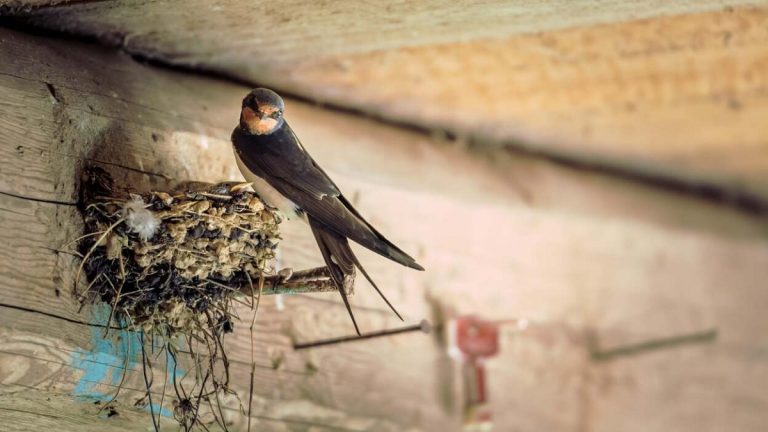
Parental bravery often overrides self-preservation. Birds such as swallows, robins, and lapwings aggressively dive at snakes, cats, or larger birds to protect their young. These actions are not calculated risks but immediate responses rooted in survival instincts.
This bravery continues throughout the nesting period. Parents remain alert, vocal, and physically engaged in defending their space. They often use distraction techniques, loud calls, or direct attacks to pull danger away from the nest.
Such behavior highlights how courage in birds is closely linked to responsibility. The willingness to face danger for the next generation defines bravery more than strength or dominance. Through this trait, birds show that courage is about commitment and instinct rather than physical advantage.
Survival In Extreme And Hostile Environments
Another defining trait of bravery in birds is their ability to survive and function in extreme environments. Many species live in places where food is scarce, temperatures are harsh, and danger is constant. Thriving under such conditions requires resilience, endurance, and fearless adaptation.
Birds living in deserts, icy regions, or high-altitude areas face daily threats from weather and limited resources. Instead of retreating, they develop behaviors that allow them to persist. This includes flying long distances for food, enduring freezing nights, or nesting in exposed locations.
Bravery appears in how birds confront these challenges without hesitation. Penguins withstand brutal Antarctic winters, while vultures survive in scorching heat and feed in risky conditions. These environments demand constant alertness and physical toughness.
Such survival-focused courage shows that bravery is not always dramatic. Sometimes it is quiet endurance, repeated every day. The ability to persist despite harsh surroundings reveals how deeply bravery is embedded in avian survival strategies.
Aggressive Territorial Behavior And Threat Confrontation
Territorial defense is another major trait that defines bravery in birds. Many species fiercely guard their territory against intruders, regardless of the size or strength of the opponent. This behavior ensures access to food, nesting space, and mating opportunities.
Birds often rely on vocal warnings, bold postures, and physical attacks to establish dominance. Hawks, crows, and even small songbirds aggressively chase away threats. This willingness to confront danger head-on reflects confidence and fearlessness.
Territorial bravery is especially visible during breeding seasons. Birds become more assertive, responding instantly to perceived threats. This courage helps maintain balance within ecosystems by clearly defining boundaries.
Through these confrontations, birds show that bravery involves standing ground and protecting resources. It is not reckless behavior but a calculated response essential for survival. This trait reinforces how courage in birds is expressed through action, instinct, and unwavering defense.
Birds Known For Exceptional Fearlessness
Fearlessness in birds is often revealed through bold actions, relentless defense, and the ability to face danger without retreat. Certain species are widely recognized for their courageous behavior, whether confronting predators, surviving hostile environments, or standing their ground against much larger opponents. Exploring these birds helps you understand how bravery becomes a defining survival trait across different ecosystems.
Honey Badger Of The Sky The Black Drongo
The black drongo is often called the honey badger of the sky due to its extraordinary fearlessness. Despite its small size, this bird aggressively attacks much larger animals, including hawks, crows, and even mammals that wander too close to its territory. Its confidence and speed make it one of the boldest birds in the wild.
This bird is especially known for protecting its nest. The black drongo does not hesitate to dive-bomb predators repeatedly until they retreat. Its sharp calls and relentless attacks create a powerful defense system that intimidates threats far bigger than itself.
Fearlessness in the black drongo is also strategic. By chasing away predators, it indirectly protects other animals nearby, earning respect within its habitat. This behavior shows how courage combined with intelligence makes this bird a symbol of exceptional bravery.
The Peregrine Falcon And High Speed Dominance
The peregrine falcon is known for its fearless hunting style and unmatched speed. As the fastest bird in the world, it dives at incredible velocities to capture prey mid-air. This hunting method requires precision, confidence, and the willingness to take extreme risks.
Fearlessness in peregrine falcons is evident during territorial defense. They aggressively protect nesting cliffs and will confront intruders without hesitation. Their sharp talons and focused attacks discourage predators and rival birds alike.
This bird often nests in exposed locations such as cliffs and tall structures, showing its comfort with risk. Peregrine falcons thrive in environments where mistakes can be fatal, yet they consistently succeed.
Their courage lies not only in speed but in control. The ability to commit fully to high-risk dives reflects a level of fearlessness that few birds can match.
The Cassowary And Ground Level Intimidation
The cassowary is one of the most fearless ground-dwelling birds in the world. Known for its powerful legs and sharp claws, this bird does not rely on flight to escape danger. Instead, it stands its ground when threatened.
Cassowaries are highly territorial and react quickly to perceived threats. They can charge at predators or intruders with force, using kicks capable of causing serious injury. This aggressive confidence makes them one of the most respected birds in their environment.
Fearlessness in cassowaries also comes from their awareness. They remain alert and decisive, responding to danger with controlled aggression rather than panic.
This ground-based bravery highlights a different form of courage. Without flight as an escape option, the cassowary’s strength and willingness to confront danger define its fearless reputation.
Territorial Defense And Nest Protection
Territorial defense and nest protection are among the most powerful displays of bravery in birds. These behaviors are essential for survival, ensuring safe breeding spaces and protection for vulnerable offspring. Birds rely on instinct, awareness, and courage to guard their territory, often confronting threats far larger than themselves to secure their nests.
Aggressive Responses To Intruders
When a potential threat enters their territory, birds react quickly and decisively. Many species use loud alarm calls, threatening postures, and direct attacks to warn intruders. This aggressive response is not random but a calculated effort to drive danger away before it reaches the nest.
Smaller birds often show the greatest courage during these encounters. Songbirds, for example, frequently mob predators such as snakes or larger birds, working together to force them to retreat. This behavior demonstrates how teamwork strengthens territorial defense.
Such confrontations reduce the risk of repeated intrusions. By establishing dominance early, birds create clear boundaries. This fearless defense highlights how bravery plays a vital role in maintaining territory and ensuring long-term nesting success.
Protective Strategies Around The Nest
Nest protection requires constant vigilance and adaptability. Birds carefully select nesting sites that offer concealment or height advantages. Even after choosing a safe location, they remain alert to any signs of danger nearby.
Parents use a range of defensive strategies to protect their nests. Some birds perform distraction displays, pretending to be injured to lure predators away. Others stay hidden until the threat is close, then launch sudden attacks.
This protective behavior continues throughout the breeding period. Birds rarely leave their nests unguarded for long, especially when chicks are present. Such dedication reflects how nest protection demands both physical bravery and emotional investment.
Through these actions, birds show that defending a nest is more than instinct. It is a continuous commitment that defines their courage and determination.
Bravery During Hunting And Feeding
Hunting and feeding often place birds in direct contact with danger. Whether capturing live prey, competing for food, or entering risky environments, birds rely on courage and precision to survive. These moments reveal how bravery supports daily survival, allowing birds to secure nourishment while avoiding threats from predators, harsh conditions, and unpredictable surroundings.
High Risk Hunting Techniques
Many birds use hunting techniques that require bold decision-making and perfect timing. Birds of prey, such as eagles and hawks, dive at fast speeds to capture moving targets. These attacks leave little room for error and demand complete focus and confidence.
Some species hunt animals capable of fighting back. Owls target rodents with sharp teeth, while herons strike at fish with sudden force in slippery conditions. Each attempt involves risk, yet birds repeat these actions daily to survive.
This courage is strengthened through experience. Over time, birds learn when to strike and when to retreat. Their bravery lies in the willingness to engage repeatedly in dangerous hunts, trusting skill and instinct to secure food.
Feeding In Competitive And Dangerous Environments
Bravery is also evident when birds feed in highly competitive or hazardous environments. Scavenging birds such as vultures gather around carcasses where predators may still be present. Feeding under such conditions requires constant alertness and boldness.
Other birds forage in open areas with little cover, exposing themselves to aerial predators. Shorebirds, for example, search for food along coastlines where danger can appear suddenly from land or sky.
Despite these risks, birds continue feeding with focus and determination. They rely on sharp awareness and quick reactions to escape threats. This fearless approach to feeding shows how bravery supports survival even during routine daily activities.
Environmental Challenges That Test Bird Courage
Birds constantly face environmental challenges that demand courage, adaptability, and endurance. From unpredictable weather to habitat changes, survival often depends on how boldly birds respond to these pressures. These challenges push birds beyond comfort, requiring fearless movement, quick decisions, and resilience to continue living, feeding, and breeding in demanding conditions.
Surviving Extreme Weather Conditions
Extreme weather is one of the greatest tests of bird courage. Heavy storms, freezing temperatures, heatwaves, and strong winds threaten safety and food availability. Birds must continue flying, feeding, and protecting nests even when conditions become dangerous.
Many species endure long cold nights by conserving energy and seeking shelter, while others continue foraging despite rain or snow. Seabirds face violent ocean storms, relying on strength and navigation skills to survive turbulent skies.
This courage is often quiet and unnoticed. Birds rarely abandon their habitats immediately, choosing endurance over escape. Their ability to withstand harsh weather reflects bravery rooted in resilience and survival instinct.
Adapting To Habitat Loss And Human Presence
Habitat loss presents another major challenge that tests bird courage. As natural spaces shrink, birds are forced to adapt to new and often risky environments. Urban areas, farmland, and polluted regions introduce unfamiliar dangers.
Birds that move closer to human activity face noise, traffic, and predators such as domestic animals. Feeding and nesting in these areas require constant awareness and bold choices.
Despite the risks, many birds succeed by adjusting behavior and timing. This adaptability shows courage through change. Facing uncertainty and continuing to survive highlights how bravery helps birds persist in an ever-changing world.
FAQs
Which Bird Is The Most Bravest Of All The Birds In The World?
When you ask which bird is the most bravest of all the birds in the world, many experts point to the black drongo. He is small but extremely bold, often attacking much larger birds and animals to protect his nest and territory. You can see this bravery when he dive-bombs predators without hesitation. His fearlessness is not about strength but confidence and instinct. This behavior makes him stand out among birds known for courage and defensive aggression.
Why Is The Black Drongo Considered Exceptionally Brave?
The black drongo earns his reputation through constant acts of fearlessness. You will notice that he aggressively chases hawks, eagles, and crows that enter his space. She or he does not retreat even when the opponent is many times larger. This courage helps protect not only his own nest but also nearby smaller birds. His sharp calls, fast movements, and relentless attacks clearly show why he is often named when discussing which bird is the most bravest of all the birds in the world.
Are There Other Birds That Show Similar Bravery?
Yes, you will find several birds that display remarkable courage. The peregrine falcon shows bravery through high-speed hunting dives, while the cassowary stands its ground against threats on land. You may also observe small birds like lapwings and swallows fearlessly defending their nests. Each of these birds shows a different type of courage. However, when comparing consistent defensive behavior, many still return to the question of which bird is the most bravest of all the birds in the world.
Does Size Matter When Measuring Bird Bravery?
Size does not determine bravery in birds. You can clearly see that smaller birds often act more boldly than larger ones. He or she relies on speed, strategy, and instinct rather than physical power. Many tiny birds aggressively attack predators to protect their young. This proves that courage is driven by survival needs, not body size. Understanding this helps you see why the debate about which bird is the most bravest of all the birds in the world focuses more on behavior than appearance.
How Do Birds Show Bravery While Protecting Their Nests?
You will often see bird bravery most clearly during nesting season. Parents become highly alert and confront any threat approaching their eggs or chicks. She or he may use loud calls, repeated dive attacks, or distraction displays to move danger away. This fearless defense continues day after day until the chicks are safe. Such dedication highlights how bravery is tied to parental instinct. These behaviors strongly influence opinions on which bird is the most bravest of all the birds in the world.
Can Bird Bravery Help Them Survive Harsh Environments?
Bravery plays a major role in survival, especially in harsh environments. You can observe birds enduring extreme weather, scarce food, and constant danger without retreating. He or she adapts, takes risks, and continues feeding or nesting despite threats. This courage allows birds to survive in deserts, frozen regions, and human-dominated areas. Their willingness to face uncertainty is a form of bravery. These survival traits add depth to the discussion of which bird is the most bravest of all the birds in the world.
Conclusion
Bravery in birds is not always about size or strength, but about attitude, instinct, and the will to protect life at any cost. Across different species, fearless actions appear when birds defend their nests, face predators larger than themselves, or survive in harsh and unpredictable environments. These bold behaviors remind us that courage in nature often comes from determination rather than physical power.
When people ask which bird is the most bravest of all the birds in the world, the answer depends on how bravery is measured. Some birds show courage through aggressive defense, while others display it through intelligence, persistence, and fearless survival tactics. Each species proves bravery in its own unique way.
Understanding which bird is the most bravest of all the birds in the world helps us appreciate the remarkable resilience of birds. Their fearless nature reflects the strength of survival instincts, making them powerful symbols of courage in the natural world.