What Makes Birds Explode: Causes, Myths, And Real-Life Explanations
The phenomenon of birds appearing to “explode” has captured the curiosity of scientists, birdwatchers, and the general public alike. This unusual occurrence is not a literal explosion but rather the result of specific environmental, biological, or chemical factors that cause sudden, dramatic effects on a bird’s body. Understanding the underlying causes can provide insights into avian biology and the impact of human activity on wildlife.
Certain natural processes, such as the buildup of gases in a decomposing bird or internal pressure changes, can lead to sudden ruptures. In other cases, external influences like collisions with power lines, extreme temperature fluctuations, or exposure to toxins may trigger catastrophic outcomes.
For you, exploring what makes birds explode involves examining both scientific explanations and environmental factors. This understanding helps clarify myths versus facts while highlighting the vulnerability of birds in different habitats.
Observing these events responsibly and learning the science behind them contributes to a greater appreciation of avian life and the complex challenges birds face.
Natural Causes Behind Bird Explosions
Certain phenomena in the natural world can lead to instances that make it seem as though birds “explode.” These events are typically linked to biological or environmental factors that cause rapid physical changes in a bird’s body. Understanding these natural causes provides insight into avian biology and the limits of their physiological resilience.
Decomposition And Gas Buildup
One of the most common natural explanations for birds appearing to explode is the buildup of gases during decomposition. After death, bacteria within the bird’s body break down tissues, producing gases such as methane and carbon dioxide. In a sealed or confined environment, pressure can accumulate rapidly.
As gas pressure increases, the bird’s body may rupture, sometimes causing a sudden and dramatic appearance of an explosion. This is more likely to occur in warm, humid conditions that accelerate bacterial activity. For you, recognizing this cause highlights that these events are natural post-mortem processes rather than unusual behaviors in living birds. Observing such occurrences with caution and respect ensures safety and a better understanding of avian biology.
Internal Organ Rupture
In rare cases, living birds can experience sudden internal organ rupture due to preexisting medical conditions. Trauma, infections, or abnormal growths may weaken organs or blood vessels, leading to rapid internal pressure changes. When this pressure reaches a critical point, it can cause the bird’s body to rupture, giving the impression of an explosion.
These events are exceptionally uncommon but demonstrate the delicate balance of avian physiology. For you, understanding internal organ rupture emphasizes that natural biological vulnerabilities can lead to dramatic outcomes. It also underscores the importance of studying bird health and disease to prevent unexplained deaths in wild and captive populations.
Extreme Temperature And Environmental Stress
Environmental factors, such as rapid temperature changes, can place extreme stress on a bird’s body. Sudden exposure to high heat may cause internal fluids to expand or tissues to become compromised, particularly in smaller species with limited thermoregulatory capacity. Cold stress can also contribute indirectly by weakening tissues or causing circulatory issues.
Birds inhabiting harsh climates may face additional pressures during seasonal extremes, making them more susceptible to internal ruptures or collapse. For you, recognizing the impact of environmental stress helps explain how natural conditions contribute to these rare but startling events. Awareness of these factors highlights the interplay between habitat, climate, and avian biology.
Dietary And Digestive Factors
Dietary issues, such as rapid fermentation of ingested food in the crop or digestive tract, can also lead to sudden gas buildup. Certain food items may ferment excessively, producing gases that increase internal pressure. Birds with high-energy diets or unusual feeding patterns may be particularly susceptible.
Monitoring diet and feeding behaviors in captive or wild populations can help explain these incidents. For you, understanding digestive factors underscores the complexity of avian physiology and the variety of natural processes that can lead to sudden, dramatic outcomes, reinforcing the need for careful observation and study in both research and conservation contexts.
Human-Related Causes
Human activities can sometimes contribute to events that make birds appear to “explode.” These causes are linked to environmental changes, chemical exposure, or direct interactions that stress or harm birds. Understanding human-related factors highlights the impact of modern life on wildlife and emphasizes the importance of responsible behavior and conservation efforts.
Collisions With Man-Made Structures
Collisions with man-made structures are a leading human-related cause of sudden bird deaths. Birds often fly into windows, glass facades, vehicles, and power lines, especially during migration or at night when visibility is low. High-speed impacts can cause severe internal injuries, including ruptured organs or blood vessels, resulting in dramatic appearances that resemble explosions.
For you, recognizing the risk posed by structures underscores the importance of bird-safe design. Installing window decals, using bird-friendly glass, and reducing vehicle speeds in areas with high avian activity can significantly reduce collisions. Observing bird flight patterns and understanding high-risk zones allows for practical measures that protect both birds and humans.
Exposure To Chemicals And Toxins
Birds may ingest pesticides, rodenticides, or other toxic substances present in their environment, leading to internal damage or organ failure. Certain chemicals can interfere with digestion, circulation, or neurological function, sometimes causing sudden ruptures or extreme physiological stress. These cases can appear as explosive events, particularly when multiple birds are affected in contaminated areas.
For you, being aware of chemical exposure highlights the importance of using wildlife-safe products and monitoring contamination in feeding grounds. Avoiding harmful pesticides and advocating for environmentally responsible practices can help prevent incidents that endanger local bird populations.
Stress From Human Disturbance
Frequent human activity in nesting or feeding areas can induce extreme stress in birds. Loud noises, habitat encroachment, or repeated disturbances can elevate heart rate and metabolic stress, sometimes contributing to sudden internal failures. During breeding season, sensitive birds may be particularly vulnerable to stress-induced complications.
For you, minimizing disturbance by observing from a distance and respecting wildlife zones helps protect birds from unnecessary stress. Educating communities about responsible birdwatching and limiting interference in critical habitats supports healthier avian populations and reduces incidents linked to human disturbance.
Impact Of Urban Environments
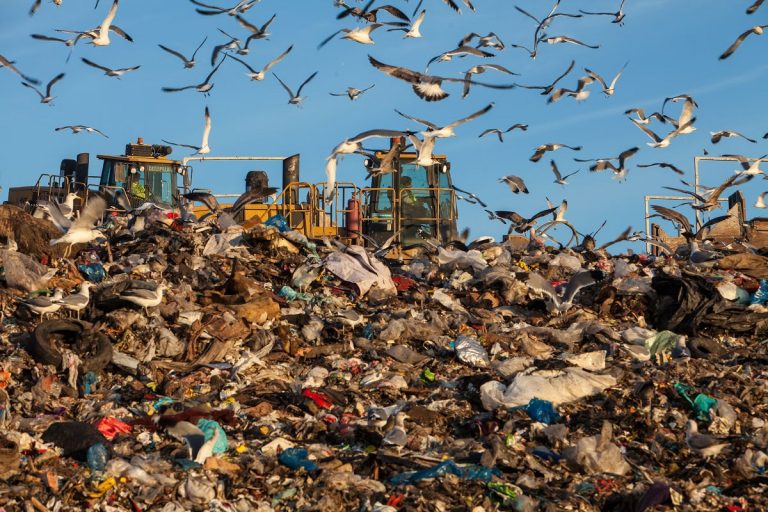
Urban environments can expose birds to multiple human-related threats simultaneously. Light pollution, high-density buildings, and fragmented habitats create disorientation and increased risk of collisions. Additionally, urban diets, including human food waste, may lead to digestive issues or rapid fermentation, indirectly contributing to explosive events.
For you, understanding the combined effects of urban living helps in planning bird-friendly spaces. Installing green areas, reducing artificial light, and providing safe water sources support healthy bird populations. Awareness of urban risks encourages practices that reduce human-induced stress and improve overall avian welfare.
Role Of Hunting And Trapping
In some regions, hunting, trapping, or inadvertent exposure to projectiles can cause internal injuries that resemble explosive outcomes. Birds struck by bullets or other sharp objects may experience organ rupture or severe internal bleeding. Illegal or careless hunting practices can increase these incidents, especially in densely populated areas.
For promoting ethical hunting and supporting wildlife protection laws are critical. Understanding the dangers posed by direct human interactions emphasizes responsible behavior in natural areas and helps safeguard birds from preventable, human-related causes of sudden deaths.
Human-Related Causes
Human activities can sometimes contribute to events that make birds appear to “explode.” These causes are linked to environmental changes, chemical exposure, or direct interactions that stress or harm birds. Understanding human-related factors highlights the impact of modern life on wildlife and emphasizes the importance of responsible behavior and conservation efforts.
Collisions With Man-Made Structures
Collisions with man-made structures are a leading human-related cause of sudden bird deaths. Birds often fly into windows, glass facades, vehicles, and power lines, especially during migration or at night when visibility is low. High-speed impacts can cause severe internal injuries, including ruptured organs or blood vessels, resulting in dramatic appearances that resemble explosions.
For you, recognizing the risk posed by structures underscores the importance of bird-safe design. Installing window decals, using bird-friendly glass, and reducing vehicle speeds in areas with high avian activity can significantly reduce collisions. Observing bird flight patterns and understanding high-risk zones allows for practical measures that protect both birds and humans.
Exposure To Chemicals And Toxins
Birds may ingest pesticides, rodenticides, or other toxic substances present in their environment, leading to internal damage or organ failure. Certain chemicals can interfere with digestion, circulation, or neurological function, sometimes causing sudden ruptures or extreme physiological stress. These cases can appear as explosive events, particularly when multiple birds are affected in contaminated areas.
For you, being aware of chemical exposure highlights the importance of using wildlife-safe products and monitoring contamination in feeding grounds. Avoiding harmful pesticides and advocating for environmentally responsible practices can help prevent incidents that endanger local bird populations.
Stress From Human Disturbance
Frequent human activity in nesting or feeding areas can induce extreme stress in birds. Loud noises, habitat encroachment, or repeated disturbances can elevate heart rate and metabolic stress, sometimes contributing to sudden internal failures. During breeding season, sensitive birds may be particularly vulnerable to stress-induced complications.
For you, minimizing disturbance by observing from a distance and respecting wildlife zones helps protect birds from unnecessary stress. Educating communities about responsible birdwatching and limiting interference in critical habitats supports healthier avian populations and reduces incidents linked to human disturbance.
Impact Of Urban Environments
Urban environments can expose birds to multiple human-related threats simultaneously. Light pollution, high-density buildings, and fragmented habitats create disorientation and increased risk of collisions. Additionally, urban diets, including human food waste, may lead to digestive issues or rapid fermentation, indirectly contributing to explosive events.
For you, understanding the combined effects of urban living helps in planning bird-friendly spaces. Installing green areas, reducing artificial light, and providing safe water sources support healthy bird populations. Awareness of urban risks encourages practices that reduce human-induced stress and improve overall avian welfare.
Role Of Hunting And Trapping
In some regions, hunting, trapping, or inadvertent exposure to projectiles can cause internal injuries that resemble explosive outcomes. Birds struck by bullets or other sharp objects may experience organ rupture or severe internal bleeding. Illegal or careless hunting practices can increase these incidents, especially in densely populated areas.
For you, promoting ethical hunting and supporting wildlife protection laws are critical. Understanding the dangers posed by direct human interactions emphasizes responsible behavior in natural areas and helps safeguard birds from preventable, human-related causes of sudden deaths.
Common Myths And Misconceptions
The topic of birds “exploding” has given rise to several myths and misconceptions. Many of these ideas exaggerate or misinterpret natural and human-related causes. Understanding these myths is important for separating fact from fiction, promoting accurate knowledge of avian biology, and preventing unnecessary fear or sensationalism around these rare events.
Birds Can Literally Explode Without Cause
A common misconception is that birds can spontaneously explode without any biological or environmental reason. In reality, such events are almost always the result of natural decomposition, internal pressure buildup, trauma, or human-related factors. Birds do not spontaneously detonate in mid-air under normal circumstances.
For you, recognizing that natural processes and external factors explain these occurrences helps demystify the phenomenon. Observing the contributing conditions—such as gas buildup in carcasses or collisions with structures—provides a more accurate understanding. This knowledge also discourages fear-driven speculation and encourages scientific curiosity about avian biology and ecosystem dynamics.
All Exploding Birds Are Caused By Human Activity
Another myth suggests that human interference is solely responsible for birds appearing to explode. While human-related causes like collisions, chemical exposure, and habitat disruption can contribute, natural factors such as decomposition, digestive gas buildup, and environmental stress also play significant roles.
For you, understanding the balance between natural and human-related causes is critical. Over-attributing these events to human activity overlooks the complexity of bird physiology and environmental interactions. Appreciating the interplay of natural and anthropogenic factors fosters a more nuanced perspective on wildlife phenomena.
Exploding Birds Are Common And Widespread
Many people assume that bird explosions are frequent occurrences. In reality, such events are extremely rare and usually isolated incidents. Most birds live and die without experiencing dramatic ruptures or sudden explosive outcomes.
For you, recognizing the rarity of these events reduces sensationalism and promotes a factual understanding of bird mortality. Awareness of the exceptional nature of these cases helps focus attention on genuine conservation and ecological concerns rather than myths and exaggerated stories.
All Exploding Birds Are Dangerous To Humans
A further misconception is that birds that explode pose a significant danger to humans. While decomposing birds or chemically contaminated carcasses can carry pathogens, the risk is typically low, especially with proper hygiene and safe handling. Exploding events themselves do not release harmful substances capable of widespread harm.
For you, knowing the actual risk level allows for informed caution rather than fear. Simple measures such as avoiding direct contact, washing hands, and reporting unusual events to wildlife authorities are sufficient to manage safety without perpetuating myths.
Safety And Preventive Measures
Understanding what makes birds explode highlights the importance of safety and preventive measures. While these events are rare, taking precautions ensures that you minimize risks from decomposing birds, chemical exposure, or human-related incidents. Implementing proper handling, habitat management, and awareness strategies protects both humans and wildlife.
Safe Observation Practices
When observing birds, it is important to maintain a safe distance. Avoid handling birds that appear deceased or are in compromised conditions. Use binoculars or cameras to study them from afar, reducing the risk of exposure to pathogens or accidental injury from sudden decompositions.
For you, adopting safe observation habits ensures a responsible approach to wildlife study. Recognizing signs of distress, environmental hazards, or unusual bird behavior helps you make informed decisions about when to approach and when to maintain distance. This approach protects both your safety and the well-being of the birds.
Proper Handling And Disposal
In situations where dead birds are encountered, proper handling and disposal are essential. Wear gloves and avoid direct contact, and use sealed bags for disposal. Local wildlife authorities often provide guidelines for safely managing bird carcasses, especially in areas prone to disease outbreaks or chemical contamination.
For you, following these guidelines prevents potential exposure to harmful bacteria or toxins. Understanding the correct disposal methods also reduces environmental contamination and supports community health, while contributing to accurate monitoring of local bird populations and mortality events.
Reducing Human-Related Risks
Minimizing human-related causes of bird injuries helps prevent explosive events. Implement bird-friendly designs for windows and buildings, reduce pesticide use, and maintain safe habitats free from chemical contamination. Awareness of urban hazards, such as power lines and traffic, can also decrease the risk of sudden fatalities.
For you, implementing preventive measures fosters coexistence with birds and protects local populations. Simple changes, such as reflective window decals, wildlife-friendly landscaping, and careful chemical usage, make a tangible difference in reducing human-induced stress and injuries to birds.
Monitoring And Reporting
Monitoring bird populations and reporting unusual incidents to wildlife authorities is another preventive measure. Observing patterns of illness, sudden deaths, or unusual behavior helps identify potential environmental or chemical hazards early, enabling targeted interventions.
For you, participating in citizen science or local conservation programs strengthens community efforts to protect birds. Timely reporting supports research and management strategies, ensuring that both human and avian communities remain safe and healthy.
FAQs
What Causes Birds To Explode Naturally?
Natural causes behind birds “exploding” usually involve decomposition, digestive gas buildup, or internal organ rupture. After a bird dies, bacteria break down tissues, producing gases that accumulate and may rupture the body. In rare cases, internal pressures from digestive or respiratory issues can also cause sudden ruptures in living birds.
For you, understanding these natural processes emphasizes that explosions are rarely spontaneous or mysterious. Observing post-mortem changes or unusual physical stress can explain the event scientifically, providing insight into avian biology without resorting to myths.
Can Human Activity Make Birds Explode?
Yes, human activity can indirectly contribute to birds appearing to explode. Collisions with vehicles, buildings, or power lines can cause severe internal injuries, while exposure to toxins, pesticides, or chemicals can weaken organs and lead to sudden ruptures. Stress from habitat disruption may also exacerbate physiological strain.
For you, recognizing human influence highlights the importance of responsible urban planning, safe wildlife corridors, and minimizing chemical exposure. These measures reduce risks and protect both birds and the ecosystems they inhabit.
Are Exploding Birds A Common Phenomenon?
Exploding birds are extremely rare events. Most birds live full lifespans without experiencing sudden ruptures. Many reported cases occur under unusual environmental or biological conditions, such as decomposition in confined spaces or high-pressure trauma.
For you, understanding their rarity reduces sensationalism. Awareness that these events are exceptional allows for a realistic perspective and encourages focus on conservation and monitoring rather than myths.
Can Decomposition Really Cause A Bird To Explode?
Yes, decomposition can lead to a buildup of gases like methane and carbon dioxide inside a bird’s body. As bacteria break down tissues, the pressure may increase to the point of rupturing the carcass, sometimes causing a sudden and dramatic appearance.
For you, knowing this process demystifies “explosions.” Observing decomposing birds safely and at a distance provides insight into natural post-mortem processes without posing health risks, illustrating the importance of microbial activity in ecosystem recycling.
Does Diet Affect The Risk Of Bird Explosions?
Dietary factors, especially fermentation of ingested food, can occasionally lead to internal gas buildup in birds. Rapid fermentation in the crop or digestive tract produces gases that increase internal pressure, potentially causing sudden ruptures.
For you, understanding dietary influences highlights the importance of providing safe, natural foods in captive or urban settings. Monitoring diet and feeding habits helps prevent extreme internal stress and supports overall avian health.
Can Environmental Stress Trigger Exploding Birds?
Extreme environmental conditions, such as sudden heat, cold, or habitat disturbance, can increase physiological stress in birds. High temperatures may cause fluids to expand, while cold stress can weaken tissue integrity, contributing indirectly to sudden ruptures.
For you, recognizing environmental stress as a contributing factor emphasizes habitat protection. Providing safe nesting sites, maintaining natural shelters, and minimizing human disturbance reduce the likelihood of stress-related incidents.
Are Exploding Birds Dangerous To Humans?
Exploding birds generally pose low risk to humans. While decomposing carcasses or birds exposed to toxins may carry pathogens, the explosion itself does not release harmful substances capable of causing widespread harm. Proper hygiene and safe handling are sufficient precautions.
For you, understanding the actual risk ensures informed safety practices. Using gloves, avoiding direct contact, and reporting unusual incidents to wildlife authorities allows you to study birds responsibly without unnecessary fear.
Conclusion
Birds are delicate creatures, and understanding the rare instances where they might suddenly die in a dramatic way helps clarify misconceptions. He or she will notice that factors such as dietary issues, environmental stress, or accidental trauma can contribute to these unusual events. Observing bird behavior and health closely allows enthusiasts and researchers to better comprehend these occurrences without jumping to sensational conclusions.
Knowing what makes birds explode also involves separating myths from scientific reality. Viral videos and exaggerated stories often misrepresent normal avian deaths, while research shows that internal gas build-up, digestive problems, or sudden injuries are the real causes. By studying these patterns, you can appreciate the biological and environmental factors that affect bird survival.
Ultimately, understanding what makes birds explode encourages responsible care and observation. Awareness of proper feeding, safe habitats, and stress-free environments helps protect birds and promotes ethical interaction with wildlife, ensuring their well-being in both urban and natural settings.