How to Keep Birds Out of Trash: Smart, Proven Ways to Stop Mess and Noise
Trash scattered across the yard is more than just an eyesore. Birds tearing into garbage bags can quickly turn a clean outdoor space into a daily mess. Over time, this habit attracts more birds and even other animals, making waste management stressful and unhygienic.
Many people do not realize how easily birds learn where food is available. Once they discover an open bin or loose trash bag, they return again and again. Understanding how to keep birds out of trash becomes essential for maintaining cleanliness and protecting your surroundings.
Besides the mess, exposed trash can create unpleasant odors and raise health concerns. Droppings, torn packaging, and spilled leftovers can spread bacteria and make regular cleanup harder than it needs to be. A few consistent strategies can make a noticeable difference.
Simple changes in daily habits often lead to long-term results. With the right approach, trash areas stay cleaner, birds look elsewhere for food, and outdoor spaces feel more organized. Taking control early saves time, effort, and frustration in the long run.
Common Reasons Birds Target Trash Bins
Birds gathering around trash bins is not random behavior. They are driven by survival instincts, learned habits, and environmental pressures that make garbage an easy option. Understanding the common reasons birds target trash bins helps explain why this problem repeats in both residential and commercial areas. When food access becomes predictable, birds adapt quickly and return daily, turning trash areas into regular feeding zones.
Easy Access To Food Scraps
One of the strongest reasons birds focus on trash bins is the constant availability of food scraps. Household waste often contains leftovers, bread, rice, meat pieces, and packaging stained with food smells. Birds have an excellent sense of sight and can easily recognize trash bags or open lids as a food source from a distance.
Once a bird successfully finds food in a bin, it remembers that location. Birds are intelligent and capable of learning patterns, so a single feeding opportunity can turn into repeated visits. Over time, more birds follow, especially when they observe others feeding safely without disturbance.
Loose lids, overflowing bins, and thin trash bags make access even easier. Birds do not need much effort to tear through plastic or pull items out. Even small openings allow them to peck and drag food onto the ground, creating a bigger mess.
Urban and suburban environments increase this behavior because natural food sources may be limited. When insects, seeds, or fruits are scarce, trash becomes a reliable alternative. Easy meals reduce the energy birds need to spend searching for food, making bins an attractive daily target.
Strong Smells And Visual Attraction
Trash bins release strong odors that birds can detect quickly. Food waste, especially cooked meals, emits smells that travel through the air and signal an available meal. Birds rely on both smell and sight, and trash areas often provide both cues at once.
Bright packaging, shiny wrappers, and exposed food waste catch a bird’s attention. Items like fast-food bags, takeaway boxes, or colorful containers stand out visually. Birds associate these objects with food and learn to investigate similar-looking trash in the future.
Open or damaged bins increase visibility. When birds can see scraps near the top or scattered around the bin, it reinforces the idea that food is easily accessible. Even after bins are cleaned, leftover residue can continue attracting birds.
In busy areas, repeated trash disposal throughout the day keeps smells fresh and strong. This continuous signal encourages birds to stay nearby. Over time, trash zones become part of their regular feeding route, making it harder to discourage them without consistent changes.
Lack Of Natural Deterrents Or Disturbance
Birds are more likely to target trash bins when they feel safe. Areas with little human activity, no predators, or minimal noise provide ideal conditions. Quiet corners, alleyways, and backyards allow birds to feed without fear of interruption.
When birds are not scared away regularly, they become bold. They learn that trash bins pose no threat, even when people are nearby. This confidence leads to aggressive scavenging, where birds tear open bags quickly and spread trash across the ground.
Urban settings often lack natural predators like hawks or owls that would normally control bird behavior. Without these threats, birds freely explore human spaces. Trash bins become just another part of their environment rather than something to avoid.
Inconsistent cleaning also plays a role. When trash spills are not cleaned promptly, birds return expecting food. Each successful visit reinforces the habit. Over time, bins without deterrents become known feeding spots shared across bird groups.
Seasonal And Environmental Factors
Seasonal changes strongly influence why birds target trash bins. During colder months or dry seasons, natural food sources become scarce. Trash bins then act as dependable alternatives when insects, seeds, or fruits are harder to find.
Breeding seasons increase food demand. Adult birds search aggressively for easy meals to feed their young. Trash provides quick calories without long foraging trips, making bins especially attractive during nesting periods.
Weather conditions also matter. Heavy rain, storms, or extreme heat can reduce natural feeding opportunities. Birds adapt by moving closer to human areas where trash remains available regardless of weather.
Urban expansion further reduces natural habitats. As green spaces shrink, birds rely more on human waste. Trash bins located near parks, restaurants, or residential areas become predictable feeding stations, encouraging repeated visits and long-term dependence.
Types of Birds Most Attracted to Garbage Areas
Garbage areas provide easy access to food, shelter, and predictable feeding opportunities for many bird species. Some birds are especially skilled at surviving in human environments and quickly adapt to trash-filled locations. Understanding the types of birds most attracted to garbage areas helps explain why certain species appear repeatedly around bins, landfills, and open waste zones.
Crows And Ravens
Crows and ravens are among the most common birds seen around garbage areas due to their high intelligence and adaptability. They quickly learn where trash is placed and remember collection schedules. These birds can open loose lids, tear plastic bags, and pull food scraps out with ease.
Their strong beaks allow them to break into containers that smaller birds cannot access. Crows often work in groups, which makes scavenging faster and more efficient. When one bird finds food, others soon follow. Ravens, being larger, dominate garbage sites and push smaller birds away.
These birds thrive in both urban and rural areas. They are highly observant and notice patterns in human behavior, making garbage areas reliable feeding spots. Once established, they return daily and defend their territory aggressively.
Pigeons And Doves
Pigeons and doves are highly attracted to garbage areas because they rely heavily on human food waste. Leftover grains, bread, rice, and discarded snacks suit their diet perfectly. Garbage zones provide consistent feeding opportunities without much effort.
Pigeons are social birds and often gather in large numbers around trash bins. When food spills onto the ground, they quickly move in and feed together. Their presence often encourages other birds to join, increasing overall activity in garbage areas.
These birds are comfortable around people and traffic, which reduces fear when feeding near homes or streets. Their ability to digest a wide range of foods makes trash areas ideal for survival. Over time, they become dependent on these locations and remain nearby throughout the year.
Gulls And Seabirds
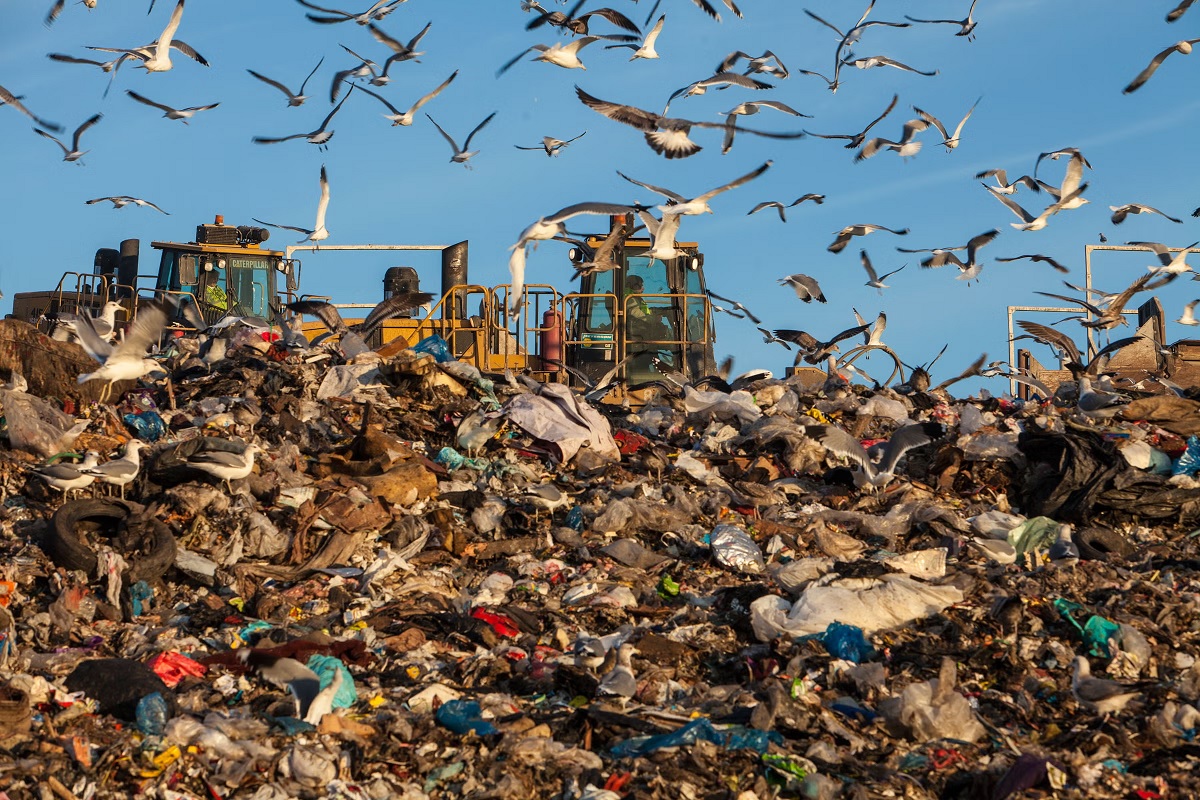
Gulls are well known for targeting garbage areas, especially near coastal towns, markets, and landfills. They are opportunistic feeders and consume almost anything edible found in trash, including fish scraps, meat, and leftovers.
Their size and aggressive behavior allow them to dominate garbage zones. Gulls often arrive in groups, creating loud and messy feeding scenes. They can tear open bags quickly and scatter waste over large areas while searching for food.
These birds are strong fliers and travel long distances to reliable garbage sources. Once they identify a productive location, they return repeatedly. Garbage areas offer them high-energy meals with minimal effort, making these sites an important part of their feeding routine.
Starlings And Sparrows
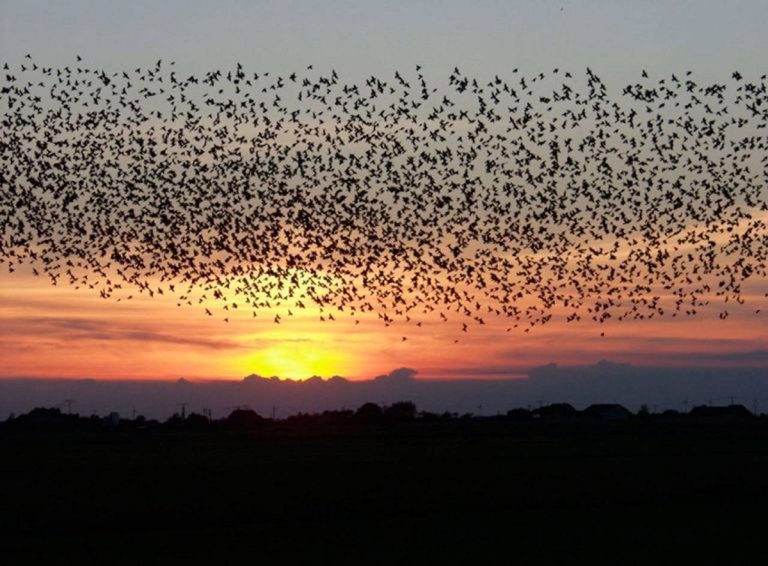
Starlings and sparrows are smaller birds but are frequently attracted to garbage areas because of their numbers and feeding habits. They search for crumbs, seeds, and small scraps left behind by larger birds or humans.
Starlings are especially aggressive for their size and often chase away other small birds. They forage in groups and quickly exploit food opportunities around open bins and spilled trash. Sparrows follow closely, feeding on whatever remains.
These birds thrive in dense urban areas where garbage is plentiful. Their fast reproduction and adaptability allow populations to grow rapidly near trash zones. Over time, they become regular visitors, especially in areas where waste management is inconsistent.
Vultures And Large Scavengers
Vultures and other large scavenging birds are drawn to garbage areas that contain meat waste or animal remains. Landfills, markets, and roadside dumping sites are especially attractive to them.
These birds rely heavily on smell and can detect food from great distances. Garbage provides a dependable food source, particularly in regions where natural carrion is limited. Their presence often indicates ongoing waste exposure.
Due to their size, vultures can create safety and sanitation concerns. They often gather in large numbers and remain near garbage areas for long periods. Once established, they are difficult to discourage without proper waste control measures.
Placement of Trash Cans to Keep Birds Away
The location of trash cans plays a major role in whether birds are attracted to your waste area. Even well-sealed bins can become targets when placed in visible or high-traffic bird zones. Proper placement reduces access, limits visibility, and breaks feeding patterns. Understanding placement of trash cans to keep birds away helps create an environment that discourages repeated visits and ongoing mess.
Keep Trash Cans Away From Open And Elevated Areas
Birds prefer open spaces where they can land easily and scan for danger. Placing trash cans in open yards, driveways, or uncovered corners makes them highly visible from above. Elevated or exposed locations give birds a clear view of lids, bags, and food residue, increasing the chances of investigation.
Positioning bins close to walls, fences, or enclosed areas reduces visibility and limits landing space. Birds feel less secure in tight areas where escape routes are limited. Keeping cans under a roof, shed, or covered structure also blocks aerial access and reduces interest.
Avoid placing trash cans near trees, poles, or power lines. These serve as resting and observation points for birds. When bins are moved away from these perches, birds are less likely to target them consistently.
Avoid Placing Bins Near Food-Related Areas
Trash cans located near outdoor kitchens, patios, or dining spaces often attract birds more quickly. Food preparation areas usually leave behind crumbs, smells, and food waste that reinforce feeding behavior. Birds associate these locations with easy meals and return frequently.
Placing bins far from eating zones helps break this association. When trash is stored away from areas where food is consumed, birds receive fewer sensory cues like smell and sight. This reduces the chance of bins becoming part of their feeding routine.
Garbage areas near compost piles or pet feeding stations also increase attraction. These combined food sources create a strong draw for birds. Separating trash cans from any food-related activity makes the area less appealing and more difficult for birds to exploit.
Use Shaded And Low-Visibility Locations
Birds rely heavily on visual cues when searching for food. Trash cans placed in bright, well-lit areas are easier for birds to spot. Sunlit bins highlight colorful packaging, loose bags, and food stains that signal a feeding opportunity.
Placing bins in shaded or darker areas reduces visual attraction. Covered corners, garages, or side yards provide low-visibility conditions that birds tend to avoid. Shade also reduces heat buildup, which can limit food odors that attract scavengers.
Avoid placing bins directly under lights or reflective surfaces. Artificial lighting at night can extend feeding hours for some birds. Keeping trash cans in naturally dim areas helps reduce activity and discourages repeated visits.
Maintain Distance From Bird Activity Zones
Birds often establish regular routes between feeding and resting areas. Trash cans placed near bird baths, feeders, gardens, or nesting spots are more likely to be targeted. These areas already attract birds, making nearby trash an easy extension of their routine.
Moving trash cans away from known bird activity zones helps disrupt these patterns. Increasing distance forces birds to travel further and expend more energy, which often discourages them from returning.
When bins are relocated consistently and kept separate from bird-friendly features, birds gradually lose interest. Strategic placement combined with good waste habits creates a cleaner, quieter trash area with fewer bird disturbances.
Using Visual Deterrents Around Trash Areas
Visual deterrents are effective tools for discouraging birds from approaching trash areas. Birds rely heavily on sight to assess safety and locate food, making visual cues a powerful way to change their behavior. Using visual deterrents around trash areas helps create an environment that feels unsafe or unfamiliar, reducing the chances of birds returning regularly.
Reflective Objects And Shiny Surfaces
Reflective items are widely used to scare birds because sudden flashes of light disrupt their sense of security. Materials like aluminum foil strips, reflective tape, old CDs, or metallic streamers move with the wind and produce unpredictable light patterns. Birds interpret these flashes as potential threats and often avoid the area.
When placed around trash bins, reflective objects should hang freely and catch sunlight from different angles. Movement is essential, as stationary objects lose effectiveness over time. Changing the position occasionally prevents birds from becoming accustomed to the deterrent.
These materials work especially well in open outdoor areas where sunlight is consistent. Reflective deterrents are inexpensive, easy to install, and can be combined with other methods for better long-term results.
Predator Decoys And Bird Scare Models
Predator decoys create the illusion of danger and trigger a natural fear response in birds. Common options include owl statues, hawk models, and snake replicas placed near trash areas. Birds instinctively avoid locations where predators appear present.
For best results, decoys should be realistic and positioned at eye level or slightly elevated. Moving them every few days helps maintain their effectiveness, as birds quickly learn when a threat is not real. Static placement often leads to birds ignoring the decoy.
Predator models are most effective when paired with movement or sound. Rotating heads, reflective eyes, or wind-activated motion add realism. These deterrents work well in yards, alleys, and near dumpsters where birds frequently gather.
Bright Colors And Warning Patterns
Certain colors and patterns naturally discourage birds. Bright hues like red, orange, and yellow can signal danger or discomfort. Using trash can covers, straps, or accessories in these colors may reduce bird interest.
Warning patterns such as bold stripes or large eye shapes can also create unease. Birds often associate eye-like designs with predators watching them. Applying these patterns near lids or on nearby surfaces increases visual stress.
Consistency is key when using color-based deterrents. Repeating the pattern across the area reinforces the message that the space is unsafe. While not effective alone, bright colors work best when combined with reflective or moving elements.
Motion-Based Visual Deterrents
Movement is one of the most powerful visual deterrents for birds. Objects that spin, sway, or flutter create constant visual changes that birds find unsettling. Wind spinners, pinwheels, and hanging ribbons are common options for trash areas.
These deterrents simulate unpredictable activity, making birds unsure of landing safely. Placement near lids, handles, or surrounding fences increases effectiveness by disrupting approach paths.
Motion-based deterrents require occasional adjustment to stay effective. Repositioning them keeps birds from adapting. When combined with reflective materials or predator imagery, movement-based deterrents significantly reduce bird activity around trash zones.
Long-Term Solutions for Keeping Birds Out of Trash
Short-term fixes may scare birds away temporarily, but lasting results require consistent and well-planned strategies. Birds quickly adapt to weak deterrents, especially when food remains accessible. Focusing on long-term solutions for keeping birds out of trash helps break habitual feeding patterns and reduces repeated messes. Sustainable methods protect cleanliness while minimizing stress for both people and wildlife.
Invest In Secure And Durable Trash Containers
Using strong, well-designed trash containers is one of the most effective long-term solutions. Heavy-duty bins with tight-fitting or locking lids prevent birds from prying them open. Durable materials resist tearing, pecking, and tipping, which reduces access to food waste.
Containers with weighted bases or locking wheels add extra stability. When bins cannot be knocked over, birds lose easy entry points. Choosing designs with smooth sides also limits gripping areas for beaks and claws.
Regular maintenance is essential. Replacing cracked lids and cleaning residue keeps containers less appealing. Over time, birds learn that these bins do not provide food, which discourages repeated attempts and redirects them elsewhere.
Improve Waste Management Habits Consistently
Consistent waste habits play a major role in long-term bird control. Sealing food waste in separate bags before disposal reduces smells that attract birds. Taking trash out close to collection time limits exposure.
Avoid leaving bags outside overnight or placing trash directly on the ground. Birds quickly exploit unsecured waste. Keeping lids closed at all times reinforces the idea that food is unavailable.
Cleaning spills immediately and rinsing bins weekly removes lingering odors. These simple routines reduce attraction over time. When birds repeatedly find no reward, they gradually stop visiting and shift their feeding routes.
Modify The Surrounding Environment
Environmental changes help prevent birds from settling near trash areas. Removing nearby perching spots such as low branches, fences, or poles reduces observation points. Birds prefer locations where they can watch before approaching.
Installing covers, enclosures, or bin sheds blocks aerial access and limits visibility. Shaded and enclosed areas feel unsafe to birds, discouraging prolonged activity.
Separating trash from bird feeders, gardens, and water sources also matters. Increasing distance forces birds to choose between food sources, making trash less convenient. Over time, these adjustments create a less bird-friendly zone.
Use Integrated Deterrent Strategies
Long-term success often requires combining multiple deterrents. Visual deterrents, secure containers, and smart placement work better together than alone. Birds adapt quickly to single methods.
Rotating deterrents periodically prevents habituation. Changing reflective items, repositioning decoys, or adjusting layouts keeps the environment unpredictable.
Consistency is key. When birds encounter repeated obstacles with no food reward, they abandon the area. Integrated strategies create a balanced, sustainable solution that keeps trash areas cleaner and less attractive over time.
FAQs
How Can I Stop Birds From Scattering My Trash?
You can stop birds from scattering your trash by using secure bins with tight-fitting lids. Choosing heavy-duty containers prevents birds from tipping them over or tearing bags open. Keeping trash cans in shaded or less visible areas also reduces attraction.
Regularly cleaning the bins and promptly disposing of food waste minimizes smells that draw birds. Using smaller sealed bags inside the bin adds an extra layer of protection. Over time, birds will learn that your trash is inaccessible and move on to easier food sources, reducing daily mess.
Are There Specific Trash Can Types That Keep Birds Away?
Yes, certain trash cans are more effective at keeping birds away. Look for containers made of durable plastic or metal with locking lids. Bins with smooth surfaces prevent birds from perching or gripping them. Weighted bases or locking wheels add stability and reduce tipping.
Some bins have foot pedals or automated lids, making it harder for birds to access food. Using multiple layers of protection, such as sealed inner bags, further limits their success. Investing in these trash cans ensures that birds cannot make a habit of raiding your garbage.
Does Placement Of Trash Cans Affect Bird Activity?
Absolutely, placement significantly affects how birds interact with trash. Bins placed in open, elevated areas are easier for birds to spot and access. Moving them near walls, fences, or covered structures reduces visibility and landing spots.
Avoid locating trash near bird feeders, gardens, or trees where birds perch. Keeping bins away from high-traffic bird zones breaks habitual feeding patterns. When birds cannot easily find or reach your trash, they are less likely to return consistently.
Can Visual Deterrents Help Keep Birds Out Of Trash?
Yes, visual deterrents are highly effective for discouraging birds. Reflective items like aluminum foil strips, shiny tape, or old CDs create flashing movements that birds perceive as potential threats. Predator decoys, such as owl or hawk models, trigger natural fear responses.
Placement is key; hanging or positioning them near lids and open spaces maximizes effectiveness. Moving deterrents periodically prevents birds from becoming accustomed. Combining visual deterrents with secure bins and smart placement offers a long-term solution to reduce trash raids.
Will Regular Cleaning Reduce Bird Problems Around Trash?
Regular cleaning is essential to reduce bird problems. Rinsing bins, removing spills, and sealing food scraps minimize odors that attract birds. Even small residues or stains can signal an easy food source to a passing bird.
Maintaining a consistent cleaning schedule reinforces the idea that trash areas are unproductive for scavengers. Over time, birds stop visiting when they repeatedly find no accessible food. Clean bins also prevent secondary pests, making your outdoor space more hygienic and bird-free.
Are There Seasonal Tips For Keeping Birds Away From Trash?
Yes, seasonal adjustments make a big difference. During breeding or colder months, birds increase their food search and are more likely to target trash. Keeping bins sealed, food disposed of quickly, and lids closed is particularly important during these periods.
Adjust placement to avoid sunlit spots in summer that intensify food odors. In winter, ensure trash is not left outside overnight, as birds search longer for meals. Combining seasonal strategies with permanent deterrents helps maintain control year-round and keeps trash areas clean.
Conclusion
Keeping your trash area clean and secure is essential for maintaining a bird-free environment. By implementing simple strategies such as using tightly sealed lids, choosing the right type of trash can, and regularly cleaning your bins, you can significantly reduce the chances of birds rummaging through your garbage. Proper placement of trash cans away from open spaces and using deterrents like bungee cords or motion-activated devices can further enhance your efforts.
Understanding bird behavior also plays a key role in managing the problem. Minimizing food odors, disposing of scraps promptly, and avoiding overfilled bins are practical steps that discourage birds from approaching. Visual deterrents and natural scare tactics can complement these measures, making your trash area less appealing to them over time.
By following these strategies consistently, you can successfully control unwanted bird activity. Learning effective methods of how to keep birds out of trash ensures both hygiene and peace around your home, reducing mess, noise, and potential health risks.