Can Birds Eat Lemons: Safety, Benefits, and Risks
Birds have diverse diets, ranging from seeds and insects to fruits and nectar. Many bird owners and wildlife enthusiasts are curious about which fruits are safe for their feathered friends. Citrus fruits, especially lemons, often raise questions because of their strong acidity and unique flavor. Observing how birds react to these fruits can provide insights into their preferences and dietary needs.
Can birds eat lemons is a common question among those who want to offer a varied diet. While lemons are rich in vitamin C, their high acidity can be harsh on a bird’s digestive system. Understanding the effects of citrus fruits on different bird species is essential for maintaining their health.
Offering small, controlled amounts of fruit allows birds to explore new tastes safely. It also provides opportunities for enrichment, encouraging natural foraging behaviors. Paying attention to the bird’s reaction helps ensure that the fruit supports their nutrition without causing harm.
Proper knowledge about feeding habits and fruit safety ensures birds enjoy a balanced diet while staying healthy and active. Recognizing which fruits are suitable promotes responsible care and enhances the overall well-being of pet and wild birds alike.
Nutritional Aspects of Lemons for Birds
Lemons are widely recognized for their high vitamin content and distinctive acidic flavor. When considering feeding lemons to birds, understanding their nutritional profile is crucial. Lemons contain essential vitamins, minerals, and antioxidants that may benefit birds in small, controlled quantities. By examining the specific nutritional components, you can determine how lemons might fit into a balanced diet and how to provide them safely to support avian health.
Vitamin C and Immune Support
One of the primary nutritional benefits of lemons is their high vitamin C content. Vitamin C plays a critical role in supporting a bird’s immune system, helping to combat infections and promote overall health. Birds, like humans, require antioxidants to reduce oxidative stress, and the vitamin C in lemons can contribute to this protective mechanism.
However, the strong acidity of lemons can be harsh on a bird’s digestive system. Birds with sensitive stomachs may experience discomfort if exposed to large amounts of citrus. Offering small, diluted portions or mixing lemon juice with other bird-safe fruits can provide immune support without causing harm. Observing how your bird reacts to these servings ensures that vitamin C intake is beneficial rather than disruptive. Controlled exposure allows the bird to gain the nutritional advantages of lemons while minimizing the risks associated with high acidity.
Minerals and Electrolytes
In addition to vitamin C, lemons contain small amounts of minerals like potassium, calcium, and magnesium. These minerals are important for maintaining proper muscle function, bone health, and nerve signaling in birds. For example, potassium helps regulate fluid balance and supports cardiovascular health, while calcium is essential for strong bones and eggshell formation in breeding birds.
Providing lemons in moderation allows birds to absorb these minerals without overwhelming their digestive system. Birds that have access to a variety of fruits and vegetables can benefit from the natural mineral content of lemons as part of a broader, balanced diet. Mixing small pieces of lemon with other fruits can make it easier for birds to consume nutrients gradually, ensuring they receive a wider spectrum of vitamins and minerals without overloading their system with acid.
Antioxidants and Health Benefits
Lemons also contain bioactive compounds such as flavonoids and other antioxidants. These compounds help neutralize free radicals in the body, supporting cellular health and reducing inflammation. For birds, antioxidants can be particularly valuable in maintaining feather quality, supporting metabolic processes, and enhancing overall vitality.
While these benefits are notable, it is important to provide lemons in small amounts. Excessive consumption can lead to digestive upset due to the fruit’s acidity. Incorporating lemon in tiny pieces or diluted juice into a varied diet allows birds to enjoy antioxidants safely. Over time, observing feather condition, activity levels, and overall health can help determine whether the bird is benefiting from the nutrients present in lemons.
Hydration and Digestive Considerations
The high water content in lemons can contribute to hydration, especially for birds that rely on fruits as a supplemental water source. However, their acidity requires careful attention. Birds have sensitive digestive systems, and consuming large quantities of acidic fruits can cause irritation or discomfort.
Introducing lemon gradually, perhaps by mixing it with milder fruits such as apples or pears, helps the bird adjust to the flavor and acidity. Monitoring the bird’s droppings and eating habits is essential to ensure that lemon intake is safe. Proper portioning and gradual introduction help maintain digestive balance while still allowing the bird to gain hydration and some nutrient benefits from the fruit.
Balancing Lemons With Other Foods
To maximize the nutritional benefits of lemons while minimizing potential harm, balance is key. Lemons should complement a varied diet that includes seeds, vegetables, grains, and other fruits. This approach ensures that birds receive a broad spectrum of nutrients without overexposure to acidity.
Combining lemon with bird-safe foods helps mask the strong flavor and provides gradual nutrient absorption. Rotating fruits and monitoring the bird’s response can prevent digestive upset and support overall health. Careful planning and moderation make lemons a safe, occasional addition that can contribute positively to a bird’s nutritional intake while enhancing dietary variety.
Potential Risks of Feeding Lemons to Birds
While lemons contain beneficial nutrients, feeding them to birds carries potential risks that require careful attention. The high acidity, strong flavor, and natural compounds in lemons can sometimes cause digestive upset or other health issues in birds. Understanding these risks helps bird owners and wildlife enthusiasts provide safe and balanced diets while minimizing harm. Awareness of potential dangers ensures that lemons are offered in moderation and in ways that support rather than compromise avian health.
Digestive Irritation and Stomach Sensitivity
One of the primary risks of feeding lemons to birds is digestive irritation. The high citric acid content can be harsh on a bird’s sensitive stomach lining, leading to discomfort, diarrhea, or decreased appetite. Birds with smaller body sizes or weaker digestive systems are particularly vulnerable to acid-related upset.
Introducing lemon gradually and in very small amounts can help reduce the likelihood of digestive problems. Observing the bird’s behavior, droppings, and feeding habits after offering lemon is essential. Any signs of distress, lethargy, or changes in bowel movements indicate that the fruit may be too harsh. Providing lemons alongside milder fruits or mixing with water can dilute acidity, making it safer for birds to experiment with the taste while minimizing irritation.
Nutrient Imbalance and Overconsumption
Excessive lemon consumption can also create nutrient imbalances in birds. While lemons provide vitamin C and other nutrients, relying on citrus too heavily may reduce the intake of other essential vitamins and minerals from seeds, vegetables, and other fruits. Birds need a diverse diet to support overall health, immune function, and feather development.
Feeding large amounts of lemon can displace more nutritionally balanced foods, leading to deficiencies over time. To prevent this, lemons should only be offered as an occasional treat rather than a staple in the diet. Portion control and dietary variety are key to ensuring that birds receive a balanced mix of nutrients without overexposure to acidity or reliance on a single fruit source.
Behavioral and Taste Aversion Issues
Strongly flavored fruits like lemons may also affect a bird’s eating behavior. Some birds may refuse other foods after tasting the sour intensity of lemons, leading to selective eating or reduced interest in staple foods. Birds can develop taste aversions if a fruit causes discomfort, which may create long-term feeding challenges.
Introducing lemons in very small, carefully monitored portions allows birds to adjust gradually to the flavor. Mixing lemon with sweeter, milder fruits can help reduce aversion and encourage continued acceptance of a variety of foods. Monitoring the bird’s willingness to eat other foods is essential to ensure that occasional lemon exposure does not negatively influence overall dietary habits.
Potential Toxicity and Chemical Concerns
Lemons themselves are not inherently toxic to birds, but improper preparation can introduce risks. Pesticides, wax coatings, or residual chemicals on store-bought lemons may pose dangers if not thoroughly washed. Birds are particularly sensitive to chemical exposure, which can lead to poisoning, organ stress, or long-term health problems.
Offering organic, thoroughly washed lemons or homegrown fruit reduces the risk of chemical ingestion. Removing seeds and excessive rind can also prevent potential choking hazards. Being cautious about sourcing and preparing lemons ensures that the fruit provides nutrients without introducing harmful substances, making feeding safer for your birds.
Monitoring and Moderation Practices
Ultimately, moderation is the most important practice when offering lemons to birds. Small, occasional servings, combined with a diverse diet, help minimize risks while providing potential benefits. Regular observation of the bird’s reaction, digestive health, and eating habits ensures that lemon feeding does not create discomfort or harm.
Documenting any changes in behavior or health after offering lemon helps in adjusting portions and frequency appropriately. Careful moderation, proper preparation, and close observation are essential to balancing nutritional advantages against potential risks, keeping your birds healthy and safe while exploring new dietary options.
How to Safely Offer Lemons to Birds
Lemons can be a source of vitamins and enrichment for birds when offered carefully. Their high acidity and strong flavor, however, require controlled preparation and moderation. Understanding safe methods for introducing lemons helps ensure birds enjoy potential nutritional benefits without experiencing digestive discomfort or other health risks. Providing lemons in small, well-prepared portions supports both physical health and natural foraging behaviors.
Preparing Lemons for Bird Consumption
Proper preparation is key to safely offering lemons to birds. Start by thoroughly washing the fruit to remove pesticides, wax coatings, or any harmful chemicals that could be ingested. Organic lemons or homegrown fruit are preferable to minimize exposure to residues.
Cut the lemon into very small, manageable pieces, removing seeds and thick rinds to prevent choking or digestive irritation. Mixing tiny portions with milder, bird-safe fruits like apples, pears, or berries can reduce acidity while encouraging the bird to sample the new flavor. Gradual introduction allows the bird’s digestive system to adjust and reduces the risk of aversion due to sourness or irritation. Observing reactions after each serving is essential to ensure safety.
Portion Control and Frequency
Moderation is crucial when offering lemons to birds. Small servings, such as a few tiny pieces occasionally, are sufficient to provide vitamin C and antioxidants without overwhelming the bird’s digestive system. Avoid making lemons a regular part of the diet, as overconsumption can lead to stomach upset or reduced intake of more balanced foods.
Frequency should also be limited. Offering lemon once or twice a week is generally sufficient for enrichment and nutritional variety. Always combine lemon servings with a varied diet of seeds, grains, vegetables, and other fruits. This approach ensures birds maintain a balanced nutritional intake while still enjoying the occasional citrus treat safely.
Observing Bird Reactions
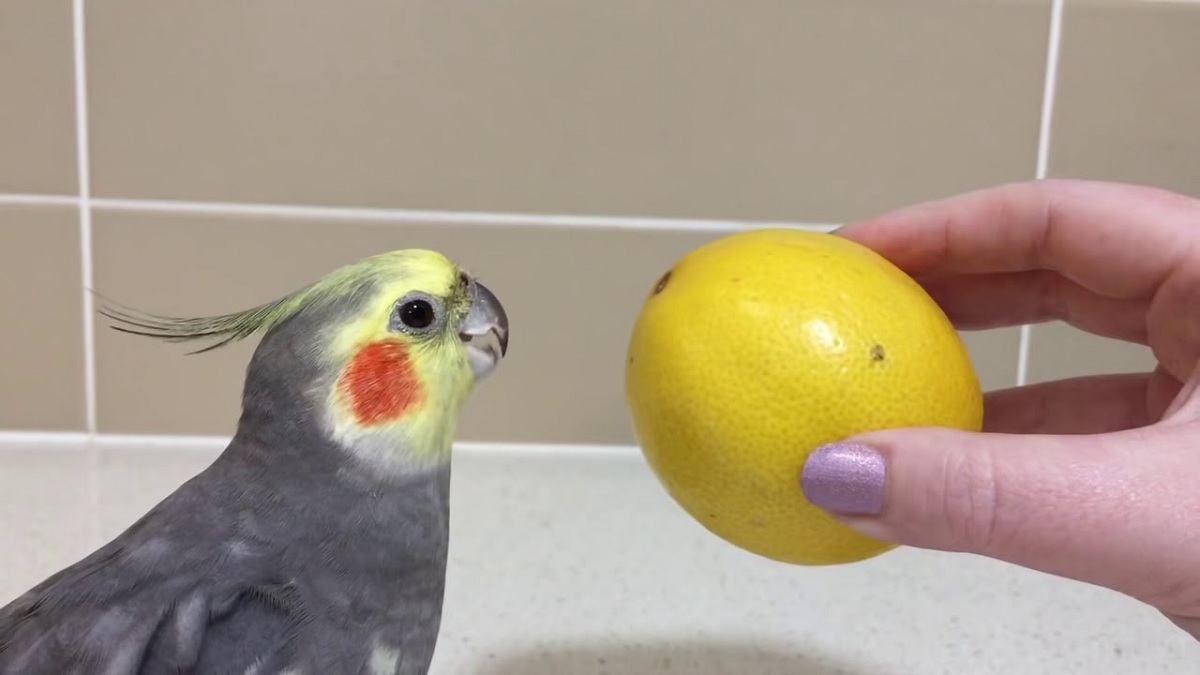
Monitoring your bird’s behavior and digestive health after introducing lemons is essential. Look for any signs of discomfort, such as reduced appetite, diarrhea, or unusual lethargy, which may indicate that the lemon is too acidic or being consumed in excess. Birds may initially hesitate to eat lemon, and their response will guide how much and how often you offer it.
Gradually adjusting portion size based on these observations helps ensure the bird tolerates the fruit without negative effects. Encouraging natural foraging behavior, such as scattering small lemon pieces among other foods, allows the bird to explore the fruit safely and provides enrichment while promoting healthy eating habits.
Combining Lemons With Other Fruits
Mixing lemons with sweeter, milder fruits helps balance flavor and acidity. Birds are more likely to accept a mixture of fruits rather than pure lemon, reducing the chance of digestive upset. Combining lemon with familiar fruits also encourages sampling and prevents food aversion.
Using a variety of fruits alongside lemon provides a broader spectrum of nutrients, supporting overall health. Gradually increasing the proportion of lemon in a mixed fruit serving allows birds to adapt to the taste safely. This method promotes enrichment, encourages natural foraging, and maximizes the nutritional benefits of offering citrus in a controlled and safe way.
FAQs
Are Lemons Safe for Birds to Eat?
Yes, lemons can be safe for birds in small amounts, but you must be cautious. The high acidity may cause digestive discomfort if consumed in large quantities.
When offering lemons, make sure they are fresh and free from added sugar or chemicals. Birds may enjoy the juice or small pieces of fruit, but moderation is key. Observing how your bird reacts after tasting lemons helps you determine if it is well-tolerated and safe for regular consumption.
What Are the Benefits of Feeding Lemons to Birds?
Lemons contain vitamin C and other nutrients that can support a bird’s immune system and overall health. Including small pieces in their diet can offer a nutritional boost.
You will notice that birds who enjoy citrus may show increased energy or activity. However, lemons should complement a balanced diet rather than replace regular bird feed. Combining lemons with other safe fruits can provide variety and additional health benefits.
How Should You Prepare Lemons for Birds?
To safely feed lemons, cut them into small, manageable pieces or offer a few drops of fresh juice. Avoid seeds, as they can be harmful to birds.
You should always wash the fruit thoroughly to remove any pesticides or chemicals. By preparing lemons carefully, you reduce the risk of digestive issues. Birds may need time to adjust, so start with tiny portions and observe their reactions.
Can Lemons Harm Birds If Eaten in Excess?
Yes, feeding too many lemons can harm birds due to their acidic nature. Overconsumption may lead to stomach irritation or diarrhea.
It’s important to limit lemons to occasional treats rather than a staple of their diet. You should monitor your bird closely for any adverse reactions, and discontinue feeding lemons if you notice signs of discomfort or illness. Moderation ensures safety and enjoyment.
Are All Birds Able to Eat Lemons?
Not all bird species react the same way to lemons. Some may tolerate citrus well, while others may find it too acidic.
Observing individual preferences is essential. Smaller birds or species with sensitive digestive systems may need even smaller portions or avoidance altogether. You can introduce lemons gradually and watch for acceptance or rejection, helping you provide a safe diet tailored to your bird’s needs.
How Can You Tell If a Bird Likes Lemons?
You can tell a bird likes lemons by observing its behavior. Birds that peck at the fruit, lick the juice, or return for more are likely enjoying it.
Conversely, spitting out pieces or avoiding the lemon indicates dislike or sensitivity. By paying attention to these reactions, you can safely include lemons in their diet. Birds’ preferences vary, so observing their choices is the best way to provide safe and enjoyable treats.
Conclusion
Citrus fruits like lemons can offer certain nutritional benefits to birds, but their high acidity requires careful consideration. Observing how birds respond to small, controlled portions is essential to ensure their digestive systems are not upset. Proper preparation, such as removing seeds, cutting into small pieces, and washing thoroughly, helps make lemons safer for occasional consumption.
Understanding the potential risks, including digestive irritation and taste aversion, is crucial when introducing lemons into a bird’s diet. By combining lemons with other bird-safe fruits and limiting the frequency of servings, you can provide enrichment and nutrients without compromising overall health. Gradual introduction allows birds to adapt to the flavor while minimizing the likelihood of discomfort.
In summary, can birds eat lemons is a question best approached with moderation and careful observation. Providing lemons thoughtfully as part of a balanced diet ensures birds enjoy the occasional citrus treat safely while benefiting from its vitamins and antioxidants.