Can Birds Eat Walnuts: Safe Feeding Tips and Nutritional Benefits
Birds are naturally curious about the foods in their environment, often exploring seeds, nuts, fruits, and insects to meet their nutritional needs. Walnuts, with their rich texture and high-fat content, attract the attention of many backyard birds. Understanding how these nuts fit into a bird’s diet can help bird enthusiasts provide safe and healthy feeding options.
Birds require a balanced intake of protein, fat, and vitamins to maintain energy, especially during colder months or breeding season. Walnuts offer beneficial fats and nutrients, making them a potential supplement to natural foraging. Observing which bird species are drawn to walnuts can reveal interesting patterns in feeding behavior and preferences.
Providing walnuts can also be a way to support local wildlife while encouraging birds to visit feeders. Recognizing the appropriate form and preparation ensures that the nuts are safe and easy for birds to consume.
Can Birds Eat Walnuts Safely
Birds are often attracted to a variety of nuts due to their high energy content and nutritional benefits. Walnuts, in particular, are rich in healthy fats, protein, and essential nutrients that can support birds’ diets. Understanding how to offer walnuts safely ensures that birds can enjoy these foods without health risks. Providing proper preparation, portion control, and awareness of species-specific needs allows you to enhance feeding habits while protecting the wellbeing of your feathered visitors.
Nutritional Benefits of Walnuts for Birds
Walnuts are packed with nutrients that can be beneficial to birds. They contain high levels of omega-3 fatty acids, which support heart health, feather development, and overall energy. Protein content in walnuts helps maintain muscle tone and supports growth in young birds. Vitamins such as B-complex and minerals like magnesium and calcium contribute to metabolic function, bone strength, and overall health.
Many backyard species, including jays, woodpeckers, and nuthatches, are naturally drawn to nuts because they are energy-dense and provide a sustained source of calories. This is especially important during colder months when insects and fruits are less available. Walnuts can complement a bird’s natural diet when offered in moderation, supporting both adult and fledgling birds as they maintain energy for flying, foraging, and reproduction.
It’s important to note that nutritional benefits are best realized when walnuts are fresh, unsalted, and free from mold. Moldy or spoiled nuts contain toxins that can be harmful to birds. Proper handling ensures that these healthy nuts provide the intended energy and nutrients safely.
Preparing Walnuts for Safe Feeding
To ensure that birds can safely eat walnuts, proper preparation is essential. Whole walnuts with shells can be offered to larger species like crows, jays, and woodpeckers, which have strong beaks capable of cracking them. For smaller birds, such as finches and chickadees, it’s best to offer shelled walnuts that are chopped or broken into manageable pieces.
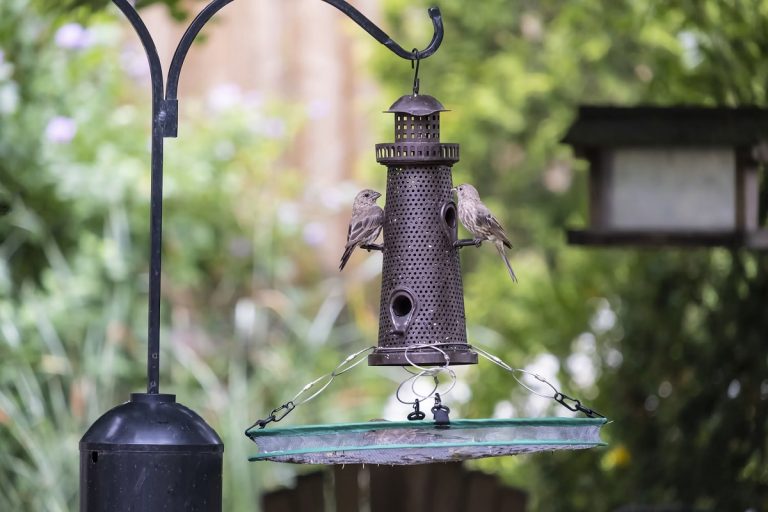
Avoid adding salt, sugar, or flavorings, as these additives can harm birds. Raw walnuts are preferable over roasted nuts, which may contain oils or seasonings that disrupt digestion. Placing walnuts on a flat platform feeder or scattering them on the ground allows birds to access the nuts safely without overcrowding or competition.
Observation is also important. Some birds may be hesitant at first and need time to adjust to the unfamiliar texture and size of walnuts. By offering small amounts at a time and ensuring the nuts remain dry, you can create a safe feeding environment that encourages healthy foraging behavior.
Risks of Feeding Walnuts to Birds
Although walnuts are generally safe for birds, certain risks exist. Mold or aflatoxin contamination in walnuts can lead to serious health problems, including liver damage or digestive upset. Stale or spoiled nuts should never be fed to birds, as even small amounts of toxin can be harmful.
Overfeeding is another concern. Nuts are calorie-dense, and excessive consumption may lead to obesity or nutritional imbalances if they replace other essential foods. It’s important to maintain variety in bird diets by offering seeds, fruits, and insects alongside nuts.
Some bird species may struggle with whole walnuts due to size or beak strength. Providing appropriately sized pieces ensures that smaller birds can safely consume the nuts without choking or struggling to access nutrients. Awareness of species-specific feeding abilities minimizes the risk of injury or stress.
Encouraging Birds to Eat Walnuts
To attract birds to walnuts, create a safe and inviting feeding setup. Use platform feeders, suet cages, or shallow bowls to place walnut pieces where birds can easily access them. Mixing walnuts with other safe nuts, seeds, or dried fruits can make them more appealing, especially for species that are hesitant to try new foods.
Observing bird behavior helps you adjust feeding practices. Remove uneaten or moldy nuts promptly to prevent spoilage and contamination. Regularly cleaning feeders and rotation of fresh walnuts ensures that the birds receive high-quality nutrition.
Feeding walnuts can be a rewarding way to support local wildlife. By providing safe, properly prepared walnuts, you encourage natural foraging behaviors, offer essential nutrients, and help birds maintain energy throughout the year.
Nutritional Benefits of Walnuts for Birds
Walnuts are one of the most nutrient-dense nuts available, providing a variety of benefits for birds. Packed with healthy fats, protein, and essential vitamins, they can supplement a bird’s natural diet and support overall health. Offering walnuts in moderation allows birds to maintain energy, improve feather quality, and thrive in environments where natural food sources may be limited. Understanding their nutritional value helps bird enthusiasts feed responsibly.
Healthy Fats for Energy and Survival
One of the main benefits of walnuts for birds is their high content of healthy fats, especially omega-3 fatty acids. These fats provide a concentrated energy source, which is particularly important during colder months or long migrations when birds need extra calories to maintain body heat and stamina.
Fat-rich foods like walnuts help support flight performance, reproductive success, and overall endurance. Young birds also benefit from these nutrients, as fats are critical for growth and feather development. Omega-3 fatty acids support cardiovascular and neurological function, promoting strong overall health.
While walnuts are beneficial, moderation is key. Overfeeding high-fat foods can lead to imbalances, so they should complement seeds, fruits, and insects rather than replace them. Providing fresh, unsalted walnuts ensures that birds gain maximum energy benefits safely without exposure to harmful additives.
Protein Content Supports Growth and Muscle Development
Walnuts are also a valuable source of protein, which is essential for muscle maintenance and growth in birds. Protein supports tissue repair, organ function, and the development of chicks in nesting season. Feeding birds small portions of walnut can improve their overall diet quality, especially for species that rely on both plant-based and insect-based nutrition.
Protein intake is particularly important for young fledglings that require rapid growth and for adult birds during breeding periods. Birds such as jays, nuthatches, and woodpeckers benefit from the combination of protein and fat, which provides balanced energy for active lifestyles.
Chopped or shelled walnuts are easiest for smaller birds to consume, ensuring they can access the protein without struggling. By incorporating walnuts alongside other protein sources like insects or mealworms, you help birds maintain muscle strength and overall health throughout the year.
Vitamins and Minerals for Immune Support
Walnuts contain essential vitamins and minerals, including B-complex vitamins, vitamin E, magnesium, and calcium, all of which support metabolic processes and overall health. B vitamins aid in energy production and nerve function, while vitamin E acts as an antioxidant, protecting cells from damage.
Magnesium supports enzyme function and muscle control, and calcium contributes to strong bones and eggshell formation in breeding birds. Regular access to nutrient-rich foods like walnuts helps maintain immune resilience, supporting birds in facing environmental stressors and disease.
By offering a variety of nutrients, walnuts provide more than just energy. They help birds thrive in urban and backyard environments, where natural food sources may vary seasonally. Combining walnuts with seeds, fruits, and occasional insects ensures a balanced diet and sustained health benefits.
Supporting Feather Development and Overall Health
Healthy fats, protein, vitamins, and minerals all contribute to feather growth, which is critical for flight and insulation. Walnuts supply nutrients that strengthen feather structure, promote molting, and improve plumage condition, giving birds better protection against weather extremes.
Regular consumption of nutrient-dense foods like walnuts helps birds maintain vitality and stamina. This is especially important for migratory species and those living in areas with limited natural foraging opportunities. Nutrient-rich diets improve reproductive success, energy levels, and resistance to disease.
Offering walnuts in appropriate quantities supports long-term bird health. Providing them alongside other safe food sources encourages natural feeding behaviors and ensures birds receive a wide range of essential nutrients for growth, survival, and active lifestyles.
How To Prepare Walnuts For Birds
Feeding walnuts to birds can be a nutritious and rewarding way to support local wildlife. Proper preparation is essential to ensure the nuts are safe, digestible, and appealing to a variety of bird species. By learning the best ways to prepare walnuts, you can provide a high-energy supplement that enhances birds’ diets while minimizing risks like choking, mold, or spoilage.
Selecting the Right Walnuts
The first step in preparing walnuts for birds is selecting high-quality nuts. Always choose fresh, raw, and unsalted walnuts, as salted, roasted, or flavored nuts can be harmful to birds. Fresh walnuts provide essential fats, protein, and vitamins without the additives found in human snacks.
Avoid nuts with visible mold, cracks, or discoloration, as these may contain aflatoxins, which are toxic to birds. Store walnuts in a cool, dry place to maintain freshness. Larger species like jays, crows, and woodpeckers can handle whole nuts with shells, while smaller species such as finches, chickadees, or sparrows benefit from shelled nuts broken into manageable pieces.
Inspecting and selecting walnuts carefully ensures birds receive maximum nutritional benefit while preventing potential health risks from spoiled or processed nuts.
Cracking and Chopping Walnuts
Preparing walnuts for feeding often involves cracking or chopping them to make consumption easier. For larger birds, whole walnuts can be placed in platform feeders or on the ground, as their strong beaks allow them to break the shell. For smaller birds, cracking the walnuts and breaking them into smaller pieces ensures safe and easy feeding.
Use a nutcracker or gently tap walnuts with a hammer, taking care not to crush the pieces too finely. Chopped pieces should be small enough for birds to swallow comfortably but not so tiny that they create a choking hazard. Smaller pieces can be scattered on feeders or mixed with other safe nuts and seeds to attract a variety of species.
Proper preparation in manageable sizes improves accessibility and encourages birds to feed naturally, making walnuts a safe addition to their diet.
Avoiding Harmful Additives
When preparing walnuts for birds, avoid any additives such as salt, sugar, or flavorings. Roasted or seasoned walnuts are not suitable for birds, as oils, salt, and spices can disrupt digestion and lead to dehydration or illness.
Always serve raw walnuts, ideally at room temperature. Wash hands and utensils before handling nuts to reduce contamination, and never use walnuts that have been exposed to chemicals or pesticides. Keeping the feeding area clean also prevents bacteria, mold, or insect infestation.
By avoiding harmful additives and maintaining hygiene, you ensure that the walnuts remain a healthy, energy-rich supplement for birds. Safe preparation is key to preventing illness while supporting proper nutrition.
Storing and Serving Walnuts
Proper storage is important to preserve the nutritional value of walnuts. Store them in an airtight container in a cool, dry place to prevent mold or spoilage. For long-term storage, refrigeration or freezing can extend shelf life without reducing nutrient content.
When serving, use a flat platform feeder, shallow dish, or scatter pieces on the ground for easy access. Avoid overcrowding feeding areas, as competition among birds can lead to stress or injury. Regularly check walnuts for freshness and remove any pieces that appear moldy, damp, or stale.
By combining careful storage with safe serving methods, you create an inviting feeding environment that allows birds to enjoy the benefits of walnuts while minimizing risks associated with spoilage or contamination.
Enhancing Feeding Opportunities
To encourage birds to eat prepared walnuts, offer them alongside other safe foods such as seeds, fruits, or suet. Mixing walnuts with familiar foods increases the likelihood that birds will accept them, especially smaller or more cautious species.
Observation helps you adjust feeding strategies over time. Removing uneaten nuts after a day or two prevents mold and maintains hygiene. Providing walnuts in different locations and at varying heights can attract a variety of bird species while encouraging natural foraging behavior.
Birds That Enjoy Walnuts
Walnuts are a favorite treat for many bird species due to their rich flavor, high energy content, and nutritional value. Observing which birds are attracted to walnuts can help you provide appropriate feeding options and encourage a variety of species to visit your backyard. By understanding their preferences and feeding habits, you can create a safe and rewarding environment that supports local wildlife while offering a nutritious supplement to their diet.
Jays and Crows
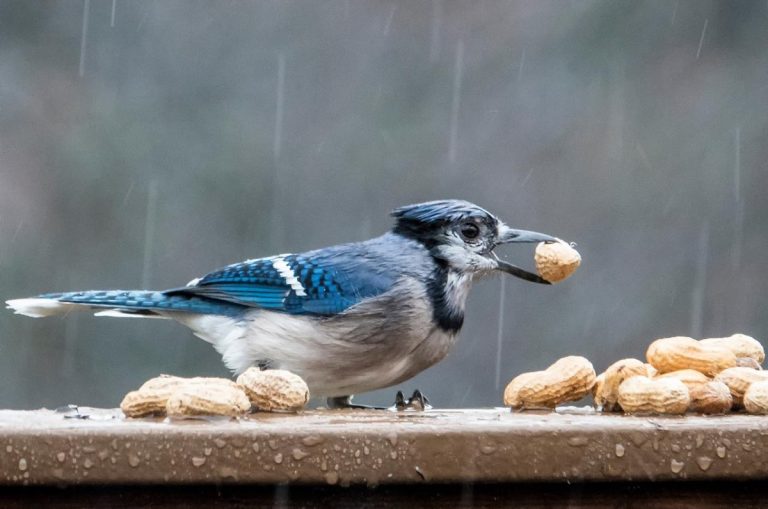
Jays and crows are among the most enthusiastic consumers of walnuts. Their strong beaks allow them to crack open whole walnuts effortlessly, making them ideally suited for these large, energy-dense nuts. These birds are intelligent and resourceful, often storing extra nuts for later use, which is a fascinating behavior to observe.
In addition to energy, walnuts provide essential fats and protein that support their active lifestyles. Jays and crows often feed in pairs or small groups, and offering walnuts in accessible locations like platform feeders or open yards encourages social foraging. Providing whole or chopped walnuts in the winter can help them maintain energy when natural food sources are scarce.
These birds also help disperse seeds naturally. Some stored walnuts may not be retrieved, contributing to local plant growth and promoting biodiversity. By offering walnuts safely, you support both the birds’ nutritional needs and the surrounding ecosystem.
Woodpeckers
Woodpeckers are another species that benefit greatly from walnuts. While they primarily feed on insects, adding high-energy nuts like walnuts provides a valuable supplement, especially during colder months or breeding season. Their strong beaks allow them to peck through shells, exposing the nutritious kernel inside.
Woodpeckers enjoy foraging on vertical surfaces or feeders, making suet cages or platform feeders ideal for serving walnuts. They may cache pieces for later consumption, ensuring a steady supply of energy when food availability fluctuates.
Feeding woodpeckers walnuts also supports feather maintenance, reproductive success, and overall vitality. Their presence in your backyard can be encouraged by offering chopped or shelled walnuts alongside suet, sunflower seeds, and fruit, creating a varied and nutrient-rich feeding environment.
Nuthatches and Small Songbirds
Smaller birds like nuthatches, chickadees, and titmice can also enjoy walnuts when properly prepared. These species require shelled or chopped pieces to safely consume the nuts, as whole walnuts are too large for their small beaks.
Providing walnut pieces on platform feeders, in shallow dishes, or mixed with other seeds allows these birds to feed safely. Their quick movements and foraging instincts make it easy for them to locate and consume these high-energy foods efficiently.
Nuthatches and small songbirds benefit from the fats, protein, and minerals in walnuts, which support feather health, energy levels, and winter survival. Rotating walnuts with other seeds, suet, and fruits ensures a balanced diet and encourages frequent visits from a diverse range of species.
Precautions When Feeding Walnuts to Birds
Walnuts are a nutritious and energy-rich food for birds, but proper precautions are essential to ensure their safety. Feeding walnuts incorrectly can lead to health issues, contamination, or feeding hazards. Understanding the necessary precautions helps you provide birds with the benefits of walnuts while minimizing risks. Proper selection, preparation, and feeding strategies make walnuts a safe and rewarding addition to any bird-friendly environment.
Avoid Moldy or Spoiled Walnuts
One of the most important precautions is to avoid feeding moldy or spoiled walnuts. Mold can produce aflatoxins, which are toxic to birds and can cause liver damage, digestive problems, and even death. Birds are more vulnerable to these toxins than humans, so vigilance is essential.
Always inspect walnuts before feeding, checking for discoloration, cracks, or a musty smell. Store walnuts in a cool, dry place to prevent moisture buildup, which promotes mold growth. Discard any nuts that show signs of spoilage immediately.
Using fresh, raw walnuts reduces the risk of contamination and ensures that birds receive the maximum nutritional benefit. Regular inspection of stored and prepared walnuts is crucial, especially during warmer or more humid seasons when mold growth is more likely.
Feed In Appropriate Portions
Portion control is another important precaution. Walnuts are high in fat and calories, and overfeeding can lead to obesity or nutritional imbalances in birds. While walnuts provide energy, they should be offered as a supplement rather than a primary food source.
Offer small amounts at a time, especially to smaller bird species that cannot consume whole walnuts. Chopped or shelled pieces allow birds to feed safely without struggling or wasting food. Observing birds while feeding ensures that all individuals can access the nuts without aggressive competition.
Maintaining variety in the diet is key. Combine walnuts with seeds, fruits, suet, or insects to ensure balanced nutrition. Moderation helps prevent health issues while still providing the energy and nutrients birds need for survival, growth, and feather maintenance.
Prepare Walnuts Safely
Proper preparation is critical to avoid feeding hazards. Whole walnuts are suitable for large birds like crows, jays, and woodpeckers, but smaller birds require chopped or shelled pieces. Feeding large nuts whole to small birds can create choking risks or frustration.
Avoid additives such as salt, sugar, or roasted oils. These human foods can be harmful, disrupting digestion and potentially causing dehydration or illness. Raw walnuts are the safest option and retain their natural nutritional content.
Offering walnuts in clean, dry feeders or shallow dishes reduces the risk of contamination. Platform feeders, suet cages, or flat surfaces allow birds to access walnuts safely and encourage natural foraging behavior without overcrowding or stress.
Monitor and Maintain Feeding Areas
Regular maintenance of feeding areas is essential when offering walnuts. Remove uneaten nuts promptly to prevent spoilage, mold growth, or attraction of pests. Clean feeders regularly to reduce bacteria, fungi, or parasite buildup.
Observing bird behavior helps identify any issues. If certain birds are struggling with large pieces, adjust preparation accordingly. Ensure nuts remain dry and free from moisture, as damp conditions promote mold and spoilage.
Monitoring also helps maintain hygiene and safety for the birds. A clean, well-maintained feeding area supports bird health and encourages regular visits, maximizing the benefits of walnuts while minimizing risks.
Consider Species-Specific Needs
Different bird species have different feeding abilities, so it’s important to match walnut preparation to the birds in your area. Large birds like jays or woodpeckers can handle whole walnuts, while small songbirds need chopped or shelled pieces.
Observing the species visiting your feeders allows you to adjust portion sizes and preparation methods accordingly. Providing appropriate nut sizes ensures safe feeding and encourages diverse species to benefit from walnuts.
Understanding species-specific preferences and physical limitations helps prevent choking, wasted food, or aggressive competition. Matching walnut size and preparation to bird species ensures a safe, nutritious, and enjoyable feeding experience for all visitors.
People Also Asked
Can Birds Eat Walnuts?
Yes, birds can eat walnuts, and many species enjoy them as a nutritious supplement to their diet. Walnuts provide healthy fats, protein, and essential vitamins that support energy, feather growth, and overall health. Large birds like jays, crows, and woodpeckers can handle whole walnuts, while smaller birds may require chopped or shelled pieces to feed safely.
Offering walnuts encourages natural foraging behavior and provides high-energy food during colder months or when insects and fruits are scarce. Proper preparation and moderation are key to ensuring that the nuts are safe and beneficial for the birds.
Are Walnuts Safe For All Bird Species?
Not all birds can safely eat whole walnuts. Large birds with strong beaks, such as crows, jays, and woodpeckers, can crack and consume whole nuts without difficulty. Smaller songbirds like finches, chickadees, and nuthatches need chopped or shelled walnuts to prevent choking or feeding stress.
Understanding species-specific feeding abilities helps you provide safe portions. Offering nuts in the correct form ensures birds gain the nutritional benefits without risking injury or frustration. Adjusting walnut size according to the birds visiting your feeders is essential for safe feeding practices.
How Should Walnuts Be Prepared For Birds?
Walnuts should be fresh, raw, and unsalted before offering them to birds. Large species can handle whole walnuts, while smaller birds require chopped or shelled pieces. Avoid roasted, flavored, or salted walnuts, as additives can harm birds’ digestive systems.
Chopping walnuts into manageable pieces allows birds to feed safely without struggling. Placing walnuts on flat platform feeders or shallow dishes makes them more accessible. Proper preparation ensures that all visiting birds can enjoy the nuts while receiving the maximum nutritional benefits safely.
Can Birds Eat Walnuts Every Day?
While walnuts are nutritious, they should be offered in moderation rather than daily as a primary food source. They are high in fats and calories, which can cause obesity or nutritional imbalances if overfed.
Use walnuts as a supplement alongside seeds, fruits, suet, and insects to provide a balanced diet. Observing how much the birds consume helps you regulate portions. Offering walnuts a few times per week ensures they gain the benefits without relying solely on nuts for nutrition.
Are Shelled or Unshelled Walnuts Better For Birds?
It depends on the bird species. Large birds like jays and crows can manage unshelled walnuts due to their strong beaks. Small birds, however, need shelled or chopped walnuts to safely access the nutritious kernels.
Providing appropriately sized pieces reduces the risk of choking or feeding frustration. Serving shelled walnuts for small songbirds encourages consumption while allowing larger birds to enjoy whole walnuts. Matching walnut preparation to the species visiting your feeders is essential for safe and effective feeding.
What Are The Risks Of Feeding Walnuts To Birds?
The main risks involve mold, aflatoxins, and improper preparation. Moldy or spoiled walnuts can produce toxins that cause liver damage, digestive issues, or death. Whole walnuts can pose choking hazards to smaller birds if not chopped or shelled.
Overfeeding walnuts can also lead to obesity or nutritional imbalance. Using fresh, raw walnuts, checking for mold, and providing proper portion sizes minimize these risks. Following safe feeding practices ensures that birds benefit from walnuts without harm.
How Can You Encourage Birds To Eat Walnuts?
To encourage birds to eat walnuts, place them in accessible feeders or on flat platforms. Mixing chopped walnuts with other seeds, suet, or dried fruit can attract both cautious and experienced feeders.
Observation is key—if birds hesitate, try offering smaller pieces or spreading nuts over multiple feeding areas. Maintaining clean, dry feeding stations and providing fresh walnuts regularly increases acceptance. Over time, birds learn to enjoy walnuts as a high-energy, nutritious supplement to their diet.
Final Thoughts
Feeding birds can be a rewarding way to observe wildlife up close, and choosing the right foods is essential for their health and safety. Walnuts can be a nutritious treat for many bird species, but it’s important to serve them properly. Raw, unsalted, and chopped walnuts are the safest options, providing protein, healthy fats, and essential nutrients that support energy and feather health.
Understanding which birds enjoy walnuts and how they consume them helps prevent potential hazards like choking or digestive issues. By keeping portions small and ensuring the nuts are fresh, you can safely incorporate walnuts into your bird-feeding routine.
For anyone wondering can birds eat walnuts, the answer is yes, with caution. Offering walnuts responsibly, alongside other safe nuts and seeds, can enrich a bird’s diet and attract a variety of species to your backyard, making feeding time both safe and enjoyable for you and the birds.