Should You Remove Old Bird Nests From Trees: Key Tips For Safety And Hygiene
Birds play an important role in maintaining the balance of ecosystems, and their nests are a testament to their natural instincts and hard work. Over time, old nests can accumulate in trees, raising questions about their impact on the health of the tree, the surrounding environment, and future bird activity. Understanding how these nests interact with their surroundings helps homeowners and gardeners make informed decisions.
Many people wonder whether leaving old nests in place affects tree health or poses safety risks. Some nests may harbor parasites, debris, or weakened branches, while others simply blend harmlessly into the natural structure of the tree. Considering the balance between protecting wildlife and maintaining safe, healthy trees is key.
Homeowners may also consider the seasonal and environmental context when deciding on nest removal. Knowledge of bird species, nesting habits, and local regulations can influence how one approaches this task.
Should You Remove Old Bird Nests From Trees For Safety Reasons
Old bird nests in trees can sometimes raise safety concerns, especially for homeowners or those maintaining public spaces. While birds are generally harmless, nests that remain year after year may cause structural or health-related issues. Understanding when and why to remove old nests for safety reasons helps you protect both your property and the local environment.
Structural Risks Of Old Nests
One of the main safety concerns is the potential structural impact on trees. Over time, nests can accumulate debris, moisture, and weight, which may weaken smaller branches. This is particularly true for larger nests built by species like crows, herons, or raptors. Heavy nests combined with storms or strong winds can cause branches to break unexpectedly, posing risks to people, vehicles, and property below.
While most nests are small and lightweight, repeated use in the same location can create a buildup that adds strain. Removing old nests that are obviously deteriorating or placed on fragile branches can reduce the likelihood of breakage. Regular inspection of trees for weakened branches, combined with strategic nest removal, is an effective way to manage structural safety while respecting the natural environment.
Fire Hazards From Dry Nests
Dry bird nests are highly flammable and can pose a fire risk, especially in regions prone to wildfires or near homes with wooden structures. Nests built from twigs, leaves, and other dry materials can easily ignite from sparks, lightning, or nearby garden equipment. Accumulated nests can act as fuel for a fire that might otherwise have been contained.
Removing old, dry nests from easily accessible branches or near homes can significantly reduce the risk of accidental fires. This measure is especially important for nests located near rooftops, fences, or outdoor structures where fire could spread quickly. Using protective gloves and following safe handling practices ensures both your safety and minimal disturbance to the surrounding wildlife habitat.
Pest And Disease Concerns
Old bird nests can harbor parasites such as mites, fleas, or ticks, which can spread to other birds, pets, or humans. They can also carry bacteria or fungi that lead to respiratory issues or other health concerns. While not every nest poses a serious threat, nests that have been abandoned for long periods are more likely to accumulate harmful organisms.
Removing nests that show signs of pest infestation or decay can protect the health of the household or nearby pets. Care should be taken to avoid disturbing active nests, as many bird species are protected by law. Cleaning and disposing of nests safely helps minimize exposure to harmful agents while maintaining a safer outdoor environment.
Timing And Legal Considerations
Timing is crucial when considering nest removal. Many bird species are protected during breeding seasons, and disturbing active nests can be illegal and harmful to wildlife. Conducting inspections during off-seasons ensures that nests are abandoned and safe to remove.
Legal regulations vary depending on your location, so checking local wildlife protection laws is essential before removing nests. Following these guidelines ensures that your safety measures do not inadvertently harm protected species or result in penalties. This careful approach balances property safety with ecological responsibility.
Proper management of old bird nests can address safety risks such as structural damage, fire hazards, and pest infestations. Understanding when and how to remove nests ensures both the protection of people and property while respecting the ecological role birds play in your environment.
Should You Remove Old Bird Nests From Trees To Prevent Disease
Bird nests are natural components of the environment, but over time, old nests can become breeding grounds for parasites and harmful microorganisms. Considering whether to remove old bird nests from trees to prevent disease is important for maintaining both human and animal health. Understanding the potential risks associated with abandoned nests can help you make informed decisions.
Parasites That Thrive In Old Nests
Old bird nests can harbor a variety of parasites, including mites, lice, fleas, and ticks. These parasites often remain in the nest long after the birds have left, posing a risk to other birds, pets, and even humans who come into contact with the area. For example, mites can spread quickly to other wildlife or domestic birds, causing irritation, feather damage, or illness.
Regular inspection of trees can help you identify nests that appear old, deteriorated, or infested. Removing these nests safely, using gloves and protective clothing, reduces the likelihood of parasite transmission. Proper disposal, such as sealing the nest in a bag before discarding it, ensures that parasites cannot spread to other areas of your property.
Managing nests in this way supports the health of both humans and animals. It also helps minimize the risk of recurring infestations, especially in areas where multiple birds return seasonally to build nests in the same tree.
Bacterial And Fungal Growth
Old nests can also become breeding grounds for bacteria and fungi. Moisture trapped in nest materials like twigs, leaves, and feathers creates ideal conditions for pathogens to thrive. Birds and humans exposed to these microorganisms may experience respiratory issues, skin irritation, or other health complications.
For example, fungal spores from mold or Aspergillus species can cause respiratory infections in sensitive individuals or animals. Bacteria such as Salmonella may also linger in abandoned nests, potentially contaminating soil or nearby surfaces. Removing old nests reduces the presence of these harmful organisms and lowers the chance of accidental contact.
Maintaining clean and healthy outdoor spaces by managing old nests is particularly important for urban or residential areas where human activity and pets are frequent. Thoughtful removal practices can significantly reduce exposure to disease-causing organisms while still preserving active nests for future bird use.
Recognizing Signs Of Disease Risk
Not every old nest poses a serious health threat, so knowing what to look for is essential. Signs of disease risk include visible mold or mildew, excessive droppings, foul odors, or noticeable insect activity. Nests that appear damp, decayed, or heavily infested are the most likely to harbor pathogens.
Timing also plays a critical role. Only abandoned nests should be removed, as active nests are protected by law and contain live birds or eggs. Conducting seasonal inspections and monitoring bird activity ensures that interventions are safe and legal. Proper identification allows you to target nests that genuinely pose a health risk rather than removing nests unnecessarily.
By assessing nests carefully, you can focus on mitigating disease risks while maintaining a balanced approach to wildlife management. This strategy supports both human safety and bird conservation.
Safe Removal Practices
When removing old nests to prevent disease, safety precautions are vital. Wearing gloves, masks, and long sleeves minimizes direct exposure to parasites or pathogens. Carefully dislodge the nest without scattering debris, and place it in a sealed bag for disposal. Avoid using bare hands or shaking the nest, as this can release spores or parasites into the air.
After removal, cleaning the surrounding area and any surfaces that may have been contaminated further reduces disease risk. Proper hygiene, such as washing hands and tools afterward, ensures that pathogens do not spread to other areas of your property. Following these steps helps protect both humans and pets while allowing active nests to remain undisturbed.
Old bird nests can harbor parasites, bacteria, and fungi that pose health risks. By understanding when and how to safely remove nests to prevent disease, you can protect your family, pets, and property while still supporting the natural lifecycle of local bird populations.
Disturbing Wildlife
Disturbing wildlife is a serious concern that affects both animal populations and ecosystems. Human activities, even unintentional ones, can disrupt natural behaviors, feeding patterns, breeding cycles, and migration. Understanding how and why wildlife is disturbed helps individuals make responsible decisions in parks, backyards, or natural areas, promoting coexistence and environmental stewardship.
Effects On Feeding And Foraging
When wildlife is disturbed, their ability to feed efficiently is often compromised. Birds, mammals, and other animals may abandon feeding areas if humans approach too closely, leaving them unable to consume the necessary nutrients to sustain energy levels. Repeated disturbances can lead to long-term malnutrition or force animals to relocate to less suitable habitats.
For example, birds that are frequently scared off during foraging may struggle to gather enough food for themselves or their chicks. Mammals, such as deer, may avoid areas they normally graze in, increasing competition in safer zones. Disturbance can also alter daily routines, forcing wildlife to feed at unusual times and increasing vulnerability to predators.
Minimizing direct interference, keeping safe distances, and using observation points can reduce feeding disruptions while allowing humans to enjoy nature responsibly. These small actions have significant impacts on overall wildlife health and survival.
Impact On Breeding And Nesting
Breeding and nesting are particularly sensitive periods for wildlife. Disturbances during these times can cause animals to abandon nests, eggs, or young, reducing reproductive success. Birds and mammals that experience repeated interruptions may skip breeding entirely in a given season.
For instance, frequent human presence near nesting sites can trigger stress responses in parent birds, leading to decreased feeding for chicks or premature abandonment. Similarly, mammals may leave young in temporary shelters, exposing them to cold, predators, or starvation. Such disruptions can have cascading effects on population numbers over time.
Maintaining distance from nesting sites, avoiding loud noises, and minimizing human activity in sensitive areas are key strategies to protect reproduction. Understanding the timing of breeding seasons ensures that interventions are safe and minimize negative impacts.
Disruption Of Migration Patterns
Migration is another stage where wildlife is highly vulnerable to disturbance. Birds, bats, and some marine species rely on precise cues to navigate long distances. Human interference, including habitat destruction, light pollution, and frequent disturbances, can alter migration routes or delay departures.
Changes in migratory behavior can affect survival rates and breeding success at destination sites. For example, birds forced to rest in unsuitable areas due to human presence may face food scarcity or increased predation. These disruptions can have long-term consequences for species that rely on predictable seasonal movements.
Being aware of migration corridors and avoiding interference during peak migration periods helps protect these critical behaviors. Responsible wildlife observation and reduced human impact in key areas are crucial to supporting successful migration.
Stress And Behavioral Changes
Disturbing wildlife triggers physiological and behavioral stress responses. Animals may exhibit increased heart rates, heightened alertness, and altered social interactions, which can drain energy reserves and reduce overall fitness. Chronic stress also suppresses immunity, making wildlife more susceptible to disease.
Behavioral changes may include aggression, avoidance of certain areas, or abnormal feeding patterns. Over time, these responses can affect reproduction, growth, and survival, impacting local populations and ecosystem balance. Even seemingly minor disturbances, such as approaching too closely during hikes or handling animals, can have significant long-term effects.
Promoting awareness of safe distances, minimizing noise, and avoiding physical interference helps reduce stress on wildlife. By observing from afar and respecting natural behaviors, humans can enjoy wildlife while minimizing negative impacts on their health and survival.
Human disturbance of wildlife affects feeding, breeding, migration, and stress levels. Understanding the consequences of interference emphasizes the need for responsible behavior in natural spaces. By maintaining distance, minimizing noise, and avoiding sensitive areas, people can coexist with wildlife and support ecosystem stability.
Encourage New Nesting
Encouraging new nesting in your yard or garden benefits both wildlife and the local ecosystem. Providing safe and suitable nesting opportunities supports bird populations, aids in pest control, and enhances biodiversity. Understanding how to create an inviting environment for nesting allows you to foster healthy wildlife activity while maintaining balance between human spaces and natural habitats.
Providing Suitable Nesting Sites
One of the most important steps to encourage new nesting is offering appropriate nesting sites. Different bird species have specific requirements for nest location, including height, shelter, and access to food sources. For example, cavity-nesting birds like chickadees and bluebirds prefer birdhouses, while species like robins and sparrows may opt for open branches or dense shrubs.
When placing nesting boxes, ensure they are securely mounted, protected from predators, and positioned in areas with minimal disturbance. Natural materials like thick branches, tall grasses, and hedges can also provide excellent shelter for birds seeking a safe place to build their nests. Creating a variety of nesting options increases the likelihood that multiple species will utilize the space.
Providing suitable sites not only encourages birds to settle but also helps them feel safe and supported during breeding. This increases reproductive success and promotes a thriving local bird population, enhancing your yard’s ecological balance.
Offering Nesting Materials
Supplying birds with materials for nest construction is another effective way to encourage new nesting. Natural items like twigs, leaves, grass clippings, feathers, and moss can make building nests easier and safer for birds, especially during early spring when resources are scarce.
Placing materials in a designated area or using hanging containers allows birds to access them without interference. Avoid synthetic or harmful materials, as these can entangle birds or create unsafe nesting conditions. Observation reveals that birds often select the materials they need, and providing a diverse range of options can accommodate multiple species simultaneously.
Accessible nesting materials reduce the time and energy birds spend gathering resources. This allows them to focus on egg-laying, incubation, and chick-rearing, improving overall nesting success. By offering materials thoughtfully, you support wildlife development while creating opportunities for safe nesting in your garden or yard.
Maintaining Safe And Supportive Habitats
Encouraging new nesting also involves maintaining a habitat that is safe, quiet, and resource-rich. Birds require areas free from frequent human disturbance, loud noises, and domestic predators like cats. Dense shrubs, layered foliage, and sheltered spots near water sources provide security for nesting and feeding.
Ensuring a consistent food supply, such as native plants, berries, or insect-rich areas, encourages birds to remain in your yard during breeding season. Additionally, maintaining cleanliness around nesting areas reduces the risk of disease or parasite buildup, which can deter birds from establishing nests.
Encourage New Nesting
Encouraging new nesting in your yard or garden benefits both wildlife and the local ecosystem. Providing safe and suitable nesting opportunities supports bird populations, aids in pest control, and enhances biodiversity. Understanding how to create an inviting environment for nesting allows you to foster healthy wildlife activity while maintaining balance between human spaces and natural habitats.
Providing Suitable Nesting Sites
One of the most important steps to encourage new nesting is offering appropriate nesting sites. Different bird species have specific requirements for nest location, including height, shelter, and access to food sources. For example, cavity-nesting birds like chickadees and bluebirds prefer birdhouses, while species like robins and sparrows may opt for open branches or dense shrubs.
When placing nesting boxes, ensure they are securely mounted, protected from predators, and positioned in areas with minimal disturbance. Natural materials like thick branches, tall grasses, and hedges can also provide excellent shelter for birds seeking a safe place to build their nests. Creating a variety of nesting options increases the likelihood that multiple species will utilize the space.
Providing suitable sites not only encourages birds to settle but also helps them feel safe and supported during breeding. This increases reproductive success and promotes a thriving local bird population, enhancing your yard’s ecological balance.
Offering Nesting Materials
Supplying birds with materials for nest construction is another effective way to encourage new nesting. Natural items like twigs, leaves, grass clippings, feathers, and moss can make building nests easier and safer for birds, especially during early spring when resources are scarce.
Placing materials in a designated area or using hanging containers allows birds to access them without interference. Avoid synthetic or harmful materials, as these can entangle birds or create unsafe nesting conditions. Observation reveals that birds often select the materials they need, and providing a diverse range of options can accommodate multiple species simultaneously.
Accessible nesting materials reduce the time and energy birds spend gathering resources. This allows them to focus on egg-laying, incubation, and chick-rearing, improving overall nesting success. By offering materials thoughtfully, you support wildlife development while creating opportunities for safe nesting in your garden or yard.
Maintaining Safe And Supportive Habitats
Encouraging new nesting also involves maintaining a habitat that is safe, quiet, and resource-rich. Birds require areas free from frequent human disturbance, loud noises, and domestic predators like cats. Dense shrubs, layered foliage, and sheltered spots near water sources provide security for nesting and feeding.
Ensuring a consistent food supply, such as native plants, berries, or insect-rich areas, encourages birds to remain in your yard during breeding season. Additionally, maintaining cleanliness around nesting areas reduces the risk of disease or parasite buildup, which can deter birds from establishing nests.
A supportive habitat promotes confidence in birds, making them more likely to return year after year. Combining safety, food access, and shelter creates an environment where nesting is sustainable and productive, enhancing biodiversity in your outdoor space.
Seasonal Considerations For Nesting
Timing plays a critical role in encouraging new nesting. Most birds build nests in early spring when temperatures rise and food becomes more available. Preparing nesting boxes, providing materials, and clearing safe areas before this period increases the chances of attracting nesting birds.
Awareness of species-specific behaviors is important. Some birds are migratory and will only use your yard during certain months, while others are year-round residents. Adjusting your habitat management according to seasonal patterns ensures that resources are available when birds need them most.
By considering seasonal needs, you help birds maximize their nesting success while maintaining a balanced ecosystem. Early preparation and consistent care enhance the overall appeal of your yard or garden for nesting wildlife.
Creating inviting nesting opportunities through proper sites, materials, safe habitats, and seasonal preparation encourages birds to settle and reproduce successfully. Supporting new nesting helps maintain local bird populations and contributes to ecological balance while providing opportunities for observation and enjoyment of wildlife in your environment.
Remove Old Bird Nests From Trees Using Proper Tools
Removing old bird nests from trees requires careful planning and the right tools to ensure safety for both you and the surrounding environment. Using proper equipment helps prevent accidents, protects the tree from damage, and ensures that abandoned nests are disposed of responsibly. Understanding the best practices for nest removal allows you to manage your outdoor spaces efficiently while maintaining ecological balance.
Essential Tools For Safe Nest Removal
Using the right tools is critical when removing old bird nests from trees. A sturdy ladder allows safe access to higher branches, while pruning shears or small saws help cut away fragile or overgrown parts of the nest. Gloves are essential to protect your hands from debris, parasites, or sharp twigs. Additionally, safety goggles and masks can prevent irritation from dust, spores, or insects present in the nest.
Selecting the appropriate tools based on the size and location of the nest reduces the risk of accidental injury and ensures efficient removal. Lightweight, portable tools are ideal for maneuvering in tight spaces without damaging branches. Preparing all tools before starting the removal process makes the task smoother and minimizes disturbance to the tree and surrounding wildlife.
Proper equipment also allows for safe disposal of nests, ensuring they are sealed and removed from the property effectively. Taking these precautions is key to achieving both safety and efficiency during nest removal.
Techniques For Effective Nest Removal
Using proper tools alone is not enough; correct techniques are equally important. Approach the tree carefully and stabilize your ladder on solid, even ground. When handling pruning shears or saws, make precise cuts to avoid harming nearby branches. Carefully dislodge the nest and place it directly into a sealed bag to prevent the spread of parasites or debris.
For larger or overgrown nests, it may be necessary to trim surrounding branches to access the nest safely. Using a small brush or hand tool can help remove remaining twigs and debris without causing unnecessary damage to the tree. Always work slowly and deliberately to maintain control of tools and avoid accidents.
Maintaining a systematic approach minimizes the risk of dropping the nest or scattering parasites into your yard. Combining proper tools with careful technique ensures effective removal while preserving the health of the tree.
Safety Precautions During Removal
Safety precautions are essential when removing nests, especially in higher or hard-to-reach areas. Always wear protective gloves, goggles, and a mask to shield yourself from allergens, dust, and potential pathogens. Ensure your ladder is secure, and consider having another person assist by holding it steady or passing tools.
Be mindful of active nests or signs of recent bird activity. Avoid removing nests that may still be in use, as this can harm wildlife and may violate local regulations. Conduct the removal during off-season periods when birds are less likely to return. Using proper tools in combination with safety measures ensures that you avoid injury while responsibly managing the tree.
Safety also includes protecting the tree itself. Avoid cutting healthy branches unnecessarily, and focus only on the nest and immediate debris. Preserving the tree while safely removing old nests maintains both your property and the surrounding ecosystem.
Proper Disposal Of Removed Nests
After removal, properly disposing of the old nest is critical to prevent the spread of disease or pests. Place the nest in a sealed plastic bag and discard it in outdoor trash. Avoid composting, as this may allow parasites or fungal spores to survive. Cleaning the surrounding area with mild disinfectants or removing leftover debris further reduces the risk of contamination.
Proper disposal protects both humans and animals from parasites, bacteria, and other hazards that can accumulate in old nests. Handling the nest carefully during this process ensures minimal exposure and reduces the chance of spreading harmful organisms around your property.
By combining the right tools, safe techniques, and proper disposal practices, removing old bird nests from trees can be efficient, responsible, and safe. This approach protects your home and garden while maintaining respect for wildlife and ecological balance.
Trees And Local Regulations
Managing trees and wildlife often requires awareness of local regulations, especially when it comes to removing old bird nests. Laws protect certain species, nesting sites, and natural habitats, and understanding these rules ensures that your actions are legal and environmentally responsible. Following regulations also helps balance property management with wildlife conservation.
Protected Bird Species And Nesting Laws
Many bird species are legally protected, particularly during nesting and breeding seasons. Removing an active nest from a protected species can result in fines or legal penalties. Local laws often prohibit disturbing birds, eggs, or young during critical periods to support population stability.
Before removing nests, it is important to identify the bird species and confirm whether it is protected. Even abandoned nests may fall under certain restrictions if they are in areas considered wildlife preserves or part of a managed conservation site. Consulting local wildlife authorities or environmental agencies ensures that your actions comply with the law and avoid harming vulnerable species.
Understanding protected species laws also promotes awareness of the ecological importance of nesting birds. This knowledge can guide responsible tree management while respecting natural wildlife cycles.
Seasonal Restrictions And Safe Timing
Local regulations often include seasonal restrictions on nest removal. Birds typically build nests during spring and summer, and many laws forbid interference during these months. Removing nests outside of the breeding season reduces the risk of disturbing active wildlife and ensures compliance with regulations.
Planning nest removal during off-season periods also benefits tree health, as branches are less likely to be home to active nests. Observing birds and monitoring nesting activity can help determine when it is safe to remove old nests. Proper timing avoids legal issues and minimizes ecological disruption, supporting both property safety and wildlife conservation.
Seasonal awareness also encourages proactive planning, such as preparing tools and protective gear ahead of time, to handle nest removal efficiently when it is legally permissible.
Permits And Consultation Requirements
Certain regions require permits for tree work or nest removal, especially for large trees or public lands. Obtaining permits ensures that your activity is monitored and meets local standards for wildlife protection. Some municipalities also offer guidance on safe nest removal practices or may require inspection by environmental officers.
Consulting with local authorities or certified arborists provides valuable information about which nests can be safely removed, the tools to use, and proper disposal methods. This approach protects both you and the wildlife while preventing accidental violations of regulations.
Permit processes may include documentation of tree location, bird species, and the condition of the nest. Following these procedures demonstrates responsible stewardship of trees and wildlife in compliance with local laws.
Liability And Community Considerations
Failing to follow regulations can result in legal liability, fines, or community disputes. Neighbors and local environmental groups may report improper nest removal or disturbance, especially for protected species. Adhering to laws ensures that your actions are defensible and socially responsible.
Understanding community guidelines, such as municipal ordinances or homeowners’ association rules, further reduces conflict. Being informed about regulations demonstrates commitment to wildlife protection while maintaining safe, healthy trees on your property.
Urban Areas
Urban areas create unique challenges and opportunities for birds and their nesting habits. The presence of buildings, limited green spaces, and high human activity impacts where birds choose to build nests. Understanding the dynamics of urban environments allows residents and city planners to balance wildlife conservation with public safety and property management.
Nesting Challenges In Cities
Birds in urban areas face numerous challenges when selecting nesting sites. Natural trees and shrubs may be scarce, forcing birds to adapt to alternative locations such as rooftops, ledges, and vents. These unconventional sites often expose nests to harsh weather, predators, and human interference, reducing the chances of successful breeding.
Urban noise and pollution also affect bird behavior. Constant sounds from traffic, construction, and human activity can disrupt communication between mates and lead to stress, which may reduce reproductive success. Birds must adapt their nesting strategies to cope with these conditions, often resulting in smaller or more concealed nests.
Understanding these challenges helps homeowners and urban managers create safer environments for nesting birds. Providing protected green spaces, shrubs, and safe artificial nesting structures can mitigate some of the pressures caused by city living.
Human Interaction And Nest Disturbance
High human density in cities increases the risk of nest disturbance. People may unintentionally damage nests while pruning trees, installing decorations, or performing maintenance. Pets, particularly cats and dogs, pose another risk by approaching or destroying nests.
Frequent human interaction may cause birds to abandon nests or relocate to less optimal sites. Urban residents can reduce disturbances by maintaining awareness of nesting activity, keeping pets away from known nesting areas, and avoiding loud activities near trees or shrubs with active nests. Even simple actions, such as informing neighbors of nesting birds, can improve the success of urban bird populations.
Educating city dwellers about responsible interaction with wildlife promotes coexistence while reducing risks for birds during critical breeding periods.
Providing Artificial Nesting Options
Artificial nesting structures, such as birdhouses, nest boxes, and rooftop platforms, are effective ways to support birds in urban areas. These structures mimic natural cavities and offer protection from predators and weather, improving the likelihood of successful nesting.
When installing artificial nests, it is important to consider placement, height, and accessibility. Boxes should be positioned in quiet areas away from heavy foot traffic and direct sun exposure. Different bird species have varying preferences, so providing a variety of designs and sizes can attract multiple species to urban habitats.
Artificial nesting options not only benefit birds but also provide opportunities for urban residents to observe and appreciate wildlife. Thoughtful placement and maintenance of these structures encourage birds to thrive in cities without compromising public safety.
Legal And Community Considerations
Urban areas often have regulations governing the removal of nests or modification of trees. Many bird species are protected by law, and disturbing active nests can result in fines or penalties. Understanding local wildlife laws ensures residents manage nests responsibly.
Community initiatives, such as urban green space projects and wildlife education programs, help promote coexistence between humans and birds. Coordinated efforts can balance urban development with ecological preservation, allowing birds to thrive while reducing conflicts with residents.
FAQs
Should You Remove Old Bird Nests From Trees?
You should only remove old bird nests from trees when they are abandoned and pose a risk to safety or hygiene. Active nests with eggs or chicks are protected by law in many areas, so disturbing them can harm wildlife and be illegal.
Removing old nests can prevent structural damage to trees, reduce fire hazards, and limit pest infestations. By targeting only abandoned nests, you maintain both tree health and wildlife safety. Always check for signs of activity before taking any action to ensure compliance with local regulations.
What Are The Risks Of Leaving Old Nests In Trees?
Leaving old bird nests in trees can create potential risks for both people and the environment. Over time, nests may accumulate debris, moisture, or parasites like mites and ticks. These conditions can weaken branches and create hazards for anyone below.
Old nests can also harbor bacteria and fungi, which may spread disease to humans, pets, or other birds. Excessive buildup of nests in one location may increase the risk of fire, especially during dry seasons. Evaluating nests regularly allows you to decide if removal is necessary for safety reasons.
How Can You Tell If A Nest Is Active Or Abandoned?
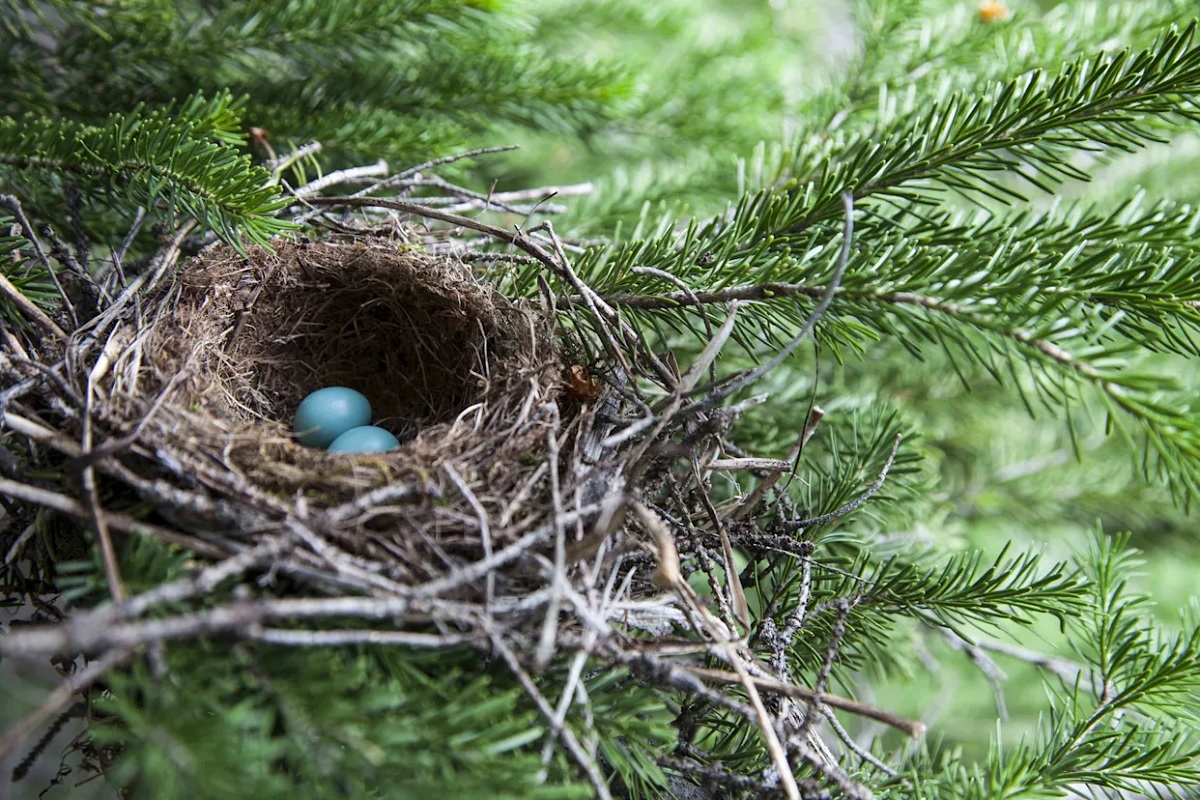
Identifying whether a nest is active is essential before attempting removal. Signs of activity include visible eggs or chicks, fresh nesting material, bird droppings, or frequent visits by adult birds. Observing quietly from a distance for several days can help you confirm activity.
Abandoned nests usually appear dry, brittle, and deteriorated, with no recent signs of use. Checking the nest during off-season periods reduces the risk of disturbing birds. Taking time to assess activity ensures you comply with wildlife protection laws while safely managing your trees.
When Is The Best Time To Remove Old Nests?
The ideal time to remove old bird nests is during the off-season, typically in late fall or winter, when most birds have migrated or completed breeding. Removing nests during these months ensures you do not disturb active nests or young birds.
Seasonal timing also allows you to safely assess tree stability and check for pest or decay issues. Planning nest removal outside of the breeding season minimizes ecological impact and ensures compliance with legal protections for nesting birds.
What Tools Are Needed To Remove Old Nests Safely?
Using the right tools makes nest removal safer and more efficient. Essential tools include a sturdy ladder, pruning shears or a small saw, protective gloves, goggles, and a dust mask. These items protect you from sharp twigs, debris, and potential parasites.
For larger nests, a hand brush or small rake may help remove leftover material without damaging the tree. Preparing your tools ahead of time ensures a smooth and safe removal process, reducing risk to both yourself and the tree.
Can Old Nests Spread Disease Or Parasites?
Yes, old nests can be a breeding ground for parasites like mites, lice, and ticks, which may spread to other birds, pets, or humans. They can also harbor bacteria and fungi that cause respiratory or skin issues.
Removing nests that show signs of infestation or decay helps prevent the spread of disease. Wearing gloves and a mask during removal and properly disposing of nests reduces exposure to harmful microorganisms, protecting both your household and local wildlife.
Are There Legal Considerations For Nest Removal?
Many bird species are protected by local or national laws, making it illegal to disturb active nests, eggs, or chicks. Violating these protections can result in fines or penalties. Checking regulations in your area before removing nests ensures compliance and avoids harming wildlife.
Even abandoned nests may be subject to restrictions in certain conservation areas or on public land. Consulting wildlife authorities or local regulations helps you safely manage nests while respecting ecological and legal responsibilities. Responsible nest management balances safety with conservation priorities.
Conclusion
Old bird nests in trees can pose both safety and health concerns if left unattended. They may harbor parasites, bacteria, or allergens that can affect humans, pets, and other wildlife. Additionally, deteriorating nests can fall during storms or high winds, creating a risk for property damage or injury.
Considering whether to remove them requires careful observation. You need to ensure the nests are truly abandoned and not in use, especially during breeding seasons. By timing the removal correctly and using safe handling practices, you can protect yourself while minimizing harm to birds and their future nesting opportunities.
When deciding should you remove old bird nests from trees, it’s also important to follow local regulations and consider alternatives like artificial nesting boxes. With thoughtful planning, you can maintain tree health, support wildlife, and ensure safety, making your outdoor spaces cleaner and more secure without disrupting nature.