How To Keep Birds Off Your Vehicle: Effective Tips And Tricks To Protect Your Car
Birds are a common presence in urban and suburban areas, and while their songs and flights can be enjoyable, they can also create unexpected challenges. One of the most frustrating situations is when birds choose your vehicle as a perch or bathroom spot. This not only creates a mess but can also damage the paint over time, leading to costly cleaning and maintenance.
Finding a reliable method to prevent birds from settling on your car has become a priority for many vehicle owners. Birds are naturally drawn to certain areas that seem safe or elevated, making vehicles an easy target. Understanding their behavior and patterns can help you take practical steps to protect your car.
Learning strategies for how to keep birds off your vehicle helps you maintain both appearance and longevity. Approaches range from physical deterrents to environmental adjustments, all designed to reduce visits without harming the birds.
Taking proactive measures ensures your vehicle remains clean and free from unwanted bird activity, giving you peace of mind while parked at home or in public areas.
Physical Barriers And Covers
One of the most effective ways to prevent birds from landing on your vehicle is through physical barriers and protective covers. These methods create a direct obstacle, making your car less accessible and less attractive to birds. Using barriers can be a practical solution for both short-term parking and long-term protection, helping you maintain the vehicle’s cleanliness and avoid damage from droppings.
Car Covers And Tarps
Using a full car cover is one of the simplest ways to keep birds off your vehicle. Covers act as a shield, protecting the surface from droppings, scratches, and potential pecking. They are particularly effective when your car is parked outdoors for extended periods, where birds are more likely to perch.
High-quality covers are designed to fit snugly over the car, minimizing gaps that birds could exploit. Materials vary from lightweight fabrics to heavier, weather-resistant options, providing protection not only from birds but also from dust, rain, and sun exposure. Some covers even have built-in straps or elastic edges to prevent wind from blowing them off.
Car covers are also convenient because they are reusable and easy to store. Simply removing the cover before driving ensures a clean surface without affecting your daily routine. For you, investing in a durable cover is a long-term solution that combines cleanliness and protection.
Parking Under Shelters Or Garages
Another physical barrier strategy involves sheltering your vehicle under a carport, garage, or awning. Overhead protection removes the primary landing spots for birds, significantly reducing the likelihood of perching. Covered parking also offers the added benefit of shielding your car from weather-related damage, including UV rays, rain, and falling debris.
Garages provide complete enclosure, preventing birds from accessing the vehicle entirely. For open carports or awnings, the effectiveness depends on location and height. Birds may still hover nearby, but the risk of direct contact with the vehicle is minimized.
By combining covered parking with other deterrent methods, you can create a strong defense against unwanted bird activity. For you, this approach not only protects the car but also adds convenience by integrating with everyday parking routines.
Bird Spikes And Surface Deterrents
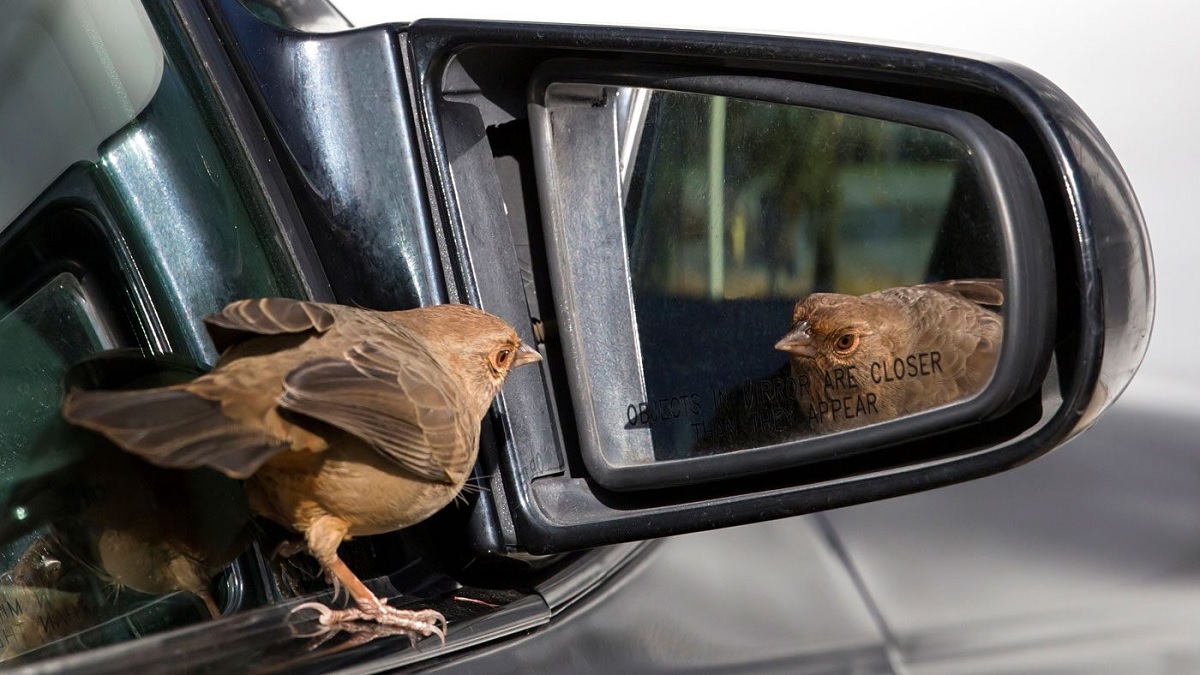
Installing bird spikes or surface deterrents on commonly used perching areas of your vehicle, such as roof racks or mirrors, is another effective physical strategy. These spikes do not harm birds but make landing uncomfortable, encouraging them to seek alternative spots.
Spikes are especially useful for vehicles parked near trees, signs, or structures where birds are likely to congregate. They are often flexible, lightweight, and easy to attach or remove when necessary. Proper placement ensures the deterrent is effective without affecting vehicle aesthetics or function.
Using spikes along with covers or sheltered parking creates multiple layers of protection. For you, combining these physical barriers increases the overall success of keeping birds away while maintaining a clean and scratch-free vehicle surface.
Visual And Sound Deterrents
Preventing birds from landing on your vehicle can also be achieved through visual and sound deterrents. These methods leverage natural bird instincts, using stimuli to create discomfort or a sense of danger. By making the area around your car less inviting, you can reduce bird activity without causing harm. Understanding how these deterrents work helps you implement them effectively for both short-term and long-term use.
Reflective Objects And Decals
Reflective objects, such as shiny tape, mirrors, or decals, are highly effective at keeping birds away. Birds are sensitive to movement and flashes of light, which they interpret as potential threats. Placing reflective strips or decals around your vehicle can create constant motion and glints that discourage perching.
Many vehicle owners use metallic strips attached to mirrors, antennas, or roof racks. These strips sway in the wind, producing flashes of light that birds avoid. Some decals feature eyespots resembling predator eyes, further enhancing the visual deterrent effect.
Reflective objects are low-cost, non-invasive, and safe for birds, making them an appealing solution. For you, they can be strategically placed for maximum exposure without interfering with driving or parking routines. Regularly adjusting the position of strips or decals maintains effectiveness, as birds may eventually habituate to static patterns.
Ultrasonic And Sound Devices
Sound deterrents work by emitting high-frequency noises that are unpleasant to birds but largely inaudible to humans. Ultrasonic devices are designed to create an environment that birds find uncomfortable, prompting them to avoid the area around your vehicle.
Placement is crucial for effectiveness. Devices should be positioned where birds commonly perch or approach the car. While sound deterrents can cover a reasonable radius, combining them with visual measures improves results. Some devices also emit predator calls or distress sounds, triggering innate avoidance behavior.
For you, these sound solutions provide a hands-off approach. They allow protection without constant monitoring or manual intervention. Regularly checking device operation and adjusting settings helps maintain deterrence, preventing birds from becoming accustomed to a static sound environment.
Combination Strategies And Maintenance
Using visual and sound deterrents together produces the strongest results. Birds respond to multiple stimuli, so combining reflective objects, decals, and ultrasonic devices increases the likelihood of keeping them away from your vehicle. Periodically rotating or changing the position of deterrents prevents habituation and maintains effectiveness.
Maintenance is also key. Reflective strips can lose shine over time, and sound devices require battery replacement or adjustment. Consistent upkeep ensures the deterrents continue to perform optimally.
For you, integrating these tools with physical barriers like covers or sheltered parking creates a comprehensive approach. This combination reduces bird activity while minimizing mess and potential damage, keeping your vehicle protected and visually appealing.
Cleaning And Maintenance Strategies
Even with effective deterrents, some bird droppings or minor debris may still affect your vehicle. Implementing regular cleaning and maintenance strategies ensures your car remains in top condition. Proper care not only preserves the paint and finish but also extends the lifespan of protective measures, keeping your vehicle looking clean and well-maintained throughout the year.
Regular Washing And Spot Cleaning
Frequent washing is essential for removing bird droppings, which are acidic and can damage paint if left untreated. Using a gentle car shampoo and microfiber cloth helps prevent scratches while ensuring thorough cleaning. Spot cleaning small areas immediately after noticing droppings reduces long-term paint damage.
For routine washes, pay attention to high spots like mirrors, roof edges, and windshield wipers where birds often perch. Warm water or a dedicated bird-dropping remover can make cleaning easier without compromising the finish. Gentle circular motions and rinsing afterward prevent residue build-up.
For you, consistent washing minimizes the impact of bird activity while maintaining a polished appearance. Establishing a regular cleaning schedule, even weekly or bi-weekly, helps prevent staining and preserves the effectiveness of any protective coatings applied to the vehicle.
Waxing And Protective Coatings
Applying wax or sealants provides an extra layer of protection against bird droppings and environmental debris. Wax creates a smooth surface that makes it harder for droppings to adhere and simplifies cleaning. Protective coatings, including ceramic sprays, offer long-lasting resistance to stains and scratches.
For best results, clean the vehicle thoroughly before applying wax or coating. Follow manufacturer instructions carefully, and consider multiple layers for high-exposure areas. Regular reapplication ensures continued protection, especially during seasons when birds are most active.
For you, investing in protective layers reduces cleaning time and preserves your vehicle’s finish. It also enhances the performance of deterrents, as droppings are easier to remove, and the car maintains a cleaner, well-cared-for appearance overall.
Parking And Routine Inspections
Maintaining your vehicle’s cleanliness also involves strategic parking and periodic inspections. Choose sheltered spots or garages whenever possible, and inspect surfaces regularly for droppings, nests, or debris. Addressing small issues early prevents long-term damage.
Inspecting your vehicle includes checking mirrors, roof racks, and antenna areas where birds often perch. Removing twigs, feathers, or nests promptly prevents obstruction and keeps physical deterrents effective. Routine checks also allow you to assess whether visual or sound deterrents need adjustment.
For you, combining proactive parking strategies with inspections creates a system that reduces maintenance workload and keeps your vehicle in optimal condition. This approach complements regular washing and protective coatings, ensuring both appearance and durability are preserved.
Seasonal Adjustments And Long-Term Care
Bird activity often varies by season, so adapting cleaning and maintenance routines is essential. During nesting seasons, increase inspections and cleaning frequency. In off-peak months, maintain baseline care to prevent residue accumulation.
Long-term care also includes maintaining deterrents and covers. Check straps, elastic edges, and reflective surfaces for wear, and replace or reposition items as necessary. Consistent upkeep prolongs the life of protective tools and maximizes their effectiveness.
For you, combining seasonal awareness with cleaning and maintenance strategies ensures a cleaner, well-protected vehicle year-round. Thoughtful planning minimizes damage, preserves paint, and reduces stress caused by bird activity, keeping your vehicle looking its best.
Parking Techniques To Avoid Birds
Proper parking strategies can play a significant role in keeping birds off your vehicle. By choosing the right locations and positioning your car carefully, you reduce the likelihood of birds perching, nesting, or leaving droppings. Combining smart parking with other deterrents enhances protection and helps maintain your vehicle’s cleanliness and finish over time.
Choose Sheltered And Covered Parking
Parking under a shelter, carport, or in a garage is one of the most effective ways to avoid bird activity. Overhead protection removes access to perching areas and reduces the risk of droppings, nests, and scratches. Even partial coverage, like awnings or trees, can deter birds from settling directly on the vehicle.
Sheltered parking also shields your car from weather-related damage, including UV rays, rain, and debris. When selecting a spot, consider the height and openness of the cover, as birds may still hover nearby if the area is too open. Using a combination of physical barriers like car covers under the shelter enhances effectiveness.
For you, investing in covered parking is a long-term solution that minimizes maintenance efforts. It ensures that your vehicle remains cleaner, safer, and less attractive to birds during both short and long parking periods.
Avoid Parking Near Trees And Perching Spots
Birds naturally gravitate to elevated areas such as trees, utility poles, and fences. Parking directly beneath these spots increases the likelihood of droppings and nest attempts. Choosing open areas away from high perching points reduces exposure significantly.
When you park near vegetation or structures, birds are more likely to view your vehicle as a convenient landing spot. Even minimal overhang from tree branches can encourage perching. Observing bird behavior around potential parking spots helps you identify high-risk locations and avoid them in the future.
For you, this technique requires a small adjustment to daily parking habits but yields noticeable results. By consciously selecting low-risk areas, you protect your car from messes and reduce stress associated with frequent cleaning.
Use Angle And Orientation To Your Advantage
The orientation of your vehicle can influence bird activity. Parking with the front or rear facing away from prevailing flight paths or common perching areas reduces landing opportunities. Birds often approach from predictable angles, and altering your car’s position can make it less accessible.
Combining angle adjustments with reflective surfaces or sound deterrents increases effectiveness. Slight changes in position, even when parked in open spaces, make your vehicle less inviting. Birds are naturally cautious, so small obstacles or unusual angles discourage lingering or nesting attempts.
For you, applying this technique alongside covered parking or car covers creates multiple layers of protection. Strategic orientation complements other deterrent methods, ensuring your vehicle stays cleaner and less attractive to birds over time.
Natural And DIY Repellents
Using natural and DIY repellents is an eco-friendly way to keep birds off your vehicle. These methods rely on scents, textures, and materials that birds naturally avoid, reducing visits without causing harm. Combining these strategies with other deterrents enhances effectiveness while keeping your approach safe, inexpensive, and sustainable.
Citrus Peels And Strong Scents
Citrus peels, such as orange, lemon, or lime, are effective natural deterrents. Birds are sensitive to strong scents, and the acidic aroma of citrus can make an area unappealing. Placing peels strategically on mirrors, bumpers, or near the hood discourages birds from perching or lingering.
Other strong scents like vinegar-soaked rags or coffee grounds can also be used around parking spots. These substances do not harm birds but create an uncomfortable sensory environment that encourages them to seek alternative locations. Regular replacement is important, as the scent fades over time, reducing effectiveness.
For you, using natural scents is a safe and low-cost method that requires minimal maintenance. It complements physical barriers and visual deterrents, creating multiple layers of bird protection for your vehicle.
Aluminum Foil And Reflective Materials
Birds are naturally wary of shiny, moving surfaces, which can be replicated using aluminum foil or reflective materials. Wrapping small strips of foil or attaching reflective tape to the car, mirrors, or nearby surfaces creates flashes of light that birds interpret as potential danger.
These DIY visual deterrents are lightweight, inexpensive, and easy to reposition as needed. The constant movement and reflection of sunlight make your vehicle appear unsafe, discouraging birds from landing. Combining foil with other deterrents, like citrus peels or car covers, enhances overall effectiveness.
For you, this approach requires simple materials and setup but delivers noticeable results. Rotating or adjusting reflective strips periodically maintains their effectiveness, preventing birds from becoming accustomed to static patterns.
Homemade Spray Repellents
Homemade spray repellents, made from ingredients such as water mixed with mild chili powder, vinegar, or essential oils, can deter birds from landing on your car. Spraying these solutions on non-sensitive surfaces discourages birds due to irritation of their senses without causing harm.
It’s important to avoid applying sprays directly to paint or sensitive finishes, as some ingredients may damage coatings. Using a cloth or sponge to lightly apply the repellent on mirrors, bumpers, or nearby parking surfaces minimizes risk while maintaining effectiveness.
For you, DIY sprays offer a customizable and affordable solution that can be reapplied as needed. When combined with other natural methods, they provide a multi-faceted approach to keeping birds away, ensuring your vehicle stays clean and protected.
Long-Term Habits And Monitoring
Developing long-term habits and consistent monitoring is essential for keeping birds off your vehicle over time. Short-term solutions may reduce activity temporarily, but establishing routine practices ensures sustained protection. By combining vigilance, preventive measures, and adjustments based on bird behavior, you can maintain a clean and safe vehicle environment year-round.
Establish Regular Cleaning And Inspection Routines
One of the most important long-term habits is maintaining a consistent cleaning schedule. Regularly washing your vehicle prevents bird droppings from causing paint damage and helps you identify early signs of nesting attempts. Inspect high-risk areas like mirrors, roof racks, and antennas for debris, nests, or feathers.
Spot-cleaning droppings immediately and performing thorough weekly washes reduces the cumulative impact on your car’s finish. While cleaning, check the effectiveness of deterrents such as reflective tape, spikes, or citrus peels. Adjust or replace items that have lost effectiveness.
For you, consistent cleaning routines not only preserve the vehicle’s appearance but also support other deterrent strategies. Early detection and maintenance prevent small issues from escalating, ensuring your efforts remain effective over time.
Monitor Bird Activity And Adjust Strategies
Observing bird behavior around your parking spots is key to long-term success. Birds can adapt to static deterrents, so monitoring allows you to adjust strategies based on their patterns and preferences. Notice which areas attract them most and where deterrents are failing.
You can rotate reflective objects, move citrus peels, or reposition ultrasonic devices to maintain effectiveness. Tracking activity also helps you anticipate seasonal changes, such as nesting periods, when birds are more active and persistent.
For you, monitoring encourages proactive adjustments rather than reactive cleaning. Understanding bird behavior ensures that deterrents remain relevant and effective, minimizing long-term maintenance challenges.
Reinforce Protective Measures Consistently
Maintaining long-term habits includes reinforcing physical barriers like car covers, spikes, or sheltered parking. Regularly check that covers are secure, reflective strips are functional, and spikes are intact. Consistency ensures birds do not find new opportunities to perch.
Combining reinforcement with cleaning, scent repellents, and observation maximizes the effectiveness of your overall strategy. Habitual reinforcement reduces the likelihood of birds developing new perching patterns on your vehicle.
For you, integrating these protective habits into daily routines provides lasting results. Consistency over time is more effective than relying on occasional interventions, giving your vehicle sustained protection against birds.
Frequently Asked Questions
How Can I Use Car Covers To Keep Birds Away?
Using a car cover is one of the most effective ways to protect your vehicle from birds. He or she can choose a durable, weather-resistant cover that completely encloses the car. This creates a physical barrier that prevents birds from landing and leaving droppings.
It’s important to ensure the cover fits snugly and is secured, so birds cannot slip underneath. You can also opt for covers with reflective surfaces to add an extra layer of deterrence. Regularly removing the cover for cleaning prevents dirt buildup and keeps it effective over time.
Do Visual Deterrents Really Work To Keep Birds Off Vehicles?
Yes, visual deterrents can be very effective if used correctly. Items like reflective tape, predator decoys, or shiny objects create movement and reflections that scare birds away. You should place them near the car or on the windshield to maximize their effect.
Birds are naturally cautious and may avoid areas with unusual shapes or reflections. You can rotate or reposition deterrents to prevent birds from getting used to them. Combining visual deterrents with other methods, like car covers or cleaning routines, gives the best long-term results.
Can Ultrasonic Bird Repellents Protect My Vehicle?
Ultrasonic bird repellents emit high-frequency sounds that birds find unpleasant but are mostly inaudible to humans. He or she can install these devices in garages or near parking areas to discourage birds from approaching vehicles.
Effectiveness depends on placement and the type of birds in the area. Some birds may get accustomed to constant sound, so rotating locations or using in combination with visual deterrents is ideal. For best results, use ultrasonic repellents along with proper cleaning and physical barriers.
How Does Parking Location Affect Bird Activity On My Vehicle?
Where you park has a big impact on bird visits. He or she should avoid parking under trees, power lines, or rooftops where birds often perch. Open, clear areas tend to be less attractive to birds, reducing droppings and damage.
Observing patterns over a few days can help you identify safer spots. Even moving your vehicle slightly or adjusting the timing of parking can minimize bird visits. Combining good parking choices with deterrents improves long-term protection.
Can Cleaning And Waxing My Car Really Prevent Birds From Landing?
Yes, maintaining a clean car can reduce bird visits. He or she should regularly wash off food residues, sap, and previous droppings, as these can attract birds. Applying a quality wax or protective coating makes the surface slippery, making it harder for birds to land.
Consistency matters because birds quickly learn which vehicles provide easy perches. Clean, shiny cars also reflect sunlight, which some birds find uncomfortable. Regular maintenance not only protects the paint but also acts as a passive deterrent.
Are Homemade Bird Repellents Effective For Protecting Vehicles?
Homemade repellents, such as sprays made from vinegar, citrus, or essential oils, can help keep birds away. He or she can spray these solutions around the car or on nearby surfaces to create an unpleasant scent for birds.
Effectiveness varies depending on the bird species and weather conditions. Reapplication may be necessary after rain or heavy winds. While DIY repellents are not as strong as commercial options, they can work well in combination with visual deterrents and car covers for a natural, low-cost solution.
Final Thoughts
Keeping your vehicle free from birds requires a combination of awareness, preventive measures, and consistent maintenance. Birds are naturally drawn to elevated and sheltered areas, making cars an attractive perch. By understanding their behavior and using a mix of strategies such as physical barriers, visual deterrents, and natural repellents, you can significantly reduce unwanted visits and protect your vehicle from droppings and scratches.
Establishing long-term habits, including regular cleaning, inspections, and monitoring bird activity, ensures that deterrent methods remain effective. Seasonal changes and varying bird behaviors may require adjustments, but staying proactive minimizes damage and preserves your car’s appearance. Incorporating shelters, car covers, and strategic parking further enhances protection while reducing maintenance efforts over time.
For you, learning and applying these methods provides peace of mind. Knowing practical solutions for how to keep birds off your vehicle helps maintain cleanliness, avoid costly repairs, and enjoy a vehicle that remains in pristine condition year-round.