What Birds Nest In Chimneys: Common Species and Prevention Tips
Chimneys, while designed to vent smoke and gases from homes, can also become unexpected nesting sites for certain bird species. These vertical structures provide shelter from predators and harsh weather, making them attractive to birds searching for a safe place to raise their young. Understanding what birds nest in chimneys helps homeowners anticipate potential problems and appreciate the adaptability of wildlife in urban and suburban environments.
Birds are naturally drawn to cavities and enclosed spaces, and a chimney offers just that. Species that prefer high, protected areas often explore chimneys as alternative nesting sites when natural cavities, such as tree hollows, are scarce. Observing these behaviors reveals how wildlife adapts to human-altered landscapes and how birds find creative solutions for survival.
Knowing what birds nest in chimneys also informs practical steps for prevention and coexistence. Some birds can pose fire hazards, while others may unintentionally block ventilation systems. Recognizing common chimney-nesting species allows homeowners to take humane measures to protect both their property and the birds themselves.
The presence of birds in chimneys highlights the intersection of human habitats and natural wildlife behaviors. By learning about these species and their nesting habits, people can develop greater awareness of urban ecology while maintaining safety and comfort in their homes.
What Birds Nest In Chimneys Most Often
Chimneys, though designed for ventilation, are often used by birds as nesting sites due to their height, protection from predators, and relative seclusion. Certain species are more likely to explore these vertical cavities, especially when natural nesting areas like tree hollows are limited. Understanding what birds nest in chimneys most often can help homeowners identify potential wildlife interactions, prevent blockages, and implement safe coexistence strategies. The birds that take advantage of chimneys typically favor enclosed, elevated spaces, making these structures ideal for raising their young.
Chimney Swifts
Chimney swifts are among the most common birds that nest in chimneys. These small, slender birds are highly adapted to vertical spaces and spend much of their lives in flight. They seek out tall, narrow chimneys as substitutes for natural hollow trees, attaching their nests to the interior walls with sticky saliva.
These nests are small and cup-shaped, often built incrementally as the female adds twigs each day. Chimney swifts usually return to the same site each year, demonstrating strong site fidelity. Their presence in chimneys is especially common in urban or suburban areas where old chimneys are available, and tree cavities are scarce.
Observing chimney swifts reveals fascinating behaviors, including aerial courtship displays and synchronized flight patterns around the nesting site. They rely heavily on unobstructed vertical space, and the interior of a chimney provides the perfect environment for raising chicks safely away from ground predators.
The use of chimneys by these birds illustrates their adaptability to human-altered landscapes. While they provide benefits to swifts, their nesting can occasionally lead to chimney blockages, highlighting the importance of monitoring and maintaining these structures for safe coexistence.
House Sparrows
House sparrows are another species frequently found nesting in chimneys. These birds are highly adaptable and often take advantage of man-made structures for shelter and breeding. Chimneys provide a secure environment with limited access for predators, making them an appealing alternative to natural cavities.
House sparrows build compact nests using twigs, grasses, feathers, and other materials, often creating dense structures that can fill a chimney opening. They tend to nest in pairs or small colonies, and their activity can sometimes cause partial obstructions that affect ventilation and pose potential safety hazards.
These birds are highly social and opportunistic, readily exploiting chimneys near human habitation. Observing their nesting behavior highlights their ability to thrive in urban environments, adapting traditional tree-nesting habits to vertical structures such as chimneys, vents, and even building crevices.
Understanding that house sparrows often choose chimneys helps homeowners anticipate potential issues and adopt humane prevention measures. Simple strategies, such as installing chimney caps, can allow birds to find alternative nesting sites while protecting the functionality of the chimney.
European Starlings
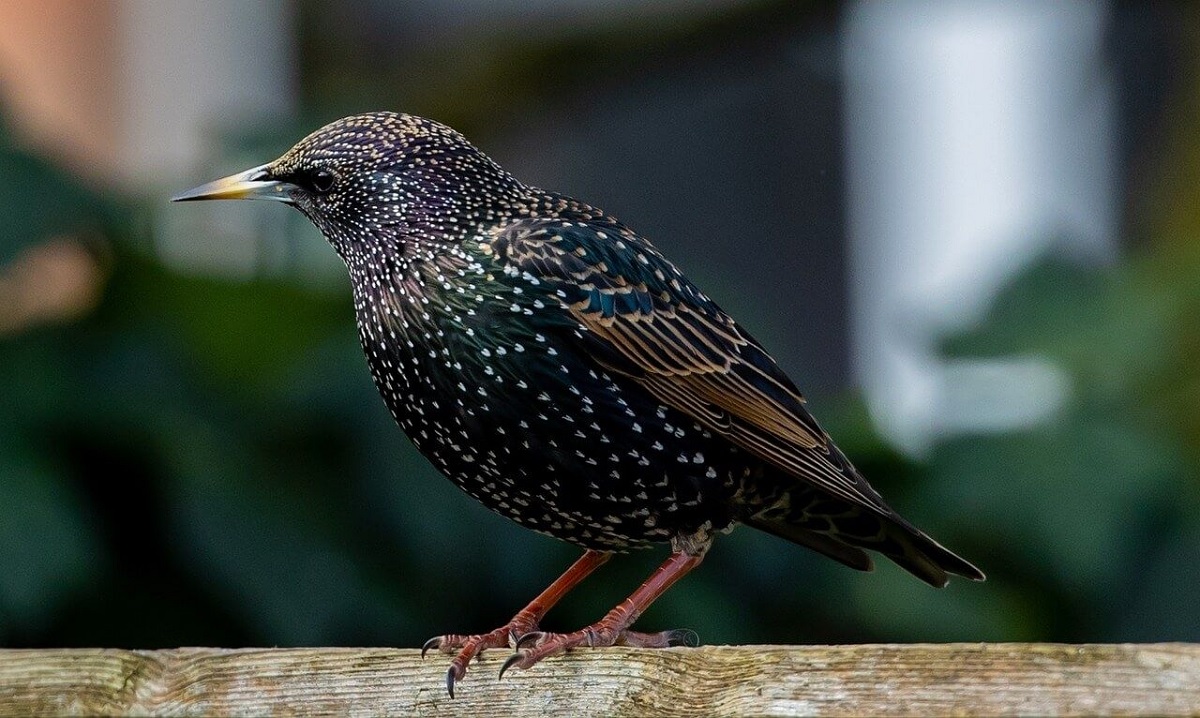
European starlings are notorious for nesting in chimneys, especially in older homes. These birds are cavity-nesters by nature and are highly aggressive in claiming nesting sites. A chimney offers the height, shelter, and security they prefer, particularly when natural cavities are limited.
Starlings construct bulky nests from sticks, grasses, and other debris, often filling the chimney space completely. Their nesting activity can lead to significant blockages, which may create ventilation problems and increase fire risks if the chimney is used during nesting season.
These birds exhibit territorial behavior, frequently defending their chimney nests from other birds and animals. Their persistence and adaptability allow them to exploit urban and suburban areas effectively, often creating conflicts with homeowners who rely on safe and clear chimneys.
Studying the nesting behavior of European starlings reveals how human structures influence bird ecology. Homeowners need to be aware of starling activity and take preventive measures to minimize both safety risks and potential disturbances to the birds.
Pigeons and Doves
Pigeons and certain species of doves are also known to nest in chimneys occasionally, particularly when other nesting sites are limited. These birds prefer wide chimneys that provide sufficient space for their relatively large nests and chicks.
Pigeons typically build simple nests using sticks, debris, and feathers. Their nesting behavior in chimneys is less frequent than swifts or starlings but can still result in blockages, unpleasant odors, and debris accumulation. Urban environments often encourage pigeons to explore chimneys, vents, and other man-made cavities as alternative nesting areas.
The adaptability of pigeons and doves demonstrates their ability to exploit new environments and utilize human structures for shelter. Observing these birds in chimneys offers insight into their nesting habits and social behavior, as they often remain near the same site for multiple breeding cycles.
Understanding which species frequently nest in chimneys allows homeowners to take proactive steps, such as installing caps or screens, to maintain safe, functional chimneys while coexisting with local bird populations.
Swifts and Chimneys
Swifts are small, agile birds known for spending most of their lives in flight. Their exceptional aerial abilities allow them to hunt insects and travel long distances with remarkable efficiency. During the breeding season, swifts seek out elevated, enclosed spaces that provide safety and shelter. Chimneys, with their vertical walls and secluded interior, closely mimic the natural hollow trees they prefer for nesting. Understanding swifts’ relationship with chimneys helps homeowners recognize these birds, protect nesting sites, and safely manage interactions with human structures.
Nesting Behavior of Chimney Swifts
Chimney swifts, in particular, are highly adapted to nesting in vertical cavities like chimneys. They attach their nests to the interior walls using sticky saliva mixed with twigs and other small materials. This combination hardens over time, creating a secure platform for eggs and chicks. A single nest may take several days to weeks to construct, with the female gradually adding materials until the nest is complete.
Swifts typically return to the same nesting site year after year, showing strong site fidelity. Their preference for tall, narrow chimneys allows them to avoid many ground-based predators while providing easy access to open skies for feeding. The vertical orientation of the chimney supports their natural clinging behavior, which is critical since these birds cannot perch like other species.
Observing their nesting behavior reveals fascinating details. Mated pairs often engage in aerial courtship displays around the chimney before settling into the nest. Once eggs are laid, both parents participate in feeding the chicks, regurgitating insects collected during flight.
The use of chimneys as nesting sites is most common in urban and suburban areas where old chimneys remain, and natural tree cavities are limited. These adaptations highlight the swifts’ ability to exploit human-made structures without fundamentally altering their natural behaviors.
Seasonal Patterns and Migration
Swifts are migratory birds, traveling thousands of miles between breeding and wintering grounds. Their use of chimneys aligns closely with their seasonal cycles, with nesting occurring primarily during spring and summer. After raising their young, adult swifts depart for warmer climates, leaving chimneys empty until the following season.
During nesting season, swifts are highly active around their chosen chimneys. They feed almost continuously, catching flying insects to meet the high energy demands of their young. Their reliance on unobstructed vertical space means that chimneys must remain accessible, free from caps or blockages, to support their nesting efforts.
Migration patterns also influence the choice of nesting sites. Swifts prefer tall structures that provide quick access to the sky for foraging and safety from predators. In many towns and cities, chimneys effectively substitute for natural tree cavities, demonstrating how swifts adapt to human-altered environments while maintaining their life cycles.
Monitoring these seasonal behaviors helps homeowners anticipate swift activity and take steps to protect both the birds and their chimneys. Understanding these patterns also offers insight into the species’ remarkable navigational abilities and aerial lifestyle.
Coexisting with Chimney Swifts
Homeowners often encounter challenges when swifts choose chimneys as nesting sites. While these birds are generally harmless, nests can sometimes lead to debris accumulation or partial blockages. Installing humane measures, such as adjustable chimney caps or temporary exclusion devices, can protect both the birds and the home.
Swifts are beneficial to the environment, consuming large quantities of flying insects and contributing to natural pest control. Observing swifts nesting in chimneys provides an opportunity to appreciate their role in urban ecosystems. Maintaining safe access to chimneys during the breeding season ensures that these birds can continue to thrive without creating hazards for humans.
Educational efforts, such as signage or awareness campaigns, can also help communities recognize the importance of protecting chimney swifts. By understanding their behavior and nesting requirements, people can foster coexistence while supporting conservation initiatives.
The relationship between swifts and chimneys demonstrates how wildlife adapts to human environments. Chimneys act as artificial tree cavities, allowing swifts to continue their natural nesting behaviors even in areas with limited natural resources.
Swallows And Their Nesting Habits
Swallows are agile, insect-eating birds renowned for their acrobatic flight and long migrations. These birds are cavity or ledge nesters and often take advantage of human-made structures for raising their young. Studying swallows and their nesting habits reveals how these birds have adapted to both natural and urban environments. Their choices in nesting sites, materials, and breeding strategies showcase a balance between survival, reproduction, and environmental adaptation, highlighting the complexity of avian life even in everyday settings.
Nesting Sites and Structure
Swallows typically prefer ledges, eaves, barns, bridges, and sometimes chimneys for building their nests. These sites provide shelter from predators, weather, and human disturbances. Most swallows build cup-shaped nests constructed with mud, plant fibers, feathers, and other soft materials, creating a secure and insulated space for eggs and chicks.
Barn swallows, for example, form nests under roof overhangs or inside barns, adhering mud pellets to vertical surfaces to form a sturdy base. Cliff swallows often build tightly packed colonies on natural or artificial vertical walls, demonstrating their communal nesting tendencies. Nest location is critical to survival, as it offers both protection and proximity to food sources, usually flying insects abundant near water or open fields.
The construction process is labor-intensive, with birds gathering mud and fibers in multiple trips. Both male and female swallows usually contribute to building, demonstrating cooperative breeding behavior. The nest’s cup shape and placement on elevated surfaces reduce the risk of predation and water damage.
By selecting sites carefully and constructing durable nests, swallows ensure that their young have a safe start to life. Observing these behaviors highlights the intricate balance between environmental adaptation and reproductive success in swallows.
Breeding and Egg-Laying Habits
Swallows generally breed once or twice per season, depending on climate and food availability. After selecting a suitable nesting site, females lay eggs in their carefully prepared nests. Typically, a clutch consists of three to five eggs, which are small, speckled, and camouflaged to blend with the nest interior.
Incubation usually lasts around two weeks, during which the female remains mostly on the nest while the male continues to hunt and feed her. Some swallow species exhibit shared incubation duties, allowing both parents to contribute to warmth and protection. This division of labor ensures eggs remain safe and at a consistent temperature for proper development.
Once hatched, chicks are altricial, meaning they are born blind, featherless, and dependent on their parents for warmth and feeding. Both adults work tirelessly, delivering insects directly to the nestlings and keeping them clean. Chicks grow rapidly, fledging within three to four weeks in most species, ready to begin independent flight and foraging.
Understanding these breeding habits offers insight into how swallows have evolved cooperative strategies to maximize reproductive success. Their nesting and egg-laying behaviors are closely linked to environmental conditions, predator pressures, and food availability, reflecting their adaptive resilience.
Seasonal Migration and Nesting Patterns
Swallows are migratory birds, traveling thousands of miles between breeding and wintering grounds. Nesting habits are tightly coordinated with seasonal changes, ensuring that eggs are laid and chicks are raised during times of abundant food supply, usually late spring and early summer.
During migration, swallows may return to the same nesting sites year after year, displaying strong site fidelity. Their ability to relocate precisely to known safe nesting areas enhances survival for both adults and their offspring. Seasonal timing also reduces competition for nesting spaces and ensures fledglings can develop and gain strength before migration begins.
Nesting colonies, particularly of cliff and barn swallows, exhibit communal behaviors. Birds nest in proximity, offering social advantages such as collective vigilance against predators and cooperative foraging cues. Migration patterns influence these nesting habits, as returning adults rebuild nests or refurbish old ones to ensure continuity for the next generation.
The close relationship between seasonal migration and nesting highlights how swallows synchronize their life cycles with environmental cues. It demonstrates the intricate link between behavioral ecology, survival, and reproductive success in these highly adaptable birds.
Sparrows And Other Small Birds
Sparrows and other small birds are some of the most common avian visitors to human habitats. Their adaptability allows them to thrive in urban, suburban, and rural environments. These birds are often cavity or ledge nesters and can utilize man-made structures for shelter and breeding. Understanding the habits of sparrows and similar small birds offers insight into their nesting behavior, feeding patterns, and interactions with humans, highlighting the remarkable adaptability of these tiny yet resilient species.
Nesting Habits of Sparrows
House sparrows, one of the most familiar small birds, exhibit highly adaptable nesting habits. They often select elevated cavities, eaves, vents, or chimneys for building nests. Nests are generally made of twigs, grasses, feathers, and other soft materials, forming a compact structure that provides security and insulation.
Both male and female sparrows contribute to nest building, with males often collecting materials while females arrange them inside the chosen cavity. House sparrows prefer sites that are sheltered from rain, wind, and predators, which is why chimneys, vents, and roof overhangs are especially attractive.
Sparrows are opportunistic and may reuse nests or refurbish old ones, reducing the energy needed to construct a new nest. Their selection of nesting sites close to human habitation demonstrates adaptability and resourcefulness, ensuring access to food sources and protection.
Observing sparrow nesting behavior also reveals their social tendencies. While some species nest in pairs, others form loose colonies where multiple nests are clustered, providing additional protection against predators and environmental stress.
Other Small Birds in Chimneys and Urban Spaces
Beyond sparrows, several small bird species utilize human structures for nesting. Finches, wrens, and chickadees are examples of birds that may occupy chimneys, vents, or gaps in buildings when natural cavities are scarce. These species typically build smaller nests with materials suited to the available space, often incorporating feathers, moss, or grass to provide insulation.
Small birds prefer elevated or enclosed spaces for safety and protection from ground predators. Wrens, for instance, often nest in narrow spaces such as pipes or gaps in brickwork, demonstrating flexibility in site selection. Similarly, finches may nest near rooflines or inside unused vents, taking advantage of hidden spaces.
Urban environments offer both challenges and benefits. While there is increased human activity and potential hazards, these birds benefit from abundant food sources such as insects, seeds, and scraps. Their ability to adjust nesting habits according to available space highlights their adaptability and survival skills.
Understanding the nesting preferences of sparrows and other small birds helps homeowners implement humane solutions for coexistence. Observing which species occupy chimneys or building cavities informs the timing of preventive measures and ensures that birds can nest safely without posing risks to property.
Feeding Behavior and Adaptations
Small birds like sparrows exhibit feeding behaviors that complement their nesting habits. They are opportunistic feeders, consuming seeds, insects, and other small food items depending on availability. Urban and suburban areas provide consistent food sources, which can influence their choice of nesting sites near human activity.
Sparrows often forage in groups, enhancing efficiency and alerting each other to potential threats. Wrens and finches also display similar social foraging behaviors, relying on keen observation and agility to capture prey or gather seeds. These feeding strategies are closely tied to nesting, as proximity to food ensures that adults can efficiently feed their chicks.
Adaptations such as small size, agility, and rapid flight allow these birds to exploit urban environments successfully. Their feeding behavior is supported by nesting choices that minimize exposure to predators and maximize access to resources, demonstrating an integrated approach to survival in varied habitats.
The nesting and feeding behaviors of sparrows and other small birds highlight their resilience and adaptability. Their ability to thrive in human-dominated landscapes showcases the remarkable versatility of these tiny avian species.
Dangers Of Birds Nesting In Chimneys
While birds nesting in chimneys may seem harmless or even charming, it can pose significant risks to both homeowners and the birds themselves. Chimneys are designed for ventilation, and blockages caused by nests can create fire hazards, smoke buildup, and structural damage. Understanding the dangers of birds nesting in chimneys helps homeowners take preventive measures while also ensuring that the birds are treated humanely. Awareness of these risks allows for safer coexistence between humans and wildlife.
Fire Hazards and Smoke Obstruction
One of the most serious dangers of birds nesting in chimneys is the risk of fire. Nests are often constructed from dry twigs, grasses, feathers, and other flammable materials, which can ignite if the chimney is in use. Even a small spark or a buildup of soot can cause the nest to catch fire, potentially spreading smoke and flames into the home.
Smoke obstruction is another concern. A blocked chimney prevents proper ventilation, causing smoke to back up into living spaces. This not only creates an unpleasant indoor environment but also poses serious health risks, including carbon monoxide exposure. Birds nesting inside can also exacerbate blockages as debris accumulates over time.
Homeowners may be unaware of a blockage until it becomes dangerous, emphasizing the importance of regular chimney inspections. Recognizing signs of nesting birds, such as bird droppings near the chimney opening or sounds of chirping, can prevent accidents before they escalate.
Routine maintenance and the installation of chimney caps can significantly reduce these risks while allowing birds to nest elsewhere safely. Protecting the home and occupants is crucial while balancing the conservation of local bird species.
Health Risks and Sanitation Concerns
Bird nests in chimneys can also introduce health risks due to the accumulation of droppings, feathers, and parasites. Bird droppings can harbor bacteria and fungi that may cause respiratory problems in humans. In enclosed spaces like chimneys, these contaminants can accumulate rapidly, particularly if nests are reused year after year.
Parasites such as mites, lice, and ticks often inhabit nests and can migrate into homes through ventilation systems. These pests may infest living spaces, creating both nuisance and potential health concerns. The combination of droppings, feathers, and parasites makes chimneys unsanitary when birds occupy them for extended periods.
Cleaning nests without proper precautions can also pose risks to humans. Protective measures such as gloves, masks, and careful disposal are essential to minimize exposure to pathogens. Understanding these sanitation hazards underscores why preventing nesting in chimneys is important for household health.
Chimney-nesting birds are not inherently dangerous, but their presence can inadvertently create conditions that threaten human health. Awareness and preventive actions ensure that both humans and birds remain safe.
Structural Damage and Blockages
Bird nesting in chimneys can lead to structural damage over time. Nests and accumulated debris can obstruct airflow, creating pressure buildup that may damage flues or masonry. In some cases, water infiltration occurs around nests, leading to deterioration of brickwork, mortar, or metal liners.
Blockages caused by nests can also reduce the efficiency of fireplaces and heating systems. Restricted airflow prevents proper combustion, which not only decreases heating performance but can also increase energy costs. Birds may also repeatedly enter and exit chimneys, causing wear and tear on interior surfaces.
Repeated nesting over multiple seasons amplifies these risks. Unnoticed nests can grow in size and density, eventually causing complete blockages. Homeowners may find it difficult to remove these obstructions without professional help, which can be costly.
Routine inspection and preventive measures, such as installing chimney caps, help protect the structural integrity of the chimney. By addressing these risks early, homeowners can avoid expensive repairs while still allowing birds to nest safely in alternative locations.
Risk to the Birds Themselves
Birds nesting in chimneys are also at risk. Fires, smoke inhalation, and entrapment can threaten the health and survival of the birds and their chicks. Once a nest is established, it may be difficult for birds to leave, especially if the chimney lacks proper ventilation or has a narrow opening.
Young birds may become trapped inside the flue, unable to navigate the vertical space for their first flight. Predators, such as snakes or raccoons, may also exploit chimneys as entry points, endangering both adult birds and their offspring. Birds may suffer stress or injury from repeated attempts to enter or exit unsafe chimneys.
These dangers highlight the importance of humane prevention strategies. Providing alternative nesting sites, such as birdhouses or nest boxes, can redirect birds to safer environments while protecting human property. Awareness of the risks ensures that both the birds and the household remain safe during nesting season.
Preventing Birds From Nesting In Chimneys
Birds nesting in chimneys can cause fire hazards, blockages, and health risks. Preventing birds from choosing your chimney as a nesting site protects both your home and the birds themselves. Simple preventive strategies can ensure chimneys remain clear while providing safe alternatives for birds. By understanding effective methods, homeowners can maintain safety, reduce maintenance costs, and support wildlife in a responsible way.
Installing Chimney Caps and Screens
One of the most effective methods for preventing birds from nesting in chimneys is the installation of chimney caps or screens. These protective devices cover the chimney opening while allowing smoke and gases to exit safely. Caps with mesh screens block birds, squirrels, and other wildlife from entering the flue, creating a barrier that prevents nesting without harming animals.
Chimney caps come in various sizes and materials, including stainless steel, copper, and galvanized metal. Selecting the right size ensures proper ventilation while fully covering the chimney opening. Mesh size is also important—small enough to keep birds out but large enough to allow smoke to escape efficiently.
Proper installation is key to effectiveness. Homeowners can hire professional chimney services to ensure the cap is securely fastened and sealed, preventing both bird entry and water infiltration. Maintaining and inspecting caps regularly ensures long-term protection, especially before nesting season begins.
Chimney caps provide a simple, permanent solution that reduces the risk of blockages, fire hazards, and debris accumulation, protecting both property and wildlife.
Using Temporary Exclusion Devices
Temporary exclusion devices are another effective strategy to prevent birds from nesting in chimneys. These can include removable mesh covers, cones, or other barriers placed over the chimney opening during nesting season. Unlike permanent caps, these devices can be removed when the chimney is in use, allowing safe ventilation and occasional maintenance.
Homeowners should install exclusion devices before the breeding season begins, typically in early spring, to discourage birds from attempting to enter the chimney. Temporary barriers prevent nesting while allowing birds to explore alternative safe locations. These devices are especially useful in older chimneys or structures where permanent caps may not fit properly.
Using humane materials ensures that birds are not trapped or harmed. Lightweight mesh, wire, or flexible netting works effectively while remaining safe for wildlife. Temporary exclusion also allows homeowners to monitor chimney activity and remove any early attempts at nest-building before they become problematic.
This method is practical for seasonal use, particularly in areas where bird activity fluctuates. By combining exclusion devices with observation, homeowners can proactively prevent nesting while minimizing disruption to local bird populations.
Providing Alternative Nesting Sites
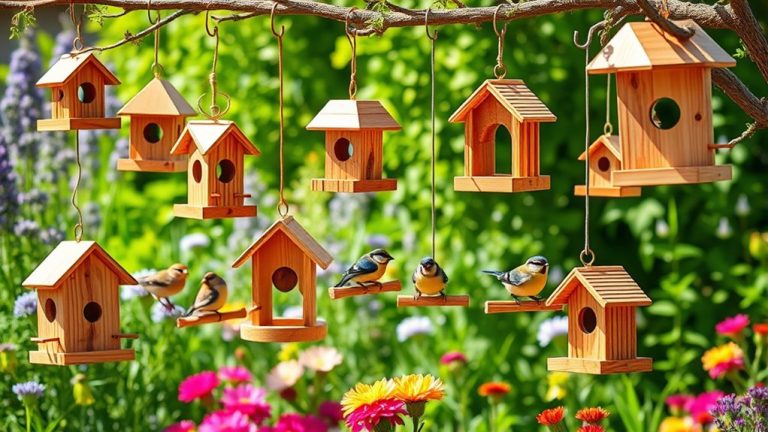
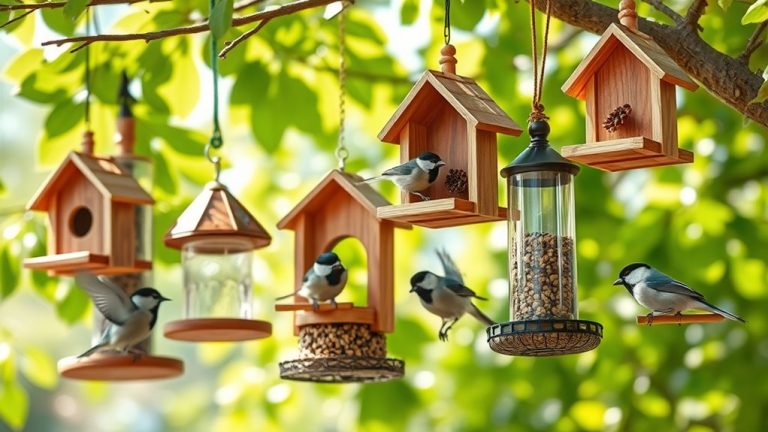
Preventing birds from nesting in chimneys is more effective when alternative nesting sites are available. Installing birdhouses or nest boxes in safe areas can redirect birds to appropriate locations while reducing the likelihood of chimney occupation. These alternatives mimic natural cavities, offering shelter, protection, and suitable breeding conditions.
Placement is important—birdhouses should be mounted at similar heights to chimneys, ideally on poles, trees, or building walls, and away from heavy human traffic or predators. Using materials that provide insulation and drainage ensures the birds remain safe and comfortable throughout the breeding season.
Different bird species have unique nesting preferences. For example, swifts prefer tall, vertical enclosures, while sparrows and finches prefer wider, sheltered boxes. Providing species-specific nest boxes increases the chances that birds will select these alternatives instead of chimneys.
Alternative nesting sites benefit both humans and wildlife. Birds gain safe breeding areas, homeowners avoid hazards, and ecosystems continue to benefit from bird activity such as insect control and pollination. Combining prevention measures with alternative habitats creates a balanced, humane approach.
Regular Maintenance and Monitoring
Consistent chimney maintenance and monitoring are essential in preventing birds from nesting. Cleaning chimneys before the nesting season removes old debris, nests, or materials that could attract new occupants. This ensures the chimney remains clear and less appealing for nesting attempts.
Monitoring activity around the chimney can help identify early signs of bird presence, such as droppings, feathers, or chirping sounds. Addressing these indicators promptly prevents nests from becoming established and reduces the risks associated with blockages and fire hazards.
Homeowners should schedule professional inspections annually, particularly in older homes or structures with frequent bird activity. Maintenance may include repairing cracks, sealing gaps, or adjusting chimney liners to reduce accessibility. Proactive care minimizes the likelihood of long-term problems while maintaining chimney efficiency.
People Also Asked
What Birds Commonly Nest In Chimneys?
You might notice birds taking up residence in your chimney, especially during spring and summer. The most common culprits are chimney swifts, house sparrows, and European starlings. Swifts prefer tall, narrow chimneys that mimic hollow trees, while sparrows and starlings often seek sheltered, elevated cavities.
These birds choose chimneys for safety from predators and protection from the elements. Their nests are made from twigs, mud, grass, and feathers. Observing which species is using your chimney helps determine the right preventive measures while also understanding their natural behavior.
Why Do Birds Prefer Chimneys For Nesting?
Birds prefer chimneys because they offer a safe, enclosed space away from predators and weather. The vertical structure mimics tree hollows or cliffs, providing security for eggs and chicks. Elevated chimneys also give birds quick access to the open sky for feeding and escape.
Additionally, chimneys are often located near abundant food sources, such as insects or seeds, making them ideal for raising young. Birds are highly adaptable, and human-made structures like chimneys provide alternative nesting options when natural cavities are scarce in the surrounding environment.
Are Birds Nesting In Chimneys Dangerous?
Yes, birds nesting in chimneys can pose several hazards. Their nests are made of flammable materials like twigs and grass, which can create fire risks if the chimney is used. Blocked chimneys can also cause smoke to back up into your home, increasing the risk of carbon monoxide exposure.
Additionally, nests can harbor mites, lice, and bacteria, creating health concerns. While the birds themselves are generally harmless, their presence in chimneys requires careful attention. Regular inspection and preventive measures help maintain safety for both your household and the birds.
How Can You Identify If Birds Are Nesting In Your Chimney?
You can identify nesting birds by observing signs around your chimney. You may hear chirping, scratching, or fluttering sounds, particularly in the early morning or evening. Bird droppings, feathers, or small twigs near the chimney opening also indicate nesting activity.
Occasionally, birds may be seen entering or leaving the chimney, which is a clear sign. Monitoring your chimney during spring and early summer is especially important, as this is when most species build nests. Identifying activity early allows you to take preventive measures before nests become established.
When Is The Best Time To Prevent Birds From Nesting In Chimneys?
The best time to prevent birds from nesting is before the breeding season, usually in late winter or early spring. Installing chimney caps, mesh screens, or temporary exclusion devices before birds begin nesting ensures that chimneys are inaccessible to them.
Regular inspections during this period help detect early attempts at nest-building. Providing alternative nesting sites, such as birdhouses or boxes, can also encourage birds to use safer locations. Early preventive action is essential to avoid blockages, fire hazards, and potential health risks associated with chimney nests.
Can All Bird Species Nest In Chimneys?
Not all bird species are suited for chimney nesting. Birds that prefer cavities, narrow spaces, or vertical surfaces are most likely to use chimneys. Chimney swifts, house sparrows, European starlings, and occasionally pigeons or finches are the primary species observed nesting in chimneys.
Open-space or ground-nesting birds, such as robins or doves, are unlikely to use chimneys. The interior environment, height, and shape of the chimney make it suitable only for adaptable cavity-nesting birds, which are able to maneuver in confined spaces and cling to vertical surfaces.
How Can You Safely Remove Birds From Chimneys?
Removing birds from chimneys requires care and should follow humane practices. You should wait until the nesting season ends and chicks have fledged. For active nests, avoid disturbing eggs or young, as this can harm the birds.
Professional wildlife services can safely remove nests and install preventive devices. Temporary exclusion covers or chimney caps can prevent future nesting while allowing birds alternative safe locations. Following proper timing and humane methods ensures that both the birds and your household remain safe.
Final Words
Birds often look for safe, sheltered places to build their nests, and chimneys can provide just the right environment for some species. Understanding which birds are most likely to use chimneys can help homeowners take proactive steps to prevent unwanted nesting while still respecting wildlife. Swifts, swallows, and sparrows are among the most common birds that find chimneys suitable for nesting due to the warmth and protection they offer.
When considering what birds nest in chimneys, it’s important to be aware of the potential risks. Nests can block airflow, create fire hazards, and lead to unpleasant odors or accumulation of droppings. Recognizing the signs early, such as spotting nesting materials or bird activity near the chimney, can save homeowners from costly repairs and ensure the safety of both people and birds.
Preventing and managing chimney nesting should always be done responsibly. Using chimney caps, screens, and proper maintenance techniques can discourage birds from nesting while allowing them to thrive elsewhere. By knowing what birds nest in chimneys and how to address it safely, you can protect your home and support local wildlife at the same time.