What Happens If You Move A Birds Nest: Legal, Ethical, And Natural Consequences
Coming across a bird’s nest can stir curiosity, concern, or even the urge to help. Many people notice a nest in an inconvenient spot and immediately think about relocating it, especially when it is close to homes, walkways, or work areas. The situation often feels simple, but the consequences can be more complex than expected.
Birds rely heavily on their nests for safety, routine, and survival. Even small changes in placement can affect how adult birds respond and how well young birds develop. Understanding these reactions helps you see why nests are left undisturbed in many cases.
The question of what happens if you move a birds nest goes beyond curiosity. It involves natural behavior, survival instincts, and legal responsibilities that many people overlook. Actions taken with good intentions can still create unintended problems.
Learning about these outcomes helps you make responsible choices. Awareness allows you to protect wildlife while also addressing concerns in a thoughtful and informed way.
Immediate Impact On Birds
Moving or disturbing a nest creates instant changes in a bird’s environment. Birds depend on familiarity, location, and routine to feel secure. When a nest is altered, even slightly, it can disrupt natural behavior and trigger stress responses. Understanding these immediate effects helps you recognize why interference often causes more harm than expected, especially during active nesting periods.
Stress And Behavioral Changes In Adult Birds
When a nest is moved, adult birds often experience immediate stress. You may notice them circling the area, calling repeatedly, or refusing to return to the nest. This behavior is driven by confusion and fear rather than abandonment by choice. Birds rely on precise visual and environmental cues, and a changed location interrupts those signals.
Stress can also alter feeding patterns. Adult birds may hesitate to approach the nest, reducing feeding frequency for chicks. This hesitation can happen even when the nest is moved only a short distance. The disruption affects trust in the safety of the site.
In some cases, adult birds attempt to rebuild or relocate entirely. This process consumes energy and time, increasing vulnerability to predators and weather. Stress responses may last for days, impacting overall health.
For you, these changes may look subtle, but for birds, they represent a major threat. Immediate behavioral shifts show how sensitive birds are to nest disturbance.
Risk To Eggs And Hatchlings
Eggs and hatchlings face the most direct danger when a nest is moved. Even careful handling can cause temperature changes that affect embryo development. Birds regulate egg warmth through consistent incubation, and disruption can quickly lead to failure.
Hatchlings are even more vulnerable. They rely entirely on parents for warmth and food. If adults hesitate to return, chicks may weaken rapidly. Short periods without care can have lasting effects.
Physical damage is another concern. Nests are fragile structures designed for specific placement. Movement can cause eggs to crack or chicks to fall out. Even slight shifts can expose them to predators.
You might assume relocating a nest offers protection, but the immediate risks often outweigh perceived benefits. Eggs and young birds depend on stability, and sudden changes create conditions they are not equipped to survive.
Increased Exposure To Predators And Environment
A moved nest often loses its original camouflage and protection. Birds select nesting sites carefully to reduce visibility and exposure. Changing location disrupts this balance and increases risk.
Predators quickly notice unfamiliar placement. A nest moved lower, higher, or into open space becomes easier to detect. Environmental exposure also increases, making nests more vulnerable to wind, rain, and temperature changes.
Adult birds may struggle to defend a relocated nest. Their defensive behaviors are tied to familiar surroundings. New placement weakens their ability to protect offspring.
For you, this exposure may not be obvious, but for birds, it represents an immediate survival challenge. Loss of shelter and increased threats highlight why nest movement causes serious and rapid consequences.
Legal Consequences To Be Aware Of
Handling or relocating bird nests carries not only ecological risks but also legal implications. Many bird species are protected under national and international laws, and disturbing their nests can lead to serious penalties. Understanding the regulations ensures that your actions remain responsible and within the boundaries of wildlife protection policies, helping you avoid unintended legal trouble while supporting conservation efforts.
Federal And National Wildlife Protection Laws
In many countries, birds and their nests fall under specific wildlife protection legislation. For example, in the United States, the Migratory Bird Treaty Act makes it illegal to disturb, move, or destroy the nests of most native bird species. Violating these laws can result in fines or other legal repercussions, regardless of intent.
These laws are designed to protect breeding success and ensure the survival of vulnerable populations. Even minor disturbances, such as touching eggs or relocating a nest to a nearby tree, are considered violations. Authorities view these actions as interference with natural reproductive processes, which can harm local bird populations.
Understanding which species are protected is crucial. Some birds may be considered endangered or threatened, attracting stricter regulations. Knowing this information helps you avoid inadvertently breaking federal or national laws while trying to help wildlife.
Being aware of legal requirements also emphasizes the importance of patience and non-interference. Following these rules protects both you and the birds, allowing them to complete their nesting cycles safely.
Local Regulations And Municipal Restrictions
Beyond federal laws, local municipalities often have additional rules regarding wildlife protection. Many cities and towns prohibit disturbing bird nests on private and public property without proper authorization. Penalties can include fines or legal action if authorities determine a violation has occurred.
Local laws may also dictate what actions are permissible for property owners dealing with nests in buildings or urban areas. For instance, removing a nest during the breeding season might require a permit, while relocation outside this period could be less restricted. Understanding local regulations ensures you comply with legal frameworks in your area.
These laws reflect community responsibility toward wildlife. They encourage residents to consider the ecological impact of their actions and provide clear guidance for safely coexisting with urban bird populations. Observing these rules also helps avoid conflicts with neighbors and local authorities.
By knowing and following municipal regulations, you can handle situations involving nests safely and legally. Awareness ensures that your intentions to protect or relocate nests do not result in unintended legal consequences.
Penalties And Enforcement Practices
Violating bird protection laws can result in significant penalties. Fines may range from moderate to substantial amounts depending on the species and severity of the offense. In some cases, repeated violations can lead to criminal charges or court proceedings.
Enforcement practices vary, but authorities often prioritize education and warnings for first-time or minor infractions. However, deliberate disturbance or destruction of nests, especially of protected species, is treated more seriously. Law enforcement and wildlife agencies monitor nesting sites and respond to reported violations.
Being informed about the potential consequences encourages responsible behavior. Knowing that legal repercussions exist reinforces the importance of leaving nests undisturbed or seeking professional guidance when intervention is necessary. Understanding both the rules and enforcement practices ensures that your actions remain safe, ethical, and compliant with wildlife protection laws.
Effects On Baby Birds Survival
Baby birds are highly vulnerable during the nesting period, relying entirely on adult care and a stable environment for survival. Any disturbance to the nest, intentional or accidental, can have immediate and lasting effects on their development. Understanding these consequences highlights why protecting nests and minimizing human interference is essential for the well-being of young birds and overall population health.
Dependency On Parental Care
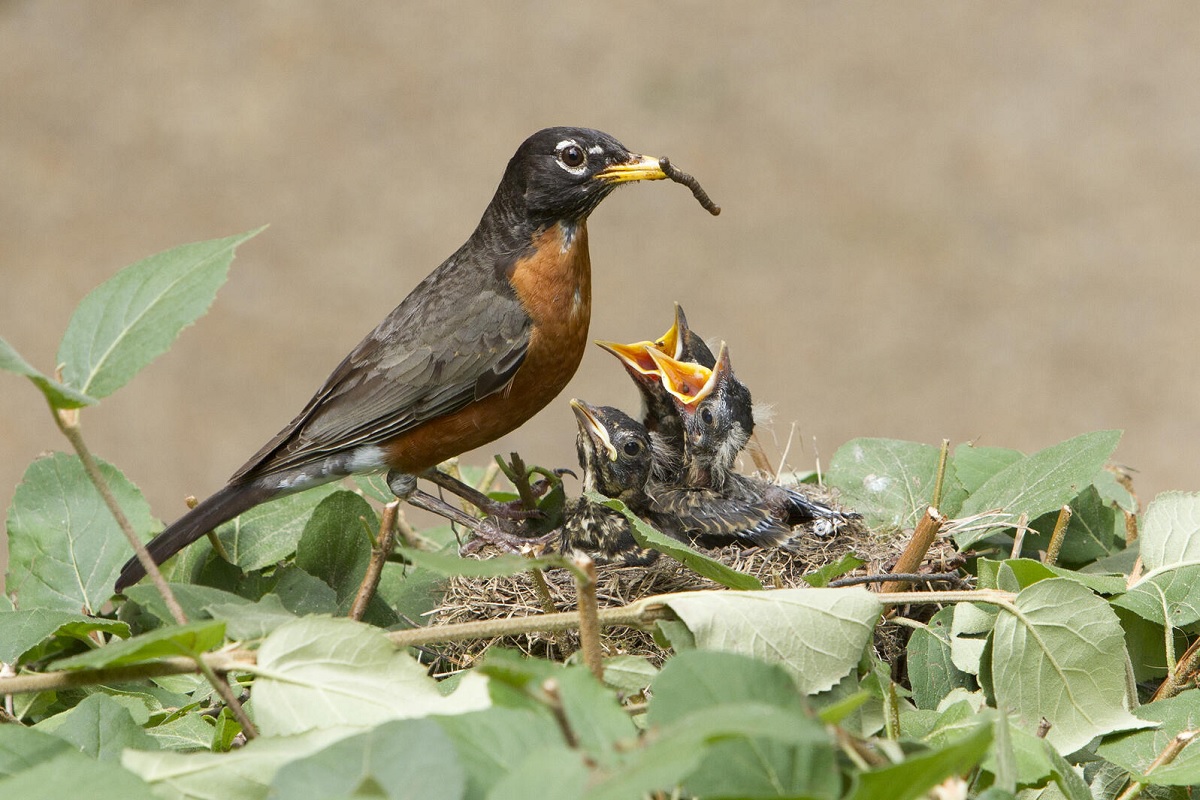
Newly hatched birds are entirely dependent on their parents for food, warmth, and protection. When a nest is moved or disturbed, parents may hesitate to return immediately, disrupting feeding schedules and leaving chicks vulnerable. Even short periods without attention can lead to dehydration, reduced growth, and lowered immunity against diseases.
The stress experienced by adult birds also indirectly affects the chicks. Parents may spend extra energy trying to locate or defend a relocated nest, reducing the resources available for feeding and nurturing young ones. In some cases, adults may abandon the nest altogether if the disturbance is significant.
This dependency means that any interference, even with good intentions, can have severe consequences. Baby birds rely on consistency, and changes to their environment can jeopardize their chances of survival during these critical early days.
Vulnerability To Environmental Conditions
Nestlings are extremely sensitive to temperature fluctuations and weather conditions. Moving a nest exposes them to cold, rain, or excessive heat, which they cannot regulate on their own. Without the protective insulation of their original nest location and constant parental care, survival rates drop significantly.
Environmental stress also affects growth and development. Chicks exposed to unsuitable conditions may experience slower feather development and weaker muscle growth. These factors reduce their ability to fly and forage independently when they fledge.
Even partial disturbances, such as shifting a nest slightly or temporarily removing it, can compromise insulation and protection. Birds’ nests are carefully constructed to balance warmth, ventilation, and safety, and altering this setup disrupts that balance.
For baby birds, environmental stability is just as important as food supply. Proper shelter and consistent temperature are crucial to maintain health and ensure proper development during early stages.
Increased Risk Of Predation
Baby birds become more exposed to predators when a nest is moved or disturbed. Adult birds rely on camouflage, height, and strategic placement to protect their young. Any change in location reduces these protective advantages and makes chicks easier targets for predators such as cats, snakes, or larger birds.
Disturbance can also alter parental vigilance. Parents may hesitate to return immediately or spend less time defending the nest, further increasing predation risk. Even minor disruptions can alert predators to the nest’s presence, compromising safety.
This increased exposure highlights the fragility of nestlings. Predation is one of the most significant threats to survival during the early days, and maintaining a stable, undisturbed environment is critical to reduce this risk.
Long-Term Impacts On Development
Early disturbances can have lasting effects beyond immediate survival. Chicks that survive a relocated nest may face slower growth, delayed fledging, or reduced ability to adapt to environmental challenges. Early stress can also affect behavior, making young birds more cautious or less efficient at foraging.
Developmental delays impact not only individual birds but can also affect population dynamics. Reduced survival and growth rates in early stages may lower the number of fledglings reaching maturity, influencing local bird populations over time.
For you observing or interacting with nests, this underscores the importance of minimal interference. Even small actions can create ripple effects that compromise long-term health, growth, and survival of baby birds. Protecting nests in place ensures that chicks receive consistent care, environmental stability, and the best chance at reaching adulthood.
Effects On Baby Birds Survival
Baby birds are highly vulnerable during the nesting period, relying entirely on adult care and a stable environment for survival. Any disturbance to the nest, intentional or accidental, can have immediate and lasting effects on their development. Understanding these consequences highlights why protecting nests and minimizing human interference is essential for the well-being of young birds and overall population health.
Dependency On Parental Care
Newly hatched birds are entirely dependent on their parents for food, warmth, and protection. When a nest is moved or disturbed, parents may hesitate to return immediately, disrupting feeding schedules and leaving chicks vulnerable. Even short periods without attention can lead to dehydration, reduced growth, and lowered immunity against diseases.
The stress experienced by adult birds also indirectly affects the chicks. Parents may spend extra energy trying to locate or defend a relocated nest, reducing the resources available for feeding and nurturing young ones. In some cases, adults may abandon the nest altogether if the disturbance is significant.
This dependency means that any interference, even with good intentions, can have severe consequences. Baby birds rely on consistency, and changes to their environment can jeopardize their chances of survival during these critical early days.
Vulnerability To Environmental Conditions
Nestlings are extremely sensitive to temperature fluctuations and weather conditions. Moving a nest exposes them to cold, rain, or excessive heat, which they cannot regulate on their own. Without the protective insulation of their original nest location and constant parental care, survival rates drop significantly.
Environmental stress also affects growth and development. Chicks exposed to unsuitable conditions may experience slower feather development and weaker muscle growth. These factors reduce their ability to fly and forage independently when they fledge.
Even partial disturbances, such as shifting a nest slightly or temporarily removing it, can compromise insulation and protection. Birds’ nests are carefully constructed to balance warmth, ventilation, and safety, and altering this setup disrupts that balance.
For baby birds, environmental stability is just as important as food supply. Proper shelter and consistent temperature are crucial to maintain health and ensure proper development during early stages.
Increased Risk Of Predation
Baby birds become more exposed to predators when a nest is moved or disturbed. Adult birds rely on camouflage, height, and strategic placement to protect their young. Any change in location reduces these protective advantages and makes chicks easier targets for predators such as cats, snakes, or larger birds.
Disturbance can also alter parental vigilance. Parents may hesitate to return immediately or spend less time defending the nest, further increasing predation risk. Even minor disruptions can alert predators to the nest’s presence, compromising safety.
This increased exposure highlights the fragility of nestlings. Predation is one of the most significant threats to survival during the early days, and maintaining a stable, undisturbed environment is critical to reduce this risk.
Long-Term Impacts On Development
Early disturbances can have lasting effects beyond immediate survival. Chicks that survive a relocated nest may face slower growth, delayed fledging, or reduced ability to adapt to environmental challenges. Early stress can also affect behavior, making young birds more cautious or less efficient at foraging.
Developmental delays impact not only individual birds but can also affect population dynamics. Reduced survival and growth rates in early stages may lower the number of fledglings reaching maturity, influencing local bird populations over time.
For you observing or interacting with nests, this underscores the importance of minimal interference. Even small actions can create ripple effects that compromise long-term health, growth, and survival of baby birds. Protecting nests in place ensures that chicks receive consistent care, environmental stability, and the best chance at reaching adulthood.
How Parent Birds React After Nest Is Moved
Parent birds rely heavily on consistency and familiarity to care for their young. When a nest is moved, their response is immediate and often stressful. Understanding these reactions helps you recognize the delicate balance of avian parenting and why even well-intentioned human intervention can create unintended consequences for both adult birds and their chicks.
Initial Shock And Confusion
When a nest is relocated, parent birds often experience instant shock and confusion. They are highly attuned to visual cues and environmental landmarks, which guide them back to the nest. Moving it disrupts this recognition, causing hesitation and increased vocalization as they search for their offspring.
During this period, adults may circle the area repeatedly or call out more frequently than usual. These behaviors indicate stress and disorientation rather than abandonment. The parents are trying to assess whether the nest is still safe or if relocation has created a threat.
Even minor disturbances, like moving the nest a short distance, can trigger these responses. The intensity depends on species and prior experience with humans. The initial confusion can last several hours to days, affecting the regular feeding and care schedule.
For you observing the situation, this behavior highlights the immediate emotional impact on parent birds. Understanding this response reinforces why leaving nests undisturbed is critical for family stability.
Hesitation To Return And Feeding Delays
After a nest is moved, adult birds may hesitate to resume normal feeding patterns. They assess the new location, ensuring it meets safety and environmental requirements before returning. During this hesitation, chicks may go without food, leading to rapid stress and potential weakening.
Feeding delays can vary depending on the species and distance of relocation. Some parents may attempt short approaches, testing the environment cautiously, while others may avoid the nest entirely if it feels unsafe. These pauses directly affect the growth and health of the chicks.
Repeated disruptions in feeding schedules can have compounding effects. Reduced nourishment may decrease body weight, affect feather growth, and lower immunity, making chicks more vulnerable to illness. Adults expend additional energy managing stress while trying to resume care.
You can see how sensitive the parent-offspring bond is. Even a brief delay in returning can create cascading effects on chick survival, demonstrating why human intervention should be minimized during the nesting period.
Stress-Induced Defensive Behavior
Parent birds often respond to nest relocation with heightened defensive behaviors. They may become more aggressive toward perceived threats or more vigilant in patrolling the immediate area. This stress response is intended to protect offspring but can lead to excessive energy expenditure and reduced efficiency in feeding.
In some cases, adults may attempt to rebuild or reinforce the nest after relocation. This additional work takes time away from feeding and resting, further increasing stress levels. The nest’s structural changes can also affect comfort and insulation for chicks.
Stress-induced behaviors are a natural protective mechanism, but they indicate the broader impact of human interference. For parent birds, maintaining safety and routine is critical. Disruption forces them to allocate attention and energy toward unfamiliar challenges rather than standard parental duties.
Recognizing these reactions helps you understand the resilience and vulnerability of birds. It also reinforces the importance of avoiding unnecessary interference with nests.
Long-Term Behavioral Changes
Even after initial shock subsides, parent birds may exhibit long-term behavioral changes due to nest relocation. Adults may approach the area cautiously in future breeding seasons or alter nesting habits, seeking more hidden or inaccessible locations.
Such behavioral shifts can affect reproductive success. Birds may delay breeding or avoid areas previously disturbed, impacting local populations. These long-term changes are subtle but significant, demonstrating the lasting consequences of nest interference.
For you, this highlights the importance of observing and learning rather than intervening. Respecting natural nesting sites ensures that parent birds maintain confidence in their environment and continue successful breeding cycles.
Situations When Moving A Birds Nest Happens
While it’s generally recommended to leave bird nests undisturbed, certain situations may force humans to consider relocating them. These scenarios often involve safety concerns for the birds, humans, or property. Understanding when nest movement occurs, and the context behind it, helps you approach these decisions with care and awareness of potential consequences.
Nests In Hazardous Locations
One common situation involves nests placed in dangerous areas. Birds sometimes build nests near high-traffic human zones, construction sites, or electrical equipment. These locations can put both birds and their young at risk, prompting careful consideration of relocation.
In these cases, people may attempt to move the nest to a nearby safe spot, such as a tree branch or protected ledge. Timing and gentle handling are critical, as any abrupt movement can disturb the adult birds or damage eggs. Even in these controlled efforts, the risk of stress, feeding disruption, and abandonment remains.
Authorities or wildlife professionals often advise assessing the level of danger first. Sometimes temporary barriers or minor adjustments can mitigate risk without physically moving the nest. Understanding the environmental hazards ensures you balance safety for birds and humans effectively.
Human Interference And Urban Development
Urban development is another factor that can lead to nest movement. Renovation projects, landscaping, or installation of outdoor equipment may encroach on nesting sites. While humans may not intend harm, these activities can force a nest into a less vulnerable location.
In such situations, relocation is approached cautiously, often under guidance from wildlife experts. The goal is to minimize disturbance while protecting both eggs and adult birds. Even short-distance moves require attention to stability, orientation, and camouflage to maintain a sense of safety for the birds.
Urban interference highlights the conflict between human activity and wildlife habitats. Awareness of nesting patterns and consultation with professionals ensures that relocation, if necessary, is done ethically and responsibly.
Emergency Situations And Natural Threats
Sometimes, nests are moved in response to emergencies, such as severe weather, flooding, or predation threats. For example, storms can destroy nests in low-lying areas, forcing human intervention to prevent chicks from perishing. Similarly, domestic pets or invasive species may threaten nest integrity.
In these emergency situations, the urgency increases the risk of stress to both adults and young birds. Rapid assessment and careful relocation become essential. Placement in sheltered, similar environments helps maintain the nest’s functionality while reducing immediate hazards.
Emergency relocation requires balancing the need to protect birds with the potential consequences of disturbance. Preparation, observation, and careful handling are critical for maximizing survival chances during unforeseen threats.
Conservation And Rehabilitation Efforts
Some nest movements occur as part of structured conservation or rehabilitation projects. Wildlife organizations may relocate nests to safer habitats, rescue abandoned chicks, or manage populations of endangered species. These actions are carefully planned and often monitored to minimize stress and maximize survival rates.
In these cases, specialized knowledge guides decisions on timing, handling, and placement. Relocation is not random but strategically done to ensure chicks remain cared for and adults return. Monitoring post-movement behavior helps professionals adjust techniques and reduce long-term negative impacts.
This highlights the difference between casual interference and informed relocation. Conservation efforts demonstrate that, under expert guidance, moving a nest can sometimes be necessary and beneficial for both birds and their ecosystems.
FAQs
What Happens If You Move A Birds Nest?
Moving a bird’s nest can cause immediate stress to adult birds and their chicks. Parents may hesitate to return, leaving eggs or young birds vulnerable. Even minor relocation disrupts familiar cues that adults use to identify the nest.
This disturbance can also interfere with feeding schedules and protective behaviors. Eggs may cool too quickly, and chicks can experience stress or slowed growth. For you, understanding this helps highlight why nests are best left undisturbed unless absolutely necessary.
Will The Parent Birds Abandon The Nest If Moved?
Parent birds may appear hesitant or stressed after a nest is moved, but abandonment is not guaranteed. Adults often assess the new location carefully before resuming care.
However, frequent disturbances or significant relocation increases the risk of abandonment. Chicks left unattended can weaken rapidly, making the consequences severe. Observing from a distance and minimizing interference gives the parents a better chance to return safely.
How Does Moving A Nest Affect The Chicks?
Chicks rely entirely on consistent parental care and a stable environment. Moving the nest interrupts feeding, warmth, and protection, which can slow growth and reduce immunity.
Environmental changes, such as temperature fluctuations or increased exposure to predators, also compromise survival. Even short-term relocation can cause stress that affects long-term development. For you, this emphasizes the importance of leaving nests in place whenever possible.
Can Nest Movement Increase Predation Risk?
Yes, moving a nest often makes it more visible to predators. Birds choose nesting sites for camouflage and safety. Changing the location removes these protections, making chicks easier targets.
Adult birds may also spend extra time monitoring the new site rather than feeding, which further increases vulnerability. For you, recognizing this risk demonstrates why minimizing nest interference is critical for chick survival.
Are There Legal Consequences For Moving A Birds Nest?
Many birds are protected under national and local wildlife laws. Moving a nest without permission can be illegal, even with good intentions. Violations may lead to fines or other penalties.
Protected species often require special permits for relocation, and ignoring regulations can cause serious legal consequences. For you, understanding these rules ensures that your actions remain responsible and compliant with wildlife protection laws.
When Is It Acceptable To Move A Nest?
Nest relocation is usually only acceptable in emergencies, such as severe weather, imminent danger, or conservation efforts guided by professionals. These situations require careful handling and minimal disruption.
Even then, placement must consider safety, camouflage, and parental access. Consulting wildlife experts ensures that chicks remain protected and parents can resume care. For you, this highlights that moving nests should always be a last resort.
Final Thoughts
Moving a birds nest can have serious consequences for both the adult birds and their young. Interfering with a nest often disrupts the natural care routines, leaving eggs or chicks vulnerable to predators, harsh weather, or starvation. Birds are highly sensitive to disturbance, and sudden changes in their nesting environment can cause them to abandon the nest entirely. Understanding this helps you appreciate why leaving nests undisturbed is crucial for their survival.
If you are concerned about the location of a nest, it’s important to explore alternatives that do not involve direct relocation. Consulting local wildlife authorities or using protective barriers can sometimes provide safe solutions without stressing the birds. Being patient and observing from a distance allows the parents to continue feeding and protecting their young.
Ultimately, knowing what happens if you move a birds nest reinforces the importance of respecting wildlife. By minimizing human interference, you give birds the best chance to thrive and complete their natural life cycle safely.