Great Grey Owl Lifespan: How Long These Majestic Birds Live
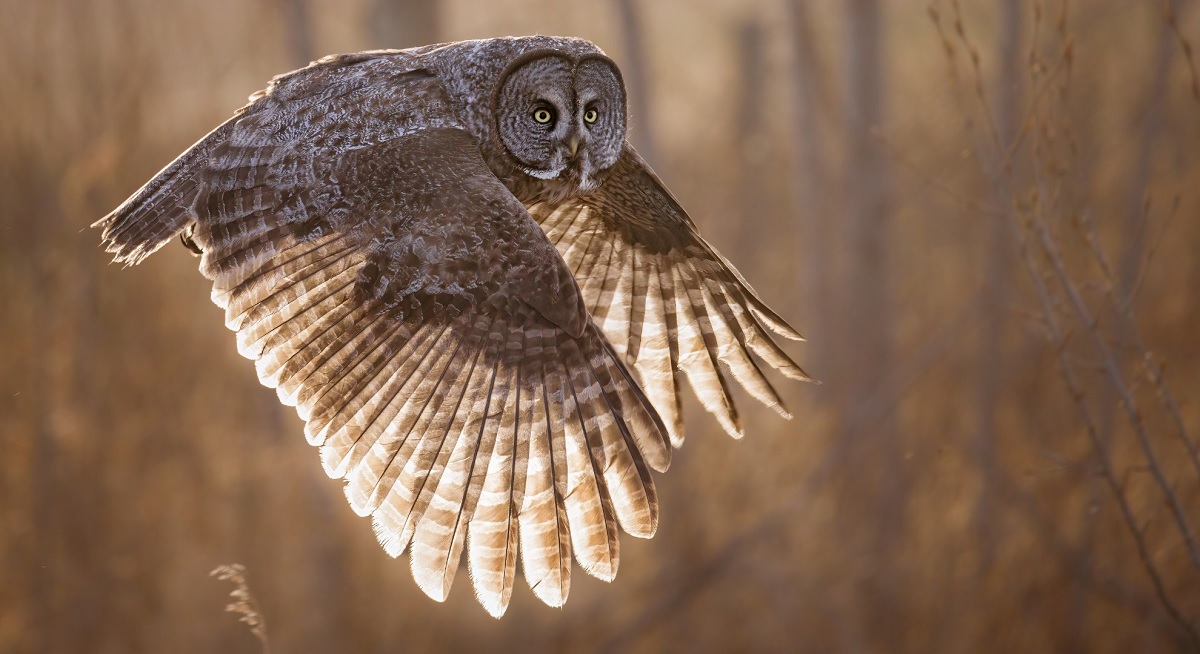
The great grey owl is one of the most striking and enigmatic birds of prey in the northern forests. Known for its impressive size, distinctive facial disc, and silent hunting skills, this species has fascinated bird enthusiasts and researchers alike. Observing these owls provides insight into their behavior, survival strategies, and ecological importance.
Understanding how long these owls typically live is essential for studying their population dynamics and conservation status. The great grey owl lifespan can vary depending on environmental conditions, availability of prey, and exposure to natural threats. Lifespan information also helps researchers gauge reproductive success and the health of forest ecosystems where these owls reside.
These owls rely heavily on dense forests for hunting and nesting, and their survival is closely linked to prey populations, particularly small mammals like voles. Studying their lifespan helps identify factors that affect their longevity and the challenges they face in the wild.
Great Grey Owl Lifespan In The Wild
The great grey owl is one of the largest and most captivating owls in the northern forests, known for its silent flight and exceptional hunting skills. Studying their lifespan in the wild provides insight into their survival strategies, environmental pressures, and ecological importance. Lifespan data helps researchers understand reproduction, population health, and the factors that influence their longevity in natural habitats. Observing these owls offers valuable lessons about adaptation and resilience in the wild.
Average Lifespan
In the wild, the great grey owl typically lives between 7 to 10 years, although some individuals may survive longer under favorable conditions. Survival rates are influenced by factors such as food availability, habitat quality, predation, and climate. Owls that can secure abundant prey and maintain a secure nesting area are more likely to reach the upper end of this range.
Young owls face the greatest risks during their first year, when hunting skills are still developing and exposure to predators is higher. Adult owls may also face competition for territory and resources, which can affect their health and longevity. Understanding these challenges provides perspective on the difficulties these birds must overcome to survive in the wild.
Factors Affecting Longevity
Several environmental and biological factors influence the great grey owl lifespan in the wild. Food availability is crucial; these owls rely heavily on small mammals such as voles, mice, and shrews. Shortages in prey populations can lead to starvation, reduced reproductive success, and increased mortality.
Habitat quality is another critical factor. Owls require dense coniferous forests for hunting and nesting, and habitat destruction or fragmentation can severely impact survival. Severe weather conditions, such as harsh winters, can also reduce lifespan, especially for younger or weaker individuals. Predation by larger raptors and occasional encounters with humans or vehicles may further limit longevity.
Reproductive Challenges
Reproduction has a significant impact on lifespan. Breeding requires high energy output for hunting and caring for chicks, which can strain an owl’s physical condition. Great grey owls typically produce small broods, and unsuccessful nesting seasons can reflect broader environmental pressures that also affect adult survival.
The demands of defending nesting territories and hunting efficiently during the breeding season are particularly taxing. Pairs must work together to provide food while avoiding threats from predators or rival owls. These reproductive challenges can influence overall lifespan, highlighting the delicate balance between survival and reproduction in the wild.
Longevity Observations and Records
While average lifespan data is useful, some great grey owls in the wild have been recorded living beyond 10 years, showing exceptional resilience. Long-lived individuals are usually those with abundant prey access, minimal predation pressure, and stable habitats. Observing these owls over time provides insight into how environmental stability and adaptive behavior contribute to longevity.
Researchers and bird watchers have noted that older owls often exhibit improved hunting efficiency, experience in territorial defense, and more successful reproduction. These factors demonstrate how survival skills and environmental conditions work together to determine the great grey owl lifespan in the wild, highlighting the intricate dynamics of life in forest ecosystems.
Factors Influencing Lifespan
The lifespan of great grey owls in the wild is shaped by a combination of environmental, biological, and ecological factors. Understanding these influences helps explain variations in longevity and survival rates. Food availability, habitat conditions, predation, and reproductive pressures all play a role in determining how long these majestic owls live. Observing these factors provides valuable insight into their adaptability and resilience in natural habitats.
Food Availability And Nutrition
One of the most critical factors influencing lifespan is access to adequate food. Great grey owls primarily hunt small mammals such as voles, mice, and shrews, relying on abundant prey populations to maintain energy and health. Periods of low prey availability can lead to malnutrition, weakened immune systems, and higher mortality rates, especially among juveniles.
Hunting efficiency is closely tied to age and experience. Young owls may struggle to capture enough prey during their first year, making this stage particularly risky. Adult owls with consistent access to food are more likely to survive harsh winters and sustain themselves through breeding seasons. Proper nutrition supports growth, reproduction, and long-term survival, highlighting the importance of healthy ecosystems for these birds.
Habitat Quality And Environmental Conditions
Habitat quality is another key determinant of lifespan. Great grey owls depend on dense coniferous forests for hunting, nesting, and shelter. Fragmentation, deforestation, or urban encroachment can reduce suitable living areas and increase exposure to predators and harsh weather.
Environmental conditions, such as severe winters, heavy snow, or prolonged drought, can also influence survival. Harsh conditions may limit prey availability or increase energy demands for thermoregulation. Birds inhabiting stable, resource-rich areas are more likely to reach their maximum lifespan, emphasizing the interconnectedness of habitat quality and survival.
Predation And Threats
Predation and human-related threats impact longevity significantly. Juvenile owls are particularly vulnerable to larger raptors, such as eagles or hawks, and even mammalian predators when on the ground. Adults face fewer natural predators, but territorial conflicts with other owls or environmental hazards can still pose risks.
Human activities, including vehicle collisions, logging, and habitat disturbance, contribute to mortality. Monitoring these risks and mitigating human-induced threats helps maintain healthy populations. Understanding predator-prey dynamics and human impacts is essential to appreciating the factors influencing the great grey owl lifespan.
Reproductive Pressures
Reproduction also affects lifespan. Breeding requires considerable energy for hunting, territory defense, and raising chicks, which can strain an adult owl’s physical condition. In years with scarce prey, reproductive efforts may further compromise survival, as birds expend more energy than they can replenish.
The number of offspring and nesting success also play a role. Failed breeding attempts can indicate environmental stressors that may reduce lifespan. Observing reproductive patterns alongside survival rates provides insights into how energy allocation between reproduction and self-maintenance influences longevity in the wild.
Lifespan In Captivity vs Wild
The lifespan of great grey owls can vary significantly depending on whether they live in the wild or captivity. Understanding these differences provides insight into how environmental pressures, human care, and natural threats influence their longevity. Comparing both scenarios highlights the impact of food availability, shelter, and predation on survival and allows researchers and enthusiasts to better appreciate the challenges these owls face in their natural habitat.
Lifespan In The Wild
In the wild, great grey owls typically live between 7 to 10 years, though some individuals may surpass this range under ideal conditions. Survival depends on factors such as prey availability, habitat quality, predation, and environmental stresses. Young owls are particularly vulnerable during their first year, as hunting skills and survival instincts are still developing.
Adult owls must navigate territorial disputes, harsh weather, and fluctuations in prey populations, which can all shorten their lifespan. Food scarcity during harsh winters or during low-prey years significantly affects survival, as owls rely on abundant small mammals like voles and mice. Despite these challenges, owls that secure territory with ample prey and minimal competition often live longer, demonstrating the importance of a stable habitat for longevity.
Lifespan In Captivity
In captivity, great grey owls can live longer than in the wild, often reaching 12 to 15 years or more. Captive owls benefit from consistent food sources, protection from predators, and veterinary care that prevents or treats illnesses. Regular meals, controlled environments, and shelter from extreme weather reduce stress and increase overall health.
While captivity removes many natural threats, owls may face challenges such as limited space, lack of natural hunting exercise, and behavioral stress if not properly cared for. Enrichment programs, including simulated hunting and environmental stimulation, are crucial for maintaining physical and mental well-being. These measures help captive owls remain healthy and live longer than their wild counterparts.
Key Differences And Observations
The primary differences between wild and captive lifespans revolve around risk factors and resource availability. Wild owls experience natural challenges that shape survival skills, while captive owls benefit from protection and regular care. The absence of predation, stable food supply, and controlled conditions in captivity often leads to longer lifespans.
However, the natural experience of hunting, defending territory, and navigating environmental challenges is absent in captivity, which may affect behavioral health. Observing both scenarios provides valuable lessons about survival strategies, adaptability, and the balance between natural pressures and human intervention in influencing the great grey owl lifespan.
Signs Of Aging In Great Grey Owls
Great grey owls are remarkable creatures known for their striking appearance and silent hunting abilities. Like all living beings, these owls show signs of aging as they grow older. Observing these changes can provide insights into their health, survival challenges, and behavior over time. Understanding the indicators of aging helps researchers, bird enthusiasts, and conservationists monitor owl populations and ensure their continued well-being in the wild and captivity.
Changes In Plumage
One of the most noticeable signs of aging in great grey owls is the gradual change in their plumage. Older owls may display feathers that are worn, frayed, or less vibrant compared to younger individuals. The dense facial disc may also lose some of its pristine definition, which can affect their characteristic appearance.
These changes in feathers are often accompanied by slower molting cycles, meaning that worn feathers remain longer than they would in younger owls. Duller or damaged plumage can reduce insulation efficiency, slightly impacting hunting performance in cold climates. For observers, plumage condition is a reliable indicator of age, helping distinguish mature adults from juveniles or middle-aged owls.
Changes in plumage are also influenced by environmental factors, such as habitat conditions and prey availability, but age-related wear is a consistent pattern observed across many populations. Monitoring feather condition provides insight into the overall health and longevity of these majestic birds.
Decline In Hunting Efficiency
As great grey owls age, their hunting efficiency can gradually decline. Older owls may exhibit slower reaction times, reduced precision in striking prey, or less stamina during extended hunting sessions. These changes often result from a combination of muscle weakening, diminished eyesight, and energy allocation toward maintaining basic survival rather than intensive hunting.
Age-related hunting decline is most apparent during challenging conditions, such as deep snow or low prey availability. Juveniles and prime-aged adults typically catch prey more efficiently, whereas older owls may need to expend more energy for the same results. Observers may notice that older individuals spend longer perched, scanning for prey rather than actively pursuing it.
Despite this decline, experience often compensates for physical limitations. Older owls may select hunting grounds strategically or target easier prey, showcasing behavioral adaptations that help sustain them in later life stages. This balance between declining physical ability and accumulated experience is a hallmark of aging in great grey owls.
Behavioral And Activity Changes
Behavioral changes are another indicator of aging. Older great grey owls may become less active overall, spending more time resting or observing from high perches. Territorial behaviors, such as aggressive displays or frequent drumming, may decrease as they lose the energy or inclination to defend extensive ranges.
Changes in social interactions may also occur. Older owls may tolerate younger individuals more readily or avoid conflicts that would be energetically costly. They might rely on established nests and hunting territories instead of exploring new areas. Monitoring activity levels, territorial responses, and social interactions provides valuable information about their age and condition.
Behavioral shifts can affect survival, especially when competing with younger, more vigorous owls for food or nesting sites. However, these changes often reflect adaptive strategies that allow older owls to conserve energy and maintain a stable lifestyle.
Physical Health Indicators
Finally, physical health indicators reveal aging in great grey owls. These may include slight weight loss, thinning of feathers on the legs or underparts, and subtle changes in posture or wing strength. Older owls may also show slower recovery from minor injuries or illness due to declining immune function.
Eye clarity may diminish slightly, and talons or beaks may show wear from decades of hunting and carpentry activity. These subtle signs, combined with changes in plumage, hunting efficiency, and behavior, help researchers and enthusiasts estimate an owl’s age and overall condition. Monitoring these indicators is essential for conservation, ensuring older owls continue to thrive in their habitats while understanding the natural limits of longevity.
Protecting And Supporting Longevity
The lifespan of great grey owls can be influenced by a variety of environmental, biological, and human-related factors. Protecting these birds and supporting their longevity requires understanding their needs for habitat, food, and safety. Efforts to conserve populations, maintain healthy ecosystems, and reduce threats play a crucial role in helping these owls thrive in both the wild and captivity.
Habitat Conservation
Maintaining high-quality habitats is essential for promoting longevity in great grey owls. These owls depend on dense coniferous forests with adequate tree cover for nesting, roosting, and hunting. Habitat loss, fragmentation, and deforestation can reduce suitable living areas, increase exposure to predators, and limit access to prey.
Conservation strategies include protecting old-growth forests, preventing unnecessary logging, and preserving wetlands and open hunting grounds. Creating buffer zones around critical habitats can minimize disturbances from human activity. When habitats remain intact and undisturbed, owls can hunt efficiently, establish secure nesting sites, and maintain stable populations, directly supporting longer lifespans.
Ensuring Food Availability
Access to abundant prey is a key factor for supporting owl longevity. Great grey owls primarily feed on small mammals such as voles, mice, and shrews. Fluctuations in prey populations due to climate changes, pesticide use, or habitat degradation can affect survival.
Supporting prey populations may involve reducing chemical usage in forested areas, maintaining diverse ecosystems that support small mammals, and monitoring prey abundance. Owls with consistent access to food maintain better health, conserve energy, and are more likely to survive harsh winters, ultimately contributing to extended lifespans.
Minimizing Human-Related Threats
Human activity can significantly impact owl longevity. Vehicle collisions, habitat encroachment, and disturbances from recreational activities are common threats. In urban or suburban areas, owls may also be at risk from pet predators or entanglement in human structures.
Protective measures include installing warning signs in high-traffic areas, securing nesting trees, and educating the public about owl behavior. Providing safe, undisturbed environments reduces stress and risk of injury, allowing owls to focus on hunting, reproduction, and survival, which supports longer, healthier lives.
Health Monitoring And Veterinary Care
In captivity or rehabilitation settings, monitoring health and providing veterinary care is critical for extending lifespan. Routine health checks, proper nutrition, and treatment of injuries or illnesses ensure owls remain physically fit and able to engage in natural behaviors.
Enrichment activities that mimic hunting, territorial exploration, and social interactions help maintain physical and mental health. In the wild, conservation programs can include monitoring population health, vaccination programs for disease prevention, and rehabilitation efforts for injured birds. These proactive strategies contribute significantly to overall longevity and quality of life.
People Also Asked
What Is The Average Lifespan Of A Great Grey Owl?
In the wild, great grey owls typically live between 7 to 10 years, though some individuals can exceed this range under ideal conditions. Lifespan is influenced by factors such as prey availability, habitat quality, and exposure to predators.
In captivity, with consistent food, medical care, and protection from natural threats, these owls can live up to 12 to 15 years or longer. Observing lifespan variations helps you understand how environmental pressures and human care affect survival rates, providing insight into the challenges and adaptations of these majestic birds.
Do Great Grey Owls Live Longer In Captivity Or The Wild?
Great grey owls generally live longer in captivity than in the wild. Captive owls have stable access to food, veterinary care, and protection from predators, reducing mortality risks.
In contrast, wild owls face fluctuating prey populations, harsh weather, and natural predators, which limit lifespan. While captivity removes many natural challenges, it also requires enrichment to ensure mental and physical health. Comparing both environments allows you to see how survival pressures influence the overall lifespan of these birds.
What Factors Affect Great Grey Owl Lifespan In The Wild?
Several factors influence the lifespan of wild great grey owls. Food availability is critical, as they rely on small mammals for sustenance. Habitat quality also plays a major role, with dense forests providing shelter, nesting sites, and hunting grounds.
Predation, harsh weather, disease, and human disturbances can further impact longevity. Reproductive demands, such as energy spent defending territories and raising chicks, also affect survival. Understanding these factors helps you appreciate how owls adapt to environmental pressures to maximize their lifespan.
How Can You Identify Signs Of Aging In Great Grey Owls?
Aging in great grey owls is noticeable through changes in plumage, hunting efficiency, and behavior. Older owls may have worn or dull feathers, slower reactions while hunting, and reduced territorial activity.
Physical indicators like thinner feathers, slight weight loss, and minor wear on beaks or talons also reveal age. Observing these signs allows you to estimate the age and health of an owl, providing valuable insight into how they adapt as they grow older and how their lifespan progresses in natural environments.
Can Diet Influence The Lifespan Of Great Grey Owls?
Yes, diet plays a crucial role in determining lifespan. Great grey owls rely heavily on small mammals such as voles, mice, and shrews. Consistent access to nutritious prey ensures energy for hunting, reproduction, and survival during harsh seasons.
In years with low prey availability, malnutrition and stress can reduce lifespan, particularly for juveniles or older adults. In captivity, a controlled diet with sufficient nutrients supports health and longevity. Maintaining adequate food supply in natural habitats is essential for supporting longer lifespans in the wild.
Does Reproduction Impact Great Grey Owl Lifespan?
Reproduction can influence the lifespan of great grey owls. Breeding requires significant energy for hunting, defending territory, and raising chicks, which can strain an adult owl’s condition.
Years with abundant prey allow successful reproduction without significantly affecting survival, but during lean periods, breeding efforts may reduce lifespan due to increased energy expenditure. Understanding reproductive pressures helps you see how owls balance survival and reproduction, affecting longevity in both wild and captive settings.
How Do Environmental Threats Affect Their Longevity?
Environmental threats play a significant role in determining the lifespan of great grey owls. Harsh winters, habitat destruction, and human disturbances can reduce survival rates by limiting food, shelter, and nesting opportunities.
Predation from larger raptors and competition for territory also impacts longevity. Monitoring and mitigating these threats, through habitat conservation and minimizing human interference, helps maintain healthy populations and supports longer lifespans. Recognizing these factors allows you to understand the delicate balance between environment and survival.
Final Words
These magnificent owls are remarkable not only for their size and appearance but also for their longevity. In the wild, a great grey owl faces many challenges that can affect how long it lives, including availability of prey, harsh weather, and predation. Understanding these factors can help us appreciate the resilience and adaptability of this species.
When considering the great grey owl lifespan, it becomes clear that habitat quality and human impact play major roles. In areas with abundant food and minimal disturbance, these owls can live significantly longer, while those in degraded or fragmented habitats often face shorter lifespans. Captive owls, with consistent food and protection from predators, often live even longer than their wild counterparts.
Supporting conservation efforts and protecting natural habitats are essential for ensuring the continued survival of these owls. By learning about the great grey owl lifespan and the factors influencing it, we can take steps to preserve these iconic birds for future generations to admire and study.