When Do Birds Hatch: Timing, Stages, and What To Expect
Bird hatching is one of the most fascinating stages in the life cycle of birds. The timing of when eggs hatch depends on several factors, including the species, environmental conditions, and incubation practices. Observing this process reveals how different birds adapt their reproductive strategies to ensure the survival of their young.
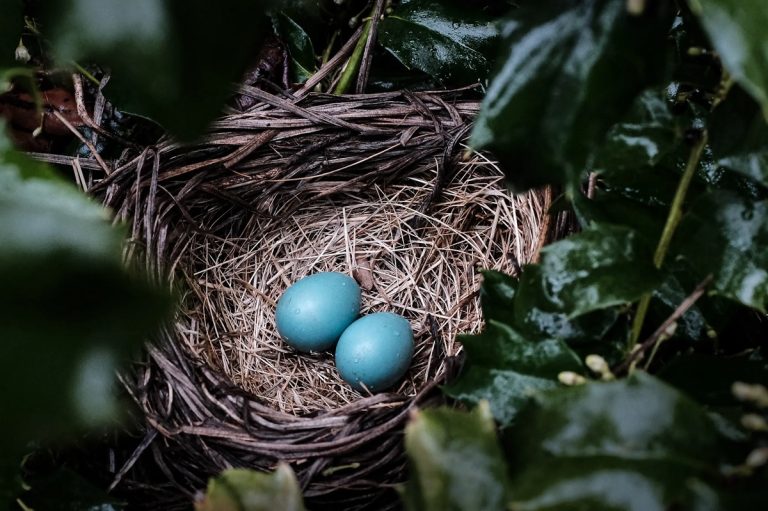
Many birds carefully regulate the temperature of their eggs through incubation. By sitting on their nests and adjusting their position, parent birds maintain the warmth required for embryo development. This period of incubation varies widely, ranging from just over a week for some small songbirds to several weeks for larger species like eagles or swans.
The environment also plays a role in determining when birds hatch. Seasonal changes, availability of food, and climate conditions can influence the timing of egg-laying and hatching. Birds have evolved to synchronize hatching with optimal conditions for raising their chicks.
Understanding when do birds hatch provides insight into their breeding habits, parental care, and survival strategies. It highlights the intricate balance between biology and environment in shaping the life cycles of avian species.
When Do Birds Hatch In General
The timing of bird hatching varies widely depending on species, environment, and parental care. While some small birds hatch within just a few days, larger birds require weeks of incubation before the chicks emerge. Understanding when do birds hatch in general provides insight into avian reproduction, survival strategies, and how different species adapt to environmental conditions to ensure the survival of their young.
Incubation Periods And Species Variation
Different bird species have different incubation periods that determine when their eggs hatch. Small songbirds, such as sparrows or finches, typically incubate their eggs for about 10 to 14 days. In contrast, larger birds like hawks, swans, or eagles may take anywhere from 28 to 40 days. This variation is largely due to the size of the egg, the metabolic needs of the developing embryo, and the level of parental investment required.
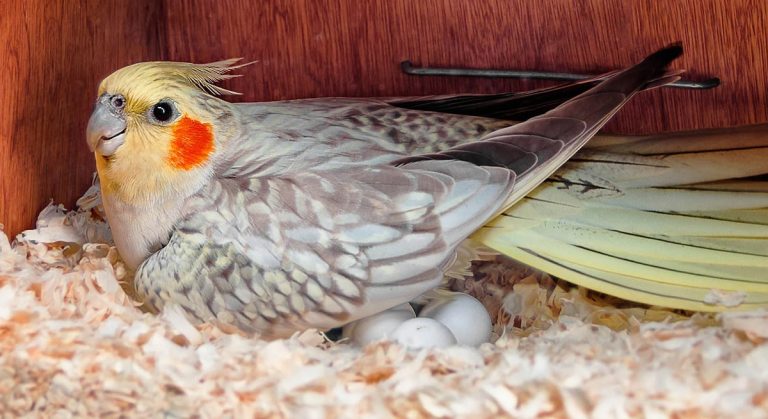
Parent birds play a crucial role in regulating temperature during incubation. They sit on the eggs and adjust their position to maintain warmth, ensuring proper development. The consistency and care provided during this stage are critical because even a slight drop in temperature can delay hatching or negatively affect chick survival. Observing these differences shows how evolution has shaped species-specific strategies for successful reproduction.
Environmental Factors Influencing Hatching
Environmental conditions significantly influence when do birds hatch. Temperature, humidity, and seasonal timing all play a role. Birds often synchronize their hatching with favorable environmental conditions, such as the availability of food and milder weather. For example, many temperate-zone birds lay eggs in spring so that chicks hatch during peak insect abundance, ensuring a plentiful food supply.
Extreme weather or changes in habitat can delay or even prevent hatching. Some birds may adjust their incubation behavior to compensate for cooler or wetter conditions, while others may abandon nests that are no longer suitable. These adaptations highlight how closely bird reproduction is tied to environmental cues and survival strategies. Understanding this relationship helps you appreciate the complex interaction between biology and ecology in the life cycles of birds.
Synchronous Versus Asynchronous Hatching
Birds exhibit different hatching patterns, which also affect when chicks emerge. In synchronous hatching, all eggs in a clutch hatch within a short period, usually because incubation begins after the last egg is laid. This strategy ensures that all chicks are at similar developmental stages, making feeding and care more straightforward for parents.
In contrast, asynchronous hatching occurs when incubation starts as soon as the first egg is laid. Chicks hatch at different times, leading to size and age hierarchies in the nest. While this may give older chicks a competitive advantage for food, it also increases the likelihood of survival for at least some offspring in challenging conditions. Observing these strategies provides insight into parental decision-making and evolutionary trade-offs in avian reproduction.
Role Of Parental Care In Hatching Success
Parental care is critical in determining when do birds hatch and how well the chicks survive. Both parents in some species, or the mother alone in others, regulate temperature, protect the nest from predators, and keep eggs clean. Proper care ensures that eggs develop properly and hatch at the expected time.
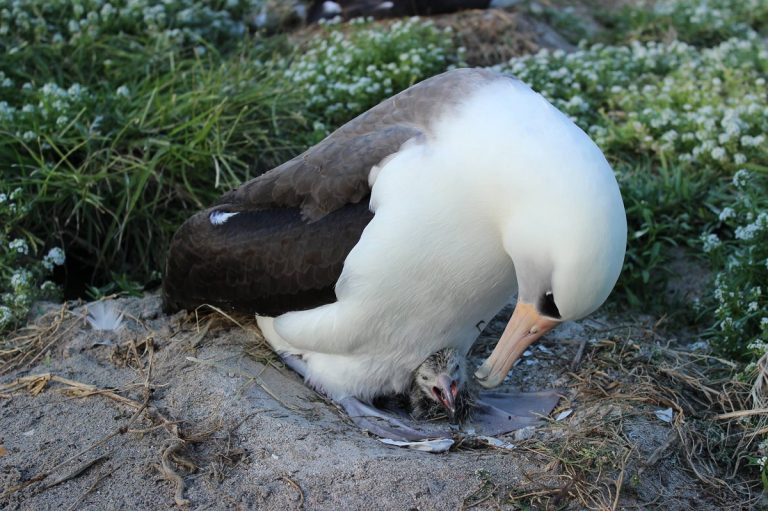
Some birds, like penguins or albatrosses, incubate eggs for weeks in harsh climates, demonstrating extraordinary dedication. In other species, frequent switching between parents helps maintain optimal incubation temperature. The level of parental investment is closely tied to hatching success, showing that timing and care are inseparable in the survival strategies of birds.
Hatching And Early Chick Development
The moment chicks hatch marks the beginning of a critical period for survival. Newly hatched birds, or hatchlings, are often completely dependent on their parents for warmth, protection, and food. The timing of hatching is crucial to ensure that parents can meet the energy demands of feeding growing chicks.
Species that hatch during periods of abundant food allow parents to provide adequate nutrition, increasing the likelihood that the chicks will thrive. Observing the hatching process and early chick development reveals how intricately timed and adaptive these reproductive strategies are, demonstrating the remarkable diversity and resilience of avian species.
Incubation Periods By Species
The incubation period of bird eggs varies widely across species, influenced by factors such as egg size, environmental conditions, and parental care. Understanding incubation periods by species reveals fascinating insights into reproductive strategies, survival adaptations, and how birds maximize the chances of their chicks’ survival. These periods play a critical role in determining when eggs hatch and how parents manage the care of their developing young.
Small Songbirds And Rapid Hatching
Small songbirds, such as sparrows, finches, and warblers, generally have short incubation periods. Their eggs often hatch within 10 to 14 days, allowing them to reproduce quickly and take advantage of favorable seasonal conditions. Rapid hatching is particularly important for these birds, as it reduces the time eggs are exposed to predators and harsh weather.
During this period, the parent birds maintain constant warmth by sitting on the eggs and adjusting their posture to distribute heat evenly. Frequent rotation and attentiveness ensure the embryos develop properly. Despite their small size, songbird parents invest considerable effort in protecting the eggs, keeping them clean, and maintaining optimal incubation temperatures. Observing these short incubation periods highlights how small birds optimize reproduction in environments where survival risks are high.
Larger Birds And Extended Incubation
In contrast, larger bird species, such as hawks, eagles, swans, and pelicans, have much longer incubation periods. Eggs in these species may take anywhere from 28 to 40 days to hatch. The extended time allows embryos to develop fully, preparing chicks for the challenges of life outside the nest.
Parents of larger birds often share incubation duties, with one adult sitting on the eggs while the other searches for food. Maintaining consistent temperature and protecting the nest from predators is crucial during these longer periods. Extended incubation ensures that chicks hatch strong and capable, which is particularly important in species with fewer offspring. These longer periods reflect a higher parental investment and a more deliberate approach to reproduction, showcasing the diversity of strategies across bird species.
Waterfowl And Medium-Length Incubation
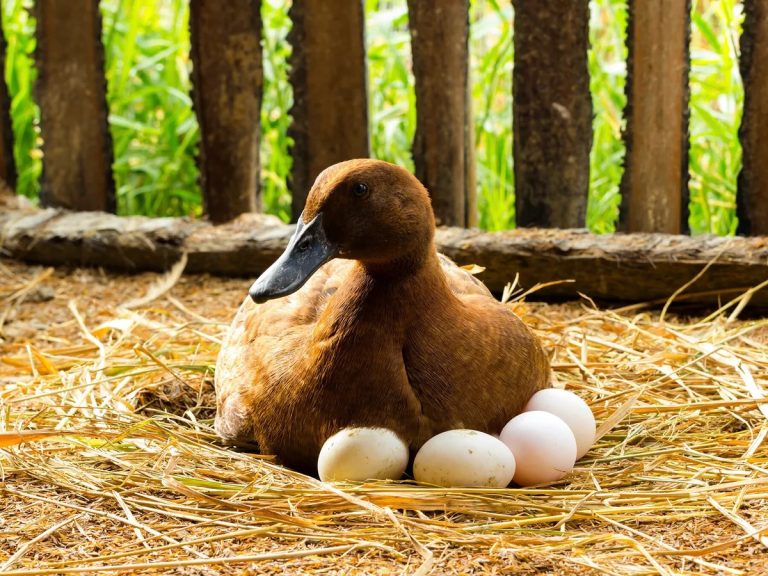
Waterfowl, such as ducks, geese, and swans, have medium-length incubation periods, typically ranging from 20 to 35 days depending on the species. These birds often lay multiple eggs in a single clutch, requiring careful and consistent incubation to ensure all embryos develop successfully.
Parent waterfowl, especially females, maintain eggs at optimal temperatures by nesting close to water sources and shading eggs as needed. Male waterfowl may guard the territory and help protect the nest from predators. Timing is also critical, as hatching is often synchronized with seasonal food availability, ensuring chicks have access to sufficient nutrition immediately after emerging. Studying these incubation periods shows how birds balance parental care, environmental factors, and offspring survival.
Predatory Birds And Specialized Strategies
Birds of prey, including owls, hawks, and falcons, display varied and specialized incubation periods, often between 28 and 36 days. These birds typically lay fewer eggs, so ensuring that each chick develops fully is essential. Incubation strategies may include alternating shifts between parents or even hatching eggs asynchronously to give older chicks a developmental advantage.
Parents provide constant warmth, turning eggs regularly to prevent embryos from sticking to the shell. They also guard the nest vigorously against intruders and predators, ensuring the safety of both eggs and future hatchlings. Observing these patterns illustrates how evolutionary pressures shape incubation behavior and how birds adapt their strategies to maximize reproductive success.
Seasonal Birds And Timing Considerations
Seasonal birds, such as migratory songbirds and shorebirds, time their incubation periods carefully to coincide with optimal environmental conditions. Eggs typically hatch during periods when food is abundant and weather conditions are mild, maximizing the survival of chicks.
Parents adjust incubation schedules based on day length, temperature, and local climate conditions. Some species may start incubating only after the last egg is laid to synchronize hatching, while others begin earlier, resulting in asynchronous hatching. Studying seasonal incubation highlights the intricate interplay between biology, environment, and survival, demonstrating how timing and parental care are critical for raising healthy chicks.
Here’s a detailed blog section for your topic following your instructions:
Signs That Eggs Are About To Hatch
Observing bird eggs as they near hatching can be a fascinating experience. Birds exhibit subtle behavioral and physical signs that indicate the chicks are almost ready to emerge. Recognizing signs that eggs are about to hatch helps you understand the hatching process, anticipate parental behavior, and learn how different species prepare for the arrival of their young. Timing and observation are key to witnessing this critical stage in a bird’s life cycle.
Increased Parental Activity
As hatching approaches, parent birds often display heightened activity around the nest. They may spend more time adjusting their position, rotating eggs, or shifting their posture to ensure even warmth across all eggs. Parents may also increase feeding trips to prepare for the energy demands of feeding newly hatched chicks.
This increase in attention helps maintain the ideal temperature for the final stages of embryo development. Parents might become more vigilant, watching for predators or intruders to protect the vulnerable eggs. Observing this change in parental behavior provides a clear signal that the eggs are nearing the hatching stage. It demonstrates the strong instinctive preparation birds undertake to ensure their offspring survive and thrive.
Egg Movement And Ticking Sounds
One of the most noticeable signs that eggs are about to hatch is subtle movement from within the shell. Embryos may begin to wiggle or push against the inside of the eggs, which can sometimes be seen as gentle rocking of the egg. In some species, you may even hear soft tapping or “peeping” sounds as chicks position themselves to break free from the shell.
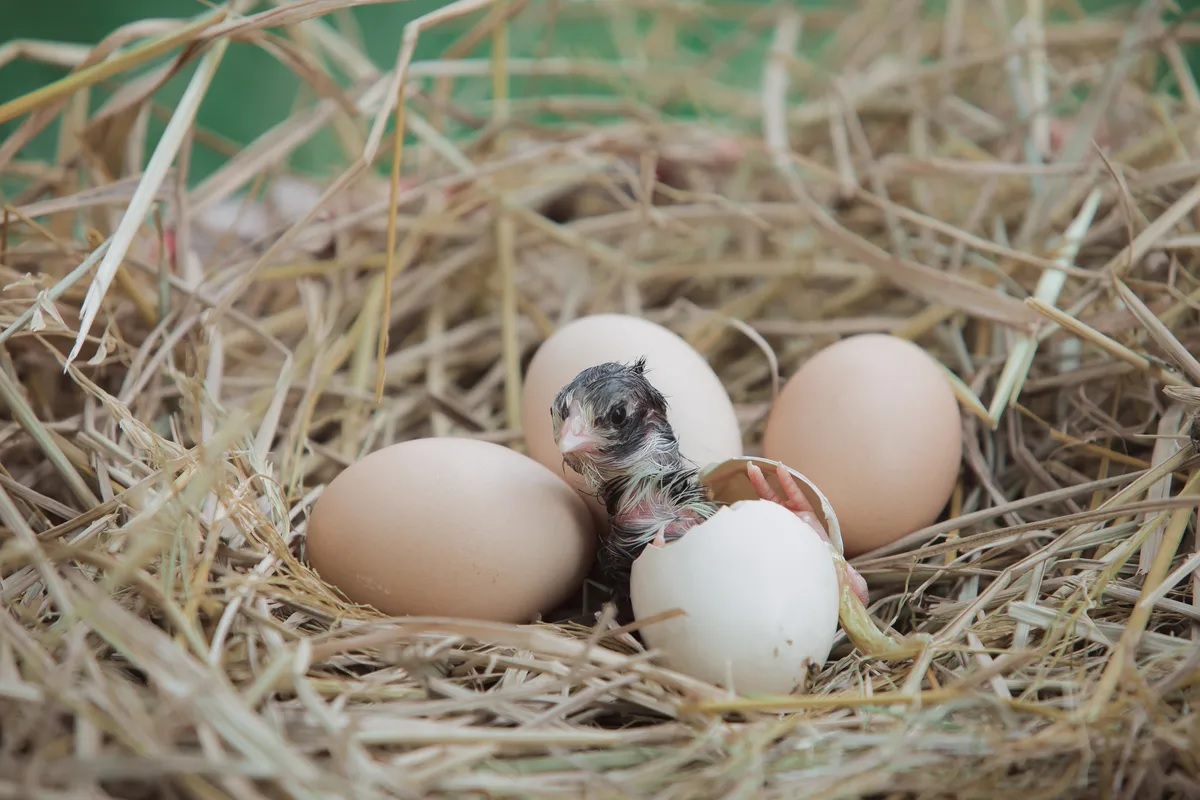
These movements, often called pipping, indicate that the chick is actively preparing to hatch. The process can take several hours or even a day, with the chick gradually weakening the shell before emerging. Observing pipping provides a direct view into the hatching process and highlights the strength and resilience of young birds as they transition from embryo to hatchling.
Changes In Egg Appearance
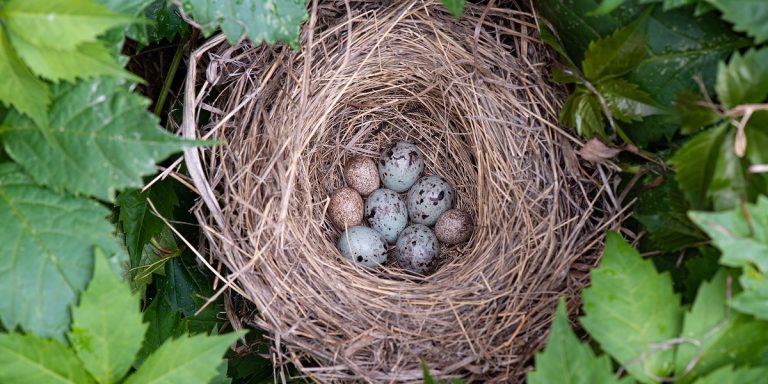
Eggs can also show physical signs as hatching approaches. You may notice small cracks, dents, or tiny holes on the surface of the eggshell caused by the chick’s beak. These initial cracks, often called external pips, mark the beginning of the chick’s effort to break free.
The eggshell may also become slightly duller or feel warmer to the touch because of increased metabolic activity inside. These visual cues are subtle but reliable indicators that hatching is imminent. By recognizing these changes, you can better understand the timing and stages of hatching, and appreciate the remarkable transformation occurring within the egg.
Vocalizations From Inside The Egg
In many species, embryos start vocalizing shortly before hatching. These sounds can include soft chirps or squeaks, often audible if you are close to the nest without disturbing the birds. These early vocalizations help coordinate the hatching process, as chicks may communicate their readiness to emerge or signal hunger to the parent.
Listening for these sounds provides an additional way to gauge when eggs are about to hatch. It also gives insight into the early development of communication in birds, showing how even before leaving the egg, chicks are beginning to interact with their environment and caregivers.
Increased Temperature And Incubation Adjustments
In the final days before hatching, parent birds often adjust their incubation behavior to maintain stable temperatures. They may sit closer to the eggs, change positions more frequently, or fluff their feathers to regulate warmth. These adjustments help ensure the chicks remain at the optimal temperature for completing development.
This careful temperature regulation is essential because even minor fluctuations can affect the timing and success of hatching. Observing these changes provides a window into the intricate parental care strategies birds employ, highlighting the delicate balance required to successfully transition eggs from embryo to hatchling.
Factors Affecting Hatching Time
The timing of bird hatching depends on a combination of biological and environmental factors. Various elements, including species characteristics, incubation practices, and environmental conditions, influence how long eggs take to hatch. Understanding factors affecting hatching time allows you to observe and appreciate the intricate balance of nature that determines when chicks emerge and how parents adjust their behavior to ensure successful reproduction.
Species-Specific Incubation Periods
One of the primary factors affecting hatching time is the bird species itself. Small birds like finches or sparrows often have shorter incubation periods, usually around 10 to 14 days, while larger birds such as eagles, swans, and pelicans may require 28 to 40 days. Egg size, metabolic rate, and developmental needs of the embryo play crucial roles in determining the duration of incubation.
Species-specific differences also dictate parental behavior during incubation. Some birds begin incubating immediately after the first egg is laid, leading to asynchronous hatching, while others start after the entire clutch is complete, resulting in synchronous hatching. These adaptations help balance survival strategies, resource allocation, and parental investment across various bird species. Understanding these differences allows you to predict hatching times based on the type of bird.
Temperature And Climate Conditions
Environmental temperature and climate significantly influence hatching time. Eggs require consistent warmth for proper embryo development, and fluctuations in temperature can speed up or delay hatching. Cold weather may slow metabolic activity, extending the incubation period, while warmer conditions can accelerate development.
Humidity also plays a role. Eggs in overly dry conditions may lose too much moisture, leading to delayed hatching or weaker chicks, while high humidity helps maintain proper egg hydration. Birds often adjust their incubation behavior to compensate for environmental changes, such as sitting more tightly on eggs during cold spells or shading them during intense heat. This flexibility demonstrates how external factors directly affect the timing of hatching.
Parental Care And Nesting Practices
Parental care is another crucial factor affecting hatching time. Birds maintain optimal egg temperature through incubation, turning eggs regularly to ensure even heat distribution. Parents may also adjust their feeding and nest-guarding schedules to maintain ideal conditions for embryo development.
Some species share incubation duties between both parents, which can influence hatching timing and the survival rate of chicks. In contrast, species with a single incubating parent may experience slight delays if the adult must leave the nest for extended periods to forage. Observing parental behavior highlights the importance of consistent care in determining when eggs hatch.
Egg Health And Genetic Factors
The health of the egg and genetic factors also influence hatching time. Fertility, embryo viability, and the overall condition of the egg can speed up or slow down development. Malformed or weak embryos may hatch later than healthy ones or fail to hatch entirely.
Genetic adaptations in some species may also determine incubation duration, aligning hatching with optimal environmental conditions and food availability. Understanding these factors provides insight into how evolution and natural selection shape reproductive strategies, ensuring chicks emerge under favorable circumstances.
Nest Location And Environmental Safety
Finally, the location and safety of the nest can impact hatching time. Eggs in exposed nests may require parents to spend more time incubating or shielding them from predators, affecting the overall duration of development. Nests in sheltered areas with stable temperatures and protection from disturbances often produce more consistent hatching times.
By choosing safe and optimal nesting sites, birds enhance the likelihood of successful hatching. Observing how nest placement interacts with environmental factors and parental behavior helps you understand the multiple influences that determine when chicks emerge from their eggs.
FAQs
When Do Birds Hatch?
Birds hatch at different times depending on their species, egg size, and environmental conditions. Small birds like sparrows or finches typically hatch within 10 to 14 days, while larger birds such as eagles, swans, or pelicans may take 28 to 40 days.
The hatching time is influenced by parental incubation behavior, including how consistently they keep the eggs warm and protected. Environmental factors like temperature, humidity, and seasonal timing also affect development. Understanding these factors helps you predict when chicks will emerge from their eggs in various bird species.
How Does Incubation Affect When Birds Hatch?
Incubation plays a critical role in determining when birds hatch. Parent birds maintain eggs at optimal temperatures, often sitting on them for hours and rotating them regularly to ensure even warmth.
Inconsistent or inadequate incubation can delay hatching or even prevent it entirely. Species that share incubation duties between parents tend to have more stable hatching times. Observing incubation patterns can give you a clear sense of when eggs are likely to hatch and how parental care influences chick development.
Do Environmental Conditions Influence Hatching Time?
Yes, environmental conditions strongly influence when birds hatch. Temperature, humidity, and food availability all play a role in embryo development. Cooler conditions may slow growth, extending the time before hatching, while warmer conditions can accelerate it.
Seasonal timing is also critical. Many birds lay eggs to ensure hatching occurs when food is abundant, giving chicks the best chance of survival. By observing changes in weather and food availability, you can better understand the factors that impact hatching schedules.
Do All Eggs Hatch At The Same Time?
Not all eggs hatch at the same time, and hatching patterns vary between species. In synchronous hatching, all eggs in a clutch hatch within a short period because incubation starts after the last egg is laid.
In asynchronous hatching, incubation begins immediately after the first egg is laid, so chicks hatch at different times. This can create size and age hierarchies in the nest, giving older chicks a competitive advantage for food. These strategies show how birds adapt hatching to maximize survival of offspring.
Can You Predict When Eggs Will Hatch?
You can estimate when eggs will hatch by considering species-specific incubation periods and observing parental behavior. Small birds hatch faster than large birds, and attentive parents tend to maintain consistent egg warmth, making predictions more accurate.
Environmental conditions also provide clues. Eggs kept at stable temperatures in safe nests are more likely to hatch on schedule, while disturbances or extreme weather can delay hatching. By combining species knowledge, parental behavior, and environmental observation, you can reasonably predict the hatching time for most birds.
What Are The Early Signs That Eggs Are About To Hatch?
Birds exhibit several signs when eggs are about to hatch. Parent birds become more attentive, adjusting their position frequently and spending extra time on the nest. Eggs may also show small cracks or slight movements caused by the developing chick.
In some cases, you may hear faint peeping or tapping sounds as chicks prepare to break free. Recognizing these early signs allows you to anticipate hatching and understand the intricate process occurring inside the egg just before chicks emerge.
How Long After Laying Do Birds Usually Hatch?
The period from egg-laying to hatching varies widely by species. Small birds usually hatch within 10 to 14 days, while medium-sized birds like ducks or pigeons may take 18 to 25 days. Large birds such as swans, pelicans, or eagles often take 28 to 40 days.
The total time depends on incubation behavior, environmental conditions, and embryo health. By tracking the laying date and considering species-specific incubation periods, you can estimate when hatching is likely to occur, helping you observe or study chicks at the right time.
Conclusion
Bird hatching is one of the most fascinating stages of a bird’s life cycle, showcasing the remarkable care and adaptation of parent birds. The timing of hatching varies widely depending on the species, size of the eggs, and environmental conditions. Observing this process provides insight into how birds ensure the survival of their chicks through careful incubation and protection.
For anyone curious about when do birds hatch, it’s important to understand that factors like temperature, humidity, and consistent parental care play a major role. Altricial birds, like songbirds, often hatch after shorter incubation periods but require extensive parental feeding and protection, while precocial birds, like ducks, may hatch more developed and ready to move shortly after emerging.
Understanding hatching patterns also helps bird enthusiasts and conservationists monitor bird populations effectively. By knowing when do birds hatch, you can better appreciate the delicate timing, survival strategies, and dedication involved in raising the next generation of birds.