What Birds Lay Small Blue Eggs: Discover The Tiny Treasures of Nature
Many bird enthusiasts and backyard watchers are fascinated by the vibrant colors of bird eggs, especially those that stand out with a striking blue hue. Observing small blue eggs in a nest often sparks curiosity about which species laid them and what they reveal about the bird’s habits and environment.
Different birds produce eggs of varying sizes, shapes, and colors, but small blue eggs are particularly distinctive. Their unique appearance can signal specific species, nesting behaviors, and even health conditions of the mother bird. Noticing these eggs provides an exciting glimpse into the natural world right in your backyard or local park.
Understanding what birds lay small blue eggs helps enthusiasts identify species such as robins, bluebirds, and certain finches. These birds are known not only for their beautiful eggs but also for their fascinating nesting behaviors, including site selection, protective instincts, and care of their young.
By learning to recognize these eggs, you gain insight into bird biology and the delicate processes that ensure successful hatching. Observing nests can also foster appreciation for the importance of preserving habitats where these birds thrive.
Common Birds That Lay Small Blue Eggs
Small blue eggs are a hallmark of several bird species, often admired for their delicate color and charm. Identifying the birds that lay these eggs helps bird watchers and nature enthusiasts appreciate the diversity of nesting habits and reproductive strategies. Observing these eggs in the wild or in backyard nests provides insight into local wildlife and the species that may visit your garden.
American Robin
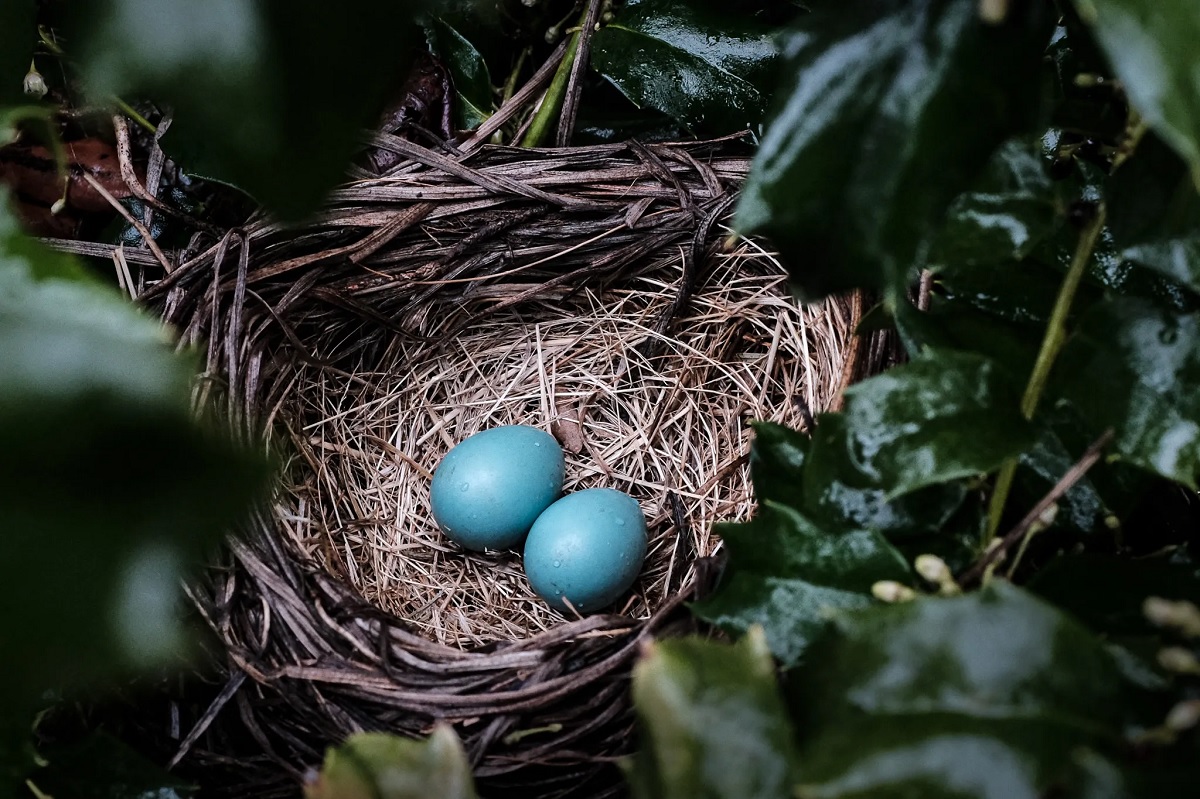
The American robin is one of the most recognizable birds that lay small blue eggs. These eggs are typically a bright, sky-blue color and measure around 2.8 to 3 centimeters in length. Robins often build nests in trees, shrubs, or even on building ledges, choosing locations that offer both safety and concealment from predators.
Female robins carefully construct cup-shaped nests using twigs, grass, and mud. Once the eggs are laid, the female incubates them for about 12 to 14 days until hatching. Robins usually lay between three to five eggs per clutch, and both parents actively feed the hatchlings once they emerge. The striking blue color of the eggs may help camouflage them against leaves and sky, reducing predation risk while adding aesthetic beauty to the nest.
Eastern Bluebird
Eastern bluebirds are another species well-known for laying small blue eggs. Their eggs are typically pale blue and slightly smaller than robin eggs, measuring about 2.5 centimeters in length. Bluebirds prefer nesting in cavities, including natural tree hollows or artificial nest boxes provided by bird enthusiasts.
The female bluebird lays three to seven eggs per clutch, and incubation usually lasts 11 to 16 days. Both male and female participate in feeding the young, demonstrating strong parental involvement. The pale blue eggs are particularly striking against the brownish nest lining, making them easy for bird watchers to identify. Providing safe nesting boxes can encourage bluebirds to settle in gardens, allowing close observation of these beautiful eggs and the attentive care of hatchlings.
House Finch
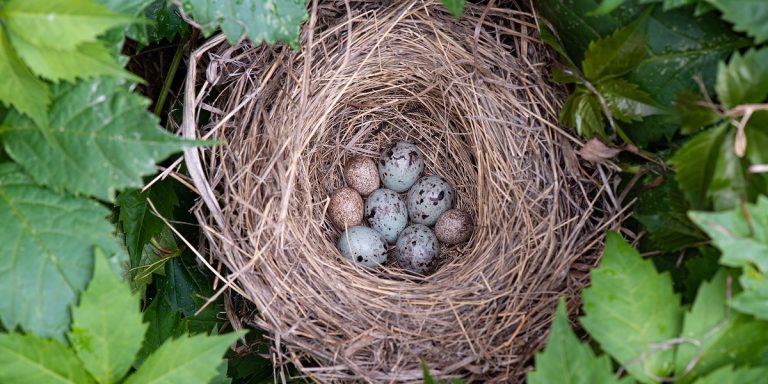
House finches also lay small blue or bluish-green eggs, though their color may vary slightly depending on environmental factors. These eggs are generally around 2 centimeters long and often have speckling, which provides additional camouflage. House finches prefer building nests in shrubs, trees, or even on building ledges and balconies, showing adaptability to urban and suburban settings.
Females lay between two to six eggs per clutch and incubate them for 12 to 14 days. Once hatched, both parents feed the nestlings, ensuring their survival and growth. Observing house finch eggs offers insight into how urban-adapted birds manage nesting in human-dominated landscapes. The small size and soft blue coloring make them a favorite for backyard bird watchers who enjoy identifying and studying local bird species.
Indigo Bunting
Indigo buntings are known for their vivid blue plumage and the small blue eggs they lay. These eggs are usually pale blue with subtle spotting and measure approximately 2 to 2.5 centimeters in length. Indigo buntings typically build cup-shaped nests in shrubs or low tree branches, providing concealment from predators while remaining accessible for observation.
Females lay three to four eggs per clutch, and incubation lasts around 11 to 14 days. Both parents help feed the young after hatching. The delicate blue eggs of the indigo bunting are an excellent example of nature’s subtle beauty, drawing the attention of bird enthusiasts. Understanding these nesting patterns and egg characteristics helps in recognizing the species in the wild and appreciating their ecological roles.
Factors Influencing Egg Color and Size
Bird eggs vary greatly in color, size, and shape, influenced by multiple biological and environmental factors. Understanding what determines these characteristics helps bird watchers, researchers, and backyard enthusiasts interpret the diversity of eggs they observe. Egg color and size are not random; they serve adaptive purposes and reflect a combination of genetic, dietary, and ecological influences.
Genetic Factors and Species Traits
The primary determinant of egg color and size is genetics. Each bird species has evolved to produce eggs that meet specific reproductive and survival needs. For example, American robins consistently lay bright blue eggs, while house finches may lay bluish-green or speckled eggs. These patterns are inherited and remain relatively consistent within species, allowing identification of eggs based on appearance.
Egg size is also strongly linked to species traits. Larger birds tend to lay larger eggs due to greater reproductive capacity, while smaller birds produce smaller eggs that are easier to incubate and manage. Within a species, slight variations can occur based on individual health and genetic diversity. Understanding these genetic influences helps observers distinguish between species and recognize normal variation in clutch size and egg appearance.
Environmental and Dietary Influences
Environmental factors and diet significantly affect egg coloration and quality. Birds obtain pigments from their food that influence shell color. For instance, blue and green hues often result from biliverdin, a pigment derived from the breakdown of hemoglobin. A nutrient-rich diet supports the production of vibrant, strong-colored eggs, while deficiencies may result in paler or irregularly colored shells.
Environmental conditions, such as temperature, humidity, and exposure to sunlight, also play a role. Birds nesting in areas with high predation risk may evolve to lay more camouflaged eggs that blend with their surroundings, while those in safer, sheltered locations can afford more vibrant colors. Seasonal changes can additionally influence pigment intensity and egg size, reflecting the bird’s overall health and the availability of resources during breeding.
Nesting Location and Predation Pressure
The choice of nesting site has a strong influence on egg characteristics. Birds that nest in open areas or on exposed branches are more likely to produce camouflaged eggs, often speckled or muted in color, to reduce detection by predators. Conversely, cavity-nesting birds such as bluebirds or woodpeckers may lay brightly colored eggs because the risk of predation is lower inside enclosed spaces.
Egg size may also be affected by nesting location. Birds in challenging environments or areas with high predation pressure may produce smaller clutches with larger, more resilient eggs to maximize the survival chances of each chick. The combination of egg size and coloration is therefore an adaptive strategy, balancing the need to protect offspring with the energy investment required for reproduction.
Age, Health, and Reproductive Experience
A bird’s age and health status influence the eggs it produces. Younger or less experienced females may lay smaller or less vibrantly colored eggs, while older, healthier birds typically produce larger, more colorful eggs. Nutritional status is particularly important, as deficiencies in calcium or other minerals can result in weak or irregular shells.
Reproductive experience also matters. Birds that have successfully nested before may optimize their egg-laying strategy based on previous outcomes, adjusting size or pigmentation to improve survival rates. Stress factors, environmental disturbances, and parasitism can further impact egg characteristics, demonstrating how dynamic the process of egg production is and how sensitive it is to both internal and external conditions.
Evolutionary and Adaptive Significance
Egg color and size are not merely aesthetic; they have evolved for survival and reproductive success. Coloration can serve as camouflage, signaling health, or deterring brood parasites, while size influences the chick’s initial growth, energy reserves, and survivability. Birds have adapted these traits over generations to balance reproductive investment with environmental pressures.
Recognizing these factors helps bird watchers and researchers interpret egg observations accurately. By understanding how genetics, environment, diet, nesting behavior, and individual health combine to influence egg traits, enthusiasts gain a deeper appreciation of avian biology and the complex strategies birds use to ensure the survival of their young.
Tips for Observing Small Blue Eggs Safely
Observing small blue eggs can be a rewarding experience for bird watchers and nature enthusiasts. However, it’s important to prioritize safety for both the observer and the birds. Careful observation ensures that you can enjoy the beauty and uniqueness of these eggs without disturbing nesting birds or putting yourself at risk. Following responsible guidelines helps protect wildlife while enhancing your bird-watching experience.
Maintain a Safe Distance
One of the most important aspects of observing small blue eggs is maintaining a safe distance from the nest. Birds are sensitive to human presence, and approaching too closely can cause stress or abandonment of the eggs. Using binoculars or a camera with a zoom lens allows you to view the eggs clearly without getting near the nest.
Maintaining distance also protects you from potential hazards. Many birds build nests in high or precarious locations, such as trees, shrubs, or ledges. Attempting to reach these areas without proper equipment or experience can result in falls or injury. Observing from a safe position ensures that you do not unintentionally harm yourself or disturb the nesting birds.
By keeping a respectful distance, you allow birds to continue their natural behaviors undisturbed. Over time, consistent observation without interference can provide valuable insight into hatching patterns, parental care, and chick development while keeping both the birds and the observer safe.
Limit Time Spent Near the Nest
Spending prolonged periods near a nest can increase stress for birds and reduce the chances of successful hatching. Observers should aim for short, focused observation sessions, limiting contact to brief intervals. This helps minimize disruption and ensures that the birds remain comfortable returning to their eggs.
Repeated visits in quick succession can attract predators or signal human activity to nearby animals, putting the eggs at risk. To avoid this, plan your observation carefully, note the nest location discreetly, and record observations from a distance rather than lingering near the site.
Limiting time also encourages natural bird behaviors. Observing briefly allows you to see feeding, incubation, and protective actions without altering their routine. Respecting these boundaries helps foster a safe environment for birds while still providing valuable opportunities for learning and enjoyment.
Avoid Touching or Moving the Eggs
Handling small blue eggs is strongly discouraged. Touching eggs can transfer oils or scents from humans, which may cause the parent birds to reject the eggs. Additionally, eggs are fragile and can easily crack or break, endangering the developing embryos inside.
It’s also important not to move the nest or its contents. Even minor adjustments can disturb the eggs’ alignment, affecting temperature regulation and successful hatching. Maintaining the natural placement of eggs preserves the nest’s integrity and supports the bird’s reproductive efforts.
Instead of handling, use tools like binoculars, cameras, or notebooks to record observations. Focusing on visual documentation rather than physical interaction ensures that eggs remain safe while allowing you to learn about species behavior and developmental stages responsibly.
Respect Nesting Areas and Surroundings
Preserving the surrounding habitat is crucial when observing small blue eggs. Avoid trampling vegetation, disturbing branches, or leaving litter near the nest. Birds rely on cover and natural surroundings for protection from predators, and altering these conditions can compromise nest safety.
Minimize noise and sudden movements, as these can alarm the adult birds and cause them to abandon the nest temporarily. Approaching nests discreetly, wearing muted clothing, and following established pathways reduces stress for both the birds and the observer.
Respecting nesting areas ensures that small blue eggs remain safe, while you can still enjoy observing their development. Thoughtful interaction with the environment fosters responsible bird-watching habits and contributes to the conservation of local wildlife habitats.
Documenting Observations Responsibly
Recording your observations is a safe way to engage with bird watching without interfering with the nest. Photography, sketches, or field notes allow you to capture details about egg color, size, and parental behavior while maintaining distance and avoiding disruption.
Use zoom lenses or spotting scopes to get detailed views without approaching the nest. Note environmental factors like location, time of day, and weather conditions, which can provide insights into bird behavior and egg development patterns.
Responsible documentation not only protects the eggs but also enhances your understanding of the species. By observing thoughtfully and recording carefully, you contribute to a deeper appreciation of nature while ensuring the safety and well-being of both yourself and the nesting birds.
FAQs
What Birds Are Known To Lay Small Blue Eggs?
Several bird species are recognized for laying small blue eggs. Common examples include American robins, Eastern bluebirds, house finches, and indigo buntings. These eggs vary in shade from pale to vibrant blue and often have subtle speckling, depending on the species.
Observing these eggs can help you identify the species in your backyard or local park. The nesting behavior, such as location and materials used, also provides clues. By learning which birds lay small blue eggs, you can enjoy birdwatching responsibly and recognize these eggs without disturbing the nest.
Why Are Some Bird Eggs Blue?
The blue color in bird eggs is primarily caused by a pigment called biliverdin. This pigment is deposited onto the eggshell during formation and produces the distinct blue or bluish-green hue. The intensity of the color can vary depending on the bird’s diet, health, and genetic traits.
Egg color also serves adaptive purposes. Bright blue eggs may blend with the sky or foliage, offering camouflage from predators. Additionally, the color can signal the female’s health and genetic fitness to potential mates, helping ensure the survival of offspring.
How Can You Identify Birds By Their Eggs?
Identifying birds by their eggs requires paying attention to size, color, shape, and nesting location. Small blue eggs are often laid by robins, bluebirds, finches, and buntings, each exhibiting distinct nesting habits. Observing the type of nest, its height, and materials used can provide additional clues.
Binoculars or zoom cameras allow you to view eggs without disturbing the nest. Combining these visual cues with knowledge of local bird species increases accuracy. By learning these patterns, you can appreciate wildlife safely while recognizing the species behind the eggs.
Do Small Blue Eggs Indicate A Specific Nesting Season?
Yes, small blue eggs are typically laid during the bird breeding season, which varies by species and geographic location. For many backyard birds, nesting occurs in spring and early summer when food is abundant and weather conditions are favorable for raising young.
Monitoring these eggs during this season helps you understand hatching timelines, parental care, and chick development. Observing responsibly ensures you do not disrupt natural behaviors while gaining insight into the reproductive cycles of birds that lay small blue eggs.
Are All Small Blue Eggs The Same Size?
No, the size of small blue eggs varies depending on the species. American robins lay slightly larger eggs than house finches or indigo buntings. Typically, these eggs range from 2 to 3 centimeters in length, but variations occur based on the individual bird’s health and age.
Egg size also reflects the bird’s reproductive strategy. Larger eggs often contain more nutrients for developing embryos, while smaller eggs may allow for larger clutches. Observing egg size alongside color and nest characteristics helps in accurate species identification.
Can You Touch Or Handle Small Blue Eggs?
Handling small blue eggs is strongly discouraged. Touching them can transfer human scent or oils, potentially causing the parent birds to abandon the nest. Eggs are fragile, and mishandling can crack or damage them, putting developing embryos at risk.
Instead, use binoculars, cameras, or field notes to document your observations. Maintaining distance and minimizing interference allows you to enjoy watching birds while preserving their safety and natural nesting behaviors. Responsible observation is essential for both the birds’ and your own well-being.
What Habitats Are Most Likely To Have Small Blue Eggs?
Small blue eggs are commonly found in woodlands, gardens, parks, and areas with shrubs or trees that provide cover. Species like robins, bluebirds, and finches often select elevated or concealed nesting spots to protect eggs from predators.
Providing birdhouses or nest boxes can attract cavity-nesting species like Eastern bluebirds, making observation easier in backyard settings. Understanding habitat preferences allows you to locate nests responsibly, ensuring safe and rewarding birdwatching experiences while respecting the natural environment.
Conclusion
Observing the delicate beauty of small blue eggs in nature offers a unique glimpse into the lives of birds. These tiny treasures reflect the fascinating diversity of species and their nesting habits, showing how nature has crafted eggs not only for survival but also for camouflage and protection. Understanding which birds produce these eggs allows enthusiasts to appreciate the intricate patterns and colors that vary from species to species.
If you are curious about what birds lay small blue eggs, focusing on common species like the American Robin, Eastern Bluebird, and House Finch provides a clear starting point. Each of these birds brings its own unique nesting behavior, egg size, and coloring, making the search for these eggs both educational and rewarding. Observing them responsibly can deepen your connection with wildlife.
In the end, exploring what birds lay small blue eggs encourages careful observation and respect for nature. It reminds us that even the smallest eggs can carry stories of survival, beauty, and wonder, highlighting the incredible variety of life around us.