Acme Bird Seed: Types, Benefits, and Feeding Tips for Backyard Birds
Providing high-quality nutrition for backyard birds is essential for supporting their health, energy, and overall well-being. Many bird enthusiasts look for reliable seed blends that attract a variety of species while ensuring balanced nutrition. Acme bird seed has become a popular choice among bird lovers for its carefully selected ingredients and consistent quality. Designed to appeal to both common backyard birds and more specialized species, this bird seed offers a mix of grains, nuts, and seeds that support strong feathers, healthy digestion, and sustained energy.
By understanding the benefits and components of Acme bird seed, you can make informed choices for feeding wild or pet birds. Offering this seed in feeders or designated feeding areas provides an opportunity to observe birds up close while promoting their health and thriving in your garden or backyard habitat.
Product Varieties
Acme bird seed offers a wide range of product varieties designed to meet the nutritional needs of different bird species. These blends vary in composition, including seeds, grains, nuts, and specialty mixes, making it easy to attract a variety of backyard and aviary birds. Understanding the available product varieties helps bird enthusiasts select the right seed for their feeders, ensuring that birds receive balanced nutrition while enhancing feeding activity and enjoyment. Each variety is crafted to promote health, energy, and vibrant plumage in wild or pet birds.
Classic Mixed Seed Blends
Classic mixed seed blends are among Acme bird seed’s most popular offerings. These blends typically contain sunflower seeds, millet, cracked corn, and other grains, providing a balanced diet suitable for many common backyard birds, such as finches, sparrows, and cardinals. The mix is designed to cater to both ground-feeding and feeder-dependent species, making it a versatile choice for general bird feeding.
The variety in texture, size, and nutrient content keeps birds engaged while ensuring they receive essential vitamins, minerals, and protein. Classic blends are ideal for bird enthusiasts looking to attract multiple species without purchasing separate specialized seeds. Regular use of these blends supports feather growth, energy levels, and overall health. The consistency and quality of the seeds in these blends also reduce waste, as birds consume more of what they find appealing. Using classic mixed seed blends from Acme ensures a thriving and active backyard bird population, providing hours of observation and enjoyment.
Specialty and Premium Mixes
Acme bird seed also offers specialty and premium mixes tailored to specific bird species or dietary requirements. These blends may include higher concentrations of sunflower seeds, peanuts, safflower, or other nutrient-rich ingredients that attract particular birds, such as nuthatches, woodpeckers, or exotic pet species. Premium mixes often provide enhanced protein content, healthy fats, and added vitamins to support growth, feather development, and reproductive health.
Specialty blends cater to bird lovers who want targeted feeding strategies, such as attracting rare or migratory birds. They may also be formulated to reduce shell debris or hull waste, making feeding areas cleaner and easier to maintain. By choosing these targeted blends, bird enthusiasts can create a more diverse and vibrant bird habitat, ensuring that all species receive optimal nutrition. The thoughtful composition of Acme’s specialty and premium mixes combines convenience with quality, offering tailored solutions for both casual backyard feeders and dedicated bird enthusiasts.
Nutritional Benefits
Acme bird seed is designed to provide balanced nutrition for a wide range of bird species. Each blend contains carefully selected seeds, grains, and nuts to support healthy growth, strong feathers, and sustained energy. Understanding the nutritional benefits of these products helps bird enthusiasts choose the right options for their feeders and ensure that wild or pet birds receive essential vitamins, minerals, and proteins. Proper nutrition encourages activity, improves overall health, and enhances the vibrancy of backyard bird populations.
Protein and Energy Support
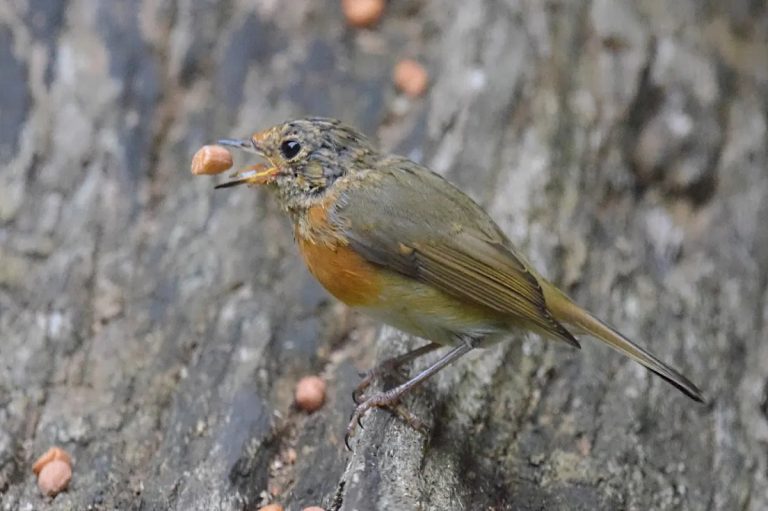
One of the key nutritional benefits of Acme bird seed is its high protein content. Protein is essential for the growth and repair of tissues, particularly in young or molting birds. Seeds such as sunflower, safflower, and peanuts provide a rich source of protein that supports muscle development and feather formation. These ingredients also offer healthy fats, which serve as a concentrated energy source, especially important during colder months or migration periods.
Birds consuming protein-rich seed blends maintain higher energy levels, enabling them to forage, fly, and stay active throughout the day. Adequate protein intake also strengthens the immune system, reducing susceptibility to diseases and infections. By offering a variety of seeds with complementary nutrient profiles, Acme ensures that birds receive a well-rounded diet that meets their physiological needs. This combination of protein and energy support promotes long-term health and vitality in both common backyard species and more specialized birds.
Vitamins, Minerals, and Overall Health
Beyond protein, Acme bird seed provides essential vitamins and minerals necessary for optimal bird health. Ingredients like millet, cracked corn, and various grains contain B vitamins, calcium, and other micronutrients that aid in digestion, bone development, and neurological function. These nutrients contribute to overall well-being, helping birds maintain strong feathers, healthy beaks, and sharp vision.
Regular consumption of nutritionally balanced seed mixes supports reproductive health in breeding birds, improves resistance to environmental stressors, and promotes longevity. The variety in each blend ensures that birds receive a diverse nutrient intake, preventing deficiencies common in single-seed diets. By prioritizing complete nutrition, Acme bird seed helps create healthier, more active birds while enhancing the enjoyment of observing vibrant and lively backyard wildlife.
Attracting Different Bird Species
Acme bird seed is formulated to attract a wide variety of bird species, making it ideal for backyard enthusiasts and wildlife watchers. Different seed types appeal to different birds, allowing you to create a diverse and vibrant bird habitat. Understanding which blends attract specific species helps you choose the right product for your feeders and optimize feeding success. By using targeted seed mixes, you can enjoy observing a broader range of birds while supporting their nutritional needs and promoting healthy, active behavior.
Attracting Common Backyard Birds
Certain Acme bird seed blends are specifically designed to attract common backyard birds such as finches, sparrows, and cardinals. These birds are drawn to smaller seeds like millet and sunflower chips, which are easy for them to consume and provide essential nutrients. Mixing these seeds in a feeder ensures that multiple species can feed simultaneously, creating a lively and active feeding environment.
Providing seed blends tailored to backyard birds encourages them to return regularly, enhancing your ability to observe their behaviors and interactions. In addition to nutrition, the mix’s variety keeps birds engaged, reducing competition and ensuring that each species receives adequate food. By catering to common species, you can establish a thriving backyard ecosystem while supporting the health and energy of your local bird population. Regular replenishment and clean feeders help maintain consistency, ensuring that birds continue to visit and thrive in your garden or backyard habitat.
Targeting Specialty and Migratory Birds
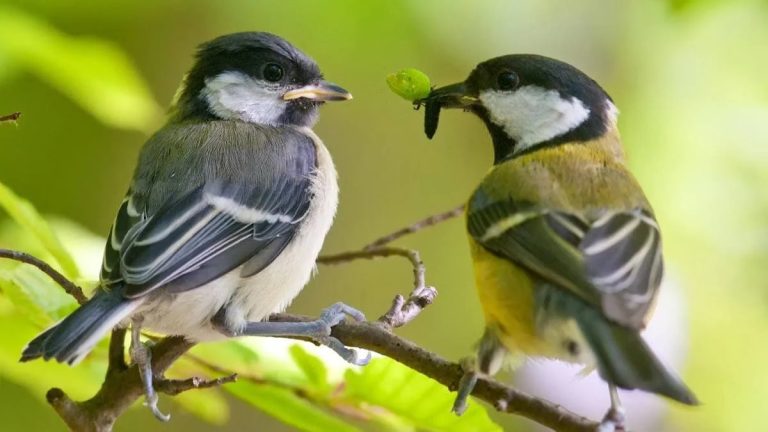
Acme bird seed also offers blends that appeal to specialty and migratory birds, such as woodpeckers, nuthatches, and chickadees. These birds are often drawn to larger seeds, nuts, or high-fat ingredients that provide concentrated energy, particularly during migration or breeding seasons. Using blends with safflower, peanuts, or sunflower hearts can attract these species while offering the nutritional support they need for long flights or reproductive success.
Creating feeding stations with specialized seed mixes allows you to observe rarer species that might not typically visit standard feeders. Placement of feeders in quiet, sheltered areas and using appropriate seed types increases the likelihood of attracting a diverse range of birds. By understanding the preferences of both resident and migratory species, you can enhance the biodiversity of your backyard and provide essential nourishment. Targeted feeding not only benefits the birds but also enriches your experience as a bird watcher, offering opportunities to observe a broader spectrum of species throughout the year.
Feeding Tips and Best Practices
Providing birds with the right seed and proper feeding environment is essential for their health and safety. Acme bird seed offers high-quality blends, but knowing how to present it effectively ensures birds receive maximum nutrition. Proper feeder placement, cleanliness, and portion control can prevent disease, reduce waste, and encourage regular visits. Understanding feeding tips and best practices helps bird enthusiasts maintain a safe and attractive feeding area, supporting a thriving backyard bird population while promoting healthy, natural behaviors.
Proper Feeder Placement
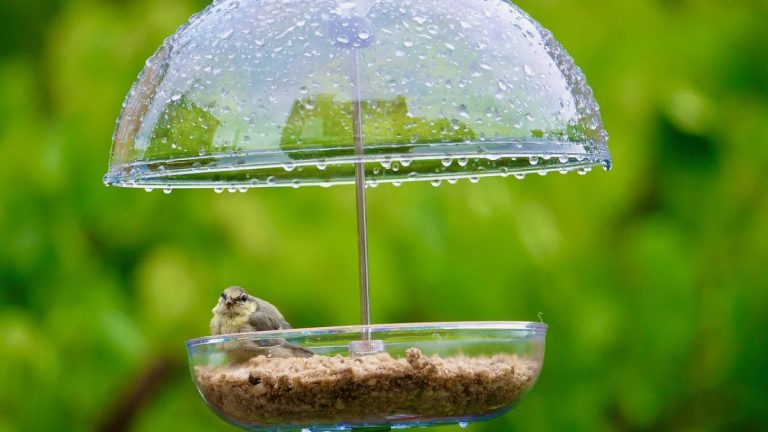
The location of your feeders plays a critical role in attracting birds and keeping them safe. Place feeders in quiet, sheltered areas away from heavy foot traffic and potential predators, such as cats or squirrels. Position feeders near trees or shrubs to provide birds with cover for resting or escaping danger. Avoid placing feeders directly on the ground, as this can attract unwanted pests and increase the risk of disease transmission.
Height and accessibility are also important. Feeders should be easily reachable for the intended bird species while discouraging larger, aggressive birds from dominating the feeding area. Rotating feeder locations occasionally can reduce seed spoilage and prevent birds from becoming overly reliant on one spot. Proper placement encourages natural foraging behavior and ensures that a variety of species can access the food safely, supporting a healthy and active backyard ecosystem.
Cleaning and Portion Control
Maintaining clean feeders is essential for bird health. Regularly remove old or wet seed to prevent mold, bacteria, and insect infestations. Wash feeders with mild soap and water, and rinse thoroughly before refilling. Clean feeding areas reduce the risk of disease and promote consistent bird visits.
Portion control is equally important. Overfilling feeders can lead to seed waste, spoilage, and attraction of unwanted animals. Offer smaller amounts more frequently to keep seed fresh and maintain a consistent food source for birds. Observing which species visit and how much they consume can help you adjust quantities effectively. By combining proper cleaning and portioning practices, you provide a safe and nutritious feeding environment that supports vibrant, healthy birds and encourages diverse species to visit your backyard regularly.
People Also Asked
What Types Of Birds Can Eat Acme Bird Seed?
Acme bird seed is formulated to attract a wide variety of birds, from common backyard species like finches, sparrows, and cardinals to more specialized birds such as woodpeckers, nuthatches, and chickadees. Different blends include a mix of seeds, grains, and nuts that cater to both small and large species. By selecting the appropriate Acme bird seed variety, you can encourage a diverse population of birds to visit your feeders. Offering the right mix ensures that all birds receive proper nutrition while maintaining an active and lively backyard habitat.
What Are The Key Ingredients In Acme Bird Seed?
Acme bird seed blends typically include sunflower seeds, millet, cracked corn, safflower, peanuts, and other grains or seeds depending on the product. Each ingredient provides essential nutrients such as protein, healthy fats, and vitamins that support energy, feather growth, and overall health. Certain specialty blends may include added vitamins or minerals to target specific species or life stages. Understanding the ingredients helps you select the best seed for your birds, ensuring they receive a balanced diet that supports activity, growth, and natural behaviors while thriving in your backyard environment.
How Do I Choose The Right Acme Bird Seed For My Birds?
Choosing the right Acme bird seed depends on the species you want to attract and their dietary preferences. Small songbirds prefer smaller seeds like millet or sunflower chips, while larger birds enjoy peanuts or sunflower hearts. Specialty blends target specific birds, such as woodpeckers or chickadees, providing higher fat content or larger seeds. Observing which birds frequent your feeders and experimenting with different blends can help you identify the most effective options. Selecting the correct seed ensures birds receive proper nutrition and encourages a diverse, active backyard bird population.
Can Acme Bird Seed Be Used For Both Wild And Pet Birds?
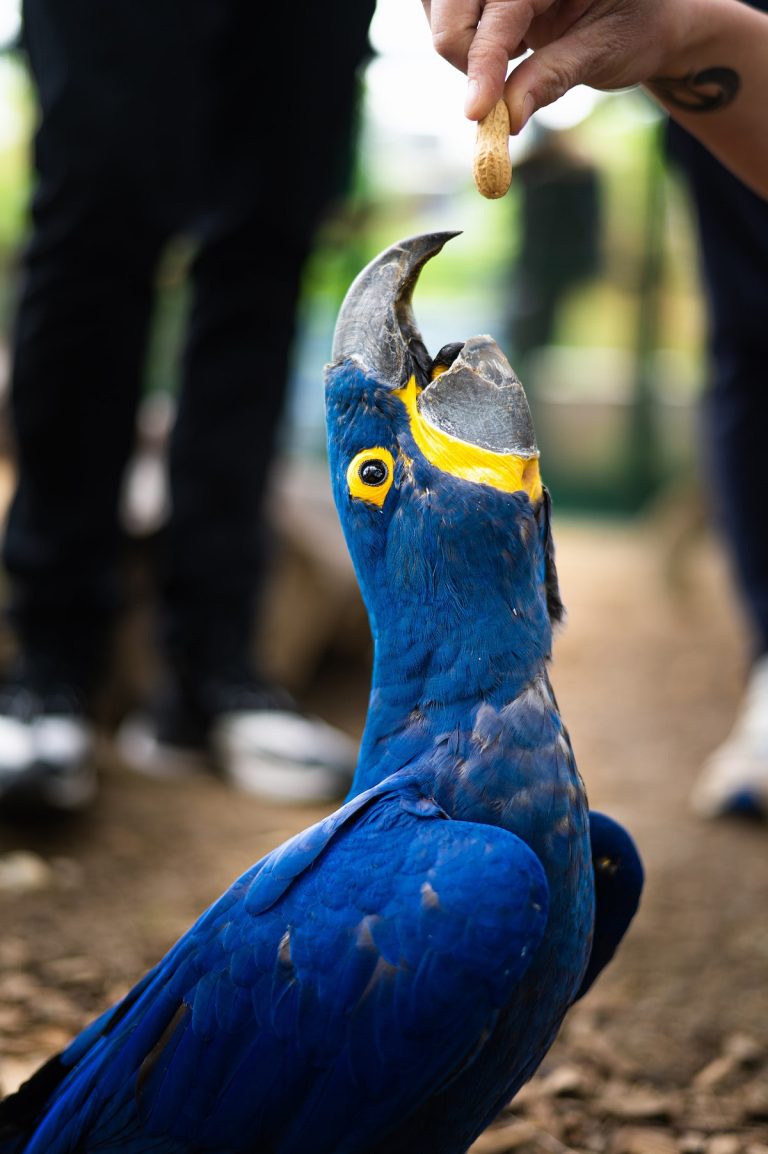
Yes, Acme bird seed is suitable for both wild and pet birds. Its carefully formulated blends provide essential nutrients that support feather growth, energy, and overall health. For wild birds, using the seed in feeders or on feeding trays helps attract a variety of species. For pet birds, it can supplement their diet when combined with fresh fruits, vegetables, and other formulated foods. Ensuring the seed is fresh, clean, and free from mold or debris is crucial for maintaining the health of all birds consuming it.
How Should I Store Acme Bird Seed To Keep It Fresh?
Proper storage is essential to maintain the quality and nutritional value of Acme bird seed. Store the seed in a cool, dry place away from direct sunlight, moisture, and pests. Using airtight containers or sealed bags prevents contamination and spoilage. Avoid storing seed near chemicals or strong odors, which can affect taste and safety. Rotating stock regularly ensures that birds always receive fresh, high-quality seed. Proper storage prolongs shelf life, reduces waste, and guarantees that the birds in your backyard or aviary enjoy the full nutritional benefits of Acme bird seed.
Are There Any Health Benefits Of Using Acme Bird Seed?
Yes, Acme bird seed provides a range of health benefits for birds. Its balanced blends offer protein, healthy fats, vitamins, and minerals that support energy, feather development, and overall well-being. Feeding birds high-quality seed promotes strong immune systems, reduces susceptibility to disease, and helps maintain healthy activity levels. Specialty blends also cater to specific species’ dietary needs, ensuring proper nutrition for growth, breeding, and migration. Consistent access to nutritious seed helps both wild and pet birds thrive while enhancing their natural behaviors and encouraging regular visits to feeders.
Can Acme Bird Seed Attract A Variety Of Bird Species To My Backyard?
Absolutely, Acme bird seed is designed to attract a wide range of bird species. Different blends include seeds and nuts that appeal to small songbirds, larger feeder birds, and even specialty species like woodpeckers and nuthatches. By offering a mix that suits multiple birds’ dietary preferences, you can create a vibrant and diverse backyard habitat. Regularly replenishing feeders and maintaining clean feeding areas encourages frequent visits. Using the right Acme bird seed helps you observe a variety of birds while supporting their health, energy, and natural foraging behaviors.
Final Thoughts
Providing high-quality bird seed is essential for attracting a variety of birds and supporting their health and energy needs. Acme bird seed offers a range of blends designed to meet the nutritional requirements of different species, from songbirds and finches to cardinals and chickadees. Proper storage and careful feeding practices help maintain freshness and prevent contamination, ensuring that birds receive maximum benefit.
Many backyard bird enthusiasts find that using Acme bird seed enhances their birdwatching experience by attracting diverse species while promoting overall well-being. Considering factors such as seed type, feeder placement, and seasonal adjustments allows you to create a welcoming environment for wild birds. Overall, choosing [acme bird seed] thoughtfully supports both the birds in your area and your enjoyment of nature, making it a reliable option for anyone looking to feed and observe backyard wildlife safely and effectively.