Are Birds Considered Pets? Surprising Truths Every Owner Should Know
Birds have shared living spaces with humans for centuries, appearing in homes, gardens, farms, and cities. Some people admire their colors, songs, and intelligence, while others remain unsure about how birds truly fit into everyday domestic life.
Across different cultures, birds are kept for companionship, beauty, or even communication. Parrots, canaries, and finches are often seen inside homes, cared for with the same attention given to more common animals like cats or dogs. This raises questions about emotional bonding, responsibility, and long-term care.
At the same time, public opinion can feel divided, especially when conversations about are birds considered pests surface in discussions about noise, mess, or property damage. These contrasting views can blur the line between seeing birds as valued companions or as animals that simply coexist nearby.
Understanding whether birds are considered pets requires looking at behavior, human interaction, and legal definitions. It also means recognizing how personal experience shapes perception, influencing whether birds are welcomed into homes or viewed from a distance.
Legal Status Of Birds As Pets
Keeping birds as pets is influenced by more than personal interest or cultural tradition. Laws and regulations play a major role in deciding which birds can be owned, how they must be cared for, and where ownership is restricted. These legal rules exist to protect wildlife, prevent illegal trade, and ensure responsible pet ownership while balancing human interest in companion birds.
Wildlife Protection Laws And Pet Bird Ownership
Wildlife protection laws strongly affect whether birds can be legally kept as pets. In many countries, native bird species are protected under national wildlife acts, making it illegal to capture, sell, or keep them without special permission. These laws exist to prevent population decline, habitat disruption, and illegal trafficking. Even birds that appear common in the wild may be fully protected, meaning ownership can result in fines or legal penalties.
International agreements such as wildlife protection treaties also influence domestic laws. These regulations often restrict the trade of exotic birds that are threatened or endangered. As a result, some bird species that were once commonly kept as pets are now illegal to own or require extensive documentation. Legal ownership usually depends on whether the bird was bred in captivity rather than taken from the wild.
Understanding these laws is essential for responsible ownership. A bird owner must know whether a species is classified as wild, protected, or domesticated under the law. Ignorance of wildlife protection rules does not exempt someone from penalties. Legal frameworks aim to protect both birds and ecosystems while guiding people toward ethical and lawful pet ownership.
Licensing And Permits For Keeping Birds As Pets
Licensing and permit requirements are another key part of the legal status of birds as pets. In some regions, owning certain bird species requires official permits issued by wildlife or environmental authorities. These permits help governments track ownership, control breeding, and prevent illegal trade. Species such as parrots, macaws, and other exotic birds often fall under these regulations.
Permits may come with specific conditions that owners must follow. These can include proper housing standards, veterinary care, and restrictions on breeding or selling the bird. Authorities may also require proof that the bird was obtained from a licensed breeder. This process helps ensure that birds are not removed illegally from their natural habitats.
Failure to obtain the correct licenses can result in confiscation of the bird and legal consequences for the owner. These laws are not designed to discourage companionship but to encourage accountability. By regulating ownership through permits, governments aim to protect bird welfare while allowing responsible individuals to enjoy keeping birds as pets within a controlled and ethical framework.
Local And International Differences In Bird Ownership Laws
The legal status of birds as pets varies widely depending on location. Local laws, regional regulations, and international agreements all play a role in determining what is allowed. A bird species that is legal to own in one country may be strictly prohibited in another. These differences often reflect local ecosystems, conservation priorities, and cultural attitudes toward wildlife.
In some countries, domesticated birds like budgies or cockatiels are freely allowed, while exotic or native species are tightly regulated. Other regions may impose bans on bird ownership altogether in densely populated urban areas due to noise, hygiene, or public health concerns. Local councils or municipalities may also have their own rules that go beyond national laws.
International travel adds another layer of complexity. Transporting pet birds across borders usually requires health certificates, permits, and compliance with international wildlife trade rules. Without proper documentation, birds can be seized at borders. Understanding these regional and international differences is crucial for anyone considering bird ownership, as legal compliance ensures both the safety of the bird and the protection of wildlife laws.
Emotional Bond Between Birds And Humans
The connection between birds and humans goes beyond simple companionship. Birds respond to care, routine, and attention in ways that can form deep emotional attachments. Their intelligence, vocal communication, and social behavior allow them to recognize people and build trust over time, creating bonds that feel meaningful and personal to many owners.
How Birds Express Attachment And Recognition
Birds show emotional attachment through behavior rather than words. Many pet birds learn to recognize their caregiver’s voice, face, and daily habits. They may greet familiar people with vocal sounds, excited movements, or by moving closer within their enclosure. These actions reflect comfort and trust, which are key indicators of emotional bonding.
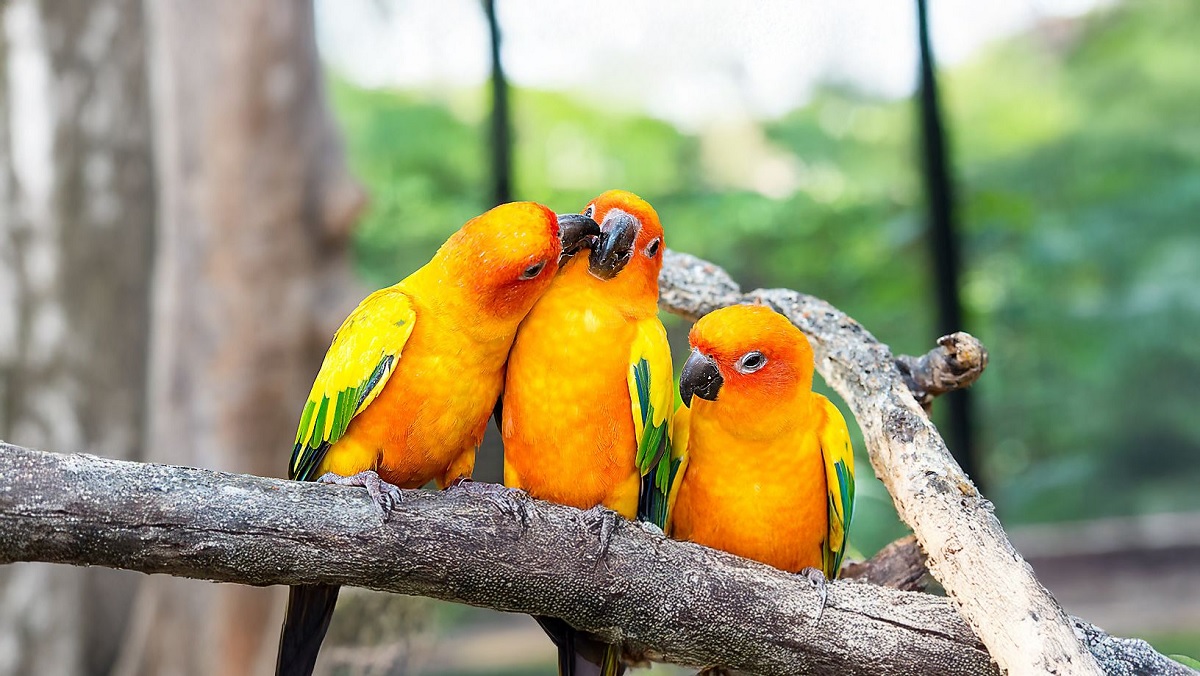
Physical behaviors also play a role in expressing attachment. Some birds enjoy sitting near their human companion, preening while nearby, or gently nibbling fingers as a sign of affection. Unlike instinct-driven reactions, these behaviors develop through repeated positive interactions. Birds often choose specific people over others, showing preference based on emotional familiarity.
Consistency strengthens this bond. Feeding routines, gentle handling, and calm communication help birds feel secure. Over time, this stability allows birds to relax and express natural behaviors. The emotional bond forms gradually, built on trust rather than control. This process highlights how birds are capable of forming lasting emotional connections with humans through shared daily experiences.
Emotional Benefits Humans Experience From Bird Companionship
Humans often develop strong emotional ties to birds due to their presence and interaction. Birds can bring comfort through their songs, playful behavior, and constant awareness of their surroundings. Watching a bird respond positively to attention can create feelings of joy, calmness, and emotional fulfillment. These small interactions often become meaningful parts of daily life.
Bird companionship can also reduce feelings of loneliness. Birds are attentive animals that react to voices, movement, and mood changes. This responsiveness makes owners feel acknowledged, even during quiet moments. For people who spend time at home, caring for a bird creates routine and responsibility, which can provide emotional structure and purpose.
The bond also grows through mutual dependence. Humans provide care, food, and safety, while birds offer companionship and interaction. This relationship can encourage patience and empathy, as understanding bird behavior requires observation and sensitivity. Over time, the emotional connection deepens, turning everyday care into a shared emotional experience that benefits human well-being.
Trust Building And Long Term Emotional Connection
Trust is the foundation of a lasting emotional bond between birds and humans. Birds are naturally cautious, especially in new environments. Building trust requires time, gentle handling, and respect for a bird’s boundaries. Sudden movements or loud sounds can disrupt this process, while calm behavior encourages confidence and emotional safety.
Long term emotional connection develops as birds associate humans with positive experiences. Regular interaction, consistent routines, and positive reinforcement help birds feel secure. Over time, many birds become more expressive, showing relaxed body language and increased willingness to interact. This growth reflects emotional comfort rather than simple conditioning.
As trust strengthens, birds may show signs of emotional reliance, such as seeking proximity or reacting when their owner leaves. These behaviors indicate a deeper bond built on familiarity and emotional security. The relationship becomes a two-way connection, shaped by patience and understanding. This long-term emotional bond demonstrates that birds are capable of forming meaningful, lasting relationships with humans through trust and consistent care.
Common Bird Species Kept As Pets
Many people choose birds as pets because of their intelligence, beauty, and ability to interact with humans. Different bird species offer unique personalities, care needs, and levels of social interaction. Understanding the most commonly kept pet birds helps potential owners choose a species that fits their lifestyle, living space, and experience level.
Parrots And Parakeets As Companion Birds
Parrots and parakeets are among the most popular bird species kept as pets due to their intelligence and social nature. Species like budgerigars, cockatiels, and lovebirds are widely chosen because they adapt well to domestic environments. These birds are known for their ability to learn sounds, recognize human voices, and display playful behavior that encourages bonding.
Parakeets, especially budgies, are often recommended for beginners. They require moderate space, enjoy social interaction, and can thrive with consistent care. Larger parrots, such as African greys or macaws, demand more attention and mental stimulation. Their long lifespans and emotional sensitivity make them a serious commitment rather than a casual pet choice.
Social interaction is essential for parrots and parakeets. Without regular engagement, they may develop stress-related behaviors. These birds thrive on routine, vocal communication, and enrichment activities. Their strong personalities and intelligence make them rewarding companions, but they also require time, patience, and understanding to maintain a healthy and balanced pet relationship.
Canaries And Finches In Home Environments
Canaries and finches are commonly kept as pets for their melodic songs and gentle presence. Unlike parrots, these birds are generally admired more for observation than direct handling. Their calm nature makes them suitable for people who enjoy a peaceful home environment with minimal physical interaction.
Canaries are especially valued for their singing ability. Male canaries are known for their complex vocal patterns, which can fill a room with natural sound. Finches, on the other hand, are social birds that prefer living in pairs or small groups. They interact more with each other than with humans, creating lively movement within their enclosure.
Housing and care for canaries and finches focus on space and cleanliness. They need room to fly and perch comfortably. A well-maintained environment supports their physical health and natural behavior. While they may not form deep emotional bonds like parrots, their beauty and song provide a soothing companionship that many owners find emotionally rewarding and easy to maintain.
Doves And Pigeons As Gentle Pet Birds
Doves and pigeons are often overlooked as pet birds, yet they are known for their gentle and calm temperament. These birds adapt well to human presence and can form quiet but meaningful bonds with their caregivers. Their soft vocalizations and relaxed behavior make them appealing to those seeking a low-stress pet.
Doves are particularly valued for their affectionate nature. With consistent care, they can become comfortable being handled and may enjoy sitting near their owner. Pigeons, often misunderstood, are highly intelligent and capable of recognizing people and routines. Historically, pigeons have lived closely with humans, which contributes to their adaptability as pets.
Care for doves and pigeons involves providing ample space and a stable routine. They thrive in environments where they feel secure and undisturbed. These birds do not require constant stimulation but benefit from regular interaction. Their calm demeanor and loyal behavior make them a suitable choice for owners who prefer a quieter and more predictable pet bird experience.
Daily Care And Living Needs Of Pet Birds
Caring for pet birds requires consistent attention to their physical environment, nutrition, and daily routine. Birds depend on their caregivers to provide safe living conditions that support both health and emotional well-being. Understanding their daily needs helps create a stable environment where birds can remain active, comfortable, and responsive throughout their lives.
Proper Housing And Safe Living Space
A suitable living space is essential for a bird’s daily comfort and safety. Cages should be spacious enough to allow wing movement, climbing, and short flights. Cramped environments can lead to stress and physical discomfort. The cage design must include sturdy perches of varying sizes to support foot health and prevent strain.
Placement of the cage also matters. Birds benefit from natural light but should be protected from direct sunlight, drafts, and sudden temperature changes. A quiet but socially active area of the home helps birds feel included without becoming overwhelmed. Cleanliness is equally important. Daily removal of waste, leftover food, and feathers helps prevent bacteria and odor buildup.
Safety extends beyond the cage. Birds should be kept away from toxic fumes, sharp objects, and unsupervised open windows. A secure and well-maintained living space allows birds to feel protected and relaxed. When housing meets their physical needs, birds are more likely to display natural behaviors and remain emotionally balanced.
Nutrition, Routine, And Daily Interaction
Daily nutrition plays a vital role in a bird’s overall health. A balanced diet typically includes seeds, pellets, fresh fruits, and vegetables depending on the species. Fresh water must be available at all times and changed daily. Inconsistent or poor nutrition can lead to health issues, reduced energy, and weakened immunity.
Routine helps birds feel secure. Feeding at consistent times, maintaining a regular sleep schedule, and providing predictable interaction builds trust. Birds are highly observant and respond well to structure. Daily interaction, even for short periods, supports mental stimulation and emotional connection. Talking, gentle handling, or allowing supervised out-of-cage time encourages social engagement.
Mental enrichment is equally important. Toys, foraging activities, and environmental changes prevent boredom and stress. Without stimulation, birds may develop destructive habits. Balanced daily care combines proper feeding, consistent routine, and meaningful interaction. This approach supports both physical health and emotional well-being, helping birds thrive in a domestic setting.
Ethical And Lifestyle Considerations
Keeping birds as pets involves more than meeting basic care requirements. Ethical and lifestyle considerations play a significant role in determining whether bird ownership is responsible and sustainable. Birds are intelligent, social animals with long lifespans, and their well-being depends heavily on the daily choices made by their caregivers. Understanding these factors helps ensure that companionship does not come at the expense of animal welfare.
Ethical Responsibility And Bird Welfare
Ethical responsibility begins with recognizing birds as sentient beings rather than decorative pets. Birds experience stress, boredom, and emotional discomfort when their needs are ignored. Providing adequate space, mental stimulation, and social interaction is essential to maintaining their welfare. Keeping a bird in isolation or confinement without enrichment raises ethical concerns related to quality of life.
Another ethical aspect involves the source of the bird. Choosing birds bred in captivity helps reduce pressure on wild populations and discourages illegal wildlife trade. Ethical ownership also includes regular health care and attention to behavioral changes that may signal distress. Ignoring these signs can lead to long-term suffering.
Respecting natural behavior is equally important. Birds need opportunities to fly, vocalize, and explore safely. Ethical care means adapting the home environment to support these instincts rather than suppressing them. Responsible ownership prioritizes the bird’s physical and emotional health, ensuring that companionship is mutually beneficial rather than restrictive.
Lifestyle Compatibility And Long Term Commitment
Lifestyle compatibility is a crucial factor in responsible bird ownership. Birds often live for many years, sometimes decades, requiring long-term commitment. Daily routines, work schedules, and family dynamics all influence the quality of care a bird receives. A busy or unpredictable lifestyle can make it difficult to provide consistent interaction and attention.
Noise levels are another consideration. Many bird species are naturally vocal, which may not suit apartment living or shared housing. Understanding these traits before bringing a bird home helps prevent future conflict or neglect. Time investment is also significant, as birds need daily interaction to remain mentally healthy.
Travel and life changes should also be considered. Birds require stable care, and frequent absences can disrupt their routine. Planning for long-term care, including potential relocation or emergency arrangements, reflects responsible decision-making. Aligning lifestyle with a bird’s needs ensures that ownership remains positive and sustainable for both the bird and the caregiver.
Social Impact And Household Environment
The household environment plays an important role in ethical bird ownership. Birds are sensitive to stress caused by loud noises, constant activity, or unstable surroundings. A calm and predictable environment supports emotional security and healthy behavior. All household members should understand and respect the bird’s needs and boundaries.
Social interaction within the household influences a bird’s emotional development. Birds may form strong attachments to one person, but balanced interaction helps prevent dependence and anxiety. Ethical care involves encouraging positive engagement while avoiding overstimulation or forced handling.
The presence of other pets is another factor. Birds can coexist with other animals, but supervision and proper boundaries are essential. Ethical considerations include preventing situations that cause fear or harm. A supportive household environment reflects thoughtful planning and respect for the bird’s well-being, reinforcing ethical and lifestyle responsibility in daily care.
FAQs
Are Birds Considered Pets In Most Countries?
You may wonder whether birds legally and socially fit into the pet category. In most countries, birds are considered pets when they are bred in captivity and kept for companionship. You will notice that laws often distinguish between wild birds and domesticated or captive-bred species. If he or she owns a parrot, canary, or budgie, that bird is usually protected under pet and animal welfare regulations. However, keeping native wild birds often requires permits, which reinforces the idea that only certain birds are officially considered pets.
Are Birds Considered Pets Or Wild Animals?
You might feel confused because birds exist both in homes and in nature. Birds are considered pets when they live under human care and depend on you for food, shelter, and medical attention. She may notice that wild birds survive independently and are protected by wildlife laws. The key difference lies in human responsibility and control. When you provide daily care and social interaction, the bird’s role shifts from wildlife to companion animal, making it a pet in both legal and practical terms.
Are Birds Considered Pets Like Cats And Dogs?
You may compare birds with more traditional pets such as cats and dogs. Birds are considered pets, but their care needs and behaviors are very different. He may find that birds require more mental stimulation and social interaction, while dogs need physical exercise. You also need to understand that birds often live longer and form strong emotional bonds. Even though they are less common, birds still fit the definition of pets because they rely on you for safety, health care, and daily well-being.
Are Birds Considered Pets In Apartments And Urban Homes?
You might ask whether birds are suitable pets for apartment living. Birds are considered pets in apartments because they usually need less floor space than larger animals. She may appreciate that cages and indoor aviaries fit well in small homes. However, you must consider noise levels, cleanliness, and neighbor comfort. Some birds can be vocal, which may affect apartment living. When you manage sound, space, and hygiene properly, birds can thrive as pets even in urban environments.
Are Birds Considered Pets That Need Daily Attention?
You may assume birds are low-maintenance, but that is rarely true. Birds are considered pets that need daily interaction, mental engagement, and consistent care. He will notice that boredom can lead to stress and behavioral problems. You should provide toys, social time, and regular feeding schedules. Birds also require routine cage cleaning and health monitoring. When you treat birds as interactive companions rather than decorations, you meet their emotional and physical needs more effectively.
Are Birds Considered Pets Suitable For Children?
You might wonder if birds are good pets for families with children. Birds are considered pets that can suit children when proper supervision is provided. She should understand that birds are delicate and can be easily stressed. You need to teach children gentle handling and respect for boundaries. Some species are more tolerant and social, making them better for family homes. When you guide interactions carefully, birds can help children learn responsibility and empathy while remaining safe and healthy.
Final Thoughts
Birds have shared a unique relationship with humans, offering companionship through their intelligence, color, and ability to interact in meaningful ways. From emotional bonding to daily care and ethical responsibility, their role in human lives often goes beyond simple observation. These qualities help explain why many people welcome birds into their homes as long-term companions.
Legal guidelines, lifestyle compatibility, and individual expectations all influence how birds are viewed in domestic settings. While some species require extensive care and commitment, others adapt well to quieter environments. This variety allows people to choose birds that match their routines and level of responsibility.
When considering these factors together, the question are birds considered pets becomes clearer. In many households, birds are treated with the same care, attachment, and responsibility as traditional pets. Their status ultimately depends on informed ownership, respect for their needs, and the willingness to provide a stable and enriching life.