Top 15 Best Birds as Pets That Will Amaze You Today!
Pets can bring companionship and joy, but picking the wrong bird can quickly lead to frustration. Many people looking for the best birds as pets find themselves overwhelmed by noisy, messy, or aggressive birds that aren’t suited to life in a home. Birds that outgrow their cages or have specific dietary or social needs can become hard to manage, making the experience more stressful than enjoyable.
Good pet birds often stand out because of their temperament, size, and care requirements. Smaller parakeets or cockatiels tend to be easier for beginners due to their manageable size and less demanding social needs.
Safety is crucial, so cages with bar spacing between 1/2 to 3/4 inch prevent escapes and injuries. Birds that eat common seed mixes or pellets without specialized diets also make day-to-day care simpler, while easier-to-clean cages help control mess and odors.
Need a Quick Check?
| Image | Product | Price |
|---|---|---|
Our Top Picks 1  | ZURU Polly Magic Bird | Check Price |
Our Top Picks 2  | Parrots Pet Birds Guide | Check Price |
Our Top Picks 3  | Practical Aviary Birds Guide | Check Price |
Our Selected Top 15 Birds as Pets Worth Considering
This list features a variety of popular pet birds, highlighting their unique traits and care needs. Each review covers how the bird performs as a companion, who it is best suited for, and its main advantages and disadvantages to help make an informed choice.
1. ZURU Pets Alive Polly the Magic Bird
Polly The Magic Bird brings a fun, interactive parrot experience for kids aged 3 and up, perfect for those who want a playful pet that sings and talks back. Its standout feature is the magical trick that makes Polly come alive, adding a unique surprise element to playtime.
Setting up Polly involves a simple magic trick that reveals the bird behind the curtain, making it entertaining right from the start. Day-to-day, Polly responds by repeating what you say and singing, providing ongoing engagement. The included hatchable baby bird adds a cute touch, keeping kids interested beyond the initial magic reveal.
Polly performs well as a singing and talking toy, with lively movements that keep the illusion of a real bird going. It’s built solidly as an action figure, suitable for children. Many appreciate how lifelike the voice and movements feel, but some find the magic trick a bit tricky to master at first.
The bird impresses with its lively singing and talking features, creating a magical play experience for children. The main challenge comes from learning the magic trick, which some may find difficult at first, but it becomes easier with practice.
Those looking for an interactive talking bird toy for young kids will enjoy this one, especially with its fun reveal. Children who prefer simpler, less involved toys might want to consider other options that don’t require trick setup.
Pros
- Magical reveal adds surprise and fun
- Sings and repeats what you say
- Includes hatchable baby bird
- Designed for young children
Cons
- Magic trick can be hard to master
- Limited to one bird figure only
| Specification | Details |
|---|---|
| Brand Name | Pets Alive |
| Model Name | Pets Alive Magic Bird |
| Manufacturer | ZURU |
| Manufacturer recommended age | 3 years and up |
| Included Components | BIRD |
| Toy Figure Type | Action Figure |
2. Parrots and Other Pet Birds Owners Guide
Finding reliable guidance for taking care of parrots and pet birds can be tricky. Parrots and Other Pet Birds Owners Guide is perfect for anyone new to or experienced in caring for these lively companions.
Its biggest strength lies in offering clear, practical advice designed specifically to meet the everyday challenges faced by bird caregivers.
Setting up with the help of this guide is straightforward, offering useful tips on feeding, safety, and maintaining bird health. Day-to-day use means constantly referring back to avoid common mistakes and create a safer environment for your pet bird, making it a companion you consult often rather than just once.
The guide covers essentials to keep birds happy and healthy, with practical knowledge built on real-life scenarios. Most praise highlights how easy-to-understand the information is, while some find the guide could include more on advanced bird behavior topics. The build quality as a book feels sturdy and well-organized for quick referencing.
The guide’s straightforward and clear presentation helps with common bird care challenges, yet some readers mention it misses deeper insights on behavioral complexities. It serves well as a daily reference to avoid basic mistakes in your bird’s routine.
Anyone looking for solid beginner to intermediate advice will find it helpful. Those wanting detailed scientific or behavioral studies should consider a more specialized resource.
Pros
- Clear guidance suited for beginners and experienced
- Practical tips on feeding and safety
- Easy to reference during daily care
Cons
- Lacks depth on advanced bird behavior
- No technical data included
| Specification | Details |
|---|---|
| Author | Not specified |
| Format | Book/Guide |
| Target Audience | People who care for pet birds |
| Coverage | Parrots and other pet birds care |
3. Practical Guide to Pet and Aviary Birds
Practical Guide to Pet and Aviary Birds is a compact, easy-to-follow book perfect for anyone new to keeping birds as pets. Its single biggest strength lies in explaining essential care routines clearly, making it a solid resource for beginners seeking dependable advice on bird health and housing.
Setting up reading time from this guide requires no extra equipment, fitting neatly on a bookshelf or table. Day-to-day, it’s handy for quick consultation on feeding habits, cleaning tips, and bird behavior, which are the key elements for maintaining a healthy environment. The straightforward language helps you implement routines without confusion.
The book does well in covering a wide range of pet bird species, offering practical advice supported by clear instructions. Its build as a printed guide ensures durability through regular use, though some readers mention it lacks detailed illustrations or photos.
The most common feedback notes its helpfulness but also a desire for more in-depth species-specific info.
Users appreciate how straightforward and accessible the care instructions are, making daily bird care manageable. The common complaint centers on the lack of visuals and the need for more detailed advice for specific bird species.
Those starting with small or common pet birds will find this guide useful and practical. More experienced keepers or those owning exotic birds might want to look for more specialized resources for detailed care needs.
Pros
- Clear, simple care instructions
- Covers a broad range of bird basics
- Compact and easy to store
Cons
- Lacks detailed images
- Could offer deeper species-specific details
| Specification | Details |
|---|---|
| Format | Printed guide |
| Target readers | Beginners and casual bird keepers |
| Content focus | Care routines, health tips, behavior |
| Durability | Designed for regular handling |
4. Conure Parrots as Pets Care and Training

People who want an approachable and intelligent bird find conure parrots an excellent choice. This care and training guide is best suited for someone eager to understand conure behavior and provide proper care. Its biggest strength lies in clearly breaking down training techniques along with daily care essentials.
Setting up the space and routine becomes manageable thanks to detailed instructions on diet, social interaction, and cage environment. It focuses on how to handle them safely while encouraging bond-building through positive reinforcement. Daily care tips and training schedules make the process easier and more consistent for both you and the bird.
Training effectiveness depends on patience and commitment but is supported well by step-by-step approaches in the guide. The book’s material is straightforward and accessible for beginners, focusing on practical results rather than complex theory.
The main praise is how clear the explanations are; the most frequent complaint revolves around needing additional visual aids to clarify some behaviors.
The guide is praised for its clear instructions on care and training for conure parrots, making it approachable for people new to keeping birds. Most users note that the absence of illustrations can make understanding some behaviors harder, especially for visual learners. Following instructions closely remains key to success.
Bird enthusiasts looking for hands-on, steady progress training will find the guide useful. Those looking for abundant graphics or immediately noticeable results might want to consider other resources with more visual content or quicker techniques.
Pros
- Clear step-by-step training methods
- Practical daily care advice
- Focuses on safety and interaction
- Easy for beginners to follow
Cons
- Lacks visual aids for complex behaviors
- Some tips require patience to see results
| Specification | Details |
|---|---|
| Species Covered | Conure Parrots |
| Focus Areas | Care and Training |
| Instruction Style | Step-by-step, practical |
| Ideal Audience | Beginners and intermediate bird owners |
| Training Emphasis | Positive reinforcement techniques |
5. Little Live Pets My Really Real Talking Bird Toy

Indie from Little Live Pets stands out by mimicking a real bird’s behavior with flocked feathers, a moving beak, and playful sounds. Great for kids aged 5 to 15 who want an interactive pet experience without the mess, it brings a sense of life and personality otherwise missing in typical bird toys.
Setting up involves placing the included 2 AAA batteries in Indie and popping it into the provided cage. Day-to-day interaction is simple, touching or speaking to it triggers chirps, whistles, and tweets. You can also record your voice for Indie to repeat back in a chirpy tone, or whistle for it to respond with musical tunes, keeping playtime engaging and lively.
Indie performs well as a talking bird toy with over 20 different sounds and reactions, making it feel alive and responsive. It’s solidly built with flocked feathers and a moving beak that add to the realism.
Most praise focuses on how lifelike it is, while some find the sound volume on the louder side.
Strong points include a lifelike interaction with real-feeling feathers, a moving beak, and responsive chirps that bring charm. The main downside mentioned is the sound level, which can be louder than expected for some users.
Kids and teens looking for a clean, easy way to enjoy a pet bird will like Indie’s lively personality. Those needing quieter toys or for children younger than five might want to consider alternative options.
Pros
- Over 20 adorable bird sounds and reactions
- Voice recording and playback feature
- Includes a bird cage for display
- Realistic design with flocked feathers and moving beak
Cons
- Sound can be too loud at times
- Ages limited to 5-15 years only
| Specification | Details |
|---|---|
| Brand Name | Little Live Pets |
| Model Number | 26691 |
| Included Components | 2 AAA Batteries, 1 Bird, 1 Cage, 1 Instruction Manual |
| Recommended Age | 5 – 15 years |
| Character | Indie |
6. Complete Pet Bird Owners Handbook

Complete Pet Bird Handbook guides new bird parents with clear advice on care, diet, and safety. It suits anyone wanting a reliable, easy-to-understand source for everyday bird-keeping.
Its biggest strength lies in practical tips that cover all aspects of pet bird ownership.
Setting up with this handbook is straightforward since the instructions are simple and well-organized. Day-to-day use involves referring to sections on feeding, cage cleaning, and health monitoring, which help keep a pet bird happy and safe. The information is detailed enough to assist with common challenges in bird care.
Effectiveness depends on the accuracy and clarity of its content. The book is built as a comprehensive guide rather than a technical manual, focusing on causes and solutions in pet bird care. Most praise highlights how accessible the advice is, while some mention it could have more species-specific details.
The book receives praise for its accessible advice that helps new bird parents manage everyday care routines effectively. Common complaints point to the general nature of the content, which leaves out deeper details for specific bird species or advanced care needs.
People looking for a straightforward, comprehensive introduction to bird care will find this handbook useful, especially those without previous bird experience. Those needing specialized knowledge or detailed species profiles might prefer more focused or scientific sources.
Pros
- Clear, easy-to-understand language
- Covers all major aspects of bird care
- Helpful for beginners and casual bird keepers
Cons
- Lacks detailed info on specific bird species
- Not suitable for advanced bird care techniques
| Specification | Details |
|---|---|
| Format | Print Handbook |
| Focus | Bird care, feeding, health, housing |
| Usability | Step-by-step instructions |
| Content type | Practical tips and troubleshooting |
7. Hagen Living World Millet Spray Bag for Birds

Living World Millet Spray Bag offers a tasty treat that suits a wide range of pet birds, from budgies to cockatiels. Its biggest strength lies in providing a natural, fun pecking experience that keeps birds entertained and engaged without additives or artificial ingredients.
Setting up is simple, just hang the millet spray bag indoors where your bird can easily reach it. Day-to-day, it adds variety to their diet and encourages natural foraging behavior.
The sun-ripened and wild-harvested millet holds up well inside the bag, making it easy to offer fresh nutrition without mess or fuss.
Performance stands out with its authentic flavor and low-fat nutrition, which birds really seem to enjoy nibbling on. The build is straightforward, with millet sticks packed in a bag designed for easy handling.
Most praise highlights how well it stimulates birds mentally. Common complaints mention the need to replace it regularly as birds can finish it quickly.
Birds enjoy the authentic, sun-ripened millet flavor that promotes mental engagement during mealtime. Some find that the treat disappears quickly, requiring regular refills to keep birds interested.
This product is perfect for people looking to offer a natural, additive-free snack that supports healthy, low-fat eating habits. Those looking for a longer-lasting or outdoor-friendly treat might want to explore other options.
Pros
- Natural, wild-harvested millet spray
- Sun-ripened for better flavor
- Encourages pecking and foraging
- Suitable for all life stages
Cons
- Needs frequent replacement after use
- Only suitable for indoor use
| Specification | Details |
|---|---|
| Flavor | Millet |
| Age Range Description | All Life Stages |
| Item Form | Stick |
| Specific Uses For Product | Indoor |
| Special Ingredients | Millet |
| Animal Food Ingredient Claim | Additive-Free |
8. Complete Pet Bird Owners Guide

Complete Pet Bird Guide is a detailed resource perfect for anyone new to keeping pet birds or wanting thorough care instructions. Its biggest strength lies in providing clear, practical advice that covers essential aspects of bird care while keeping it easy to understand.
Setting up with this guide is straightforward since it explains daily bird care tasks step by step. Feeding, cleaning, and health monitoring get clear attention, making it handy to refer back to during everyday routines. The layout helps keep track of what birds need regularly without feeling overwhelmed by too much detail.
It performs well as a comprehensive manual, helping users feel more confident with their pet bird responsibilities. The guide is durable with standard bookbinding that handles frequent use. Praises highlight its clarity and thoroughness, while the most common complaint points to some sections lacking very specific information for unusual bird species.
Complete Pet Bird Guide is recognized for presenting complex care information in an accessible way, making daily bird keeping manageable. A notable drawback is its limited coverage when it comes to special needs of less common birds, leaving some gaps if you have uncommon pet varieties.
Anyone just starting out or seeking a solid foundation in caring for common pet birds will find this guide helpful. Those who require advanced or specific information about rare species might want to explore more specialized resources.
Pros
- Clear instructions for daily bird care
- Wide range of topics covered
- Easy to understand language
- Good for beginners
Cons
- Limited details on rare bird species
- No digital or interactive content
| Specification | Details |
|---|---|
| Type | Guidebook |
| Content Focus | Bird care basics and daily maintenance |
| Format | Printed book |
| Usability | Practical, step-by-step advice |
9. Natures Miracle Bird Cage & Surface Cleaner

Spray form with a bio-enzymatic formula designed specifically for cages and surfaces, focusing on birds and small animals. Unscented and safe to use around pets, it’s perfect for bird enthusiasts who want a deep-cleaning solution that eliminates odors without strong fragrances.
Setup is straightforward since it comes ready to spray directly on fabric surfaces in the indoor environment where your bird’s cage sits. The bio-enzymatic cleaning formula works by breaking down tough stains and odors naturally, while OdorCapture 360 technology helps eliminate cage smells effectively. It’s simple to apply and doesn’t require rinsing, making daily maintenance quick.
Cleaning works well for tough bird cage messes, especially consistent odors that can linger. The product has an unscented formula, so it doesn’t leave behind any strong smells that might bother sensitive pets or people.
Many find it effective and safe when used as directed. Some users mention it might take a few applications for very stubborn stains, which is the main drawback noted.
Strong cleaning and odor removal are the highlights for this spray; reviews emphasize its ability to manage cage odors well. The most frequent complaint is that some stains need repeated treatments, which can slow down cleaning routines.
Those who want a gentle yet effective cleaner that won’t overwhelm birds with scent will appreciate this product. Users needing a quick fix on all surfaces or heavy-duty outdoor cleaning might want to look for alternatives better suited for those conditions.
Pros
- Bio-enzymatic formula breaks down tough stains
- Unscented, no strong fragrances
- Safe for pets when used as directed
- Effective odor elimination with OdorCapture 360
Cons
- May require multiple applications for stubborn stains
- Designed mainly for indoor, fabric surfaces only
| Specification | Details |
|---|---|
| Item Form | Spray |
| Scent | Unscented |
| Specific Uses For Product | Indoor |
| Surface Recommendation | Fabric |
10. Wild Harvest Daily Blend Bird Food for Cockatiels

Wild Harvest Daily Blend Bird Food suits small birds like cockatiels and lovebirds, offering a seed mix enriched with orange essence. Its biggest strength is providing balanced nutrition with a blend of millet, sunflower, safflower seeds, and select grains tailored for daily feeding.
Feeding involves simply filling a seed cup each day with fresh blend, which keeps things straightforward. The sealed-in freshness bag helps maintain quality over time, preventing the seeds from going stale quickly.
Adjusting from other foods is possible by following the guideline on the label, so it fits into a daily routine without fuss.
It delivers reliable nutrition that many birds accept readily, thanks to the added nutrient enrichment and orange essence. The mix encourages variety in their diet, with good seed quality.
The strongest point is the freshness retention from the barrier bag, while some find the mix a bit heavy on seeds compared to pellets or other formats.
Many appreciate that the barrier bag keeps the seeds fresh, which helps birds enjoy the food daily without it going stale. At the same time, some feel the mixture leans heavily on seeds, limiting diversity for birds who prefer pellets or softer textures.
Those with small birds like cockatiels or lovebirds looking for a straightforward, nutrient-enriched seed option will find this blend convenient and sufficient. Birds needing more variety or different formats might want to explore other options to better meet their preferences.
Pros
- Balanced blend suited for small hookbills
- Enriched with orange essence and nutrients
- Sealed bag ensures long-lasting freshness
- Suitable for all life stages
Cons
- Mostly seeds, less variety for picky eaters
- May require feeding adjustments when switching foods
| Specification | Details |
|---|---|
| Flavor | Orange |
| Age Range Description | All Life Stages |
| Item Form | Seed |
| Special Ingredients | Millet, select grains, sunflower seeds and safflower seeds |
| Recommended Uses For Product | Daily Feeding |
| Specific Uses For Product | Food |
11. Budgies Care and Breeding Guide

Perfect for anyone planning to care for or breed budgies, Budgies Care and Breeding Guide locks in practical advice focused on bird health and breeding success. Its biggest strength lies in clear instructions meant to help you understand your budgie’s needs beyond basic care.
Setting up with the guide is straightforward as it breaks down daily routines and essential care steps that range from feeding to breeding tips. It helps keep your budgie’s environment safe and clean by explaining how to maintain proper hygiene and nutrition. Day-to-day use involves following care schedules and monitoring behaviors to ensure a thriving bird experience.
Built to offer comprehensive support, the guide excels at covering all key budgie care topics in a way that’s easy to understand. One of the most praised aspects is how detailed the breeding chapters are, guiding people through that process. Some users mention that the guide could be more visually engaging or have more photographs to clarify points.
Clear and thorough breeding advice ranks highest in praise for the guide, while a common issue lies in its lack of visual elements and photographs that might aid understanding. Its instructional tone works well but leaves some wanting a more engaging format.
Someone dedicated to learning budgie care and breeding will find this guide valuable and effective. Those preferring a more visually oriented or casual reading experience might want to consider alternative resources with richer graphics or multimedia content.
Pros
- Detailed care instructions for budgies
- Clear guidance on breeding techniques
- Helps maintain bird health effectively
Cons
- Lacks visual aids and photographs
- Could be more engaging visually
| Specification | Details |
|---|---|
| Type | Care and Breeding Guide |
| Focus | Budgies |
| Content Style | Instructional, Informative |
| Key Topics | Nutrition, Hygiene, Breeding |
12. Paper Bird Toys Platform for Small to Medium Birds
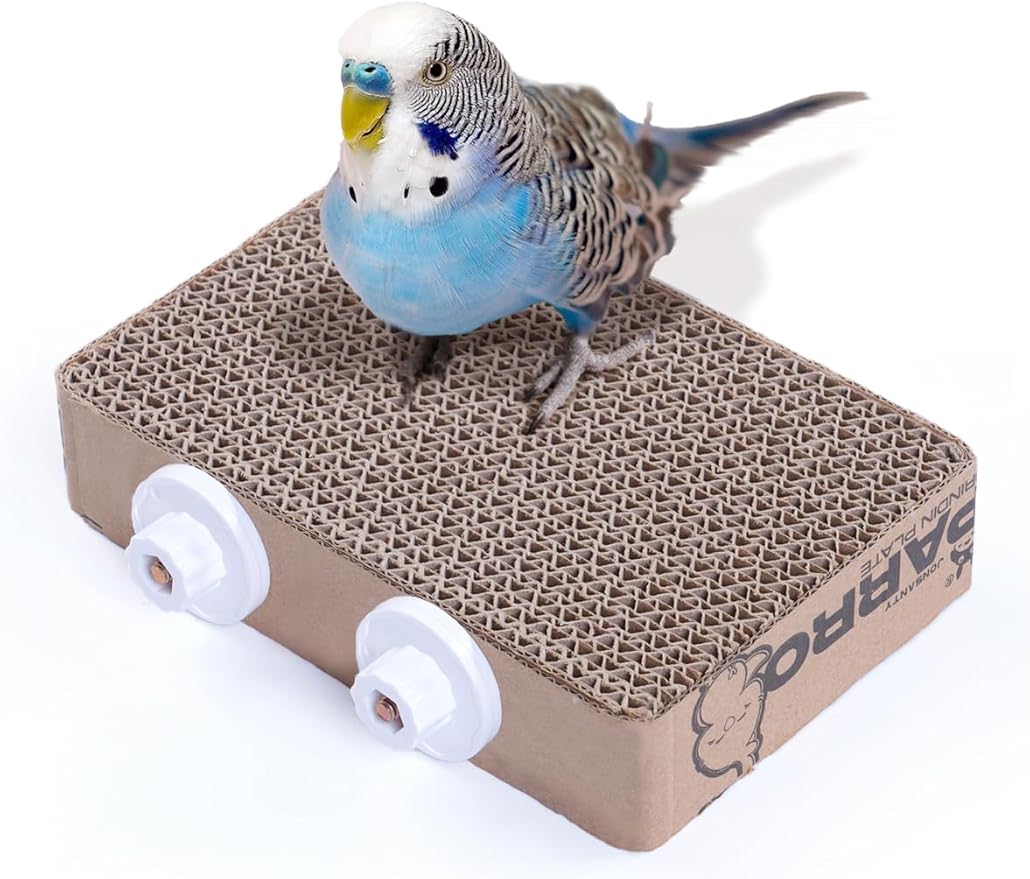
Keeping birds entertained and mentally stimulated indoors can be challenging, especially for small to medium-sized breeds. A simple platform made from natural materials suits birds looking to peck, chew, and rest comfortably without any harsh chemicals. The biggest strength here is its use of all-natural corrugated cardboard, which keeps the bird close to nature while satisfying its instincts.
Setting it up is straightforward since it’s a single platform toy designed for indoor use. Birds can explore the surface by shredding and gnawing, which taps into their natural curiosity and need to chew. Being lightweight and safe, it stays in place without worrying about toxic materials affecting your pet.
This platform accommodates all breed sizes and fits well in a variety of indoor cages or play spaces.
It performs well in meeting birds’ chewing and shredding instincts, making it a favored resting and playing spot. Built entirely from corrugated cardboard, there’s no metal or plastic parts to worry about.
A frequent compliment is that it feels natural and safe for birds, while a common complaint involves its durability since cardboard can wear down quickly with heavy use.
Many find it a safe and natural option that birds enjoy pecking and resting on, thanks to the cardboard material. However, the cardboard wears down quickly, especially with heavy shredding, requiring frequent replacement to keep it functional.
Perfect for bird lovers seeking a simple, natural toy that encourages instinctive behaviors without any chemicals. Those needing longer-lasting or outdoor toys might want to consider other materials that withstand rougher use.
Pros
- Made from 100% all-natural corrugated cardboard
- Safe, non-toxic materials suitable for birds
- Supports chewing and shredding behaviors
- Lightweight and easy to place indoors
Cons
- Material durability limited with heavy use
- Not suitable for outdoor environments
| Specification | Details |
|---|---|
| Recommended Uses For Product | Indoor |
| Breed Recommendation | All Breed Sizes |
| Unit Count | 1 Count |
| Number of Items | 1 |
| Pet Type | Bird |
13. Zoo Med Fruit Bird Banquet Block Small

Rich in calcium and infused with real fruit flavors, this supplement block suits birds of all life stages. Its biggest strength lies in keeping birds healthy while providing a fruit-flavored foraging experience that encourages natural chewing behavior.
Setup involves simply placing the stick inside the bird’s enclosure where it can be reached easily. Daily use is straightforward as your bird chews through the dried mango, papaya, banana, and pineapple-flavored block to maintain its beak condition and enjoy a tasty treat. It’s designed for all breed sizes and supports weight management with a focus on bird enrichment.
Durability stands out in its firm stick form, allowing prolonged chewing without breaking apart too quickly. The fruit inside keeps birds interested and engaged, promoting healthy beak wear and mental stimulation.
Some users find it lasts longer than other treats, but a few mention that their birds take time to get familiar with the flavor.
This block effectively combines nutrition and enrichment by encouraging chewing while supplying important calcium. One common issue is some birds needing extra time to get used to the fruit flavors inside the stick.
People looking for a healthy chewing supplement that includes a variety of fruits will appreciate the benefits of this product. Those needing a quick-disappearing treat might look for alternatives that break down faster during use.
Pros
- Good source of calcium for bird health
- Fruit-infused foraging encourages chewing
- Suitable for all breed sizes
- Cashews free, avoiding common allergens
Cons
- Some birds take time to accept the flavor
- Stick may last longer than eager birds prefer
| Specification | Details |
|---|---|
| Brand Name | Zoo Med |
| Item Form | Stick |
| Specific Uses For Product | Weight |
| Special Ingredients | Dried Mango |
| Animal Food Diet Type | Veterinary Diet |
| Recommended Uses | Bird enrichment, bird feeding |
14. Kaytee Food from the Wild Parakeet Treats

Bird lovers searching for a natural, healthy snack for small breeds such as parakeets, cockatiels, lovebirds, and small conures will appreciate these treats. Its biggest strength lies in the limited ingredient list, providing a wholesome snack without added sugars or artificial preservatives.
Giving your bird these treats is straightforward; they come in convenient bag form, making portion control easy. The chunks include familiar fruits and nuts such as dried papaya, pineapple, bell pepper, black currant, and sliced almond.
Since there are no fillers, you can trust exactly what you’re offering your feathered friend. Snack time quickly becomes a nutritious routine that suits adult small birds well.
The treats perform well as a natural, flavorful snack that small birds eagerly accept. The all-natural ingredient selection shows thoughtful design focused on health and enjoyment. Most praise highlights the variety of real fruits and nuts included, enhancing nutrition.
Some mention that the chunk shape might be a bit large for very tiny birds, which could require breaking it into smaller pieces for easier eating.
Many users find the natural ingredient blend especially healthy and tasty for small birds, with the no added sugar claim adding trust. The most common complaint mentions that the chunks can be large, making it less convenient for tiny beaks or birds that prefer smaller bites.
Those with adult small pet birds looking for an all-natural treat will likely appreciate this product. Birds needing specialized food for different age groups or very small species might benefit from something with smaller pieces or added nutritional focus.
Pros
- Natural snack with limited whole ingredients
- No added sugars or artificial preservatives
- Includes dried fruits and sliced almond
- Suitable for various small pet bird breeds
Cons
- Chunk size may be large for very small birds
- Not specifically formulated for young birds
| Specification | Details |
|---|---|
| Brand Name | Kaytee |
| Flavor | Papaya |
| Item Form | Chunk |
| Breed Recommendation | Small Breeds |
| Special Ingredients | Papaya |
| Animal Food Nutrient Content Claim | No Added Sugar |
15. Lovebirds Care and Keeping Guide

Lovebirds Care and Keeping Guide stands out as an all-in-one resource designed especially for those wanting to give lovebirds the best life possible. Perfect for beginners and experienced bird enthusiasts alike, its detailed advice on care and maintenance helps ensure your pet thrives with minimum guesswork.
Setting up your lovebird’s environment becomes straightforward thanks to clear guidance on cage requirements, diet, and daily maintenance routines. Regular cleaning tips focus on keeping the habitat safe and hygienic for these delicate creatures. The guide breaks down feeding schedules and socialization times, making everyday care manageable and rewarding.
Information is presented in an accessible format that covers essential topics from nutrition to behavior monitoring. The build of the guide allows quick reference, making it handy for fast questions or detailed study.
Many find the advice thorough and reliable, though some mention the lack of visuals can make certain sections harder to follow.
The strongest praise highlights how complete and helpful the advice is for maintaining healthy lovebirds day to day. Common complaints focus on the absence of pictures, which can make some care instructions difficult to visualize without prior knowledge.
People new to lovebird ownership looking for clear, straightforward guidance will appreciate this guide’s focus and practicality. Those who prefer visual learning materials or need more in-depth details on specific issues might want to explore additional resources alongside it.
Pros
- Comprehensive care advice for lovebirds
- Simple language suited for beginners
- Covers daily care and long-term health
- Portable format for quick reference
Cons
- No illustrations to support text
- Some advice could use more detail
| Specification | Details |
|---|---|
| Focus | Care and keeping lovebirds |
| Content Type | Guidebook |
| Target Audience | Beginners and experienced users |
| Care Topics Covered | Feeding, housing, cleaning, behavior |
Best Birds as Pets Comparison Table
| Product | Best For | Age Range | Included Components | Breed Recommendation |
|---|---|---|---|---|
| ZURU Polly Magic Bird | Child | Child | BIRD | – |
| Parrots Pet Birds Guide | – | – | – | – |
| Practical Aviary Birds Guide | – | – | – | – |
| Conure Parrots Care Guide | – | – | – | – |
| Little Live Talking Bird | Youth | Youth | 2 AAA Batteries, Bird, Cage, Manual | – |
| Complete Pet Bird Handbook | – | – | – | – |
| Hagen Living World Millet | Indoor | All Life Stages | Stick | All Breed Sizes |
| Complete Pet Bird Guide | – | – | – | – |
| Natures Miracle Bird Cleaner | Indoor | – | Spray | – |
| Wild Harvest Cockatiel Food | Food | All Life Stages | Seed | Small Breeds |
| Budgies Care Breeding Guide | – | – | – | – |
| Paper Bird Toys Platform | Indoor | – | 1 Item | All Breed Sizes |
| Zoo Med Fruit Banquet | Weight | All Life Stages | Stick | All Breed Sizes |
| Kaytee Wild Parakeet Treats | Nutrition | Adult | Chunk | Small Breeds |
| Lovebirds Care Guide | – | – | – | – |
- Best ForChild
- Age RangeChild
- Included ComponentsBIRD
- Breed Recommendation–
- Best For–
- Age Range–
- Included Components–
- Breed Recommendation–
- Best For–
- Age Range–
- Included Components–
- Breed Recommendation–
- Best For–
- Age Range–
- Included Components–
- Breed Recommendation–
- Best ForYouth
- Age RangeYouth
- Included Components2 AAA Batteries, Bird, Cage, Manual
- Breed Recommendation–
- Best For–
- Age Range–
- Included Components–
- Breed Recommendation–
- Best ForIndoor
- Age RangeAll Life Stages
- Included ComponentsStick
- Breed RecommendationAll Breed Sizes
- Best For–
- Age Range–
- Included Components–
- Breed Recommendation–
- Best ForIndoor
- Age Range–
- Included ComponentsSpray
- Breed Recommendation–
- Best ForFood
- Age RangeAll Life Stages
- Included ComponentsSeed
- Breed RecommendationSmall Breeds
- Best For–
- Age Range–
- Included Components–
- Breed Recommendation–
- Best ForIndoor
- Age Range–
- Included Components1 Item
- Breed RecommendationAll Breed Sizes
- Best ForWeight
- Age RangeAll Life Stages
- Included ComponentsStick
- Breed RecommendationAll Breed Sizes
- Best ForNutrition
- Age RangeAdult
- Included ComponentsChunk
- Breed RecommendationSmall Breeds
- Best For–
- Age Range–
- Included Components–
- Breed Recommendation–
How to Choose the Right Pet Bird for You
Considering a bird’s size, noise level, and care needs helps ensure a good match for your lifestyle and space. Choosing wisely prevents future health issues and behavioral problems, saving time, money, and stress while promoting a happy, well-adjusted pet.
Species Compatibility
Some types tend to be very vocal and active during the day, which can disrupt quieter homes or those with sensitive individuals. Birds with high energy need regular interaction or they may develop destructive behaviors.
Species that are naturally more social often thrive in families or households where people spend plenty of time with them. Birds less tolerant of noise are often a good match for single people or elderly individuals who appreciate a calm environment.
Ignoring temperament and social requirements can lead to stress for both the bird and the owner. Choosing species based on their typical activity levels and how much attention they require makes daily care manageable.
For example, quieter species may vocalize less than 50 times daily, whereas louder ones can make noise upwards of 200 times, affecting household peace. Evaluating your home’s noise tolerance and available social interaction time reduces surprises.
Size and Space Requirements
Cages that are too small result in cramped movement and increased risk of feather damage or aggression. Birds need enough room to flap wings fully and, ideally, some horizontal flight space.
Many people find that a cage at least twice as wide as the bird’s wingspan provides better comfort. Vertical height matters less unless the species is known for climbing rather than flying.
Different living spaces require different solutions. An apartment might call for a compact but well-ventilated cage with perches and toys arranged to maximize space. Larger homes can accommodate bigger cages allowing the bird more freedom.
Sturdy materials like stainless steel resist corrosion from droppings and make cleaning easier, a fact many discover only after facing unpleasant odors or rust.
Diet and Care Complexity
Diet varies considerably; some birds do best on pellets supplemented with fresh vegetables, while others require specialized seed mixes or fruits. Missing essential nutrients can lead to health problems like vitamin deficiencies or obesity.
Grooming tasks such as beak trimming or nail clipping also vary; some species tolerate this well, others require a professional. Cleaning frequency rises with size and messiness, a large parrot’s cage may need daily attention.
Time investment in feeding and enrichment quickly adds up. Birds that need specialized food preparation or frequent fresh items demand more daily effort.
Without enough mental stimulation, many develop boredom-related behaviors such as plucking feathers. Choosing a species with care needs that fit your time availability prevents frustration on both sides. Consider:
- Type of diet and availability of fresh foods
- Cleaning routines and cage design for easy maintenance
- Time for play, training, and social interaction daily
Lifespan and Commitment
Some birds live for just a few years, while others can reach 50 or more. An owner who underestimates lifespan might face unexpected decades of care, turning what seemed manageable into a lifetime commitment.
Birds that mature slowly often exhibit immature behaviors longer and may require ongoing training and social patience. Quick-maturing birds may be easier short-term but usually don’t live as long.
Long-term planning needs to factor in potential lifestyle changes such as moving homes, job shifts, or family additions. Birds depend on consistent care, and major disruptions can cause stress or health issues. Knowing a bird’s typical life expectancy and behavioral traits helps people set realistic expectations and prepare for every stage of their companionship.
Noise and Interaction Levels
Vocalizations vary widely. Some species are quiet and talk softly, while others produce loud calls that carry through walls and disturb neighbors. Ignoring noise levels can lead to complaints or frustration, especially in shared housing.
Social birds often need daily interaction; a lack of engagement can lead to screaming or aggressive conduct.
Owning a bird with high interaction requirements means setting aside time for play, training, and companionship. Birds left alone too often may develop unwanted habits like feather plucking or repetitive calls. Choosing species that match your tolerance for noise and social activity supports a calmer household.
Noting the typical volume and duration of calls helps anticipate impact.
Tips for Creating a Bird-Friendly Environment in Your Home
Setting up a bird-friendly environment starts with choosing the right cage size. Birds need enough space to stretch their wings fully and move around comfortably to stay healthy. Avoid cages with thin wire bars that can hurt a bird’s feet.
Hardwood perches of varying diameters help exercise their feet and prevent sores.
Lighting plays a critical role; natural light exposure is best but avoid direct sunlight that overheats the cage. Use full-spectrum bulbs during shorter days to mimic sunlight, supporting the bird’s vitamin D synthesis.
Keep feeding areas clean to prevent bacterial growth. Place fresh water and food dishes in spots easy for the bird to reach but away from droppings. Rotate toys regularly to keep your bird mentally engaged but choose safe materials without small parts that can be swallowed.
- Provide quiet spaces for rest
- Keep the room temperature stable, avoiding drafts
- Bird-proof windows and mirrors to prevent injuries
Common Health Issues in Pet Birds and How to Prevent Them
Respiratory infections rank high among common illness in pet birds, often resulting from poor ventilation or dusty environments. Maintaining clean cages and using air purifiers can lower risk. Watch for symptoms like sneezing, nasal discharge, or labored breathing, which warrant prompt veterinary attention.
Feather plucking frequently signals stress, nutritional deficits, or underlying health problems. Providing a balanced diet rich in vitamins and minerals, especially calcium and vitamin A, helps keep feather quality intact.
Obesity is another concern, caused by feeding too many high-fat seeds and lack of exercise. Regular playtime outside the cage and introducing fresh vegetables contribute to a healthier weight.
- Schedule routine health checks with an avian vet
- Quarantine new birds before introducing them to others
- Observe behavior changes, such as lethargy or loss of appetite
People Also Asked
How Much Space Do Pet Birds Need at Home?
Pet birds need enough space to spread their wings and move around comfortably inside their cage. For example, larger birds like cockatoos require cages larger than 24×36 inches, while smaller birds like finches can do well in smaller cages but still need room for flight and play. Regular out-of-cage time helps their physical and mental health.
What Are Common Health Problems in Pet Birds?
Common health problems in pet birds include respiratory infections, feather plucking, and nutritional deficiencies. Keeping their environment clean and providing a balanced diet rich in seeds, fruits, and pellets helps reduce these issues. Regular observation of eating habits and droppings can catch problems early.
Can Pet Birds Live Happily with Other Animals?
Birds can sometimes live peacefully with other animals if introductions are slow and supervised. Avoid putting small birds with aggressive pets like cats or large dogs unsupervised. Providing separate spaces and monitoring interactions prevents stress and potential injuries.
How Long Do Different Pet Bird Species Usually Live?
Different pet bird species have varying lifespans, ranging from 5-10 years for budgerigars to 50 years or more for parrots like macaws. Knowing the expected lifespan helps gauge long-term care commitments and readiness for their needs as they age.
What Safety Precautions Should I Take with Bird Cages?
Safety precautions for bird cages include securing locks to prevent escapes and avoiding cages with sharp edges or gaps that could trap feathers or toes. Place cages away from drafts, direct sunlight, and kitchen fumes, as these can harm birds. Regular cage cleaning also helps maintain a safe environment.
Conclusion
Choosing a bird to keep as a pet comes down to understanding its care needs, temperament, and lifespan. Birds need daily interaction, a balanced diet, and a suitable living space. Some species are louder or messier than others, which can impact your daily routine and environment.
Consider how much time you can dedicate to your bird and how much room you have for a cage and play area. It helps to review the comparison table and the detailed descriptions above to find a match that fits your lifestyle and budget.
This makes it easier to pick a bird that will thrive and fit well in your home.