Top 15 Best Birds to Own as Pets You’ll Love Instantly
Many people who keep birds have experienced the disappointment of picking the wrong companion, discovering their pet is noisy, aggressive, or hard to manage. The best birds to own as pets tend to have more manageable temperaments and are easier to train, offering a better fit for indoor life. Picking a bird without understanding these traits often leads to frustration and an unhappy experience for both owner and pet.
Key factors that set the best birds apart include their size, noise level, and care needs. Smaller species like budgerigars and cockatiels usually require less space and can be quieter compared to larger parrots.
Lifespan is another consideration; many pet birds live 10 to 20 years, so commitment is necessary. Ease of cage cleaning and diet simplicity also play crucial roles, birds that eat a straightforward pellet-based diet and have cages designed for quick cleaning fit better into busy households.
Need a Quick Check?
| Image | Product | Price |
|---|---|---|
Our Top Picks 1  | Complete Pet Bird Handbook | Check Price |
Our Top Picks 2  | Parrots and Pet Birds Guide | Check Price |
Our Top Picks 3  | Canary Care Guide | Check Price |
Our Selected Top 15 Birds to Own as Pets Worth Buying
This list features carefully chosen pet birds that vary in size, temperament, and care needs. Each review highlights their behavior, suitability for various people, and both pros and cons to help you find the best fit for your lifestyle.
1. The Complete Pet Bird Owners Handbook
A detailed guide designed for anyone planning to welcome pet birds into their home, The Complete Pet Bird Handbook offers clear, practical advice for bird care. Its biggest appeal lies in thoroughly covering essential topics like diet, habitat, and health, making it an easy go-to for beginners and seasoned enthusiasts alike.
Day-to-day, the handbook is straightforward to use with clearly organized sections that cover everything necessary for setting up a bird-friendly environment. It addresses common concerns about feeding routines, cage arrangements, and grooming practices in a way that helps build confidence when caring for birds.
The advice is practical, written in accessible language, and helps avoid common pitfalls in bird ownership.
Performance-wise, this book fulfills its role by offering comprehensive, reliable information suited to various bird species and their needs. It is well-built as a reference manual with durable binding and easy navigation, earning praise for clarity and thoroughness. Some users note it could include more species-specific advice, which is the main recurring critique.
Clear, practical instructions stand out as the most appreciated feature, making bird care approachable. Common frustration comes from limited species-specific details, leaving gaps for people caring for less common birds. The book holds up well as a general manual, but could feel somewhat generic for specialized needs.
This handbook suits anyone seeking a foundational guide with broad advice on pet bird care. Those wanting in-depth species-specific information or more visuals may want to explore more specialized books. It works best as a strong starting point or refresher.
Pros
- Comprehensive coverage of bird care basics
- Easy to understand language and structure
- Practical advice for everyday bird needs
- Durable, well-bound format
Cons
- Lacks detailed species-specific guidance
- Not heavily illustrated
| Specification | Details |
|---|---|
| Type | Pet Bird Care Handbook |
| Content Focus | Diet, health, habitat, grooming |
| Audience | Beginners and experienced birdkeepers |
| Format | Paperback, durable binding |
2. Parrots and Other Pet Birds Owners Guide
Parrots and Other Pet Birds Owners Guide offers detailed knowledge and practical advice for caring for various pet birds. Perfect for bird lovers wanting solid information on care and behavior, its biggest strength is providing clear, reliable guidance for responsible bird ownership.
Getting started with the guide is simple since it breaks down topics into manageable sections. It covers daily care routines, safety tips, and how to interact with your birds.
The straightforward language makes it easy to refer back to when you need help or have specific questions about feeding, cage setup, or health concerns.
The guide effectively supports people who care for birds by covering essential topics thoroughly. It is well-structured and easy to follow, helping readers understand complex care needs.
Some find it less detailed for advanced bird species care or exotic varieties. Most praise its practicality, while a few wish it included more images or updated content.
The guide receives consistent praise for offering straightforward, helpful advice for everyday bird care. A common drawback is that it does not cover more advanced or exotic pet bird information extensively, which some readers find limiting.
People new to pet birds or those seeking basic care guidelines will find this guide useful. Those who want in-depth knowledge on rare species or detailed behavioral studies should consider other resources.
Pros
- Clear and practical care advice
- Easy to understand language
- Covers a variety of pet bird species
Cons
- Lacks detailed info on exotic birds
- Few visual aids included
| Specification | Details |
|---|---|
| Title | Parrots and Other Pet Birds Owners Guide |
| Focus | Pet bird care and ownership |
| Content type | Guidebook |
| Audience | People who care for pet birds |
3. Canary Care Guide
Owning a canary feels more manageable with clear guidance on their care, especially for those new to birds. The Canary Care Guide suits anyone wanting detailed, easy-to-follow advice to keep these delicate pets healthy.
Its biggest strength lies in simplifying daily care routines for happy, thriving birds.
Setting up a canary’s environment becomes less intimidating by following the guide’s step-by-step tips. It covers feeding, cleaning, and creating a safe space, emphasizing what matters most like diet balance and cage hygiene.
Day-to-day, this makes tending to your bird straightforward and less time-consuming.
The guide performs well in breaking down essential care into digestible sections, helping ensure canaries get what they need. Its build is essentially informational, structured clearly without overwhelming jargon. Most praise highlights its thoroughness, with some noting a lack of specific technical data as the main downside.
Canary Care Guide offers clear and detailed instructions for caring for pet birds, making it easy to understand daily needs like feeding and habitat maintenance. Some find the guide could include more troubleshooting advice for common health issues, which are only briefly mentioned. It pairs practical tips with easy-to-follow language suitable for pet bird novices.
Anyone new to bird keeping looking for straightforward care advice will find the guide useful. Those seeking comprehensive medical details or advanced behaviour training might want to look elsewhere, as the guide focuses mostly on basics and day-to-day care rather than specialized or emergency care topics.
Pros
- Easy-to-follow instructions on feeding and cleaning
- Clear advice on creating a safe cage environment
- Helpful for beginners with no bird experience
Cons
- Lacks detailed technical data about canary care
- Limited information on health issues and treatments
| Specification | Details |
|---|---|
| Product Name | Canary Care Guide |
4. Conure Parrots Care and Training Guide

A practical guide designed for anyone interested in raising Conure parrots, great for first-timers and experienced bird lovers alike. Clear advice on care routines and training methods stands out as its most helpful feature.
Setting up your space becomes straightforward with step-by-step care tips, covering feeding schedules and suitable environments. Training explains how to encourage good behavior in daily interactions, making managing your bird’s energy and curiosity more manageable. Daily routines fit naturally into your life with practical suggestions on handling and socializing.
Instructions are detailed enough to cover essentials, helping with both understanding the parrot’s needs and establishing effective training. The guide is durable and well-organized, making it easy to reference. Positive feedback frequently mentions its approachable style, while some find the tips require patience and consistency to work well.
Clear and helpful guidance on caring for Conure parrots receives appreciation, while the need for patience during training stands out as a common point of caution. The guide’s structured approach supports thoughtful, gradual progress.
Those looking for an introductory resource to understand Conure care and training will find it useful. Individuals wanting instant solutions or easy fixes might prefer exploring other options tailored to hands-on approaches or quick training results.
Pros
- Step-by-step care instructions
- Easy to understand training advice
- Suitable for various experience levels
- Practical daily routine tips
Cons
- Requires patience to see results
- Not a substitute for hands-on experience
| Specification | Details |
|---|---|
| Bird Type | Conure Parrots |
| Focus | Care and Training |
| Skill Level | Beginner to Intermediate |
| Format | Guidebook |
5. The Complete Pet Bird Owners Guide

Printed on high-quality paper, The Complete Pet Bird Owners Guide is perfect for anyone wanting to keep their pet birds happy and healthy. Its biggest strength is offering clear, accessible advice covering all the essentials of bird care, making it an easy reference for both newcomers and experienced bird enthusiasts.
Setting it up on a shelf or desk is simple thanks to its manageable size and straightforward format. Daily use involves consulting tips on feeding, habitat setup, and behavior management.
The guide covers cleaning routines and safety measures, helping you keep your bird’s environment safe and comfortable without overcomplicating the process.
The guide does well to present comprehensive, practical information in an easy-to-read style. It is built as a paperback book designed for repeated use and handling. Most praise highlights its clear explanations and thorough coverage, while a common complaint notes that some sections could offer more detail for advanced bird keepers.
The guide’s most praised feature is its clear and thorough coverage of essential bird care topics, which makes everyday reference straightforward. Common criticism centers on the lack of deeper information for those seeking advanced advice, limiting its appeal to more experienced bird enthusiasts.
People new to pet birds or those wanting a basic, reliable care guide will find it very useful. Those needing specialized or in-depth knowledge might need additional resources beyond this book.
Pros
- Easy-to-understand language
- Well-organized chapters
- Practical daily care tips
- Suitable for beginners
Cons
- Lacks advanced bird care details
- No digital or interactive version
| Specification | Details |
|---|---|
| Format | Paperback |
| Material | High-quality paper |
| Content Focus | Comprehensive pet bird care guidance |
| Target Users | Pet bird caregivers, beginners to intermediate |
6. Budgies Care and Breeding Guide

A practical and detailed guidebook focused on budgie care and breeding, perfect for new or experienced budgie keepers. Its biggest strength lies in clearly explaining the essentials for raising healthy, happy birds while covering breeding basics.
Setup involves gathering proper housing, food, and supplies, which the guide addresses comprehensively. Day-to-day use revolves around maintaining the budgies’ environment, diet, and monitoring their health.
The guide’s structure helps keep track of key needs like nutrition and hygiene, making it easier to provide the right care consistently.
Content quality stands out for clarity and thorough information relevant to budgie wellbeing and breeding success. It’s well organized and practical to use. Some readers mention that it could include more visual aids, which would help understanding breeding techniques better.
Otherwise, the information is solid and reliable for everyday use.
The guide receives praise for its clear and practical advice on budgie care and breeding, providing useful basics that help users maintain bird health. A common complaint is the absence of pictures or diagrams, which limits understanding of some breeding practices. Everyday use benefits from a straightforward, step-by-step approach.
People who want a straightforward, no-nonsense resource for daily budgie care and basic breeding will find this guide handy. Those looking for a more visual or comprehensive diet guide might want to explore other more detailed or illustrated manuals.
Pros
- Clear and thorough explanations
- Practical advice on daily care
- Covers breeding with useful basics
- Easy to follow layout
Cons
- Lacks visual aids for breeding techniques
- Could include more detailed diet plans
| Specification | Details |
|---|---|
| Focus | Budgies Care and Breeding |
| Suitable For | New and Experienced Budgie Keepers |
| Content Style | Practical and Detailed Guidebook |
| Primary Use | Raising Healthy Budgies and Breeding Basics |
7. Paper Bird Toys for Small to Medium Birds
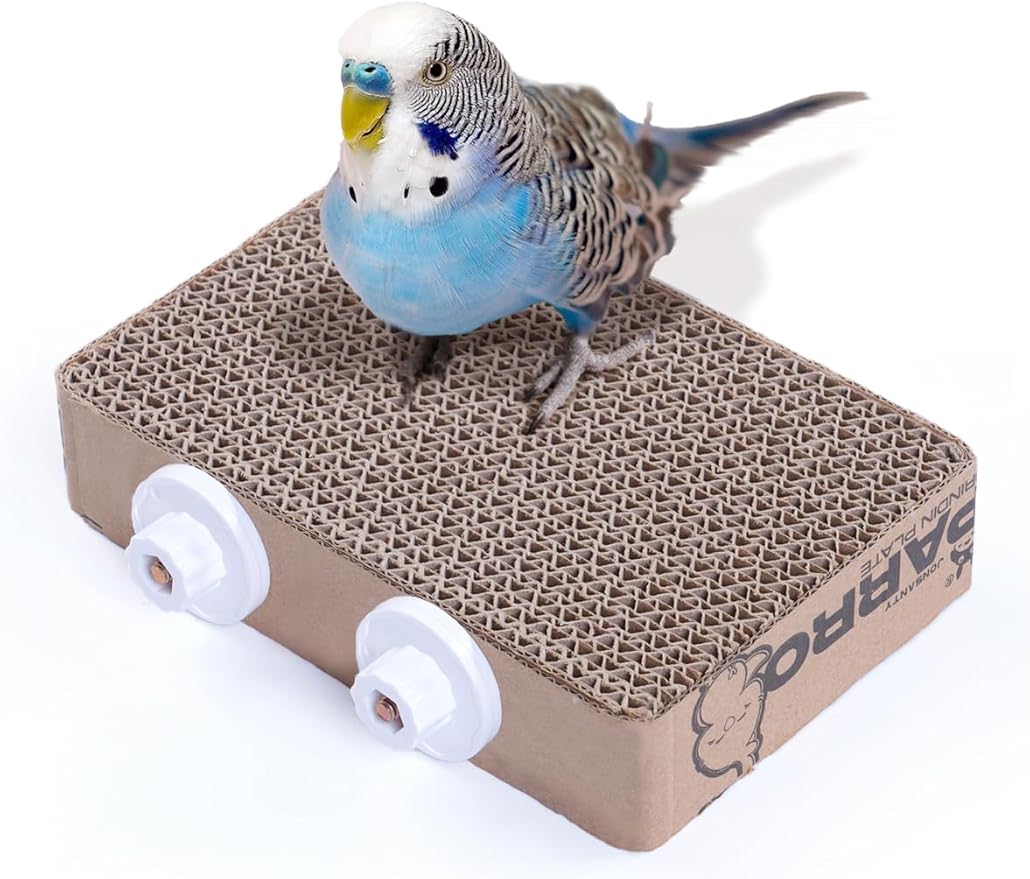
Perfect for small to medium birds, these paper bird toys offer a safe and natural way to keep pets entertained. What stands out is the use of all-natural corrugated cardboard, allowing birds to express their natural behaviors without any harmful chemicals.
Setting up is straightforward since it comes as a single platform toy ideal for indoor use. Birds enjoy pecking, chewing, and shredding the cardboard, which satisfies their instinctive desires. The lightweight design lets birds rest on it comfortably while exploring the textures with their beaks.
Made from natural materials, the toy holds up well during chewing and shredding. Its simple build supports various bird breeds without causing any harm. The most appreciated aspect is how birds respond to the natural feel, while the common drawback is that the cardboard can wear down fairly quickly due to aggressive chewing.
Birds enjoy the natural texture and feel of the cardboard, which helps satisfy their chewing and shredding instincts. The main limitation is that the cardboard material tends to wear down quickly when birds are particularly aggressive in their play.
Those wanting a natural, toxin-free platform toy for indoor birds of various sizes will find this suitable. Those looking for a longer-lasting option or outdoor use should consider alternatives better suited for durability and exposure.
Pros
- Made from all-natural corrugated cardboard
- No harmful substances used during production
- Suits all breed sizes of birds
- Promotes natural behaviors like chewing and shredding
Cons
- Wear and tear occurs quickly with heavy chewing
- Designed for indoor use only
| Specification | Details |
|---|---|
| Brand Name | JONS NTY |
| Pet Type | Bird |
| Breed Recommendation | All Breed Sizes |
| Recommended Uses For Product | Indoor |
| Unit Count | 1 Count |
| Number of Items | 1 |
8. Practical Guide to Pet and Aviary Birds

Finding reliable information on how to care for pet and aviary birds can be tricky, especially for those new to birdkeeping. Practical Guide to Pet and Aviary Birds suits anyone wanting clear, useful advice on looking after a range of birds. Its single biggest strength lies in offering solid guidance that covers everyday care and common challenges.
Using this guide day-to-day means having a handy reference for feeding, housing, and general maintenance. It covers essentials such as diet, habitat setup, and health care, making it easier to keep your birds comfortable and healthy. Setting up a new cage or sorting through behavioral issues, the guide offers straightforward advice that fits naturally into daily routines.
The guide performs well as an educational tool, presenting its information in an accessible way. It has a well-organized approach that helps readers find needed details quickly.
One highlight is the clarity in instructions. A common downside is it may not cover every exotic species in depth, leaving some gaps for bird types not frequently discussed.
The strongest praise focuses on the guide’s clear and accessible instructions, helping many maintain their birds easily. The most common complaint relates to its limited depth about rare or exotic species, which may leave some questions unanswered.
Those looking for a solid introduction or practical everyday advice will find it very useful. People seeking comprehensive details on less common birds might want to look for additional specialized sources to supplement this guide.
Pros
- Clear, easy-to-follow care advice
- Suitable for beginners and experienced keepers
- Covers everyday feeding and housing tips
Cons
- Limited coverage of exotic bird species
- Some sections less detailed than needed
| Specification | Details |
|---|---|
| Title | Practical Guide to Pet and Aviary Birds |
| Type | Bird care handbook |
| Focus | Pet and aviary birds |
9. Parrot Training Guide

Parrot Training Guide offers clear, step-by-step instructions making it ideal for anyone wanting to teach their bird new tricks or improve behavior. Its biggest strength lies in practical tips that help build trust and understanding between you and your parrot.
Getting started involves reading through simple lessons that cover basics like communication and reward-based training methods. Using it daily means following structured routines that keep your parrot engaged without overwhelming it.
The guide focuses on consistent, patient approaches, which suits both new and experienced pet parents looking for effective ways to bond with their pets.
Instructions are easy to follow, which helps the training succeed with positive results. The guide is clear and well-organized, making it accessible for all skill levels. Common praise highlights how it breaks down complex behaviors into manageable steps.
A frequent complaint is that some parts could benefit from more detailed illustrations or videos for visual learners.
The guide receives strong praise for breaking down complex parrot behaviors into easy, actionable steps that users can follow confidently. However, many find the absence of visuals a drawback which makes some lessons harder to grasp fully.
Someone new to bird training needing clear written instructions will find this guide helpful. Those wanting more interactive or visual learning tools might prefer other resources. It works best for people committed to consistent practice and patience with their pets.
Pros
- Clear step-by-step training instructions
- Suitable for beginners and intermediate users
- Focuses on positive, reward-based methods
- Helps improve parrot-human communication
Cons
- Lacks visual aids like illustrations or videos
- No supplementary support materials included
| Specification | Details |
|---|---|
| Format | Written guide |
| Training focus | Behavior and tricks |
| Skill level | Beginner to intermediate |
| Content style | Step-by-step instructions |
| Support materials | None specified |
10. Little Live Pets Talking Bird Toy – Rosie

Kids between 5 and 15 years old looking for a fun interactive pet toy will appreciate Rosie, a pink cockatiel replica that talks and whistles back. Its biggest highlight is how lifelike it acts, with moving beak and over 20 sounds that respond to your voice and touches, making playtime engaging.
Rosie comes with a small cage, two AAA batteries, and an instruction manual, so setup is quick and simple. You just press buttons to record your voice or whistle, and the bird repeats or sings melodies.
It fits well in a youth’s room without taking much space, perfect for regular interaction without complicated upkeep.
The talking bird works smoothly for voice and whistle responses, making it feel more like a living pet. Built with flocked feathers and a plastic structure, it balances realism and durability.
Most praise comes from how cute and responsive Rosie is, though a common complaint is limited battery life requiring occasional replacement to keep her chirping.
Rosie is praised for her cute and lively responses that imitate a real bird well, making interactive play enjoyable. The drawback is the battery consumption, which means keeping extra AAA batteries handy is necessary to avoid interruptions.
Anyone wanting a playful and simple bird companion will enjoy this toy, especially kids who like talking and whistling pets. Those looking for longer-lasting battery life or more complex interactions might want to explore other options.
Pros
- Over 20 interactive sounds and reactions
- Realistic movement in beak and feathers
- Easy voice recording and whistle features
- Compact cage included for simple setup
Cons
- Batteries need regular replacement
- Limited to basic voice and whistle mimicry
| Specification | Details |
|---|---|
| Brand Name | Little Live Pets |
| Toy Figure Type | Interactive Gaming Figure |
| Character | Rosie the pink cockatiel |
| Model Number | 26692 |
| Age Range Description | Youth (5 – 15 years) |
| Included Components | 2 AAA Batteries, 1 Bird, 1 Cage, 1 Instruction Manual |
11. Morning Dove Care Guide

Unique in its focus on doves, this care guide suits anyone interested in keeping morning doves as pets. Its clearest strength lies in detailed, straightforward advice tailored to this specific bird, making it easier to understand their needs compared to generic bird guides.
Setting up a proper environment for morning doves involves attention to diet, cage size, and social needs. The guide walks through these aspects clearly, highlighting how often to feed, what foods are best, and how to maintain a clean living space. Day-to-day care tips focus on how to keep the bird comfortable and healthy without overwhelming beginners.
Guidance in the care guide is practical and targeted, helping readers meet essential needs such as habitat and nutrition. The information is concise and easy to follow, though some may find it lacks depth on handling behavioral issues.
The build quality does not apply here since it is a guide, but the content’s clarity earns praise while appetite and social tips could be more comprehensive.
Advice focuses heavily on feeding, habitat, and daily maintenance, which suits those looking primarily for basics. However, it does not go deeply into training or solving behavioral problems that can arise with doves in cold environments or confined spaces.
People new to keeping doves or those wanting straightforward care instructions will find this guide fitting. Those needing detailed behavior management or expert-level health information might look elsewhere for more comprehensive resources.
Pros
- Simple language for easy understanding
- Specific to morning doves’ needs
- Covers daily feeding and housing tips
- Good for people new to having pets
Cons
- Limited advice on behavioral training
- Lacks advanced care techniques
| Specification | Details |
|---|---|
| Target Bird | Morning Dove |
| Focus | Care and Maintenance |
| Content Type | Guidance and Tips |
| Coverage | Diet, Habitat, Social Requirements |
12. Finches as Pets Owners Guide

Finches as Pets Guide is a thorough resource for anyone interested in raising finches at home, especially perfect for first-time bird keepers. Its biggest strength lies in clear advice on daily care and safety, making it easier to understand finch needs and ensure their well-being.
Setup involves preparing a safe and clean environment with suitable cage dimensions and perches mentioned in the guide. Daily use focuses on feeding, cleaning, and monitoring finch behavior, with practical tips emphasizing how to keep these small birds comfortable and healthy. Safety around common household hazards is also covered in straightforward language.
The guide effectively fulfills its role by providing detailed insights into finch diet, habitat, and interaction. Practical recommendations about cage size and cleaning routines demonstrate good build quality of information.
Most praise highlights the clear, concise instructions, while the common critique points out the lack of very detailed technical data on some care aspects.
Many users appreciate the guide’s straightforward instructions and practical approach to feeding and safety. Some note a desire for more in-depth details on finch behavioral nuances and advanced care techniques. The guide excels at providing a reliable starting point but may feel brief for in-depth enthusiasts.
Anyone looking for a clear, beginner-friendly finch care manual will find this guide valuable. Those wanting exhaustive care details or information on less common finch species might prefer supplementary resources geared toward experienced bird keepers.
Pros
- Clear advice on daily finch care
- Practical safety tips included
- Suitable for beginners
- Focus on finch-specific needs
Cons
- Lacks detailed technical care data
- Limited coverage on species variety
| Specification | Details |
|---|---|
| Species Focus | Finches |
| Care Topics | Feeding, Housing, Safety |
| Target Audience | New and Prospective Bird Keepers |
| Format | Care Guide |
13. Macaws as Pets Guide

Living with the guide feels like having a knowledgeable friend who understands Macaws inside out. Perfect for anyone wanting to keep these birds as pets, its biggest strength is breaking down complex care into clear, practical advice that’s easy to apply every day.
Setting up a proper environment for a Macaw can seem overwhelming, but the guide simplifies everything from diet to cage requirements. It covers daily routines and safety tips, making feeding, cleaning, and training easier to understand without any confusion. Regular checks and upkeep become manageable tasks guided by straightforward instructions.
Care information is precise, making sure your bird stays healthy and happy. Built on real experience and detailed knowledge, it provides thorough coverage without unnecessary jargon.
Praise often highlights how user-friendly the guide is, while some find the length dense for quick reading. Still, it delivers solid support for responsible Macaw ownership.
The guide receives strong praise for making Macaw care accessible and clear, helping bird caregivers feel confident in daily tasks. The most common complaint points to its length, which some find overwhelming when seeking quick answers.
People new to Macaw ownership will find this guide very helpful in establishing good routines and proper care. Those already familiar with bird care or wanting brief tips might prefer a shorter, more concise resource.
Pros
- Easy to understand care instructions
- Detailed feeding and safety advice
- Practical daily routines outlined
Cons
- Guide can be lengthy for quick reference
- Less useful for those who have experience caring for birds
| Specification | Details |
|---|---|
| Subject | Macaws as Pets |
| Focus Area | Care, Feeding, Safety |
| Format | Guide |
| Content Style | Practical Advice |
14. Lovebirds Care and Keeping Guide

Lovebirds Care and Keeping Guide offers practical advice for anyone wanting to keep lovebirds happy and healthy. Perfect for first-time bird enthusiasts or anyone who values clear, straightforward instruction, its biggest strength lies in helping you understand the daily needs of these lively pets.
Setting up your lovebird’s environment becomes manageable with the tips on diet, handling, and cage maintenance the guide provides. You’ll quickly appreciate advice on safe materials and cleaning routines that make daily caretaking smoother.
The explanations avoid jargon, focusing instead on what really matters for your bird’s comfort and your convenience.
The guide excels in walking through crucial bird care steps, making it easy to maintain a safe and nurturing habitat. While it lacks in-depth technical detail, it covers the essentials without overwhelming readers.
Reviews note it as a reliable starting point with occasional critiques about limited advanced content for more experienced keepers.
Lovebirds Care and Keeping Guide provides clear instructions on feeding, housing, and handling lovebirds. It covers everyday care routines and common health issues, making it helpful for maintaining healthy birds. Some find the layout somewhat basic and wish for more detailed species-specific tips. It focuses on practical information suited for daily care tasks.
People looking for straightforward advice on lovebird care will find the guide useful. Those seeking in-depth behavioral insights or training techniques may want a more specialized resource. It suits anyone new to lovebirds, while experienced birdkeepers might prefer a more comprehensive or advanced manual.
Pros
- Clear and easy guidance for beginners
- Focuses on important daily care steps
- Emphasizes safe materials and cleaning tips
- Avoids confusing technical jargon
Cons
- Lacks advanced care details for experienced keepers
- Not very detailed on technical aspects
| Specification | Details |
|---|---|
| Type | Care and Keeping Guide |
| Focus | Lovebirds |
| Content Style | Practical, beginner-friendly |
| Coverage | Diet, handling, cage maintenance |
15. Complete Budgie Care and Ownership Guide

Printed on sturdy paper, the Complete Budgie Care and Ownership Guide suits anyone starting with budgies or looking for detailed care advice. It stands out by covering essential budgie needs clearly, making it practical for new bird lovers seeking straightforward guidance.
Setting up with the guide involves reading through its organized sections that focus on diet, housing, and health. Daily use involves checking back for tips on feeding schedules or cage cleaning, which helps maintain the bird’s welfare with ease. It’s designed for easy navigation, so finding specific care instructions is straightforward for every day.
Guidance is thorough and reliable, addressing common budgie behavior and health concerns well. The guide’s built-in tips save time and reduce guesswork, though some notes could feel brief on advanced topics. A frequent comment notes its clarity and simplicity, with occasional remarks about wanting more detailed explanations.
The guide provides clear, practical advice that many find easy to follow when caring for budgies daily. Some users feel it could benefit from deeper explanations on complex issues or added interactive content.
Anyone new to budgie care will appreciate its straightforward approach and comprehensive basics. Those seeking expert-level detail or multimedia support might look for other resources.
Pros
- Clear and simple language for beginners
- Covers wide range of budgie topics
- Helps maintain good budgie health
Cons
- Some sections lack in-depth information
- No digital or interactive format available
| Specification | Details |
|---|---|
| Content Type | Care and ownership guide |
| Focus | Budgie health, diet, and living |
| Material | Printed paper |
| Use | Daily reference and setup aid |
Best Birds to Own as Pets Comparison Table
| Product | Recommended Uses | Target Species | Brand Name | Age Range |
|---|---|---|---|---|
| Complete Pet Bird Handbook | – | – | – | – |
| Parrots and Pet Birds Guide | – | – | – | – |
| Canary Care Guide | – | – | – | – |
| Conure Parrots Guide | – | – | – | – |
| Complete Pet Bird Guide | – | – | – | – |
| Budgies Care and Breeding | – | – | – | – |
| Paper Bird Toys | Indoor | Bird | JONS NTY | – |
| Practical Pet Birds Guide | – | – | – | – |
| Parrot Training Guide | – | – | – | – |
| Little Live Rosie Toy | – | – | Little Live Pets | Youth |
| Morning Dove Care | – | – | – | – |
| Finches as Pets Guide | – | – | – | – |
| Macaws as Pets Guide | – | – | – | – |
| Lovebirds Care Guide | – | – | – | – |
| Complete Budgie Care | – | – | – | – |
- Recommended Uses–
- Target Species–
- Brand Name–
- Age Range–
- Recommended Uses–
- Target Species–
- Brand Name–
- Age Range–
- Recommended Uses–
- Target Species–
- Brand Name–
- Age Range–
- Recommended Uses–
- Target Species–
- Brand Name–
- Age Range–
- Recommended Uses–
- Target Species–
- Brand Name–
- Age Range–
- Recommended Uses–
- Target Species–
- Brand Name–
- Age Range–
- Recommended UsesIndoor
- Target SpeciesBird
- Brand NameJONS NTY
- Age Range–
- Recommended Uses–
- Target Species–
- Brand Name–
- Age Range–
- Recommended Uses–
- Target Species–
- Brand Name–
- Age Range–
- Recommended Uses–
- Target Species–
- Brand NameLittle Live Pets
- Age RangeYouth
- Recommended Uses–
- Target Species–
- Brand Name–
- Age Range–
- Recommended Uses–
- Target Species–
- Brand Name–
- Age Range–
- Recommended Uses–
- Target Species–
- Brand Name–
- Age Range–
- Recommended Uses–
- Target Species–
- Brand Name–
- Age Range–
- Recommended Uses–
- Target Species–
- Brand Name–
- Age Range–
How to Choose the Perfect Pet Bird
Consider factors like size, temperament, noise level, and care needs when selecting a pet bird, as they affect daily life and long-term commitment. Choosing a bird that fits your lifestyle helps avoid stress, reduces unexpected costs, and ensures a happier relationship for both you and your pet.
Size and Space Requirements
Birds with larger wingspans quickly show frustration if cramped in small cages. A 10-inch wingspan bird needs at least a 24-inch wide cage plus space for exercise outside.
Active species require roomier habitats, sometimes around 30 by 30 inches or more, to prevent stress and feather damage. Confined spaces can lead to behavioral problems and physical issues.
Prioritize a cage that offers adequate flight space and room for toys or perches. Consider the area in your home where the cage will live and factor in daily out-of-cage time. A cramped setup not only stresses the bird but makes cleaning and maintenance more difficult.
Temperament and Social Needs
Birds that crave attention become noisy and destructive if left alone. Species known for high social needs demand multiple hours of interaction daily, or they can develop plucking or shrieking habits. Others are more independent and tolerate periodic solitude better.
Think about household noise tolerance; some birds are louder and more vocal. Also, consider how your other pets react to birds, some species are calmer and less likely to provoke conflicts. Understanding typical temperament helps avoid surprises.
Care and Maintenance
Daily care can be straightforward for some species but complicated for others. Certain birds require specialized diets including fresh fruits, vegetables, or formulated pellets, which means frequent shopping and preparation. Cleaning cages varies by size and design; simple trays and removable parts save time.
Grooming needs, like nail trimming or beak care, can require experience or professional help. Toys and perches wear out and must be replaced or sanitized regularly. A bird that needs extensive maintenance demands more daily commitment.
Lifespan and Commitment
Some species live 15 to 20 years, while others can exceed 50 years; this long lifespan affects life planning significantly. Birds age similarly to humans, developing different needs such as softer food or more medical attention. Such long commitments are like having a long-term family member.
Consider life changes like moving or career shifts before choosing. A mismatch could lead to rehoming, which is hard on the bird and owner.
The species’ average lifespan and aging process shape the daily care routine and expectations.
Health and Safety
Common health issues vary by species, such as respiratory problems or vitamin deficiencies. Preventive care includes a balanced diet, clean habitat, and regular vet checkups.
Knowing these risks helps catch problems early, reducing stress for both bird and owner.
Some birds produce dander that aggravates allergies, while others may be noisy or show aggression. Assess your household’s sensitivity and safety before deciding. Ensuring compatibility avoids dangerous situations and unhappy pets.
Proper Care and Maintenance Tips for Pet Birds
Regular cleaning and a balanced diet are essential to keep pet birds healthy. Bird cages should be cleaned at least once a week, with food and water dishes washed daily to prevent bacteria buildup. Providing fresh water and a variety of seeds, fruits, and vegetables supports proper nutrition and helps prevent deficiencies.
Exercise is another critical factor. Birds require daily out-of-cage time or ample space to fly or climb within their enclosure.
Toys that encourage foraging and chewing help keep their minds active, reducing boredom-related issues.
Key points for pet bird care:
- Clean cage and dishes regularly
- Offer a varied, balanced diet
- Provide daily exercise and mental stimulation
- Ensure proper lighting and temperature
- Schedule routine veterinary check-ups
Monitoring your bird’s behavior and weight is important. Changes in activity or eating habits can signal health problems that need quick attention.
Consistency and attentive care contribute to a longer, healthier life for pet birds.
Common Behavioral Issues and How to Address Them
Many pet birds show signs of stress or frustration through behaviors like excessive screaming, feather plucking, or biting. These behaviors often stem from boredom, lack of social interaction, or an unsuitable environment.
Address these issues by offering more mental stimulation and attention. Adding toys that challenge problem-solving skills or foraging can reduce boredom.
Spending time interacting with your bird daily improves social bonds and helps minimize negative behaviors.
Strategies for common behavioral problems:
- Provide consistent daily playtime and social interaction
- Rotate toys regularly to keep your bird engaged
- Train with patience using positive reinforcement
- Maintain a calm, predictable environment
- Consult an avian vet for persistent issues
Understanding the root cause of behavioral problems allows you to adjust care routines accordingly. Many challenges are manageable with time, attention, and appropriate environmental changes.
People Also Asked
How Much Space Do Pet Birds Need Inside a Home?
Pet birds need a cage that allows them to flap their wings fully and move around easily, with extra space for exercise outside the cage regularly. Larger birds, like parrots, require significantly more room than small finches or budgies, so plan for daily supervised out-of-cage time to keep them active and happy.
Are Pet Birds Safe for Families with Small Children?
Birds can be safe around small children if closely supervised, but some species are sensitive and may bite when frightened. Teach kids to be gentle and calm around birds, and never leave them alone together to prevent stress or injury to the bird.
How Long Do Common Pet Birds Typically Live?
Parakeets and canaries often live about 5 to 10 years, while parrots like cockatiels and conures can live 15 to 25 years. Larger parrots such as macaws may live up to 50 years or more, so consider the long-term commitment when choosing a bird.
What Are the Most Common Health Problems in Pet Birds?
Common health issues include respiratory infections, feather plucking, and vitamin deficiencies. Regular vet checkups and a varied diet rich in fresh fruits, vegetables, and appropriate pellets help prevent these conditions.
How Can I Tell If a Bird Is Happy and Healthy?
A happy, healthy bird is alert with bright eyes, smooth feathers, and a good appetite. Active vocalization and regular preening also indicate well-being; watch for changes in behavior or droppings as early signs of illness.
Conclusion
Choosing the right bird to keep as a pet depends mainly on your lifestyle, the space you have available, and how much time you can dedicate to care and interaction. Some birds need more attention and stimulation, while others are more independent. Another key point is their noise level and how it fits with your living situation.
Consider your living space size and daily schedule before making a decision, as some birds require larger cages or more social time. Reviewing the comparison table and the details in the picks above can help find a bird that matches your needs and budget effectively.