Top 15 Best Duck Breeds You Absolutely Must Know About
Choosing the best duck breeds is crucial for anyone raising ducks because a poor choice often means low egg production, health problems, or difficulty handling the birds. Many beginners pick breeds that are too large, overly aggressive, or prone to disease in their local conditions, leading to frustration and extra work. Knowing which duck breeds fit your environment and needs can prevent these common pitfalls.
Good duck breeds usually stand out by their adaptability to climate, egg-laying capacity, and temperament. For example, breeds that lay between 150 to 250 eggs per year are considered productive. Size also matters; medium-sized ducks tend to require less feed and housing space but still provide good meat or egg yield.
Easy-to-care-for breeds have fewer health issues and tolerate handling better, making maintenance simpler over time.
Need a Quick Check?
| Image | Product | Price |
|---|---|---|
Our Top Picks 1  | PWHAOO Duck Tote | Check Price |
Our Top Picks 2  | Vintage Duck Canvas | Check Price |
Our Top Picks 3  | Beginner Backyard Ducks | Check Price |
Our Selected Top 15 Duck Breeds Picks for Every Need
This list features a variety of duck breeds chosen for different purposes, from pets to egg layers and meat producers. Each review discusses performance, the best type of user, and points out strengths and weaknesses to help you choose the right breed for your needs.
1. PWHAOO Duck Breeds Tote Bag
Carrying a tote bag that’s both sturdy and stylish feels like a small but satisfying win. Ideal for duck breed enthusiasts who want something durable for everyday outings, this canvas bag stands out most for its solid construction and thoughtful fabric choice. It handles daily wear without looking worn out.
Getting it ready for a day out only requires packing essentials, as the bag’s size and strong canvas handles can comfortably support a range of items. It doesn’t stretch, so you won’t find your belongings slipping around uncomfortably inside. Cleaning is straightforward with either hand washing or machine washing options, making maintenance easy without risking damage.
The canvas fabric paired with polyester inside and out forms a tough outer shell that resists tears and scuffs effectively. Users praise how the material holds shape, but some mention the lack of any stretch limits adaptability for bulkier loads.
The canvas handles feel sturdy but could use more padding for extended carrying comfort.
The bag’s main advantage is its sturdy fabric construction that keeps its form and survives daily use reliably. Common feedback highlights a desire for stretch in the fabric and more comfortable handles for longer carrying sessions.
People who want a tough, low-maintenance tote that keeps its look over time will appreciate this bag. Those needing more flexibility or extended comfort when carrying heavier items might want to look elsewhere.
Pros
- Durable canvas fabric holds shape well
- Easy to clean with hand or machine wash
- Strong canvas handles provide solid grip
- Polyester lining protects bag’s interior
Cons
- No stretch limits carrying bulkier items
- Handles lack padding for extended use
| Specification | Details |
|---|---|
| Fabric Type | Canvas |
| Material Fabric | Night Court Book Club T |
| Outer Material | Polyester |
| Inner Material | Polyester |
| Handle Material | Canvas |
| Apparel Fabric Stretch | No Stretch |
| Product Care Instructions | Hand Wash Only, Machine Wash |
2. Vintage Duck Breeds Canvas Wall Art
Perfect for anyone who loves ducks and rustic charm, this wall art offers classic illustrations that fit nicely in various rooms. Its biggest strength lies in the vintage-inspired design that brings a warm, nostalgic feel to any space without needing a frame.
Setup is simple since it arrives unframed, making it easy to choose a frame that matches your space. Multiple size options allow placement almost anywhere, from bathrooms to living rooms.
The muted color palette blends well with farmhouse or nature-themed decor, creating a subtle yet eye-catching accent behind your sofa or above a kitchen counter.
As artwork, it delivers detailed images of mallard ducks and other breeds, catching attention without being overwhelming. The rectangular portrait layout suits vertical spaces nicely.
Most appreciate how well the vintage style suits rustic interiors, while a few mention the lack of framing means you’ll need to pick that up separately. The print quality and choice of sizes are reliable for decorating purposes.
The print quality captures the vintage charm of various duck breeds, satisfying those seeking a nostalgic wildlife decoration. The most frequent drawback is the need to find and install a frame to suit personal style and space.
Anyone drawn to classic and rustic themes will enjoy decorating with this piece, especially in casual or nature-focused rooms. People wanting instant-ready framed art or vibrant colors should look for alternatives.
Pros
- Multiple sizes for different wall spaces
- Classic vintage duck illustrations
- Works with rustic and farmhouse decor
- Perfect for nature lovers and duck fans
Cons
- Comes unframed, framing needed separately
- Muted colors may seem dull to some
| Specification | Details |
|---|---|
| Orientation | Portrait |
| Item Shape | Rectangular |
| Theme | Nature |
| Wall Art Form | Poster |
| Color | style 01 |
| Product Style | Unframed |
| Room Type | Bathroom, Bedroom, Dormitory, Family Room, Kids Room |
3. Beginners Guide to Raising Backyard Ducks
Hardcover binding and clear illustrations make Beginners Guide to Raising Backyard Ducks perfect for new duck keepers wanting a straightforward introduction. Its single biggest strength lies in breaking down duck care into easy steps, helping make the experience less overwhelming for someone starting out.
Opening the book reveals simple explanations and practical tips that guide you through setup, feeding, and daily husbandry. The day-to-day care advice focuses on essentials like feeding schedules, housing basics, and health checks.
Its approachable tone fits those with little prior knowledge, making the routine of duck keeping easier to follow and maintain consistently.
Information within the guide hits all main points of backyard duck care in a clear manner. Construction of the book feels sturdy, with well-organized sections and useful illustrations.
Strongest praise centers on how beginner-friendly the instructions are. Some readers wish for more in-depth info on advanced problems, which is the most noted shortcoming.
Ease of understanding and practical steps receive consistent praise, making the book helpful for many new duck caretakers. Common complaints revolve around wanting more thorough details on special care needs and breed varieties. Day-to-day use involves following the clear instructions for feeding and housing that suit a simple backyard setup.
People just starting backyard duck keeping will find guidance well-matched to their needs without feeling lost. Those seeking advanced troubleshooting or breed-specific knowledge might want to look for more comprehensive resources alongside this beginner guide.
Pros
- Clear and simple language for easy understanding
- Step-by-step guidance on duck care basics
- Hardcover offers lasting durability
Cons
- Lacks detailed advice on complex health issues
- Minimal coverage of breed-specific traits
| Specification | Details |
|---|---|
| Format | Hardcover |
| Content focus | Backyard duck care basics |
| Illustrations | Included |
| Target audience | Beginners |
4. Raising Ducks: Breeds and Care Guide

Raising Ducks: Breeds and Care Guide is a detailed book aimed at beginners and hobbyists interested in duck care and breeding. Its biggest strength lies in offering practical advice on different duck breeds, making it a handy reference for anyone starting with ducks.
Setting up with this guide is straightforward, providing clear steps on choosing the right breed and caring for ducks daily. It covers breed characteristics, care routines, and basic health tips, making routine tasks like feeding and cleaning easier by following its suggestions.
The guide does a good job explaining breed differences and care needs, making it easier to handle ducks properly. It is well-organized and easy to understand, although some readers find the lack of detailed visuals a downside. Most praise its clear writing, while complaints focus on wanting more in-depth illustrations.
This guide is praised for clear and practical advice that helps make daily duck care manageable. Many find its straightforward explanations useful, though some want more detailed photos or illustrations to better understand breed traits.
People new to raising ducks will appreciate the step-by-step care information and breed descriptions. Those seeking comprehensive scientific detail or heavy visual content might prefer a more specialized or illustrated guide instead.
Pros
- Clear advice on choosing duck breeds
- Practical daily care tips
- Easy-to-understand language
Cons
- Lacks detailed visual illustrations
- More in-depth breed info could help
| Specification | Details |
|---|---|
| Product Name | Raising Ducks: Breeds and Care Guide |
| Focus | Duck breeds and care |
| Suitable For | Beginners and hobbyists |
| Format | Book |
5. Storeys Illustrated Guide to Poultry Breeds

Ideal for anyone serious about learning poultry breeds in detail, Storeys Illustrated Guide to Poultry Breeds offers an extensive and well-organized reference. It suits both beginners and experienced poultry keepers looking to identify and understand a wide range of bird types, with a focus on clarity and comprehensive coverage.
Daily use revolves around easy navigation thanks to detailed illustrations and organized breed profiles. Exploring different duck breeds and other poultry becomes straightforward, making it simple to compare traits and choose the right bird for your needs.
The guide is handy to consult whether planning a new flock or deepening your poultry knowledge.
Performance lives up to expectations as a thorough breed manual, well-regarded for accurate depictions and practical information. The book’s construction ensures durability for regular use, with clear, high-quality images. Some find the sheer amount of information overwhelming, but the detail is appreciated.
Most praise focuses on its usefulness as an all-in-one reference.
Regular consultation reveals the guide’s strengths in precise breed illustrations and comprehensive details, though some find the volume of information challenging to absorb fully. It serves as a thorough educational tool suitable for those who want in-depth knowledge rather than quick facts.
People focused on serious poultry breeding or research will appreciate the depth and permanence of this guide. Those seeking a quick or portable reference might prefer a simpler or digital option. The book excels as a long-term companion on poultry breed education.
Pros
- Extensive breed coverage for ducks and other poultry
- Clear, detailed illustrations aid breed identification
- Durable hardcover suitable for frequent use
- Organized layout makes browsing simple
Cons
- Information density can feel overwhelming
- No digital version for portable access
| Specification | Details |
|---|---|
| Scope | Wide range of poultry breeds |
| Illustrations | Detailed, accurate drawings |
| Format | Hardcover book |
| Use | Reference guide for breed identification |
6. Mallard Duck Wall Art Prints

Brightening up a dull wall is easy with colorful prints featuring duck breeds. Perfect for bird lovers or anyone wanting a rustic touch, these 9 posters stand out for their vivid colors and detailed duck illustrations. Their biggest strength lies in making a room feel lively and charming without overwhelming the space.
Setting up involves using the included glue dots to hang each 8×10 print, allowing for flexible arrangement across walls. Unframed posters mean you can choose frames that match your style, whether in a kitchen, nursery, or home office. The retro, portrait-oriented style makes them suitable for various rooms, adding personality without needing extra decor.
The prints do an admirable job showcasing nine different duck breeds, each with a unique look and rustic charm. Build quality comes down to the paper and ink, which deliver bright images but will require framing for long-term protection. Most praise highlights the vibrant colors, while the lack of frames is the main complaint for those wanting ready-to-hang art.
Vibrant colors and detailed duck illustrations make the prints attractive but they arrive unframed, which some find inconvenient. Glue dots are included for hanging, but no frames or hooks come with the set.
Those wanting colorful and detailed duck-themed wall decor will appreciate this set, especially if they enjoy choosing custom frames. People seeking ready-to-hang art with frames included might look elsewhere.
Pros
- 9 unique duck breed posters included
- Vibrant hues with intricate details
- Flexible placement with glue dots
- Fits various room types and styles
Cons
- Posters come unframed
- No mounting hardware beyond glue dots
| Specification | Details |
|---|---|
| Set Includes | 9 different duck breeds posters, 8×10″ (unframed) |
| Item Shape | Rectangular |
| Orientation | Portrait |
| Theme | Duck |
| Product Style | Retro |
| Color Family | Brown |
7. Storeys Guide to Raising Ducks, 2nd Edition
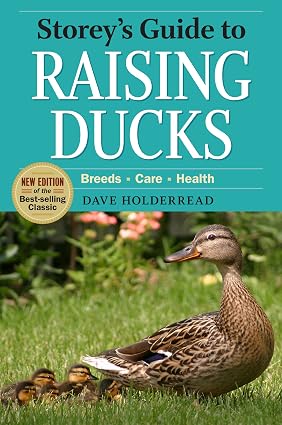
Storeys Guide to Raising Ducks, 2nd Edition is a practical resource for anyone interested in duck breeds and care. Perfect for beginners and hobbyists, its single biggest strength lies in its thorough, easy-to-follow advice that covers all aspects of raising ducks successfully.
Setting up with this guide feels straightforward because it breaks down the essentials clearly. Daily use involves referencing sections on feeding, housing, and health, making it simple to find solutions or tips as questions arise.
It covers breed selection well, which helps in picking ducks suited to different climates and purposes.
The guide performs well as a comprehensive manual packed with detailed, practical knowledge. It is built for clarity rather than depth in scientific detail. The strongest praise mentions how accessible and informative it is for new duck keepers.
A common complaint is that some readers want more advanced or detailed breeding information.
The guide’s biggest plus is how accessible it makes duck care for those with little to no experience, helping them gain confidence quickly. However, its limitation lies in the desire for more advanced breeding details, which some find missing.
Great for beginners and those aiming to keep ducks as pets or for small-scale purposes. Anyone seeking in-depth breeding science or professional-level guidance might want a more specialized resource.
Pros
- Clear, easy-to-understand instructions
- Good coverage of breed variety and characteristics
- Practical advice on daily duck care
- Helpful for people who are new to raising ducks
Cons
- Lacks detailed breeding techniques
- Not suited for advanced waterfowl specialists
| Specification | Details |
|---|---|
| Edition | 2nd Edition |
| Focus | Raising Ducks |
| Content Type | Breed selection, care, health, and housing advice |
| Target Users | Beginners and hobbyists |
8. Metal Tin Retro Duck Breeds Sign
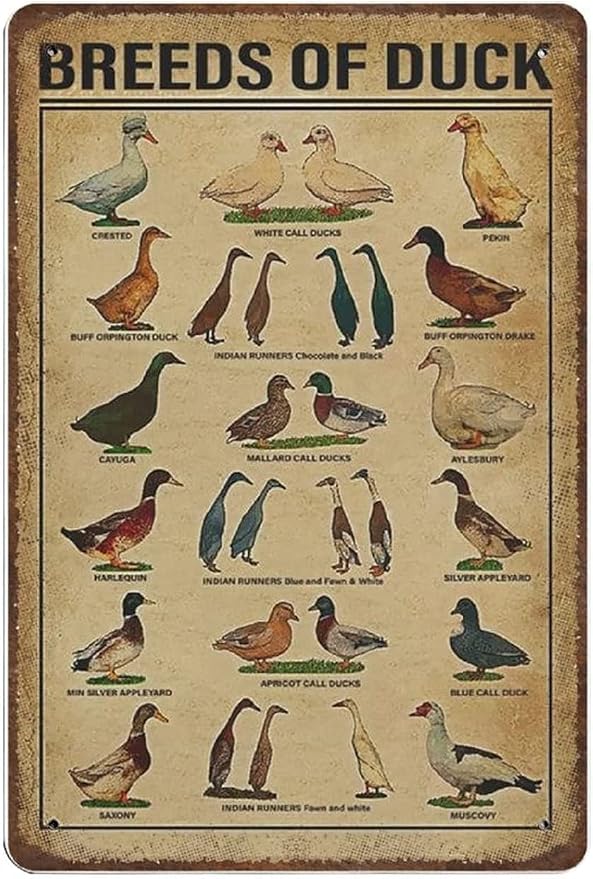
People looking to add a bit of vintage charm to their kitchen, dining area, or hangout spot will appreciate this metal retro duck breeds sign. It stands out for its durable aluminum build and comes in three practical sizes, making it easy to fit into different spaces and decorating styles.
Hanging the sign is straightforward thanks to pre-drilled holes and rounded corners that help avoid accidental scratches during setup. Its waterproof and non-glare surface means it stays looking good without needing constant cleaning, even in areas prone to humidity like porches or near kitchen sinks. The rolled and hemmed edges make handling safe and comfortable.
The sign does well as a decorative item, holding up firmly on a variety of walls without bending or warping. Its aluminum material feels solid yet lightweight enough to move when needed.
Most people appreciate the quality finish and easy installation, though some mention the sizes could have more options for really large spaces.
The sign is praised for its easy installation and durable waterproof finish that maintains the look over time. On the downside, some wish the sign came in a wider range of sizes to better suit larger rooms or outdoor areas. The retro style divides opinion but suits fans well.
This product will appeal to those wanting an easy-to-hang decorative piece with a vintage feel for smaller walls or cozy spaces. People needing larger or more contemporary art might look for different options better matching their specific décor goals.
Pros
- Lightweight yet sturdy aluminum material
- Waterproof finish works well near moisture
- Pre-drilled holes make hanging simple
- Rounded corners reduce injury risk
Cons
- Limited size options may not fit all spaces
- Design may feel too retro for some tastes
| Specification | Details |
|---|---|
| Material | High-Quality Aluminum |
| Size Options | Approx. 15 X 20 cm, 20 X 30 cm, 30 X 41 cm |
| Design | Waterproof, Non-Glare |
| Edges | Rolled and Hemmed for Safe Handling |
| Brand | Generic |
| Manufacturer | hongdongxian |
9. Storeys Guide to Raising Ducks

Storeys Guide to Raising Ducks stands out by offering clear, practical advice suited for beginners and experienced duck raisers alike. Its biggest strength lies in straightforward guidance on duck breeds, care, and raising strategies all compiled in one accessible source.
Getting started with the guide is easy as it organizes complex information about duck breeds and care into manageable sections. It covers essentials like feeding, habitat setup, and health considerations, making daily duck care less confusing. Guidance helps plan routines around duck behavior and breeding cycles for smoother day-to-day management.
The guide performs well as a comprehensive reference and covers both the basics and specific breed traits effectively. It’s well-made in the sense of content reliability, with clear language and focused writing. Most praise centers on how it simplifies duck raising, while some users note the desire for more breed-specific photos or visuals.
The strongest praise lies in how the guide simplifies the complexities of raising ducks by breaking down care instructions clearly. A common complaint is the absence of more detailed breed pictures, which some find helpful for identification and breed comparison.
People new to duck raising who want a dependable, easy-to-understand manual will appreciate this guide. Those seeking detailed visual breed references or highly specialized information may want to look for additional resources alongside this one.
Pros
- Clear, practical advice for all skill levels
- Comprehensive coverage of duck breeds and care
- Easy-to-follow guidance on daily routines
- Reliable and well-organized content
Cons
- Lacks extensive breed-specific photographs
- Some details could be expanded further
| Specification | Details |
|---|
10. Concise Encyclopedia of Poultry Breeds

Concise Encyclopedia of Poultry Breeds serves as a detailed reference for anyone interested in duck breeds and other poultry types. Best suited for breeders, hobbyists, or those wanting clear, concise breed information, its biggest strength lies in easy access to factual breed descriptions without unnecessary fluff.
Using it daily means flipping through well-organized entries that cover breed origins, characteristics, and uses. The straightforward layout makes finding specific breed details simple.
It’s lightweight and compact, making it comfortable to hold while sitting outside or in a coop. The encyclopedia focuses on breed traits which helps guide care and selection decisions, essential for daily poultry management.
Performance centers on delivering accurate and comprehensive poultry breed details. The book is sturdy with solid paper quality, supporting frequent use without damage.
Strong points include its clear breed differentiation and practical advice, while the primary criticism is that it lacks extensive pictures, which some users find limiting for visual identification.
A major point of praise is the encyclopedia’s detailed, straightforward descriptions of poultry breeds, which support practical decisions in breed management. The most frequent complaint involves the limited number of visual aids, making spotting breeds less intuitive without outside references.
People looking for thorough breed facts and reliable care guidance will appreciate this book. Those who rely heavily on photos or want a more illustrated guide should look for alternatives that provide richer visual content.
Pros
- Clear and concise breed descriptions
- Easy-to-navigate layout
- Compact and easy to handle
- Sturdy for regular use
Cons
- Not enough photos for visual ID
- Primarily text-based, less engaging
| Specification | Details |
|---|---|
| Content Scope | Comprehensive coverage of poultry breeds |
| Format | Encyclopedia style, printed book |
| Size | Compact and lightweight |
| Durability | Sturdy paper for frequent handling |
| Visual Content | Limited photographic illustrations |
11. Duck Farming Basics: Beginner’s Guide

Handling duck breeds for the first time feels much easier with clear guidelines and practical advice. Duck Farming Basics: Beginner’s Guide suits those starting out by focusing on key concerns like proper care, feeding, and breed selection.
Its biggest strength lies in providing simple explanations without overwhelming details.
Setting up daily routines becomes manageable thanks to step-by-step tips on housing, feeding, and hygiene. The guide explains what breeds are best for various purposes, how to recognize their needs, and how to keep them comfortable. It breaks down essential tasks so they fit into daily life without confusion or extra guesswork.
Performance hinges on offering straightforward, reliable information covering basic care needs and breed characteristics. The text is built around helping new duck keepers avoid common pitfalls. Positive notes mention how accessible and practical the book is, while negative comments point out some sections could include more depth or updated details for experienced readers.
The guide’s strongest praise centers on clear, easy-to-follow instructions that help beginners care for ducks without feeling overwhelmed. Common complaints highlight the need for more detailed information about some duck breeds and their specific needs.
Those just starting with duck farming will find the guide supportive and easy to use. More experienced keepers looking for in-depth breed analysis or specialized farming advice might prefer a more detailed resource.
Pros
- Simple language good for beginners
- Covers basic duck care comprehensively
- Focus on practical daily routines
- Helps select suitable duck breeds
Cons
- Lacks advanced details for experienced farmers
- Some breed info could be more thorough
| Specification | Details |
|---|
12. Beginners Guide to Raising Ducks and Geese

Beginners Guide to Raising Ducks and Geese is perfect for newcomers to waterfowl keeping. Its biggest strength lies in straightforward, practical advice that helps you understand the basics quickly. It suits anyone aiming to start with a simple and clear resource rather than technical manuals.
The book covers everything you need to know about setting up a comfortable space for your ducks and geese and managing their care day to day. It explains feeding routines, safety measures to protect against predators, and simple health tips.
The clear layout helps you follow along easily without feeling overwhelmed by too much jargon.
It delivers solid guidance on raising ducks and geese successfully, especially for beginners. The writing style is approachable and the advice practical, making it easy for readers to apply in their backyard setup. Some readers found the book’s coverage a bit basic and hoped for more in-depth details on advanced care or breeds.
This guide receives praise for being very readable and practical, especially in explaining everyday care routines like feeding and housing. The most common critique is that it offers only basic information and does not go deep into breed-specific or advanced care topics.
Anyone new to raising ducks and geese will find this book helpful for getting started and managing daily needs. Those seeking detailed breed profiles or advanced advice should look for more comprehensive guides or specialty books on waterfowl.
Pros
- Easy to follow for beginners
- Covers essential care topics
- Practical feeding and safety tips
- Clear, straightforward writing style
Cons
- Lacks detailed info for advanced keepers
- Basic breed information only
Targeted at people new to raising ducks and geese, this guide offers practical, straightforward advice on feeding, housing, health, and safety.13. Muscovy Ducks: Care and Handling Guide Wood frame construction with wire mesh gives these Muscovy duck housing units durability and good ventilation, ideal for small to medium backyard flocks. Perfect for those wanting a practical yet manageable solution to care for and handle Muscovy ducks comfortably. Their biggest strength lies in blending sturdiness with ease of access. Daily setup involves securing the wooden structure in a shaded area for the ducks’ comfort. Regular daily care is straightforward thanks to the open design delivering airflow, which helps keep the environment dry and reduces cleaning frequency. Handling the ducks is simpler with a guide included for best care practices, ensuring you know how to feed, shelter, and safely manage your Muscovy ducks. Performance-wise, the enclosure protects well against most predators with sturdy wire and solid wood support. Build quality is reliable enough for regular outdoor conditions, though some mention the wood could benefit from extra weatherproofing. Most praise its practical functionality; common complaints focus on occasional issues with wire tension loosening over time. The biggest praise comes from the ease of care and handling supported by the design and included guide, making daily maintenance simpler. The most frequent complaint involves some loosening in the wire mesh, which could require occasional tightening to maintain security. Those seeking a basic, practical housing solution with guidance for Muscovy ducks will find this well suited. People needing heavy-duty weather resistance or large-scale setups might want to look for alternatives more specifically designed for harsher conditions or bigger flocks. Pros
Cons
14. Ducks of the World Ceramic Mug Bright and colorful illustrations of duck breeds catch the eye immediately, making this ceramic mug ideal for duck enthusiasts and bird watchers. Its greatest appeal lies in the cute cutecore artwork featuring popular ducks like Rouen, Saxony, and Pekin, offering both charm and function for daily drink use. Getting started is simple: the mug handles both hot and cold drinks, perfect for morning coffee or iced tea. Its glossy two-tone design, with accent colors inside the rim and handle, adds a cheerful touch during use. Cleaning won’t be a chore thanks to its dishwasher-safe material, and reheating is easy since it’s microwave-safe. The mug’s size fits comfortably in hand, making every sip pleasant. Durability supports regular drinking needs well, holding up to daily washing and microwaving without losing color or shape. It’s made from lead and BPA-free ceramic, ensuring safety along with style. One frequent compliment highlights the adorable, detailed duck illustrations, while the most common drawback involves the mug’s moderate capacity, which some wish was larger for more generous servings. Many find the detailed, cute duck artwork charming and well-executed, making it enjoyable for daily use. Occasionally, the mug’s 11-ounce size is considered too small for those wanting larger drink portions. The ceramic build withstands dishwasher and microwave routines effectively without damage. People who appreciate waterfowl and want a dishwasher-safe, safe ceramic mug with character will enjoy this. Those needing bigger mugs for larger drinks might look for options with greater capacity elsewhere. Pros
Cons
15. Khaki Campbell Ducks Farming Guide Khaki Campbell Ducks Farming Guide is aimed at anyone keen on raising Khaki Campbell ducks efficiently, with clear advice at its core. Its biggest strength lies in simplifying duck care, making it accessible without losing depth for those wanting reliable, practical information. Setting up with the guide involves following straightforward steps tailored to Khaki Campbells, focusing on feeding, housing, and health management. Day-to-day use benefits from clear explanations about what these ducks need in different seasons and stages of growth, making routine tasks like cleaning and feeding easier to manage. It performs well in delivering comprehensive and practical knowledge suited to this breed’s specific needs. Build quality in the context of printed or digital content is solid, with clear layout and user-friendly formatting. Most praise centers on how easy the tips are to apply, while some feel it could cover more advanced breeding techniques. The guide receives praise for making duck care straightforward and practical, with users appreciating its clear and useful steps. A common concern is its limited coverage of more detailed breeding and seasonal care information. People new to raising Khaki Campbells or those wanting a simple, effective guide will find it helpful. Those looking for in-depth breeding strategies or exhaustive seasonal advice might want to look for a more detailed reference. Pros
Cons
Best Duck Breeds Comparison Table
1. PWHAOO Duck Tote
2. Vintage Duck Canvas
3. Beginner Backyard Ducks
4. Ducks Breeds & Care
5. Storeys Poultry Breeds
6. Mallard Duck Prints
7. Storeys Raising Ducks 2
8. Retro Duck Tin Sign
9. Storeys Raising Ducks
10. Concise Poultry Encyclopedia
11. Duck Farming Basics
12. Beginner Ducks & Geese
13. Muscovy Duck Care
14. Ducks of World Mug
15. Khaki Campbell Guide
How to Choose the Best Duck Breed for YouConsider factors like climate suitability, space availability, and the duck’s purpose such as egg-laying, meat, or pets. Choosing the right breed for your environment and needs helps avoid health problems and extra costs, ensuring a smoother and more enjoyable experience. Purpose and UseBearing in mind the main goal for keeping ducks saves headaches later. Breeds raised for meat tend to grow quickly and require diet adjustments, while those kept for eggs lay more regularly but might have milder temperaments. Ornamental breeds often have striking appearances but may need more handling care to stay calm. Pet breeds usually show friendlier behavior, which suits families. Temperament directly affects daily interaction. Some breeds handle stress poorly and shy away from human contact, making routine chores like feeding or cleaning tougher. Climate matters too. Ducks suited to colder areas may struggle in heat, requiring shade and extra water, while tropical breeds might suffer in winters. Choosing one adapted to your region simplifies care and reduces health risks. Size and Growth RateThe adult size affects both space needs and the type of shelter required. Heavier breeds, such as those over 7 pounds, need sturdier housing with room to stretch without stress. Smaller breeds under 4 pounds fit into tighter setups but often lay fewer or smaller eggs. Growth rate impacts when you might expect returns; fast growers reach butchering weight or full egg production sooner. Keeping size in mind prevents conflicts with other birds. Introducing a large breed into a small-flock housing made for bantams can lead to bullying or injury. Planning for enough roaming space and properly sized water dishes and feeders makes daily care straightforward. Egg Production and QualityEgg production varies widely. Some breeds lay around 250 eggs per year during long daylight months, while others slow down after a few weeks or lay seasonally only. Knowing this upfront avoids disappointment. Eggs also differ in size and shell toughness, which matters if you want them for cooking or selling. Strong shells less likely crack during collection. Broodiness affects egg supply. Broody ducks stop laying as they incubate eggs, which can last several weeks. Breeds prone to broodiness might require more eggs if consistent laying is your goal. Look for breeds described as steady layers if egg quantity is a priority. Health and HardinessSome breeds better resist diseases common in certain areas, like respiratory or parasite problems. Knowing the breed’s health track record helps avoid frequent vet trips and losses. Dietary needs can vary; some require richer feeds or specific supplements to stay well. Sensitive breeds may show stress through reduced appetite or lethargy. Lifespan affects long-term planning. Ducks living six years or more can give many seasons of eggs or companionship but demand ongoing care. Maintenance includes housing upgrades, regular cleaning, and preventive health measures. Choosing a breed known for strength simplifies daily management and lowers unforeseen costs. Behavior and Social CompatibilityTemperament affects how much noise and disruption a flock creates. Some breeds are quiet and calm, fitting well into suburban areas, while others can be loud or aggressive, especially during mating season. Flighty breeds may be harder to catch for routine checks or treatment. Compatibility with other birds is key when mixing species. A good social breed integrates smoothly with chickens and geese, reducing fights and stress. Observing initial flock dynamics ensures peace, avoiding injuries or wasted feed. Top Tips for Raising and Caring for Different Duck BreedsDifferent duck breeds have varying needs, especially in diet and shelter. For instance, heavier breeds like Pekins benefit from extra space and a diet rich in protein to support growth. Lighter breeds such as Khaki Campbells are more active and may require better fencing to prevent escapes. Key tips to consider:
Adapting care routines to fit each breed’s habits improves their health and productivity. Common Mistakes to Avoid When Keeping Ducks as Pets or LivestockMany new duck keepers underestimate how much space ducks need, leading to overcrowding that causes stress and health problems. Setting up a small pond or at least a kiddie pool should not be overlooked; ducks need water not just to drink but for preening and maintaining feather condition. Other common pitfalls include:
Avoiding these errors makes duck keeping manageable and more rewarding. People Also AskedWhat Care Requirements Do Popular Duck Breeds Have at Home?Popular duck breeds need access to clean water for swimming and drinking, a secure shelter to protect from predators, and a diet of grains supplemented with greens and occasional protein. Regular cleaning of their living area helps prevent disease and keeps ducks comfortable. How Large Do Different Duck Breeds Typically Grow in Size?Most common duck breeds range from 4 to 9 pounds, with bantams and smaller breeds on the lower end and heavier breeds like Pekins reaching the upper end. Size can influence space requirements and feed amount, so plan accordingly. Are Certain Duck Breeds More Compatible with Other Backyard Animals?Ducks generally get along well with chickens and other poultry, but their swimming and dust-bathing habits can be disruptive in shared coops. Separating water areas can reduce tension and keep all animals healthy. What Common Health Problems Affect Domestic Ducks over Time?Ducks often face respiratory issues, parasites like mites or lice, and leg problems from poor footing. Maintaining cleanliness and providing proper diet support helps prevent these conditions. How Long Do Ducks Usually Live When Well Cared For?Domestic ducks typically live between 8 and 12 years with proper care, including good nutrition, protection from predators, and routine health checks. Keeping them in a safe, clean environment contributes to their longevity. ConclusionChoosing the best duck breed depends mostly on your main goals like egg production, meat quality, or simply having pets. Consider how much space you have and the climate since some breeds handle cold better than others. Also, think about your experience level as some ducks are easier to care for than others. Match your choice to your available space and how much time you can spend on care. A breed that fits your budget and daily routine will make raising ducks more enjoyable. Check the comparison table and the detailed picks above to find one that suits your needs without surprises. As an Amazon Associate, I earn from qualifying purchases. This website is a participant in the Amazon Services LLC Associates Program, an affiliate advertising program designed to provide a means for sites to earn advertising fees by advertising and linking to Amazon.com. Amazon, the Amazon logo, AmazonSupply, and the AmazonSupply logo are trademarks of Amazon.com, Inc. or its affiliates. |
|---|