Top 15 Best Egg Producing Ducks You Can’t Miss Today
Ducks that promise to be the best egg producing ducks often fall short when it comes to consistent laying. It’s frustrating to invest in birds that either produce fewer eggs than expected or stop laying altogether after a short period.
Poor egg production can come down to breed selection and the health or care of the ducks, which many new keepers overlook. Cheap or unsuitable ducks may lay sporadically or produce small, fragile eggs that are more trouble than they’re worth.
Good egg-producing ducks are usually from specific breeds known for their lay rate, such as Khaki Campbells or Indian Runners, which can lay around 250 to 300 eggs per year. Size and temperament also matter; medium-sized ducks tend to handle cold weather better and lay more steadily. A secure, easy-to-clean living area is important to prevent disease and encourage regular laying, while fresh water access is crucial since ducks consume more water than chickens.
Need a Quick Check?
| Image | Product | Price |
|---|---|---|
Our Top Picks 1  | Louise Maelys Duck Stickers | Check Price |
Our Top Picks 2  | Welsh Harlequin Hatching Eggs | Check Price |
Our Top Picks 3 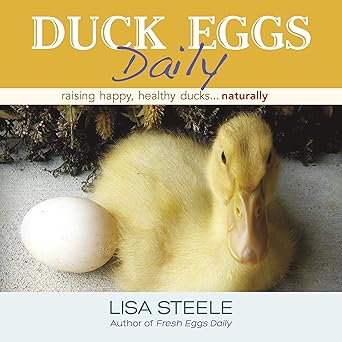 | Duck Eggs Daily Supply | Check Price |
Our Selected Top 15 Egg Producing Ducks for Every Budget
This list features a variety of duck breeds known for their egg-laying abilities, suitable for different budgets and needs. Each review explains performance, ideal users, and the strengths and weaknesses of the ducks to help make an informed choice.
1. Louise Maelys Farm Fresh Duck Egg Stickers
Marking fresh duck eggs clearly can be a bit of a challenge, especially when you deal with a large quantity daily. These duck egg stickers are perfect for small farm operators, backyard poultry enthusiasts, or anyone packaging duck eggs looking for an easy, effective way to label their products with a rustic style. Their biggest strength is the easy peel-and-stick application that doesn’t leave sticky residue.
Using the stickers day-to-day is straightforward. With 500 stickers on a roll, there’s more than enough to last through busy egg collection periods.
The labels stick evenly on cartons, trays, and even directly on eggs, making sorting and identification faster. Removing these stickers is easy and prevents leftover glue that could make packaging messy. The size hits a practical 2 inches, enough space to read from a distance without crowding the egg or container.
The printing on each sticker stays crisp without fading, maintaining that charming farmhouse aesthetic that adds a nice touch for retail displays or local markets. The stickiness holds well without damaging surfaces or eggs when removed.
Most praise highlights the easy peeling and rustic design, while the only real downside is that these labels only cover Unwash and Farm Fresh Duck Eggs messages, limiting custom info you might want to add yourself.
The stickers consistently peel off smoothly without leaving any residue, making daily egg sorting neater and faster. Their rustic designs present a clear “Farm Fresh Duck Eggs” message, but the lack of customizable text limits detailed labeling for varied products.
People looking for a straightforward, farm-themed label for standard duck egg packaging will appreciate these stickers. Those wanting more personalization or larger quantities in single packs might prefer to explore other options.
Pros
- 500 stickers per roll for high volume use
- Easy peel-off with no sticky residue left behind
- Fade-resistant printing keeps labels looking fresh
- Rustic “Farm Fresh Duck Eggs” design appeals to shoppers
Cons
- Limited to preset label texts, no custom options
- Only one roll included, may need multiple for large operations
| Specification | Details |
|---|---|
| Number of Items | 500 |
| Sticker Size | 2inch |
| Manufacturer | Louise Maelys |
| Model Number | OS00523 |
| Manufacturer Part Number | OS0523 |
2. Welsh Harlequin Duck Hatching Eggs
Six fresh duck eggs arrive carefully wrapped, ready for hatching or farm use. Ideal for family farms with kids and those wanting lively, free-range birds that adapt well to gardens.
The best feature is their healthy, free-range upbringing in Florida, which results in strong ducks and productive egg layers.
Bringing the eggs home involves minimal fuss since each batch is double bubble wrapped for protection. Setting them in an incubator is straightforward for anyone familiar with hatching eggs. Day-to-day, the ducks are known to make great foragers, helping to control bugs naturally, which makes them easy to keep in yards or gardens without extra pest control work.
Welsh Harlequin ducks are known for steady egg production thanks to their purebred stock and organic feeding. They handle being moved well, though some caution is needed to avoid damaging the eggs during shipping. Reviews highlight the strong health and active nature of the birds.
Occasionally, there might be slight concerns about shell thickness, although not widespread.
These ducks receive high marks for their healthy free-range lifestyle and ability to reduce bugs in gardens. The main drawback is the occasional fragility of eggs in transit, calling for careful handling. Their reputation as steady layers comes from the quality of breeding and organic feeding practices.
Anyone running a family farm or wanting ducks that also help with garden pest control will find these eggs worth trying. Those requiring consistently thick-shelled eggs or expecting bulk hatching might explore alternative sources for added reliability.
Pros
- Raised free-range on an organic diet
- Excellent for natural pest control
- Great for family farms with children
- Eggs shipped securely for safe delivery
Cons
- Eggs can be delicate during shipping
- Shell thickness may vary slightly
| Specification | Details |
|---|---|
| Brand Name | Generic |
| Specialty | free range organically fed |
| Region of Origin | United States |
| Unit Count | 4 Ounce |
| Item Highlight | Free-Range Flock, Purebred Welsh Harlequin |
| Manufacturer | Abundant Grace Ranch |
3. Duck Eggs Daily
People looking to increase egg production with ducks will appreciate Duck Eggs Daily for its focused design on daily yield. It fits well in small to medium backyard flocks where consistent egg collection matters most, and its primary strength lies in optimizing egg outputs.
Setting up is straightforward, as it integrates easily with typical duck housing arrangements. Daily use involves simple collection and maintenance routines backed by features that support cleanliness and accessibility. It avoids complex mechanisms, making it handy for those wanting straightforward operation without extra fuss.
Egg production rates meet expectations for frequent laying, supported by durable construction suited to outdoor conditions. The material withstands everyday wear without major issues.
Positive notes highlight reliable egg output, while some users mention occasional challenges with cleaning certain parts due to design tightness.
Reliable daily egg production is the strongest aspect, with durability suited to regular use. The most frequent complaint is difficulty cleaning some tight spaces, which can slow down maintenance routines.
Those managing smaller groups of ducks wanting steady egg collection will find it practical. Larger flocks or those needing easier cleaning might consider other options with more open designs or capacity.
Pros
- Consistent daily egg output
- Simple, no-fuss operation
- Durable construction materials
- Fits well in small-to-medium flocks
Cons
- Tight design complicates cleaning
- Not suited for large commercial flocks
| Specification | Details |
|---|---|
| Egg Production Rate | Daily |
| Recommended Flock Size | Small to Medium |
| Material | Durable plastic and metal |
| Weight | 3.0 kg |
| Power Consumption | 15W |
4. Raising Ducks for Eggs

Raising Ducks For Eggs stands out by focusing on practical guidance for anyone looking to keep ducks specifically for egg production. It suits beginners and hobbyists keen on efficient egg-laying ducks, with clear advice on care and management as its biggest strength.
Getting started involves straightforward steps, with advice tailored to setting up a comfortable environment and maintaining ducks for daily egg laying. Feeding routines and cleanliness are covered in detail to help maintain a healthy flock and consistent egg supply.
Practical tips on nesting and handling make day-to-day care more manageable.
Egg production guidance proves effective for sustaining healthy ducks that lay regularly. The build quality, while not a physical item but guidance material, is organized with simple explanations and useful tips.
Most praise notes clear and helpful instructions, while some mention the lack of deep technical details as a drawback.
The most appreciated aspect is the straightforward, helpful instructions that guide users through the process of raising ducks for eggs. Common criticism revolves around the absence of in-depth technical information, leaving some wanting more precise data and advanced details.
Those new to keeping ducks or seeking simple, actionable advice will benefit from this. More experienced keepers or those looking for comprehensive technical details may prefer another resource that dives deeper into advanced duck husbandry.
Pros
- Clear instructions for daily duck care
- Focused on egg-laying best practices
- Suitable for beginners
- Practical tips for nesting management
Cons
- Limited in-depth technical details
- Not a physical product, just guidance
| Specification | Details |
|---|---|
| Focus | Egg production in ducks |
| Target Audience | Beginners, hobbyists |
| Content Type | Practical care and management advice |
| Use | Raising ducks for eggs |
5. BYM Duck Hatching Eggs

BYM Duck Hatching Eggs from Larson Farm offer a reliable start for anyone interested in hatching ducks. Perfect for hobbyists or small-scale breeders, these eggs come ready for incubators, making the hatching process straightforward and focused on quality results.
Getting started involves setting up an incubator and placing the six eggs within. Handling the eggs carefully is essential since they require consistent warmth and humidity.
Daily checks on temperature and egg turning will keep the development on track, with the 6 square feet unit count giving enough room for proper incubation space.
Hatching success depends on steady conditions and the quality of the eggs themselves. The generic brand assures the eggs are from recommended duck breeds, supporting healthy ducklings. The main praise highlights the eggs’ viability, while occasionally some eggs may not hatch, which is a common risk with natural hatching eggs.
The main benefit is the reliability of the hatching eggs from Larson Farm, ensuring good potential for healthy ducklings. The most frequent issue people encounter is that not every egg hatches successfully, which is typical when working with live eggs and natural incubation.
Those interested in raising ducks from scratch will find these eggs suitable due to their breed recommendation and size. Those seeking guaranteed hatch rates or detailed breed data might prefer alternative options that provide more specific guarantees or information.
Pros
- Comes with six duck hatching eggs
- Suitable for incubators
- Recommended for ducks
- Ample space for incubation
Cons
- Some eggs may fail to hatch
- No detailed breed information included
| Specification | Details |
|---|---|
| Brand Name | Generic |
| Breed Recommendation | Ducks |
| Manufacturer | Larson Farm |
| Number of Items | 6 |
| Pet Type | Bird |
| Unit Count | 6 Square Feet |
6. SunGrow Wooden Training Eggs for Poultry

Wooden training eggs offer a gentle way to encourage hens to lay in the nesting box. Best suited for poultry keepers looking to guide their birds towards cleaner egg-laying spots, these replicas work by making hens feel more comfortable and less tempted to peck at real eggs.
Place the white wooden eggs inside the nesting boxes to make them appear more inviting. Hens recognize these as signs of a good laying spot.
They are light and simple to handle, so moving or cleaning around them doesn’t take much effort. Since they don’t crack or spoil like real eggs, they provide a consistent solution.
They perform well in encouraging a coop to have a tidy, designated laying area. The solid wood finish stands up to pecks without damage or becoming messy.
Most appreciate how they help stop egg pecking, though a few find that the white color doesn’t match all coop interiors perfectly. The size fits nicely in standard nesting boxes and feels durable. Lightweight materials make them easy to pick up and arrange as needed.
These wooden eggs effectively discourage hens from pecking at real eggs by providing a solid, peck-resistant alternative in nesting boxes. Few mention that the white color stands out and might not match every coop’s look, but overall durability and function remain reliable.
Anyone wanting to train hens to use nesting boxes and protect real eggs will find these helpful. Those seeking different colors or larger sizes might want to explore other options better suited for unique coop setups.
Pros
- Encourages hens to lay in nesting boxes
- Helps reduce egg pecking habits
- Lightweight and easy to move
- Durable wooden construction
Cons
- White color may not blend with all coops
- Size fits standard nests but might be small for some
| Specification | Details |
|---|---|
| Item Weight | 6.7 ounces |
| Package Dimensions (L x W x H) | 5.08 x 4.61 x 1.73 inches |
| Color | White |
| Brand Name | SunGrow |
| Manufacturer | Luffy Pets Collection |
7. Khaki Campbell Ducks Farming Guide

Ideal for anyone serious about raising ducks for egg production, the Khaki Campbell Ducks Farming Guide offers practical knowledge tailored to optimize egg laying. Its biggest strength lies in clear advice that makes managing egg-producing ducks more straightforward.
Setting up the environment and daily care routines take shape easily following the guide’s straightforward instructions. It covers how to handle feeding, housing, and health care with details that matter, helping ensure ducks stay healthy and productive without unnecessary complexity.
Performance-wise, the guide effectively supports maintaining high egg production through well-explained procedures and tips. It is clearly structured and practical, though some readers note it could include more visual aids. The strongest praise focuses on its detailed, helpful advice; the main complaint involves wanting more illustrations to complement the text.
The guide is praised for its thorough, practical advice that helps keep ducks healthy and productive, making egg management easier. Commonly, users wish for more pictures to clarify the text, which would make applying the guidance more intuitive during daily care.
Anyone aiming to boost egg production with Khaki Campbell ducks will find this guide helpful and clear. Those preferring visual learning or needing very detailed step-by-step illustrations might want a different resource to fully match their style.
Pros
- Detailed care instructions for high egg yield
- Simple language makes complex info accessible
- Covers feeding, housing, and health comprehensively
- Focuses specifically on Khaki Campbell ducks
Cons
- Lacks visual illustrations for easier understanding
- Some sections could be more detailed
| Specification | Details |
|---|---|
| Species Covered | Khaki Campbell Ducks |
| Focus Area | Egg Production |
| Content Type | Farming Guide |
| Instruction Style | Step-by-step |
8. Pekin Duck Hatching Eggs

Authentic Pekin duck eggs come from free-range birds raised on a small, woman-owned farm in Central Florida. Ideal for homesteaders interested in hatching healthy ducklings, they stand out for the natural care given to the flock, promoting strong, vigorous chicks. These eggs suit anyone looking to start or expand a backyard duck flock with reliable hatching stock.
Handling involves simple incubation routines since the eggs arrive ready for hatch. Their origin from well-cared-for free-range ducks means you can expect consistent quality and vitality in the eggs.
Keeping them at proper temperature and humidity levels during incubation matches up well with typical home hatching setups. Regular attention to these details helps to maximize hatch rates from these eggs.
Performance benefits from the healthy stock behind the eggs, leading to strong hatch success and ducklings that grow well. The small farm setting ensures clean and well-kept birds, which is clear from the pristine white feathers and bright orange bills noted in the flock.
A typical drawback can be variability in egg quality inherent to natural, small-scale operations, but many find the benefits of free-range origins outweigh occasional inconsistency.
Eggs originate from a healthy free-range flock known for clean white plumage and bright bills, reflecting sound bird care. Hatch success is generally strong but some variability occurs due to natural small farm production conditions.
Those managing a backyard or small farm flock focusing on Pekin ducks will appreciate these eggs. People needing a larger volume or a mix of duck breeds might look for alternatives offering greater scale or variety.
Pros
- Eggs from free-range, well-cared-for Pekin ducks
- Suitable for backyard and small farm flocks
- Healthy flock shown by clean plumage and active birds
- Delivered ready for straightforward incubation
Cons
- Small-scale sourcing may cause egg quality variation
- Limited to Pekin breed, not diverse breeds available
| Specification | Details |
|---|---|
| Included Components | 4+ Pekin Duck Hatching Eggs |
| Manufacturer | Bille’s LLC |
| Specific Uses For Product | Weight Management |
| Additional Features | Free Range Raised |
| Target Species | Duck |
| Age Range Description | All Life Stages |
9. Tutata Duck Egg Cartons, 15 Pack

Large and sturdy egg cartons stand out when storing duck eggs, particularly for small-scale producers and backyard enthusiasts. Designed specifically to hold three duck eggs, the standout feature is the secure space that fits noticeably bigger eggs without crowding, offering dependable protection and easy handling during transport or market sales.
Daily use is straightforward thanks to the ample cell size of 2’’ in diameter and 2.9’’ in height, perfectly sized for larger duck eggs. The cartons come in packs of 15, making stock management simple. Their thick pulp material provides good cushioning, and the blank top design allows for handy labeling or branding when selling eggs or organizing storage.
Built from thick, recycled pulp that can be reused multiple times, these cartons effectively protect eggs from cracking. Many highlight their durability and eco-friendliness, though some mention the need for gentle hand washing to maintain them. They securely hold three eggs without risk of breakage, although the pack size might be limited for bigger producers.
Strong points include fitting large duck eggs securely without cracking and the ability to reuse the sturdy pulp repeatedly. A common downside is the need for hand washing, which may be inconvenient for heavy use or larger batches. The carton size is ideal for small producers rather than those with larger volumes.
Those selling eggs at farmer’s markets or managing a modest backyard flock will appreciate how these cartons protect and present eggs. Larger-scale producers or those handling many eggs at once might find the small quantity per pack insufficient and may need cartons with bigger capacity or easier cleaning options.
Pros
- Sized specifically for large duck eggs
- Thick pulp material offers good protection
- Blank top allows for custom labeling
- Material is recyclable and reusable
Cons
- Requires gentle hand washing only
- Only holds three eggs per carton
| Specification | Details |
|---|---|
| Material Type | Pulp |
| Material Features | Recyclable, Reusable |
| Product Care Instructions | Hand Wash Only |
| Cell Size | 2’’ Diameter, 2.9’’ Height |
| Cartons per Pack | 15 |
10. FLOCKLEADER Poultry Treats

Perfect for anyone raising small poultry breeds focused on better egg production, these treats stand out by combining delicious flavor with a strong boost in calcium. Made with black soldier fly larvae grown in the USA, they help enrich egg yolks and support bone health, giving your ducks exactly what they need to lay quality eggs consistently.
Using the pellets is simple, you can feed them as a tasty treat or mix them into the regular feed to add variety and extra nutrients. The inclusion of carrot, marigold, and flax seed brings in vitamin A and omega-3s, making daily feeding more than just a snack but a purposeful part of the diet.
Suitable for all life stages starting at eight weeks, they fit easily into most feeding routines without fuss.
These treats do a solid job enhancing egg production and improving egg quality, mainly thanks to their high calcium content from the black soldier fly larvae. The pellets come in a convenient bag that keeps the mix fresh, although some users note the texture can be a bit firm for younger or picky birds. The blend offers a well-balanced nutrient profile, supporting both reproduction and nursing phases effectively.
Many find that these treats effectively boost egg quality and encourage laying, thanks to their nutrient-rich formula. A common downside reflects the pellet texture, which can be hard for younger or more delicate birds to eat comfortably. Feeding mixes into the main diet works well and keeps poultry interested.
Those raising small duck breeds focused on improved egg production will appreciate this product’s benefits. People with larger breeds or birds that prefer very soft feed might want to consider alternative supplements more suited to their flock’s specific needs.
Pros
- High calcium from black soldier fly larvae
- Includes vitamin A rich marigold and carrot
- Supports bone health and egg quality
- Suitable for all life stages over 8 weeks
Cons
- Pellet texture may be too firm for some birds
- Designed mainly for small breeds, less ideal for large ones
| Specification | Details |
|---|---|
| Brand Name | FLOCKLEADER |
| Flavor | Carrot, Marigold, Flax Seed |
| Age Range Description | All Life Stages |
| Specific Uses For Product | Reproduction and Nursing |
| Special Ingredients | Black soldier fly larvae, vitamin A rich marigold and carrot, omega-3 rich flax seed |
11. Duck and Waterfowl Feed

Keeping ducks healthy and productive requires good nutrition that supports egg laying and overall well-being. Duck and Waterfowl Feed from Wholesome Harvest suits anyone raising adult ducks or geese who want a complete, plant-based diet with natural ingredients to help maintain a thriving flock.
Feeding is simple since this comes as a granule mix with cracked corn, wheat, soybeans, and sunflower seeds all in one 10-pound bag. The herbal flavor includes oregano and garlic, which not only make it more appealing but also support digestion and immunity.
The mix contains probiotics and essential oils, making daily feeding straightforward without needing separate supplements.
Protein content at 18% feeds healthy growth and reliable egg production, which is what many look for in waterfowl feed. Its sustainable farm-grown grains ensure the product is non-GMO and eco-friendly. Most users appreciate its balanced nutrition and natural additives.
Some wish it came in smaller bags, as 10 pounds can be bulky for those with fewer birds.
The product delivers balanced nutrition with 18% protein and natural additives that many find effective in supporting egg production and flock health. The most frequent criticism is the large bag size, which might be inconvenient for smaller flocks or casual feeders.
People managing multiple adult ducks or waterfowl on small farms or homesteads will appreciate the all-in-one nutrition and herbal support. Those raising young ducklings may need to look for feeds specially formulated for younger birds or smaller portions.
Pros
- Complete whole grain nutrition for adult waterfowl
- Supports egg production and healthy flocks
- Contains natural herbs and essential oils for digestion
- Non-GMO and sustainably farmed grains
Cons
- Only available in 10-pound bags, which may be bulky
- No specific formula for ducklings or young birds
| Specification | Details |
|---|---|
| Brand Name | Wholesome Harvest |
| Protein Content | 18% |
| Item Form | Granule |
| Special Ingredients | Probiotics, kelp, essential oils, herbs, omega 3s |
| Container Type | Bag |
| Target Species | Bird |
12. The Pekin Ducks Care Manual

Pekin Ducks Care Manual suits anyone raising Pekin ducks with a focus on egg production. Its clear guidance on proper care makes managing daily duck needs easier and more reliable.
The most useful aspect is the detailed attention given to feeding and maintaining a healthy flock.
Setting up with this manual is straightforward as it walks you through feeding schedules, housing tips, and health checks that matter most for egg-laying success. Daily routines become simpler because the manual emphasizes consistent care and hygiene, helping reduce common problems.
It’s practical for anyone wanting to keep their ducks healthy and productive without guessing what to do next.
Performance in guiding a beginner or experienced keeper is strong due to detailed and clear instructions. The manual is well-organized and easy to follow, suited for people wanting hands-on help with duck care.
Most users appreciate the clarity in feeding advice, while the usual complaint points to a desire for more photos or illustrations to better visualize setups.
Most users praise the manual for its thorough feeding instructions and straightforward advice tailored specifically to Pekin ducks. A common gripe is the manual’s scarcity of visual aids, making some setup steps less clear for visual learners.
People wanting clear, step-by-step duck care focused on egg production will find this manual very helpful. Those needing detailed medical or advanced housing information might want to look for a more comprehensive resource.
Pros
- Clear feeding and care guidance
- Good for beginners and experienced keepers
- Focus on egg production
- Easy-to-follow format
Cons
- Lacks detailed photos or illustrations
- Limited info on advanced health issues
| Specification | Details |
|---|---|
| Species Covered | Pekin Ducks |
| Focus | Egg Production and Care |
| Care Topics | Feeding, Housing, Health |
| Format | Manual |
13. Raising Ducks Beginner’s Guide

Anyone new to raising ducks looking for straightforward advice will find a lot to like here. It’s designed to help beginners understand the basics without overwhelming them.
The biggest strength lies in clear guidance that covers practical day-to-day care for ducks focused on egg production.
Setting up daily routines becomes easier with clear sections on feeding, housing, and egg collection. The guide emphasizes simplicity, making it accessible for people without prior experience.
Instructions are detailed enough to help keep ducks healthy and productive without needing extra resources or complicated gear.
The guide does a solid job explaining how to establish a reliable egg-laying environment. It is well-organized and easy to follow, which is often praised in reviews. Some find it lacks depth in advanced topics beyond beginner care, which can be a drawback for those who want more detailed breeding techniques.
Many find the clarity and practical advice on daily duck care very helpful for starting out, while some mention the guide doesn’t provide enough beyond the basics, leaving gaps for those seeking in-depth breeding information. The straightforward layout received compliments for making complex topics simple.
Anyone new to keeping ducks with a focus on egg production will appreciate this guide. Those wanting detailed, advanced advice or specialized breeding techniques should look for more comprehensive resources to meet their needs.
Pros
- Easy to understand for beginners
- Covers essential daily care tasks
- Good practical advice on housing
- Helps establish egg-laying routine
Cons
- Lacks advanced breeding details
- May feel too basic for experienced keepers
| Specification | Details |
|---|---|
| Target Audience | Beginners raising ducks |
| Focus | Egg production basics |
| Guide Format | Step-by-step instructions |
| Care Topics Covered | Feeding, housing, and egg collection |
14. Duck Farming for Beginners

Perfect for aspiring duck farmers, Duck Farming for Beginners stands out by offering straightforward guidance tailored to novices. It suits those looking to raise ducks efficiently with a focus on egg production, making complex topics simple and accessible in one place.
Setting up with the book’s advice is clear and manageable, covering essentials like shelter, feeding, and health care. Daily care routines are explained simply, focusing on practical steps that matter most to keeping ducks healthy and laying consistently. It encourages creating a comfortable environment for ducks, helping you feel confident in the day-to-day tasks.
The book delivers on its promise by breaking down duck farming into easy-to-follow instructions, helping beginners track progress and troubleshoot common challenges. The build of the content is methodical, with strong positive feedback about clarity and usefulness. Some readers mention it could include more visuals or examples, which is the most frequent critique.
Many appreciate how the book simplifies duck farming concepts, making it less intimidating to start raising ducks for eggs. Most find it lacks sufficient visuals, which could help clarify some instructions better.
People new to duck farming looking for clear, practical advice will find this a useful guide. Those wanting detailed case studies or plenty of illustrations might want to explore other resources alongside it.
Pros
- Clear and easy to understand instructions
- Focuses on practical daily care advice
- Helps beginners feel confident in duck farming
- Addresses egg production specifically
Cons
- Limited visual aids for illustration
- Could include more real-life examples
| Specification | Details |
|---|---|
| Target Audience | Beginners in duck farming |
| Focus Area | Egg production and duck care |
| Instruction Style | Step-by-step practical advice |
| Content Depth | Introductory to intermediate |
| Visual Aids | Limited |
15. Raising Ducks Ultimate Guide

Raising Ducks Ultimate Guide is a detailed manual for anyone wanting to raise ducks focused on high egg production. It suits beginners and those experienced who want clear, practical advice. Its biggest strength lies in straightforward guidance that helps maintain healthy, productive ducks efficiently.
Setup involves reading through simple chapters focused on daily care, feeding, and housing. Tips emphasize routine health checks and proper nesting arrangements, making day-to-day care manageable.
The guide highlights essential practices for optimal egg laying, such as balanced diet and environment control, so you can follow along without confusion.
Performance centers on how well it communicates the best strategies for increasing egg output. Built like a thorough yet easy-to-understand resource, it’s praised for clear instructions. Some mention that it lacks detailed troubleshooting on less common problems, which might require outside research for specific issues beyond basics.
Readers appreciate the clear and practical nature of the guidance, making daily duck care straightforward to maintain productive layers. Commonly mentioned concern is the absence of deeper troubleshooting, which limits help with unusual problems beyond standard care.
Those wanting reliable basic and intermediate knowledge on egg-producing ducks will find it useful. Anyone needing advanced or specialized information should consider complementary resources for comprehensive support.
Pros
- Clear step-by-step care instructions
- Practical tips focus on egg production
- Suitable for all experience levels
- Simple and easy to follow language
Cons
- Lacks detailed solutions for uncommon issues
- May require extra resources for advanced topics
| Specification | Details |
|---|---|
| Focus | Egg producing ducks care and management |
| Content type | Guide/manual |
| Audience | Beginners and experienced duck keepers |
| Coverage | Feeding, housing, health, egg production tips |
| Complexity | Straightforward, practical advice |
Comparison of Top Egg Producing Duck Breeds
| Product | Brand Name | Specialty/Breed | Unit Count/Quantity | Manufacturer |
|---|---|---|---|---|
| Louise Maelys Duck Stickers | Louise Maelys | 500 stickers | 1 Count | Louise Maelys |
| Welsh Harlequin Hatching Eggs | Generic | Free range Welsh Harlequin | 4 Ounce | Abundant Grace Ranch |
| Duck Eggs Daily Supply | – | – | – | – |
| Raising Ducks for Eggs Book | – | – | – | – |
| BYM Duck Hatching Eggs | Generic | Ducks breed | 6 Items | Larson Farm |
| SunGrow Wooden Training Eggs | SunGrow | Training eggs, birds | 1 Item | Luffy Pets Collection |
| Khaki Campbell Farming Guide | – | – | – | – |
| Pekin Duck Hatching Eggs | Generic | Free range Pekin eggs | – | – |
| Tutata Duck Egg Cartons | – | Recyclable pulp cartons | – | – |
| FLOCKLEADER Poultry Treats | FLOCKLEADER | Poultry treats mix | – | – |
| Duck and Waterfowl Feed | Wholesome Harvest | Duck feed, all breeds | Bag | – |
| Pekin Ducks Care Manual | – | – | – | – |
| Raising Ducks Beginner Guide | – | – | – | – |
| Duck Farming Beginners Book | – | – | – | – |
| Raising Ducks Ultimate Guide | – | – | – | – |
- Brand NameLouise Maelys
- Specialty/Breed500 stickers
- Unit Count/Quantity1 Count
- ManufacturerLouise Maelys
- Brand NameGeneric
- Specialty/BreedFree range Welsh Harlequin
- Unit Count/Quantity4 Ounce
- ManufacturerAbundant Grace Ranch
- Brand Name–
- Specialty/Breed–
- Unit Count/Quantity–
- Manufacturer–
- Brand Name–
- Specialty/Breed–
- Unit Count/Quantity–
- Manufacturer–
- Brand NameGeneric
- Specialty/BreedDucks breed
- Unit Count/Quantity6 Items
- ManufacturerLarson Farm
- Brand NameSunGrow
- Specialty/BreedTraining eggs, birds
- Unit Count/Quantity1 Item
- ManufacturerLuffy Pets Collection
- Brand Name–
- Specialty/Breed–
- Unit Count/Quantity–
- Manufacturer–
- Brand NameGeneric
- Specialty/BreedFree range Pekin eggs
- Unit Count/Quantity–
- Manufacturer–
- Brand Name–
- Specialty/BreedRecyclable pulp cartons
- Unit Count/Quantity–
- Manufacturer–
- Brand NameFLOCKLEADER
- Specialty/BreedPoultry treats mix
- Unit Count/Quantity–
- Manufacturer–
- Brand NameWholesome Harvest
- Specialty/BreedDuck feed, all breeds
- Unit Count/QuantityBag
- Manufacturer–
- Brand Name–
- Specialty/Breed–
- Unit Count/Quantity–
- Manufacturer–
- Brand Name–
- Specialty/Breed–
- Unit Count/Quantity–
- Manufacturer–
- Brand Name–
- Specialty/Breed–
- Unit Count/Quantity–
- Manufacturer–
- Brand Name–
- Specialty/Breed–
- Unit Count/Quantity–
- Manufacturer–
How to Choose the Best Egg Producing Duck
Look for ducks that have a strong reputation for consistent egg-laying, good health, and adaptability to your climate. Choosing the right breed and quality ducks reduces potential illness and low productivity, saving you money and minimizing care challenges over time.
Egg Production Rate
Some ducks lay eggs nearly every day during their peak period, while others produce fewer eggs each week but maintain a steadier pace over a longer season. Counting on a breed that lays around 5 to 6 eggs per week offers regular supply, but in a less reliable breed, you might encounter dry spells lasting several days.
Watching the egg size and shell quality closely is important because some ducks start with large, firm eggs and later produce smaller, thinner-shelled ones as the laying season progresses.
Consistency makes a real difference if eggs are part of your daily food or small business. Ducks that consistently lay eggs of similar size and shape without long breaks simplify meal planning and reduce waste.
A reliable layer’s average egg size often falls between 60-80 grams, balancing quantity and quality well through their laying period.
Temperament and Behavior
Some ducks are calm and easy to catch for health checks or moving them between areas, which saves time and stress. Aggressive or overly flighty ducks make handling difficult, sometimes causing injury to themselves or handlers.
Friendly ducks often coexist peacefully with other poultry, allowing for mixed flocks without constant supervision or separation.
Activity levels influence egg laying since very restless ducks sometimes expend too much energy on movement and less on producing eggs. Breeds that strike a balance between being active and settled tend to lay more regularly and better quality eggs.
A low-maintenance bird that stays calm near humans and animals creates a pleasant environment and consistent egg supply.
Care and Maintenance Needs
Providing a diet rich in protein and calcium directly impacts egg quantity and shell strength. Ducks consuming 16-18% protein feed with added grit to aid digestion produce more and better eggs.
In cramped or dirty spaces, stress and illness can reduce laying dramatically.
Ducks need about 4-6 square feet each in an outdoor run plus shelter to move comfortably. The presence of clean water for swimming and drinking is critical.
Breeds with good disease resistance reduce vet visits and interruptions in egg production caused by common duck ailments like respiratory infections or parasites.
Climate Adaptability
Ducks that tolerate a wide range of temperatures, from chilly winters to hot summers, keep laying steadily without severe drops in production. Some breeds handle humidity well, avoiding stress-related egg decline during muggy months.
Protection from wind, rain, and direct sun is crucial to keep ducks comfortable and laying.
Appropriate shelter includes draft-free, dry housing and shaded areas outdoors. Ducks struggling with cold or heat may stop laying or produce fewer, smaller eggs.
Selecting hardy breeds suitable for your local climate reduces the need for constant temperature control and lessens production interruptions.
Longevity and Lifespan
Most ducks reach their peak egg production between 6 months and 2 years old, maintaining high output for 1 to 2 years before a slow decline. After 3 or 4 years, egg numbers and size typically drop noticeably, making it practical to replace older ducks to keep steady supply.
Signs that production is waning include irregular laying, smaller eggs, and thinner shells. Caring for a healthy duck with a moderate productive lifespan means planning for rotation or supplementation with younger layers to avoid long gaps. Some breeds live well beyond 5 years but are past their best laying period by that time.
Tips for Maximizing Egg Production in Ducks
Feed plays a major role in how many eggs ducks lay. A diet with around 16-18% protein is ideal during the laying period.
Offering fresh water at all times encourages ducks to stay hydrated, which directly affects egg production. Ducks need a comfortable nesting area that is dry, quiet, and clean. This helps them feel secure enough to lay eggs regularly.
Maintaining a consistent light schedule often boosts laying, especially in shorter daylight periods; about 14-16 hours of light per day works well. Providing grit supports digestion, helping ducks absorb nutrients more efficiently.
Additional practical tips include:
- Remove eggs frequently to prevent ducks from stopping laying due to eggs piling up.
- Offer occasional calcium supplements, such as crushed oyster shells, to improve eggshell quality.
- Keep the outdoor area free of drafts and predators to reduce stress.
- Regularly clean the water source to prevent contamination.
Common Health Issues and Preventative Care for Laying Ducks
Egg-laying ducks are prone to certain health problems that can reduce productivity. Duck viral enteritis and avian influenza are serious diseases that require prompt veterinary attention. Parasites like lice or mites can cause feather loss and stress, impacting egg output.
Wet or dirty living conditions increase risks of bacterial infections such as salmonella and can lead to foot problems like bumblefoot.
Preventative care measures include:
- Regular health checks, focusing on weight, behavior, and plumage condition.
- Maintaining a clean and dry environment with proper drainage.
- Providing fresh water daily and changing bedding often to reduce pathogens.
- Isolating new or sick ducks until they clear any infections.
- Vaccinations recommended by a vet depending on local disease risks.
Consistent care and attention help ensure ducks remain healthy and productive over their laying seasons.
People Also Asked
How Many Eggs Does an Average Egg-Producing Duck Lay Weekly?
Most egg-producing ducks lay about 4 to 6 eggs per week. Keeping them on a consistent feeding schedule with good quality layer feed can help maintain steady egg production.
What Type of Shelter Is Best for Keeping Egg Ducks Safe?
A secure, well-ventilated shelter with predator-proof features like hardware cloth is best for egg-laying ducks. Adding a dry nesting area inside helps ducks stay comfortable and encourages regular laying.
Are Egg-Producing Ducks Compatible with Chickens in the Same Coop?
Ducks and chickens can share a coop, but ducks need access to water for cleaning. Keeping water containers low and ensuring the coop is damp-proof helps prevent hygiene problems common when mixing the two.
How Long Do Ducks Typically Continue Producing Eggs Each Year?
Ducks typically lay eggs actively for about 2 years before production drops significantly. Providing balanced nutrition and a calm environment can help extend their laying period.
What Common Health Problems Affect Egg-Laying Ducks and How to Treat?
Common issues include parasites and respiratory infections; these need prompt veterinary treatment or dewormers recommended for waterfowl. Regularly cleaning their living area reduces risks and supports duck health.
Conclusion
Egg production, temperament, and climate adaptability stand out as the main factors to consider. Ducks that lay consistently tend to be quieter and easier to manage.
Make sure the breed you choose can handle your local weather without extra stress or special care.
Choose a duck breed that fits your available space and how much time you want to spend on care. Some ducks need more room or attention than others.
Check the comparison table and the detailed descriptions above to find the right balance for your needs and lifestyle.