Top 15 Best Grass from Seed Hacks You Can’t Miss Today
Trying to grow a healthy lawn often starts with choosing the best grass from seed, but many people end up frustrated with patchy or weak growth after planting. Using low-quality seed or the wrong type for your climate and soil can lead to bare spots, slow germination, and vulnerability to weeds or disease. These common problems make it clear why selecting the right seed formula is crucial for getting a lush, durable lawn.
The best grass seeds have a high germination rate, usually above 80 percent, ensuring new shoots quickly fill in bare areas. Seed size and blend also matter; smaller seeds tend to establish faster while mixes containing different types of grass can adapt better to varying sunlight and moisture conditions.
Quality seed should be free from weed seeds and insect damage, increasing the chances of a strong, consistent lawn that holds up through changing seasons.
Need a Quick Check?
| Image | Product | Price |
|---|---|---|
Our Top Picks 1 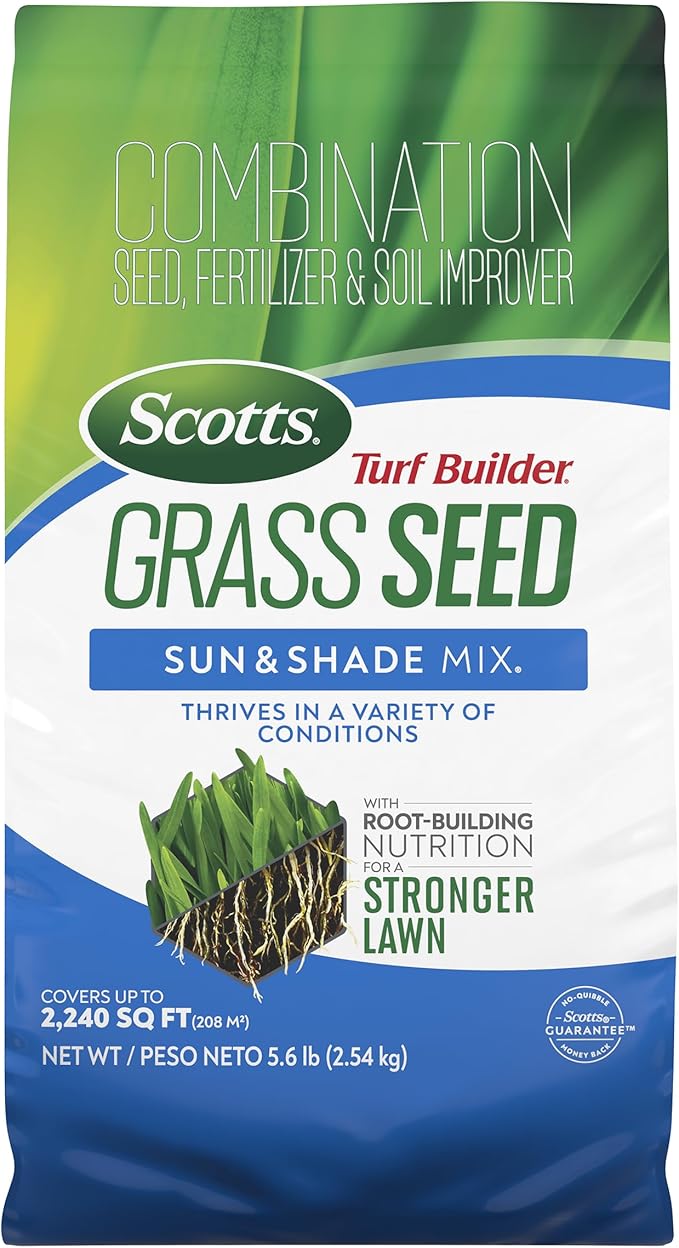 | Scotts Turf Builder Sun & | Check Price |
Our Top Picks 2  | Scotts Turf Builder Fall Mix | Check Price |
Our Top Picks 3  | Scotts Bermudagrass Seed | Check Price |
Our Selected Top 15 Grass from Seed Worth Considering
This list features a variety of grass seed options suited for different climates and uses. Each entry explains how well it grows, who it’s ideal for, and highlights its main advantages and disadvantages to help you make an informed choice.
1. Scotts Turf Builder Grass Seed Sun & Shade Mix
Growing a lawn that handles both sun and shade zones can be tricky, especially when aiming for thick, green grass. Scotts Turf Builder Grass Seed Sun & Shade Mix works well for homeowners wanting a resilient, vibrant lawn in varied lighting conditions thanks to its specialized root-building nutrients.
Preparing the soil and spreading the seed is straightforward with the included fertilizer and soil improver, making setup simple. Regular watering is necessary to keep the seed moist while it establishes. The mix of grass types adapts well across areas that receive full sun or moderate shade, helping maintain a consistent look around the yard.
Combining Kentucky bluegrass, perennial ryegrass, and several fescues, the product grows into a medium drought-tolerant lawn that balances durability with a lush feel. It’s designed for outdoor use in USDA Hardiness Zone 5. Most appreciate how thick and green the grass becomes, but some note it needs regular watering and care to perform at its best.
Most users appreciate how the seed grows into thick, green grass that holds up in sun and shade. A common drawback is the seed requires regular watering to establish well, which means more active lawn care is needed at first.
People looking for a lawn mix to cover different light exposures and willing to maintain it with watering will find this works well. Those seeking a lower-maintenance or drought-proof option might consider other specialized blends.
Pros
- Handles both sun and moderate shade areas well
- Includes fertilizer and soil improver with seed
- Supports deep root growth for durability
- Good mixture of grass types to suit various conditions
Cons
- Needs consistent watering during establishment
- Performance limited to USDA Zone 5 and similar climates
| Specification | Details |
|---|---|
| Sunlight Exposure | Full Sun |
| Expected Planting Period | Spring |
| USDA Hardiness Zone | 5 |
| Moisture Needs | Regular Watering |
| Seed Treatment Method | Scotts Spreader |
| Other Features | Medium Drought Tolerant |
2. Scotts Turf Builder Grass Seed Fall Mix
Designed for planting in the fall, this grass seed mix helps grass establish quickly before the first frost. It suits those looking to seed a new lawn or overseed an existing one, particularly in areas with full sun or light shade.
Its strongest feature is the combination of Kentucky bluegrass, perennial ryegrass, and creeping red fescue all in one bag.
Seeding with this mix involves spreading it over your lawn in the fall, when conditions are ideal for germination. The included root-building nutrition supports stronger growth, making it easier to achieve a thick lawn. Since it’s meant for outdoor use on lawns with full sun or partial shade, you only need to prepare the soil and water regularly, especially as drought resistance is low.
The grass seed blend performs well in establishing a medium-durable lawn that thrives mainly in fall. It’s quick to get started, thanks to the root-building nutrition and seed variety. Most praise is for how quickly it fills in bare spots before frost arrives.
The common complaint is its low tolerance to drought, meaning it won’t hold up in very dry conditions without extra care.
Growth happens fairly fast before frost thanks to the seed variety and nutrients, forming a lawn that looks solid early in the cold season. Users find the drought resistance low, meaning frequent watering is essential, especially during dry spells.
People with lawns that get enough water and sunlight will appreciate the mix’s quick growth and coverage. Anyone in a particularly dry region or needing a highly durable lawn would want to look for a more drought-resistant or tougher seed mix.
Pros
- Quick establishment before first frost
- Includes root-building nutrients
- Suitable for full sun and light shade
- Combines three grass seed types
Cons
- Low drought resistance requires frequent watering
- Medium durability may need overseeding eventually
| Specification | Details |
|---|---|
| Indoor Outdoor Usage | Outdoor |
| Sunlight Exposure | Full Sun |
| Expected Planting Period | Fall |
| Expected Blooming Period | Fall |
3. Scotts Turf Builder Bermudagrass Seed
Gardeners living in sunny, hot climates looking to grow a tough and drought-resistant lawn will appreciate how this seed stands up to heat. Its biggest strength lies in its ability to support deep root growth while thriving under full sun conditions, making it ideal for new lawns and overseeding projects during spring or early summer.
Setting it up means spreading the seed in late spring or early summer, when the soil and weather conditions best encourage germination. It comes with a blend that includes fertilizer and soil improver, so it helps establish strong roots without needing extra products right away.
The seed thrives best in loam soil exposed to full sun, and it can cover between 330 square feet for new lawns or up to 1,000 square feet when overseeding.
Growth is steady and reliable with this bermudagrass seed, thanks to its high drought resistance and durability in bright sun. It grows to about 2 inches tall, creating a thick, green lawn.
The strongest point noted is its remarkable resilience to heat and drought, building a lawn that holds up well. Common comments mention that it needs full sun and proper soil to do well, limiting its use in shadier or poorly drained areas.
Strong drought tolerance and root nutrition combine to create a lawn that grows well in heat and sun. Most common concern is that it does not perform well outside full sun or in soil other than loam, which limits where it can be used effectively.
People with sunny yards and loam soil will find it a solid choice for building a durable lawn. Those with shaded gardens or different soil types should consider alternatives better suited to those conditions.
Pros
- High drought resistance suits sunny climates
- Root-Building Nutrition promotes stronger roots
- Covers large areas for both new and existing lawns
- Designed specifically for full sun environments
Cons
- Not suitable for shady or low-sun areas
- Requires loam soil for best results
| Specification | Details |
|---|---|
| Sunlight Exposure | Full Sun |
| Expected Planting Period | Spring |
| Expected Plant Height | 2 inches |
| Soil Type | Loam Soil |
| New Lawn Coverage | 330 sq. ft. |
| Overseeding Coverage | 1,000 sq. ft. |
4. Pennington Kentucky 31 Tall Fescue Grass Seed

Pennington Kentucky 31 Tall Fescue Grass Seed is known for its adaptability to both sun and medium shade, making it suitable for various lawn conditions. It stands out for covering up to 4,000 sq.
ft., providing good value for anyone looking to seed a large area with durable tall fescue grass.
Planting this seed is straightforward, best done in spring to match its natural blooming period from spring to summer. It thrives in clay soil and needs regular watering for proper growth.
The seed is coated, which helps with even distribution and easier handling during sowing. It prefers 4 to 8 hours of sunlight, so planning your lawn area accordingly is important for the best outcomes.
This grass seed grows to about 3 inches tall and fares well in USDA hardiness zones 1 through 8, covering a wide range of climates. It does a solid job of establishing a lawn with good density and durability, handling sun and shade well.
Some find the growth a bit slower initially, but it eventually fills in nicely, making it a reliable choice for mixed light environments.
Coverage area and adaptability to different light conditions are strong points, but some find the early growth to be slow, requiring patience. Regular watering is necessary to support a healthy lawn, which is an important consideration.
Gardeners with mixed sun and shade areas or clay soil will find this grass seed a solid match. Those expecting a fast-growing lawn might want to explore faster-establishing varieties instead.
Pros
- Works well in full sun to medium shade
- Covers a large area efficiently
- Coated seeds for easier planting
- Suitable for clay soil types
Cons
- Slow initial growth phase
- Needs regular watering to thrive
| Specification | Details |
|---|---|
| Coverage | Up to 4,000 sq. ft. |
| Sunlight Exposure | 4-8 Hours of Sun |
| Expected Plant Height | 3 inches |
| Soil Type | Clay Soil |
| Expected Planting Period | Spring |
| USDA Hardiness Zone | 1, 2, 3, 4, 5, 6, 7, 8 |
5. Pennington Annual Ryegrass Seed

Pennington Annual Ryegrass Seed is designed for quick green coverage, making it perfect for overseeding southern lawns during winter. It works well for lawns with 6 to 8 hours of sunlight and offers fast germination that brightens up warm-season grasses like Bermuda and Zoysia.
Setup involves planting the seed in spring for best results, requiring moderate watering to keep it moist without overdoing it. The coated seed helps with even distribution, and it establishes quickly, usually showing color in 3 to 7 days. Regular foot traffic won’t damage the lawn easily, and the grass is disease-resistant, so everyday care is fairly straightforward.
Growth happens fast, producing a green, dense layer that holds up under regular use. The seed fares well across USDA Hardiness Zones 1-12, making it versatile across the country.
The fastest germination is a strong point, though some note that annual ryegrass is temporary, so replanting or a more permanent option might be necessary long-term.
The seed offers quick color and sturdy lawn coverage, especially useful for temporary overseeding in winter. Most praise highlights its fast establishment and durability. On the downside, it is noted that this grass is not permanent and will need replanting or replacement in the long run.
People wanting a seasonal green boost in southern lawns will appreciate this seed, especially those overseeding warm-season grasses. Those seeking a permanent lawn solution should consider other grass types that last year-round without replanting.
Pros
- Fast germination in 3 to 7 days
- Good for overseeding Bermuda and Zoysia
- Holds up well under foot traffic
- Disease-resistant variety
Cons
- Annual ryegrass is temporary cover only
- Requires moderate watering to thrive
| Specification | Details |
|---|---|
| Sunlight Exposure | Full Sun to Light Shade (6-8 hrs sun) |
| Expected Planting Period | Spring |
| Expected Blooming Period | Winter |
| Expected Plant Height | 3 inches |
| USDA Hardiness Zone | 1-12 |
| Moisture Needs | Moderate Watering |
6. Scotts EZ Seed Patch & Repair

Easy to use and designed for patching up bare spots, this seed mix suits anyone wanting a quick lawn fix without much fuss. Its biggest strength lies in combining three types of grass seed plus mulch and fertilizer, making grass repair straightforward for both sunny and shady areas.
Getting started involves prepping the area, spreading the seed evenly, and watering until the soil won’t soak up more. The product covers around 85 square feet per jug, and it thrives best when temperatures stay between 60°F and 80°F without frost.
Having mulch and fertilizer mixed in cuts down on extra steps, making daily lawn care simpler during the planting phase.
The blend of Kentucky bluegrass, perennial ryegrass, and fine fescue gets the job done by filling in bare patches effectively. Reviews highlight how well the grass grows with this mix, though some mention that coverage might feel limited for larger areas.
The product is packaged in a 3.75 lb jug with a practical design for easy application.
Most praise focuses on how quickly and neatly this blend fills in bare patches, especially in mixed sun and shade areas. Common complaints revolve around limited coverage and the need to water carefully during germination to avoid poor seed absorption.
Those with small to medium-sized lawn patches wanting a simple, all-in-one repair option will appreciate this. People needing to seed large lawns might need a product with bigger coverage or multiple jugs to avoid repeated application.
Pros
- Easy application with combined seed, mulch, fertilizer
- Works well in sun and shade conditions
- Covers up to 85 square feet per jug
- Good germination between 60°F and 80°F
Cons
- Might not cover larger lawn areas efficiently
- Needs careful watering until seed absorbs moisture
| Specification | Details |
|---|---|
| Brand | Scotts |
| Model Number | Scotts – 17508 |
| Unit Count | 64 Ounce |
| Coverage | Up to 85 sq. ft. |
| Seed Mix | Kentucky bluegrass, perennial ryegrass, fine fescue |
| Included Components | Seed mix with mulch and fertilizer |
7. Scotts Turf Builder Thickr Lawn Sun & Shade

Great for filling in thin spots, Scotts Turf Builder Thick’R Lawn Sun & Shade suits anyone wanting a thicker, greener lawn with a single product. Its biggest draw lies in combining seed, fertilizer, and soil improver for easy care that boosts lawn density.
Applying it twice a year, in late spring and again during late summer or early fall, fits well into regular lawn routines. The mix works in full sun areas, helping patch up weak grass.
It’s simple to spread over existing lawns where the soil improver and fertilizer help roots develop while grass seed fills bare patches.
It delivers on making lawns up to 50% thicker with proper care, supporting stronger grass through improved soil. Most users appreciate how it fills gaps, while some find results vary depending on the original lawn condition. Setup is straightforward, and the combined formula means fewer separate products to manage.
Many users notice visibly thicker grass and fuller patches after following the recommended twice-yearly application. Complaints often mention the variation in results when starting with very thin or poor lawns, making preparation critical. Combining the three treatments in one helps simplify care routines.
Ideal for homeowners with partly thin lawns in sun-exposed yards seeking an all-in-one solution. Those with shady areas or extremely worn lawns might want to consider seed blends designed specifically for shade or heavier renovation.
Pros
- Combines seed, fertilizer, and soil improver
- Helps up to 50% thicker turf
- Works well in full sun
- Covers thin and weak lawns effectively
Cons
- Results depend heavily on lawn condition
- Limited to full sun exposure
| Specification | Details |
|---|---|
| Sunlight Exposure | Full Sun |
| Coverage | One 10 lb. bag |
| Application Frequency | Late spring and late summer or early fall |
| Type | 3-in-1 grass seed, fertilizer, soil improver |
8. Premium Annual Ryegrass Seed

Annual Ryegrass seed made for quick and reliable lawn coverage, well-suited to gardeners with full sun areas in USDA Hardiness Zone 3. Its biggest strength lies in spreading effectively across up to 10,000 sq. ft., creating a lush green space quickly.
Applying the seed is straightforward on loam soil, needing moderate watering to keep the soil moist for optimal germination. Regular attention to watering ensures seedlings establish well in sunny spots, fitting well into standard maintenance routines without extra effort.
Performance impresses with fast growth that shades out weeds effectively, making it valued for seasonal lawn impact. The premium grade offers consistent seed quality, though some note its annual nature means replanting is required yearly to maintain coverage. Reliably covers large areas but is not a permanent solution.
The seed is praised for producing fast-growing, vibrant grass that quickly covers large areas in sunny spots. A common drawback is its annual nature, meaning users must replant each year to maintain lawn density. It thrives in loam soil with steady watering but won’t withstand neglect.
Ideal for those wanting quick seasonal green coverage over wide spaces and who maintain regular watering schedules. Less suitable for gardeners seeking a permanent lawn or those with shaded or dry conditions.
Pros
- Covers up to 10,000 sq. ft. effectively
- Grows well in full sun conditions
- Hardy across multiple USDA zones
- Good seed quality in premium grade
Cons
- Annual grass requires yearly reseeding
- Moderate watering needed for success
| Specification | Details |
|---|---|
| Weight | 50 lb |
| Coverage | Up to 10,000 sq. ft. |
| Hardiness Zone | 1,2,3,4,5,6,7 |
| Sunlight Exposure | Full Sun |
| Soil Type | Loam Soil |
| Moisture Needs | Moderate Watering |
9. Pennington No Mow Fescue Grass Seed

Low-maintenance growth is the standout feature here, making it ideal for anyone wanting a lawn without constant mowing. It suits those with slopes, hills, or areas challenging to mow, delivering a natural look that stays manageable by flopping to a shorter height on its own.
Start by preparing the soil well, then use a grass seed spreader to scatter the seed evenly. Regular watering is important to keep things growing evenly through spring to fall.
It thrives in outdoor settings with around 4-6 hours of sun per day, needing moderate attention rather than constant care, which fits a relaxed lawn routine perfectly.
Performance centers on how it grows up to 12 inches but naturally lays down to about 6 inches, cutting back on mowing chores significantly. It handles drought and erosion-prone areas with ease, making it reliable for outdoor lawn use across diverse climates in USDA zones 1-12. The mix is praised for its eco-friendliness and time-saving qualities, though some might find the initial watering routine demanding.
The mix consistently grows tall before naturally settling lower, reducing mowing frequency, which many find helpful. Regular watering stands out as a key effort needed to keep the grass healthy and even. The grass adapts well to tough terrain and drought conditions, making it practical for low-maintenance areas.
People looking for a natural, no-mow lawn on slopes or erosion-prone spots will appreciate how it handles those challenges. Those who prefer very short or finely manicured grass might want to consider more traditional seed options instead.
Pros
- Grows up to 12 inches then naturally flops down
- Drought tolerant for easy care on slopes and hills
- Supports sustainable, eco-friendly lawn care
- Simple seeding process with clear instructions
Cons
- Needs regular watering to maintain uniform growth
- May not suit those wanting shorter, manicured lawns
| Specification | Details |
|---|---|
| Expected Plant Height | 12 inches |
| Sunlight Exposure | 4-6 Hours of Sun Per Day |
| Expected Planting Period | Fall |
| Moisture Needs | Regular Watering |
| USDA Hardiness Zone | 1-12 |
| Indoor Outdoor Usage | Outdoor |
10. Pennington Smart Seed Dense Shade Mix

Perfect for shady lawns, Pennington Smart Seed Dense Shade Mix grows thick, green grass with minimal sunlight. Designed for areas getting just 2 to 6 hours of sun, it suits homeowners struggling with bare spots under trees or near buildings.
Its biggest strength lies in combining grass seed with fertilizer for a healthier lawn boost right from the start.
Applying the seed in spring is straightforward thanks to the all-in-one seed and fertilizer pack. The coated seed helps with even distribution, and the mix stabilizes in sandy soils with moderate watering needs. It holds up well in moderate traffic areas and demands less water over time, which is useful during warmer months.
The seed mix includes Kentucky Bluegrass, Perennial Ryegrass, and Tall Fescue, all suited to low-light conditions.
Performance matches the expectations for shady spots, producing a dense, disease-resistant turf that handles foot traffic without bare patches. Grass height hovers around 3 inches, creating an attractive, manageable lawn. The strongest praise highlights its water-saving advantage compared to ordinary seeds.
Some complaints focus on the need for consistent moisture early on and slower coverage in heavy shade.
The mix is praised for helping lawns save water and remain healthy in shady areas, but it demands steady watering when newly planted and may establish slowly in deep shade. Users often notice improved lawn density after patience with slower early growth. Its coating helps spread and protect seeds, improving germination chances in difficult spots.
Ideal for anyone with shady patches looking to grow grass without daily sun exposure, especially on sandy soil types. Less suitable for those wanting quick coverage or who cannot maintain moderate watering during germination. Choosing this mix fits well for patient lawn care and moderate traffic areas under trees or shaded spots.
Pros
- Includes fertilizer for better initial growth
- Supports lawns with just 2-6 hours of sunlight
- Resistant to disease and traffic damage
- Reduces water usage over time
Cons
- Requires consistent moisture during early growth
- Grass can take longer to fill in heavy shade
| Specification | Details |
|---|---|
| Sunlight Exposure | 2-6 hours |
| Blooming Period | Fall |
| Planting Period | Spring |
| Expected Plant Height | 3 inches |
| Soil Type | Sandy Soil |
| Moisture Needs | Moderate Watering |
11. Pennington the Rebels Tall Fescue Grass Seed

Getting a lawn that stays green and thick without demanding constant care can be tough. Ideal for people wanting a lawn that can handle foot traffic, heat, and varied soil types, this seed stands out for growing a dense, darker green grass that handles both sun and shade well.
Setting it up in spring means planting when the soil and weather support growth. It needs regular watering and at least 4 to 6 hours of sunlight to thrive.
The grass starts showing signs of life quickly, usually within 8 to 16 days, which helps you feel confident in the progress. Its tolerance to different soils means less worrying about perfect ground conditions.
The grass produces a deep, dense root system, which keeps it durable against heavy use, drought, and pests. It regularly grows to about 3 inches tall and recovers well from stress.
Reviewers often mention how dark green and thick the lawn looks compared to others, but some point out that consistent watering is still necessary for best results.
This grass seed grows into a tough, dense lawn that shows visible progress quickly, winning praise for its rich green color and resilience. The main downside is the need for consistent watering to keep it looking its best, which might not suit everyone’s schedule.
People looking for a hardy lawn that tolerates both shade and sun, heavy foot traffic, and varying soil types will appreciate this seed. Those who struggle with regular lawn care or water availability should consider alternatives that require less maintenance.
Pros
- Thrives in partial shade to full sun
- Handles heavy traffic and drought well
- Darker and denser than many tall fescues
- Grows quickly with visible results in 8 to 16 days
Cons
- Needs regular watering to stay healthy
- Best planted during spring, limiting timing options
| Specification | Details |
|---|---|
| Sunlight Exposure | 4-6 Hours of Sun |
| Expected Plant Height | 3 inches |
| Expected Blooming Period | Spring |
| Indoor Outdoor Usage | Outdoor |
| Moisture Needs | Regular Watering |
| USDA Hardiness Zone | 1-8 |
12. Scotts Turf Builder Tall Fescue Grass Seed

Tall fescue seed mix designed for tough conditions and strong root growth, perfect for homeowners seeking a resilient lawn. Its integrated fertilizer and soil improver provide a solid foundation for thick, healthy grass in spring or fall plantings.
Preparation is straightforward since this seed mix comes combined with fertilizer and soil enhancer, reducing the steps needed before planting. Best sown when the temperature is between 65°F and 85°F, it prefers areas with full sun to moderate shade, so placement in your yard matters.
Moderate watering is enough to keep it healthy during establishment.
Growth results in a dense, green lawn that can handle drought reasonably well thanks to its tall fescue blend. Root-building nutrients work in your favor by helping the grass anchor deeply.
A common positive note highlights how well it resists tough weather, while some mention that it requires consistent temperature conditions and proper soil to thrive fully.
Grass grows thick and green, holding up well against drought and harsh weather. The biggest drawback is needing a narrow temperature window and proper soil type for best results, limiting its suitability in certain regions.
People looking for a hardy lawn seed mix that simplifies fertilization will appreciate this. Those facing extreme climates outside the temperature range or with soil other than loam might want to explore other options.
Pros
- Includes fertilizer and soil improver
- Drought tolerant
- Builds strong roots for durable lawns
- Works in full sun to moderate shade
Cons
- Best planted only within specific temperature range
- Requires loam soil for optimal growth
| Specification | Details |
|---|---|
| Indoor Outdoor Usage | Outdoor |
| Sunlight Exposure | Full Sun |
| Expected Planting Period | Spring |
| Soil Type | Loam Soil |
| Moisture Needs | Moderate Watering |
| Expected Blooming Period | Spring |
13. Jonathan Green Black Beauty Tall Fescue Blend

Gardeners looking to grow a green, durable lawn that can handle both sun and shade will appreciate this seed. Its standout feature is the drought tolerance, thanks to roots that can grow up to 4 feet deep, which helps lawns survive dry spells much better than average grass.
Seeding can be done on sandy soil with consistent watering required to keep the seedlings healthy. It’s a cool-season grass that performs well outdoors and needs about 5 or more hours of sunlight a day.
Your lawn will thrive with this grass seed blend, no matter if it receives full sun or partial shade during the day.
Grass grown from this seed tends to be dark green with a uniform texture and holds up well under mowing without shredding. Its ability to survive during hotter months is supported by a waxy leaf coating that conserves moisture.
Some users find the growth slower in less ideal soil types, but overall the grass is resilient and tough.
The grass seed’s best feature is its deep roots that handle drought well, making it reliable during hot summers. Most common downside is the need for regular watering to establish the lawn, which can feel like extra effort in dry spots.
People wanting a lawn that stays green through sun and shade will find this seed useful. Those with soil types other than sandy or struggling to keep up with watering might want to explore other options better suited to their conditions.
Pros
- Drought tolerant with deep root growth
- Suitable for both sunny and shady areas
- Dark green color and uniform leaf texture
- Does not shred easily when mown
Cons
- Requires regular watering despite drought tolerance
- May grow slowly in less optimal soil conditions
| Specification | Details |
|---|---|
| Indoor Outdoor Usage | Outdoor |
| Sunlight Exposure | 5+ hours of sunlight per day |
| USDA Hardiness Zone | 5 |
| Soil Type | Sandy Soil |
| Moisture Needs | Regular Watering |
14. Pennington Bermudagrass Seed

Pennington Bermudagrass Seed stands out for producing a thick, aggressively spreading lawn that suits warm-season climates. Its cold-tolerant varieties make it a practical choice for homeowners wanting a durable and low-growing Bermuda grass that requires less trimming.
Planting is best done in summer under full sun, with moderate watering to keep the seeds healthy. Its low-growing nature means fewer grass clippings to deal with, and the deep root system helps it handle regular wear well.
Being warm-season grass, it goes dormant and turns brown in colder months, making seasonal care straightforward.
The seed produces a dense turf that resists wear thanks to its strong root system. People appreciate how aggressively it fills in bare spots, but the dormancy in winter causes the lawn to brown noticeably. It’s built to withstand traffic while staying relatively short, which helps reduce yard maintenance.
This seed produces thick turf that fills in lawns quickly and handles wear well, but the winter dormancy causes the grass to brown and look bare until spring. It’s built to survive in warm climates and needs consistent sun and moderate watering during growth.
Best for homeowners who want a low-maintenance, tough Bermuda grass lawn in warm regions with plenty of sun. Not ideal for shaded yards or those needing year-round green turf through colder months.
Pros
- Aggressively self-spreading for quick lawn coverage
- Low-growing to reduce grass clipping volume
- Improved cold tolerance for wider planting zones
- Deep root system offers strong wear resistance
Cons
- Turns brown and goes dormant in winter months
- Only suited for full sun locations with 8+ hours daily
| Specification | Details |
|---|---|
| Expected Planting Period | Summer |
| Sunlight Exposure | Full Sun (8+ hours of daily sun) |
| Moisture Needs | Moderate Watering |
| Expected Plant Height | 3 inches |
| USDA Hardiness Zone | 10, 8, 9 |
| Expected Blooming Period | Spring to Summer |
15. Pennington Smart Seed Kentucky Bluegrass Blend

Pennington Smart Seed Kentucky Bluegrass Blend is great for lawns that get moderate sunlight and need durable, thick grass. It’s designed for people who want a lush lawn without constant replanting, thanks to the built-in fertilizer that supports healthy growth from the start.
Setting it up is straightforward since the seed already contains the right amount of fertilizer, which helps it establish quickly in areas with 4 to 6 hours of daily sunlight. Regular watering is needed, but it’s water-efficient, saving up to 30% more water yearly compared to ordinary seeds.
It’s intended for outdoor use and grows best when planted in spring.
The grass grows densely within 15 to 30 days and holds up well under foot traffic while resisting common lawn diseases. It consistently reaches around 3 inches in height, creating a stable and pleasant lawn surface.
The main praise is how quickly it fills in, while the most frequent downside is the need for regular watering to keep it looking good.
Growth speed and density are impressive, with thick grass filling in quickly for a durable lawn. The seed’s main limitation lies in its watering requirements, you need to stay on top of regular watering for best results.
Anyone with partial sun areas looking for a reliable, green lawn will appreciate this blend. Those with less consistent watering or full sun zones should consider other grass types made for tougher conditions.
Pros
- Contains fertilizer for early growth
- Resistant to disease and foot traffic
- Saves up to 30% water compared to regular seed
- Grows dense, lush grass in under a month
Cons
- Needs consistent watering to thrive
- Only suited for areas with 4-6 hours sun
| Specification | Details |
|---|---|
| Sunlight Exposure | 4-6 Hours |
| Expected Blooming Period | Fall |
| Seed Treatment Method | Coated |
| Expected Planting Period | Spring |
| Expected Plant Height | 3 inches |
| Moisture Needs | Regular Watering |
Best Grass Seeds Comparison Table
| Product | Usage | Sunlight Exposure | Planting Period | Special Features |
|---|---|---|---|---|
| Scotts Turf Builder Sun & | Outdoor | Full Sun | Spring | Medium Drought Tolerant |
| Scotts Turf Builder Fall Mix | Outdoor | Full Sun | Fall | – |
| Scotts Bermudagrass Seed | Outdoor | Full Sun | Spring | Durability |
| Pennington Kentucky 31 Fescue | Outdoor | 4-8 Hours Sun | Spring | Kentucky 31 Penkoted |
| Pennington Annual Ryegrass | Outdoor | Full Sun-Light Shade | Spring | Annual Ryegrass |
| Scotts EZ Seed Patch | – | – | – | Combination Seed & Fertilizer |
| Scotts Thickr Lawn Sun & | – | Full Sun | – | – |
| Premium Annual Ryegrass | – | Full Sun | – | Premium |
| Pennington No Mow Fescue | Outdoor | 4-6 Hours Sun | Fall | No Mow Mix |
| Pennington Smart Seed Shade | Outdoor | 2-6 Hours Sun | Spring | Dense Shade Mix |
| Pennington Rebels Tall Fescue | Outdoor | 4-6 Hours Sun | Spring | Rebels Tall Fescue |
| Scotts Turf Builder Tall Fescue | Outdoor | Full Sun | Spring | Drought Tolerant |
| Jonathan Green Black Beauty | Outdoor | 5+ Hours Sun | – | Drought Tolerant |
| Pennington Bermudagrass Seed | Outdoor | Full Sun | Summer | Bermudagrass Seed |
| Pennington Smart Seed Bluegrass | Outdoor | 4-6 Hours Sun | Spring | Kentucky Bluegrass Mix |
- UsageOutdoor
- Sunlight ExposureFull Sun
- Planting PeriodSpring
- Special FeaturesMedium Drought Tolerant
- UsageOutdoor
- Sunlight ExposureFull Sun
- Planting PeriodFall
- Special Features–
- UsageOutdoor
- Sunlight ExposureFull Sun
- Planting PeriodSpring
- Special FeaturesDurability
- UsageOutdoor
- Sunlight Exposure4-8 Hours Sun
- Planting PeriodSpring
- Special FeaturesKentucky 31 Penkoted
- UsageOutdoor
- Sunlight ExposureFull Sun-Light Shade
- Planting PeriodSpring
- Special FeaturesAnnual Ryegrass
- Usage–
- Sunlight Exposure–
- Planting Period–
- Special FeaturesCombination Seed & Fertilizer
- Usage–
- Sunlight ExposureFull Sun
- Planting Period–
- Special Features–
- Usage–
- Sunlight ExposureFull Sun
- Planting Period–
- Special FeaturesPremium
- UsageOutdoor
- Sunlight Exposure4-6 Hours Sun
- Planting PeriodFall
- Special FeaturesNo Mow Mix
- UsageOutdoor
- Sunlight Exposure2-6 Hours Sun
- Planting PeriodSpring
- Special FeaturesDense Shade Mix
- UsageOutdoor
- Sunlight Exposure4-6 Hours Sun
- Planting PeriodSpring
- Special FeaturesRebels Tall Fescue
- UsageOutdoor
- Sunlight ExposureFull Sun
- Planting PeriodSpring
- Special FeaturesDrought Tolerant
- UsageOutdoor
- Sunlight Exposure5+ Hours Sun
- Planting Period–
- Special FeaturesDrought Tolerant
- UsageOutdoor
- Sunlight ExposureFull Sun
- Planting PeriodSummer
- Special FeaturesBermudagrass Seed
- UsageOutdoor
- Sunlight Exposure4-6 Hours Sun
- Planting PeriodSpring
- Special FeaturesKentucky Bluegrass Mix
How to Choose the Best Grass Seed
Selecting the right grass seed depends on factors like climate, soil type, sunlight, and intended use to ensure healthy growth and durability. Choosing correctly avoids wasted time and expense by reducing the need for replanting or extra care, providing a strong, lasting lawn.
Seed Type and Grass Variety
Starting a lawn without matching the right seed type to local climate and soil conditions often results in patchy growth or constant replanting. Different grasses handle temperature swings and soil types differently; some thrive in cooler climates while others need warm weather to flourish.
Shade tolerance varies a lot too, so putting sun-loving varieties in shaded spots leads to bare patches.
A fast growth rate might be great for quick green coverage but can mean more frequent mowing and maintenance. Durability counts for daily wear, especially if kids play on the lawn or pets are around.
Look for seeds labeled for your USDA zone and check the grass variety’s sunlight needs. Varieties like tall fescue suit cooler, shaded areas, while Bermuda grass prefers full sun and warm conditions. The balance between growth speed and toughness influences upkeep.
Seed Purity and Germination Rate
Seed bags with a high percentage of pure grass seeds make a big difference in how much lawn actually grows. Packages that mix in a lot of filler or weed seeds waste money and cause extra work removing unwanted plants later.
Purity above 90% is a good baseline for assurance that the seeds mostly consist of the grass you expect.
Germination rate shows how many seeds you can reasonably expect to sprout under ideal conditions. A 75%–85% rate allows planning how thickly to sow the seeds. Certified seeds meeting official standards usually have guaranteed purity and germination rates printed on the label.
This certification helps avoid buying subpar seeds that underperform and produce uneven lawns.
Seed Coverage and Application Rate
Knowing the recommended amount of seed per square foot is crucial. Too little seed results in thin, patchy grass; too much wastes seed and can encourage disease. Most guidelines suggest between 2 to 5 pounds per 1,000 square feet depending on seed size and grass type.
This measurement helps match coverage precisely to lawn size.
Even spreading is vital for a uniform appearance. Seeds that clump make some areas thick and others bare, which leads to extra work reseeding and patching.
Look for seed blends with fine-sized kernels for easier spreading by hand or machine. Packaging sizes range from small starter bags for small yards to large bulk bags offering value for bigger areas.
Soil Preparation and Compatibility
Soil texture and pH influence how well seeds germinate and roots develop. Grass seeds prefer a slightly acidic to neutral pH (around 6.0 to 7.0), but sandy or clay soils might need amendments to balance nutrient availability and drainage.
Ignoring soil compatibility can lead to slow or uneven growth and weak lawns.
Some seeds are better at establishing in tougher soils, such as compacted or poor-quality ones, but usually sowing success improves with aeration and adding organic matter. Fertilizer needs vary; starter fertilizers with phosphorus help root development.
Checking soil conditions helps decide if digging in amendments or adjusting pH with lime or sulfur is necessary before planting.
Maintenance Requirements and Longevity
Watering and mowing patterns are dictated by the grass type’s growth habits. Fast-growing species require more frequent mowing to keep height manageable, while drought-tolerant types reduce watering needs significantly after the lawn is established.
Without proper maintenance, grasses become stressed and can thin out.
Some seeds yield lawns with better resistance to pests and common diseases, reducing the need for chemical treatments. Long-term durability depends on how well the grass recovers from wear and seasonal cycles. Grasses that can renew themselves after damage or harsh winters lower the chance of needing full reseeding in subsequent years.
Tips for Achieving Optimal Germination and Growth
Soil preparation plays a critical role in achieving strong germination and growth. Start by loosening the soil to a depth of about 3 to 4 inches to improve root penetration and water absorption. Removing debris, stones, and weeds reduces competition, allowing grass seedlings to establish better.
Level the area to ensure even seed distribution and reduce erosion risks during watering or rain.
Water management is essential at the early stage. Keep the soil consistently moist but not waterlogged; light watering multiple times a day usually works best in the first two weeks. Avoid heavy watering that can wash away seeds or cause puddling.
To support uniform growth:
- Use a broadcast spreader for even seed coverage.
- Lightly rake the seeds into the soil surface to improve seed-to-soil contact.
- Apply a thin layer of mulch or straw to protect seeds from birds and drying out.
Common Mistakes to Avoid When Planting Grass from Seed
One of the most common mistakes is planting grass seed too deep. Seeds need light and moisture at the surface to sprout, so burying them under a thick layer of soil or mulch can hinder germination. Spreading seeds unevenly often creates patchy lawns where some areas fail to grow.
Overwatering after seeding can damage seedlings by causing fungal issues or washing seeds away. On the other hand, letting the surface dry out too much will kill young sprouts, so maintaining the right moisture balance is critical.
Avoid these missteps:
- Planting at the wrong time of year for your grass type.
- Neglecting to prepare the soil, leaving compacted patches.
- Failing to protect seeds from birds or extreme weather during early growth.
People Also Asked
How Long Does Grass Seed Take to Fully Grow?
Grass seed usually takes 7 to 21 days to germinate and about 2 to 3 months to establish a full lawn. Keep the area consistently moist during this period to avoid drying out the seeds.
What Is the Best Way to Care for New Grass Seed?
Keep new grass seed moist by watering lightly several times a day until it germinates. Avoid heavy watering that causes puddles because this can displace seeds or create mold.
Are Certain Grass Seeds Safer for Pets and Children?
Some grass types like fescue and bluegrass are generally safe for pets and children. Avoid seeds treated with pesticides or herbicides which can cause skin irritation or other issues.
How Much Grass Seed Do I Need for One Square Foot?
Most lawns need about 3 to 5 ounces of grass seed per 1000 square feet, so you only need a very small amount per square foot, roughly 0.003 to 0.005 ounces. Spread seeds evenly to avoid patchy growth.
What Common Problems Occur When Growing Grass from Seed?
Common problems are poor germination due to dry soil, weed competition, and inconsistent watering. Address these by loosening soil, removing weeds before seeding, and maintaining consistent moisture.
Conclusion
Choosing the right grass seed depends largely on your climate, how much foot traffic the lawn will get, and the amount of sunlight the area receives. These factors decide how well the grass will grow and how much maintenance it will require.
Considering these basics helps avoid wasting time and money on seeds that won’t thrive in your yard.
Think about your yard’s size and how often you plan to use it before picking a seed. A smaller patch might need a different type than a large, heavily-used lawn, and some seeds cost more upfront but save maintenance effort later.
Check the comparison table and detailed picks above to choose the option that fits your space and budget best.