Top 15 Best Parrot for Beginners You Can’t Miss!
Many who choose the wrong parrot for beginners end up frustrated with a noisy bird that demands more attention and space than expected. A parrot that is overly large or has high energy can quickly overwhelm a new owner, leading to stress for both pet and person.
The best parrot for beginners typically balances manageable size with a calmer temperament to avoid these common issues.
A good beginner parrot usually measures around 10 to 12 inches in length, making it easier to handle and house. Noise level is important; quieter species help maintain peace in shared living spaces. Diet and cleaning needs also matter; parrots that eat standard pellets or seeds and have cages designed for quick cleaning save time and effort.
Safety is critical as birds with gentle beaks and no aggressive tendencies are better suited for people new to keeping them.
Need a Quick Check?
| Image | Product | Price |
|---|---|---|
Our Top Picks 1  | Quaker Parrot Guide | Check Price |
Our Top Picks 2  | Amazon Parrot Guide | Check Price |
Our Top Picks 3  | African Grey Training | Check Price |
Our Selected Top 15 Parrot for Beginners You Can Trust
This list features a carefully chosen selection of parrots suitable for beginners. Each review highlights the bird’s temperament, care needs, and how well it gets along with new people, including its advantages and possible challenges, helping readers pick the best fit for their lifestyle and experience.
1. Quaker Parrot Care Guide
Taking care of a Quaker parrot for the first time can be tricky without clear guidance. Designed for people new to parrots, this guide breaks down the complexities of parrot care and highlights the essentials every beginner needs to know, making it easier to create a healthy and happy environment.
Getting started feels less overwhelming with straightforward instructions for feeding, cage setup, and daily interaction. The guide covers basic needs and routines in a way that is easy to follow, helping you understand what to expect and how to handle common challenges with your new pet.
It effectively covers all the vital information to maintain your parrot’s wellbeing and behavior. The build quality is more about content structure than physical aspects, with clear topics and accessible language. The strongest praise notes how helpful and clear the advice is, while some mention the lack of detailed technical information as a downside.
The guide receives praise for making parrot care straightforward and accessible for beginners. Complaints center on the lack of detailed or technical information that more experienced parrot enthusiasts might want.
Anyone just starting with a Quaker parrot will find this guide very helpful for establishing basic care routines. Those seeking detailed behavioral science or health diagnostics should consider additional resources.
Pros
- Clear instructions for those new to parrots
- Covers feeding and daily routine
- Easy to understand language
Cons
- Lacks in-depth technical details
- Not suited for advanced care topics
| Specification | Details |
|---|---|
| Type | Care Guide |
| Target Bird | Quaker Parrot |
| Content Focus | Care and maintenance basics |
| Audience | Beginners with parrots |
2. Amazon Parrot Care Guide
Easy-to-follow guidance on caring for Amazon parrots makes the Amazon Parrot Care Guide perfect for people new to parrots. Its single biggest strength is breaking down complex care steps into manageable daily routines, helping beginners feel confident about their new pet.
Setting up revolves around understanding the bird’s basic needs like diet, habitat, and social interaction. The guide clearly covers those essentials, so day-to-day care doesn’t become overwhelming.
You learn how to provide proper nutrition, maintain a clean environment, and ensure your parrot feels comfortable and safe in its new home.
The guide excels at teaching fundamental care techniques and avoiding common mistakes. It offers thorough explanations suitable for newcomers.
One standout drawback mentioned is the lack of detailed troubleshooting for unusual behaviors, which might leave some people searching for extra advice elsewhere.
The guide receives praise for making parrot care accessible and understandable through practical daily advice. A frequently noted complaint is that it doesn’t cover unexpected behavioral issues in detail, requiring extra resources in some cases.
This guide suits those new to parrot ownership who want a straightforward starting point for Amazon parrot care. People needing advanced training or dealing with specific health problems may want more specialized resources.
Pros
- Clear daily care routines explained
- Addresses common beginner questions
- Focuses on safety and comfort
- Simple nutrition advice included
Cons
- Lacks in-depth behavior problem solutions
- Not suitable for advanced parrot care
| Specification | Details |
|---|---|
| Care Topics Covered | Diet, habitat setup, behavior, health basics |
| Suitability | Beginners with Amazon parrots |
| Format | Guidebook |
3. African Grey Parrot Training and Care
Perfect for anyone starting out with an African Grey parrot, this guide turns the challenge of training and care into a manageable process. It suits beginners who want clear instructions and practical tips to handle their bird confidently.
Its biggest strength is simplifying the complex behaviors and needs of African Greys.
Setting up daily routines is easier with straightforward advice on feeding, interaction, and environment. The guide explains safety measures and material choices, making it less intimidating to maintain the right habitat. You’ll find sensible cleaning tips that keep your parrot healthy without overwhelming you with details or hard-to-follow steps.
Performance-wise, the guide delivers solid fundamentals that help with bonding and training effectively. It is built around easy-to-understand care principles that match the bird’s natural habits. The best feedback focuses on how much less stressful parrot care feels, while the most frequent downside involves wishing for more advanced training details as experience grows.
Many appreciate how the guide reduces stress by making parrot care manageable with clear instructions. Few find it limited when they seek advanced training ideas beyond the basics. It sets a strong foundation for handling African Greys confidently day-to-day.
Anyone new to African Grey parrots will find this guide especially helpful for starting out smoothly. Those searching for detailed or specialist training should consider guides designed for bird enthusiasts with more experience instead.
Pros
- Clear step-by-step training guidance
- Practical safety and feeding advice
- Easy to understand for first-timers
- Covers daily care routines well
Cons
- Lacks in-depth advanced training tips
- Some want more detailed material info
| Specification | Details |
|---|---|
| Species Focus | African Grey Parrot |
| Care Topics Covered | Training, Feeding, Safety |
| Suitable for | Beginners |
| Format | Guidebook |
| Focus Area | Behavior and Environment |
4. Parrots and Pet Birds Care Guide

Parrots and Pet Birds Care Guide stands out as an excellent resource for anyone new to keeping parrots. It suits beginners looking for straightforward advice on bird care.
Its biggest strength is providing clear, practical information on safety, nutrition, and maintaining a healthy environment for pet birds.
Setting up with this guide is simple as it breaks down daily feeding routines, cage cleaning, and social interactions in easy steps. It focuses on essential care elements like proper diet, grooming, and understanding your parrot’s behavior. Regular use helps build confidence in meeting your bird’s needs and handling common challenges calmly.
The guide delivers solid advice that addresses the core concerns of keeping a parrot healthy and happy. Its clear directions help avoid safety hazards and promote well-being. Most praise highlights how approachable and comprehensive it is.
The main critique mentions occasional lack of depth on more advanced topics.
Clarity and practicality in everyday care stand out, helping keep parrots safe and healthy. Occasionally, the guide does not cover complex topics in depth, leaving some readers wanting more details as their experience grows.
Those new to parrot ownership will find this guide very useful and accessible. People looking for extensive or advanced care instructions might need to supplement it with additional resources.
Pros
- Clear instructions for daily bird care
- Focuses on safety and nutrition
- Helpful for understanding bird behavior
Cons
- The article doesn’t provide detailed advice for advanced users.
Specification Details Target Audience Beginners Main Focus Parrot care basics Content Type Care guide Information Coverage Safety, feeding, grooming, behavior 5. Parrot Tricks Training Guide

Parrot Tricks Training Guide offers a straightforward way to teach new skills to your parrot, ideal for beginners looking to bond and communicate with their bird. Its biggest strength lies in its clear, step-by-step instructions that make training manageable without overwhelming you or your parrot.
Setting up the training routine is simple since the guide focuses on easy daily exercises suitable for beginners. Training sessions can be short and flexible, making it easier to fit into your daily schedule.
Materials used are clearly described, allowing you to pick tools and treats that are safe and appealing to your parrot.
Performance centers on gradual progress through consistent practice, with the guide’s tips helping improve your parrot’s response over time. The instructions are well-organized and accessible, but some users find that advanced tricks require more patience and effort than expected.
Most appreciate the clear guidance, while a few mention that results aren’t instant.
Most users find the guide’s clear instructions very helpful for starting tricks, though some note it takes time and consistent effort to see progress. The focus on safety and material selection supports a healthy training environment for your bird.
Perfect for those new to parrot training who want structured, easy-to-follow guidance. Those hoping for quick or highly advanced tricks might find it less suited and should consider more specialized resources.
Pros
- Clear step-by-step instructions
- Suitable for beginners
- Focus on safety and materials
- Encourages short training sessions
Cons
- Advanced tricks require patience
- Progress can be slow for some parrots
Specification Details Skill Level Beginner Training Focus Basic to intermediate tricks Format Guide (written instructions) Material Safety Info Included Session Length Short, flexible 6. Bird Toys Rope Perch with Bell

Colorful ropes and toys catch the eye of small to medium parrots, making playtime more fun and engaging. Ideal for species like cockatiels, parakeets, and lovebirds, it encourages natural behaviors through its vibrant design. Its biggest strength lies in stimulating foraging and shredding instincts to keep birds active.
Setup involves hanging the hand-woven basket, rattan balls, and other elements inside a cage or play area using the included hooks. Daily interaction is easy since treats can be hidden inside toys to grab your bird’s attention. The cotton rope perch adds an extra spot for climbing and resting, making it versatile for indoor or outdoor use.
Performing well as a climbing and chewing set, the materials hold up under constant pecking and shredding. The woven basket and attached colorful sticks support healthy beak exercise. Praise often highlights the visual appeal and mental stimulation it offers.
Some find plastic beads less durable or less appealing to particular birds.
Birds stay mentally active by shredding and foraging thanks to the colorful, textured design, although the plastic beads can be less durable during heavy use. The addition of a cotton rope perch adds a useful climbing spot but some birds may not engage with every toy included.
Bird lovers who want to encourage natural behaviors in small to medium parrots will find this set both engaging and useful. Those wanting harder materials or less mixed textures might want to consider alternatives better suited to stronger chewers or selective birds.
Pros
- Engages birds visually and mentally with vibrant colors
- Encourages natural foraging and shredding behavior
- Includes multi-textured components for varied interaction
- Suitable for both indoor and outdoor use
Cons
- Plastic beads may not withstand heavy chewing
- Some birds might ignore certain toy components
Specification Details Model Name YIXUND Bird Rope Perch Set Included Components Hanging Hand-woven Basket, Rattan Balls, Confetti, Popsicle Sticks, Plastic Beads, Cotton Rope Perch, Five Chewing Toys, Hanging Hooks Pet Type Bird Breed Recommendation Medium Breeds, Small Breed Recommended Uses For Product Indoor, Outdoor Target Species Cockatiel, Finch, Lovebird, Parakeet, Parrot 7. Parrot Training Guide

Parrot Training Guide suits anyone new to parrot care looking for straightforward, practical advice. Its biggest strength lies in making the training process approachable without overwhelming technical jargon.
Getting started with the guide doesn’t require prior experience, making it accessible at any time. Daily use involves following step-by-step instructions that focus on consistent training routines and understanding your parrot’s behavior. Tips on establishing trust and encouraging positive habits stand out as especially helpful for beginners facing common challenges.
The guide delivers clear, concise strategies that work in real homes, helping build a bond with your bird. Its straightforward style ensures you won’t get lost in complicated theory, though some wish for more visual aids.
The most frequent praise highlights the ease of understanding, while a common complaint centers on wanting additional examples.
The guide consistently receives high marks for clear, easy-to-follow instructions that make training approachable. However, some find themselves wishing for more images or videos to complement the text and illustrate techniques better.
Anyone starting out with parrot care who prefers straightforward advice will find it very useful. Those looking for more detailed explanations or visual learning tools might want to explore different resources alongside it.
Pros
- Simple language for beginners
- Step-by-step training advice
- Focus on positive reinforcement
Cons
- Lacks visual aids
- Could include more example scenarios
Specification Details Target Audience Beginners Focus Parrot Training Content Style Step-by-step, practical 8. Macaw Parrot Care Guide
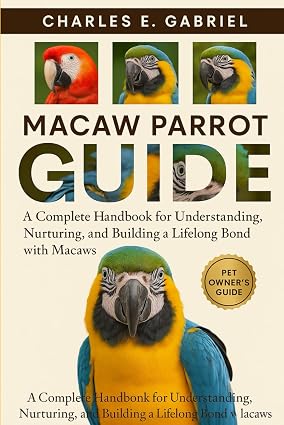
Constructed with vibrant colors and a durable build, the Macaw Parrot Care Guide is perfect for first-time parrot keepers looking for straightforward advice on handling large, intelligent birds. Its biggest strength lies in providing clear, practical instructions tailored to macaw care essentials, making it approachable for beginners.
Setup involves following step-by-step care routines covering diet, socialization, and health checks. Daily use focuses on maintaining clean cages, offering a balanced diet, and engaging the bird with suitable toys. The guide addresses common beginner concerns, ensuring daily tasks support the wellbeing of the parrot effectively.
It effectively conveys how to meet a macaw’s physical and emotional needs with easy-to-understand language, practical tips, and safety advice. The guide’s sturdy layout makes navigation simple, but some found the information somewhat basic. Most appreciate its clear structure, while a few wished for deeper behavior insights.
Strong praise highlights the guide’s easy-to-follow instructions that make macaw care practical for beginners The most frequent issue concerns its limited depth, leaving some seeking more detailed guidance. The straightforward approach helps avoid overwhelm but might not cover advanced needs.
Those new to parrots or managing their first macaw will appreciate the focus on fundamentals and daily care routines. Users wanting comprehensive behavioral or training advice should consider more specialized resources to complement this guide.
Pros
- Clear, beginner-friendly instructions
- Focuses on macaw-specific care
- Durable, user-friendly format
- Covers safety and health basics
Cons
- Information may feel basic for those with experience caring for parrots
- Lacks in-depth behavioral analysis
Specification Details Focus Macaw parrot care essentials Target Audience Beginners Content Type Step-by-step care guide Material Printed durable pages Coverage Diet, health, socialization, safety 9. Parrots Beginners Care Guide

Ideal for beginners stepping into the world of parrots, Parrots Beginners Care Guide simplifies bird care by focusing on the essentials. Its single biggest strength lies in how clearly it explains complex parrot needs, making starting out less overwhelming for newcomers.
Getting started involves following straightforward tips that cover daily feeding, cleaning, and handling routines tailored for common beginner parrots. Guidance on cage setup and diet choices ensures that day-to-day care runs smoothly. The emphasis on safety and environment makes it easier to maintain a healthy habitat without guesswork or stress.
Built on clear, easy-to-understand advice, it covers the basics while keeping common beginner challenges in mind. The most appreciated aspect is the thorough coverage of feeding and housing needs. Some find the guide too general and wish for more species-specific details.
It balances depth with simplicity for accessible parrot care knowledge.
Users appreciate that the guide provides clear and practical advice on feeding and maintaining a clean environment, making daily parrot care manageable. Complaints mainly point to a need for more detailed instructions tailored to individual parrot species rather than broad guidelines.
Anyone new to owning parrots who wants a straightforward resource will find this guide helpful. Those seeking in-depth or specialized care information for particular parrot types might want to explore more comprehensive or species-focused options.
Pros
- Clear step-by-step care advice
- Covers essential parrot safety tips
- Focus on easy daily maintenance
- Great choice for people new to caring for parrots
Cons
- Lacks species-specific information
- Some guidance feels too general
Specification Details Target User Beginners Focus Areas Feeding, Housing, Safety Level of Detail Basic to Intermediate Ease of Use High 10. Rosella Parrot Beginners Guide

Great for newcomers wanting a clear roadmap, the Rosella Parrot Beginners Guide makes starting out with pet parrots less intimidating. It stands out due to its straightforward explanations and practical advice tailored specifically for beginners, making it easier to understand what caring for a Rosella parrot involves.
Setting up with the guide is simple since it breaks down care basics into manageable steps. It covers feeding, daily interaction, and common health concerns with easy-to-follow tips. Day-to-day use becomes easier by referring back to the insights on behavior and environment needs, helping keep the parrot happy and healthy without guesswork.
The guide does a solid job at teaching people new to parrots how to meet their bird’s needs. Its layout is user-friendly and clear, which many find helpful, while some note that the depth of information could be expanded for more experienced readers. It is built around practical advice rather than complex theories.
Most praise focuses on its accessibility; the main complaint is about limited detailed coverage.
Many appreciate the clear, beginner-focused guidance that helps avoid common pitfalls. A frequent critique is wanting more in-depth coverage beyond basic care steps. The guide simplifies managing daily routines and basic needs effectively.
Those new to parrot keeping and wanting straightforward help will benefit most. Experienced bird enthusiasts or those seeking comprehensive behavior analysis might need additional resources beyond this guide.
Pros
- Easy to understand for people new to parrots
- Practical daily care advice
- Specific to Rosella parrots
Cons
- Limited advanced information
- Some areas could use more detailed explanations
Specification Details Type Parrot Care Guide Focus Rosella Parrot Target Audience Beginners Content Style Step-by-step, practical 11. Conure Parrot Care Handbook

Learning how to care for a conure parrot can be overwhelming, especially for first-timers. Perfect for beginners, this handbook focuses on practical advice to keep your bird healthy and happy.
Its biggest strength is detailed guidance designed especially for people new to caring for conures.
Getting started involves following simple, clear instructions on feeding, cage setup, and daily interaction. The handbook covers key care routines, such as cleaning schedules and safe handling, making daily life with your bird manageable. Understanding your parrot’s behavior through the handbook helps prevent common mistakes, saving time and stress.
The content is well-organized, making it easy to find information when you need it. It delivers reliable care tips without technical jargon or fluff. The most frequent praise mentions how approachable and informative the instructions are, while some find the depth of detail a bit limited for advanced concerns.
Many find the instructions very easy to follow, making bird care less intimidating. A few mention wanting more comprehensive details as their experience grows. The handbook covers essential care topics in a straightforward manner but doesn’t dive into advanced aspects or species variations.
Beginners looking for organized guidance will appreciate the focus on daily needs and safety. Those seeking in-depth information or specialized training may find it too basic and might prefer more extensive resources elsewhere.
Pros
- Simple language for easy understanding
- Focused on beginner needs
- Clear instructions on daily care
- Helpful tips on bird behavior
Cons
- Doesn’t offer much depth for those already experienced and focuses mainly on the basics.
Specification Details Target Bird Type Conure Parrots Care Focus Feeding, Handling, Cleaning Skill Level Beginner Format Handbook Content Style Practical and straightforward 12. Eclectus Parrot Care Guide

Eclectus Parrot Care Guide offers clear and detailed advice specifically tailored for people new to Eclectus parrots, making it ideal for beginners. Its biggest strength lies in straightforward guidance that simplifies proper parrot care and behavior understanding.
Setting up daily routines becomes manageable thanks to the guide’s step-by-step recommendations on diet, housing, and social interaction. It highlights essential care aspects like feeding schedules and cleaning tips that help maintain a healthy environment.
The guide is easy to follow and keeps important care details practical and applicable in real-life situations.
Performance-wise, it covers feeding, grooming, and behavioral advice thoroughly, ensuring you understand how to manage an Eclectus parrot’s needs. The material is well-structured and written clearly.
The most praised feature is the practical, user-friendly advice, while the common complaint is a lack of extensive troubleshooting for unusual parrot behaviors.
The guide is often praised for its clear and straightforward approach that helps those new to Eclectus parrots confidently handle daily care tasks. However, some find it lacking when it comes to addressing less common behavioral challenges in Eclectus parrots. The advice mostly sticks to basics without going deep into advanced issues.
People new to Eclectus parrots who want simple, reliable care instructions will benefit most from this guide. Those seeking more detailed behavior problem solutions or specialized training techniques should look for a more comprehensive resource tailored to those needs.
Pros
- Easy-to-understand care instructions
- Step-by-step feeding and housing tips
- Specifically tailored for Eclectus parrots
- Practical advice for daily care routines
Cons
- Limited coverage of unusual behaviors
- Does not include troubleshooting tips
Specification Details Focus Eclectus Parrot Care Target Audience Beginners Content Type Care Guide Emphasis Diet, Housing, Behavior 13. Quaker Parrots Care Guide

People new to caring for parrots who want an in-depth, practical resource will appreciate this guide. It suits beginners focused on understanding daily needs, health, and behavior.
Its biggest strength lies in clear, detailed advice that helps avoid common mistakes early on.
Using the guide day-to-day means following straightforward care instructions and tips that cover feeding, socializing, and cage maintenance. It gives you the kind of info that fits into your routine without overwhelming you.
You can quickly look up solutions when a question pops up about your bird’s habits or health.
The guide performs well as a go-to reference for all aspects of Quaker Parrot care. It’s structured so that beginners get good direction from start to finish. The material is concise and easy to understand, though some wish there were more pictures or species-specific examples.
Most praise highlights its helpful advice while the common critique points to a desire for more visual aids.
Many appreciate this guide for its straightforward, detailed care tips that make learning easier. The main complaint centers on a shortage of images, which some feel would improve understanding. It remains a solid manual for new parrot keepers wanting solid foundational knowledge.
Those who prefer reading clear instructions about feeding, health, and behavior will find it very helpful. Beginners wanting step-by-step guidance benefit most, while people looking for quick visual reference might want to consider other resources alongside it.
Pros
- Clear advice tailored for beginners
- Concise explanations of complex topics
- Focus on daily care routines
- Helps prevent common care errors
Cons
- Lacks visual aids and pictures
- Could include more species examples
Specification Details Type Care guide Focus Quaker Parrots Content Feeding, behavior, health Format Instructional text 14. Parrot Taming and Training Guide
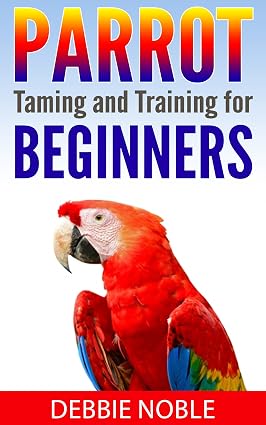
Perfect for anyone new to keeping parrots, the Parrot Taming and Training Guide focuses on helping beginners build trust and communication with their birds. Its biggest strength lies in offering clear, step-by-step methods to tame and train parrots effectively without overwhelming the owner.
Getting started involves following the guide’s straightforward instructions that emphasize patience and gradual interaction. Daily use is about applying the suggested techniques consistently, focusing on the bird’s comfort and responses. The guide covers key aspects like establishing a bond, managing behavior, and setting up a safe environment, making day-to-day care less stressful and more rewarding.
Performance-wise, the guide delivers reliable advice tailored to beginners. It simplifies complex behaviors into manageable tasks, making training less intimidating.
Built as an easy-to-understand resource, it receives praise for clarity and practical tips. The main complaint is that the troubleshooting advice isn’t detailed enough for specific parrot species, leaving some people wanting more targeted guidance.
The guide is praised for breaking down taming into simple, manageable steps that make beginners feel confident. Some users find the lack of tailored info for different parrot types a downside, making it less helpful when specific challenges arise.
People new to parrots looking for basic training methods will appreciate the guide’s clarity and structure. Those needing detailed, species-focused advice or advanced training tips might want to consider other resources.
Pros
- Clear, step-by-step training methods
- Focus on building trust with parrots
- Easy to understand for beginners
Cons
- Limited species-specific advice
- Does not cover advanced training techniques
Specification Details 15. Paper Bird Toys for Small to Medium Birds
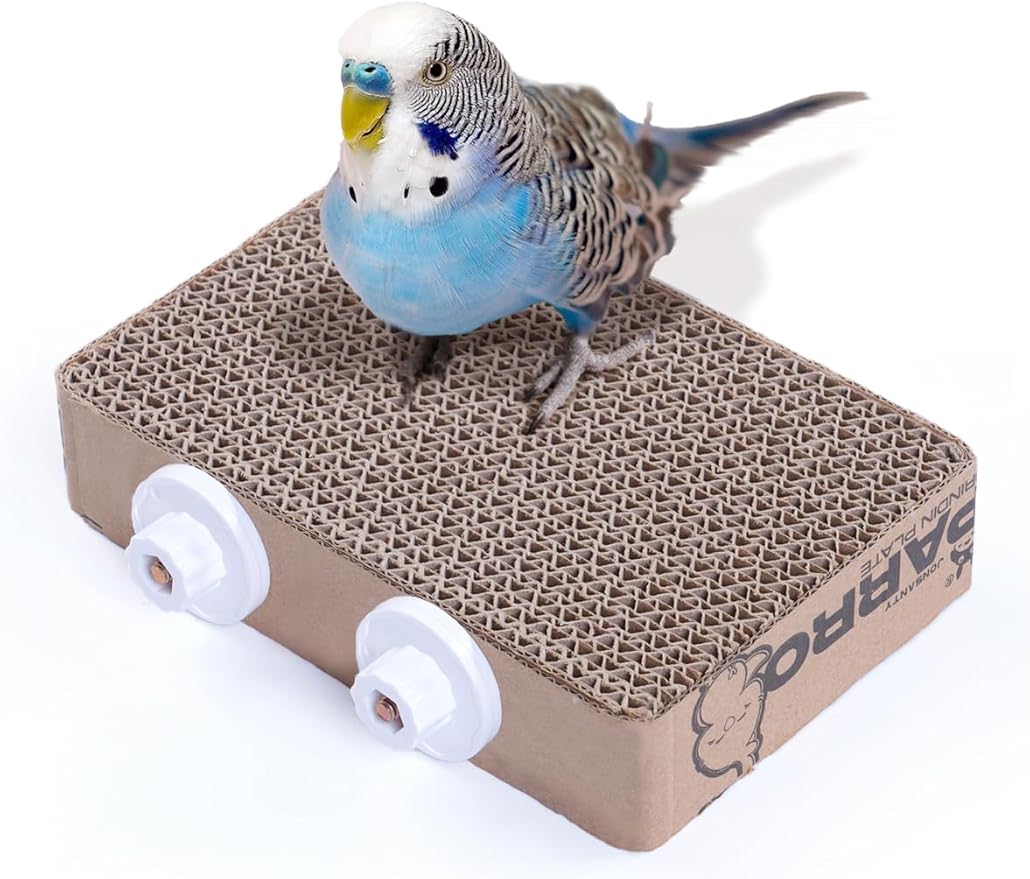
JONS NTY Paper Bird Toys for Small to Medium Birds offers natural and safe entertainment for a wide range of parrot breeds. Its biggest strength lies in using all-natural corrugated cardboard, making it gentle and comfortable for birds to shred and explore without health concerns.
Setup is straightforward, simply place the toy inside the bird’s cage or play area to let curiosity take over. Designed to meet a bird’s instinctive behaviors like chewing, pecking, and shredding, it encourages activity and mental stimulation throughout the day.
Since it uses safe materials, there’s no worry about toxins or harmful chemicals during playtime.
The toy does a solid job of fulfilling birds’ natural urge to tear and chew, helping keep them engaged and entertained. The cardboard construction feels sturdy enough to last through repeated play sessions but also breaks down naturally as birds shred it.
The main praise is about its safety and the way it mimics natural textures, while some mention it wears down quickly with very aggressive chewers.
Safety stands out as the strongest benefit, keeping birds healthy while satisfying their instinctive need to chew and shred. A common issue is the toy breaking down faster with particularly strong beak activity, requiring more frequent replacement.
People with birds looking for a natural, non-toxic chewing toy for indoor use will appreciate this product. It may not be the best option for large birds or those that destroy toys rapidly, who might need sturdier alternatives.
Pros
- Made from all-natural corrugated cardboard
- Safe, no harmful substances used
- Encourages natural chewing and shredding
- Suitable for small to medium-sized birds
Cons
- May wear down quickly for aggressive chewers
- Only intended for indoor use
Specification Details Breed Recommendation All Breed Sizes Recommended Uses For Product Indoor Brand Name JONS NTY Unit Count 1 Count Target Species Bird Comparison of Best Parrots for Beginners
Product Breed Recommendation Recommended Uses Included Components Brand Name Quaker Parrot Guide – – – – Amazon Parrot Guide – – – – African Grey Training – – – – Pet Birds Care Guide – – – – Parrot Tricks Guide – – – – Bird Toys Rope Perch Medium Breeds, Small Breed Indoor, Outdoor Hanging Basket, Toys YIXUND Basic Parrot Training – – – – Macaw Care Guide – – – – Beginner Parrot Care – – – – Rosella Care Guide – – – – Conure Care Handbook – – – – Eclectus Care Guide – – – – Quaker Parrots Guide – – – – Parrot Taming Guide – – – – Paper Bird Toys All Breed Sizes Indoor 1 Count Toy JONS NTY 1. Quaker Parrot Guide- Breed Recommendation–
- Recommended Uses–
- Included Components–
- Brand Name–
2. Amazon Parrot Guide- Breed Recommendation–
- Recommended Uses–
- Included Components–
- Brand Name–
3. African Grey Training- Breed Recommendation–
- Recommended Uses–
- Included Components–
- Brand Name–
4. Pet Birds Care Guide- Breed Recommendation–
- Recommended Uses–
- Included Components–
- Brand Name–
5. Parrot Tricks Guide- Breed Recommendation–
- Recommended Uses–
- Included Components–
- Brand Name–
6. Bird Toys Rope Perch- Breed RecommendationMedium Breeds, Small Breed
- Recommended UsesIndoor, Outdoor
- Included ComponentsHanging Basket, Toys
- Brand NameYIXUND
7. Basic Parrot Training- Breed Recommendation–
- Recommended Uses–
- Included Components–
- Brand Name–
8. Macaw Care Guide- Breed Recommendation–
- Recommended Uses–
- Included Components–
- Brand Name–
9. Beginner Parrot Care- Breed Recommendation–
- Recommended Uses–
- Included Components–
- Brand Name–
10. Rosella Care Guide- Breed Recommendation–
- Recommended Uses–
- Included Components–
- Brand Name–
11. Conure Care Handbook- Breed Recommendation–
- Recommended Uses–
- Included Components–
- Brand Name–
12. Eclectus Care Guide- Breed Recommendation–
- Recommended Uses–
- Included Components–
- Brand Name–
13. Quaker Parrots Guide- Breed Recommendation–
- Recommended Uses–
- Included Components–
- Brand Name–
14. Parrot Taming Guide- Breed Recommendation–
- Recommended Uses–
- Included Components–
- Brand Name–
15. Paper Bird Toys- Breed RecommendationAll Breed Sizes
- Recommended UsesIndoor
- Included Components1 Count Toy
- Brand NameJONS NTY
How to Choose the Best Beginner Parrot
Choosing the right beginner parrot depends on factors like temperament, noise level, and care requirements to ensure a good match with your lifestyle. Considering these aspects helps prevent potential stress and extra costs, making the experience more enjoyable and manageable.
Temperament and Personality
Some birds are friendlier than others right out of the cage. A gentle species will often approach a new owner without showing signs of fear or aggression, making daily interactions less stressful. Birds that bond well tend to seek attention, enjoying time outside their cage and interacting with humans through simple play or vocal cues.
Ignoring temperament means dealing with nip marks or defensive biting, which can frustrate someone new to birds. Good beginner birds usually have calm and social personalities, rarely displaying aggressive behavior.
A social disposition and a steady bonding tendency are key. Avoid species known for high territoriality or nervousness, especially in households with kids or quiet routines.
Size and Space Requirements
A bird’s size directly affects the space it needs at home. Larger birds require more room to move their wings and climb, both inside the cage and in play areas. Smaller species can adapt better to compact spaces but still need room to stretch and fly occasionally.
Cage size recommendations generally start around 18x18x18 inches for small birds, increasing with the bird’s size. Active species will need more space outside the cage to exercise, so living arrangements must include safe, bird-proofed areas for supervised playtime.
Cramped spaces cause stress and can lead to unhealthy behaviors.
Noise Level
Some birds are naturally noisy, producing loud calls frequently through the day. This becomes a problem in quiet households or apartment living with close neighbors.
Noise levels can vary widely, so understanding the typical vocal output helps avoid disruptions.
Certain species mimic sounds and also produce piercing squawks, leading people to use strategies like routine distractions or quiet times to manage them. Ratings around 60-70 decibels usually indicate moderate noise, manageable in most indoor spaces.
Monitoring a bird’s vocal triggers helps prevent persistent loudness that can strain relationships.
Care and Maintenance Needs
Simple feeding routines mean less daily hassle. Some birds accept a variety of seeds, pellets, and fresh fruits without fuss, while others demand specialized diets or frequent hand feeding.
Cleaning cages regularly prevents odors and bacterial buildup, but larger or messier species require more time.
Long lifespans outlive many pets, sometimes stretching beyond 20 years. This calls for a sustained commitment.
Grooming includes regular nail trims and occasional beak checks; neglecting these can cause discomfort or health issues. Basic routines are manageable but must be consistent.
Health and Longevity
Certain species are prone to respiratory issues or feather plucking, often linked to poor diet or stress. Providing varied nutrition with fresh vegetables and clean water supports a strong immune system. Environmental enrichment reduces boredom-related health problems.
Access to avian vets varies by location but is crucial since birds hide illnesses well. Early detection often depends on careful observations by those caring for them. Simple species with stable health records tend to be easier on beginners, lowering the chances of unexpected veterinary expenses.
Tips for Building a Strong Bond with Your Beginner Parrot
Spending regular, focused time with your parrot helps build trust quickly. These birds recognize consistent interaction and start associating you with safety and companionship.
Consider these actions to strengthen your bond:
- Offer treats by hand to encourage gentle taking and reduce fear.
- Talk softly around your bird to get it accustomed to your voice and presence.
- Incorporate daily play sessions using toys that stimulate curiosity and activity.
- Pay attention to your parrot’s body language to respect its comfort level and avoid stress.
Patience is crucial. Some parrots need more time to warm up, so avoid rushing interactions. Over time, the bird will respond positively to consistent, calm engagement.
Common Mistakes to Avoid When Caring for Your First Parrot
Feeding parrots solely sunflower seeds is a common and harmful mistake. These seeds lack necessary nutrients and can lead to health problems.
Avoid these pitfalls with proper care:
- Do not ignore the importance of a varied diet including pellets, fruits, and vegetables.
- Skipping regular cage cleaning can lead to bacterial infections and respiratory issues.
- Allowing too much unsupervised out-of-cage time may expose your parrot to accidents or harmful household items.
- Neglecting to provide mental stimulation increases the risk of boredom and destructive behavior.
Familiarize yourself with your parrot’s specific needs to avoid these errors and promote a healthier, happier pet.
People Also Asked
How Much Space Does a Beginner Parrot Need at Home?
A beginner parrot needs a cage that allows it to flap its wings fully and move comfortably. Make sure the cage bars are close enough to prevent escape but spaced for good airflow. Allow time outside the cage daily for exercise and mental stimulation.
What Are Common Health Problems in Pet Parrots?
Common health problems in pet parrots include malnutrition, feather plucking, and respiratory infections. Regular vet checkups and a balanced diet with fresh fruits, vegetables, and pellets can help prevent these issues. Watch for changes in behavior or droppings as early warning signs.
Can Parrots Get Along with Other Household Pets Safely?
Parrots can live safely with other pets but require cautious introductions and close supervision. Keep the parrot away from aggressive or predatory animals and supervise interactions to prevent stress or injury. Also, avoid pets with strong scents that might upset the bird.
How Long Do Pet Parrots Typically Live on Average?
Pet parrots typically live between 20 and 50 years depending on the species. Smaller parrots like budgerigars live shorter lives, while larger species like macaws can live much longer with proper care. Planning for a long-term commitment is important before getting a parrot.
What Basic Care Routines Are Essential for a New Parrot?
New parrots need daily feeding of a varied diet, fresh water, and cage cleaning. Regular interaction, socialization, and providing toys to prevent boredom are essential. Trim their nails and wings carefully or have a professional do it to maintain health and safety.
Conclusion
Choosing a parrot for beginners mostly comes down to temperament, noise level, and care requirements. A quieter species with a calm nature makes daily interaction easier. Also, consider how much time is needed for feeding, cleaning, and socializing, as some parrots demand more attention.
Match the parrot to your living space and available time to avoid any surprises. Think about your budget not only for the initial purchase but ongoing supplies too. Refer back to the comparison table and detailed reviews above to pick one that fits your situation best.