Top 15 Best Perennial Wildflower Seeds for Stunning Gardens
Trying to grow wildflowers from cheap or inappropriate seeds often results in patchy, disappointing blooms that fail to thrive year after year. The best perennial wildflower seeds stand out by producing resilient plants that come back season after season, filling the garden with color without needing to reseed every spring.
Poor-quality seeds often have low germination rates or are mixed with annuals, which peter out quickly and leave bare spots.
Choosing good perennial wildflower seeds means paying close attention to seed purity and germination percentage, which should ideally be above 85 percent for dependable growth. Seed size matters too; larger seeds tend to establish better roots.
Also, native or regionally adapted species increase the chance of success by matching your local climate and soil conditions, reducing the need for extra watering or fertilizers.
Need a Quick Check?
| Image | Product | Price |
|---|---|---|
Our Top Picks 1  | Eden Brothers Wildflowers | Check Price |
Our Top Picks 2  | Burpee Wildflower Mix | Check Price |
Our Top Picks 3 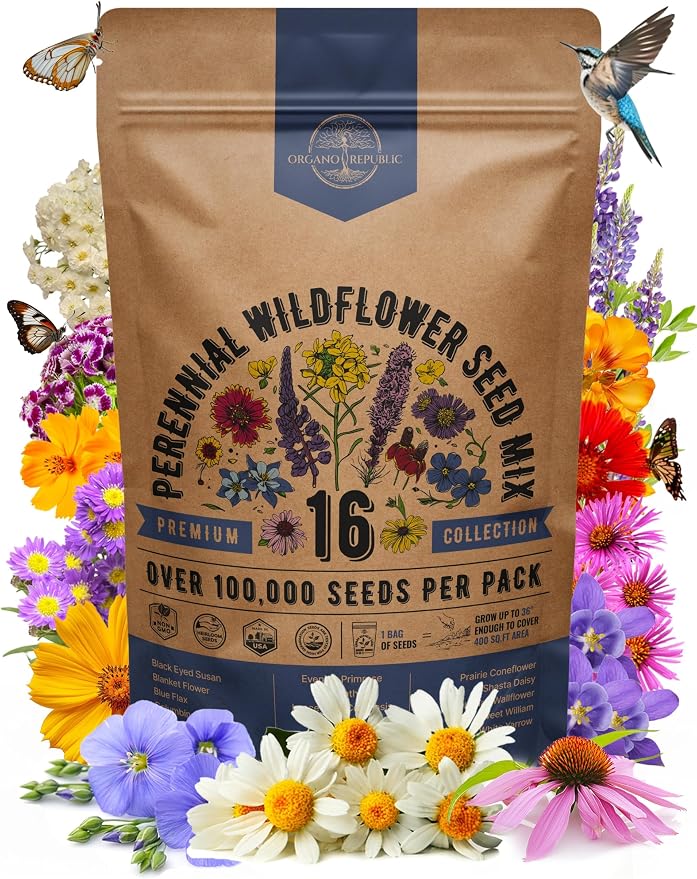 | Perennial Wildflower Mix | Check Price |
Our Selected Top 15 Perennial Wildflower Seeds Worth Considering
This list features a carefully chosen selection of perennial wildflower seeds, each evaluated for growth performance, suitability for different environments, and key advantages and drawbacks. Readers will find detailed insights to help identify the best option for their garden’s specific needs and conditions.
1. Eden Brothers Perennial Wildflower Seed Mix
100% pure, non-GMO seeds make up this perennial wildflower mix, designed to suit gardeners looking to attract pollinators and cover large areas with vibrant blooms. Its biggest strength lies in the mix of 19 easy-to-grow species, offering variety and reliability across a wide range of climates from USDA zones 3 to 10.
Preparing soil with moderate moisture and planting in spring sets the stage for summer and fall blooms that reach around 25 inches tall. Full sun exposure is key, and sandy soil types work well with this mix.
Once established, the mix requires only moderate watering, making it manageable for maintaining a colorful habitat that invites bees, butterflies, and hummingbirds.
The variety in the mix ensures lasting color and good ground cover of up to 1,000 square feet, attracting a range of pollinators. The seed blend focuses on favorites like Black Eyed Susan and Purple Coneflower, which grow reliably. Some users notice slower germination in heavy soils, but overall the build quality of the seed mix matches expectations for perennial garden use.
Most users praise the diverse seed selection that supports pollinators and covers large garden spaces, though some encounter slower germination in less ideal soil types. The variety consistently produces summer and fall blooms when planted and cared for correctly.
Experienced gardeners seeking a colorful perennial mix that draws wildlife and thrives in full sun will find this a good fit. Those with heavy clay soils or less sunny garden spots might prefer another seed mix better suited for those conditions.
Pros
- 100% pure, non-GMO seeds with no fillers
- Includes 19 easy-to-grow perennial species
- Attracts bees, butterflies, and hummingbirds
- Suitable for large areas up to 1,000 sq ft
Cons
- Slower germination in heavy or clay soils
- Requires full sun and sandy soil for best results
| Specification | Details |
|---|---|
| Expected Blooming Period | Summer,Fall |
| Sunlight Exposure | Full Sun |
| Expected Plant Height | 25 inches |
| Soil Type | Sandy Soil |
| Moisture Needs | Moderate Watering |
| USDA Hardiness Zone | 3,4,5,6,7,8,9,10 |
2. Burpee Wildflower Seed Mix
Bright and early blooms make this mix a favorite for gardens aiming to attract pollinators. Suited for gardeners wanting a variety of wildflowers that grow well with minimal fuss, it shines best in sunny spots across several USDA zones.
Scattering the seeds across a sunny patch after the last frost is straightforward. The mix covers a large area up to 1,000 square feet and adapts well to loam soil with moderate watering. It includes 14 types of flowers, which means your garden quickly becomes a lively, colorful buffet for bees and butterflies throughout the growing season.
From spring to fall, the mix delivers on vibrant blossoms that really fill in the space. The organic, non-GMO seeds tend to sprout consistently when given enough sun and water. Most enjoy the variety and the quick results, though some mention the need for patience with slower germinating seeds.
The blend is heirloom quality, supporting both your garden and local pollinators.
Gardens quickly fill with a diverse mix of wildflowers, delighting both people and pollinators. A common downside is that some seeds in the mix can be slow to sprout, requiring a bit of patience before the full display emerges.
Anyone looking for a colorful, eco-friendly garden patch that supports bees and butterflies will be satisfied. Those with shaded gardens or who want very fast bloom times might want to explore other options.
Pros
- Includes 14 varieties of wildflowers
- Attracts a wide range of pollinators
- Easy to sow in most soil types
- Non-GMO and heirloom seeds
Cons
- Some seeds may take longer to germinate
- Requires full sun exposure for best results
| Specification | Details |
|---|---|
| Seed Count | 25,000 NON-GMO Seeds |
| Coverage Area | Up to 1,000 Square Feet |
| Sunlight Exposure | Full Sun |
| Moisture Needs | Moderate Watering |
| USDA Hardiness Zones | 4, 5, 6, 7, 8, 9, 10 |
| Soil Type | Loam Soil |
3. Perennial Wildflower Seed Mix
Gardeners looking for a rich variety of wildflowers that attract pollinators will appreciate this 23-seed mix. It suits those wanting vibrant blooms from spring through fall and a reliable high germination rate.
Its biggest strength lies in the diversity and freshness of seeds, ensuring a colorful, buzzing garden full of bees, butterflies, and birds.
Setup is straightforward with the resealable package keeping seeds fresh for multiple uses. You can plant outdoors almost any season, spring, summer, autumn, or even winter in some zones.
The seeds thrive in loam soil or potting mix that gets regular, moderate watering. Partial sun exposure is ideal. Separate individual bags help manage planting without waste or confusion.
Growth is consistent up to about 15 inches, with blooms that last throughout multiple seasons, helping maintain lively pollinator activity. The mix covers a wide USDA hardiness range from 1 through 12, adapting well to diverse North American climates. Frequent praise mentions the fresh seeds and strong germination, while a common complaint concerns the need for regular watering to keep plants thriving.
Many appreciate the fresh seed quality and reliable germination that bring diverse blooms attracting pollinators steadily. Daily care demands keeping soil moderately moist, which some find challenging during drier spells. Consistent watering is a must for best results.
Ideal for gardeners wanting a lively, pollinator-friendly flower garden in many climates, this mix suits outdoor spaces with partial sunlight. It may not be the right choice for those looking to grow flowers indoors or wanting low-maintenance, drought-tolerant options.
Pros
- Contains over 23 wildflower varieties
- High germination rate with fresh seeds
- Suitable for multiple planting seasons
- Resealable package for seed freshness
Cons
- Requires moderate to regular watering
- Only suitable for outdoor planting
| Specification | Details |
|---|---|
| Seed Varieties | 23 Wildflower Seeds Annual & Perennial Mix |
| Expected Plant Height | 15 inches |
| Sunlight Exposure | Partial Sun |
| Usage | Outdoor |
| Planting Period | Summer, Spring, Winter, Autumn |
| USDA Hardiness Zone | 1, 2, 3, 4, 5, 6, 7, 8, 9, 10, 12 |
4. HOME GROWN Wildflower Variety Mix

Trying to create a colorful, low-maintenance garden that invites butterflies can be tricky. Home Grown Wildflower Variety Mix suits anyone wanting a vibrant perennial flower display that pops year after year with minimal fuss.
Its strongest point is the rich blend of 24 wildflower seeds that bloom continuously from spring through fall.
Planting is straightforward because you scatter the seeds directly outdoors in spring or fall, no complicated prep needed. The mix includes flowers suited for sandy or loam soil and thrives in full sun areas where moderate watering keeps things happy. Seeing fresh blooms each season makes it clear this mix is built for ongoing garden charm without much hands-on effort.
The mix performs well in attracting pollinators and sustaining blooms across USDA zones 3 to 10. The 90,000+ seeds provide plenty for large patches or several beds. A common highlight is its drought tolerance, helping the wildflowers establish naturally.
Some users mention that blooms sometimes vary in density, but overall it grows into a big, colorful meadow that feels carefree and natural.
Gardens seeded with this mix become lively, colorful habitats attracting butterflies, with blooms lasting from spring until fall. Most find the abundance of seeds and variety an excellent match for creating wildflower meadows. The only frequent downside is that some areas may experience patchier blooms depending on sun and water conditions.
Ideal for garden lovers wanting a natural, vibrant flower bed without constant upkeep. Those with shady yards or limited watering options might want to explore other seed mixes better suited for those environments.
Pros
- High germination rate with 24 flower types
- Bulk pack offers 90,000+ seeds for large areas
- Drought tolerant for easier outdoor growth
- Continuous blooms from spring through fall
Cons
- Bloom density can be uneven in some spots
- Needs full sun and moderate watering to thrive
| Specification | Details |
|---|---|
| Expected Blooming Period | Spring to Fall |
| Sunlight Exposure | Full Sun |
| Expected Plant Height | 2 feet |
| Moisture Needs | Moderate Watering |
| USDA Hardiness Zone | 3, 4, 5, 6, 7, 8, 9, 10 |
5. NatureZ Edge Wildflower Seed Mix

Covering up to 1,500 square feet with pure Non-GMO seeds, NatureZ Edge Wildflower Seed Mix is ideal for gardeners wanting a mix of annual and perennial flowers. It shines brightest in attracting butterflies, hummingbirds, and bees, appealing especially to those focused on creating a lively, pollinator-friendly garden.
Preparing the garden bed in spring and adding moderate water regularly helps these flowers establish well in full sun. Mixing the half-pound seed packet with filler material as instructed gives a good spread, filling outdoor spaces nicely with 35 different wildflower varieties.
The blend suits a range of climates since it’s designed for all zones, making planting straightforward and rewarding.
Once blooming begins in spring, the mix delivers a colorful array of flowers that attract various pollinators consistently. The seeds come hand-packaged from a small family-run business, reflecting care in quality. Many remarks praise the diversity of flowers and pollinator visits, while some note that blooms can vary in density, likely due to watering or sun exposure differences.
Many appreciate the wide variety of flowers and the increased pollinator activity they attract, making the garden lively and colorful. Some mention that the flower spread isn’t always uniform, often tied to differences in watering and sunlight across planting areas.
Those seeking a vibrant garden filled with diverse pollinators will enjoy this seed mix. Gardeners struggling with consistent watering or limited sunlight might want to consider a different option better suited to low-maintenance or shady spots.
Pros
- Covers up to 1,500 square feet with seed and filler
- Includes 35 varieties of flowers
- Attracts butterflies, hummingbirds, and bees
- Pure Non-GMO seeds
Cons
- Bloom density can vary
- Requires moderate, consistent watering
| Specification | Details |
|---|---|
| Sunlight Exposure | Full Sun |
| Indoor/Outdoor Usage | Outdoor |
| Moisture Needs | Moderate Watering |
| Expected Blooming Period | Spring |
| Expected Planting Period | Spring |
6. HOME GROWN Wildflower Variety Mix

Gardeners wanting to encourage pollinators and add color to outdoor spaces appreciate this wildflower seed mix. It suits those planning cottage gardens, meadows, or flower beds with a focus on attracting butterflies, bees, and birds. The biggest strength lies in its variety, offering 19 types of seeds including Purple Coneflower and Black-Eyed Susan.
Preparation calls for planting in full sun during spring or fall, ideally in sandy soil with moderate watering. The seeds come in a large 4oz bulk pack, enough for expansive spaces or smaller projects. Non-GMO status assures natural growth without additives.
This mix fits well in USDA zones 3 through 10, making it adaptable to a wide range of climates.
Growth runs from spring to fall, producing plants that reach about 2 feet tall. The garden attracts an array of pollinators, supporting biodiversity effectively. The seed mix is durable and practical for various skill levels, often given as a gift to plant lovers.
A common drawback noted is the need for consistent watering and sunlight to maintain growth.
The seed mix delivers vibrant blooms attracting various pollinators as claimed, contributing well to biodiversity. Most feedback highlights the need for steady sunlight and watering to keep the flowers healthy. The variety and seed quantity stand out as solid benefits.
Those seeking to foster pollinator habitats or create wildflower meadows in sunny, moderately watered environments will find this mix a good fit. Gardeners with less sun exposure or irregular watering routines may want to explore alternatives that suit shadier or drier conditions better.
Pros
- Contains over 63,200 seeds for large areas
- Supports pollinators like bees and butterflies
- Non-GMO seeds for natural growth
- Suitable for a wide range of climates
Cons
- Requires consistent sunlight to thrive
- Needs moderate watering regularly
| Specification | Details |
|---|---|
| Sunlight Exposure | Full Sun |
| Expected Blooming Period | Spring to Fall |
| Plant Height | 2 feet |
| Expected Planting Period | Spring, Fall |
| Moisture Needs | Moderate Watering |
| USDA Hardiness Zone | 3, 4, 5, 6, 7, 8, 9, 10 |
7. Wildflower Seed Mix

Fresh seeds with a high germination rate set this mix apart for gardeners wanting a lively, pollinator-friendly space. Ideal for those planting in spring or summer, it offers a blend that blooms over several weeks and attracts butterflies, bees, and ladybugs. Its strength lies in the quality and purity of the seeds, helping gardens thrive.
Preparation involves sowing the seeds outdoors in full sun during the planting season. The mix includes annuals, perennials, and biennials, offering variety over the growing period.
Watching the flowers take hold and attract pollinators brings an active and colorful environment, especially as they grow up to 48 inches tall. The care mainly involves ensuring full sun exposure and adequate watering.
Growth starts within 35 to 75 days, showing a reliable sprouting pattern thanks to the near 99% pure live seeds. The seed mix is praised for filling spaces quickly with blooms that support pollinator life. A noted downside is the need for full sun, which may limit planting spots.
Some find the height a challenge for smaller garden areas, but the flower mix holds strong appeal throughout the season.
The seed mix offers a reliable and vibrant bloom period, attracting lots of pollinators with minimal fillers. The most mentioned drawback is the need for a sunny spot, which can restrict where it’s planted. Gardeners often highlight the freshness and thorough germination as major benefits.
Those looking to create a lively, insect-friendly garden with ample sunlight will appreciate this mix. Anyone with mostly shaded spaces or who prefers shorter plants should look for alternatives that fit their yard better.
Pros
- High germination rate with 99% pure live seed
- Attracts diverse pollinators like bees and ladybugs
- Covers a mix of annual, perennial, and biennial plants
- Plants can reach up to 48 inches tall
Cons
- Requires full sun, limiting shaded garden spots
- Height may not suit small or compact gardens
| Specification | Details |
|---|---|
| Sunlight Exposure | Full Sun |
| Expected Blooming Period | 35-75 days |
| Expected Plant Height | 48 inches |
| Indoor Outdoor Usage | Outdoor |
| Expected Planting Period | spring and summer |
8. Wildflower Seed Mix

Wildflower Seed Mix offers a well-thought-out collection of flowers suited for gardeners aiming to attract pollinators and enjoy a variety of blooms across seasons. Its biggest strength lies in the four separate seed collections tailored for specific garden needs, such as fast blooming and cold hardiness.
Planting is straightforward in spring, best in full sun with sandy soil that receives moderate watering. The mix includes seeds for annuals and perennials, so you get color from summer through fall.
Each seed pack targets a different gardening goal, which helps in planning the garden by bloom time or type of wildlife attraction.
Blooming is reliable thanks to the balanced mix of 32 flower varieties that grow up to about 25 inches tall. Resistant to different garden conditions, it performs well in USDA zones 3 through 10.
Most appreciate the vibrant pollinator-friendly flowers, while some mention that the varying bloom times require patience to see full results.
The seed mix is praised for attracting pollinators with a lot of summer and fall color, but it requires time for the variety of flowers to bloom fully. Some gardeners expect faster results and find the staggered blooming to be a downside.
Gardeners looking for a long-lasting, versatile wildflower garden will enjoy this mix, especially in hardiness zones 3 through 10. Those wanting a quick, uniform bloom or who don’t have sandy soil in full sun might want to consider other options.
Pros
- Four distinct seed collections for varied garden goals
- Includes 32 flower varieties for diverse colors and heights
- Suitable for wide USDA hardiness zones (3-10)
- Supports pollinators like bees and butterflies
Cons
- Varying bloom times require patience to see full display
- Best suited for sandy soil, limiting garden placement
| Specification | Details |
|---|---|
| Expected Blooming Period | Summer,Fall |
| Sunlight Exposure | Full Sun |
| Expected Plant Height | 25 inches |
| Soil Type | Sandy Soil |
| Moisture Needs | Moderate Watering |
| USDA Hardiness Zone | 3,4,5,6,7,8,9,10 |
9. Seed Needs Perennial Wildflower Mix

Bright colors and natural growth make this blend perfect for gardeners who want a long-lasting wildflower display. It works well for those with average soil looking to plant something that returns year after year. The standout feature is its mix of 16 popular perennial species that continue blossoming from summer through fall.
Getting started requires planting in spring under full sun, with regular watering to keep seeds healthy. The packet is easy to manage, fitting neatly in hand for quick sowing outdoors.
Expect blooms mainly between 20 to 30 inches tall, offering a natural yet varied garden look without extra fuss.
Plants grow reliably each season, showing good height variation from 12 up to 48 inches in some cases. Seed Needs delivers pure seeds without fillers, so growth is consistent and predictable. Most praise goes to its diverse mix including favorites like Black-Eyed Susan and Purple Coneflower, while some find the taller plants occasionally too tall for smaller spaces.
Many appreciate the blend’s variety of classic wildflowers that reliably grow every year, offering a steady summer to fall display. The main drawback is the height of some species, which may not suit compact gardens and needs regular watering to establish fully.
Gardeners wanting a colorful, perennial mix that persists year after year will find this seed packet fitting. Those with limited space or low-maintenance needs might prefer shorter, less demanding options better suited for small patios or dry conditions.
Pros
- Contains 16 popular perennial wildflower species
- Non-GMO seeds without fillers or inert matter
- Suitable for a wide USDA hardiness zone range
- Flowers bloom from summer through fall
Cons
- Taller flowers can overwhelm smaller garden spaces
- Requires consistent watering to thrive well
| Specification | Details |
|---|---|
| Expected Blooming Period | Summer to Fall |
| Sunlight Exposure | Full Sun |
| Expected Plant Height | 60 inches |
| Expected Planting Period | Spring |
| Soil Type | Average |
| Moisture Needs | Regular Watering |
10. HOME GROWN Monarch Butterfly Wildflower Mix
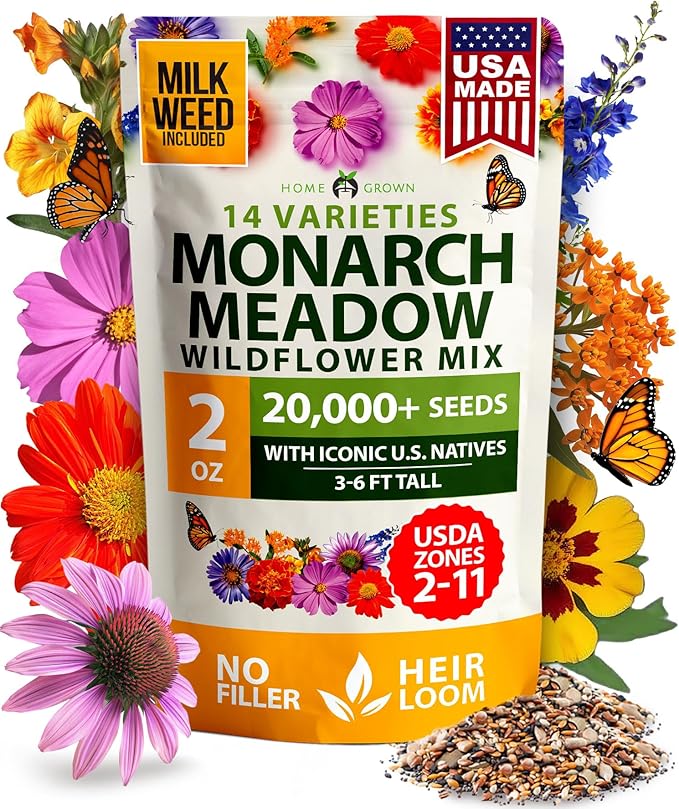
Great for anyone wanting to attract monarch butterflies and other pollinators, this seed mix fills outdoor spaces with colorful, nectar-rich wildflowers. Its biggest strength lies in creating a thriving habitat that returns year after year, offering vibrant blooms from spring through fall.
Starting your meadow is straightforward with this mix. Sow it in loam soil during spring or fall, and plant it in a spot that gets full sun. Moderate watering keeps the seeds and plants healthy, while the varied species ensure continuous blooms that encourage bees, hummingbirds, and monarchs throughout the growing season.
The mix performs well in zones 3 through 9 and grows to about two feet tall, making it suitable for many gardens. Blooming lasts from spring to summer, and the diverse flower colors are a standout in any outdoor bed.
The most praised feature is how well it attracts pollinators, though some find the moderate watering requirement requires attention.
People appreciate how effectively the mix supports monarchs and other pollinators with a wide variety of flowers that keep blooming through the seasons. Some find keeping up with the moderate watering necessary to maintain vibrant blooms slightly demanding.
Anyone wanting a colorful, wildlife-friendly garden that returns every year will like this enough to use it in their outdoor spaces. Those who want an indoor option or less maintenance might want to explore other seed blends or plant types.
Pros
- Attracts monarch butterflies and hummingbirds
- Continuous blooms from spring to fall
- Easy to plant in full sun and loam soil
- Returns year after year for lasting enjoyment
Cons
- Needs moderate watering to maintain blooms
- Only suitable for outdoor use
| Specification | Details |
|---|---|
| Expected Blooming Period | Spring to Summer |
| Sunlight Exposure | Full Sun |
| Expected Planting Period | Spring, Fall |
| USDA Hardiness Zone | 3, 4, 5, 6, 7, 8, 9 |
| Expected Plant Height | 2 feet |
| Soil Type | Loam Soil |
11. Earth Science Perennial Wildflower Mix

Natural wildflower seed combined with mulch, plant food, and soil conditioners makes this mix a practical choice for gardeners looking to create a perennial flower garden with ease. Suited for outdoor use in full sun, it promises a long blooming season that lasts from spring to fall, especially ideal for those wanting low maintenance flowers.
Setup involves planting the seed in a sunny spot and watering moderately, no need for extra fertilizers or soil amendments. The all-in-one formula means you don’t have to buy separate products, which simplifies the gardening process.
Watching the variety of flowers like Siberian wildflower and black-eyed Susan grow adds visual interest through the whole season without much ongoing effort.
It performs well in USDA hardiness zones 4 through 9, supporting growth across a wide geographic range. The seed’s purity and germination rates are tested, so flowers reliably sprout after planting. A common positive mention is how colorful and diverse the blooms are over several months.
The most frequent downside noted is the requirement for full sun and moderate watering, limiting use in shadier or drier spots.
The seed mix reliably produces vibrant and diverse flowers over an extended season thanks to its tested purity and built-in soil conditioners. Some find the sun and watering requirements restrictive for locations that are shaded or dry.
Those wanting a colorful perennial garden in a sunny yard with manageable care will find this a practical option. Gardeners in shadier or very dry areas might prefer a different mix better suited to those conditions.
Pros
- All-in-one formula with seeds and soil additives
- Long blooming period from spring to fall
- Variety of colorful perennial flowers included
- Seeds tested for purity and germination
Cons
- Needs full sun to thrive properly
- Requires consistent moderate watering
| Specification | Details |
|---|---|
| Sunlight Exposure | Full Sun |
| Moisture Needs | Moderate Watering |
| USDA Hardiness Zone | 4, 5, 6, 7, 8, 9 |
| Expected Blooming Period | Spring to Fall |
| Indoor/Outdoor Usage | Outdoor |
12. Wildflower Seed Mix

Vivid colors and variety stand out immediately with this wildflower seed mix, designed for anyone wanting a lively, pollinator-friendly garden. It suits gardeners looking to attract bees, butterflies, and birds while supporting biodiversity across any USDA outdoor zone.
Getting started is straightforward, as the seeds come with a growing guide available online for extra help. These seeds sprout quickly, which is essential for encouraging growth early on.
They thrive in full sun and are intended strictly for outdoor planting, making them ideal for garden beds or borders that receive direct sunlight. Their 5-centimeter expected height helps create a layered look without overwhelming space.
The mix contains 16 perennial varieties, ensuring blooms throughout the year, perfect for continuous garden interest and natural air purification. The seeds are lab-tested, showing consistent germination rates that avoid guesswork.
Most praise mentions the vibrant, diverse blossoms and how quickly the meadow shows results, while some find the plants’ shorter height less dramatic than taller wildflowers.
The mix consistently produces vibrant flowers that attract pollinators and boost biodiversity quickly, supporting a lively garden environment. Some find the expected plant height of 5 centimeters too low for their preferences, which can limit the visual impact in larger or tall-plant gardens.
Gardeners looking for a colorful, pollinator-friendly perennial seed mix will appreciate this product’s diversity and reliable growth. Those needing taller or indoor-suitable flowers should consider an alternative more fitting their size and location preferences.
Pros
- Includes 16 premium perennial varieties
- Attracts bees, butterflies, and birds
- High germination rate, fast sprouting
- Supports air purification naturally
Cons
- Height limited to 5 centimeters
- Not suitable for indoor planting
| Specification | Details |
|---|---|
| Expected Blooming Period | Year Round |
| Sunlight Exposure | Full Sun |
| Expected Plant Height | 5 centimeters |
| Indoor/Outdoor Usage | Outdoor |
13. HOME GROWN Wildflower Variety Mix

Perfect for anyone looking to create a lively pollinator garden, this seed mix offers a high germination rate and covers 250 square feet with vibrant, long-lasting blooms. Ideal for those who want a diverse selection of perennial wildflowers that attract butterflies, bees, and hummingbirds throughout the growing season.
Preparation is straightforward: sow the seeds in full sun during spring or fall in loam soil with moderate watering. The mix contains nineteen unique wildflowers, allowing for varied heights and bloom times. It supports all-season color from summer to fall and provides a steady habitat for pollinators, making maintenance rewarding without demanding special care beyond regular watering.
Performance-wise, the seeds reliably sprout and produce an eye-catching garden of around two-foot tall flowers like Purple Coneflower and Black Eyed Susan. The quality of the seeds ensures strong growth and a consistent display.
The main praise is its ability to attract wildlife and sustain blooms over months, while some mention that soil moisture needs careful attention for best results.
The seeds reliably produce a diverse garden with extended blooming, loved for hosting pollinators. Attention to soil moisture is necessary for best results and to avoid dry patches. The blooms last through summer to fall, making it rewarding for seasonal flower displays.
Experienced gardeners looking to attract a variety of pollinators will be pleased with this mix. Those wanting indoor planting or less water-dependent flowers might consider other options better suited for those needs.
Pros
- High germination rate ensures good coverage
- Attracts butterflies, bees, and hummingbirds
- Nineteen wildflower varieties for continuous color
- Covers a large 250 square foot area
Cons
- Requires consistent moderate watering
- Only suitable for outdoor planting
| Specification | Details |
|---|---|
| Sunlight Exposure | Full Sun |
| Expected Blooming Period | Summer to Fall |
| Expected Plant Height | 2 feet |
| Moisture Needs | Moderate Watering |
| USDA Hardiness Zone | 3, 4, 5, 6, 7, 8, 9, 10 |
14. Outsidepride Perennial Wildflower Seed Mix

Gardening enthusiasts who want a colorful, natural look will appreciate this perennial wildflower seed mix. It suits outdoor gardens where long-lasting blooms matter most. The main strength lies in its variety of 16 wildflower species that grow tall and bring vibrant colors season after season.
Planting in early spring or fall sets the stage for lasting growth. The first year is mostly about establishing strong foliage, while following years reward you with blooms that last from spring to fall. These seeds do well in clay soil and need only little to no watering once established, making daily care pretty straightforward.
Flowers get up to about 3 feet tall and provide continuous color that lasts for multiple seasons. The mix works well in zones as cold as 3, tolerates partial sun, and is designed for outdoor use.
Most praise highlights the rich variety and easy maintenance. A common drawback is the wait during the first year when only leaves show, not flowers.
The mix offers an impressive range of flowers that bring vibrant color year after year, but it takes a full season before flowers appear. This slow start can be disappointing to those expecting immediate blooms.
People wanting long-lasting, low-maintenance wildflowers for outdoor gardens will find this seed mix fitting. Those who need quick results or flowers the first season may want to look elsewhere.
Pros
- Includes 16 diverse perennial species
- Requires little to no watering after establishment
- Blooms from spring through fall each year
- Tolerates clay soil and partial sun
Cons
- No blooms in the first year, mostly foliage
- May take time to fully naturalize and fill space
| Specification | Details |
|---|---|
| Expected Blooming Period | Spring to Fall |
| Sunlight Exposure | Partial Sun |
| Expected Planting Period | Spring to Fall |
| USDA Hardiness Zone | 3 |
| Expected Plant Height | 3 feet |
| Soil Type | Clay Soil |
15. Geva Grow Perennial Wildflower Seed Mix

Returning year after year, these perennial wildflower seeds suit gardeners who don’t mind waiting for a truly rewarding floral display. Their biggest strength lies in establishing strong roots first, which means the flowers become bigger and more colorful after a couple of years instead of quick but short-lived blooms.
Planting requires choosing a spot with partial shade and sandy soil for the best results. Moderate watering is important to support root development during the first couple of years. It’s normal not to see flowers in the first year since the plants are focused on building a foundation underground.
Patience pays off with flowers emerging from strong roots in subsequent seasons, attracting pollinators throughout spring to fall.
Performance improves noticeably over time as the root system takes hold, leading to abundant blooms by the third year. The slow growth approach is ideal for a long-lasting wildflower garden but can be disappointing at first due to the delayed flowering.
Built to withstand outdoor conditions, it suits landscapes aiming for natural beauty with minimal replanting.
Praised for producing bigger, more colorful flowers after establishing roots, the seed mix disappoints those expecting quick blooms. The growth pattern focuses on root development the first couple of years, which means patience is necessary before enjoying the full floral benefit.
Great for gardeners aiming for a low-maintenance, lasting wildflower garden that attracts pollinators. Less suited for those wanting immediate flowers or annual bloom cycles, as it requires waiting several years for the best results.
Pros
- Returns and blooms year after year
- Attracts pollinators throughout seasons
- Develops strong, durable root system
- Suitable for partial shade areas
Cons
- No blooms in the first year
- Requires patience for full flower display
| Specification | Details |
|---|---|
| Usage | Outdoor |
| Blooming Period | Spring to Fall |
| Sunlight Exposure | Partial Shade |
| Soil Type | Sandy Soil |
| Watering Needs | Moderate Watering |
Best Perennial Wildflower Seeds Comparison Table
| Product | Blooming Period | Sunlight Exposure | Plant Height | USDA Hardiness Zone |
|---|---|---|---|---|
| Eden Brothers Wildflowers | Summer,Fall | Full Sun | 25 inches | 3-10 |
| Burpee Wildflower Mix | Spring to Fall | Full Sun | – | 4-10 |
| Perennial Wildflower Mix | Spring to Fall | Partial Sun | – | – |
| HOME GROWN Variety Mix | – | – | – | – |
| NatureZ Edge Wildflowers | Spring | Full Sun | – | – |
| HOME GROWN Wildflower Mix | – | – | – | – |
| Classic Wildflower Mix | 35-75 days | Full Sun | 48 inches | – |
| Basic Wildflower Seeds | Summer,Fall | Full Sun | 25 inches | 3-10 |
| Seed Needs Perennials | Summer to Fall | Full Sun | 60 inches | 1-10 |
| HOME GROWN Monarch Mix | – | – | – | – |
| Earth Science Wildflowers | Spring to Fall | Full Sun | – | 4-9 |
| Standard Wildflower Mix | Year Round | Full Sun | 5 centimeters | – |
| HOME GROWN Variety Seeds | – | – | – | – |
| Outsidepride Wildflowers | Spring to Fall | Partial Sun | 3 feet | 3 |
| Geva Grow Wildflowers | Spring to Fall | Partial Shade | – | – |
- Blooming PeriodSummer,Fall
- Sunlight ExposureFull Sun
- Plant Height25 inches
- USDA Hardiness Zone3-10
- Blooming PeriodSpring to Fall
- Sunlight ExposureFull Sun
- Plant Height–
- USDA Hardiness Zone4-10
- Blooming PeriodSpring to Fall
- Sunlight ExposurePartial Sun
- Plant Height–
- USDA Hardiness Zone–
- Blooming Period–
- Sunlight Exposure–
- Plant Height–
- USDA Hardiness Zone–
- Blooming PeriodSpring
- Sunlight ExposureFull Sun
- Plant Height–
- USDA Hardiness Zone–
- Blooming Period–
- Sunlight Exposure–
- Plant Height–
- USDA Hardiness Zone–
- Blooming Period35-75 days
- Sunlight ExposureFull Sun
- Plant Height48 inches
- USDA Hardiness Zone–
- Blooming PeriodSummer,Fall
- Sunlight ExposureFull Sun
- Plant Height25 inches
- USDA Hardiness Zone3-10
- Blooming PeriodSummer to Fall
- Sunlight ExposureFull Sun
- Plant Height60 inches
- USDA Hardiness Zone1-10
- Blooming Period–
- Sunlight Exposure–
- Plant Height–
- USDA Hardiness Zone–
- Blooming PeriodSpring to Fall
- Sunlight ExposureFull Sun
- Plant Height–
- USDA Hardiness Zone4-9
- Blooming PeriodYear Round
- Sunlight ExposureFull Sun
- Plant Height5 centimeters
- USDA Hardiness Zone–
- Blooming Period–
- Sunlight Exposure–
- Plant Height–
- USDA Hardiness Zone–
- Blooming PeriodSpring to Fall
- Sunlight ExposurePartial Sun
- Plant Height3 feet
- USDA Hardiness Zone3
- Blooming PeriodSpring to Fall
- Sunlight ExposurePartial Shade
- Plant Height–
- USDA Hardiness Zone–
How to Choose the Best Perennial Wildflower Seeds
Choosing perennial wildflower seeds involves considering climate compatibility, soil type, and sunlight availability to ensure healthy growth. Selecting the right seeds for your environment reduces waste and prevents the need for frequent replanting, saving both time and money in the long run.
Seed Mix Composition
Gardeners often find that flowerbeds planted with a wider variety of species fare better through the seasons. Having multiple kinds of flowers with staggered bloom times ensures the garden doesn’t look bare at certain points. A mix combining early, mid, and late bloomers keeps some color visible almost continuously.
One key mistake is buying mixes that aren’t suited for the local climate or soil. Plants not adapted to typical rainfall or temperature extremes tend to struggle or fail altogether.
Choosing seeds that include native or well-tested noninvasive species helps maintain a balanced ecosystem and prevents aggressive plants from overtaking the bed. A thoughtfully composed mix usually specifies suitability for local zones and soil types. Look for labels that list bloom periods and whether the flowers are native; this leads to a more reliable and visually interesting garden without invasive surprises.
Seed Quality and Viability
Seed packets sometimes contain a mix with a large percentage of old or poor-quality seeds, which leads to uneven or sparse sprouting. Freshness is critical because most wildflower seeds lose viability over one or two years.
A germination rate above 70% is what you want to see on the package to avoid wasted efforts. Seeds with consistent size and shape make it easier to sow them evenly either by hand or a spreader.
Another problem is mixes filled with weed seeds or inert fillers, which reduce the flower density and invite unwanted plants. Good-quality mixes clearly state purity levels and contain mostly flower seeds.
Uniformity in seed size also helps when calibrating sowing machines or gauging seeding rates in small garden plots.
Planting and Growth Requirements
Many gardeners learn that planting too deep or too shallow severely reduces germination. Most wildflower seeds need to be sown at a depth roughly equal to their size, usually between 1/8 and 1/4 inch, to allow adequate soil moisture without loss to birds or wind. Timing varies but generally early spring or late fall sowing aligns with natural growth cycles and temperature.
Light and water differ by species: some prefer full sun and dry soil, others thrive in partial shade and consistent moisture. Check the included seed list for hints about these needs.
Soil preferences also matter, seeds suited for poor or sandy soils often don’t do well in heavy clay, and vice versa. Picking a mix matching local conditions reduces the risk of patchy growth or needing extensive soil preparation.
Longevity and Bloom Duration
Perennial varieties frequently live and bloom for several years, but some only last 2 to 3, while others can persist over a decade under the right conditions. The lifespan affects how often replanting is necessary, impacting long-term maintenance.
Badly chosen mixes may include short-lived species that leave gaps after a season or two.
Flowering duration also varies greatly; some bloom briefly but intensely, while others provide sporadic color across months. Longer bloom periods keep beds attractive and offer habitat for pollinators.
Resilience to drought, frost, and common pests is another practical consideration. Sturdy plants require less intervention and maintain appearance better over time, which suits gardeners looking for low upkeep.
Packaging and Quantity
The seed quantity relative to area coverage is crucial. Packs providing only a few square feet of planting won’t meet expectations if larger areas are intended.
Many standard packs cover around 100 to 200 square feet but check recommended seeding rates carefully. Loose or poorly sealed packaging can degrade seed quality before use.
Good packaging protects from moisture and light and allows resealing after opening, extending shelf life. Some brands include clear planting instructions and care guidelines, which are helpful for those new to wildflower cultivation.
Directions listing sowing depth, spacing, and watering tips improve the chance of successful establishment without needing extra research.
Tips for Successfully Establishing Perennial Wildflowers from Seed
Perennial wildflower seeds often need specific conditions for successful germination and growth. Choosing the right location with well-draining soil and adequate sunlight can significantly improve your chances of establishing a healthy patch.
Many perennial wildflower seeds require cold stratification, a period of cold, moist conditions, to break seed dormancy. This can be done naturally by planting in fall or artificially by refrigerating the seeds for a few weeks before sowing.
It helps to prepare the soil by removing existing grass and weeds, then loosening the soil surface to create a good seedbed. Avoid planting too deeply; most wildflower seeds should be pressed into the soil surface rather than buried.
Watering is crucial in the early stages, but overwatering can cause seeds to rot. Fertilizer use is usually not necessary, as many wildflowers thrive in poorer soils. Patience is key since perennials may take a season or two before they fully establish and bloom.
Common Challenges and How to Overcome Them When Growing Wildflowers
Poor germination rates are a common issue when growing wildflowers from seed, often caused by incorrect planting depth or inconsistent moisture. Seeds sown too deep may not sprout, while insufficient watering can dry them out.
Watching for pests such as slugs or birds, which can eat seeds or seedlings, is important. Using seed covers or nets can reduce losses.
Another challenge is competition from weeds, which often grow faster and overshadow young wildflowers. Regular, gentle weeding and avoiding heavy fertilization can help reduce weed pressure.
Sometimes, bare spots appear if certain species fail to thrive; overseeding these areas the following season is often necessary. Expect some trial and error; local climate and soil will affect which wildflowers perform best and how to manage common problems.
People Also Asked
How Long Do Perennial Wildflower Seeds Take to Bloom?
Perennial wildflower seeds usually take one to two years to bloom. The first year they often focus on root development, so patience is necessary. Keeping the soil moist during this period helps with healthy growth.
Are Perennial Wildflower Seeds Safe for Pets and Children?
Many perennial wildflower seeds are safe around pets and children, but some varieties may cause mild irritation. Checking individual seed packets for specific safety information is advisable. Avoid letting pets eat unknown plants to be cautious.
What Soil Types Are Best for Perennial Wildflower Seeds?
Well-drained soil with moderate fertility suits most perennial wildflower seeds. Sandy loam or loamy soil types generally provide enough drainage without drying out too quickly. Avoid heavy clay soils unless improved with organic matter.
How Do I Care for Perennial Wildflowers After Planting Seeds?
After planting, keep the soil consistently moist until seedlings establish. Removing weeds early reduces competition for nutrients and light. Cutting back dead blooms can encourage cleaner growth the next season.
Can Perennial Wildflowers Grow Well with Other Garden Plants?
Perennial wildflowers can coexist with other garden plants if space and sunlight are adequate. Choosing plants with complementary water needs helps prevent stress. They often attract pollinators, which benefits nearby vegetables or fruits.
Conclusion
Choosing perennial wildflower seeds mainly comes down to where you plan to grow them, how much time you want to spend maintaining them, and how long you want the flowers to last each season. Hardiness to your local climate and soil type also affects how well the plants will establish and bloom year after year.
Pick seeds that suit the size of your garden and your patience for upkeep. Smaller areas or low-maintenance spots do better with seeds that grow steadily without much fuss.
Check the comparison table and the detailed reviews above to find the right fit for your needs and budget.