Top 15 Best Weed Seeds You Can’t Miss Today!
Growing weed from seed is a straightforward way to control quality and strain, but it often gets complicated by poor seed choices. Low-quality seeds can lead to weak plants, poor yields, or even complete failure to germinate.
The best weed seeds give you a real chance for healthy growth and good buds, saving time and frustration. Starting with the right seeds is the foundation for a successful grow, whether indoors or outdoors.
The most important factors in selecting good weed seeds include genetic stability, germination rate, and seed freshness. Reliable seeds typically have at least a 90% germination rate and come from stable strains known for consistent traits.
Size and hardness of the seed shell also matter; larger, well-formed seeds tend to sprout more reliably. Storing seeds properly in a cool, dark place helps maintain viability until planting time. Paying attention to these basics often separates a productive grow from a disappointing one.
Need a Quick Check?
| Image | Product | Price |
|---|---|---|
Our Top Picks 1  | Spotted Joe Pye Weed | Check Price |
Our Top Picks 2  | Gaeas Blessing Joe Pye | Check Price |
Our Top Picks 3  | Sow Right Spotted Joe Pye | Check Price |
Our Selected Top 15 Weed Seeds Worth Buying
This list features carefully chosen cannabis seed varieties, each reviewed for growth performance, ideal users, and key advantages and disadvantages. Readers will gain clear insights to help select seeds that match their cultivation goals and preferences.
1. Spotted Joe Pye Weed Seeds
Spotted Joe Pye Weed Seeds grow a striking native plant perfect for outdoor gardeners wanting to attract pollinators. It stands out for its tall, late-season blooms in dusty rose-purple shades, ideal for those with moist soil or shady spots who want to add natural beauty and wildlife support to their yard.
Starting these seeds outdoors in spring or fall is straightforward, especially in USDA zones 3-8. The plant thrives in full sun to partial shade and needs regular watering in loam soil. It resists deer naturally, making daily care easier.
Over time, it self-seeds to expand your wildflower display without extra effort.
The plant grows about 6 feet tall with flowers from July through September, making it a reliable summer to fall bloomer. It attracts bees, butterflies, and beneficial insects effectively. The untreated seeds produce low-maintenance, shade-resistant plants.
Some find it requires consistent moisture, which might be a challenge in drier spots.
The most praised feature is how well the plant attracts pollinators and blooms extensively from summer to fall. The most common complaint involves its need for consistent moisture, which makes it less ideal for dry or drought-prone gardens.
Anyone with moist soil and wildlife-friendly garden goals will appreciate this plant. Those living in very dry areas or unwilling to maintain regular watering might consider a less moisture-dependent alternative.
Pros
- Attracts native bees and butterflies
- Supports beneficial insects all season long
- Natural deer resistance reduces damage
- Self-seeds to grow back yearly
Cons
- Requires regular watering to thrive
- Prefers moist soil, not drought tolerant
| Specification | Details |
|---|---|
| Expected Plant Height | 6 feet |
| Sunlight Exposure | Full Sun |
| Expected Blooming Period | Summer to Fall |
| USDA Hardiness Zone | 3-8 |
| Soil Type | Loam Soil |
2. Gaeas Blessing Joe Pye Weed Seeds
Gaeas Blessing Joe Pye Weed Seeds offer a simple way to grow a tall, flowering perennial that attracts butterflies. Ideal for gardeners aiming to brighten their space with native plants, its standout feature is the large, nectar-rich flower heads that bloom throughout summer and into early fall.
Planting these seeds in winter requires soil with moderate moisture, preferably sandy soil under full sun. The plant grows quickly, reaching up to 7 feet tall with purplish stems and leaves arranged in whorls. Both fresh-cut or dried flowers can be used in arrangements.
Growing it calls for some space due to its width of 3 to 4 feet.
The flowers produce a rich wine-red color and are notably fragrant, making them popular with butterflies. Reviews point out the blooms last well when cut, yet some found the size challenging for smaller gardens. Being non-GMO and untreated seeds adds to its appeal for those valuing natural growth.
The biggest praise highlights the flower heads’ scent and ability to attract butterflies, making gardens lively in summer and early fall. Some found the plant’s height and width demanding for limited garden areas, which can be a downside for beginners or smaller yards.
Those looking to add a native perennial that supports pollinators will appreciate this variety. Gardeners with small spaces or who prefer compact plants may want to consider alternatives due to its size and watering needs.
Pros
- Attracts large numbers of butterflies
- Produces fragrant, long-lasting flowers
- Non-GMO and open-pollinated
- Suitable for colder zones (USDA 3)
Cons
- Can grow quite tall, needs ample space
- Requires consistent moderate watering
| Specification | Details |
|---|---|
| Expected Blooming Period | summer,winter |
| Sunlight Exposure | Full Sun |
| Expected Planting Period | Winter |
| USDA Hardiness Zone | 3 |
| Expected Plant Height | 7 feet |
| Soil Type | Sandy Soil |
3. Sow Right Spotted Joe Pye Weed Seeds
Growing Spotted Joe Pye Weed adds a burst of vertical color with its lavender-purple flowers, perfect for gardeners looking to attract pollinators and create natural privacy. Suited for outdoor spaces needing a tall, striking perennial, it stands out for its ability to draw bees and butterflies while fitting nicely into wildflower and cottage gardens.
Planting these seeds outdoors requires a sunny spot and regular watering to keep the soil moist. The packet contains enough seeds for a generous planting, making it great for spreading across naturalized areas or borders. Watching all the pollinators visit the blooms makes maintaining the plants enjoyable and rewarding throughout the growing season.
These seeds reliably grow into tall, flowering plants that work well as a backdrop or screen. The seeds have a high germination rate, ensuring most will sprout and thrive with proper care.
Users appreciate the rich blooms and the ecological boost they bring, while some mention a need for consistent watering to keep the plants healthy.
The seed packet delivers a high rate of successful sprouting and results in tall, attractive plants that draw many pollinators. Regular watering is necessary to keep the flowers healthy and prevent wilting, which some find demanding in dry conditions.
Anyone wanting to create a lively, pollinator-friendly garden with vertical floral interest will find this a good choice. Those with shady gardens or limited watering options might want a lower maintenance plant better suited for partial sun.
Pros
- Large packet with about 770 seeds
- Attracts bees, butterflies, and pollinators
- Ideal for naturalized and cottage gardens
- Tall height provides privacy and backdrop
Cons
- Needs consistent watering to thrive
- Only suited for full sun locations
| Specification | Details |
|---|---|
| Sunlight Exposure | Full Sun |
| Moisture Needs | Regular Watering |
| Indoor Outdoor Usage | Outdoor |
| Seed Quantity | Contains about 770 seeds (200mg) |
| Special Features | Attracts Pollinators, Fragrant, High Germination Rate |
4. Joe Pye Weed Seeds Eupatorium Maculatum

Great for gardeners wanting to attract butterflies and pollinators late in the season, these Joe Pye Weed Seeds stand out with their large, nectar-rich flowers and an impressive 1200+ seed count. Ideal for outdoor spaces that get full sun and need a boost of color and wildlife activity from summer through fall.
Planting the seeds is straightforward with their high germination rate. They thrive outdoors in full sun, making them easy to integrate into a garden. Once established, the tall, spotted stems develop into striking flower clusters that support monarchs, bees, and butterflies throughout the late growing season.
Easy to care for after germination, they add natural interest with minimal ongoing effort.
The flowers reliably attract pollinators thanks to their rich nectar supply from July to September. The plants grow tall and showy, supported by sturdy wine-speckled stems, holding the flower clusters well. Many appreciate the non-GMO seed quality and the large quantity in each pack.
A few note that patience is needed for germination and growth before full bloom appears.
These seeds produce a prolific amount of nectar-rich flowers that reliably attract pollinators from summer through fall. Most users appreciate the large seed count and strong germination. The main drawback mentioned is the wait time required for the plants to mature and bloom fully.
Ideal for gardeners looking to support local wildlife and add vibrant late-season flowers in sunny spots. Not suitable for those seeking quick blooms or growing in shaded areas where these plants won’t thrive.
Pros
- Large quantity of seeds per packet
- High germination rate
- Attracts monarchs, bees, butterflies
- Produces vivid dusty mauve-pink flowers
Cons
- Requires patience before blooming
- Needs full sun for best results
| Specification | Details |
|---|---|
| Seed Count | 1200+ Seeds |
| Species | Eupatorium Maculatum (Spotted Joe Pye Weed) |
| Blooming Period | Summer to Fall |
| Sunlight Exposure | Full Sun |
| Seed Type | Non-GMO, Open-Pollinated |
| Usage | Indoor, Outdoor |
5. Old Farmers Almanac Butterfly Milkweed Seeds

Composed of non-GMO, open-pollinated seeds, these Butterfly Milkweed seeds suit gardeners wanting a bright, hardy perennial that supports pollinators. Their biggest strength lies in thriving with minimal care, even in poor, dry, and sandy soils.
Planting starts in spring, preferably in full sun and well-drained sandy soil. These seeds need patience as they take 2-3 years to establish and flower, but they require little to no watering once settled.
Expect 18-inch tall plants offering vibrant orange blooms from summer to fall, adding color and meaning to your outdoor space.
The flowers serve as a vital host for Monarch Butterfly caterpillars, encouraging pollinator populations. Built to withstand drought and heat, the plant adapts well across USDA zones 3 through 10.
Most praise highlights its ease of growth and environmental benefit, while a common downside is the slow flowering timeline.
The seeds consistently produce vibrant orange flowers that attract pollinators, but many note the slow 2-3 year period before full flowering. This waiting period requires commitment for those looking to see blooms.
Gardeners patient with long-term projects and interested in supporting Monarch butterflies will appreciate planting these seeds. Those wanting quick flowering or indoor options should look elsewhere.
Pros
- Drought tolerant and heat loving
- Supports Monarch butterfly caterpillars
- Thrives in poor, dry, sandy soils
- Non-GMO, open pollinated seeds
Cons
- May take 2-3 years to flower
- Only suitable for outdoor planting
| Specification | Details |
|---|---|
| Expected Blooming Period | Summer to Fall |
| Sunlight Exposure | Full Sun |
| Expected Planting Period | Spring |
| USDA Hardiness Zone | 3,4,5,6,7,8,9,10 |
| Expected Plant Height | 18 inches |
| Soil Type | Well Drained, Sandy |
| Moisture Needs | Little To No Watering |
6. Pennington Kentucky 31 Tall Fescue Grass Seed

Known for its ability to grow in both sun and shade, Pennington Kentucky 31 Tall Fescue Grass Seed suits outdoor areas with medium shade to full sun. Its biggest strength lies in covering a large lawn area up to 4,000 sq. ft.
, making it great for bigger yards needing tough, adaptable grass.
Planting is best done in spring, and it thrives with regular watering, handling clay soil well. The seed is coated, which helps with germination and ease of spreading.
Growing to about 3 inches tall, it fits nicely in lawns that don’t require frequent mowing. Expect it to do well with 4-8 hours of sunlight daily.
This grass seed performs solidly in various climates, covering USDA zones 1 through 8, showing good resistance in colder to warmer areas. Kentucky 31’s durability is the highest praise, known for establishing a hardy lawn.
Some find the grass grows slower in low sunlight spots, which can be the main drawback for shaded yards.
The grass seed is praised for its hardiness and ability to cover large outdoor areas in a range of climates. Some struggle with slower growth in shaded spots and find it needs steady watering to establish properly.
Gardeners with medium to full sun and clay soil will find it reliable. Those with heavily shaded yards or inconsistent watering may want to look for seeds better suited for shade or drought tolerance.
Pros
- Works well in full sun to medium shade
- Covers large lawn areas up to 4,000 sq. ft.
- Coated seeds for easier planting
- Tolerates clay soil types
Cons
- Slower growth in low sunlight conditions
- Needs consistent regular watering
| Specification | Details |
|---|---|
| Sunlight Exposure | 4-8 Hours of Sun |
| Expected Plant Height | 3 inches |
| Soil Type | Clay Soil |
| Expected Planting Period | Spring |
| Coverage Area | Up to 4,000 sq. ft. |
| USDA Hardiness Zone | 1, 2, 3, 4, 5, 6, 7, 8 |
7. Home Grown Milkweed Butterfly Seeds

Milkweed Butterfly Seeds stand out for gardeners who want a visually striking, low-maintenance native wildflower that attracts pollinators. Ideal for those willing to grow a plant that thrives in poor soil and drought conditions, its single biggest appeal is the vibrant neon-orange flowers combined with easy care.
Sowing requires direct planting in fall or early spring after cold stratification. It prefers full sun and well-drained soil, doing well indoors or outdoors. Watering needs are low to moderate, suiting gardeners who don’t want much fuss.
The plant grows to about 18 inches tall, making it a bold but manageable presence in your garden or pots.
Performance shines in its bright, eye-catching flowers and resilience to dry, sandy soils. The seeds are high germination rate and non-GMO, ensuring reliability.
Reviews often praise the plant’s dramatic orange blooms and ability to attract pollinators, but some note patience is needed for growth to full visual impact.
Bright colors and pollinator attraction are consistently praised, highlighting its visual appeal and garden benefits. The requirement of cold stratification and slower growth until blooming can be inconvenient for some gardeners expecting faster results.
Gardeners looking for a striking, hardy native plant that can handle tough soil conditions will appreciate these seeds. Those wanting quick flowering or no seed preparation may want to consider other options.
Pros
- Attracts bees and butterflies naturally
- Thrives in dry, poor soils
- Non-GMO, untreated, high germination rate
- Bright, unusual neon-orange flowers
Cons
- Slow to reach full bloom impact
- Needs cold stratification before planting
| Specification | Details |
|---|---|
| Expected Blooming Period | Summer to Fall |
| Sunlight Exposure | Full Sun |
| Expected Plant Height | 18 inches |
| Soil Type | Well-drained; dry, sandy, or poor soils |
| Moisture Needs | Low to Moderate Watering |
| USDA Hardiness Zone | 3-11 |
8. TKE Farms Butterfly Milkweed Seeds

Getting a garden buzzing with life means attracting pollinators, and that’s where these milkweed seeds come in. Great for anyone looking to support monarch butterflies and bees, they stand out for their high germination success and bright orange flowers that bring a warm splash of color to outdoor spaces.
Starting the seeds is straightforward thanks to clear instructions included with the pack. They thrive best in full sun and regular watering, ideal for garden beds, containers, or wildflower meadows. Germination happens in 7 to 14 days under the right conditions, and you can expect blooms in about 70 to 90 days, making it an easy and rewarding plant to nurture regularly.
These seeds do well at their main job of growing into pollinator-friendly plants that stretch up to 24 inches tall. With tough drought tolerance and low maintenance, they stay colorful through summer. Most users appreciate how reliably the seeds sprout, though some feel they need more protection from harsh weather early on to keep young plants safe.
The seeds reliably sprout within two weeks, producing bright orange blooms that attract important pollinators. However, some of the younger plants can struggle if not sheltered from extreme conditions early on. This balance between easy growth and vulnerability to environmental factors is key.
Those wanting a straightforward way to invite butterflies into their garden will find this seed pack suits them well. Someone needing a plant that thrives in shade or very wet soils might want to explore other options better suited to those conditions.
Pros
- High germination rate for quick growth
- Attracts monarch butterflies and bees
- Drought tolerant and low maintenance
- Can grow in various outdoor settings
Cons
- Requires full sun to perform well
- Young plants may need protection in harsh weather
| Specification | Details |
|---|---|
| Expected Blooming Period | Summer |
| Sunlight Exposure | Full Sun |
| Expected Plant Height | 24 inches |
| Moisture Needs | Regular Watering |
| USDA Hardiness Zone | 4,5,6,7,8,9 |
| Germination Time | 7-14 days |
9. Home Grown Butterfly Milkweed Seeds

High germination rate and adaptability to various soils make these seeds perfect for gardeners looking to attract pollinators with a U.S. native wildflower. Ideal for both indoor and outdoor growing, it brings an impressive 18-inch tall Milkweed Butterfly plant to life, notable for its drought tolerance once established.
Planting is straightforward: sow directly in fall or early spring after cold stratification. It thrives in full sun and well-drained soil, including dry, sandy, or poor soils. Daily care involves low to moderate watering, making it manageable for those with busy schedules.
Indoor or outdoor use works well, giving flexibility for different garden setups.
These seeds reliably produce visually striking Milkweed Butterfly plants that stand out with bright, neon-orange flowers. The build is natural and tough, enduring various climates across USDA zones 3-11.
Positive feedback highlights vibrant and resilient blooms, while some mention the need for specific soil conditions to excel.
Plant results in vibrant, visually explosive flowers admired for their bright neon-orange color. It handles drought well but often requires attention to soil drainage and preparation to achieve best germination and growth.
Gardeners interested in supporting local wildlife and pollinators will appreciate the Milkweed Butterfly. Those unable to manage soil conditions or cold stratification might look for a more low-maintenance wildflower option.
Pros
- High germination rate for reliable growth
- Attracts pollinators, including monarch butterflies
- Drought tolerant once established
- Suitable for indoor and outdoor planting
Cons
- Requires cold stratification before early spring planting
- Needs well-drained soil for best results
| Specification | Details |
|---|---|
| Expected Plant Height | 18 inches |
| Sunlight Exposure | Full Sun |
| Expected Blooming Period | Summer to Fall |
| USDA Hardiness Zone | 3-11 |
| Soil Type | Loam Soil; Well-drained soil; thrives in dry, sandy, or poor soils |
| Moisture Needs | Low to Moderate Watering |
10. Sow Right Butterfly Milkweed Seeds

Gardeners who want to attract monarch butterflies and add vibrant color will find Sow Right Butterfly Milkweed Seeds a great fit. Its biggest strength is turning a garden space into a lively habitat with bright orange star-shaped flowers loved by pollinators.
Getting these seeds started needs a spot with full sun and soil temperatures between 70 and 80°F to germinate in about 10-15 days. Planting involves placing seeds 1/4 inch deep and spacing them 18-24 inches apart.
Regular watering helps maintain healthy growth and blooms emerge in roughly 40-50 days, with plants reaching 24-40 inches tall.
Growth tends to be consistent when the provided spacing and care instructions are followed, resulting in 3-4 foot tall plants that support monarch butterflies. The packaging offers around 100 seeds, enough for a substantial garden patch.
Some noted that the plant requires regular watering and full sun, which limits where it can thrive best.
Many find that these seeds germinate quickly and grow into healthy plants that attract monarch butterflies beautifully. A common downside is needing consistent sunlight and water, which might not suit all garden locations.
People with a sunny garden looking to support pollinators will appreciate these seeds. Those with limited sun or irregular watering access might want to explore plants with less demanding care requirements.
Pros
- High germination rate within 10-15 days
- Attracts monarch butterflies effectively
- Produces fragrant orange star-shaped flowers
- Suitable for a wide range of USDA zones (3-13)
Cons
- Requires full sun exposure to thrive
- Needs regular watering, not drought-tolerant
| Specification | Details |
|---|---|
| Sunlight Exposure | Full Sun |
| Expected Blooming Period | Spring to Summer |
| USDA Hardiness Zone | 3 |
| Soil Type | Loam Soil |
| Moisture Needs | Regular Watering |
| Indoor Outdoor Usage | Indoor, Outdoor |
11. Gold Vault Joe Pye Weed Seeds

Gold Vault Joe Pye Weed Seeds stand out by offering extended seed storage with their exclusive triple-layer Mylar gold foil packaging. Ideal for outdoor planting enthusiasts and those wanting a reliable seed vault, these seeds maintain freshness much longer than typical paper or plastic packets.
Opening the resealable bag feels secure, and the heavy-duty zipper keeps leftover seeds fresh for future use. Detailed planting instructions on the packet and an easy QR code link provide helpful guidance at every step.
Bulk seeds work well for immediate planting or saving as part of a long-term emergency supply.
Growing these weeds outdoors in full sun zones 3 through 9 delivers reliable blooms by late summer or early fall with moderate watering. The seeds come from first quality wildflower stock, ensuring healthy growth.
The main compliment focuses on excellent storage life, while some note the seeds require consistent watering for best results.
The best feature of these seeds is clearly their packaging, which allows them to stay viable much longer than standard options. Most find the seeds reliable for outdoor planting but mention they need a steady watering schedule to perform well.
Those who want hardy outdoor wildflowers in various climate zones will appreciate this seed selection. Gardeners seeking indoor plants or seeds needing very low water should consider alternatives better suited to those needs.
Pros
- Triple-layer Mylar packaging extends seed shelf life
- Resealable zipper bag for easy storage
- Clear planting instructions with QR code support
- Suitable for a wide range of hardiness zones
Cons
- Requires moderate watering to thrive
- Outdoor use only, no indoor planting
| Specification | Details |
|---|---|
| Indoor/Outdoor Usage | Outdoor |
| Expected Blooming Period | Late Summer, Early Fall |
| Sunlight Exposure | Full Sun |
| USDA Hardiness Zone | 3, 4, 5, 6, 7, 8, 9 |
| Moisture Needs | Moderate Watering |
12. Organic Iron Weed Seeds Vernonia Gigantea

Organic Iron Weed Seeds Vernonia gigantea are excellent for gardeners wanting an edible wildflower. Best suited for outdoor planting in full sun, their biggest strength lies in how versatile the plant is, from young stems to flowers, many parts are edible and useful in meals.
Planting these seeds starts with giving them about 60 days of cold stratification. You want to plant them in spring in sandy soil with moderate watering. Space them 6-12 inches apart so they have room to grow up to 2 feet tall.
Seedlings appear in 10-20 days in temperatures ranging from 70°-85°F, and blooming occurs during summer. The plant handles cold down to 0°F well.
Ironweed grows steadily and remains hardy through colder weather. It stands out for being deer resistant, which protects your garden.
The edible quality adds a unique element not common in many wildflower seeds. Some find the cold stratification requirement a bit demanding. It’s solidly built by nature to thrive outdoors with moderate care.
The plant’s resilience to cold and deer resistance are strong points that make it practical to grow outdoors. A common challenge is the need for a long cold stratification period before germinating, which requires some patience and planning.
Those who enjoy edible wildflowers and have space for outdoor planting in full sun will appreciate this seed. Gardeners looking for a quick-start seed or indoor options might want to explore alternatives that don’t need cold stratification.
Pros
- Entirely edible from roots to flowers
- Deer resistant, protecting plant health
- Handles cold down to 0°F well
- Relatively fast maturity at 36 days
Cons
- Requires at least 60 days cold stratification
- Needs specific temperature range for germination
| Specification | Details |
|---|---|
| Sunlight Exposure | Full Sun |
| Expected Plant Height | 2 |
| Expected Blooming Period | Summer |
| USDA Hardiness Zone | 5 |
| Soil Type | Sandy Soil |
| Moisture Needs | Moderate Watering |
13. Eupatorium Fistulosum Joe Pye Weed Seeds
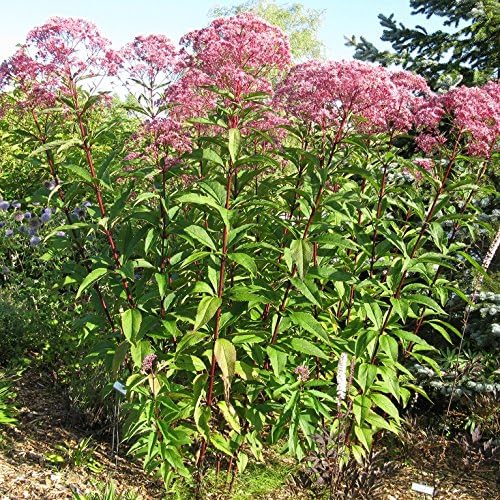
Growing up to 50 inches tall with striking hollow purple stems, Eupatorium Fistulosum Joe Pye Weed fits well in a sunny garden or indoor pot. It’s especially appealing for anyone wanting an ornamental plant that also attracts butterflies and bees, standing out with its large clusters of purple-pink flowers.
Setting it up requires well-drained sandy soil and placing it in full sun to thrive. Moderate watering keeps it comfortable without overdoing moisture.
The vanilla-scented leaves add an inviting touch when crushed, making it enjoyable for everyday interaction. Bringing its cut flowers inside easily brightens any room.
This perennial performs well in both indoor and outdoor environments, showing sturdy upright growth. The flower clusters hold tight and look beautiful for cut arrangements.
One great point noted is how much wildlife it draws in, which livens up the space. On the downside, it demands full sun and won’t do well in heavy soil or poor light, limiting placement options.
Many appreciate how well the flower clusters hold up and how the plant consistently draws pollinators, enhancing garden life. A common drawback noted is its need for full sun and sandy soil conditions, which restricts where it can be successfully grown.
Gardeners with sunny spots and sandy soil will find it rewarding for both outdoor and indoor setups. Those lacking these conditions may want to look for a more adaptable variety to avoid growth issues.
Pros
- Attractive large clusters of flowers
- Leaves emit a pleasant vanilla scent
- Attracts butterflies and bees naturally
- Excellent for cut flower displays indoors
Cons
- Requires full sun to grow well
- Prefers sandy soil; limits planting locations
| Specification | Details |
|---|---|
| Indoor/Outdoor Usage | Indoor |
| Sunlight Exposure | Full Sun |
| Soil Type | Sandy Soil |
| Moisture Needs | Moderate Watering |
| Height | 50″ |
14. Home Grown Herb Seed Variety Kit

Perfect for anyone wanting fresh herbs at home, this variety pack offers a wide mix of 15 heirloom herbs that grow well indoors and outdoors. Its biggest strength lies in the convenience of a single kit providing everything needed to start an herb garden all year round.
Setting up is straightforward since the seeds are USA-sourced and tested for high germination. They thrive in a range of environments such as backyard beds, pots, or hydroponic systems. Moderate watering and partial sun suit these herbs well, making daily care simple and manageable whether on your kitchen windowsill or outdoor garden.
The seeds perform reliably across zones 4 through 10, letting you grow herbs like basil, oregano, mint, and rosemary with consistent success. Kits maintain quality with loam soil and moderate watering needs, promoting healthy growth up to about 2 feet tall. Some appreciate the variety and ease, while others note slower germination in certain conditions as the main drawback.
Growth success benefits from high germination seeds and a variety suitable for multiple planting environments. Occasional slow germination is noted as the most frequent issue, affecting a few herb types. The versatility across zones and growing conditions makes it accessible, yet some sunlight requirements limit placement options indoors.
Anyone looking for an easy, diverse way to start fresh herbs will find this kit well suited to their needs. Those without enough natural light or patience for slower germination might want to consider seed kits with faster sprouting varieties or supplemental lighting options.
Pros
- Includes 15 different heirloom herb seeds
- High germination USA-sourced seeds
- Suitable for indoor and outdoor growing
- Year-round planting and blooming potential
Cons
- Some seeds may germinate slower than expected
- Requires partial sun, limiting some indoor locations
| Specification | Details |
|---|---|
| Expected Blooming Period | Year Round |
| Sunlight Exposure | Partial Sun |
| USDA Hardiness Zone | 4, 5, 6, 7, 8, 9, 10 |
| Expected Plant Height | 2 feet |
| Soil Type | Loam Soil |
| Moisture Needs | Moderate Watering |
15. Outsidepride Joe Pyeweed Eupatorium Seeds

Outdoor design and natural adaptation define these Joe Pyeweed Eupatorium Seeds perfectly for gardeners working with wetter soils. Ideal for anyone with moist landscapes needing a tall, colorful perennial, their standout feature is thriving in environments like bogs or stream banks while delivering vibrant pink blooms.
Planting requires loam soil and partial sun, generally established in spring. The seeds flourish with moderate watering and claim spaces in rain gardens or wetlands easily. Growing between 48 to 72 inches tall, these perennials offer steady visual interest from early summer through fall, making them consistent contributors to any outdoor garden.
These seeds reliably sprout tall plants that fill damp garden areas with dense clusters of dark pink flowers. Built to thrive in USDA Zones 4 through 9, they handle varied climates but prefer moist, high-water-retention soil.
Most people appreciate their vigorous growth and dependable blooms, though some mention a need for constant moisture as a downside in drier spots.
Plants from these seeds reliably produce tall, attractive flowers with strong color spanning summer to fall while demanding consistent moisture to thrive well in their preferred environments.
Gardeners with wet or damp soil areas and enough sunlight will find these seeds suit their needs perfectly. Those with dry or fully shaded plots should consider alternatives better adapted to those conditions.
Pros
- Grows well in moist environments and wetlands
- Long blooming period from spring to fall
- Tall plants up to 72 inches for striking gardens
- Adaptable to USDA zones 4 – 9
Cons
- Requires moderate watering, not suited for dry soil
- Needs partial sun, full shade limits growth
| Specification | Details |
|---|---|
| Expected Plant Height | 5 feet |
| Soil Type | Loam Soil |
| Moisture Needs | Moderate Watering |
| Sunlight Exposure | Partial Sun |
| USDA Hardiness Zone | 4 |
Best Weed Seeds Comparison Table
| Product | Usage | Bloom Period | Sunlight Exposure | USDA Zone |
|---|---|---|---|---|
| Spotted Joe Pye Weed | Outdoor | Summer to Fall | Full Sun | 3-8 |
| Gaeas Blessing Joe Pye | Outdoor | Summer, Winter | Full Sun | 3 |
| Sow Right Spotted Joe Pye | Outdoor | – | Full Sun | – |
| Eupatorium Maculatum Seeds | Indoor, Outdoor | Summer to Fall | Full Sun | – |
| Old Farmers Milkweed | Outdoor | Summer to Fall | Full Sun | 3-10 |
| Pennington KY 31 Fescue | Outdoor | Spring to Summer | 4-8 Hours Sun | 1-8 |
| Home Grown Milkweed | Indoor, Outdoor | Summer to Fall | Full Sun | – |
| TKE Farms Milkweed | Outdoor | Summer | Full Sun | 4-9 |
| Home Grown Butterfly Milkweed | Indoor, Outdoor | Summer to Fall | Full Sun | – |
| Sow Right Butterfly Milkweed | Indoor, Outdoor | Spring to Summer | Full Sun | 3 |
| Gold Vault Joe Pye | Outdoor | Late Summer, Early Fall | Full Sun | 3-9 |
| Organic Iron Weed | Outdoor | Summer | Full Sun | 5 |
| Eupatorium Fistulosum Joe Pye | Indoor | – | Full Sun | – |
| Home Grown Herb Kit | Indoor, Outdoor | – | – | – |
| Outsidepride Joe Pye | Outdoor | Spring to Fall | Partial Sun | 4 |
- UsageOutdoor
- Bloom PeriodSummer to Fall
- Sunlight ExposureFull Sun
- USDA Zone3-8
- UsageOutdoor
- Bloom PeriodSummer, Winter
- Sunlight ExposureFull Sun
- USDA Zone3
- UsageOutdoor
- Bloom Period–
- Sunlight ExposureFull Sun
- USDA Zone–
- UsageIndoor, Outdoor
- Bloom PeriodSummer to Fall
- Sunlight ExposureFull Sun
- USDA Zone–
- UsageOutdoor
- Bloom PeriodSummer to Fall
- Sunlight ExposureFull Sun
- USDA Zone3-10
- UsageOutdoor
- Bloom PeriodSpring to Summer
- Sunlight Exposure4-8 Hours Sun
- USDA Zone1-8
- UsageIndoor, Outdoor
- Bloom PeriodSummer to Fall
- Sunlight ExposureFull Sun
- USDA Zone–
- UsageOutdoor
- Bloom PeriodSummer
- Sunlight ExposureFull Sun
- USDA Zone4-9
- UsageIndoor, Outdoor
- Bloom PeriodSummer to Fall
- Sunlight ExposureFull Sun
- USDA Zone–
- UsageIndoor, Outdoor
- Bloom PeriodSpring to Summer
- Sunlight ExposureFull Sun
- USDA Zone3
- UsageOutdoor
- Bloom PeriodLate Summer, Early Fall
- Sunlight ExposureFull Sun
- USDA Zone3-9
- UsageOutdoor
- Bloom PeriodSummer
- Sunlight ExposureFull Sun
- USDA Zone5
- UsageIndoor
- Bloom Period–
- Sunlight ExposureFull Sun
- USDA Zone–
- UsageIndoor, Outdoor
- Bloom Period–
- Sunlight Exposure–
- USDA Zone–
- UsageOutdoor
- Bloom PeriodSpring to Fall
- Sunlight ExposurePartial Sun
- USDA Zone4
How to Choose the Best Weed Seeds
Selecting high-quality weed seeds depends on factors like genetics, germination rate, and suitability for your growing environment. Choosing the right seeds ensures healthy plants, reduces wasted resources, and prevents costly mistakes, making your cultivation process smoother and more efficient.
Seed Genetics and Strain
Trying different strain types quickly reveals how much the experience changes with indica, sativa, or hybrid plants. Indicas generally bring calmer effects and compact plants, while sativas tend to be taller with energizing effects.
Hybrids combine traits, but the exact balance depends on the genetics. Poorly bred seeds often produce inconsistent plants that vary wildly in potency and growth, causing both wasted effort and unpredictable outcomes.
High-quality seed genetics mean predictable growth and reliable cannabinoid profiles. Check for strains tested to have stable THC and CBD levels according to lab reports or breeder information. Potent seeds usually fall between 15-25% THC for psychoactive effects, while CBD levels from 5% and higher suit medicinal uses without strong highs.
Stable genetics reduce plant hermaphroditism and minimize surprises during flowering.
Germination Rate
Seeds with a low germination rate often delay or ruin plants before growth even starts. A high germination success, above 80%, maximizes your chance of a healthy harvest. Storage conditions play a critical role; seeds kept too warm or humid lose viability fast.
Freshness is king here because older or poorly stored seeds might crack or fail to sprout altogether.
Look for seeds in airtight, moisture-proof packaging. Vacuum-sealed foil packets or containers with silica gel packs make a difference over simple plastic bags. Many reputable suppliers date their seeds so you can avoid purchasing those past their prime.
Proper storage in a cool, dark, and dry place extends seed life, so consider how long your seeds have been on the shelf and how you’ll keep them before planting.
Growing Difficulty
The growing difficulty varies greatly from one plant to another. Some strains tolerate beginner mistakes like inconsistent watering and temperature swings, while others demand expert care to prevent disease or pest wreckage.
Resistance to molds, spider mites, and nutrient deficiencies often separates simple strains from delicate ones.
Cultivating indoors versus outdoors also influences your choice. Outdoor plants deal with pests and changing weather, so strains that resist mold and handle sunlight swings make growing simpler. Indoor growers might choose plants with controllable size and flowering times.
Identifying the strain’s resistance and growth environment preferences beforehand helps avoid constant struggle and disappointment.
Yield and Growth Time
Yield expectations can dramatically affect your growing setup. Large harvests require adequate space and support; a plant that grows over 6 feet isn’t practical for small indoor tents.
Flowering times between 8 to 12 weeks are common, so knowing the duration helps schedule light cycles and plan for harvest periods.
Fast-growing strains can save time but may not always produce large yields. Conversely, slow growers typically reward patience with bigger buds.
Growth height also matters; dwarf or autoflowering plants suit tight spaces better. Consider these measurements and times carefully to avoid overcrowding or rushed efforts that lower the final output.
Legal and Regional Compatibility
Seed legality varies widely by location, with some regions banning personal cultivation entirely. Purchasing seeds without confirming the local laws risks fines or loss of your plants.
Checking the current regulations prevents legal trouble and wasted investment.
Climate compatibility matters because some strains prefer warm, dry conditions, while others thrive with humidity and cooler nights. Selecting seeds appropriate for your regional weather reduces plant stress and losses. Also, importing seeds often involves permits or restrictions, so researching these rules before ordering saves headaches at customs and ensures your grow gets off to a legitimate start.
Optimal Growing Conditions for Premium Weed Seed Germination
Successful germination of cannabis seeds largely depends on maintaining stable warmth and moisture. Seeds generally sprout fastest at temperatures around 70-85°F (21-29°C).
It is important to keep the medium consistently moist but not soaked, as excess water can cause seeds to rot before they germinate.
Using a light, airy substrate such as a seed-starting mix helps roots develop without excess density, which can hinder oxygen access. Direct sunlight is often too intense during germination; placing seeds in indirect light or under fluorescent bulbs works well until seedlings emerge.
Key points to remember:
- Maintain a steady temperature close to 75°F (24°C).
- Keep the germinating medium evenly damp but avoid waterlogging.
- Choose a loose, well-draining starting medium.
- Provide gentle, indirect light instead of full sun.
Following these conditions supports consistent sprouting and lays a strong foundation for healthy plant development.
Common Mistakes to Avoid When Cultivating Cannabis from Seeds
Overwatering is one of the most frequent errors when growing cannabis from seeds. New growers often saturate the soil expecting faster growth, but this leads to poor oxygen availability and can drown young roots.
Using a moisture meter or simply touching the soil helps determine when watering is necessary.
Another common mistake is planting seeds too deep. Cannabis seeds require only about a quarter to half an inch of soil covering to break through easily.
Planting deeper delays sprouting and increases the risk of seed failure.
Other frequent pitfalls include:
- Exposing seeds to extreme temperatures, either too hot or cold.
- Applying fertilizers too early, as seedlings are sensitive and prefer nutrient-poor starting substrates.
- Disturbing the seed or sprout excessively during early growth stages.
Keeping these factors in check improves the chance of healthy seedlings that will mature into strong plants.
People Also Asked
How Do I Properly Store Weed Seeds to Keep Them Fresh?
Store weed seeds in a cool, dark, and dry place to keep them fresh. Using a sealed container like a small jar with a desiccant packet helps prevent moisture from damaging the seeds during storage.
What Is the Ideal Temperature and Humidity for Germinating Weed Seeds?
The ideal temperature for germinating weed seeds is around 70 to 80 degrees Fahrenheit with moderate humidity. Too much moisture can cause mold, so wrapping the seeds in a damp paper towel without soaking them works well for sprouting.
How Long Do Weed Seeds Typically Remain Viable After Purchase?
Weed seeds typically remain viable for about one to two years after purchase if stored properly. You might notice that older seeds take longer to sprout or have lower germination rates, so using fresher seeds generally offers better results.
Are There Any Common Pests or Problems When Growing from Weed Seeds?
Common pests include spider mites and fungus gnats, while issues like damping-off disease can affect seedlings. Keeping the growing environment clean and monitoring moisture levels helps reduce these problems during early growth.
Can I Grow Weed Seeds Outdoors, or Do They Need Indoor Conditions?
Weed seeds can be grown outdoors, but they need suitable climate and light conditions. Starting them indoors as seedlings before transplanting outside can improve survival rates, especially in regions with short growing seasons.
Conclusion
Choosing the best weed seeds comes down to seed quality, the strain’s growth characteristics, and how well it suits your climate or growing setup. Good seeds should be mature, free of mold or damage, and from a reliable source.
Consider how long the plant takes to grow and flower, and if it matches your experience level or desired yield.
Match your seed choice to the space you have and how often you plan to use your harvest. Budget can also influence whether you select regular, feminized, or auto-flowering seeds. Revisit the comparison table and the details above to find the option that fits your specific needs best.