Top 15 Best Wildflower Seed Mix That Grows Instantly!
Planting wildflowers sounds simple, but a cheap or poorly chosen blend often leads to disappointment. The best wildflower seed mix can avoid bare patches and overcrowding by including the right combination of species that suit the local soil and climate.
Many mixes only contain a few types of seeds, which either dominate or fail to thrive, leaving the garden looking unbalanced or sparse.
A good wildflower seed mix usually contains a diverse variety of native seeds, often around 10 to 20 different species, to encourage continuous blooming. The seeds should be fresh, ideally harvested within the last year to ensure good germination rates. The mix’s seed size and quantity per square foot also matter; about 2 to 4 grams per square foot is typical to prevent overcrowding and ensure gradual growth over several seasons.
Need a Quick Check?
| Image | Product | Price |
|---|---|---|
Our Top Picks 1 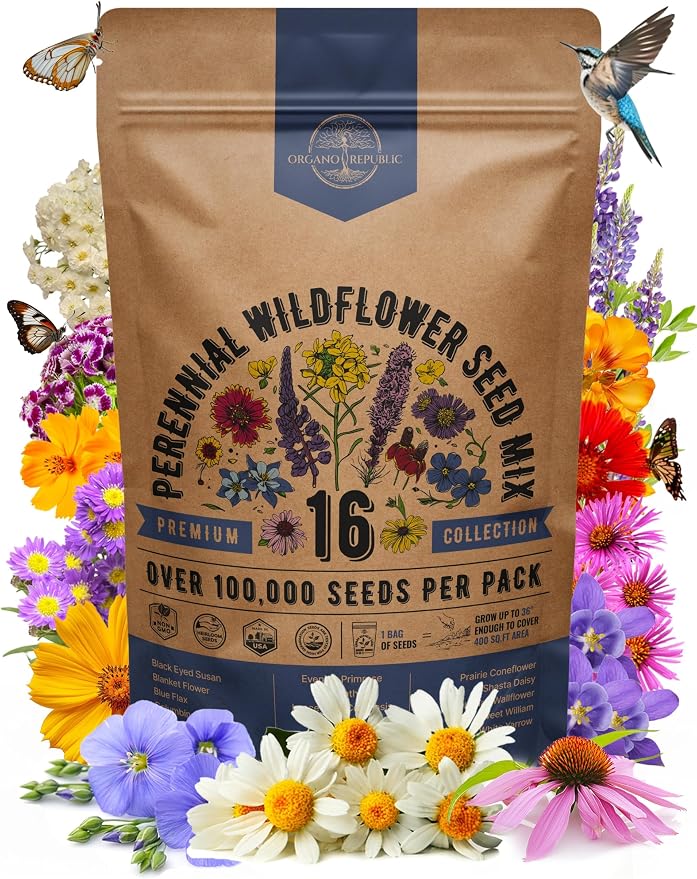 | Perennial Wildflower Mix | Check Price |
Our Top Picks 2 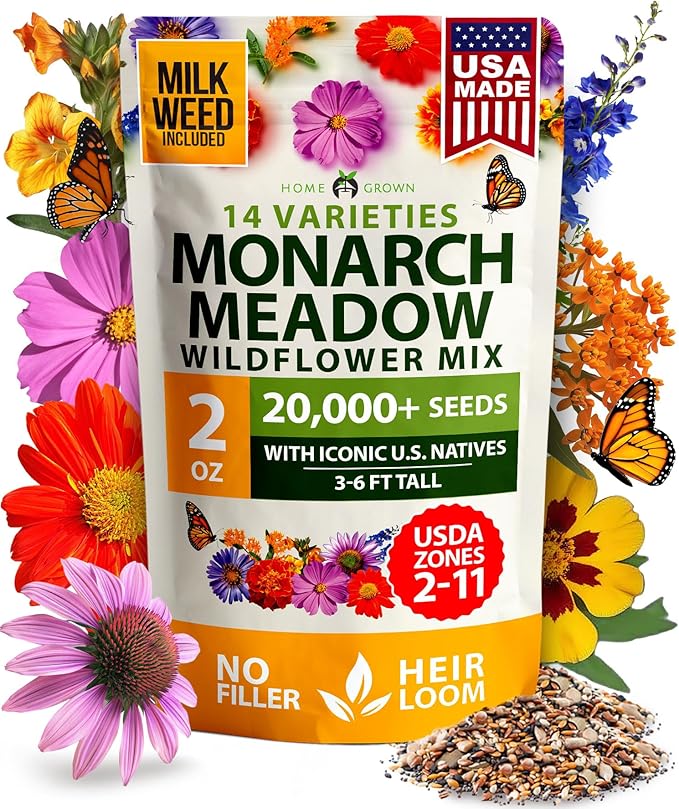 | HOME GROWN Monarch Mix | Check Price |
Our Top Picks 3  | Wildflower Butterfly Hummingbird | Check Price |
Our Selected Top 15 Wildflower Seed Mix Worth Your Money
This list features a variety of wildflower seed mixes suited for different environments and garden goals. Each review covers how well the mix grows, who it benefits most, and highlights its strengths and potential drawbacks to help you make an informed choice.
1. Perennial Wildflower Seeds Mix
Ideal for outdoor gardeners in North America, this mix brings a variety of 23 wildflower seeds that thrive from spring to fall. Its standout feature is the high germination rate combined with a resealable package, keeping seeds fresh and ready for planting across multiple seasons.
Planting is straightforward thanks to the individual seed bags and clear instructions for partial sun conditions. It suits loam or potting mix soils needing moderate, regular watering. Seeds can be started almost any time of year, spring, summer, autumn, or winter, making it flexible to work with your gardening schedule and climate.
Once planted, the flowers grow to about 15 inches and attract bees, butterflies, and birds that support garden health. The high germination rate ensures a thriving wildflower patch.
Reviews highlight its freshness and seed quality, while some mention a limited height if expecting taller plants for a more dramatic display.
Many appreciate the seed freshness and successful germination, resulting in lively, colorful patches. A common drawback is the relatively short plant height, which might not satisfy those looking for taller blooms.
Gardeners wanting a diverse and consistent selection of wildflowers suitable for almost any season will enjoy this mix. Those needing taller plants or full sun preferences might want to consider other options better suited to those needs.
Pros
- High germination rate for reliable growth
- Includes 23 varieties in one mix
- Resealable package keeps seeds fresh
- Adaptable to multiple planting seasons
Cons
- Plant height limited to 15 inches
- Best for partial sun, not full shade or direct sun
| Specification | Details |
|---|---|
| Number of Varieties | 23 Wildflower Seeds |
| Plant Height | 15 inches |
| Sunlight Exposure | Partial Sun |
| Planting Period | Spring, Summer, Autumn, Winter |
| USDA Hardiness Zones | 1 through 10, 12 |
2. HOME GROWN Monarch Butterfly Wildflower Mix
HOME GROWN Monarch Butterfly Wildflower Mix creates vibrant outdoor spaces filled with flowers and supports pollinators like monarch butterflies, bees, and hummingbirds. Ideal for gardeners looking to attract wildlife while enjoying a colorful meadow that blooms through spring to fall.
Planting is straightforward during spring or fall in full sun, with moderate watering needs. The mix includes milkweed and nectar-rich wildflower seeds that return yearly in suitable USDA zones.
Expect about 2 feet of growth in loam soil, making it manageable for gardens of various sizes and skill levels.
The mix performs well in creating a lively habitat with continuous blooms in orange, purple, yellow, and white. It’s designed to last longer with perennial wildflowers returning season after season. Most users appreciate the thriving pollinator-friendly environment it fosters, though some mention that consistent watering is needed to maintain the blooms.
The seed mix reliably attracts pollinators and maintains vibrant blooms from spring through fall, making outdoor spaces lively and ecologically beneficial. The need for consistent moderate watering stands out as the most common challenge after planting.
Gardeners who enjoy wildlife-friendly environments and have sunny outdoor spaces will appreciate this mix. Those with limited sun or water access may find alternative options more suitable for their conditions.
Pros
- Supports monarchs and other pollinators effectively
- Produces a season-long display of colorful blooms
- Includes perennial wildflowers for lasting gardens
- Suitable for various USDA hardiness zones
Cons
- Requires regular moderate watering to thrive
- Only suited for outdoor use in full sun
| Specification | Details |
|---|---|
| USDA Hardiness Zone | 3, 4, 5, 6, 7, 8, 9 |
| Expected Plant Height | 2 feet |
| Sunlight Exposure | Full Sun |
| Expected Planting Period | Spring, Fall |
| Soil Type | Loam Soil |
| Moisture Needs | Moderate Watering |
3. Wildflower Seeds Butterfly and Hummingbird Mix
Growing a colorful wildflower patch feels rewarding and lively with this seed mix. Perfect for gardeners looking to invite butterflies and hummingbirds, it excels in bringing vibrant life to about 100 square feet of garden. Its biggest strength is the sheer quantity of seeds, making it great for a sizable garden area.
Getting started is straightforward thanks to the included planting instructions and premium packaging, which keeps seeds fresh between uses. The seeds need full sun and moderate watering, so a sunny spot with well-draining soil fits best. Day-to-day care mostly involves consistent watering, but the adaptability to most soil types makes it forgiving for different garden conditions.
Seeds show strong germination and bloom from spring to fall, offering months of garden color and activity. Plants grow up to 4 feet tall, attracting wildlife well.
The packaging is reusable and designed to preserve freshness, which makes storage easy. Some find that germination can vary depending on local climate, but the guaranteed quality reassures consistent results in general.
The mix is praised for its abundant seed count and clear planting instructions, supporting good germination and colorful blooms that last from spring to fall. The most noted concern is that success depends somewhat on local climate conditions, which affects how reliably the seeds sprout.
Those wanting a lively garden that attracts pollinators in sunny locations will appreciate this mix. Gardeners in shadier spots or with very dry soil might look for options better suited to those environments.
Pros
- Generous seed quantity covers 100 square feet
- Reusable packaging with planting instructions
- Good germination rates with fresh seeds
- Attracts butterflies and hummingbirds effectively
Cons
- Germination success may vary by climate
- Requires full sun and moderate watering
| Specification | Details |
|---|---|
| Expected Blooming Period | Spring to Fall |
| Sunlight Exposure | Full Sun |
| Expected Plant Height | 4 feet |
| Soil Type | Adaptable to most soils |
| Moisture Needs | Moderate Watering |
| Packet Size | 1 ounce (over 7,500 seeds) |
4. Eden Brothers Perennial Wildflower Seed Mix

Eden Brothers Perennial Wildflower Seed Mix is great for anyone wanting to add a variety of easy-to-grow flowers that attract pollinators to their outdoor space. It stands out because it offers a pure, no-filler seed blend that covers up to 1,000 square feet and works well across many USDA zones.
Starting the mix is straightforward, you plant in spring, ideally in sandy soil and full sun, ensuring moderate watering. The seeds include 19 perennial species like Shasta Daisy and Black Eyed Susan, which means you get a diverse, colorful garden without much fuss.
It’s a low-maintenance choice suitable for fairly large areas, bringing life to your yard through the summer and fall.
The mix reliably blooms in summer and fall, reaching about 25 inches tall. The non-GMO seeds contribute to a natural garden feel and bring plenty of bees and butterflies. One of the best things about it is how well these wildflowers attract pollinators.
The main downside is their preference for sandy soils, which might not suit all garden types without some soil work.
Many appreciate how well this mix attracts pollinators and fills large areas with color. On the flip side, some find it challenging if their soil isn’t sandy or their location lacks consistent full sun. That can affect how well the flowers establish.
Those with sandy soil and full sun will enjoy a lively, diverse, perennial garden attracting lots of pollinators. Gardeners with heavy clay or shaded yards might want to look for mixes better suited to their conditions.
Pros
- Includes 19 favorite perennial wildflowers
- Attracts bees, butterflies, and hummingbirds
- Suitable for a wide range of USDA zones
- Non-GMO seeds without fillers
Cons
- Works best in sandy soil only
- Needs full sun for best results
| Specification | Details |
|---|---|
| Sunlight Exposure | Full Sun |
| USDA Hardiness Zone | 3,4,5,6,7,8,9,10 |
| Expected Blooming Period | Summer, Fall |
| Soil Type | Sandy Soil |
| Expected Plant Height | 25 inches |
| Moisture Needs | Moderate Watering |
5. Wildflower Seeds Mix Perennial & Annual

Comprised of a mix of 24 annual, perennial, and biennial plants, this wildflower seed blend is designed for anyone aiming to attract pollinators to their garden while adding vibrant colors. Its standout quality is the high germination rate, ensuring a thriving, lively garden with minimal seed wastage.
Planting the seeds in full sun during spring or summer is straightforward. The mix thrives outdoors and starts to bloom between 35 and 75 days after planting. Watching hummingbirds, butterflies, and bees show up regularly adds life and movement to your outdoor space.
The flowers can grow up to 48 inches tall, so you might want to plan the layout accordingly.
The seed mix delivers well on its promise of sprouting, thanks to the tested high germination rate and 99% pure live seed content without fillers. The blend combines different plant types, providing blooms throughout the growing season. The main praise highlights its attractiveness to pollinators, while some users mention variation in flower distribution as a minor downside.
The seed mix is praised for reliably attracting butterflies and bees due to high-quality seeds, yet some find that flowers don’t always grow evenly across the garden. This can cause a less uniform look than expected from such a diverse blend.
Anyone wanting to create a lively, pollinator-friendly garden with minimal fuss will appreciate this mix. However, those with shady gardens or who want perfectly uniform flower coverage might want to look for alternatives better suited to those conditions.
Pros
- High germination rate ensures good growth
- Attracts a variety of pollinators
- Contains a mix of annual, perennial, biennial plants
- 99% pure live seed with no fillers
Cons
- Some flowers may not distribute evenly
- Requires full sun to bloom properly
| Specification | Details |
|---|---|
| Indoor/Outdoor Usage | Outdoor |
| Expected Blooming Period | 35-75 days |
| Sunlight Exposure | Full Sun |
| Expected Plant Height | 48 inches |
| Expected Planting Period | Spring and Summer |
6. HOME GROWN 24 Wildflower Variety Mix

Vibrant colors and a wide variety define the HOME GROWN 24 Wildflower Variety Mix, making it suitable for anyone wanting to attract butterflies or create a natural garden area. Its biggest strength lies in the sheer number of seeds and the diversity of blooms lasting through multiple seasons.
Planting the seeds directly into outdoor garden spaces comes easily, whether in spring or fall. These non-GMO seeds include flowers that bloom from spring through fall, ensuring something is always flowering.
Perfect for beginners, they tolerate dry spells and prefer moderate watering in well-drained sandy or loam soil under full sun.
Every seed mix contains over 90,000 seeds, offering enough to fill large meadows or smaller garden beds with two-foot-tall flowers. The blend reliably supports pollinators and butterflies.
Most users note the abundance of blooms and color variety, though some mention the slow start for germination and establishment as a downside.
The seed mix delivers an impressive array of colorful flowers that attract pollinators consistently from spring through fall. Many appreciate how well the wildflowers fill out a garden area over time, while some find the early growth slower than expected before the blooms become abundant.
Gardeners looking for a long-lasting, natural wildflower area with plenty of variety will be satisfied. Those needing quicker results or shade-tolerant flowers might want to explore other mixes better adapted to those conditions.
Pros
- Contains 24 perennial wildflower varieties
- High germination rate with non-GMO seeds
- Long blooming season from spring to fall
- Drought tolerant for natural growth
Cons
- Germination can take time to establish fully
- Requires full sun and moderate watering
| Specification | Details |
|---|---|
| Expected Blooming Period | Spring to Fall |
| Sunlight Exposure | Full Sun |
| Expected Plant Height | 2 feet |
| Moisture Needs | Moderate Watering |
| USDA Hardiness Zone | 3, 4, 5, 6, 7, 8, 9, 10 |
7. HOME GROWN Premium Wildflower Seeds Mix

Choosing a wildflower seed mix with variety and pure non-GMO seeds makes a big difference in garden appeal. HOME GROWN Premium Wildflower Seeds Mix suits anyone looking to create colorful meadows or cottage-style gardens that attract pollinators. Its biggest strength lies in the diversity of its 23 vibrant flower types and the high germination rate.
Planting involves scattering seeds directly into outdoor garden beds in spring or fall, preferably in full sun. Regular watering keeps the flowers healthy.
Users can enjoy blooms from spring through fall, with a blend of spring flowers and summer bloomers included. It works well in loam soil and is ready to grow up to about 2 feet tall, fitting nicely into perennial beds and pollinator gardens.
Performance matches expectations with a high chance of germination for both beginners and seasoned gardeners. These seeds mix well for continuous blooms over seasons, helping build a lively garden habitat for butterflies, bees, and birds. The main praise highlights its ability to create lasting perennial flowers.
The common complaint involves the need for consistent watering and suitable soil to achieve full results.
This mix stands out for its reliable germination and long-lasting perennial flowers that keep gardens colorful from spring through fall. However, it demands regular watering and the right soil type to achieve the best results, which might be a challenge in less ideal conditions.
Home gardeners aiming to build a pollinator-friendly garden over multiple seasons will find this mix rewarding. Those with poor soil or limited time for watering should consider other options better suited to low-maintenance or less fertile environments.
Pros
- Includes 23 vibrant flower varieties
- High germination rate for beginners
- Attracts butterflies, bees, and birds
- Suitable for USDA zones 3 to 10
Cons
- Requires consistent watering to thrive
- Best in loam soil; less effective elsewhere
| Specification | Details |
|---|---|
| Seed Count | 134,000+ pure NON-GMO seeds |
| Expected Blooming Period | Spring to Fall |
| Sunlight Exposure | Full Sun |
| Expected Plant Height | 2 feet |
| Soil Type | Loam Soil |
| Moisture Needs | Regular Watering |
8. Tactiko Save the Bees Wildflower Seed Mix

Creating a colorful, lively space full of pollinators can be rewarding but challenging. This wildflower seed mix fits anyone looking to bring bees, butterflies, and hummingbirds into their garden while enjoying blooms from spring to fall.
Its biggest strength is the large pack size filled with a diverse seed blend that supports pollinators season-long.
Preparation begins in early spring by spreading seeds from the waterproof, rodent-proof pouch over your chosen outdoor area. It adapts well whether you’re planting in full sun, partial sun, or even full shade. Moderate watering helps seeds germinate, and you get a mix of annuals blooming quickly plus perennials that come back year after year, which means less replanting effort.
The seed varieties attract lots of beneficial pollinators as promised, steadily filling your garden with color and life. Seeds come from U.S.A. sources and are non-GMO, enhancing garden reliability.
Some users mention the large seed count is impressive, but occasional uneven germination rates can require a bit of patience in spots.
The mix delivers vibrant flowers that attract many pollinators and keeps your yard colorful across seasons. However, some spots may see patchy growth due to varying germination, requiring extra care or reseeding in those areas.
Gardeners wanting a plentiful, varied selection of wildflowers to support pollinators will find this seed mix ideal. Those needing guaranteed uniform germination or planting outside recommended seasons might prefer other options.
Pros
- Over 120,000 seeds for extensive coverage
- Mix of annuals and perennials for continuous blooms
- Attracts a wide range of pollinators
- Non-GMO and U.S.A. grown seeds
Cons
- Some seeds may have uneven germination
- Best planted in early spring, limiting timing flexibility
| Specification | Details |
|---|---|
| Expected Blooming Period | Spring to Fall |
| Sunlight Exposure | Full Shade, Full Sun, Partial Sun |
| Planting Period | Spring |
| Moisture Needs | Moderate Watering |
| USDA Hardiness Zone | 1-6: Plant Early Spring; 7-11 Plant Early Spring or Early Fall |
9. Buzzy Seeds Wildflower Pollinator Seed Mix

Eighteen different wildflower varieties come together in one bag, making it perfect for gardeners wanting a vibrant space that attracts pollinators. Its biggest strength lies in how easy it is to use, ideal for both beginners and those who want quick, colorful blooms that support bees and butterflies.
Setting it up involves simply scattering the seeds on prepared soil, covering them lightly, and giving them a good water. No special skills or tools are required, and it works well in garden beds, borders, containers, or even meadows. The mix thrives in full sun and needs well-draining soil to get the best results.
Most flowers in this mix start sprouting within two to three weeks, which means you don’t have to wait long to see progress. Once blooming starts, colors last from spring all the way to fall.
The composition supports pollinators throughout the season, making your garden lively. One downside mentioned is that planting requirements must be met carefully to ensure good growth.
Many appreciate the fast sprouting time and vibrant color continuation for several months, making it very rewarding to grow. A common issue arises when the soil or light conditions don’t meet the plant’s needs, which can affect germination and growth.
This seed mix suits anyone wanting to create a lively pollinator-friendly garden with minimal fuss. Those with shady yards or poorly draining soil may want to look for mixes better suited to those conditions.
Pros
- Easy to sow with no gardening experience needed
- Long blooming season from spring to fall
- Supports both bees and butterflies
- Varied seed mix with 18 wildflower types
Cons
- Requires full sun for best results
- Needs well-draining soil to avoid poor growth
| Specification | Details |
|---|---|
| Wildflower Varieties | 18 non-GMO (sunflower, cosmos, zinnia, aster & more) |
| Blooming Period | Spring to Fall |
| Sunlight Exposure | Full Sun |
| Planting Period | Spring or Fall |
| USDA Hardiness Zone | Zone 3-10 |
| Soil Type | Well-draining |
10. Eden Brothers Native Northeast Wildflower Mix

Gardeners looking to enrich Northeastern meadows with native wildflowers will find this mix especially fitting. It shines brightest in creating continuous blooms throughout spring to fall, featuring seeds rooted in local flora to naturally complement the ecosystem.
Planting is straightforward with these seeds designed for outdoor sowing in full sun. Scattering them over a prepared patch is simple, with no special treatment required to establish.
The selection includes a staggered bloom schedule, so your garden offers a lively and changing display over several months, tying well into the natural cycles of local wildlife.
The seed mix performs reliably, delivering a variety of flowers like Black-Eyed Susan and Eastern Columbine that suit USDA zones 3 through 10. While the mix encourages a layered, wild meadow look, some users note that flower density can sometimes vary, with occasional patches less full than others.
Positively, the diversity supports extended habitat value and seasonal interest.
The mix consistently delivers diverse blooms across multiple seasons, enriching garden spaces with native color and texture. Some users experience variability in coverage, leading to less consistent flower density in certain areas. Establishment tends to be easy, but success depends on well-prepared, sunny locations.
Gardeners seeking to foster native biodiversity and enjoy prolonged floral displays will appreciate this mix. Those with shaded yards or aiming for uniform, dense flower beds might consider alternatives tailored to those conditions instead.
Pros
- Includes a broad variety of native seeds
- Blooms staggered from spring to fall
- Easy to plant in full sun conditions
- Supports local wildlife habitat
Cons
- Flower coverage can be uneven
- Requires sunny location for best results
| Specification | Details |
|---|---|
| Seed Variety | 17 Northeast Native Wildflower Seeds |
| Bloom Season | Spring Through Fall |
| Sunlight Exposure | Full Sun |
| USDA Hardiness Zones | 3,4,5,6,7,8,9,10 |
11. HOME GROWN 19 Wildflower Variety Mix

Offering a mix of 19 wildflower varieties, this seed mix suits those wanting a colorful garden that draws in butterflies, bees, and birds. Its standout feature is the sheer quantity of over 63,000 seeds, allowing a large area to fill with blooms from spring to fall.
Perfect for anyone looking to support pollinators while creating a lively, natural garden space.
Planting these seeds outdoors in sandy soil under full sun is straightforward. They thrive with moderate watering and press well into the soil during spring or fall planting. The mix includes flowers like Purple Coneflower and Black-Eyed Susan, which add vibrant colors and attract pollinators.
The bulk size lets it be used for anything from small garden beds to bigger meadow projects.
On the performance side, the seeds reliably produce flowers about 2 feet tall, contributing to a lively habitat. Growth is vibrant and natural thanks to the non-GMO seeds, offering a wide range of colors and shapes.
Some find the large quantity overwhelming to handle at once, but that also means good value. The most praised aspect is its ability to attract pollinators effectively, while variety in bloom timing supports biodiversity.
Many appreciate how well the mix attracts pollinators and produces a variety of flowers throughout the growing season. Handling the large volume of seeds can be tricky for small projects or casual gardeners due to the bulk size. The natural, non-GMO approach supports healthy growth without chemicals.
Gardeners seeking to create a pollinator-friendly meadow or large flower bed will find this mix a great fit. Those with limited space, less sunny gardens, or without sandy soil should explore alternatives better suited for their conditions.
Pros
- Contains 63,200+ seeds for large garden areas
- Attracts butterflies, bees, and birds effectively
- Supports biodiversity with 19 flower varieties
- Non-GMO seeds for natural growth
Cons
- Large seed quantity can feel overwhelming
- Best suited for full sun and sandy soil only
| Specification | Details |
|---|---|
| Expected Blooming Period | Spring to Fall |
| Sunlight Exposure | Full Sun |
| Planting Period | Spring, Fall |
| USDA Hardiness Zone | 3 to 10 |
| Expected Plant Height | 2 feet |
| Soil Type | Sandy Soil |
12. Wildflower Seeds Annual & Perennial Mix

Wildflower Seeds Annual & Perennial Mix offers a thoughtful selection of 32 flower varieties tailored for gardeners seeking both quick blooms and lasting garden beauty. Its standout feature is the grouping into four separate seed collections, helping tailor your garden to attract pollinators, provide early color, or endure colder climates.
Getting started with the seeds involves planting in spring in full sun, ideally in sandy soil with moderate watering. The mix separates seeds for different purposes, making it easier to plan your garden stages. Four collections include fast bloomers, pollinator-friendly flowers, cold-hardy perennials, and traditional cottage-garden types, each adding diversity in height and color throughout summer and fall.
The mix performs well across USDA zones 3 through 10, showing resilience outdoors and consistent growth up to about 25 inches tall. The varied species support a balanced display through longer seasons. Strong reviews highlight the flower variety and garden impact, while some point out the time needed for different seeds to appear, requiring patience during early growth.
Praise centers on the thoughtful grouping of seeds allowing gardeners to choose their garden style, from fast flowering to perennial returns. Common feedback notes that patience is necessary since not all seeds bloom at once, leading to variable garden development timing.
Gardners wanting a diverse, season-spanning wildflower garden that attracts pollinators and survives cold winters will like this mix. Those with heavy or non-sandy soil or needing very fast blooms might look at mixes designed for those specific growing conditions.
Pros
- Four distinct seed collections for tailored garden planning
- Supports pollinators with bee and butterfly-friendly flowers
- Wide USDA hardiness range from zone 3 to 10
- Combines annuals and perennials for varied bloom times
Cons
- Several varieties take time to establish blooms
- Best suited for sandy soil, limiting some garden types
| Specification | Details |
|---|---|
| Sunlight Exposure | Full Sun |
| Expected Plant Height | 25 inches |
| Blooming Period | Summer, Fall |
| USDA Hardiness Zone | 3,4,5,6,7,8,9,10 |
| Planting Period | Spring |
| Soil Type | Sandy Soil |
13. Mountain Valley Seed Co Save the Monarchs Mix

Growing a colorful garden that attracts monarch butterflies feels incredibly rewarding. Save The Monarchs Mix suits anyone wanting to support local pollinators without much fuss.
Its biggest strength lies in a carefully balanced blend of 13 hardy wildflower varieties tailored to thrive outdoors with moderate watering and full sun.
Planting in spring is straightforward since the seeds come ready to cover about 250 square feet per shaker. The high germination rate means most seeds sprout without failing.
Regular moderate watering keeps the flowers healthy through summer into fall blooms. Kids and beginner gardeners find it forgiving and enjoyable to grow, thanks to the mix’s resilience and ease of planting.
Wildflowers quickly turn an ordinary space into a thriving pollinator habitat providing both nectar and habitat. The mix performs well under full sun and moderate watering routines, fulfilling its promise to support monarchs. Most praise highlights its pure, non-GMO seeds that reliably grow.
The main critique notes that small substitutions in seed varieties can occur depending on seasonality, which may slightly alter the visual variety.
High germination and consistent growth are praised as the mix reliably fills garden space with flowers and supports pollinators. The seasonal seed substitutions sometimes cause slight changes in flower varieties, which may surprise those expecting a fixed lineup.
People wanting to help monarchs with minimal gardening skill will appreciate the easy start and hearty blooms. Those lacking full sun exposure or wanting a guaranteed exact flower lineup may want to consider alternative mixes.
Pros
- Includes 13 different hardy wildflowers
- High germination rate ensures good growth
- Supports monarch butterflies and pollinators
- Non-GMO and pure seed mix
Cons
- Small seed substitutions based on seasonality
- Only suited for full sun locations outdoors
| Specification | Details |
|---|---|
| Expected Blooming Period | Fall |
| Sunlight Exposure | Full Sun |
| Expected Planting Period | Spring |
| Moisture Needs | Moderate Watering |
| Seed Quantity | 2 oz. ~100,000 seeds per shaker |
| Coverage Area | ~250 square feet |
14. Earth Science Perennial Wildflower Mix

Earth Science Perennial Wildflower Mix is great for anyone wanting a simple way to fill a garden with colorful flowers that return year after year. Its biggest strength lies in packing everything needed to start growing into one bag, making the planting process straightforward and convenient.
Planting the mix only requires spreading it in a sunny spot, watering moderately, and waiting for blooms from spring through fall. Including mulch, plant food, and soil conditioners right in the mix saves time and effort. It suits outdoor gardens within USDA zones 4 to 9 and thrives best with full sun exposure and moderate watering.
The mix grows a variety of perennials such as Siberian wildflower, purple coneflower, and black-eyed Susan, ensuring continued color season after season. It’s low maintenance and holds up well in the intended zones. The seeds are tested for purity and good germination rates, which is appreciated, though some may notice it takes patience to see full blooms the first season.
Seed purity and germination rates are excellent, leading to vibrant, long-lasting flowers, but gardeners need to be patient for the full effect as blooms develop gradually. The built-in soil conditioners and plant food simplify planting and early care.
Gardeners looking for a low-maintenance, perennial flower mix that blooms for multiple seasons will appreciate this blend. Those wanting quick results or indoor growing options should consider different seed mixes.
Pros
- All-in-one package with seeds and soil enhancers
- 100% perennial flowers for lasting blooms
- Designed for full sun and moderate watering
- Suitable across a wide range of USDA zones
Cons
- May require patience to see full blooms
- Only suitable for outdoor planting
| Specification | Details |
|---|---|
| Indoor Outdoor Usage | Outdoor |
| Expected Blooming Period | Spring to Fall |
| Sunlight Exposure | Full Sun |
| USDA Hardiness Zone | 4, 5, 6, 7, 8, 9 |
| Moisture Needs | Moderate Watering |
15. Seed Needs Wildflower Seeds Butterfly and Hummingbird Mix

Seed Needs Wildflower Seeds Butterfly and Hummingbird Mix delivers a blend of annual and perennial flower seeds designed for outdoor gardens. Ideal for gardeners wanting to attract butterflies and pollinators, its biggest strength is creating a vibrant, colorful display with a variety of flowers throughout summer to fall.
Planting in spring under full sun conditions is essential to get the best out of this mix. It requires daily watering and prefers average soil types. The seed package includes a broad selection like snapdragons, cosmos, and butterfly milkweed, offering blooms in many colors and heights, reaching up to 36 inches.
The mix performs well in a wide USDA hardiness zone range from 1 to 10. It grows into a flourishing garden attracting lots of pollinators.
Most users praise the vibrant colors and variety while some mention the need for consistent watering as a downside. The seed collection is an heirloom and open-pollinated variety, encouraging natural growth cycles.
Many appreciate the colorful, diverse flowers that attract butterflies and pollinators throughout the growing season. Consistent daily watering is often mentioned as a demanding care aspect for this mix.
Gardeners with sunny spaces and commitment to daily watering will enjoy vibrant blooms and pollinator visits. Those seeking low-maintenance plants or shade-tolerant varieties should look elsewhere for easier options.
Pros
- Wide variety of flower colors and species
- Attracts butterflies and pollinators naturally
- Includes both annual and perennial flowers
- Suitable for broad hardiness zones
Cons
- Requires daily watering to thrive
- Needs full sun exposure for best results
| Specification | Details |
|---|---|
| Expected Blooming Period | Summer to Fall |
| Sunlight Exposure | Full Sun |
| Expected Plant Height | 36 inches |
| Moisture Needs | Water Daily |
| USDA Hardiness Zone | 1,2,3,4,5,6,7,8,9,10 |
| Soil Type | Average |
Comparison of Best Wildflower Seed Mixes
| Product | Usage | Blooming Period | Sunlight Exposure | Special Features |
|---|---|---|---|---|
| Perennial Wildflower Mix | Outdoor | Spring to Fall | Partial Sun | High Germination, Resealable Package |
| HOME GROWN Monarch Mix | Outdoor | – | – | Attracts Pollinators, Gift Idea |
| Wildflower Butterfly Hummingbird | – | Spring to Fall | Full Sun | Reusable |
| Eden Brothers Perennial Mix | Outdoor | Summer, Fall | Full Sun | Resistant |
| Wildflower Perennial & Annual | Outdoor | 35-75 days | Full Sun | High Germination |
| HOME GROWN 24 Variety Mix | Outdoor | – | – | Attracts Pollinators, Gift Idea |
| HOME GROWN Premium Mix | Outdoor | – | – | Attracts Pollinators, Gift Idea |
| Tactiko Save the Bees | Indoor, Outdoor | Spring to Fall | Full Shade, Full Sun, Partial Sun | Non-GMO, USA Grown |
| Buzzy Seeds Pollinator Mix | Indoor, Outdoor | Spring to Fall | Full Sun | 18 Varieties, 1-lb bag |
| Eden Brothers Native Northeast | – | – | Full Sun | – |
| HOME GROWN 19 Variety Mix | Outdoor | – | – | Attracts Pollinators, Gift Idea |
| Wildflower Annual & Perennial | Outdoor | Summer, Fall | Full Sun | Resistant |
| Mountain Valley Monarch Mix | Outdoor | Fall | Full Sun | High Germination |
| Earth Science Perennial Mix | Outdoor | Spring to Fall | Full Sun | Low Maintenance |
| Seed Needs Butterfly Hummingbird | Outdoor | Summer to Fall | Full Sun | Attracts Butterflies, Heirloom |
- UsageOutdoor
- Blooming PeriodSpring to Fall
- Sunlight ExposurePartial Sun
- Special FeaturesHigh Germination, Resealable Package
- UsageOutdoor
- Blooming Period–
- Sunlight Exposure–
- Special FeaturesAttracts Pollinators, Gift Idea
- Usage–
- Blooming PeriodSpring to Fall
- Sunlight ExposureFull Sun
- Special FeaturesReusable
- UsageOutdoor
- Blooming PeriodSummer, Fall
- Sunlight ExposureFull Sun
- Special FeaturesResistant
- UsageOutdoor
- Blooming Period35-75 days
- Sunlight ExposureFull Sun
- Special FeaturesHigh Germination
- UsageOutdoor
- Blooming Period–
- Sunlight Exposure–
- Special FeaturesAttracts Pollinators, Gift Idea
- UsageOutdoor
- Blooming Period–
- Sunlight Exposure–
- Special FeaturesAttracts Pollinators, Gift Idea
- UsageIndoor, Outdoor
- Blooming PeriodSpring to Fall
- Sunlight ExposureFull Shade, Full Sun, Partial Sun
- Special FeaturesNon-GMO, USA Grown
- UsageIndoor, Outdoor
- Blooming PeriodSpring to Fall
- Sunlight ExposureFull Sun
- Special Features18 Varieties, 1-lb bag
- Usage–
- Blooming Period–
- Sunlight ExposureFull Sun
- Special Features–
- UsageOutdoor
- Blooming Period–
- Sunlight Exposure–
- Special FeaturesAttracts Pollinators, Gift Idea
- UsageOutdoor
- Blooming PeriodSummer, Fall
- Sunlight ExposureFull Sun
- Special FeaturesResistant
- UsageOutdoor
- Blooming PeriodFall
- Sunlight ExposureFull Sun
- Special FeaturesHigh Germination
- UsageOutdoor
- Blooming PeriodSpring to Fall
- Sunlight ExposureFull Sun
- Special FeaturesLow Maintenance
- UsageOutdoor
- Blooming PeriodSummer to Fall
- Sunlight ExposureFull Sun
- Special FeaturesAttracts Butterflies, Heirloom
How to Choose the Right Wildflower Seed Mix
Choosing the right wildflower seed mix depends on factors like climate compatibility, soil type, and the intended use of the flowers. Matching these aspects ensures strong growth and reduces wasted seeds, saving money and avoiding the frustration of poor results.
Seed Composition and Diversity
Packages of flower seeds often list a dozen or more species, but not all mixes deliver a healthy range that suits every garden. Templates heavy on one or two species can create a patchy look and reduce insect variety.
A mix balanced between annuals and perennials ensures something blooms right away while others come back year after year, cutting down on reseeding work.
Including native species adapted to your region makes a big difference in how well the plants thrive without extra care. Some sellers provide detailed lists showing each flower type, which helps evaluate diversity and fit.
Look for at least 5 to 10 different species with a roughly equal split between short-lived and longer-lasting plants for a vibrant, sustainable patch.
Germination Rate and Purity
Seed packets sometimes state a germination rate of 80% or higher, which is a good sign you’ll get a solid stand of flowers without gaps. Lower germination means wasted seeds and uneven growth, leaving space for weeds to invade. Seed purity is another critical factor; mixes with less than 90% purity can include weed seeds or fillers that hurt your flower bed’s success.
Freshness matters more than many expect, as seeds over two years old tend to sprout less robustly. Checking for a packing date or asking about seed age can save frustration.
High-quality mixes often guarantee both a germination rate above 80% and purity close to 95%, combining good yields with minimal unwanted growth.
Coverage Area and Seed Quantity
Some seed packages mention coverage for 100 square feet or 50 square meters, but using the right amount depends on how dense you want the planting. Applying too many seeds causes overcrowding, which stresses plants and wastes seed, while too few leave gaps where weeds can settle. Understanding the seeding rate helps match seed quantity to your site size.
Average seeding rates for wildflower mixes range anywhere between 1 to 3 pounds per 1,000 square feet. Most directions on the packet give this figure but keep in mind your soil quality and planting goals, thicker planting benefits quick coverage but requires more maintenance. It’s useful to calculate your area precisely before buying.
Soil and Climate Suitability
Some seed mixes are formulated specifically for sandy, clay-heavy, or loamy soils, which impacts how well the plants establish and persist. Using a mix mismatched to your soil type can result in poor growth or even failure to thrive. Checking product descriptions for soil recommendations prevents guesswork in planting.
Climate is equally important; selecting seeds suited to your local rainfall and temperature patterns reduces watering demands and losses during dry spells. Species with drought tolerance suited to your area mean less maintenance. Look for mixes that state they perform well under your typical weather conditions for the best chance of a low-stress garden patch.
Environmental Impact and Benefits
Wildflower mixes that attract native pollinators and provide habitat for birds or beneficial insects contribute meaningfully to local ecosystems. Not all seeds come from sustainable or organic sources, choosing brands that clearly label their sourcing gives confidence you’re supporting environmentally responsible suppliers.
Some mixes are designed to improve soil health by adding organic matter or preventing erosion through root structure. These benefits go beyond aesthetics, helping build resilience on your site. Look for product details that highlight soil enrichment or erosion control as extra benefits for maintaining long-term ground stability.
How to Prepare Your Garden Bed for Optimal Wildflower Growth
Preparing the garden bed properly sets the foundation for wildflowers to thrive. Start by clearing the area of all existing grass and weeds.
These can compete aggressively with wildflower seeds for nutrients and water. Use a garden fork or tiller to loosen the soil to a depth of about 6 inches. This encourages root penetration and water drainage.
After loosening the soil, rake it smooth to create an even seedbed. Avoid heavy fertilizers; wildflowers usually grow best in lean soil.
A light application of compost can improve soil texture without overwhelming the seeds. Finally, firm the soil gently with your hands or a flat board to provide good seed-to-soil contact, which helps with germination.
- Remove all grass and weeds before planting
- Loosen soil to about 6 inches deep
- Rake surface smooth and firm gently
- Use minimal organic matter like compost
Common Mistakes to Avoid When Planting Wildflower Seeds
One common mistake is planting wildflower seeds too deep. These seeds are generally small and need to be sown on or just beneath the surface of the soil. Covering them with more than a thin layer of soil can prevent them from sprouting.
Another pitfall is overwatering seedlings; wildflowers require moist but not soggy soil. Excess water can lead to rotting seeds or fungal issues.
Skipping site preparation, like leaving existing weeds or grass, causes competition for nutrients and light. Also, uneven sowing results in patchy growth, so spreading seeds evenly is important. Avoid walking on freshly seeded areas to prevent soil compaction.
Finally, planting at the wrong time of year affects success. It’s best to plant wildflowers during early spring or fall, depending on your climate.
- Do not sow seeds too deep
- Keep soil moist but not waterlogged
- Clear weeds and grass before planting
- Distribute seeds evenly
- Avoid walking on seeded areas
- Plant in suitable seasons for your region
People Also Asked
How Long Does Wildflower Seed Mix Typically Take to Bloom?
Wildflower seed mixes usually begin to bloom within 8 to 12 weeks after planting. You can expect the first colorful flowers to appear in one or two months, but full blooming often takes a bit longer during the first season.
Can I Plant Wildflower Seeds Directly in Clay Soil?
Planting wildflower seeds directly into clay soil can be challenging because clay retains water and compacts easily. You should consider loosening the soil and mixing in some sand or compost to improve drainage before sowing the seeds.
Are Wildflower Seeds Safe for Pets and Small Children?
Wildflower seeds themselves are generally safe around pets and small children, but it’s helpful to know that some wildflower species may cause mild irritation if eaten. Keeping an eye on young kids or pets during the early growth phase reduces any risk.
What Is the Best Way to Prepare Soil for Wildflower Seeds?
Preparing soil for wildflower seeds involves clearing the area of weeds and loosening the top inch or two of soil. Avoid adding fertilizer, as wildflowers tend to thrive better in poor soils and too much nutrients can favor grass growth instead.
How Often Should I Water Wildflower Seed Mix After Planting?
Water wildflower seed mix lightly and regularly to keep the soil moist but not soaked, especially for the first two to three weeks. Reducing watering once seedlings are established helps encourage deeper root growth and stronger plants.
Conclusion
Choose a wildflower seed mix based on local climate compatibility, bloom time, and seed variety diversity. These factors affect how well the flowers will grow and how long your garden will stay colorful through the seasons. You want seeds that thrive in your soil and suit your desired level of maintenance.
Consider the size of your planting area and how much effort you want to spend on care when selecting a mix. A larger space or low-maintenance preference might call for different blends than a small garden with frequent attention.
Review the comparison table and earlier picks to find the best fit for your needs and budget.