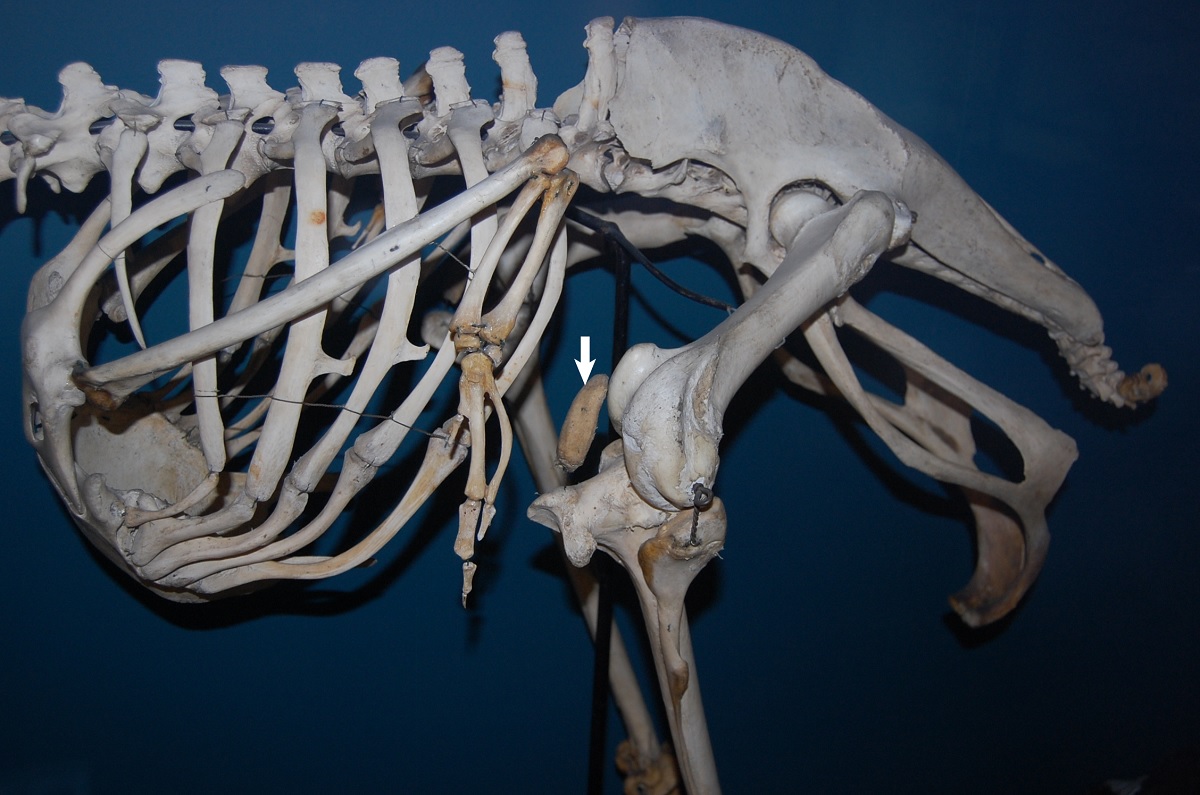
Bird Rib Cage: Structure, Function, And Unique Adaptations
The anatomy of birds is uniquely adapted for flight, and the skeletal structure plays a critical role in their mobility and survival. Among these adaptations, the rib cage stands out as a key feature that provides both protection and flexibility. Observing the structure and function of the bird rib cage reveals how evolution has shaped these animals for efficient breathing, stability, and movement.
The bird rib cage is not merely a protective shield for vital organs like the heart and lungs; it also supports the muscular system required for flight. Its design allows birds to maintain a lightweight frame while providing the strength necessary to withstand the pressures of flying.
Studying the bird rib cage helps ornithologists and biologists understand respiratory efficiency, posture, and overall physiology. The interconnection between bones, muscles, and air sacs demonstrates a remarkable balance between strength and lightness.
By exploring the structure of the bird rib cage, you gain insight into the broader mechanics of avian anatomy. Its specialized adaptations highlight the intricate ways birds are engineered for both endurance and agility.
Learning about the rib cage also deepens appreciation for the diversity among bird species. Variations in rib structure can reflect different lifestyles, flight patterns, and ecological niches, showcasing the fascinating complexity of avian evolution.
Anatomy Of The Bird Rib Cage
The bird rib cage is a remarkable structure that combines strength, flexibility, and lightness, supporting both flight and respiratory efficiency. Unlike mammals, birds have evolved a specialized skeletal system that allows them to maintain a lightweight frame while protecting vital organs and facilitating breathing. Understanding the anatomy of the bird rib cage provides insight into how birds are adapted for endurance, agility, and survival.
Structure And Composition
The bird rib cage is composed of a series of thoracic ribs connected to the vertebral column and sternum. Each rib is typically paired and features a unique structure called a uncinate process—small projections that overlap with adjacent ribs. These processes provide additional support, reinforcing the rib cage without adding significant weight.
The sternum, or breastbone, is another essential component. In most flying birds, the sternum has a large keel, which serves as an attachment site for powerful flight muscles, including the pectoralis and supracoracoideus. This integration of rib structure and muscular attachment allows for efficient wing movement and stability during flight.
The composition of the rib cage bones is lightweight yet strong, with a degree of flexibility that allows for minor movements during breathing and wing flapping. The rib cage protects vital organs such as the heart and lungs while allowing expansion and contraction during respiration.
Role In Respiration
One of the most critical functions of the bird rib cage is supporting respiration. Birds rely on a highly efficient respiratory system, which includes lungs and air sacs. The rigid yet flexible rib cage helps maintain the volume and pressure necessary for air to move continuously through the lungs in a unidirectional flow.
During inhalation and exhalation, the uncinate processes and the articulations of the ribs allow slight movements, aiding the mechanical expansion and contraction of the thoracic cavity. This ensures that oxygen-rich air passes through the lungs efficiently, supporting the high metabolic demands of flight. The rib cage’s structure is integral to maintaining this continuous airflow, which is far more efficient than the tidal breathing system seen in mammals.
The combination of rigid support and controlled flexibility enables birds to sustain prolonged periods of activity without respiratory fatigue. This respiratory efficiency is essential for migration, hunting, and escaping predators, demonstrating how anatomy directly supports survival.
Variations Among Bird Species
Not all bird rib cages are identical; variations reflect differences in flight style, lifestyle, and ecological niche. Birds that engage in sustained flight, such as albatrosses or swifts, tend to have more pronounced keels and robust rib connections to support larger flight muscles. Ground-dwelling or flightless birds, such as ostriches, have less prominent keels but still maintain a protective rib structure.
These variations also influence the uncinate processes’ length and strength. Species that perform rapid flapping or maneuvering require longer and stronger uncinate processes to stabilize the rib cage during intense muscular activity. Observing these differences provides insight into the diversity of avian adaptation and the evolutionary pressures that shaped their skeletal systems.
Studying these variations helps ornithologists predict behavioral traits, flight capacity, and energy requirements based on rib cage structure alone. It emphasizes the intricate link between anatomy and ecological adaptation.
Muscular Attachments And Movement
The bird rib cage serves as a foundation for numerous muscular attachments critical to flight. Muscles attached to the sternum and ribs control wing movement, assist with breathing, and stabilize the body during takeoff and landing.
The interplay between ribs, uncinate processes, and muscles allows birds to maintain precise control over wing strokes. This coordination is vital for hovering, gliding, or rapid directional changes. Additionally, muscles linked to the rib cage help maintain posture and protect internal organs during sudden impacts or aerial maneuvers.
The integration of skeletal and muscular systems highlights how the bird rib cage is more than a protective cage; it is a dynamic framework that supports movement, respiration, and survival. The sophisticated design reflects millions of years of evolutionary adaptation to diverse environments.
Function And Importance
The bird rib cage serves multiple critical functions that go beyond simple skeletal support. It plays a vital role in protecting internal organs, facilitating efficient respiration, and supporting flight mechanics. Understanding the function and importance of the bird rib cage reveals how birds are uniquely adapted for survival, mobility, and energy efficiency in diverse environments.
Protection Of Vital Organs
One of the primary functions of the bird rib cage is to shield essential organs, including the heart, lungs, and major blood vessels. The ribs and sternum form a rigid protective framework that absorbs impacts and reduces the risk of injury during flight, collisions, or predator encounters.
The uncinate processes, which overlap with adjacent ribs, provide additional structural support without adding unnecessary weight. This allows birds to maintain a lightweight skeleton for flight while keeping vital organs secure. In species that engage in high-speed flight or frequent aerial maneuvering, this protective function is particularly important.
Beyond physical protection, the rib cage also helps support internal pressure during respiration. By maintaining a stable thoracic cavity, the cage ensures that the lungs and air sacs function efficiently, safeguarding these organs from collapse or overexpansion during breathing or wing movement.
Respiratory Support And Efficiency
The bird rib cage is closely linked to the respiratory system, enabling birds to meet the high oxygen demands of flight. Unlike mammals, birds have a unidirectional airflow system in their lungs, which requires the rib cage to maintain constant pressure and volume.
Movements of the ribs, aided by the uncinate processes, allow the thoracic cavity to expand and contract slightly, facilitating airflow through the lungs and air sacs. This efficient mechanism supports sustained flight, rapid flapping, and prolonged activity without fatigue. Birds rely on this respiratory support to maintain high metabolic rates necessary for hunting, migration, and escaping predators.
The integration of skeletal and respiratory functions demonstrates the rib cage’s importance in survival. Without this specialized structure, birds would struggle to maintain the oxygen supply required for energy-intensive activities.
Structural Support For Flight
Another key function of the bird rib cage is providing a stable base for muscular attachments. The sternum and ribs serve as anchor points for flight muscles, including the pectoralis and supracoracoideus, which control wing movement.
This structural support allows precise wing strokes, rapid directional changes, and powerful takeoffs. The rigidity of the rib cage, combined with lightweight design, ensures that the force generated by muscles is efficiently transferred to the wings without compromising stability. In birds that perform intricate aerial maneuvers, the rib cage’s design is crucial for coordinated and controlled flight.
Additionally, the rib cage helps maintain posture and balance during both flight and ground activities. Muscular attachments and joint flexibility enable birds to adjust their body position quickly, enhancing agility and survival in complex environments.
Evolutionary Significance
The bird rib cage exemplifies evolutionary adaptation, combining protection, respiratory efficiency, and flight support in a lightweight structure. Its specialized design reflects millions of years of natural selection, optimizing survival and mobility across diverse habitats.
By studying the function and importance of the rib cage, ornithologists and biologists gain insights into avian physiology, behavior, and ecological roles. The rib cage is not only a skeletal framework but also a dynamic system that enables birds to thrive as agile, efficient, and resilient creatures in the natural world.
Unique Features And Adaptations
The bird rib cage exhibits several unique features and adaptations that distinguish it from the rib structures of other animals. These specialized traits allow birds to maintain a lightweight frame, achieve efficient respiration, and support powerful flight muscles. Studying these adaptations provides insight into how evolutionary pressures shaped birds for survival, agility, and energy efficiency in diverse environments.
Uncinate Processes
One of the most notable adaptations of the bird rib cage is the presence of uncinate processes—small, backward-pointing projections on each rib. These overlapping structures connect adjacent ribs, providing additional rigidity and strength without significantly increasing weight.
Uncinate processes play a vital role in stabilizing the thoracic cavity during wing movement. By reinforcing the rib cage, they prevent excessive distortion during the rapid flapping motions of flight. They also assist in respiration by facilitating slight expansion and contraction of the thoracic cavity, ensuring efficient airflow through the lungs and air sacs.
The size and prominence of uncinate processes vary among species, reflecting differences in flight style. Birds that perform rapid flapping, such as hummingbirds, tend to have longer and more robust uncinate processes, while gliding or ground-dwelling birds may have smaller, less pronounced projections. This variation demonstrates how evolutionary pressures shaped rib cage adaptations to match specific behavioral and ecological needs.
Keel And Muscle Attachments
Another key adaptation is the large keel, or carina, on the sternum, which serves as an anchor point for major flight muscles, including the pectoralis and supracoracoideus. The keel’s integration with the rib cage ensures that muscle force is efficiently transmitted to the wings, supporting powerful takeoffs, sustained flight, and precise maneuvering.
The connection between the ribs, sternum, and flight muscles creates a highly coordinated system. During flight, the rib cage must remain rigid enough to support muscular contractions but flexible enough to accommodate slight expansions for respiration. This balance highlights the rib cage’s dual role in protection and function, demonstrating the sophistication of avian skeletal design.
The size and shape of the keel vary among species depending on flight demands. Birds adapted for hovering, rapid flapping, or long-distance migration often possess more pronounced keels, reflecting the evolutionary need for enhanced muscle attachment and support.
Lightweight But Strong Structure
Bird rib cages are constructed from lightweight bones that often contain air spaces, a characteristic that reduces overall weight without sacrificing strength. This adaptation is critical for flight, as minimizing skeletal mass allows for greater lift and maneuverability.
Despite being lightweight, the rib cage provides sufficient protection for vital organs and structural support for wing and chest muscles. The combination of lightness, rigidity, and slight flexibility enables birds to withstand the physical demands of flight, rapid directional changes, and high-impact landings.
This adaptation is especially important for long-distance migratory birds and species that engage in high-speed aerial hunting. The ability to maintain both strength and minimal weight illustrates how natural selection optimized the rib cage for survival and efficiency.
Variations And Ecological Significance
Unique features of the rib cage, such as uncinate processes, keel size, and bone composition, reflect ecological and behavioral adaptations. Birds that rely on gliding or soaring often have lighter rib cages with smaller processes, while predators and long-distance fliers possess reinforced structures for enhanced flight efficiency.
Understanding these adaptations allows ornithologists to link rib cage morphology with flight style, habitat preference, and metabolic demands. By examining these features, scientists can infer behavioral patterns, ecological niches, and evolutionary pressures that shaped the incredible diversity of avian species.
The bird rib cage exemplifies the perfect balance of strength, flexibility, and lightness. Its unique features and adaptations highlight the intricate evolutionary design that enables birds to thrive in varied and demanding environments.
Respiratory System And Rib Cage Interaction
The bird rib cage is intricately linked to its respiratory system, forming a highly efficient framework for breathing and oxygen delivery. Unlike mammals, birds rely on a unidirectional airflow system supported by lungs and air sacs, which requires structural adaptations in the rib cage. Studying this interaction highlights how skeletal and respiratory systems work together to meet the high metabolic demands of flight.
Unidirectional Airflow And Rib Cage Function
Birds have a unique respiratory system where air flows in one direction through the lungs, ensuring continuous oxygen exchange. The rib cage plays a critical role in maintaining this airflow. During inhalation and exhalation, slight movements of the ribs and uncinate processes help expand and contract the thoracic cavity, facilitating air movement through the lungs and air sacs.
The rigidity of the rib cage provides support for the delicate lung tissue, while the flexibility offered by the uncinate processes allows controlled expansion. This dual function ensures that oxygen-rich air passes through the lungs even during vigorous wing flapping or high-energy activities. The efficiency of this system allows birds to sustain long flights, rapid maneuvers, and high-altitude navigation without respiratory fatigue.
By integrating skeletal movement with air sac dynamics, birds achieve a respiratory efficiency unmatched in mammals. The rib cage ensures the lungs remain stable, while subtle motions optimize airflow, reflecting an elegant evolutionary solution to the demands of flight.
Coordination With Muscular System
The respiratory efficiency of birds is enhanced by the interaction between the rib cage and respiratory muscles. Muscles attached to the sternum and ribs, including the intercostal muscles, coordinate with rib movements to regulate thoracic volume. This coordinated system allows birds to control the timing and volume of inhalation and exhalation precisely.
During flight, pectoral muscles generate wing movement while the rib cage and respiratory muscles maintain continuous airflow. The uncinate processes act as levers, enhancing the mechanical advantage of muscles and stabilizing the thoracic cavity. This coordination ensures that breathing does not interfere with wing strokes, maintaining consistent oxygen delivery to support high metabolism.
The combination of rib cage rigidity, muscle coordination, and air sac function demonstrates the intricate link between skeletal structure and respiration. This integration allows birds to perform energy-intensive activities efficiently and maintain homeostasis during flight.
Adaptations For High Metabolic Demands
Birds require exceptional oxygen supply due to the energy demands of flight, thermoregulation, and long-distance migration. The rib cage supports this need by providing a lightweight yet sturdy framework that accommodates the expansion and contraction of air sacs.
Uncinate processes prevent collapse of the thoracic cavity under pressure and allow efficient transfer of forces generated during wing flapping to aid airflow. These adaptations ensure that oxygen delivery matches metabolic requirements even during prolonged exertion. Birds with high-energy flight styles, such as hummingbirds or swifts, exhibit more pronounced uncinate processes and rib cage reinforcements to support this enhanced respiratory demand.
By studying these structural adaptations, scientists gain insight into how rib cage morphology and respiratory efficiency are co-evolved traits. The integration of skeletal and respiratory systems allows birds to thrive in diverse environments and perform remarkable aerial feats.
Importance For Survival And Performance
The interaction between the bird rib cage and respiratory system is essential for survival, energy efficiency, and overall performance. Efficient airflow supports sustained flight, predator evasion, and long migratory journeys. The structural integrity of the rib cage ensures that the lungs and air sacs function optimally, while muscular coordination maintains consistent ventilation under stress.
Understanding this interaction also informs conservation and veterinary practices. Knowledge of respiratory mechanics helps in diagnosing respiratory issues, designing aviary enclosures, and supporting rehabilitation of injured birds. The synergy between rib cage and respiratory system highlights the remarkable evolutionary adaptations that allow birds to master the skies with efficiency and endurance.
Common Injuries Or Issues
The bird rib cage, while strong and specialized, is not immune to injuries or health issues. Trauma, disease, and environmental factors can compromise its integrity, affecting both protection and respiratory efficiency. Understanding common injuries and issues provides insight into the challenges birds face and highlights the importance of proper care, habitat management, and medical intervention when necessary.
Fractures And Trauma
Fractures of the rib cage are among the most common injuries in birds, often caused by collisions with windows, vehicles, or predators. These fractures can range from hairline cracks to severe breaks that compromise structural stability. The sternum and ribs are particularly vulnerable in high-impact events.
Fractured ribs can impair breathing, reduce mobility, and limit a bird’s ability to fly, which is critical for survival in the wild. Immediate veterinary attention is often required to stabilize the injury, prevent complications, and promote healing. Birds in captivity benefit from careful handling, padded enclosures, and restricted movement to support recovery.
The severity of fractures varies by species and size, with smaller birds often experiencing faster healing but higher vulnerability to stress-related complications. Monitoring birds after trauma is essential to ensure proper respiratory and skeletal function.
Respiratory Complications
Injuries to the rib cage can directly affect the respiratory system due to the close integration of bones and air sacs. Cracked or misaligned ribs may reduce thoracic cavity expansion, leading to inefficient airflow and reduced oxygen intake. This can cause labored breathing, decreased energy, and increased susceptibility to illness.
Respiratory infections and inflammation may also arise secondary to rib injuries. Open wounds or compromised rib integrity can allow pathogens to enter, further complicating recovery. Early detection, supportive care, and appropriate medical treatment are essential to prevent long-term respiratory issues.
Deformities And Developmental Issues
Some birds may experience congenital or developmental rib cage deformities, affecting posture, breathing, and flight mechanics. Malformations can result from nutritional deficiencies, genetic factors, or improper incubation conditions.
Deformed rib cages may reduce lung efficiency and restrict movement, making it harder for birds to hunt, migrate, or evade predators. In captive birds, diet supplementation and controlled environments can mitigate some developmental issues, supporting healthier growth and skeletal alignment.
Soft Tissue Injuries And Strain
The rib cage supports major flight muscles, and strain or injury to these muscles can indirectly impact rib cage function. Overexertion, improper handling, or sudden impact can lead to bruising, tears, or muscle fatigue, limiting wing movement and overall mobility.
Soft tissue injuries often require rest, limited activity, and sometimes physical therapy in captivity. Ensuring a balanced exercise regimen and safe environment helps prevent muscle-related complications and supports optimal rib cage function.
Understanding common injuries and issues affecting the bird rib cage is crucial for both wild and captive populations. Timely intervention and preventive measures can preserve respiratory efficiency, structural integrity, and overall health.
People Also Asked
What Is The Bird Rib Cage Made Of?
The bird rib cage is composed of lightweight, hollow bones that provide both strength and flexibility. Each rib typically has a projection called an uncinate process, which overlaps with the neighboring ribs to add support without adding weight.
The sternum, or breastbone, is a major part of the rib cage and often has a keel for flight muscle attachment. This design protects vital organs like the heart and lungs while allowing the flexibility needed for breathing and wing movement. The combination of lightweight bones and reinforced structures is essential for efficient flight and survival.
How Does The Bird Rib Cage Support Flight?
The rib cage serves as a stable framework for the attachment of flight muscles, including the pectoralis and supracoracoideus. These muscles anchor to the sternum and ribs, allowing powerful wing strokes and controlled movement.
The uncinate processes stabilize the rib cage during flapping, while the lightweight structure ensures minimal energy expenditure. This integration allows birds to generate lift, perform precise aerial maneuvers, and sustain long periods of flight, demonstrating the crucial role of the rib cage in supporting mobility and endurance.
What Role Does The Rib Cage Play In Bird Respiration?
The bird rib cage interacts closely with the respiratory system, facilitating unidirectional airflow through the lungs and air sacs. Movements of the ribs, supported by uncinate processes, expand and contract the thoracic cavity, ensuring continuous oxygen exchange.
This respiratory efficiency supports the high metabolic demands of flight, allowing birds to maintain energy levels for sustained activity. Without the rib cage’s rigidity and controlled flexibility, airflow would be compromised, reducing oxygen intake and affecting overall survival and performance.
What Are Uncinate Processes And Why Are They Important?
Uncinate processes are small bony projections on each rib that overlap with adjacent ribs. They provide structural support, reinforcing the rib cage without adding unnecessary weight.
These processes also assist in respiration by aiding thoracic expansion and contraction. They stabilize the rib cage during wing flapping, preventing excessive deformation and ensuring that the skeletal and muscular systems work together efficiently. Species that require rapid flapping or sustained flight often have longer and stronger uncinate processes.
Can Birds Injure Their Rib Cage?
Yes, birds can sustain rib cage injuries from collisions, falls, predation, or trauma. Fractures or cracks can impair breathing, limit mobility, and reduce flight capability, which is critical for survival in the wild.
In captivity, rib cage injuries require careful handling, rest, and veterinary care. Soft tissue strain and muscle injury associated with the rib cage can also occur from overexertion or improper wing use. Early detection and treatment are essential to maintain respiratory efficiency and structural integrity.
How Does Rib Cage Structure Vary Among Bird Species?
Rib cage structure varies depending on flight style, lifestyle, and ecological niche. Birds that engage in rapid flapping or long-distance flight tend to have more pronounced uncinate processes and larger keels for muscle attachment.
Ground-dwelling or flightless birds have a less prominent keel but maintain rib protection for vital organs. These variations illustrate evolutionary adaptation, reflecting differences in energy needs, flight mechanics, and environmental pressures. Observing rib cage morphology can provide insights into a bird’s behavior, movement, and habitat preferences.
Final Thoughts
The structure of a bird’s body is perfectly designed to support its unique lifestyle, and the rib cage plays a central role in this adaptation. It provides protection to vital organs like the heart and lungs while maintaining the flexibility needed for breathing and flight. Observing the bird rib cage highlights how evolution has optimized both strength and lightweight design for efficient movement through the air.
Respiration in birds is closely linked to their rib cage, with specialized features like uncinate processes aiding in expanding and contracting the lungs and air sacs. This ensures a constant flow of oxygen during flight, which is essential for energy-demanding activities. Understanding these mechanisms gives you a deeper appreciation of how intricately birds are built to survive and thrive in diverse environments.
Studying the bird rib cage also reveals variations across species, from flightless birds to long-distance fliers, each adapted to their lifestyle. Recognizing these differences enhances your knowledge of avian anatomy and offers insights into their remarkable evolutionary journey.