Top 15 Best Perennial Wildflower Seed Mix Picks Revealed!
Many gardeners know the frustration of planting a wildflower seed mix only to see sparse growth and lots of weeds taking over. The best perennial wildflower seed mix avoids this by containing a carefully balanced blend of hardy species that come back year after year. Choosing the right mix means less time replanting and more consistent blooms from spring through fall.
A quality perennial wildflower seed mix focuses on strong germination rates, usually around 70 to 85 percent, and a good variety of native species suited to the local climate. The seed size matters too, as very fine seeds can be lost to birds or blown away, while overly large seeds may struggle to establish. The right mix also includes plants with staggered blooming periods to keep the garden colorful over an extended season without requiring constant reseeding.
Need a Quick Check?
| Image | Product | Price |
|---|---|---|
Our Top Picks 1 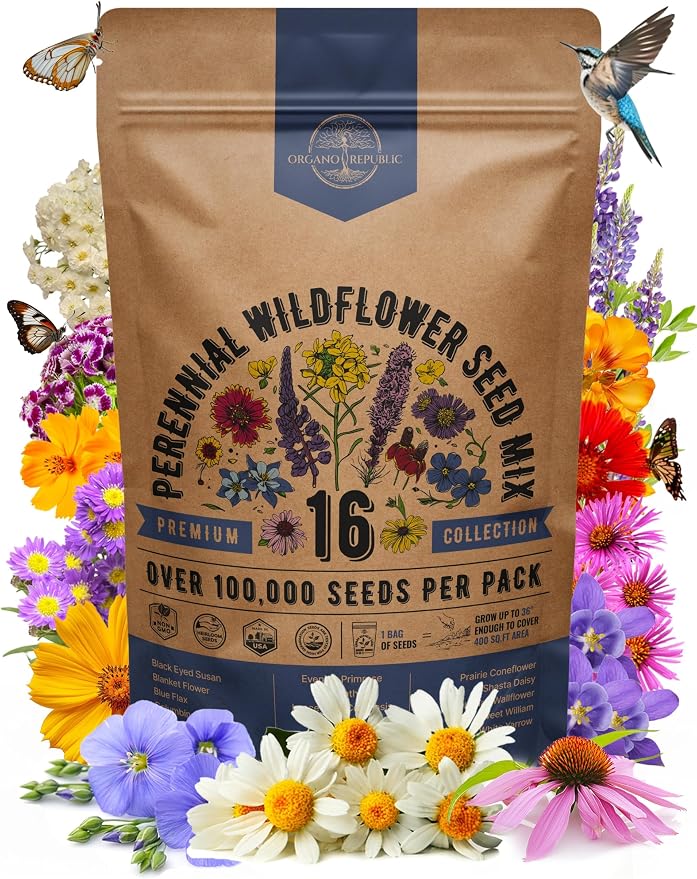 | Wildflower Mix | Check Price |
Our Top Picks 2  | Eden Brothers Wildflower | Check Price |
Our Top Picks 3  | HOME GROWN Wildflower Mix | Check Price |
Our Selected Top 15 Perennial Wildflower Seed Mix for Different Needs
This list features a variety of perennial wildflower seed mixes designed for different environments and gardening goals. Each option is reviewed based on its growth performance, suitability for specific conditions, and key advantages and disadvantages to help you find the right match for your needs.
1. Perennial Wildflower Seeds Mix
A mix of over 23 wildflower seed varieties is designed for outdoor planting across North America, perfect for gardeners aiming to attract pollinators. Its biggest strength is the high germination rate combined with freshness kept by resealable packaging.
Planting can be done during any season, spring, summer, autumn, or winter, making it flexible for different climates. Seeds come in individual bags inside a resealable package, making it easy to store and portion out. Requires moderate, regular watering and grows best in partial sun and appropriate soil like loam or potting mix.
The mix performs reliably in growing wildflowers that reach around 15 inches tall with blooms expected from spring through fall. It’s built to thrive in USDA Hardiness Zones 1 through 12, showing broad adaptability. The main praise praises the fresh seeds and good germination.
Some have noted that optimal growth depends heavily on maintaining moderate watering and partial sun exposure.
Fresh seeds and a high germination rate stand out as the best features. Most users find that the seeds perform well when given the right watering and sunlight, but some highlight that lack of consistent care can limit growth.
Gardeners looking for a versatile, seasonal wildflower mix that attracts pollinators will appreciate this product. Those with shady gardens or inconsistent watering habits might want to consider alternatives that tolerate those conditions better.
Pros
- High germination rate
- Fresh seeds in resealable package
- Suitable for all seasons
- Attracts bees, butterflies, and birds
Cons
- Requires consistent moderate watering
- Needs partial sun to thrive effectively
| Specification | Details |
|---|---|
| Seed Varieties | 23 Wildflower Seeds Annual & Perennial Mix |
| Plant Height | 15 inches |
| Sunlight Exposure | Partial Sun |
| Expected Blooming Period | Spring to Fall |
| USDA Hardiness Zones | 1, 2, 3, 4, 5, 6, 7, 8, 9, 10, 12 |
| Moisture Needs | Moderate Watering, Regular Watering |
2. Eden Brothers Perennial Wildflower Seed Mix
Rich variety stands out with 19 different perennial wildflower species in this mix, tailored for gardeners wanting a colorful, pollinator-friendly yard. Perfect for outdoor spaces in USDA zones 3 through 10, it covers up to 1,000 square feet with ease.
Seeds require planting in spring on sandy soil with moderate watering and full sun exposure. It grows to about 25 inches, filling large outdoor areas across several seasons, especially summer and fall. Watching bees, butterflies, and hummingbirds flock to the blooms adds lively charm to the garden everyday.
Plants sprout reliably and attract plenty of pollinators, making the mix a lively seasonal feature. It contains no fillers or GMO seeds, so growth is consistent from a trusted blend. The most noted downside is the need for steady watering until plants establish, or some species might lag behind.
The mix consistently brings a buzz of pollinators thanks to its varied flowers, but requires enough moisture until plants establish to avoid uneven growth. The pure seed blend means no wasted effort on non-flowering fillers.
Anyone aiming to attract wildlife across a large garden in full sun will find great value here. Those with very dry or heavily shaded plots might want to explore other options more suited to less water or lower light.
Pros
- Contains 19 favorite non-GMO wildflower species
- Attracts bees, butterflies, and hummingbirds
- Suitable for large outdoor areas up to 1,000 sq feet
- Grows well in a wide range of USDA zones
Cons
- Requires consistent watering early on
- Some species may grow unevenly at first
| Specification | Details |
|---|---|
| Expected Blooming Period | Summer,Fall |
| Sunlight Exposure | Full Sun |
| Expected Plant Height | 25 inches |
| Moisture Needs | Moderate Watering |
| USDA Hardiness Zone | 3,4,5,6,7,8,9,10 |
| Soil Type | Sandy Soil |
3. HOME GROWN Wildflower Variety Mix
Perfect for gardeners wanting a colorful, low-maintenance wildflower garden, HOME GROWN Wildflower Variety Mix offers 24 different perennial seed types that promise a vibrant display from spring through fall. Its biggest appeal lies in the variety and high germination rate, making it a reliable choice for creating a lively pollinator-friendly garden.
Seeds from the mix can be planted right outdoors in spring or fall, fitting well into cottage-style beds or meadows. It suits beginners with a guess-proof approach to growing and requires moderate watering. The mix thrives in full sun and tolerates sandy and loam soils, making continuous blooms possible year after year without much fuss.
Performance-wise, the mix delivers a range of bold colors and textures with plants reaching about two feet tall. It’s built for outdoor use in USDA zones 3 to 10, handling drought conditions well.
Most users praise the bulk seed count, which supports even large projects. Some note that blooms aren’t guaranteed in all seasons, reflecting natural growth variability.
The mix is praised for its variety and abundance of seeds, creating a colorful and pollinator-friendly garden that lasts year after year. Some people notice that blooms can be inconsistent depending on seasonal and site conditions, a natural limitation of wildflower gardening.
Ideal for those looking to establish a butterfly garden or a low-maintenance perennial flower bed across multiple USDA zones. Gardeners with shaded areas or very dry sites might want to seek a mix better suited to those environments.
Pros
- Includes 24 perennial wildflower seed varieties
- High germination rate with non-GMO seeds
- Attracts butterflies and other pollinators
- Bulk package with over 90,000 seeds
Cons
- Bloom consistency varies by season and location
- Requires full sun and moderate watering
| Specification | Details |
|---|---|
| Expected Blooming Period | Spring to Fall |
| Sunlight Exposure | Full Sun |
| Expected Plant Height | 2 feet |
| Soil Type | Sandy Soil, Loam Soil |
| Moisture Needs | Moderate Watering |
| USDA Hardiness Zone | 3, 4, 5, 6, 7, 8, 9, 10 |
4. Earth Science Perennial Wildflower Mix

Spring and summer gardens demand flowers that come back year after year with minimal fuss. Earth Science Perennial Wildflower Mix fits perfectly for anyone wanting a long-lasting, low-maintenance flower patch filled with vibrant colors.
Its standout feature is the all-in-one formula that combines seeds, mulch, fertilizer, and soil conditioners in one bag.
Planting is straightforward since everything needed is included, making initial setup quick and easy. The mix calls for full sun exposure and moderate watering, which suits busy gardeners who don’t want to spend all day on upkeep.
Watching the flowers grow from start to finish is a satisfying experience since the seeds are tested for purity and strong germination. It’s great for outdoor use and works best across USDA hardiness zones 4 through 9.
The mix performs well across an extended blooming period from spring to fall, filling the garden with popular perennials like black-eyed Susan and purple coneflower. It’s built for longevity, ensuring vivid blooms year after year.
Strong points include the convenience of the all-in-one package and dependable seed quality. The only downside mentioned is that it requires consistent moderate watering to thrive.
The mix consistently grows vibrant, healthy wildflowers through the bloom season as promised, thanks to high-quality seeds and supporting soil additives. The main challenge lies in keeping up with moderate watering, which if neglected, can slow or reduce flowering success.
Anyone wanting a colorful, perennial flower bed with minimal setup and ongoing effort will appreciate this mix. Those with shady yards or limited watering options should explore alternatives better suited to those conditions.
Pros
- All-in-one bag with seeds, mulch, and fertilizer
- Includes 100% perennial wildflower varieties
- Tested seeds for high germination rates
- Low maintenance once established
Cons
- Needs consistent moderate watering
- Only suitable for full sun areas
| Specification | Details |
|---|---|
| Sunlight Exposure | Full Sun |
| Moisture Needs | Moderate Watering |
| USDA Hardiness Zone | 4, 5, 6, 7, 8, 9 |
| Expected Blooming Period | Spring to Fall |
| Indoor/Outdoor Usage | Outdoor |
5. Annual and Perennial Wildflower Seed Mix

With 32 wildflower varieties grouped into four collections, this seed mix suits gardeners looking for a diverse and colorful garden that blooms over multiple seasons. Its standout feature is the tailored collections addressing fast bloom, pollinators, cold hardiness, and classic garden looks, making it adaptable for varied gardening goals.
Seeding takes place in spring, best in sandy soil, with moderate watering needed to keep things healthy. Expect a growth height around 25 inches, and planting outdoors under full sun is ideal.
Different packets let you focus on quick color or include plants that return each spring, so maintaining the garden means seeing new blooms throughout summer and fall.
It performs well providing extended bloom periods and attracts bees and butterflies as intended. The seed mix offers a balanced combination of annuals and perennials, appealing to those wanting natural variety rather than a random seed bag.
One drawback is that it requires sunny spots and moderate water, which may not be suitable everywhere. The overall feedback highlights its variety and color as strong points and occasional issues with moisture needs.
Many appreciate the mix for its vibrant color range and ability to support pollinators through the summer and fall. Some growers find managing water levels a challenge since the wildflowers require consistent, moderate moisture to thrive well.
Gardeners looking for a reliable, colorful garden with blooms that return yearly will find this mix rewarding. Those with shady or dry yards should explore seed mixes tailored for low-light or drought conditions instead.
Pros
- Includes 32 flower varieties for diversity
- Four distinct seed collections for varied goals
- Attracts pollinators like bees and butterflies
- Suitable for a wide range of USDA zones
Cons
- Requires full sun; not for shaded areas
- Needs moderate watering, not drought tolerant
| Specification | Details |
|---|---|
| Sunlight Exposure | Full Sun |
| Expected Blooming Period | Summer,Fall |
| Expected Plant Height | 25 inches |
| Soil Type | Sandy Soil |
| Moisture Needs | Moderate Watering |
| USDA Hardiness Zone | 3,4,5,6,7,8,9,10 |
6. Perennial and Annual Wildflower Seed Mix

Gardeners wanting to attract pollinators and add diverse, colorful blooms will find this wildflower seed mix ideal. Its standout feature is the high germination rate, which means most seeds planted actually sprout, creating a lively and thriving garden space throughout spring and summer.
Planting is straightforward, sow seeds outdoors in full sun during spring or summer. The mix grows best under these conditions and includes 24 varieties that bring a range of heights and blooming times. Watching the usual slice of butterflies, bees, and ladybugs visit turns your garden into a small ecosystem, making daily garden care more rewarding and visually interesting.
The performance is solid, as the seeds consistently sprout within 35 to 75 days, offering blooms that can reach up to 48 inches tall. The seed purity is very high at 99%, ensuring minimal waste.
One common drawback mentioned is the dependency on consistent sunlight and proper seasonal timing to succeed well, which limits use in shadier or off-season spaces.
Most find that nearly every seed sprouts, creating a vibrant garden that soon fills with butterflies and bees. At the same time, some note struggles when plants get insufficient sunlight or are planted outside the suggested seasons.
Anyone with a sunny garden space ready for spring planting will enjoy the lively and colorful results. Those with shady yards or needing off-season blooms might want to look for more shade-tolerant or flexible options.
Pros
- High germination rate for reliable growth
- Includes annual, perennial, and biennial plants
- Attracts diverse pollinators like butterflies and bees
- Contains 24 different wildflower varieties
Cons
- Needs full sun for best results
- Limited to spring and summer planting
| Specification | Details |
|---|---|
| Indoor/Outdoor Usage | Outdoor |
| Expected Blooming Period | 35-75 days |
| Sunlight Exposure | Full Sun |
| Expected Plant Height | 48 inches |
| Expected Planting Period | Spring and Summer |
7. HOME GROWN Monarch Butterfly Wildflower Mix
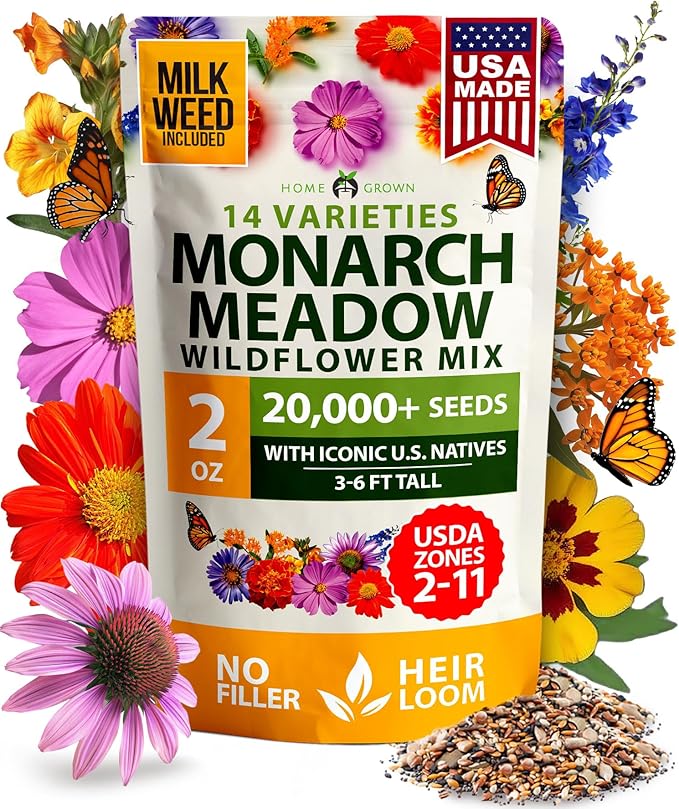
Offering a bounty of over 20,000 wildflower seeds, this mix is designed for anyone wanting to create a lively outdoor space that welcomes monarch butterflies, bees, and hummingbirds. Its greatest appeal lies in turning your garden into a thriving pollinator habitat without complicated care.
Setting it up requires just outdoor space with full sun and loam soil. Planting during spring or fall fits well with typical gardening cycles.
Moderate watering keeps the wildflowers healthy, while the seed mix naturally spreads year after year, freeing you from annual replanting. Watching the garden change colors from spring through fall adds ongoing enjoyment.
It fulfills its role by producing a vivid display of orange, purple, yellow, and white flowers that attract pollinators consistently through the seasons. The perennial seeds return annually, so the effort invested continues to pay off. Some have found the seed mix’s growth height reaches about 2 feet, which is manageable for many garden spaces, though a few wished for quicker blooming times.
Gardens grown with this seed mix commonly receive praise for attracting a variety of pollinators and creating colorful meadows throughout the warmer months. At the same time, some find the relatively short plant height and steady watering needs limit versatility in certain garden layouts.
This seed mix suits gardeners wanting a vibrant, eco-friendly outdoor area filled with butterflies and pollinators. Those who prefer very tall flowers or low-maintenance drought-tolerant plants might look for alternative options.
Pros
- Supports monarchs, bees, and hummingbirds
- Continuous blooms from spring through fall
- Perennial seeds return every year
- Suitable for wide range of hardiness zones
Cons
- Growth height limited to about 2 feet
- Requires moderate watering to thrive
| Specification | Details |
|---|---|
| Expected Blooming Period | Spring to Summer |
| Sunlight Exposure | Full Sun |
| Expected Planting Period | Spring, Fall |
| USDA Hardiness Zone | 3, 4, 5, 6, 7, 8, 9 |
| Expected Plant Height | 2 feet |
| Soil Type | Loam Soil |
8. Eden Brothers Native Perennial Wildflower Seed Mix

Eden Brothers Native Perennial Wildflower Seed Mix offers a variety of 19 native flowers that come back year after year. Ideal for gardeners wanting a colorful, natural-looking garden with minimal replanting, its biggest strength is the ability to establish itself and improve each season.
Planting these seeds requires full sun to thrive and is straightforward when sown outdoors. Over time, the mix creates waves of color and texture, lasting from spring through fall.
Once established, the flowers return annually, making it a low-maintenance choice for those who want consistent garden beauty without yearly reseeding.
The seed mix performs well by settling into the soil and improving with every growing season, delivering a variety of flowers like Bergamot and Black-Eyed Susan. It handles a wide range of USDA zones (3 to 10), broadening where it can grow. The strongest praise highlights its natural, layered blossoms, while some mention slow initial growth as a drawback.
The seed mix is praised for creating natural, vibrant waves of flowers that deepen in color over time, though some find the early growth rate slower than expected. It settles into gardens and improves with each season, rewarding patience.
People who want a colorful, reliable perennial garden in sunny spots across various climates will appreciate this mix. Those looking for faster bloom times or shade-tolerant options might consider other selections.
Pros
- Returns year after year without replanting
- Includes a wide variety of native flowers
- Thrives in full sun across many zones
- Layered colors and textures throughout seasons
Cons
- Initial growth can be slow to establish
- Best suited only for full sun locations
| Specification | Details |
|---|---|
| Number of Flower Types | 19 Native Perennial Wildflower Seeds |
| Sunlight Exposure | Full Sun |
| USDA Hardiness Zones | 3,4,5,6,7,8,9,10 |
9. HOME GROWN Wildflower Variety Mix

Brightening up a garden with lively colors and buzzing bees feels rewarding every season. Perfect for gardeners wanting to attract pollinators and enjoy a mix of flowers over time.
The biggest strength lies in a diverse variety of seeds that promise vibrant blooms supporting wildlife repeatedly from spring to fall.
Planting a mix of over 63,000 seeds allows creating anything from small flower beds to full meadows without constantly needing to order more. The seeds need full sun and moderate watering to thrive in sandy soil, making them practical for most outdoor spaces. Easy to handle in bulk, this mix suits both beginners and seasoned gardeners who want an ongoing floral show.
Growth from spring through fall delivers consistently colorful plants up to 2 feet tall, including favorites like Purple Coneflower and Black-Eyed Susan. The seeds are non-GMO and suitable across various USDA zones, supporting diverse ecosystems.
Most feedback notes lush pollinator activity, while occasional slower germination can test patience during setup.
Bountiful seeds create lush gardens attracting many pollinators, while some slower germination periods mean patience is necessary for the full effect. This balance shapes the experience of using the mix throughout the growing season.
Gardeners wanting a natural habitat with wide pollinator support will appreciate this mix. People with shaded yards or seeking faster results might consider alternatives better suited to those conditions.
Pros
- Contains 63,200+ seeds for large projects
- Supports butterflies, bees, and birds
- Non-GMO seeds suitable for various zones
- Includes 19 flower varieties for diversity
Cons
- Slower germination can delay blooms
- Requires full sun for best growth
| Specification | Details |
|---|---|
| Expected Blooming Period | Spring to Fall |
| Sunlight Exposure | Full Sun |
| Expected Plant Height | 2 feet |
| Moisture Needs | Moderate Watering |
| Planting Period | Spring, Fall |
| USDA Hardiness Zone | 3 to 10 |
10. Geva Grow Perennial Wildflower Seed Mix

Geva Grow Perennial Wildflower Seed Mix fits well in gardens aiming for long-term natural beauty without constant replanting. It suits those patient with growth, as it focuses on strong root development before blooming. Its biggest strength lies in the yearly return of flowers after initial establishment.
Seed sowing works best in sandy soil with moderate watering and some shade. Growth starts underground, so expect no blooms the first year since roots and bulbs are taking hold.
Over time, the flowers emerge each spring and stay through fall, attracting pollinators and enlivening the area with consistent color across seasons.
Performance improves steadily after two years, with blooms becoming larger and more vibrant thanks to the deep root network. The mix is designed for outdoor use and partial shade, reinforcing its natural integration.
Several comments praised the plant’s reliable return yearly, while many noted the slow start without flowers in the first year as a drawback.
The strongest praise highlights the reliable perennial growth and increasingly colorful flowers starting from the third year. The most common complaint notes the lack of blooms in the first year as the plants focus on root development.
Anyone willing to wait through the establishment phase to enjoy persistent, natural wildflowers will appreciate this mix. Gardeners looking for quick floral results may prefer faster-blooming options instead.
Pros
- Returns year after year with stronger blooms
- Attracts pollinators throughout blooming season
- Suitable for sandy soil and partial shade
Cons
- No blooms during the first year of planting
- Requires patience for full flowering impact
| Specification | Details |
|---|---|
| Indoor Outdoor Usage | Outdoor |
| Attracts Pollinators | Yes |
| Expected Blooming Period | Spring to Fall |
| Sunlight Exposure | Partial Shade |
| Soil Type | Sandy Soil |
| Moisture Needs | Moderate Watering |
11. Seed Needs Perennial Wildflower Seed Mix

Seed Needs Perennial Wildflower Seed Mix is made up of 100% pure live seed from 16 perennial wildflower species. It suits gardeners looking for a colorful, low-maintenance mix of native plants that come back year after year. Its biggest strength lies in the variety of popular flowers included, like Black-Eyed Susan and Purple coneflower.
Starting with spring planting, these seeds thrive best in average soil with regular watering and full sun exposure. Expect flowers to bloom from summer to fall, usually staying between 20 to 30 inches tall though some can reach 48 inches. The blend requires outdoor space and is suitable for many USDA zones, making it flexible for different climates.
Performance matches expectations for a perennial mix, delivering a lasting wildflower display that grows steadily each season. The packet offers non-GMO seeds with no fillers, ensuring quality and purity. A common point mentioned is that some taller plants can overshadow shorter ones, which may require thinning or strategic planting.
The mix is praised for its high-quality, pure seeds and the variety that brings color over multiple seasons. Common feedback notes that managing plant height differences can take effort to maintain balance in the flower bed.
Gardeners wanting a low-fuss, year-after-year wildflower garden with rich diversity will be pleased. Those preferring instantly full coverage or no plant maintenance might want to consider other options.
Pros
- Includes 16 perennial wildflower species
- 100% pure live seed, no fillers
- Suitable for a wide range of USDA zones
- Blooms from summer to fall
Cons
- Taller plants might overshadow shorter flowers
- Requires regular watering to establish well
| Specification | Details |
|---|---|
| Sunlight Exposure | Full Sun |
| Expected Blooming Period | Summer to Fall |
| Expected Plant Height | 60 inches |
| USDA Hardiness Zone | 1,2,3,4,5,6,7,8,9,10 |
| Moisture Needs | Regular Watering |
| Soil Type | Average |
12. Burpee Perennial Wildflower Seed Mix

Bright, tall wildflowers make a big impression with Burpee’s Perennial Wildflower Seed Mix. Perfect for gardeners wanting a variety of colorful blooms from spring to fall, it excels at producing flowers that look great freshly cut for bouquets.
The wide spread of 25,000 seeds covers a lot of ground, making it great for larger outdoor spaces.
Set up involves sowing the seeds outdoors in early spring, ideally in full sun with moderate watering. It’s designed to cover up to 1,000 square feet, which means you don’t need constant reseeding throughout the growing season.
Watching the different flower varieties emerge one after another keeps the garden lively, and the mix attracts a healthy amount of pollinators like bees and butterflies.
The mix performs well over the entire growing season, delivering a succession of blooms including cornflower, zinnia, and cosmos. Seeds are non-GMO, which appeals to those preferring natural plant sources. Strong points include the gorgeous variety of flowers and the long blooming period.
Some users mention the need to maintain watering to support good growth as a drawback.
People appreciate the variety and long blooming period that results in vibrant, fresh bouquets. Keeping up with watering needs is often mentioned as necessary to maintain healthy growth and flower production. The range of flower types ensures ongoing color and pollinator visits through several months.
Gardeners with larger, sunny outdoor spaces seeking colorful, pollinator-friendly plantings will enjoy this mix. Those with shaded areas or limited ability to water regularly might want to consider alternatives better suited for those conditions.
Pros
- Includes 15 different flower varieties
- Attracts pollinators effectively
- Long blooming season from spring to fall
- Non-GMO seeds
Cons
- Requires consistent watering
- Best suited for full sun areas only
| Specification | Details |
|---|---|
| Seeds Quantity | 25,000 NON-GMO SEEDS |
| Coverage | Up to 1,000 square feet |
| Sunlight Exposure | Full Sun |
| Planting Period | Spring |
| Blooming Period | Spring to Fall |
| Moisture Needs | Moderate Watering |
13. Wisconsin Bulk Perennial and Annual Wildflower Seed Mix
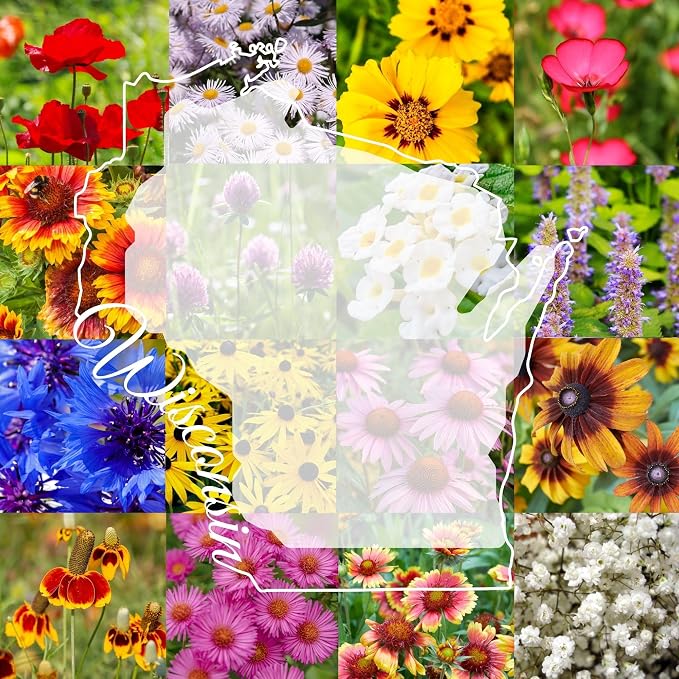
A blend chosen specifically for Midwestern climates, ideal for those wanting a colorful, pollinator-friendly meadow without cheap fillers. It’s best for gardeners aiming for a pure wildflower mix that supports bees, butterflies, and hummingbirds throughout the growing season.
Planting the seed mix in spring or fall is straightforward, and the mix thrives in full to partial sun. It grows to about 24 inches, filling outdoor spaces with a variety of blooms. The absence of grass seed means you’re getting a concentrated burst of wildflower growth and vibrant colors, perfect for naturalized areas or wildlife-friendly gardens.
The mix reliably produces a lively meadow that attracts plenty of pollinators, enhancing local biodiversity. Its selected wildflower species suit the Midwest’s weather, keeping gardens colorful for much of the season.
The main praise is the pure seed blend without fillers, but some find that the height can be limited compared to taller wildflower options.
The strongest point is the pure wildflower seed content ensuring no competition from grass or fillers, creating vibrant meadows native to the Midwest. The most common downside is the limited height, which may not suit those wanting taller wildflowers for screening or layered garden effects.
People interested in a low-maintenance, colorful pollinator-friendly garden for Midwestern outdoor spaces will find this seed mix a good match. Those needing taller plants or who have shady garden spots might want to explore other options better suited for those conditions.
Pros
- Pure wildflower seed with no grass or fillers
- Designed for Midwestern growing conditions
- Attracts butterflies, bees, and hummingbirds
- Supports naturalized landscapes and habitat restoration
Cons
- Plant height maxes out at about 24 inches
- Requires full or partial sun for best growth
| Specification | Details |
|---|---|
| Indoor Outdoor Usage | Outdoor |
| Sunlight Exposure | Full Sun, Partial Sun |
| Expected Planting Period | Spring, Fall |
| Expected Plant Height | 24 inches |
14. HOME GROWN Wildflower Variety Mix

Creating a lively garden full of color without much fuss suits both beginners and seasoned gardeners. The HOME GROWN Wildflower Variety Mix stands out by bringing an extensive variety of drought-tolerant wildflowers that thrive in different soil types and attract beneficial pollinators. It’s perfect for anyone wanting a natural and colorful outdoor space.
Planting is straightforward during spring or fall, and the seeds respond best with regular watering and full sun exposure. The mix includes nineteen different flower varieties, so each patch develops a dynamic, ever-changing look from summer to fall.
It’s also designed to adapt well in sandy or loam soil, making it quite versatile in different garden setups.
Performance-wise, the seeds reliably produce flowers that grow to about 18 inches tall, drawing butterflies and bees that boost garden life. The mix supports biodiversity with popular species like Black Eyed Susan and Purple Coneflower.
Most users praise the diversity and pollinator appeal, while some note patience is needed for flowers to fully bloom. The mix holds up well and covers its intended outdoor use effectively.
The wildflower mix stands out for its rich variety that supports pollinators and brings lasting garden interest, but patience is necessary as blooms develop gradually. Its drought tolerance is a major benefit, yet steady care with watering ensures the best results.
Anyone wanting a colorful, natural pollinator garden suited to various soils and climates will appreciate this mix. Gardeners seeking quick blooms or those unable to provide full sun might want to consider other options.
Pros
- Variety of 19 perennial and annual wildflowers
- Drought tolerant and adaptable to different soils
- Attracts butterflies, bees, and birds effectively
- Suitable for a wide range of USDA zones
Cons
- Flowers may take time to fully bloom
- Requires full sun and regular watering
| Specification | Details |
|---|---|
| Expected Blooming Period | Summer to Fall |
| Sunlight Exposure | Full Sun |
| Expected Plant Height | 18 inches |
| Soil Type | Sandy Soil, Loam Soil |
| Moisture Needs | Regular Watering |
| USDA Hardiness Zone | 3, 4, 5, 6, 7, 8, 9, 10 |
15. HOME GROWN Wildflower Variety Mix

Containing over 89,000 seeds from 19 varieties, this wildflower mix covers up to 1,000 sq ft, making it perfect for anyone wanting to create a vibrant, pollinator-friendly garden space. It suits both beginners and experienced gardeners looking to fill a large outdoor area with low-maintenance flowers that attract bees and butterflies.
Simply scatter the seeds in spring or fall over your chosen spot, which can get full sun or partial shade. The seeds take hold quickly and need only moderate watering once established.
Its no-filler formula means you get just wildflower seeds, making it easy to trust what you’re planting. You can expect blooms from spring through fall, bringing continuous color and activity to your garden.
Perennial and annual flowers in the mix grow up to around 2 feet tall, thriving in loam soils across USDA zones 4 through 9. The main benefit is the wide variety of species included, making sure your meadow doesn’t look dull or one-dimensional. Some users note that a longer watering period is needed early on to get the best germination, but once settled, the patch looks lively and healthy for months.
The biggest strength lies in the rich diversity of flowers that bloom throughout spring to fall, attracting various pollinators and creating a vibrant garden area. The common issue is needing steady watering early on to ensure good germination, which could be a challenge without proper attention.
Gardeners who want a large, colorful meadow with minimal fuss will appreciate this mix. Those with very dry climates or unsuitable soil types might want to look for a seed mix better adapted to their specific conditions.
Pros
- Includes 19 varieties of perennial and annual wildflowers
- Covers up to 1,000 sq ft with no fillers or additives
- Works well in full sun to partial shade
- Seeds establish quickly with minimal care
Cons
- Requires consistent watering during initial germination
- Best suited for loam soil, less ideal for other types
| Specification | Details |
|---|---|
| Expected Blooming Period | Spring to Fall |
| Sunlight Exposure | Full Sun to Partial Shade |
| Expected Plant Height | 2 feet |
| Soil Type | Loam Soil |
| USDA Hardiness Zone | 4, 5, 6, 7, 8, 9 |
| Moisture Needs | Moderate Watering |
Comparison of Best Perennial Wildflower Seed Mixes
| Product | Sunlight Exposure | Blooming Period | USDA Hardiness Zone | Planting Period |
|---|---|---|---|---|
| Wildflower Mix | Partial Sun | Spring to Fall | – | Summer, Spring, Winter, Autumn |
| Eden Brothers Wildflower | Full Sun | Summer, Fall | 3-10 | Spring |
| HOME GROWN Wildflower Mix | – | – | – | – |
| Earth Science Wildflower | Full Sun | Spring to Fall | 4-9 | – |
| Annual & Perennial Wildflowers | Full Sun | Summer, Fall | 3-10 | Spring |
| Perennial & Annual Wildflowers | Full Sun | 35-75 days | – | Spring, Summer |
| HOME GROWN Monarch Mix | – | – | – | – |
| Eden Brothers Native Wildflower | Full Sun | – | 3-10 | – |
| HOME GROWN Wildflower Blend | – | – | – | – |
| Geva Grow Wildflower Mix | Partial Shade | Spring to Fall | – | – |
| Seed Needs Wildflower Mix | Full Sun | Summer to Fall | 1-10 | Spring |
| Burpee Wildflower Mix | Full Sun | Spring to Fall | 3 | Spring |
| Wisconsin Bulk Wildflowers | Full Sun, Partial Sun | – | – | Spring, Fall |
| HOME GROWN Variety Mix A | – | – | – | – |
| HOME GROWN Variety Mix B | – | – | – | – |
- Sunlight ExposurePartial Sun
- Blooming PeriodSpring to Fall
- USDA Hardiness Zone–
- Planting PeriodSummer, Spring, Winter, Autumn
- Sunlight ExposureFull Sun
- Blooming PeriodSummer, Fall
- USDA Hardiness Zone3-10
- Planting PeriodSpring
- Sunlight Exposure–
- Blooming Period–
- USDA Hardiness Zone–
- Planting Period–
- Sunlight ExposureFull Sun
- Blooming PeriodSpring to Fall
- USDA Hardiness Zone4-9
- Planting Period–
- Sunlight ExposureFull Sun
- Blooming PeriodSummer, Fall
- USDA Hardiness Zone3-10
- Planting PeriodSpring
- Sunlight ExposureFull Sun
- Blooming Period35-75 days
- USDA Hardiness Zone–
- Planting PeriodSpring, Summer
- Sunlight Exposure–
- Blooming Period–
- USDA Hardiness Zone–
- Planting Period–
- Sunlight ExposureFull Sun
- Blooming Period–
- USDA Hardiness Zone3-10
- Planting Period–
- Sunlight Exposure–
- Blooming Period–
- USDA Hardiness Zone–
- Planting Period–
- Sunlight ExposurePartial Shade
- Blooming PeriodSpring to Fall
- USDA Hardiness Zone–
- Planting Period–
- Sunlight ExposureFull Sun
- Blooming PeriodSummer to Fall
- USDA Hardiness Zone1-10
- Planting PeriodSpring
- Sunlight ExposureFull Sun
- Blooming PeriodSpring to Fall
- USDA Hardiness Zone3
- Planting PeriodSpring
- Sunlight ExposureFull Sun, Partial Sun
- Blooming Period–
- USDA Hardiness Zone–
- Planting PeriodSpring, Fall
- Sunlight Exposure–
- Blooming Period–
- USDA Hardiness Zone–
- Planting Period–
- Sunlight Exposure–
- Blooming Period–
- USDA Hardiness Zone–
- Planting Period–
How to Choose the Perfect Wildflower Seed Mix
Choosing the right perennial wildflower seed mix depends on factors like climate adaptability, soil type, and bloom timing. Selecting a mix suited to your environment ensures healthy growth, reduces maintenance, and avoids waste, ultimately saving time, money, and effort.
Seed Variety and Composition
Opening a packet only to find mostly annuals or biennials can be frustrating because the garden loses its long-term appeal and requires reseeding each year. A mix containing over 70% perennial species guarantees plants come back year after year, cutting down on maintenance and creating a reliable setting. Including a wide range of wildflowers, including grasses, legumes, and nectar-rich blooms, matters for supporting diverse insect and bird populations.
Native or regionally adapted seeds perform better and last longer. They’re tougher against local pests, thrive in nearby soil and climate conditions, and support local ecosystems better than generalized mixes. Look for mix descriptions listing the percentage of perennials and native species specifically for your region.
Germination Rate and Viability
Seeds older than two years often show a sharp drop in sprouting rates, making freshness one of the few guarantees of success. A germination rate of 70% or higher usually leads to an adequately thick field of flowers if other conditions are right. Packaging also plays a role; vacuum-sealed or foil packs help maintain seed viability, while loose or paper bags may allow moisture and air damage over time.
Good manufacturers provide a germination percentage on the label, often from recent tests, giving a clear expectation. Store any unused seeds in a cool, dry place to preserve their life span beyond opening.
Suitability for Climate and Soil
Some mixes are labeled for specific climate zones, like USDA zones, which helps match plants to your local temperature ranges and frost dates. Species adapted to both sandy and clay soils offer more planting flexibility. Knowing if the seeds do well in acidic, neutral, or alkaline soils prevents poor growth and patchy stands after planting.
Moisture needs vary: some wildflowers handle drought well, which is critical in dry areas, while others depend on consistent moisture in wetter regions. A mix specifying these traits saves headaches with watering and soil prep later.
Seed Quantity and Coverage Area
Packets vary widely in quantity, often measured in ounces or grams, but coverage depends on seed density and the type of plants included. For a vibrant, dense planting, you generally want between 1 and 2 pounds per 1000 square feet, depending on seed size. Sparse sowing results in weeds filling empty spots, ruining the wildflower experience.
For small gardens, a 1-ounce bag might be enough, but restoration projects require larger bulk bags or even seed by the pound. Checking recommended coverage on the packaging is essential, buying too little means time lost in reseeding, while overbuying wastes money and seeds.
Environmental and Ecological Impact
A mix rich in flowers known to attract bees, butterflies, and hummingbirds helps maintain or revive local pollinator populations, which have been under stress for years. Seeds labeled as pesticide-free and non-GMO indicate a commitment to sustainability and reduce chemical runoff risks.
The presence of aggressive invasive species can undermine biodiversity, so a responsible mix excludes those and supports native plant diversity. This results in a healthier ecosystem that requires less intervention and fosters natural balance.
Optimal Planting and Maintenance Tips for Perennial Wildflower Seed Mixes
Perennial wildflower seed mixes require careful timing for planting to ensure strong growth. The best time is usually early spring or early fall when the soil still holds warmth but the air begins to cool.
Preparing the soil by removing weeds and loosening the top layer improves seed-to-soil contact, which is crucial for germination.
Maintenance depends largely on patience:
- Water new seeds gently but consistently until established.
- Once mature, most perennials need minimal watering thanks to deep root systems.
- Regularly mowing the area after the first frost can help distribute seeds and promote natural reseeding.
- Avoid heavy fertilization, which can favor aggressive grasses that compete with wildflowers.
Sticking to these steps encourages a dense, diverse stand that will improve each growing season with little extra work.
Comparing Perennial Wildflower Mixes to Annuals: Benefits and Drawbacks
Perennial wildflower mixes differ from annual mixes primarily in lifecycle and maintenance needs. Perennials return year after year, reducing the need for reseeding and saving time in the long run.
This makes them a practical choice when you want to create a long-lasting outdoor space.
Annual mixes often bloom more profusely in their single season but require replanting annually, which can be labor-intensive and costly over multiple years.
- Perennials develop stronger roots over time, supporting drought resistance.
- Annuals provide quicker results if a full bloom is desired in a single season.
- Managing weeds is easier with annuals since the plot is replanted each year.
- Perennials demand patience but ultimately create a more stable ecosystem.
The choice depends on how much time and effort you want to invest annually versus long-term benefits.
People Also Asked
How Do I Prepare Soil for Perennial Wildflower Seed Mix?
Clear the area of grass and weeds before planting wildflower seeds by tilling or raking the soil lightly. It’s best to avoid heavy fertilization since wildflowers prefer less nutrient-rich soil, which helps reduce weed competition.
How Long Do Perennial Wildflower Seeds Typically Take to Bloom?
Perennial wildflowers generally take one to two years to bloom, as they need time to establish a strong root system. Patience is key because the first year may mainly show foliage growth rather than flowers.
Are Perennial Wildflower Seed Mixes Safe for Pets and Children?
Most perennial wildflower seed mixes are safe for pets and children, but it’s worth checking the seed mix ingredients for any specific toxic plants. Avoid mixes containing aggressive or invasive species to keep the area safe and manageable.
Can Perennial Wildflower Seeds Grow Well with Native Plants?
Perennial wildflower seeds usually grow well with native plants since they share similar soil and light requirements. Planting native wildflowers supports local ecosystems and creates a balanced garden environment.
What Common Problems Should I Expect When Growing Perennial Wildflowers?
Common issues include weed invasion, poor germination, and uneven growth. Regular monitoring and spot weeding during the first season help give wildflowers a better chance to establish without excessive competition.
Conclusion
Choosing a perennial wildflower seed mix mainly depends on the growing conditions it suits, the variety of flowers included, and how long the mix will maintain blooms. Pay attention to whether the seeds are native to your region and if the flowers support local pollinators. Also consider how much maintenance you are willing to do since some mixes need more care than others.
Pick a mix that fits your yard’s size and the time you want to spend on it. Budget can matter too if you plan on reseeding or expanding later.
The comparison table above can help narrow down choices based on your priorities, and reading through the detailed picks will give a clearer idea of what matches your garden best.