What Do Mama Birds Feed Their Babies: Essential Nutrition for Growing Chicks
The early days of a baby bird’s life are crucial for its growth, development, and survival. Parental care plays a vital role during this period, and understanding the feeding habits of mother birds provides insight into their nurturing behavior. Mama birds carefully select and provide the right types of food to ensure their chicks receive proper nutrition.
Learning what do mama birds feed their babies helps bird enthusiasts and wildlife observers appreciate the intricate care involved in raising young birds. Different species have unique diets depending on their habitat, available food sources, and the developmental needs of their chicks. Observing these feeding patterns reveals how mother birds meet the energy, protein, and nutrient requirements essential for healthy growth, feather development, and preparing the chicks for independence. Supporting and protecting nesting sites ensures these natural feeding behaviors continue safely.
Types of Food Mama Birds Provide
The diet that mama birds provide to their babies is carefully chosen to meet the nutritional demands of growing chicks. Different bird species feed their young a variety of foods depending on the chick’s age, size, and the availability of food in their environment. Understanding the types of food mama birds provide offers insight into the intricate care and effort involved in raising healthy offspring.
Insects and Worms
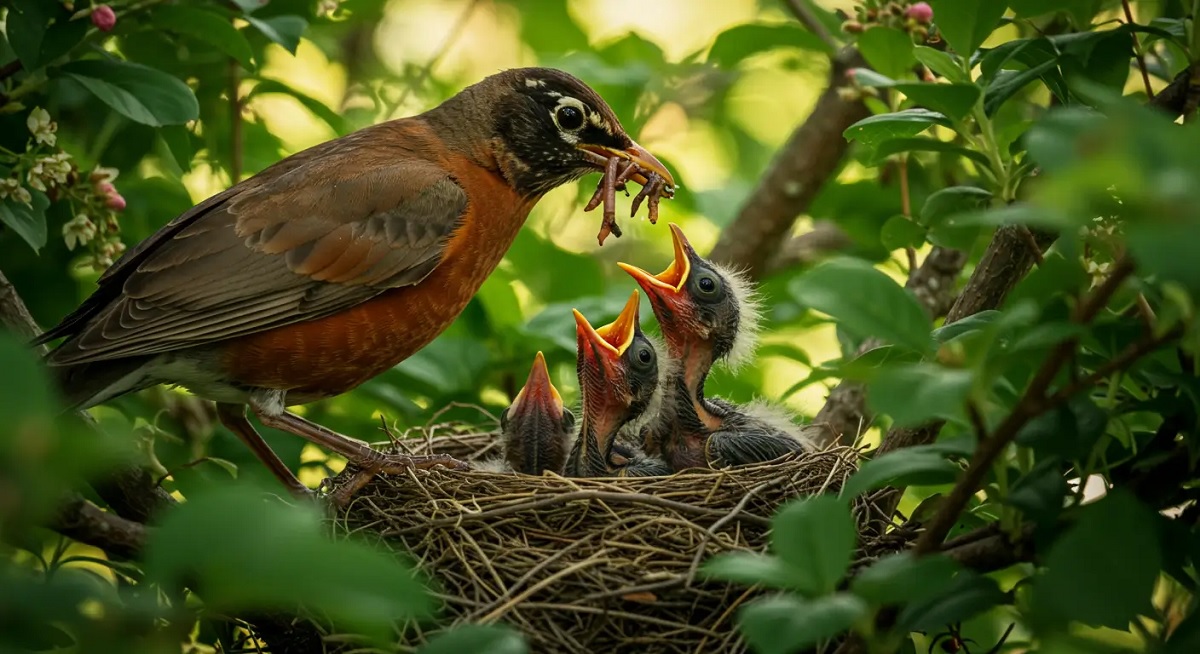
Insects and worms are a primary food source for many baby birds, especially during the early stages of life. High in protein and essential nutrients, these foods support rapid growth and feather development. Mama birds actively hunt caterpillars, beetles, flies, and earthworms to provide their chicks with an energy-rich diet.
The frequency and quantity of feeding depend on the chick’s age and size. Younger chicks may require constant feeding every few minutes, while older chicks gradually receive larger portions. Providing insects ensures the chicks receive amino acids necessary for muscle development, proper organ function, and immune system support. Observing this behavior highlights the mother’s dedication and the vital role insects play in nurturing healthy, strong birds.
Soft Fruits and Berries
Some bird species supplement their chicks’ diets with soft fruits and berries. Fruits like berries, chopped apples, and other soft plant materials provide essential vitamins, minerals, and carbohydrates. These nutrients are particularly important for species that require more energy for active growth or for preparing chicks for fledging.
Mama birds often mash or partially digest the fruits before feeding, making it easier for chicks to swallow and digest. The sugar and nutrient content in fruits helps provide energy for rapid growth and supports metabolic functions. Incorporating fruits into their diet ensures chicks develop strong bodies while also introducing flavors and textures that will help them adapt to adult diets later.
Seeds and Grains
Seeds and grains are a common component of the diet for species such as finches, sparrows, and other seed-eating birds. While not all baby birds can digest hard seeds initially, mama birds often soften or partially digest them to make the nutrients accessible.
Seeds provide essential fats, proteins, and energy necessary for healthy growth. Some species combine seeds with other foods, such as insects, to create a balanced diet that meets all nutritional requirements. This feeding behavior demonstrates the mother’s adaptability in providing both energy-dense and protein-rich foods, ensuring chicks grow strong and are prepared for independence.
Regurgitated Food
A unique method used by many mama birds is feeding regurgitated food. This allows the mother to pre-digest tough or hard-to-swallow foods, making nutrients more accessible to her chicks. Regurgitation ensures that baby birds receive a diet suitable for their developing digestive systems.
This method is commonly observed in species like pigeons, doves, and some songbirds. It provides a combination of proteins, fats, and carbohydrates in a form that is easy for chicks to consume. Regurgitated food allows mothers to feed efficiently while ensuring that chicks receive a balanced diet that supports optimal growth and development.
Invertebrates and Small Prey
In addition to insects, some birds feed their young small invertebrates or prey, such as spiders, snails, or tiny crustaceans. These items are rich in protein and minerals, supporting skeletal development and overall health. Birds in aquatic or coastal habitats often rely on these food sources to meet their chicks’ nutritional requirements.
The selection of prey is carefully targeted to ensure that it is manageable in size and easily digestible. Mama birds demonstrate remarkable skill in hunting, transporting, and delivering prey to their chicks. Providing diverse food items ensures that chicks develop strength, coordination, and proper physiological functions necessary for survival once they leave the nest.
Feeding Methods and Techniques
Mama birds use a variety of feeding methods and techniques to provide their chicks with the nutrition needed for healthy growth and development. Each species has evolved unique strategies that optimize food delivery and minimize risk to their vulnerable young. Understanding these behaviors highlights the complexity of avian parenting and the adaptability of birds in ensuring their chicks thrive.
Direct Beak-to-Beak Feeding
Direct beak-to-beak feeding is one of the most common techniques used by mother birds. In this method, the adult bird collects food and delivers it directly into the chick’s open mouth. This ensures that the chick receives the proper portion of food and prevents spillage or loss. Direct feeding is particularly crucial during the first few days after hatching when chicks are entirely dependent on their parents for sustenance.
The process requires precision and coordination, as the mother must accurately judge the size of each portion and the timing of delivery. Additionally, direct feeding allows the parent to monitor the chick’s condition closely, noting any signs of weakness, illness, or feeding difficulty. This hands-on approach also strengthens the bond between mother and chick, providing both nourishment and security. As the chicks grow, the mother gradually reduces the frequency of direct feeding, encouraging independence while maintaining care and attention.
Regurgitation and Pre-Digestion
Regurgitation is a specialized feeding technique observed in many bird species, particularly pigeons, doves, and some songbirds. In this method, the mother bird partially digests food before returning to feed her chicks. This pre-digestion makes food, such as insects, seeds, or small prey, easier for chicks to swallow and digest. It ensures that young birds receive a nutrient-rich meal that meets their protein, fat, and carbohydrate needs.
This method is particularly useful for delivering tough or hard-to-digest foods, which might otherwise be unsuitable for fragile chicks. Regurgitation also allows the parent to control portion size and frequency, ensuring that each chick receives adequate nutrition. By providing pre-digested food, the mother reduces the risk of digestive issues while supporting rapid growth, feather development, and energy levels necessary for fledging. This feeding technique demonstrates the remarkable adaptability and dedication of mother birds in nurturing their young.
Ground or Food Placement Feeding
Some bird species use ground or food placement feeding techniques, particularly as chicks grow older. In this method, the mother bird places food near or in front of the chicks, allowing them to peck and consume it themselves. This technique is essential for teaching fledglings how to handle and eat food independently while still under parental supervision.
Ground feeding encourages the development of coordination, strength, and foraging skills. The mother continues to monitor her chicks closely, ensuring that all receive adequate portions and intervening if a weaker chick struggles to access food. This gradual transition from direct feeding to self-feeding helps chicks gain confidence and independence, preparing them for life outside the nest. By strategically placing food, mother birds balance nurturing care with the development of essential survival skills.
Tactile Guidance and Encouragement
Tactile guidance is another important technique mother birds use to aid feeding. By gently nudging or repositioning chicks, the adult bird helps them open their mouths properly and swallow food safely. This technique is especially critical during the first days after hatching when chicks are fragile and prone to feeding difficulties.
In addition to nudging, mother birds often use vocal cues and attentive observation to regulate feeding behavior. They ensure that chicks receive consistent nutrition, monitor sibling competition, and adjust portion sizes according to each chick’s needs. Tactile guidance not only supports proper feeding but also strengthens the parent-chick bond, helping chicks feel secure. This careful attention ensures healthy growth, energy development, and readiness for the fledging stage.
Feeding Frequency and Scheduling
Feeding frequency and scheduling are essential components of successful chick rearing. Mother birds adjust the number of feeding sessions based on the age and size of their chicks. Newly hatched birds may require feeding every few minutes, while older chicks gradually tolerate longer intervals between meals.
Consistent feeding ensures that chicks maintain the energy required for growth, feather development, and metabolic functions. Mother birds carefully monitor hunger cues, feeding each chick multiple times per day, and adjusting meal size accordingly. This meticulous approach demonstrates the dedication of avian parents and the adaptability of their feeding techniques. By understanding feeding frequency and schedules, observers gain insight into how mothers balance nutrition, care, and preparation for fledging.
Nutritional Needs of Baby Birds
Baby birds require a carefully balanced diet to support rapid growth, feather development, and overall health. Their nutritional needs differ from adult birds, as chicks depend entirely on their parents to provide the right combination of proteins, fats, vitamins, and minerals. Understanding these requirements helps in appreciating the critical role mother birds play in ensuring the survival and strength of their young.
Protein Requirements
Protein is one of the most essential nutrients for baby birds, as it supports muscle development, organ growth, and feather formation. High-protein foods, such as insects, worms, and small invertebrates, are commonly provided by mama birds during the early stages of a chick’s life. Protein-rich diets are crucial for rapid growth and maintaining energy levels.
The amount of protein required varies with the chick’s age and size. Newly hatched birds need frequent small meals packed with protein, while older chicks gradually transition to larger portions. Protein also strengthens the immune system, helping chicks resist infections and recover from minor injuries. Ensuring sufficient protein intake is critical for proper development and preparing the chick for independent foraging later in life.
Fats and Energy
Fats provide concentrated energy needed for the rapid metabolism and activity of growing chicks. They help sustain energy between feedings and support vital organ function. Mama birds include fat-rich foods in their diet, often through insects, seeds, or other natural prey, ensuring the chicks have adequate energy for growth and thermoregulation.
Energy-dense meals are especially important during colder weather or periods of high activity, such as feeding frenzies. Balanced fat intake supports the development of muscles and internal organs, while also providing a source of long-term energy. Mother birds carefully balance the inclusion of fats with proteins and other nutrients, ensuring chicks grow strong and maintain optimal energy levels.
Vitamins and Minerals
Vitamins and minerals are crucial for skeletal growth, feather quality, and overall health. Calcium, for instance, supports bone formation, while vitamins like A, D, and E contribute to vision, immunity, and metabolic function. Mama birds provide these essential nutrients through a varied diet of insects, fruits, seeds, and sometimes small prey.
A diverse diet ensures that chicks receive all necessary micronutrients for proper development. Inadequate vitamins or minerals can result in developmental delays, weak bones, or poor feather growth. Observing how mother birds select a wide range of foods highlights their role in fulfilling the complete nutritional needs of their offspring, setting the foundation for healthy adulthood.
Water and Hydration
Hydration is another key component of baby bird nutrition. Young chicks receive moisture primarily through the food provided by their mothers, particularly insects and soft fruits, which contain high water content. Adequate hydration supports digestion, nutrient absorption, and overall metabolic function.
Maintaining proper hydration is essential for growth and helps prevent dehydration-related health issues. Mother birds carefully select water-rich foods, especially for nestlings that cannot drink independently. Understanding the importance of hydration alongside protein, fat, and vitamins demonstrates how carefully mother birds meet the comprehensive nutritional needs of their chicks.
Signs of Proper Feeding
Monitoring the feeding of baby birds is essential to ensure they receive the nutrition needed for healthy growth. Proper feeding is indicated by a combination of physical development, behavior, and activity levels. Recognizing these signs helps bird enthusiasts and caretakers assess the well-being of chicks and understand how effectively mother birds provide for their young.
Healthy Weight and Growth
One of the most obvious indicators of proper feeding is consistent weight gain and growth. Chicks that are fed adequately exhibit steady increases in body size, with well-rounded bodies and firm, plump skin. Their heads, wings, and legs develop proportionally, reflecting balanced nutrition.
Underfed chicks may appear thin, weak, or lethargic, with noticeable gaps between skin and developing muscles. Regular observation allows you to identify whether chicks are receiving sufficient portions and the right type of food. Healthy growth is a strong sign that mother birds are meeting the protein, fat, vitamin, and mineral requirements essential for rapid development and preparing the young for independence.
Active and Responsive Behavior
Chicks that are properly fed tend to be alert, active, and responsive to their surroundings. They exhibit vigorous movement when the parent returns to feed them, opening their mouths widely and competing healthily with siblings for food. These behaviors indicate high energy levels and overall vitality.
Lethargic or unresponsive chicks may signal inadequate nutrition or feeding frequency. Active, vocal, and responsive chicks reflect sufficient protein and energy intake, allowing them to maintain metabolic functions, thermoregulate, and develop muscles. Monitoring behavior provides immediate feedback on the effectiveness of feeding techniques employed by the mother bird.
Feather Development and Condition
Feather growth is a critical indicator of proper feeding. Chicks receiving adequate nutrition develop feathers at the expected rate, with emerging pin feathers appearing strong and evenly distributed. Healthy feather development is a reflection of sufficient protein, fat, and vitamins in the diet.
Delayed or patchy feathering can indicate nutritional deficiencies or inconsistent feeding. Observing the condition of feathers helps determine whether chicks are receiving the appropriate balance of nutrients needed for structural development, thermoregulation, and eventual flight capability. Feather quality is a reliable visual cue for caretakers and bird watchers alike.
Regular Feeding Signals
Properly fed chicks often exhibit predictable feeding patterns. They open their mouths eagerly when the mother returns, showing clear hunger cues, but settle contentedly afterward. Regular feeding intervals and satisfied behavior indicate that the chicks are receiving enough food for their size and age.
Irregular or excessively frantic begging can suggest hunger, inadequate portions, or competition among siblings. Tracking these feeding signals allows observation of both quantity and quality of food delivered. Understanding these cues ensures chicks maintain proper growth, energy levels, and overall health.
Vocalization and Chirping
Chicks that are well-fed tend to chirp and vocalize energetically between feedings. These vocalizations indicate strong metabolic function and alertness. In contrast, excessive or weak chirping may suggest hunger or nutritional stress.
By monitoring the frequency and tone of vocalizations, you can gain insight into the chicks’ overall well-being. Healthy, content chicks typically exhibit a balanced pattern of vocal activity, signaling that feeding is sufficient and effective, and that mother birds are successfully nurturing their young.
People Also Asked
What Do Mama Birds Feed Their Babies?
Mama birds feed their babies a diet suited to their species, primarily consisting of protein-rich foods to support rapid growth. Most baby birds require insects, worms, and small invertebrates during their early days, as these foods are easy to digest and provide essential nutrients.
As they grow, some species may also include seeds, berries, or softened fruits. She carefully regurgitates food directly into the chicks’ mouths, ensuring they receive the proper nutrition for strong bones, feathers, and overall development, helping them survive in their early vulnerable stages.
How Often Do Mama Birds Feed Their Babies?
The frequency of feeding depends on the species and the age of the chicks. Newly hatched babies often need food every 10 to 20 minutes, as their tiny stomachs cannot hold much at once. As they grow, the intervals between feedings increase, and the parents may deliver larger amounts of food per feeding.
You might notice that she works tirelessly, flying back and forth to gather enough nourishment. This frequent care is vital because proper feeding ensures healthy growth, strong immunity, and helps the chicks reach fledging age safely.
Do Mama Birds Feed Their Babies Different Foods at Different Ages?
Yes, the diet changes as chicks grow. In the first few days, babies mostly receive soft, protein-rich foods like insects and worms. As their digestive systems develop, parents introduce a mix of foods, including seeds, small fruits, or even partially digested plant matter depending on the species.
By providing age-appropriate nutrition, she supports feather growth, muscle development, and energy for exercise and exploration. You will notice that the feeding technique adapts too, with larger pieces or new textures being offered as the chicks’ beaks and digestive capacity improve over time.
How Do Mama Birds Feed Their Babies Without Leaving Them Hungry?
Mama birds use careful timing and observation to keep their chicks fed. She monitors each chick’s begging calls, body language, and gape (open mouth) to determine hunger levels. By adjusting the amount and frequency of feedings, she ensures none are left undernourished.
Sometimes, she may prioritize the strongest chicks first but usually works to feed all equally. You will see her repeatedly delivering food throughout the day, regurgitating it in small amounts, which provides continuous nutrition and hydration. This attentive feeding is essential for healthy growth and survival.
Can Mama Birds Feed Their Babies Plant-Based Foods?
Depending on the species, some mama birds include plant-based foods in the chicks’ diet. Frugivorous birds, for example, feed softened fruits or berries, while granivorous species may give softened seeds. However, even these species often provide protein sources like insects to meet the chicks’ nutritional requirements.
You should understand that the combination of foods ensures proper growth, feather development, and energy. She carefully balances protein and carbohydrate intake, sometimes partially digesting plant matter to make it suitable for tiny digestive systems, showing remarkable adaptability in feeding behavior.
What Happens If Mama Birds Don’t Feed Their Babies Properly?
If a mama bird fails to feed her chicks adequately, the consequences can be severe. Malnourished babies may grow slowly, develop weak muscles and feathers, or fail to survive. In the wild, other threats like predation and harsh weather amplify the risks of underfeeding.
You might notice chicks that appear lethargic, thin, or less active than their siblings. Proper feeding ensures energy, growth, and the ability to eventually leave the nest safely. Mama birds are instinctively aware of these needs and usually work tirelessly to prevent such outcomes.
Final Thoughts
Observing the feeding habits of mama birds provides valuable insight into how chicks grow and develop. The combination of insects, worms, seeds, and regurgitated food ensures that baby birds receive the essential nutrients needed for healthy growth, including protein, fats, and vitamins. Understanding these feeding patterns helps bird enthusiasts appreciate the dedication and care involved in raising young birds.
Monitoring the behavior and health of chicks can indicate whether they are receiving proper nutrition. Signs like active begging, steady weight gain, and feather development reflect effective feeding. By creating a supportive environment with natural food sources, humans can assist without interfering, allowing mama birds to continue providing what their babies need.
Knowing [what do mama birds feed their babies] highlights the intricate balance of nature and the role of parental care in survival. Supporting natural feeding habits fosters healthy bird populations and enriches any backyard or natural habitat.