Can Birds Eat Mint Safely And How To Introduce It To Their Diet
Bird owners often look for safe and nutritious ways to supplement their pets’ diets, exploring herbs and plants that might benefit their feathered friends. Among these, mint has caught the attention of many because of its refreshing aroma and potential health benefits. Birds are naturally curious and may peck at herbs offered to them, but not all human foods are safe for their delicate digestive systems.
Understanding the effects of different herbs is essential for maintaining their health and well-being. The question that arises frequently is can birds eat mint, and what impact does it have on their diet? Mint contains natural compounds that may offer mild digestive relief and act as a gentle stimulant, but overconsumption could lead to digestive upset in some species. Exploring the proper use and precautions ensures birds can enjoy mint safely without adverse effects.
Nutritional Benefits Of Mint For Birds
Mint is more than just a fragrant herb; it can offer several nutritional benefits for birds when given in moderation. Packed with vitamins, antioxidants, and natural compounds, mint can support digestion, boost immunity, and provide mental stimulation for feathered pets. Birds are naturally curious and may enjoy pecking at fresh mint leaves, which can enhance their dietary variety and encourage healthy foraging behavior. Understanding these benefits helps you incorporate mint safely into your bird’s diet while promoting overall well-being.
Vitamins And Antioxidants In Mint
Mint contains a range of essential vitamins, including vitamin A, vitamin C, and small amounts of vitamin B-complex, which contribute to a bird’s overall health. Vitamin A supports healthy vision, skin, and feather development, while vitamin C acts as a natural antioxidant, helping birds combat oxidative stress and support their immune system. The presence of these nutrients, though in small quantities, can enhance the nutritional value of a bird’s diet.
In addition to vitamins, mint contains antioxidants such as rosmarinic acid and flavonoids. These compounds can help reduce inflammation, protect cells from damage, and support general health. Offering small amounts of fresh mint leaves allows birds to enjoy these nutritional benefits naturally. The antioxidants in mint complement other fruits, vegetables, and leafy greens in a bird’s diet, reinforcing its role as a healthy, supplementary food source.
Digestive Support And Soothing Properties
Mint is well-known for its digestive properties, and these benefits extend to birds as well. The natural compounds in mint, including menthol, can provide gentle relief to the digestive tract and encourage healthy gut function. Birds that experience occasional digestive discomfort may benefit from small amounts of fresh mint leaves, which can help regulate digestion without introducing harsh chemicals or additives.
Furthermore, mint’s aroma and flavor can stimulate appetite, particularly in picky eaters or birds transitioning to new foods. Offering mint encourages natural pecking and foraging behaviors, which are vital for mental and physical stimulation. Its mild soothing effects support overall comfort while promoting healthy eating habits. However, portion control is key, as excessive consumption could upset the digestive system rather than help it.
Immune System And Mental Stimulation
Mint also offers benefits for immune system support in birds. Its natural compounds have mild antibacterial and antiviral properties, which may help birds resist common infections. While mint is not a substitute for veterinary care, it can complement a balanced diet and promote resilience in otherwise healthy birds.
Beyond physical health, mint stimulates curiosity and engagement. Birds enjoy exploring fresh herbs, pecking at leaves, and experimenting with new textures. This mental stimulation reduces boredom and encourages natural behaviors, which are crucial for overall well-being. By incorporating small amounts of mint regularly, you provide both nutritional and behavioral enrichment, enhancing a bird’s quality of life while safely supporting their diet.
Safe Consumption Levels
While mint can provide numerous benefits for birds, moderation is essential to prevent digestive upset or other health issues. Birds have sensitive digestive systems, and overfeeding any herb, including mint, can lead to discomfort or mild toxicity. Understanding safe consumption levels ensures that your feathered pets enjoy the nutritional and behavioral benefits of mint without negative effects. Providing appropriate portions also encourages natural foraging behavior and supports a balanced diet alongside seeds, fruits, and vegetables.
Recommended Portion Sizes
The general guideline for feeding mint to birds is to offer small, occasional amounts rather than large quantities. A few fresh leaves per bird, depending on the species and size, is typically sufficient. For small birds like finches or budgies, one or two tiny leaves per feeding session may be enough. Larger birds, such as cockatiels or parrots, can handle slightly more, but even in these cases, mint should remain a minor component of their overall diet.
Feeding small portions allows birds to enjoy the flavor, aroma, and nutritional benefits of mint without overloading their digestive system. Observing how birds respond to mint is also important; signs of discomfort, such as vomiting or diarrhea, indicate that the portion may be too large. Rotating mint with other safe herbs and greens ensures variety and prevents overconsumption of any single plant, maintaining balance in their diet.
Frequency And Monitoring
Mint should be offered sparingly, ideally a few times per week rather than daily. This frequency supports variety in your bird’s diet and prevents overreliance on any one herb. Birds enjoy exploring new textures and tastes, so alternating mint with other leafy greens or herbs encourages natural foraging behavior while providing balanced nutrition.
Monitoring your bird’s response is key to safe consumption. Pay attention to digestive health, energy levels, and overall behavior after introducing mint. Birds that show sensitivity or mild digestive issues should receive even smaller portions or less frequent servings. By observing and adjusting intake carefully, you ensure that mint remains a safe and enriching addition to their diet without causing harm.
Birds That Can Safely Eat Mint
Mint is a safe and beneficial herb for many bird species when offered in moderation. Its gentle digestive and immune-boosting properties make it suitable for a variety of pet birds and some wild species. However, not all birds respond the same way, so it’s important to know which species can enjoy mint safely. Understanding the appropriate birds helps you introduce this herb into their diet without risk, promoting both physical health and mental stimulation through natural foraging behaviors.
Small Pet Birds
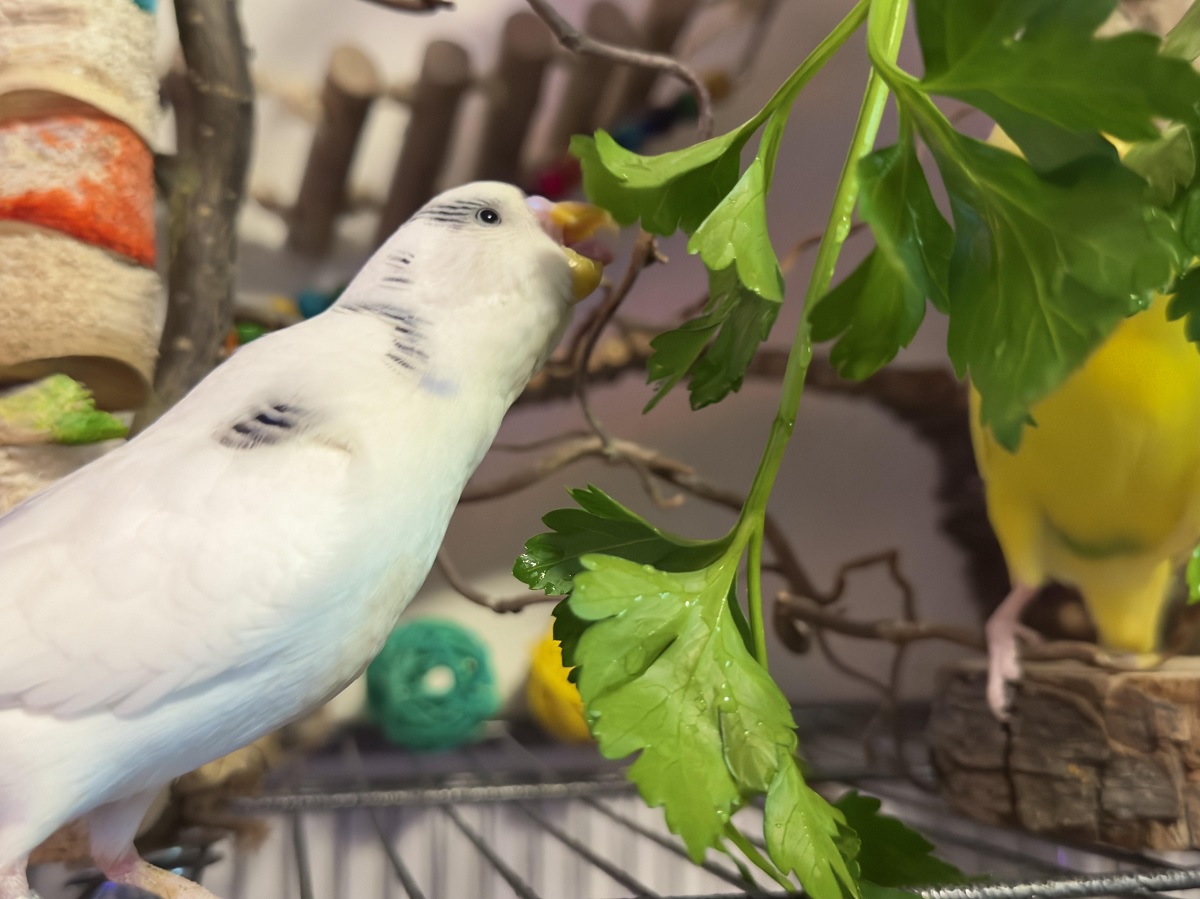
Small pet birds such as budgies, canaries, finches, and lovebirds can safely enjoy fresh mint leaves in tiny quantities. Their delicate digestive systems respond well to the mild compounds found in mint, which can aid digestion and provide a sensory enrichment experience. Offering small pieces of fresh leaves encourages natural pecking and foraging behavior, which is important for maintaining mental and physical health.
Mint also adds variety to their diet, complementing seeds, pellets, and occasional fruits or vegetables. These small birds benefit from the antioxidants and vitamins present in mint, even in minimal amounts. Introducing mint gradually allows them to get accustomed to the flavor and ensures they do not experience any digestive discomfort. Observation is key, as each bird may react slightly differently, and moderation ensures their safety.
Medium-Sized Birds
Medium-sized birds like cockatiels, parrotlets, and conures can handle slightly larger portions of mint than smaller birds. These species have more robust digestive systems and can benefit from the digestive support and mild immune-boosting properties of mint. Fresh leaves can be offered several times a week in controlled amounts, helping them enjoy both the nutritional and behavioral enrichment aspects.
Offering mint encourages exploration and foraging behaviors, keeping medium-sized birds mentally stimulated. Their increased size allows them to handle whole leaves or slightly larger portions, but care must still be taken to avoid overfeeding. Combining mint with other leafy greens and safe herbs ensures a balanced diet. Observation for any signs of digestive upset or refusal is essential, as even medium-sized birds may have individual sensitivities to new foods.
Larger Parrots And Exotic Species
Larger parrots, including African greys, macaws, Amazons, and cockatoos, can safely consume moderate amounts of mint. For these birds, mint serves as a dietary supplement, providing vitamins, antioxidants, and sensory enrichment. Their strong beaks and more developed digestive systems allow them to handle whole mint leaves, making the experience both physically and mentally engaging.
In addition to nutritional benefits, mint encourages natural foraging behavior, as larger parrots enjoy manipulating the leaves with their beaks and feet. This activity supports cognitive development and reduces boredom. Portion control remains important; too much mint may cause digestive discomfort or reduce appetite for other essential foods. Introducing mint gradually and monitoring their reaction ensures that larger birds enjoy the benefits safely while maintaining a balanced diet.
Potential Risks And Side Effects
While mint can offer several health benefits for birds, overconsumption or improper use may lead to potential risks and side effects. Birds have sensitive digestive systems, and introducing new herbs without moderation can cause discomfort or other complications. Understanding these risks is essential for safely incorporating mint into your bird’s diet. By being aware of potential side effects, you can ensure that mint remains a safe and enriching addition rather than a source of harm.
Digestive Upset And Overfeeding
One of the most common risks associated with feeding mint to birds is digestive upset. Excessive consumption can lead to diarrhea, vomiting, or bloating, particularly in smaller bird species with delicate digestive systems. Even mild overfeeding can disrupt normal digestion and reduce nutrient absorption from other foods, impacting overall health.
Birds should be offered mint in small, controlled portions to avoid these problems. Gradually introducing fresh leaves allows their digestive systems to adjust while you monitor for any signs of discomfort. Rotating mint with other safe herbs and vegetables can prevent overreliance on one food source. By observing how your bird responds, you can provide the benefits of mint without triggering digestive issues or other complications.
Allergic Reactions And Sensitivity
Some birds may have individual sensitivities or allergic reactions to mint. Symptoms can include sneezing, watery eyes, or respiratory discomfort, particularly in species prone to respiratory issues. Even though mint is generally safe, birds that have never been exposed to herbs may react differently than others.
Introducing mint gradually is essential to identify any adverse reactions. Start with tiny amounts and monitor your bird’s behavior, eating habits, and breathing. If any signs of sensitivity appear, discontinue the herb and consult a veterinarian. These precautions help ensure that birds enjoy mint safely without risking an allergic or sensitive response, particularly in species with heightened sensitivity to strong aromas or flavors.
Interactions With Medications And Other Foods
Mint can sometimes interact with medications or supplements your bird may be receiving. Its natural compounds, such as menthol and flavonoids, can influence digestive or metabolic processes, potentially affecting the absorption or efficacy of certain treatments. Birds with pre-existing health conditions should have their diet carefully monitored to avoid unintended interactions.
Additionally, feeding mint alongside other strong-flavored herbs or concentrated supplements may overwhelm a bird’s digestive system or cause them to reject other essential foods. Careful portion control and gradual introduction help minimize risks while ensuring a balanced diet. By managing the amount, frequency, and combination of mint with other foods, you can safely include it in your bird’s diet while avoiding negative effects.
People Also Asked
Can Birds Eat Mint Safely?
Yes, birds can eat mint safely when offered in moderation. Mint contains vitamins, antioxidants, and digestive-supporting compounds that can benefit many bird species. Small amounts of fresh leaves encourage foraging behavior and provide sensory enrichment. However, overfeeding mint can lead to digestive upset or mild irritation, especially in smaller birds. You should always introduce it gradually, monitor your bird’s reaction, and combine mint with other safe foods to ensure a balanced diet. Proper portion control makes mint a safe and enjoyable treat for feathered pets.
What Are The Health Benefits Of Mint For Birds?
Mint offers several health benefits for birds, including digestive support, mild immune-boosting properties, and antioxidant effects. Vitamins such as A and C promote healthy feathers, vision, and overall well-being. Menthol and other natural compounds in mint can soothe the digestive tract and stimulate appetite, particularly in picky eaters. You can enhance your bird’s daily diet by providing small amounts of mint alongside fruits, vegetables, and seeds. The combination of nutritional value and mental stimulation makes mint a beneficial addition when fed responsibly.
How Much Mint Can Birds Eat?
Portion control is key when feeding mint to birds. Small species like finches or budgies should receive one or two tiny leaves per feeding, while medium-sized birds like cockatiels or parrotlets can handle slightly more. Larger parrots, such as macaws or African greys, may enjoy whole leaves in moderation. Mint should never make up a large part of their diet. Observing your bird for signs of digestive discomfort or refusal is essential. Gradual introduction and controlled portions ensure they safely enjoy the benefits without health risks.
Which Birds Can Eat Mint?
Many pet and common bird species can safely eat mint, including budgies, finches, canaries, lovebirds, cockatiels, conures, and larger parrots like African greys and macaws. Small birds require smaller portions, while larger birds can manage whole leaves. Mint is safe for birds with healthy digestive systems, but species with sensitivities or respiratory issues should be introduced to it gradually. Offering mint occasionally alongside a balanced diet ensures both nutritional and behavioral enrichment for a wide range of bird species.
Can Mint Cause Harm To Birds?
Yes, mint can cause mild harm if overfed or introduced improperly. Excessive amounts may lead to diarrhea, vomiting, or digestive discomfort, especially in smaller birds. Some birds may also have sensitivities or allergic reactions to the strong aroma or compounds in mint. Observing your bird after introducing mint is essential. Starting with tiny amounts, monitoring for symptoms, and adjusting portion size ensures you minimize risk. By practicing moderation and careful observation, you can prevent negative effects while allowing your bird to enjoy the herb safely.
How Often Can Birds Eat Mint?
Mint should be offered sparingly, ideally a few times per week rather than daily. Occasional feeding prevents overconsumption and maintains a balanced diet. Rotating mint with other safe leafy greens, fruits, and vegetables encourages natural foraging behavior while providing variety. Observing your bird’s digestive health, appetite, and behavior ensures safe frequency. Birds enjoy mint’s aroma and taste, but moderation is key to preventing potential digestive upset and maintaining their overall well-being while still allowing them to benefit from its nutrients.
Can Birds Eat Mint Daily?
Feeding mint daily is not recommended, even though it is safe in small amounts. Overfeeding can lead to digestive upset, reduced appetite for essential foods, or mild irritation. Birds thrive on variety, so rotating mint with other herbs, leafy greens, and fresh foods is healthier. Offering mint a few times a week provides nutritional benefits and behavioral enrichment without overwhelming their system. By introducing mint gradually and monitoring their response, you ensure that your bird enjoys the flavor and benefits safely without adverse effects from daily consumption.
Final Thoughts
Birds can enjoy a variety of herbs in moderation, and mint is one of the safe options when offered correctly. While it provides beneficial vitamins, minerals, and antioxidants, overfeeding mint can lead to digestive upset or mild irritation in some birds. Observing how your bird reacts to fresh or dried mint is important, as individual preferences and tolerances vary among species. By introducing mint gradually and in small amounts, you can safely add variety to their diet and encourage natural foraging behaviors.
When considering [can birds eat mint], it is clear that mint is generally safe for most common pet birds, including parrots, canaries, and finches, as long as it is given responsibly. Providing herbs like mint not only supports nutritional needs but also enriches your bird’s environment, keeping them happy, healthy, and engaged.