What Birds Eat Mulberries: Key Species and Feeding Habits
Mulberries are a favorite fruit for many wildlife species, attracting a variety of birds with their sweet, juicy flavor and high nutritional value. Observing birds feeding on mulberry trees can provide fascinating insight into their dietary preferences and seasonal behaviors. Understanding which species are drawn to these fruits helps gardeners, birdwatchers, and wildlife enthusiasts manage gardens, protect fruit crops, and support local ecosystems.
From small songbirds to larger frugivorous species, mulberries serve as an important food source, especially during summer when ripe berries are abundant. Exploring what birds eat mulberries allows you to identify visiting species, anticipate feeding patterns, and create bird-friendly environments while enjoying the natural spectacle of birds gathering around these trees. This knowledge also contributes to fostering biodiversity and ensuring that both birds and plants thrive together in shared spaces.
Common Bird Species That Eat Mulberries
Mulberry trees attract a wide range of bird species that feed on the ripe, sweet berries. These birds vary in size, habitat preference, and feeding behavior, but all benefit from the nutritional value of the fruit. Knowing which species commonly eat mulberries helps birdwatchers identify visitors, anticipate seasonal patterns, and provide better support for local wildlife. Understanding their preferences also allows gardeners to manage mulberry trees effectively while encouraging bird-friendly environments.
Songbirds That Enjoy Mulberries
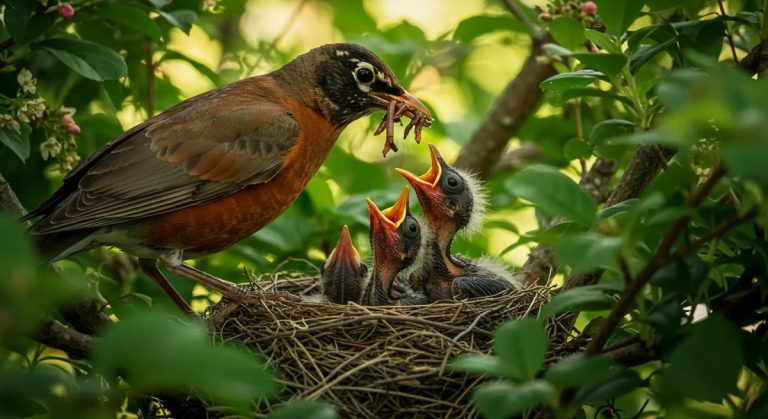
Many small to medium-sized songbirds are frequent visitors to mulberry trees. Species like American robins, cedar waxwings, northern cardinals, and bluebirds are especially fond of the soft, juicy berries. These birds are attracted to the high sugar content and the abundance of fruit during the summer months. They often feed in flocks, moving from tree to tree, and can help in natural seed dispersal by spreading the berries throughout the area.
Songbirds typically consume mulberries quickly, either swallowing them whole or breaking them apart to eat smaller portions. Their feeding behavior can create a lively, active environment around the tree, providing birdwatchers with enjoyable observation opportunities.
These birds also play a role in ecosystem health, as the seeds they disperse contribute to the growth of new mulberry trees and support other wildlife. Knowing which songbirds frequent your trees allows you to plan garden layouts, provide perches, and create habitats that support both the birds and the fruit trees.
Larger Birds That Feed On Mulberries
In addition to songbirds, larger birds such as American crows, grackles, and pigeons also consume mulberries. These birds can handle bigger fruits and are often more dominant around feeding sites, sometimes outcompeting smaller species. They are attracted by the abundance of berries and can strip a tree of fruit quickly if numbers are high. Despite their larger size, these birds contribute to seed dispersal, often transporting seeds over longer distances than smaller birds.
Feeding behavior in larger birds tends to be more methodical, with some species pecking and dropping portions of berries while others swallow them whole. Observing these birds provides insight into different foraging strategies and how species coexist around a shared food source.
Gardeners can manage larger bird activity by providing multiple mulberry trees or additional perches to reduce competition, while still supporting local wildlife. By understanding both small and large bird visitors, you can enjoy the ecological benefits of mulberries while maintaining a balanced and bird-friendly environment.
Feeding Habits And Preferences
Understanding the feeding habits and preferences of birds that eat mulberries provides valuable insight into their behavior and dietary needs. Different species have distinct ways of consuming fruit, ranging from pecking and swallowing whole berries to carefully selecting the ripest ones. Observing these habits helps birdwatchers and gardeners anticipate bird activity, manage mulberry trees effectively, and create supportive environments that encourage healthy feeding patterns while maintaining ecological balance.
Small Birds’ Feeding Behavior
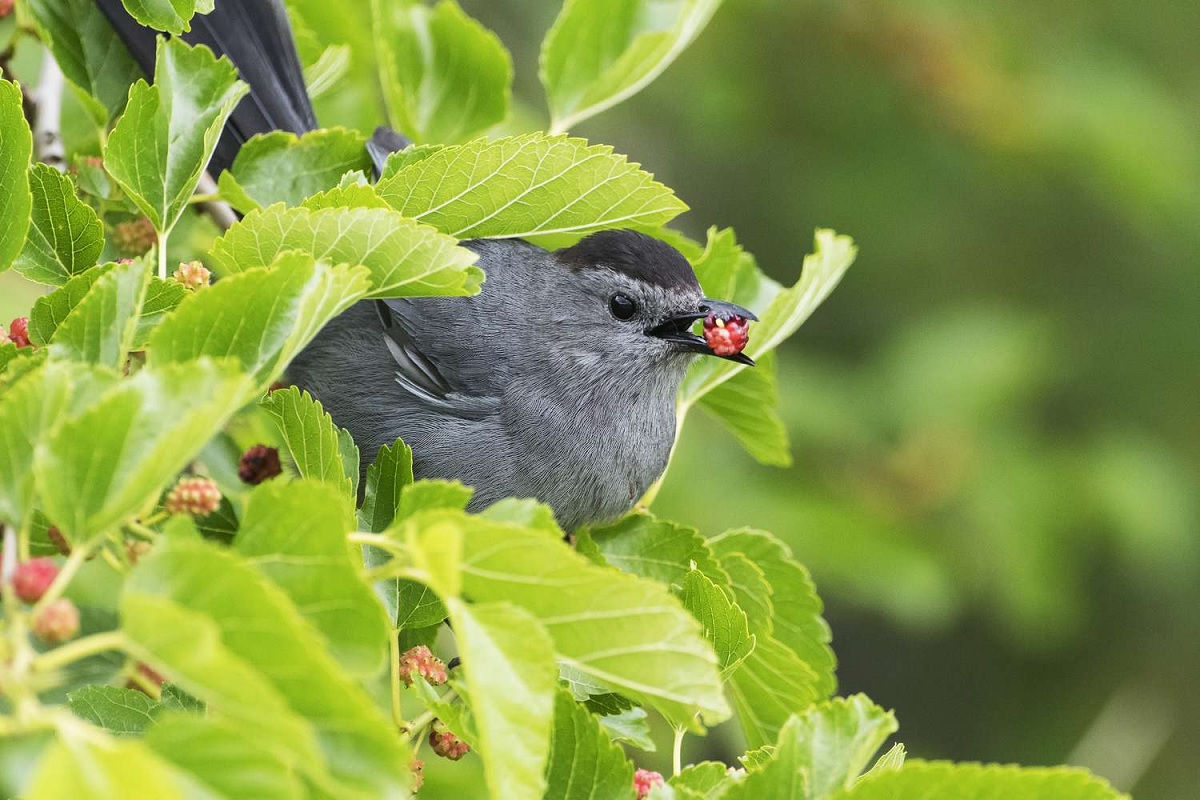
Smaller birds such as robins, cedar waxwings, and bluebirds exhibit precise and selective feeding habits when consuming mulberries. These birds often choose the ripest, juiciest berries, favoring those that are easy to swallow and digest. They tend to feed in flocks, moving from one branch to another and consuming berries rapidly while remaining alert to potential predators. Smaller birds may pluck berries directly from the tree or hover briefly to access fruit on the outer branches.
Their feeding not only provides nourishment but also plays an important role in seed dispersal. By consuming and excreting seeds at different locations, these birds contribute to the propagation of mulberry trees and the broader ecosystem. Gardeners can encourage flock activity by planting multiple trees or providing perches nearby.
Observing small birds’ feeding patterns also reveals seasonal trends, with activity peaking when fruit is abundant and gradually decreasing as berries are depleted. Their selective behavior ensures that the trees’ seeds are widely distributed, benefiting both the birds and the surrounding environment.
Larger Birds’ Feeding Behavior
Larger birds such as crows, grackles, and pigeons demonstrate a more aggressive and dominant feeding style. These birds can consume a higher volume of fruit at once and often compete with smaller species for access. They may peck repeatedly at clusters of berries or strip entire branches to maximize intake. Their presence can sometimes lead to noticeable fruit loss in a short period, particularly during peak ripening seasons.
Despite their dominance, larger birds also contribute to ecological balance by dispersing seeds over wider areas. Their feeding behavior tends to be less selective than that of smaller birds, often resulting in dropped or partially eaten berries that smaller birds can later consume.
Gardeners can manage larger bird activity by providing multiple feeding zones or planting additional trees to reduce competition. Understanding the feeding habits of both small and large birds allows for better planning and management of mulberry trees, ensuring that all species benefit while maintaining the health and productivity of the trees.
Benefits Of Mulberries For Birds
Mulberries provide numerous benefits for birds, serving as a rich and reliable food source during the fruiting season. They are packed with vitamins, natural sugars, and antioxidants that support energy, growth, and overall health. Birds rely on these berries for nutrition, particularly during summer when other food sources may be less abundant. Understanding the advantages of mulberries helps bird enthusiasts and gardeners appreciate their role in supporting wildlife, encouraging healthy bird populations, and fostering a balanced ecosystem around fruit-bearing trees.
Nutritional Value And Energy
Mulberries are a high-energy food source for birds, containing natural sugars, vitamins, and minerals that help sustain daily activities. The carbohydrates provide immediate energy for flying, foraging, and breeding, while vitamins such as vitamin C and iron support immune function and overall health. Birds consuming mulberries gain vital nutrients that may be scarce in other food sources during the summer months, making these berries particularly important for species with high metabolic rates.
Smaller birds like robins and waxwings can rely on mulberries for quick energy boosts during long flights or while feeding young. Larger birds, such as crows or pigeons, benefit from the berries’ calorie content, which allows them to sustain activity levels and maintain body condition. The combination of energy and nutrients makes mulberries an essential part of the diet for a variety of bird species, ensuring they remain active, healthy, and capable of fulfilling seasonal requirements like breeding and migration.
Supporting Breeding And Survival
Mulberries also play a critical role in supporting bird reproduction and survival. The abundant, nutrient-rich berries provide both adult birds and their chicks with a reliable food source during breeding season. Nestlings require high-energy foods to grow quickly, and parents feeding on mulberries can efficiently supply their young with the necessary nutrients. This contributes to higher fledging success and healthier populations.
Additionally, the availability of mulberries helps birds prepare for migration or seasonal changes by allowing them to build fat reserves. By offering a dependable food source, mulberries reduce competition among species and support diverse bird populations in the surrounding ecosystem. Gardeners and wildlife enthusiasts can enhance these benefits by planting multiple mulberry trees or preserving existing ones, creating a natural sanctuary where birds can feed, reproduce, and thrive throughout the fruiting season.
Attracting Mulberry-Eating Birds
Attracting birds that eat mulberries can enrich your garden while supporting local wildlife. By providing abundant fruit, safe perching spots, and suitable habitat, you can encourage a variety of bird species to visit and feed. Understanding their preferences and behaviors allows you to create bird-friendly environments that promote natural feeding, seed dispersal, and ecological balance. Proper planning helps both the birds and your garden thrive, enhancing biodiversity and providing enjoyable birdwatching opportunities throughout the fruiting season.
Planting and Habitat Considerations
To attract mulberry-eating birds, start by planting healthy mulberry trees that produce ample fruit. Choose locations with access to sunlight and good soil drainage, as these conditions encourage consistent berry production. You can also plant multiple trees or companion plants to create a safe and diverse environment that meets the birds’ perching and foraging needs. Dense foliage provides shelter from predators and harsh weather, making your garden more appealing.
Providing additional habitat features such as shrubs, small trees, and natural brush piles can encourage birds to remain in the area. Nest boxes or platforms may also attract certain species looking for safe nesting sites. By designing your landscape to include both food sources and protective cover, you increase the likelihood of regular visits from mulberry-eating birds. Observing bird activity will help you fine-tune plant placement and habitat enhancements to maximize attraction and ensure a vibrant, bird-friendly garden.
Supplemental Feeding And Safety Measures
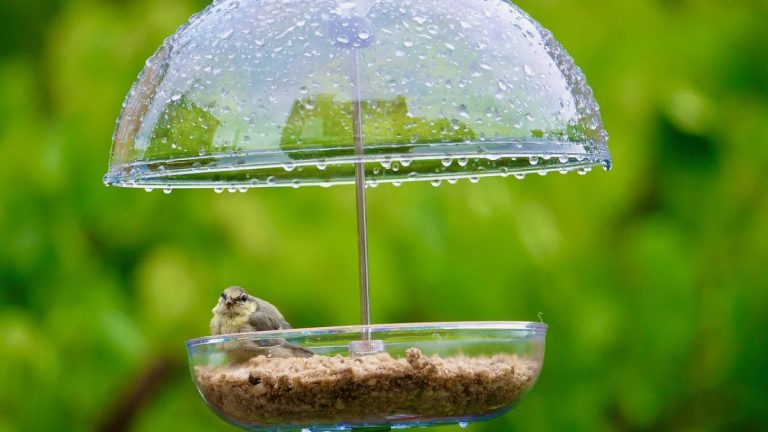
Supplemental feeding can enhance the attractiveness of your garden to mulberry-eating birds, especially during periods when fruit is scarce. Offering additional berries, seeds, or water sources can draw in birds and support their energy needs. You should place feeding stations near mulberry trees to encourage natural foraging behaviors while minimizing competition with other wildlife.
Safety measures are equally important. Keep feeders and water stations clean to prevent disease, and avoid using pesticides or chemicals near food sources. Providing perches or roosting spots near the trees ensures birds have safe areas to rest and feed. By combining natural fruit production, supplemental feeding, and habitat safety, you create an environment that consistently attracts and supports a healthy population of mulberry-eating birds throughout the season.
People Also Asked
What Birds Commonly Eat Mulberries?
Many bird species are attracted to mulberries due to their sweet taste and nutritional value. Songbirds like robins, cedar waxwings, and northern cardinals frequently feed on the berries. Larger birds such as crows, grackles, and pigeons also consume mulberries, often in significant quantities. You can observe these birds feeding in flocks or individually, depending on species and fruit availability. Understanding which birds commonly eat mulberries helps you anticipate feeding behavior, plan bird-friendly gardens, and enjoy the natural activity around mulberry trees while supporting local wildlife.
Why Do Birds Prefer Mulberries?
Birds are drawn to mulberries because they are sweet, nutrient-rich, and easy to digest. The berries provide natural sugars, vitamins, and minerals that give birds energy for flying, foraging, and breeding. Their soft texture makes them easy for smaller birds to swallow, while larger birds can consume multiple berries quickly. You should provide ripe, accessible fruit to attract these species. Mulberries also serve as a reliable food source during the summer months when other fruits may be scarce, making them a vital component of birds’ diets and energy requirements.
How Do Birds Eat Mulberries?
Birds have different feeding techniques depending on their size and species. Smaller birds like waxwings and robins often pluck berries individually, sometimes hovering briefly to reach outer branches. Larger birds like crows or grackles may strip clusters of berries from branches or peck repeatedly at multiple fruits. Some birds swallow berries whole, while others may break them apart to eat in smaller portions. Observing these behaviors provides insight into how birds interact with mulberry trees, helps manage feeding areas, and ensures that fruit is distributed naturally throughout your garden.
Do Birds Help Spread Mulberry Seeds?
Yes, birds play a critical role in dispersing mulberry seeds. After eating the berries, they excrete the seeds in different locations, which helps new trees grow. This natural seed dispersal contributes to the expansion of mulberry trees and supports local ecosystems. You should encourage bird activity by providing multiple fruiting trees and safe perching spots. Seed dispersal benefits both the birds and the environment, as it allows fruit trees to propagate naturally, creates habitats for other wildlife, and enhances the biodiversity of your garden or surrounding area.
Can Mulberries Attract Large Flocks of Birds?
Mulberries can attract large flocks, particularly during peak fruiting seasons. Species like waxwings and robins often feed in groups, creating lively and active scenes around trees. Larger birds such as crows and grackles may also gather in numbers, sometimes dominating feeding areas. You should be prepared for increased bird activity and potential competition among species. Planting multiple trees or providing additional perches can help distribute birds evenly, reduce stress, and ensure that both small and large species benefit from the fruit while maintaining balance in your garden.
Are Mulberries Important For Nesting Birds?
Mulberries provide essential nutrition for nesting birds, supporting both adult and juvenile needs. Adults use the berries to gain energy for incubating eggs and feeding chicks, while nestlings benefit from high-energy, easily digestible fruit. You should ensure that trees are accessible and safe during breeding season to support reproductive success. By offering a reliable food source, mulberries help birds maintain strength, improve fledgling survival rates, and contribute to overall population health. This makes them an invaluable resource for both resident and migratory species.
How Can I Attract Mulberry-Eating Birds To My Garden?
You can attract mulberry-eating birds by planting healthy mulberry trees in sunny, accessible locations. Providing additional perches, dense foliage, or nearby shrubs offers shelter and enhances safety for feeding. Supplemental feeding with berries or water stations can support birds during low fruit availability. You should avoid pesticides and chemicals near fruiting trees to keep birds safe. Observing seasonal feeding patterns and creating diverse habitats encourages repeated visits, allowing you to enjoy the presence of mulberry-eating birds while promoting ecological balance and supporting local wildlife populations.
Final Thoughts
Mulberries are a favorite food source for many bird species, providing essential nutrients and energy, especially during migration and breeding seasons. Birds such as robins, orioles, cedar waxwings, and starlings actively feed on these berries, helping disperse seeds and supporting local ecosystems. Observing their feeding behavior can give you insight into the health of your garden and the diversity of your local bird population.
While birds enjoy the fruit, careful planning, such as strategic tree placement and minimal pesticide use, can ensure both the birds and your mulberry trees thrive. Understanding these interactions allows gardeners and bird enthusiasts to create bird-friendly spaces that encourage natural feeding patterns. Overall, recognizing the role of mulberries in avian diets answers the question of [what birds eat mulberries] and highlights the mutual benefits for both wildlife and your garden.