Why Do Birds Gather at Dusk: Surprising Behaviors You Need to Know
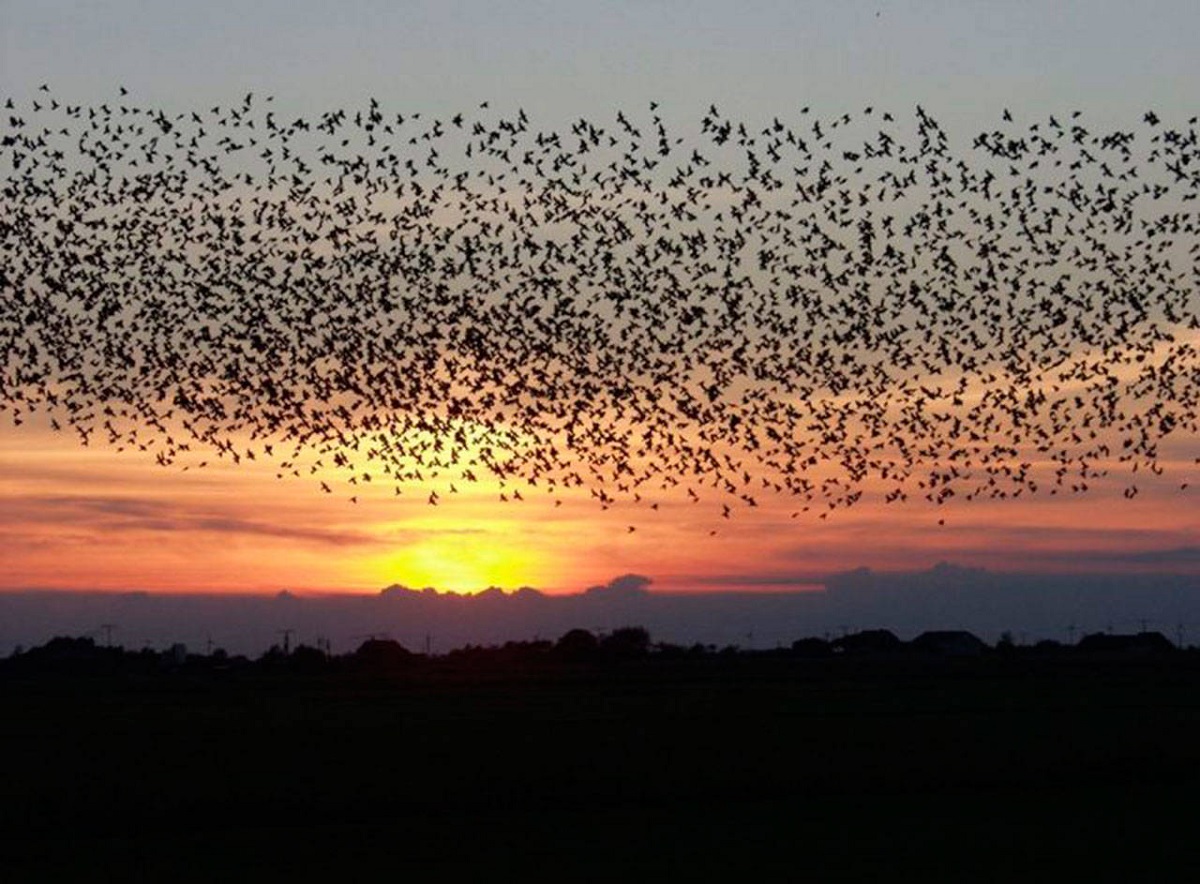
As the day winds down and the sky takes on shades of orange and purple, you might notice flocks of birds coming together in the trees or flying across the horizon. Observing this behavior sparks curiosity about their routines and natural instincts. Birds have precise patterns for feeding, resting, and socializing, and the moments just before nightfall are particularly significant.
The gathering at this time serves multiple purposes, from finding safety in numbers to conserving energy as darkness approaches. Understanding why birds gather at dusk reveals insights into their communication, migration habits, and survival strategies.
Watching these flocks move in unison is not just a beautiful spectacle but also a window into the complex behavior that helps birds thrive in the wild. This evening ritual showcases their natural instincts and the subtle ways they prepare for the challenges of night.
Evening Feeding Habits
Birds exhibit fascinating routines as daylight fades, and evening feeding habits are a crucial part of their survival strategy. During the late hours, they intensify their search for food to build energy reserves, stay warm, and prepare for the night. Observing this behavior provides insight into how birds balance energy intake with safety, social interaction, and environmental changes. Evening feeding is not just about nutrition; it is a well-timed ritual shaped by instinct and survival needs.
Last-Minute Foraging Before Nightfall
As the sun begins to set, birds engage in last-minute foraging to ensure they have consumed enough nutrients before darkness takes over. These final feeding efforts are critical because once night arrives, it becomes harder to find food and more dangerous to move around due to reduced visibility. Birds often focus on high-protein and calorie-dense foods such as insects, seeds, or small fruits. They may move quickly from one food source to another, making the most of the remaining light.
Flocking behavior is commonly observed during this period, as birds gather in groups to feed. This strategy not only improves efficiency in locating food but also reduces the risk of predation. With more eyes watching for threats, individual birds can focus on foraging with a greater sense of security. You may notice birds constantly switching locations, picking at the ground, foliage, or low shrubs, demonstrating a remarkable ability to maximize energy intake in a limited timeframe.
The timing of this foraging is also influenced by seasonal changes. During colder months, the urgency increases as birds need more energy to maintain body heat. You may see them working diligently until the light disappears, rarely wasting a moment. Even in milder conditions, evening foraging ensures they have a sufficient energy buffer for the night, highlighting their adaptability and instinctual awareness of environmental demands.
Energy Storage for Overnight Survival
Evening feeding plays a vital role in energy storage, which is essential for overnight survival. Birds cannot hunt or forage effectively in the dark, so they rely on the calories consumed before nightfall to sustain them until morning. This energy is stored as body fat and glycogen, providing warmth and fuel for vital bodily functions. Birds in colder climates, in particular, need to accumulate extra reserves to maintain body temperature and avoid hypothermia.
The type of food consumed during evening feeding directly affects energy storage. High-fat seeds, protein-rich insects, and calorie-dense fruits are preferred because they can be quickly digested and stored. Birds also adjust the quantity of food intake based on their energy requirements, age, and health. Younger or weaker birds may feed more aggressively to build sufficient reserves, while experienced adults balance intake with caution to avoid predation.
Social interactions continue during this period, as communal feeding allows birds to learn about the most productive feeding spots and observe the behavior of others. This not only increases efficiency but also ensures that the entire flock can survive the night. By the time darkness falls, birds have typically consumed enough food to maintain energy levels, demonstrating a careful balance between instinct, nutrition, and survival needs.
Evening feeding is further influenced by environmental factors such as temperature drops, wind, and light conditions. Birds often modify their foraging behavior, switching to safer locations or different food sources depending on availability. This adaptability ensures that they maximize energy intake while minimizing risks, showing a remarkable level of environmental awareness.
Social Interactions at Dusk
As daylight fades, birds not only focus on feeding but also engage in important social interactions at dusk. These behaviors help strengthen bonds within flocks, establish hierarchies, and provide safety in numbers. Observing birds during this time reveals a complex web of communication, cooperation, and learning that ensures their survival. Dusk is a period when both energy conservation and social cohesion are balanced carefully, showing the intelligence and adaptability of these creatures.
Flock Coordination and Communication
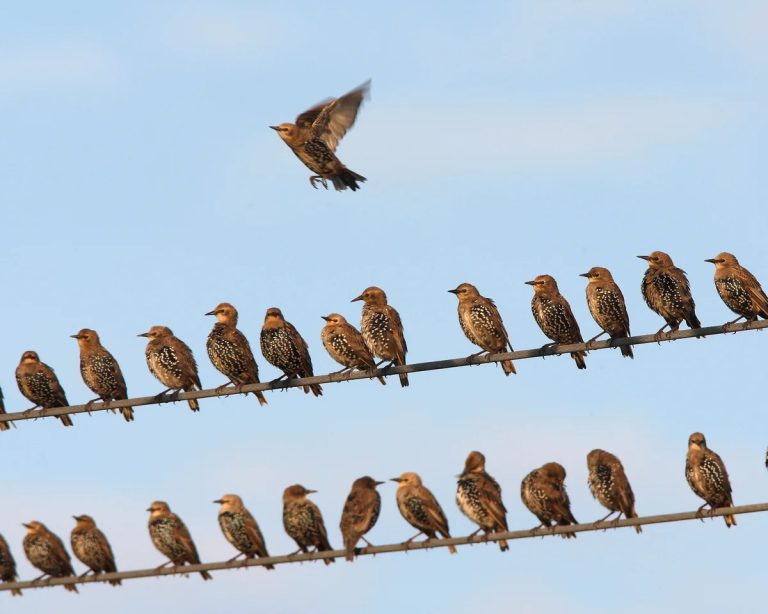
At dusk, flock coordination becomes highly visible as birds gather in trees, shrubs, or open areas before settling for the night. Vocal calls, body movements, and visual signals are used to communicate information about food sources, potential threats, and positioning within the group. Birds often use these interactions to maintain order, prevent conflicts, and ensure that each member is aware of the surroundings.
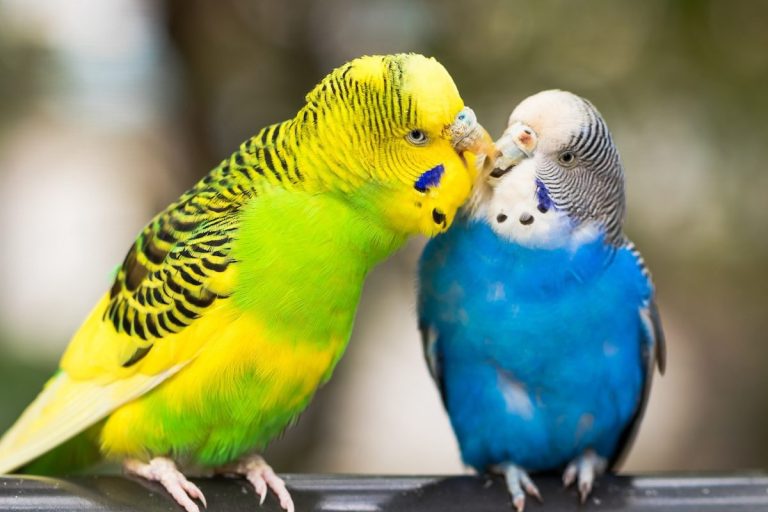
You may notice synchronized movements during flight or collective adjustments in perching locations. Such behaviors are not random but rather a result of learned social cues and instinctual responses. Younger birds often observe and mimic older, experienced members to understand safe routes, feeding habits, and roosting spots. This social learning enhances survival, as it reduces the risk of accidents and increases efficiency in locating food.
Even within a single flock, hierarchies become more apparent at dusk. Dominant birds often have first access to prime perching spots or food sources, while subordinate members wait their turn. These subtle displays of rank are communicated through posture, vocalizations, and sometimes gentle pecking. Observing these interactions demonstrates that birds balance competition with cooperation, ensuring the flock functions smoothly as a unit.
Safety in Numbers and Vigilance
One of the most crucial aspects of social interactions at dusk is safety. Gathering in groups allows birds to reduce individual risk from predators during low-light conditions. More eyes and ears increase the chance of detecting threats early, and coordinated flight patterns can confuse or deter predators. This collective vigilance is a key survival strategy, especially for smaller species that are more vulnerable.
Group roosting at dusk also helps birds share information about safe shelter locations and feeding grounds. Individuals learn from each other where resources are abundant and which areas to avoid. In addition, the presence of multiple birds generates warmth, which is particularly valuable during colder nights. By combining social interaction with survival strategies, dusk becomes a critical period for both communication and protection.
Environmental conditions, such as changing light and temperature, influence these social interactions. Birds adjust their behavior based on the environment, sometimes choosing denser cover or adjusting the timing of group movements. These adaptive strategies highlight the intelligence and responsiveness of birds, showing that social behavior is closely linked to both safety and energy management.
Roosting Patterns and Shelter
As night approaches, birds focus on finding safe and suitable roosting spots to rest and conserve energy. Roosting patterns are influenced by species, environmental conditions, and predator presence. Understanding how birds select and use shelters offers insight into their survival strategies, social behaviors, and adaptability. These patterns ensure warmth, safety, and protection, allowing birds to thrive in various habitats and climates while preparing for the next day’s activities.
Selection of Roosting Sites
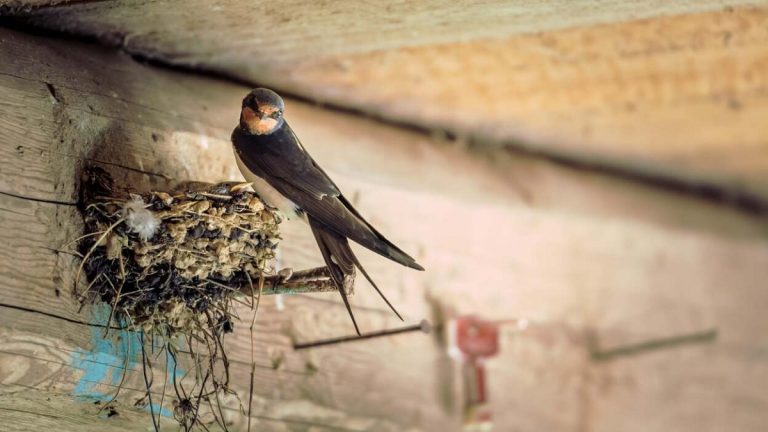
Birds carefully choose their roosting sites based on safety, comfort, and accessibility. Trees, shrubs, rock crevices, and man-made structures are common choices depending on the species. Safety from predators is a primary factor; elevated or concealed locations reduce the risk of attacks from nocturnal predators. Birds also consider environmental conditions, selecting spots that provide shelter from wind, rain, or cold temperatures.
Social factors play a role as well. Some species prefer solitary roosting to avoid competition or conflict, while others gather in large communal roosts for protection and warmth. Communal roosting allows for shared vigilance, where more eyes can detect approaching threats, and the presence of a flock helps deter predators. By observing how birds select roosting sites, you can see a balance between instinct, social behavior, and environmental adaptation.
Accessibility is another important factor. Birds tend to choose sites that are easy to reach but difficult for predators to access. Perches with multiple exit routes or dense foliage are ideal, allowing quick escape if necessary. Some species even return to the same roosting spots repeatedly, indicating a strong sense of territory and familiarity. This careful selection process demonstrates how birds combine instinct with learned experience to maximize safety.
Timing and Roosting Behavior
Timing is critical in roosting patterns. Birds often begin settling into their chosen spots as daylight fades, with different species exhibiting distinct schedules. Early roosters may settle first, while others wait until twilight deepens. The timing ensures that birds have sufficient light to locate food and safe shelter before nightfall.
Behavior within the roost also varies by species. Some birds fluff their feathers to retain warmth, while others huddle closely for heat conservation. Vocalizations may decrease as darkness approaches, reducing detection by predators. In communal roosts, birds may interact socially, reinforcing bonds or establishing hierarchy even while preparing to sleep. These behaviors indicate that roosting is not merely resting but a complex activity involving protection, energy conservation, and social organization.
Environmental factors like temperature, wind, and habitat changes influence roosting patterns. Birds may alter their usual sites during extreme weather or when human activity disrupts their environment. Their adaptability highlights a balance between instinctual behavior and environmental awareness, showing how essential roosting patterns are for survival. Proper shelter and timing allow birds to conserve energy, stay safe, and be ready for the next day’s challenges.
Environmental Cues Triggering Gathering
Birds are highly sensitive to changes in their surroundings, and environmental cues play a major role in triggering gatherings at dusk. Factors like light levels, temperature, weather patterns, and predator activity influence their behavior. Understanding these cues helps explain why birds congregate at specific times and locations, revealing the delicate balance between instinct, survival, and adaptation that governs their daily routines.
Influence of Light and Day Length
One of the most significant cues for evening gatherings is the change in light. As the sun sets, the gradual dimming signals birds that it is time to prepare for rest and safety. Reduced light affects their feeding patterns, movement, and social interactions. You may notice that birds become more active in groups just before darkness, moving collectively toward roosting sites or food sources.
Day length also plays a role in seasonal behavior. During shorter days in autumn and winter, birds often gather earlier, maximizing feeding time and ensuring adequate energy reserves for the night. Longer days in spring and summer may allow for extended foraging, but dusk still serves as a natural cue for communal activity. Light levels not only indicate time but also influence predator visibility, prompting birds to seek safety in numbers as visibility decreases.
Temperature and Weather Signals
Temperature fluctuations are another key trigger for gatherings. As the air cools in the evening, birds seek warmth and often gather in sheltered locations or tight groups to conserve heat. Sudden drops in temperature can accelerate this behavior, leading to earlier and denser gatherings.
Weather conditions such as wind, rain, or storms also influence bird activity. Birds often respond to approaching inclement weather by flocking together, increasing vigilance, and seeking sheltered roosting spots. These environmental signals help them anticipate danger and take collective measures for protection. Even subtle shifts in temperature and weather patterns can alter movement and timing, demonstrating how finely tuned birds are to their surroundings.
Predator Activity and Safety
The presence of predators acts as a critical cue for evening gatherings. Birds are instinctively aware of nocturnal threats, and flocking behavior reduces individual risk. When they sense increased predator activity, they may congregate in safer areas or move to more secure roosts.
Group vigilance is heightened during these gatherings, allowing birds to communicate danger quickly through calls and movements. This social coordination improves survival chances, especially for smaller or more vulnerable species. Environmental awareness combined with instinctual responses ensures that birds not only feed and rest efficiently but also protect themselves and their group as darkness falls.
Environmental cues are essential in shaping bird behavior, influencing everything from feeding to roosting. By responding to light, temperature, weather, and threats, birds optimize safety, energy conservation, and social coordination, showing remarkable adaptability to their surroundings.
People Also Asked
Why Do Birds Gather At Dusk?
Birds gather at dusk primarily to prepare for the night. As light fades, feeding becomes more difficult, and predators become harder to detect. By assembling in flocks, they increase safety and reduce individual risk.
You will notice that birds often move together toward safe roosting areas. This behavior also allows them to maintain social bonds and share warmth. Gathering at dusk is an instinctive survival strategy, ensuring that each bird has a better chance of staying safe, conserving energy, and being ready for the next day’s activities.
Do Birds Communicate During Dusk Gatherings?
Yes, birds actively communicate during dusk gatherings. They use vocal calls, body movements, and visual signals to coordinate movements within the flock.
You may observe younger or less experienced birds watching and mimicking older members to learn safe routes and behaviors. Communication helps the group avoid predators, locate food, and maintain social cohesion. These interactions are critical because they ensure that each bird understands its surroundings, the flock’s hierarchy, and any imminent dangers, making dusk a vital time for both learning and protection.
How Does Light Influence Bird Gatherings At Dusk?
Changes in light are one of the strongest cues for bird gatherings. As the sun sets, fading light signals that it is time to prepare for roosting and safety.
You will notice that birds increase their activity just before darkness, visiting food sources or moving toward secure locations. Seasonal changes in day length also affect timing, with shorter days prompting earlier gatherings. Light cues allow birds to balance feeding, energy conservation, and safety, ensuring they are ready for nighttime challenges.
What Role Does Predator Awareness Play In Dusk Gatherings?
Predator awareness is a major reason birds gather at dusk. Flocking reduces individual risk, making it harder for predators to single out a bird.
During these gatherings, birds keep watch, use alarm calls, and position themselves strategically within the group. Smaller species rely on collective vigilance to survive nighttime threats. By congregating before darkness, birds maximize protection and minimize danger. This behavior demonstrates how instinct and social interaction work together to enhance survival during vulnerable hours.
Does Weather Affect Bird Gathering Behavior At Dusk?
Yes, weather strongly influences dusk gatherings. Birds respond to temperature drops, wind, and approaching storms by flocking together and seeking shelter.
Cooler evenings often lead to tighter clustering for warmth, while stormy conditions trigger early movement to protected roosting areas. Birds adjust timing, location, and density according to environmental cues. These adaptive behaviors help conserve energy, improve safety, and ensure that social and survival needs are met before nightfall.
Are Dusk Gatherings Important For Migratory Birds?
Dusk gatherings are critical for migratory birds. They provide time to feed intensively, build energy reserves, and reinforce social bonds before long flights.
You may see birds interacting to share information about food, resting areas, or safe roosting spots. These gatherings allow them to prepare mentally and physically for migration. By observing the group, birds optimize survival, showing that dusk is not only important for daily protection but also for preparation for long-distance travel.
Final Thoughts
As evening approaches, many birds exhibit fascinating behaviors that help them survive and thrive. Observing their movements provides insight into their feeding, social, and roosting patterns. Birds often gather in large flocks to maximize safety and share information about food sources, which is a remarkable example of instinctual cooperation.
Understanding why do birds gather at dusk reveals the importance of environmental cues such as fading light and dropping temperatures. These cues signal birds to find secure roosting sites, conserve energy, and prepare for the night ahead. The collective gathering also strengthens social bonds within the flock, ensuring protection from predators and maintaining group cohesion.
Additionally, human activity can influence these gatherings, with urban lighting and habitat changes affecting traditional patterns. Knowing why do birds gather at dusk encourages better conservation practices, helping preserve these natural behaviors for future generations. Observing them reminds us of the delicate balance in nature.