Are Birds Allowed In Apartments? Rules, Tips, and Legal Considerations
Keeping birds as pets can be a rewarding experience, but apartment living presents unique challenges and regulations that must be considered. Many apartment complexes have specific rules regarding the types and numbers of pets allowed, often to ensure safety, hygiene, and minimal disturbance to neighbors. Understanding these guidelines helps prospective bird owners make informed decisions about pet ownership in shared living spaces. Exploring legal restrictions, lease agreements, and building policies clarifies what species are permitted, cage requirements, and noise limitations.
This knowledge is essential for maintaining a harmonious living environment while providing proper care for feathered companions. Addressing the question of are birds allowed in apartments highlights the balance between responsible pet ownership and adherence to property rules, allowing residents to enjoy their birds safely, respectfully, and within the framework of apartment living regulations.
Common Apartment Rules Regarding Birds
Apartment living often comes with specific rules regarding pets, and birds are no exception. These rules are designed to maintain cleanliness, reduce noise, and prevent disturbances to neighbors. Restrictions may cover the types of birds allowed, cage placement, and the number of birds per unit. Understanding common apartment rules regarding birds helps prospective pet owners comply with regulations while ensuring the welfare of their feathered companions. Adhering to these guidelines promotes a safe and harmonious living environment for all residents.
Species and Size Restrictions
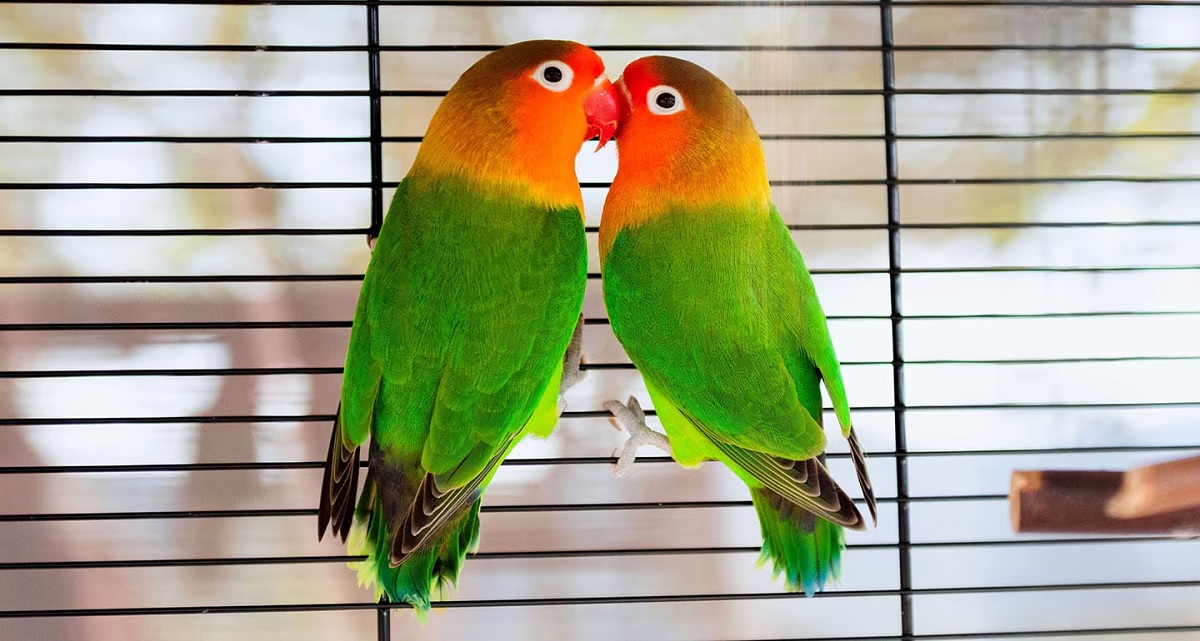
Many apartment complexes specify which bird species are permitted, often favoring smaller, quieter birds such as parakeets, canaries, or finches. Larger birds like parrots, macaws, or cockatoos may be restricted due to their size, loud calls, and potential for property damage. Some buildings may allow exotic species only with prior approval, requiring documentation of their care and containment. Size restrictions typically include both the bird itself and the cage, ensuring that it can be safely accommodated within the apartment without posing a hazard or obstruction.
These rules help minimize noise complaints and safety concerns. Smaller birds are easier to manage in confined spaces, and their lower activity levels reduce the risk of flying damage or escapes. Understanding these restrictions is essential for new or prospective bird owners to avoid violations of lease agreements. By selecting species and cage sizes approved by the apartment management, residents can enjoy their pets while maintaining compliance and contributing to a peaceful living environment for everyone.
Noise, Cleanliness, and Maintenance Guidelines
Apartments often include rules regarding noise levels, cleanliness, and cage maintenance to prevent disturbances. Birds that vocalize frequently may need to be trained or monitored to ensure they do not disrupt neighbors. Regular cage cleaning is usually mandated to avoid odors, droppings, or insect infestations. Some complexes may specify acceptable locations for cages, emphasizing areas away from walls shared with other units to reduce noise transmission.
Proper maintenance not only protects apartment hygiene but also safeguards the health of the birds. Following these guidelines demonstrates responsible pet ownership and prevents complaints or fines from management. By adhering to noise and cleanliness regulations, residents create a harmonious living environment while providing a safe, comfortable home for their birds. These practices are essential for balancing the needs of feathered pets with the expectations and comfort of other apartment residents.
Documentation and Permissions
Many apartment buildings require documentation or explicit permission to keep birds. This may include a pet addendum to the lease, vaccination records, or proof of species approval. Management may ask residents to acknowledge liability for any damage caused by the birds, as well as agreement to follow all noise, cleanliness, and safety guidelines.
Obtaining proper permissions ensures transparency and prevents disputes with landlords or neighbors. It also protects residents legally and clarifies responsibilities regarding pet care and apartment maintenance. By understanding and complying with documentation requirements, bird owners can enjoy their pets with confidence, demonstrating that they can responsibly integrate avian companions into apartment living without causing disturbances or violations.
Health and Safety Considerations
Ensuring the health and safety of both birds and apartment residents is a key concern for indoor avian care. Birds can carry diseases, produce allergens, and require proper ventilation and hygiene to thrive in confined spaces. Understanding health risks, safe handling practices, and environmental considerations is essential for maintaining a safe living environment. Addressing these factors helps prevent illness, minimizes potential hazards, and ensures the well-being of both feathered companions and human residents in an apartment setting.
Air Quality and Allergens
Birds produce dander, feathers, and dust that can affect air quality in apartments. Poor ventilation can cause these particles to accumulate, potentially triggering allergies or respiratory issues for sensitive residents. Certain bird species produce more dander than others, with larger birds often generating higher quantities. Maintaining clean cages, using air purifiers, and ensuring proper airflow throughout the apartment are crucial steps to mitigate these risks.
Regular cleaning of perches, toys, and surrounding areas reduces the buildup of dust and dander, protecting both the birds and humans. By controlling air quality, you also prevent unpleasant odors and minimize the spread of potential pathogens. Understanding the relationship between birds and indoor air quality allows apartment residents to create a healthier environment that supports feathered companions while maintaining comfort and safety for all occupants.
Disease Prevention and Hygiene
Birds can carry diseases that may affect humans or other pets, such as psittacosis, salmonella, or fungal infections. Preventing the spread of these illnesses requires careful hygiene practices, including regular handwashing after handling birds, disinfecting cages, and monitoring bird health. Quarantining new birds before introducing them to the apartment can reduce the risk of transmission to existing pets or residents.
Veterinary care is also essential for maintaining bird health. Routine check-ups, vaccinations when applicable, and early treatment of symptoms help prevent disease outbreaks. Understanding how to manage potential health risks allows you to enjoy the companionship of birds safely while protecting both their well-being and that of humans in shared living spaces.
Safety Hazards and Environmental Concerns
Apartments pose specific safety challenges for birds, including open windows, ceiling fans, electrical cords, and toxic household plants. Birds may chew cords or ingest harmful substances, resulting in injury or poisoning. Ensuring cages are secure and placing birds in safe areas minimizes these risks. Additionally, monitoring temperature and humidity levels is important, as sudden changes can negatively impact their health.
Providing a bird-proofed environment reduces accidents and creates a stable, safe habitat for feathered pets. This includes removing small objects they could swallow, avoiding exposure to smoke or fumes, and using non-toxic cleaning products. Addressing these environmental concerns demonstrates responsible bird ownership and ensures that both the birds and apartment residents remain safe and healthy.
Pros and Cons of Keeping Birds in Apartments
Keeping birds in apartments can be a rewarding experience, but it comes with unique challenges. Birds offer companionship, entertainment, and stress relief, yet apartment living requires careful consideration of noise, space, and regulations. Evaluating both the advantages and disadvantages helps prospective owners make informed decisions. Understanding the pros and cons of keeping birds in apartments ensures that residents can provide proper care while maintaining a harmonious living environment for themselves, their neighbors, and their feathered companions.
Pros of Keeping Birds in Apartments
Birds provide a range of benefits for apartment residents, including companionship, mental stimulation, and stress reduction. Their bright colors, songs, and playful behaviors can create a lively and engaging environment. Birds often require less space than traditional pets, making them suitable for smaller living areas. They are generally low-maintenance compared to larger pets like dogs, as they do not require walks or outdoor exercise.
Apartments can be ideal for keeping birds if residents establish a safe, bird-proofed environment. Birds can thrive in well-ventilated, clean spaces with appropriate perches, toys, and enrichment activities. Observing and interacting with birds can enhance mood, provide educational opportunities, and create a connection to nature even in urban settings. For residents seeking companionship without extensive care requirements, birds offer an appealing alternative to traditional pets, while also allowing enjoyment of their social and cognitive behaviors within the constraints of apartment living.
Cons of Keeping Birds in Apartments
Despite their advantages, birds present challenges in apartment living, including noise, space limitations, and potential health risks. Many species are vocal, and their calls can disturb neighbors, leading to complaints or conflicts. Space restrictions can limit flight and exercise opportunities, making enrichment essential to prevent boredom or stress. Additionally, bird droppings, feathers, and dander can accumulate, requiring frequent cleaning to maintain hygiene and air quality.
Birds also demand careful attention to diet, safety, and veterinary care. Improper handling or lack of environmental stimulation may lead to behavioral problems such as feather plucking or aggression. Some apartment complexes have strict regulations on the types and numbers of birds allowed, which can limit pet options or require additional permissions. Evaluating these challenges ensures prospective owners are prepared to meet both their birds’ needs and apartment regulations, creating a safe and harmonious environment for all residents.
Steps to Get Approval From Landlords
Securing landlord approval is a crucial step before keeping birds in an apartment. Many rental agreements include specific rules about pets, including types, numbers, and cage requirements. Gaining formal permission helps avoid lease violations, fines, or disputes with management. Understanding the process and presenting a clear, responsible plan for bird care increases the likelihood of approval. Following these steps ensures both the welfare of your feathered pets and compliance with apartment policies, creating a harmonious living environment for all.
Communicate Your Intentions Clearly
Start by informing your landlord or property manager of your intention to keep birds. Clearly outline the species, number of birds, and cage dimensions. Highlight measures you will take to minimize noise, odor, and mess, such as routine cage cleaning, using air purifiers, or placing cages away from walls shared with neighbors. Transparency demonstrates responsibility and reassures landlords that you understand the impact of keeping birds in an apartment setting.
Providing written details, such as a short care plan or explanation of the species’ behavior, can further support your request. Mentioning any prior experience with birds, or references from previous landlords regarding responsible pet ownership, may also strengthen your case. Open and honest communication sets the foundation for a positive landlord-tenant relationship and shows your commitment to maintaining a safe, respectful living environment while enjoying your feathered companions.
Offer Documentation and Agreements
Many landlords require formal documentation to approve birds in apartments. This may include a pet addendum to your lease, vaccination records, or proof of species approval. Offering to sign agreements outlining your responsibilities for noise control, cleaning, and potential damages can reassure landlords. Some property managers may also request liability coverage or acknowledgment that you are responsible for any property damage caused by the birds.
Presenting a complete package of documentation demonstrates professionalism and preparedness. It shows that you have carefully considered the implications of keeping birds indoors and are willing to comply with building rules. By proactively providing necessary paperwork and agreements, you increase the chances of receiving formal approval while creating a clear understanding of responsibilities, ensuring both your birds and the apartment community remain safe and well-maintained.
People Also Asked
Are Birds Allowed In All Apartments?
Not all apartments allow birds, as policies vary depending on the building, management, and local regulations. Some complexes have strict “no pets” rules, while others permit certain species or sizes of birds. Understanding your lease agreement and building policies is essential before bringing a bird home. By checking with management beforehand, you can avoid lease violations, fines, or eviction. Knowing which apartments allow birds helps you select a living environment that supports your feathered companion while complying with rules designed to maintain safety, cleanliness, and harmony among residents.
Which Bird Species Are Commonly Allowed In Apartments?
Smaller, quieter birds are usually allowed in apartments, such as parakeets, canaries, finches, and budgerigars. Larger birds like parrots, macaws, or cockatoos may face restrictions due to their noise, size, and potential for property damage. Some complexes require approval for exotic species or birds with special care needs. Understanding these species-specific rules ensures you select a bird that complies with apartment policies while meeting your personal preferences. Choosing the right species reduces complaints from neighbors and helps maintain a safe and harmonious living environment.
Do I Need Landlord Permission To Keep Birds?
Yes, obtaining landlord permission is typically required before keeping birds in an apartment. Many leases include pet clauses that specify allowed species, numbers, and cage requirements. Written approval prevents potential disputes, fines, or eviction. Landlords may also request documentation such as vaccination records, care plans, or agreements outlining responsibilities for noise, cleanliness, and potential damage. Proactively communicating with your landlord and providing necessary information demonstrates responsible pet ownership and ensures compliance with apartment rules while protecting both your rights and your bird’s welfare.
Are There Limits On The Number Of Birds I Can Have?
Many apartments impose limits on the number of birds a resident can keep. These limits are designed to prevent overcrowding, excessive noise, and hygiene issues. Rules may vary depending on species, cage size, and apartment layout. Understanding and adhering to these restrictions ensures compliance with your lease while maintaining a safe, clean, and comfortable environment for both birds and residents. Following guidelines helps avoid complaints or fines, and ensures your feathered pets receive proper care without overburdening the apartment space or disturbing neighbors.
What Safety Precautions Should I Take For Birds In Apartments?
Safety is crucial when keeping birds indoors. Ensure cages are secure, placed away from windows, ceiling fans, or electrical cords, and free from toxic plants or fumes. Monitor temperature and humidity to provide a comfortable environment. Proper ventilation and regular cleaning prevent disease and allergens from accumulating. Following safety precautions protects both your birds and other residents, reduces the risk of accidents or health problems, and ensures a safe, harmonious apartment environment where birds can thrive without causing damage or disturbances.
How Can I Minimize Noise And Disturbances From Birds?
To minimize noise, place cages away from shared walls or high-traffic areas. Choose quieter bird species and provide enrichment, such as toys and perches, to reduce boredom-related calls. Regular interaction and training can help control excessive vocalizations. Using soft liners, cage covers, and sound-absorbing materials around the cage also helps reduce noise. Maintaining a clean and organized cage prevents odors and contributes to a comfortable environment. By combining these strategies, you can enjoy your birds while maintaining harmony with neighbors and complying with apartment noise regulations.
Final Thoughts
Keeping birds in an apartment requires careful consideration of rules, regulations, and the responsibilities of pet ownership. Landlords and housing associations often have specific policies regarding the type, number, and size of birds allowed, as well as requirements for noise control and cleanliness. Understanding local ordinances and lease agreements is essential to avoid conflicts or penalties. Proper care, including cage placement, enrichment, and regular cleaning, helps ensure that both the birds and neighbors remain comfortable.
When approval is not granted, exploring alternatives such as visiting aviaries or engaging with bird-related hobbies can provide a satisfying experience. By being informed and proactive, you can create a safe, healthy environment for your pets while respecting apartment regulations. Overall, following guidelines and best practices provides clarity on [are birds allowed in apartments], making bird ownership in shared living spaces manageable and enjoyable.