Are There Any Birds That Give Live Birth: Myths and Facts Revealed
Birds are among the most fascinating creatures in the animal kingdom, known for their unique adaptations like flight, feathers, and nesting behaviors. One question that often arises is about their reproductive methods, specifically whether they can give birth to live young. Most people assume that all birds lay eggs, which is true for the vast majority of species, but curiosity about exceptions sparks interest in the diversity of avian biology.
Exploring the reproductive strategies of birds reveals how evolution has shaped their lives for survival. Egg-laying allows birds to incubate and protect their young outside the mother’s body, offering advantages in mobility and energy management. Understanding this process provides insight into why live birth is rare or absent in birds, especially compared to mammals and reptiles.
Studying these patterns also highlights the fascinating ways in which animals have adapted to their environments. Birds rely on eggs as a reproductive strategy that balances safety, nourishment, and development, making them unique among vertebrates.
Bird Reproduction Systems
Birds have evolved complex reproductive systems that allow them to thrive in diverse environments. Unlike mammals, almost all birds reproduce through egg-laying, a strategy that balances energy efficiency, mobility, and offspring survival. Understanding bird reproductive systems provides insight into their mating behaviors, egg development, and parental care, as well as the evolutionary advantages that make egg-laying the dominant reproductive method across the avian world.
The Female Reproductive System
The female reproductive system in birds is highly specialized for egg production and oviposition. Most female birds possess a single functional ovary, usually the left one, which produces ova or egg yolks. The ovary is connected to an oviduct, where the egg white, membranes, and shell are added before laying.
This system allows birds to produce eggs efficiently while maintaining flight capability and energy reserves. Hormonal cycles regulate egg development and ovulation, often synchronized with seasonal breeding patterns. The shell, primarily made of calcium carbonate, provides protection while allowing gas exchange for the developing embryo. Birds’ reproductive anatomy emphasizes lightweight structures and precision, ensuring that eggs are strong enough to survive the environment but light enough not to impede flight.
Parental behavior begins even before the egg is laid. Many species select safe nesting sites, demonstrating instinctual planning to protect their future offspring. Egg-laying is usually timed to coincide with food availability, ensuring that hatchlings have access to sufficient nutrition. This combination of anatomical specialization and behavioral adaptation highlights the efficiency and sophistication of the female reproductive system in birds.
The Male Reproductive System
The male reproductive system in birds is adapted for external fertilization and often for rapid mating. Most male birds have paired testes that produce sperm, which are transferred to the female via the cloaca, an opening used for both excretion and reproduction.
Sperm production in males is highly seasonal in many species, peaking during the breeding season to ensure fertilization of eggs. Courtship behaviors, including displays, songs, and territorial actions, often accompany mating to increase reproductive success. Unlike mammals, birds typically do not have external genitalia, and sperm transfer occurs through a brief cloacal “kiss,” minimizing exposure and weight.
Male reproductive anatomy emphasizes efficiency and timing. In species with high competition, males may produce large volumes of sperm or engage in mate-guarding behaviors to increase the likelihood of fertilization. Understanding the male system highlights the interplay between anatomy, behavior, and reproductive strategy, showing how both sexes contribute to successful offspring development.
Fertilization and Egg Development
Fertilization occurs internally when sperm meets the ovum in the female’s oviduct. After fertilization, the egg moves through the oviduct, where layers of albumen, membranes, and the shell are deposited. This process takes several hours to days, depending on the species, and results in a fully formed egg ready for laying.
Egg size, shape, and shell strength vary by species, reflecting adaptations to environmental pressures, nesting habits, and incubation methods. Birds carefully select nesting sites to protect eggs from predators, temperature extremes, and moisture. The process ensures that embryos develop in optimal conditions, with incubation often provided by one or both parents. Egg-laying, rather than live birth, allows birds to continue flying and foraging without the heavy burden of carrying developing young internally.
Parental care is closely linked to egg development. Birds invest significant energy in constructing nests, maintaining suitable temperatures, and protecting eggs until hatching. This investment maximizes survival rates and ensures that the reproductive strategy—egg-laying—remains highly effective across diverse habitats.
Evolutionary Perspective on Bird Reproduction
From an evolutionary perspective, egg-laying provides several advantages over live birth. Eggs can be produced while the female remains mobile, allowing for continued foraging and predator avoidance. Egg shells protect the developing embryo while enabling gas exchange, and clutch sizes can be adjusted to environmental conditions.
Live birth, common in mammals, would impose significant weight and mobility constraints on birds, especially flying species. Egg-laying allows birds to maintain their agility, conserve energy, and invest parental care after laying, rather than carrying developing young internally. Evolution has favored this system, making it nearly universal among avian species.
Bird reproduction systems illustrate the intricate balance between anatomy, behavior, and evolutionary adaptation. By studying the female and male reproductive anatomy, fertilization processes, and egg development, we gain a comprehensive understanding of why birds rely on eggs rather than live birth and how these strategies have contributed to their ecological success.
Scientific Evidence
Scientific research on bird reproduction provides clear insights into their biology and confirms that egg-laying is the standard reproductive strategy. Studies in anatomy, embryology, and evolutionary biology consistently demonstrate that birds do not give live birth. Understanding the scientific evidence behind this phenomenon clarifies misconceptions and highlights the adaptations that make oviparity (egg-laying) the most efficient method for avian species.
Anatomical Studies
Anatomical studies of birds reveal specialized reproductive structures optimized for egg production. Female birds typically possess a single functional ovary, which produces ova that travel through the oviduct, where albumen, membranes, and shells are added. Male birds have paired testes that produce sperm, which are transferred to the female via the cloaca.
These anatomical features support external development of embryos rather than internal gestation. The lightweight and compact reproductive organs are adapted for flight, making live birth impractical. Researchers have found no evidence of placental structures or extended internal gestation in any bird species. These studies confirm that the physiological design of birds favors oviparity, combining efficient reproduction with the ability to maintain mobility and energy balance.
Embryological Evidence
Embryological research provides further confirmation that birds develop externally. Fertilized eggs contain all the necessary nutrients for embryo growth, including yolk for energy and albumen for protection. The eggshell regulates gas exchange while shielding the developing chick from environmental hazards.
Microscopic examination of bird embryos shows that development begins immediately after fertilization in the oviduct, but growth continues outside the mother’s body. The embryo relies on the egg environment rather than maternal tissues for nourishment, unlike mammals. This evidence reinforces the idea that birds are structurally and biologically designed to lay eggs, making live birth incompatible with their physiology and lifestyle.
Evolutionary Perspective
From an evolutionary standpoint, oviparity provides significant advantages for birds. Eggs can be produced and laid without compromising flight ability or mobility. Multiple offspring can be incubated simultaneously, and parents can continue foraging while the eggs develop.
Fossil records of early birds and modern relatives show consistent egg-laying behavior over millions of years. No evidence exists of transitional species within Aves that gave live birth. Evolutionary biology supports the conclusion that egg-laying is an adaptation that balances reproduction, survival, and energy efficiency, making it the universal reproductive strategy among birds.
Scientific evidence from anatomy, embryology, and evolution consistently demonstrates that birds do not give live birth. These findings provide clarity for researchers and enthusiasts alike, explaining why oviparity is the most practical and successful reproductive strategy for avian species.
Unique Reproductive Adaptations in Birds
Birds have evolved remarkable reproductive adaptations that ensure survival, efficiency, and success across diverse habitats. These adaptations involve anatomy, behavior, and physiology, allowing birds to maximize reproductive output while minimizing risks. From specialized reproductive organs to elaborate courtship rituals and parental care strategies, birds exhibit a range of traits that make their reproductive systems highly efficient and unique among vertebrates.
Specialized Egg-Laying Mechanisms
One of the most notable adaptations in birds is their highly efficient egg-laying system. Female birds typically have a single functional ovary, usually the left one, connected to a complex oviduct. This system allows the production of eggs with protective shells while minimizing weight, which is crucial for flight.
The egg itself is a marvel of adaptation. The yolk provides concentrated nutrients, the albumen supplies water and protein, and the shell offers protection while allowing gas exchange. Birds can adjust the timing and frequency of egg-laying according to environmental conditions, ensuring that offspring are born when food and shelter are abundant. Seasonal variations also influence clutch size, reflecting the bird’s ability to optimize reproductive success. This mechanism demonstrates how evolutionary pressures have shaped birds to produce viable offspring without compromising mobility or energy balance.
Courtship and Mating Rituals
Courtship behaviors are another unique reproductive adaptation. Birds engage in elaborate displays, songs, dances, and visual signaling to attract mates and secure reproductive success. These behaviors serve as indicators of fitness, health, and genetic quality.
Mating rituals often involve intricate coordination between male and female birds. Displays can include synchronized movements, nest-building contributions, or gifting of food items. Such behaviors not only facilitate successful mating but also establish pair bonds and cooperation for raising young. Birds that display more complex or impressive behaviors often have higher reproductive success, highlighting how behavioral adaptations complement anatomical structures to optimize reproduction.
Nesting and Parental Care
Nesting and parental care are critical adaptations that enhance survival rates of eggs and hatchlings. Birds select specific sites, construct elaborate nests, and employ strategies to protect eggs from predators and environmental hazards. Some species use camouflage, while others create hidden or elevated nests to reduce risk.
Parental care varies widely. In many species, both parents incubate eggs and feed hatchlings, while in others, only one parent assumes these responsibilities. Extended care ensures proper growth, learning of foraging skills, and survival into adulthood. These behaviors demonstrate how reproductive success depends not only on producing eggs but also on providing protection and nourishment, emphasizing the interplay of instinct, environment, and biology.
Physiological Adaptations
Physiological adaptations in birds support efficient reproduction and survival of offspring. Hormonal regulation controls ovulation, mating readiness, and parental behaviors. Birds can also adjust reproductive cycles according to seasonal cues, such as temperature and day length, optimizing timing for offspring survival.
Additionally, adaptations like rapid yolk formation, efficient calcium metabolism for strong shells, and synchronized hatching ensure that resources are allocated effectively. In some species, eggs are laid in a sequence that minimizes sibling competition, while others hatch simultaneously to maximize survival. These physiological traits underscore how birds have evolved to thrive in diverse and often challenging environments.
Unique reproductive adaptations in birds—from egg-laying mechanisms to complex courtship, nesting strategies, and physiological efficiency—illustrate their evolutionary success. These traits combine to create highly effective systems that balance mobility, energy, survival, and reproductive output, making birds one of the most adaptable and fascinating groups of vertebrates.
People Also Asked
Are There Any Birds That Give Live Birth?
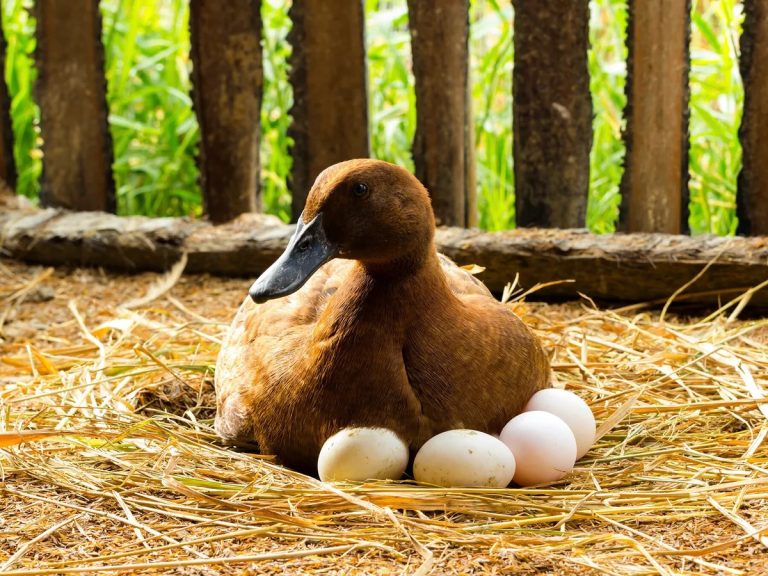
No, birds do not give live birth. Unlike mammals, birds reproduce exclusively through egg-laying, a process known as oviparity. Their reproductive systems are designed to produce eggs with protective shells, providing all the nutrients and protection the embryo needs while allowing the parent to remain mobile and conserve energy.
You may notice that this system allows birds to forage, fly, and evade predators while their young develop externally. Evolution has favored egg-laying in birds because carrying developing offspring internally would interfere with flight and energy efficiency. Observing bird reproduction confirms that live birth is incompatible with their anatomy and lifestyle.
Why Don’t Birds Give Live Birth?
Birds cannot give live birth due to their anatomy and the demands of flight. Carrying developing young internally would add significant weight, making flying inefficient and increasing the risk of predation. Their single functional ovary, lightweight skeleton, and specialized oviducts are all optimized for producing eggs externally.
Egg-laying provides a balance between reproduction and mobility, allowing birds to maintain energy for survival and foraging. Evolutionary pressures have shaped birds to reproduce in this way, making egg-laying a universal strategy. Live birth would compromise flight performance and survival, which explains why no bird species has evolved this method.
Have Any Bird Species Shown Exceptions To Egg-Laying?
Scientific evidence shows that all known bird species reproduce through eggs. No bird has been documented giving live birth, and fossil records confirm that egg-laying has been consistent across millions of years of avian evolution.
Even primitive or flightless birds, like ostriches and emus, lay eggs, highlighting the universal nature of this reproductive strategy. While some reptiles and mammals have evolved live birth, birds’ lightweight structure and flight adaptations make live birth impractical. This consistency reinforces the conclusion that birds are strictly oviparous, with no exceptions observed in modern or extinct species.
Can Any Evolutionary Adaptation Allow Birds To Give Live Birth?
Currently, no evolutionary adaptation supports live birth in birds. Their skeletal structure, respiratory system, and metabolic needs are all specialized for flight and egg-laying, making live birth unfeasible.
Even if birds developed the capacity to gestate internally, the energy cost and weight burden would compromise mobility and survival. Evolution favors egg-laying because it allows simultaneous foraging, protection, and reproduction. Birds’ reproductive anatomy has been highly conserved, demonstrating that natural selection continues to reinforce oviparity as the most efficient and safe strategy for avian species.
How Do Bird Eggs Compensate For Not Having Live Birth?
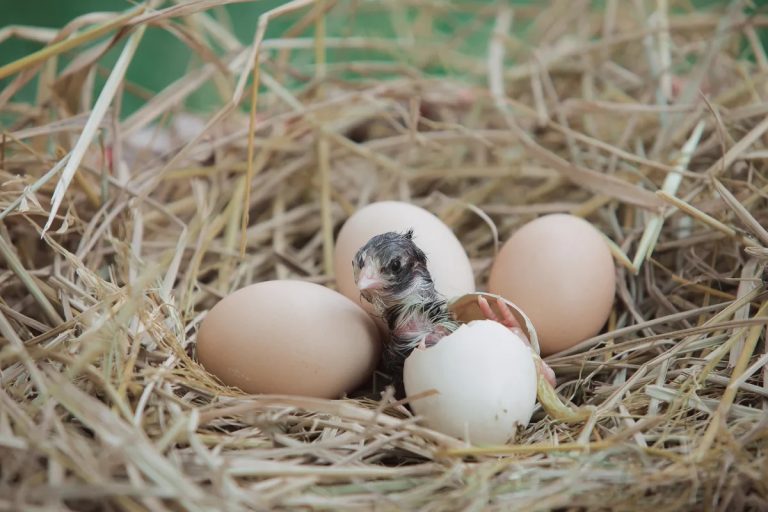
Bird eggs are highly adapted to provide complete development externally. The yolk offers essential nutrients, the albumen provides hydration and protein, and the shell protects the embryo while allowing gas exchange.
These adaptations ensure that offspring can develop safely outside the mother’s body. Birds also use behavioral strategies, such as nest building and incubation, to maintain optimal conditions for growth. By investing in egg quality and parental care, birds achieve reproductive success without internal gestation, making live birth unnecessary for their survival and evolution.
Are There Any Misconceptions About Birds Giving Live Birth?
Some people mistakenly assume that large or exotic birds might give live birth because of their size or unique behaviors. However, these assumptions are incorrect. All known birds lay eggs, regardless of size, habitat, or diet.
Observing bird reproductive behavior and consulting scientific studies confirms that oviparity is universal. Misconceptions often arise from confusion with mammals or reptiles, which may have live birth, or from seeing hatchlings emerge fully formed from eggs. Understanding bird anatomy and evolution clarifies why live birth is impossible in birds and why egg-laying is a highly successful reproductive strategy.
Final Thoughts
Bird reproduction is a fascinating area of study, and despite many myths and misconceptions, all known bird species reproduce by laying eggs. While some animals give live birth, birds have evolved unique adaptations that make egg-laying the most efficient method for their survival and development.
Examining the question of are there any birds that give live birth helps clarify misunderstandings about avian biology. Birds may retain eggs longer in some cases or exhibit unusual nesting behaviors, but this does not equate to live birth. These adaptations ensure that chicks develop safely outside the mother’s body while still receiving protection and nourishment through the egg.
Understanding are there any birds that give live birth reinforces the remarkable consistency of avian reproductive strategies. Recognizing this helps enthusiasts and researchers appreciate bird behavior more accurately while dispelling common myths about how these creatures bring new life into the world.