What Do Birds Not Like: Top Things That Keep Them Away
Birds are fascinating creatures with unique behaviors, and understanding their likes and dislikes can help you manage their presence around your home or garden. Observing their reactions to different objects, sounds, and scents reveals much about their natural instincts and survival strategies. Birds are highly sensitive to changes in their environment, and certain stimuli can make them uncomfortable or drive them away.
Knowing what do birds not like allows you to protect plants, crops, or outdoor spaces without causing harm. Strong odors, loud noises, bright reflections, and sudden movements are common deterrents, as they trigger instinctive caution. Some species also avoid particular colors or unfamiliar foods, which helps them stay safe from potential threats in the wild.
Understanding these behaviors provides valuable insight into their daily routines and survival mechanisms. By learning what birds dislike, you can encourage positive interactions, create safer environments, and reduce unwanted visits while appreciating their presence and natural instincts.
Foods Birds Avoid
Birds are highly selective about what they eat, and understanding the foods birds avoid is essential for anyone trying to attract or deter them. While many species are opportunistic feeders, instinct and digestive needs guide their choices. Certain foods can be harmful, unappealing, or simply unsuitable for specific species. Observing what birds avoid helps you provide safer, more nutritious options and prevents health risks caused by inappropriate feeding.
Processed and Junk Foods
Birds instinctively avoid processed and junk foods because these items offer little nutritional value and can be harmful. Foods such as chips, candy, baked goods, or packaged snacks are not part of their natural diet and often contain high levels of salt, sugar, and artificial additives. Consumption of these substances can cause dehydration, obesity, or other serious health problems in birds.
You may notice that even in urban areas where these foods are easily accessible, birds tend to ignore them in favor of seeds, insects, or fruits. Their keen sense of taste and smell often helps them detect chemicals and flavors that indicate unsuitability. Feeding birds processed foods can also alter their natural foraging habits, leading to dependency on human-provided items that are nutritionally inadequate.
Foods With Strong Odors or Spices
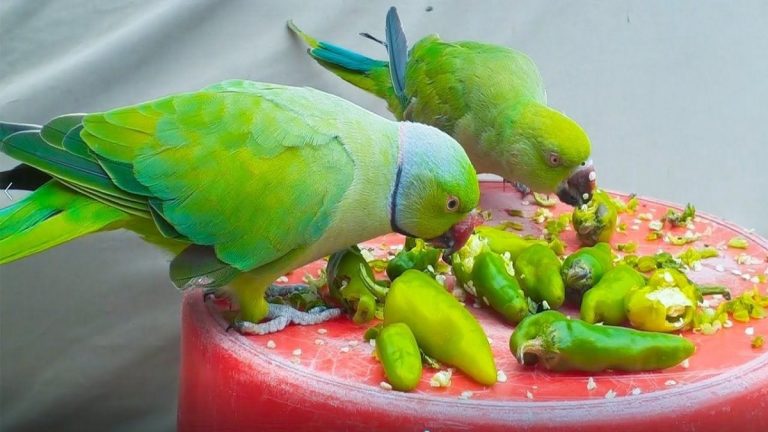
Birds generally avoid foods with strong odors or heavy spices. Garlic, onion, chili, and other pungent ingredients can be irritating to their sensitive respiratory and digestive systems. While some birds may sample unusual items out of curiosity, most will reject foods with overpowering scents.
In the wild, birds primarily consume fresh, mild-tasting foods such as seeds, berries, fruits, and insects. Strong-smelling human foods are unfamiliar and may trigger avoidance behaviors. Offering unseasoned, natural foods aligns with their dietary needs and ensures they consume items that support growth, energy, and overall health. Observing their reactions to strong-smelling foods highlights their ability to instinctively detect what could be harmful.
Moldy, Rotten, or Spoiled Foods
Moldy or spoiled foods are among the most strongly avoided by birds. Rotten fruits, vegetables, or bread can harbor bacteria, fungi, and toxins that pose serious health risks. Birds are highly adept at detecting spoiled food through sight and smell, often rejecting items that show discoloration, soft spots, or an unusual texture.
Even partially spoiled foods can be dangerous, causing digestive issues or poisoning. Wild birds instinctively seek fresh, safe food sources, and feeding them spoiled items can disrupt their natural foraging habits and lead to illness. By ensuring that only fresh, uncontaminated food is offered, you can support their health while observing natural feeding behaviors and preferences.
Foods That Are Too Hard or Inedible
Birds avoid foods that are too hard, large, or otherwise difficult to eat. Nuts in shells, unpopped corn, or large chunks of food may be ignored if they require more effort to consume than the bird can manage. Young birds and smaller species are particularly selective because they lack the physical ability to handle tough items.
Birds also avoid inedible objects that may resemble food, such as small plastics or other debris. Their instinct and experience guide them to foods that are safe and digestible. Providing appropriately sized seeds, grains, and fruits ensures that birds can feed efficiently without frustration or risk of choking. Observing these avoidance patterns shows the careful balance between instinct, experience, and survival in natural feeding behaviors.
Foods High in Salt or Artificial Sweeteners
High-salt foods and items containing artificial sweeteners are strongly avoided by birds. Salted snacks, chips, and even some human-prepared nuts can lead to dehydration, kidney problems, or fatal imbalances in their bodies. Birds are naturally adapted to low-sodium diets and can detect high levels of salt or chemicals that are unsafe.
Artificial sweeteners or heavily processed foods can also be unappealing or harmful. Birds instinctively select fresh, nutrient-rich foods such as berries, seeds, and insects that provide essential vitamins and energy. Avoiding high-salt and artificial items ensures their diet supports healthy growth, reproduction, and survival in both urban and wild environments.
By understanding the types of foods birds avoid, you can make informed decisions about feeding practices, protecting their health, and encouraging natural foraging behaviors. Observing these patterns provides valuable insight into their instincts, dietary needs, and survival strategies, showing how selective and intelligent these creatures are in choosing what they eat.
Scents and Odors Birds Dislike
Birds rely heavily on their senses to navigate the environment, locate food, and avoid danger. While their sense of smell is not as strong as that of mammals, many species are sensitive to certain scents and odors. Understanding the smells birds dislike can help in creating bird-friendly gardens or deterring them from specific areas. These aversions are instinctual, often tied to survival, health, and comfort, guiding birds in selecting safe habitats and food sources.
Strong Chemical and Synthetic Odors
Birds often avoid areas with strong chemical or synthetic odors. Cleaning agents, pesticides, air fresheners, and other artificial substances can overwhelm their delicate sensory systems. These scents may signal danger, contamination, or unsuitable conditions, prompting birds to leave the area or avoid feeding spots.
Even urban birds exhibit this avoidance instinctively, steering clear of human-made chemicals. Birds in gardens or parks may avoid sprayed areas or refuse to perch near harsh scents. Their natural inclination is to seek environments with clean air and minimal pollutants. By reducing strong artificial odors, you encourage birds to remain comfortable and safe while feeding or resting, highlighting how sensitive they are to environmental changes.
Ammonia and Strong Animal Odors
Birds are also sensitive to ammonia and other strong animal odors, which often indicate decay, disease, or unsanitary conditions. The scent of urine, strong droppings, or rotting animal matter can cause birds to avoid an area entirely. These odors act as natural warnings, preventing exposure to potential pathogens or toxic substances.
You may notice that birds avoid perching near livestock or garbage containing strong animal smells. This behavior is rooted in survival instincts, as contaminated environments can lead to infections or poisoning. Maintaining clean feeding and roosting areas ensures that birds feel safe and are more likely to return regularly, demonstrating their keen ability to detect potentially harmful conditions through smell.
Garlic, Onion, and Pungent Plant Scents
Certain natural plant scents like garlic, onion, and other pungent herbs are disliked by many birds. While these are harmless to humans, birds find strong-smelling plants irritating to their respiratory system and tend to avoid areas where such plants are abundant.
This aversion can be used strategically to deter birds from gardens or crops without causing harm. For example, planting garlic or onions around vulnerable plants may reduce bird interference naturally. Birds instinctively prefer mild-smelling environments, associating strong odors with potential discomfort or threats. Observing their avoidance of these scents highlights their sensitivity and ability to respond to subtle environmental cues.
Chemical Fertilizers and Lawn Treatments
Birds often avoid lawns or fields treated with chemical fertilizers, herbicides, and insecticides. The strong smell of these treatments signals an unnatural environment and potential toxicity. Birds instinctively steer clear of areas where these chemicals are present, as they can harm their feathers, skin, or digestive systems.
Even light exposure to treated soil or plants can cause discomfort or avoidance. Birds naturally prefer organic or untreated areas, where insects and seeds are plentiful and safe to consume. Using bird-safe or organic alternatives encourages birds to forage freely, demonstrating how their olfactory sensitivity plays a key role in habitat selection and safety.
Smoke and Strong Burning Odors
Smoke and strong burning odors, whether from fireplaces, grills, or forest fires, are also disliked by birds. These scents can signal immediate danger, causing birds to flee and avoid the area until it is safe again.
Birds are highly responsive to changes in air quality, and even small amounts of smoke can trigger avoidance behavior. In the wild, smoke may indicate predators or environmental hazards, while in urban areas, it signals disruption and potential harm. This instinctual response ensures their survival and reinforces their ability to detect threats through sensory cues.
By understanding the scents and odors birds dislike, you can manage environments more effectively, protecting gardens, crops, and outdoor spaces while respecting the natural instincts and health of these sensitive creatures.
Sounds That Disturb Birds
Birds are highly sensitive to sounds in their environment, and certain noises can disrupt their feeding, roosting, and social behaviors. Understanding sounds that disturb birds helps you protect their habitats or discourage them from specific areas without causing harm. Noise sensitivity varies by species, but loud, sudden, or unnatural sounds generally trigger avoidance, stress, and changes in daily routines.
Loud and Sudden Noises
Loud and sudden noises, such as fireworks, construction, or car horns, are particularly disturbing to birds. These abrupt sounds can trigger panic responses, causing birds to fly erratically or abandon feeding and nesting areas temporarily. The suddenness and intensity signal potential danger, prompting instinctive avoidance behaviors.
Birds’ heightened auditory senses allow them to detect threats quickly. Even urban-dwelling species react strongly to unusual loud sounds, often taking flight or hiding until the disturbance subsides. Repeated exposure to these noises can lead to chronic stress, affecting feeding habits, reproduction, and overall health. Observing bird reactions to loud sounds highlights their need for calm and predictable acoustic environments.
Human Activity and Mechanical Sounds
Continuous human activity and mechanical noises, such as lawnmowers, chainsaws, or music, also disturb birds. These sounds can mask natural cues like predator warnings or the calls of flock members, interfering with communication and vigilance. Birds may avoid areas with persistent noise, reducing access to food or suitable roosting sites.
Even moderate sounds can be stressful if they occur during critical times, such as dawn, dusk, or nesting periods. Birds rely on quiet periods to coordinate social interactions, feed efficiently, and rest safely. Understanding the impact of human-made sounds helps create bird-friendly spaces, minimizing disruptions while allowing coexistence in shared environments.
High-Frequency and Unfamiliar Sounds
High-frequency or unfamiliar sounds, including electronic devices, alarms, or unusual machinery, can also alarm birds. Their acute hearing makes them sensitive to frequencies outside human perception, and these noises can trigger avoidance or stress responses.
Birds may react by flying away, hiding, or temporarily abandoning nests, especially if the sounds are unexpected. Over time, repeated exposure to high-frequency noises can alter movement patterns, reduce feeding efficiency, or decrease flock cohesion. Awareness of these disruptive sounds allows you to manage environments in ways that respect birds’ sensory needs and maintain their natural behaviors.
Natural Sounds That Can Cause Disturbance
Even natural sounds, such as predator calls, sudden rustling, or thunder, can disturb birds. These noises signal immediate threats and trigger survival instincts. Birds respond quickly by fleeing, hiding, or gathering in safer areas, often changing feeding and roosting routines temporarily.
Recognizing that birds interpret certain sounds as danger helps explain their behavior in both urban and wild settings. Providing areas with consistent, predictable sound patterns and minimizing sudden disruptions supports their well-being, allowing them to feed, socialize, and rest with less stress.
By understanding sounds that disturb birds, you can better protect their habitats, reduce stress, and encourage natural behaviors while creating environments that balance human activity with wildlife needs.
Physical Barriers and Deterrents
Physical barriers and deterrents are effective tools to manage bird activity in gardens, rooftops, and outdoor spaces. These methods rely on creating obstacles or uncomfortable conditions that discourage birds from landing, feeding, or nesting. Understanding how birds respond to different physical deterrents helps you protect crops, structures, and property while ensuring the safety and well-being of the birds.
Netting and Wire Mesh
Netting and wire mesh are commonly used to prevent birds from accessing specific areas, such as fruit trees, vegetable gardens, or balconies. These barriers physically block birds from reaching food or nesting sites, providing a reliable solution without causing harm.
The type and size of the mesh are important. Small birds require finer mesh to prevent entry, while larger species need sturdier materials. Proper installation ensures that gaps are minimized and birds cannot squeeze through. You may notice that birds quickly learn to avoid netted areas, reducing damage to crops or property. Regular inspection is essential, as loose sections can trap birds or allow access. Netting and mesh are versatile, long-lasting, and effective for controlling bird activity without altering their natural behaviors significantly.
Spikes and Anti-Perching Devices
Bird spikes and anti-perching devices are designed to make surfaces uncomfortable for landing or roosting. Commonly installed on ledges, rooftops, and railings, these deterrents prevent birds from settling in unwanted areas without causing injury.
The spikes do not harm birds; they simply create an uneven surface that discourages perching. Birds quickly learn to avoid these treated areas, reducing droppings, nesting, and structural damage. Materials range from plastic to stainless steel, allowing adaptation to various climates and settings. Proper placement is essential, ensuring that all potential landing spots are covered. These devices are particularly useful in urban environments where birds like pigeons or sparrows tend to congregate on flat surfaces.
Reflective and Moving Objects
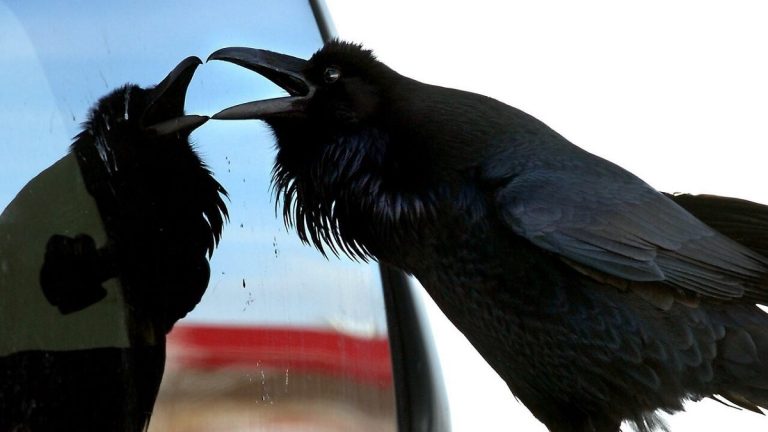
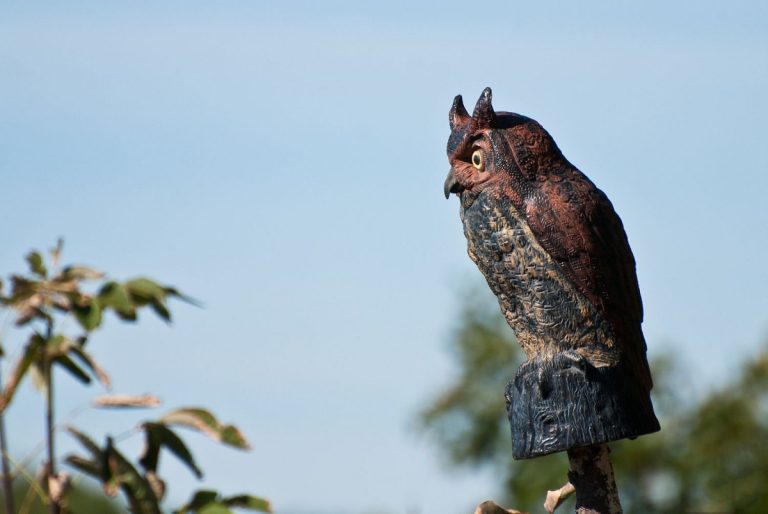
Reflective objects, such as tape, CDs, or mirrors, and moving deterrents like wind spinners, can be effective in scaring birds away. Birds are sensitive to changes in light and movement, which they interpret as potential threats.
These deterrents work best when combined with other strategies, as birds may habituate over time. Placement in areas where birds are likely to approach, such as near feeders, gardens, or windows, increases effectiveness. The constant movement and reflections create a sense of unpredictability, causing birds to avoid the area. This method is humane, visually impactful, and particularly useful for gardens or orchards where minimal physical barriers are preferred.
Screens and Fences
Screens, fences, and enclosures provide another layer of protection against bird intrusion. Fences with fine mesh or opaque materials prevent both small and large birds from accessing restricted zones while allowing airflow and light.
These barriers are effective for backyard gardens, ponds, or small crops. Birds quickly learn to avoid these enclosed areas, especially when the design minimizes visibility of food or resting spots. Regular maintenance is crucial to prevent gaps or damages that could reduce effectiveness. Using screens and fences is a long-term, non-lethal solution that balances human needs with bird safety, offering consistent protection while allowing birds to remain in their natural habitats.
Physical barriers and deterrents are essential for managing bird activity in specific areas. By combining netting, spikes, reflective objects, and enclosures, you can protect property, crops, and structures while respecting wildlife and ensuring humane, effective control measures.
Environmental Factors Birds Avoid
Birds are highly attuned to their surroundings, and certain environmental factors can influence where they choose to feed, roost, or nest. Understanding the conditions birds avoid helps in creating bird-friendly spaces or deterring them from specific areas without causing harm. These factors include extreme weather, pollution, human disturbances, and unsafe habitats, all of which can impact survival, comfort, and daily routines.
Extreme Weather Conditions
Birds instinctively avoid extreme weather conditions such as heavy rain, strong winds, or intense heat. These situations make foraging, flying, and roosting more difficult, increasing the risk of injury or energy depletion.
During storms or high winds, birds often seek dense foliage, sheltered trees, or man-made structures to protect themselves. Prolonged exposure to harsh conditions can lead to exhaustion, hypothermia, or dehydration, especially for smaller species. Even mild weather changes can influence their movement patterns and feeding schedules. By understanding their sensitivity to extreme conditions, you can provide shelter, water, and protected feeding areas to ensure their safety and support natural behaviors.
Pollution and Contaminated Areas
Birds avoid areas with high levels of pollution, including chemical fumes, smoke, and contaminated water sources. These environments pose serious health risks, affecting respiratory systems, feather quality, and overall vitality.
In urban or industrial areas, birds may steer clear of locations with strong odors from factories, vehicles, or waste disposal. Polluted water sources are also avoided, as consuming contaminated water or prey can be fatal. Maintaining clean air, water, and soil in gardens, parks, or ponds encourages birds to visit while minimizing exposure to harmful toxins. Their avoidance of polluted areas highlights their ability to detect environmental threats and protect themselves instinctively.
Human Activity and Noise
Constant human activity and noise can disturb birds and cause them to avoid certain areas. Busy streets, construction sites, and recreational spaces may interfere with feeding, mating, or roosting routines.
Birds rely on natural sounds for communication, predator detection, and navigation. Excessive noise can mask these signals, creating stress and forcing them to relocate. Even moderate disturbances during critical times, such as nesting or dawn and dusk feeding, can disrupt daily activities. Providing quieter, low-traffic zones or buffers between human activity and bird habitats allows them to engage in natural behaviors with minimal stress, demonstrating their need for calm and predictable environments.
Unsafe or Disturbed Habitats
Birds avoid habitats that are unsafe, disturbed, or lack adequate resources. Areas with frequent predator presence, exposed nesting sites, or limited food and water availability are typically bypassed.
Wild birds assess the risk of predation and the availability of shelter before settling in a location. Habitats with damaged vegetation, excessive human interference, or insufficient hiding spots are unattractive to them. By maintaining safe, resource-rich, and minimally disturbed areas, you can encourage birds to stay, feed, and nest while avoiding unnecessary stress or danger. Their ability to detect and avoid unsuitable environments reflects their instinctual intelligence and adaptability.
Understanding environmental factors that birds avoid allows you to create safer, more welcoming spaces or deter them from unwanted areas. Awareness of weather, pollution, noise, and habitat safety provides valuable insight into their behavior, preferences, and survival strategies.
FAQs
What Do Birds Not Like In Their Feeding Areas?
Birds dislike feeding areas that are exposed, noisy, or contaminated. They are naturally cautious and prefer spots where they can see potential predators while foraging. Areas with human traffic, loud sounds, or strong chemical smells are often avoided.
You may notice birds skipping feeders placed near busy streets or noisy machinery. Even small disturbances, such as sudden movements or strong odors from cleaning products, can discourage them. Providing a quiet, sheltered feeding area with fresh, safe food encourages birds to visit consistently and reduces stress, supporting their natural foraging behavior and overall health.
Do Birds Avoid Certain Foods?
Yes, birds are selective about what they eat. They avoid processed, salty, or sugary foods, as well as items with artificial additives. These foods provide little nutrition and can be harmful to their health.
Birds instinctively choose seeds, grains, fruits, and insects that meet their dietary needs. Foods that are moldy, rotten, or overly spiced are also rejected. By offering fresh, natural options, you can attract more birds while ensuring their safety. Observing their preferences helps you understand how their instincts guide feeding behavior and dietary choices.
What Scents Do Birds Dislike?
Birds tend to avoid strong or pungent scents, including garlic, onion, and certain chemicals. These odors can irritate their respiratory system or signal potential danger.
Even natural scents, such as strong herbs, may discourage birds from landing in gardens or roosting areas. Synthetic chemicals from cleaning products or pesticides are particularly aversive. You can use knowledge of these scents to deter birds from unwanted areas while creating safe, scent-friendly spaces for feeding or nesting. Birds rely on smell as part of their instinctive survival toolkit.
How Does Noise Affect Birds?
Birds are highly sensitive to loud or sudden noises, which they interpret as threats. Fireworks, construction, or traffic sounds can scare them away from feeding and nesting areas.
Continuous or unexpected noise disrupts communication, foraging, and roosting behavior. Birds may leave an area temporarily or permanently if the disturbance persists. Providing quieter, calm environments helps them feel safe, encourages natural behaviors, and reduces stress. Recognizing the impact of sound is crucial when designing bird-friendly spaces or controlling unwanted bird activity.
Do Birds Avoid Certain Colors Or Reflections?
Yes, birds often dislike bright or reflective surfaces. Shiny objects, mirrors, or reflective tapes can make them uneasy, as they interpret reflections or sudden light changes as potential threats.
This behavior can be used to deter birds from crops, gardens, or rooftops safely. Birds instinctively avoid areas where reflections or unusual visual patterns appear, favoring natural, unobstructed spaces. Observing this response helps you understand how visual cues influence their comfort and movement.
What Types Of Habitats Do Birds Avoid?
Birds avoid habitats that are unsafe, disturbed, or lacking in resources. Areas with predators, limited food, exposed roosting spots, or polluted conditions are typically avoided.
They seek environments that provide safety, shelter, and reliable access to food and water. Human activity, damaged vegetation, or extreme environmental conditions can make habitats unattractive. By creating safe, resource-rich, and minimally disturbed areas, you encourage birds to visit and remain healthy, reflecting their instinctive ability to assess risk and survival needs.
Conclusion
Birds are highly sensitive to their surroundings, and understanding their preferences can help in creating bird-friendly spaces or keeping them away from unwanted areas. They naturally avoid certain foods, strong odors, loud noises, and unsafe environments, which all play a role in their daily survival and comfort.
Observing what do birds not like reveals how they respond to potential threats or discomforts. For instance, reflective surfaces, sudden disturbances, or areas lacking food and shelter will often deter birds from staying. This behavior highlights their instinct to prioritize safety and energy conservation over unnecessary risks.
By recognizing what do birds not like, people can make informed decisions in gardens, farms, and urban spaces to either attract or repel birds responsibly. Creating balanced habitats ensures that birds can thrive where desired while minimizing conflicts, promoting harmony between humans and wildlife.