What Birds Eat Niger Seeds – Popular Feathered Favorites For Your Garden
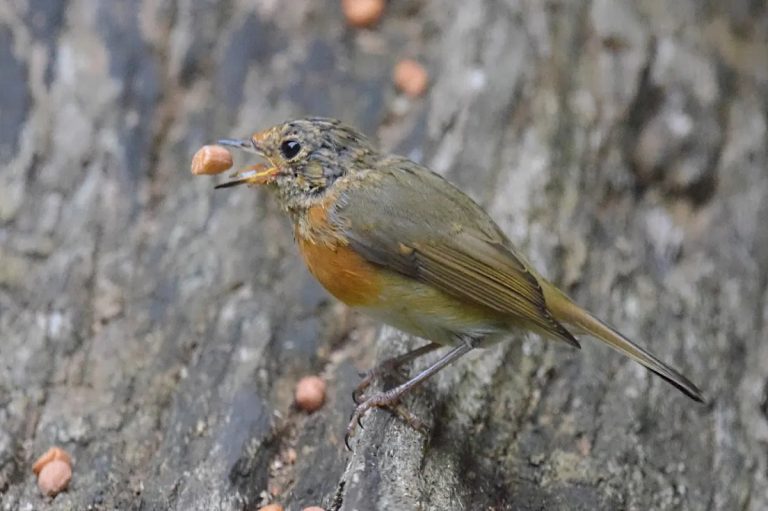
Niger seeds are a popular and nutritious food source for many wild and domestic birds. These tiny, oil-rich seeds are highly favored because they provide essential energy and nutrients that help birds stay healthy, especially during colder months or migration periods. Observing birds feeding on niger seeds can be both rewarding and educational for bird watchers and garden enthusiasts alike.
Many bird species are attracted to niger seeds, including finches, sparrows, and various small songbirds. Their high oil content supports energy needs for flight and daily activity, making them an ideal supplement in backyard feeders or wild feeding stations. Understanding which birds prefer niger seeds can help you create an inviting and supportive environment for avian visitors.
Birds that eat niger seeds display interesting behaviors while feeding, from flocking in groups to carefully selecting individual seeds. By learning about these feeding habits, you can better appreciate the variety of species visiting your garden or local parks.
Providing niger seeds not only supports bird nutrition but also encourages a closer connection with nature. You may notice differences in preference among species, with some birds favoring them exclusively while others enjoy a mix with other seeds, reflecting the diversity of dietary habits in the avian world.
Common Birds That Enjoy Niger Seeds
Niger seeds are a favorite among a variety of small seed-eating birds. They are high in oil content, providing excellent energy and nutrition. By offering niger seeds, you can attract numerous species to feeders, gardens, or natural habitats. Observing these birds helps enthusiasts learn about their feeding behaviors, preferences, and social interactions.
Finch Species
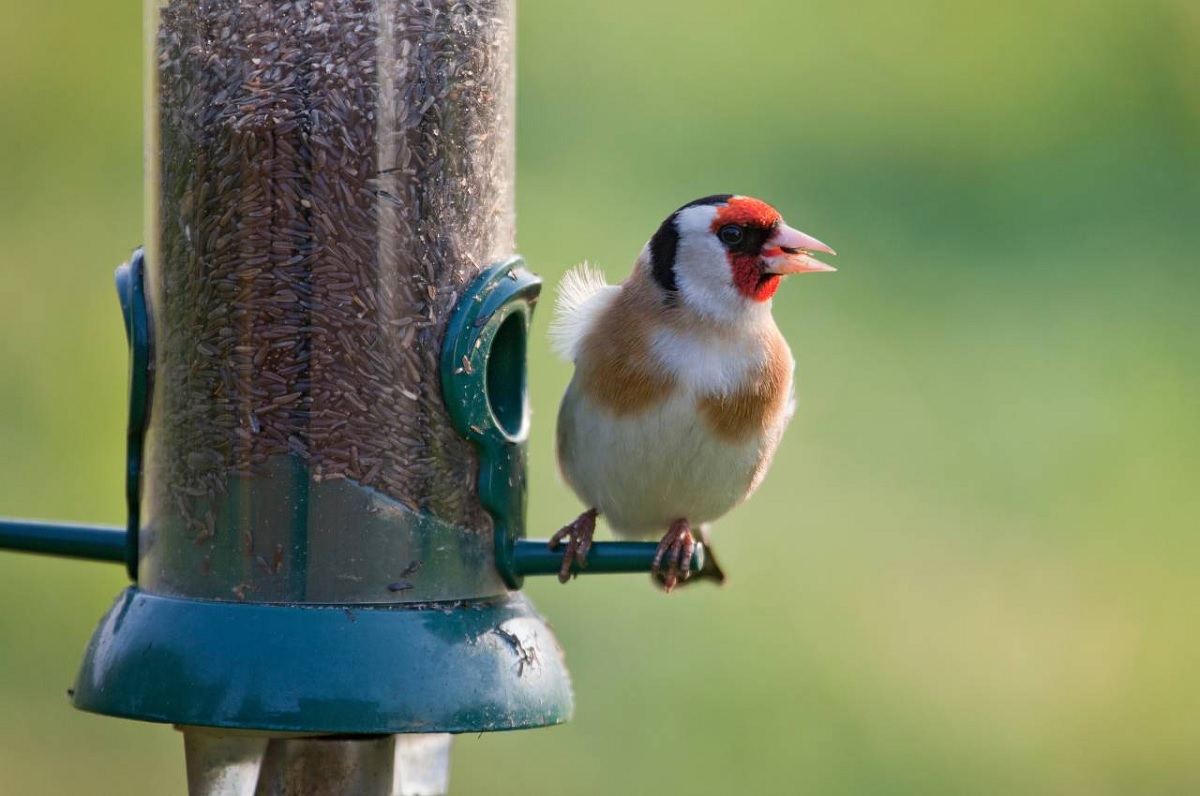
Finches are among the most well-known birds that enjoy niger seeds. Species like the American Goldfinch, Lesser Goldfinch, and European Goldfinch are particularly drawn to these small, oil-rich seeds. He or she often visits feeders in groups, flicking through the seeds with their delicate, pointed bills to select the best pieces.
Finches benefit greatly from the high-fat content of niger seeds, which provides essential energy for flight, breeding, and survival during colder months. These birds exhibit social behavior, often feeding in flocks, which makes them entertaining to watch. Their vibrant colors and melodious songs enhance the visual and auditory appeal of backyard feeders. Providing niger seeds encourages these finches to visit regularly, offering an opportunity to observe intricate behaviors like seed handling, competitive interactions, and flock dynamics.
Sparrows
Many sparrow species, including House Sparrows and Tree Sparrows, enjoy niger seeds. He or she is known for its adaptability to urban, suburban, and rural environments, making them common visitors at backyard feeders. Sparrows use their short, strong beaks to crack open seeds and consume them efficiently.
Sparrows are highly social and may gather in large numbers at feeding stations, displaying both competitive and cooperative behaviors. Niger seeds provide a concentrated energy source that supports their active lifestyle, including foraging, nesting, and caring for young. Observing sparrows feeding on niger seeds offers insights into their interactions, hierarchy within flocks, and feeding efficiency. These birds demonstrate how small seed-eaters exploit food sources effectively while maintaining strong social bonds within their groups.
Cardinals
Northern Cardinals and similar species also enjoy niger seeds. He or she uses a robust, cone-shaped bill to crack open seeds, taking advantage of the high oil content for energy. Cardinals are strikingly colorful, making them a favorite for bird watchers who maintain seed feeders in gardens and yards.
Cardinals often feed individually or in pairs rather than large flocks, allowing for more relaxed and prolonged feeding sessions. Their selective feeding behavior demonstrates the careful choice of nutritious seeds, highlighting the importance of niger seeds in their diet. Providing a consistent supply of these seeds encourages regular visits and allows you to observe their feeding patterns, vocalizations, and courtship behaviors, adding both aesthetic and educational value to any backyard environment.
Chickadees And Titmice
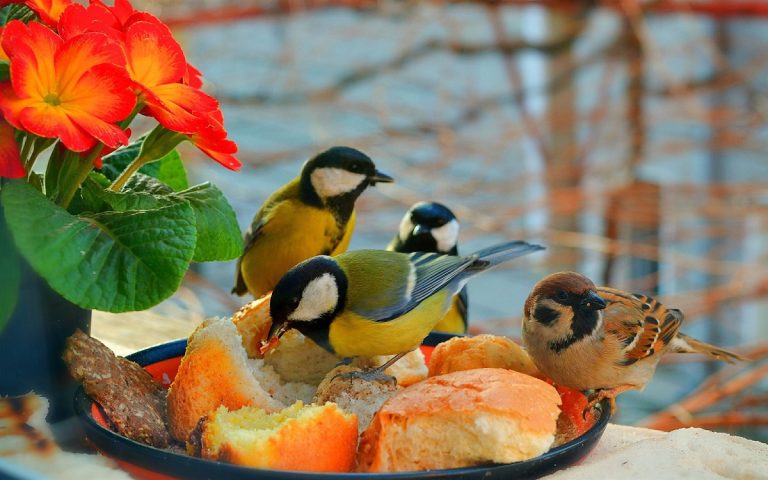
Chickadees and titmice are small, energetic birds that thrive on niger seeds. He or she often hovers briefly or clings to feeders while extracting seeds, using their agile movements and strong beaks. These species are highly curious and intelligent, frequently inspecting feeders before committing to feed.
Niger seeds supply concentrated energy needed for their high metabolic rates, especially during colder months or migration. Observing chickadees and titmice feeding reveals behaviors such as caching seeds for later use, coordinated flock foraging, and vocal communication. Their playful and social nature adds dynamic activity to feeding stations. Offering niger seeds not only supports their nutritional needs but also provides bird watchers with a chance to witness the lively and adaptive behaviors of these small but fascinating species.
Nutritional Benefits Of Niger Seeds For Birds
Niger seeds are a highly nutritious food source for many seed-eating birds. Packed with oils, proteins, and essential minerals, they provide energy and support growth, reproduction, and overall health. Offering niger seeds in feeders or natural habitats can help birds maintain vitality, especially during migration or harsh weather conditions. Understanding their nutritional benefits highlights why these seeds are so popular among both wild and domestic birds.
High Energy Content
Niger seeds are exceptionally rich in oil, which makes them a concentrated energy source for birds. He or she relies on these seeds to fuel daily activities, including flying, foraging, and mating. The high caloric content is particularly valuable during cold seasons or long migratory journeys, where energy demands increase significantly.
The oil in niger seeds also provides essential fatty acids that help maintain healthy feathers, improve insulation, and support organ function. Birds consuming niger seeds regularly can sustain higher activity levels and remain resilient against environmental stressors. This energy-dense food ensures that even small birds, such as finches and sparrows, can meet their metabolic needs efficiently, contributing to overall survival and reproductive success.
Protein And Growth Support
In addition to oils, niger seeds contain moderate levels of protein, which is essential for growth, tissue repair, and feather development. He or she benefits from this nutrient during molting periods, when new feathers require amino acids for proper formation. Young birds also rely on dietary protein to develop strong muscles and healthy skeletal structures.
Protein-rich seeds like niger help maintain immune system function, enabling birds to resist infections and parasites. Regular consumption supports reproductive health, ensuring that adults have the resources needed to produce strong and viable offspring. Incorporating niger seeds into a bird’s diet provides a balanced mix of energy and protein, critical for sustaining active and healthy avian populations.
Essential Vitamins And Minerals
Niger seeds offer a variety of vitamins and minerals that support overall bird health. He or she gains benefits from nutrients such as vitamin E, which acts as an antioxidant, and minerals like calcium, magnesium, and phosphorus, which contribute to bone strength and metabolic functions.
These nutrients also aid in maintaining healthy feathers, skin, and beak condition. Calcium, for example, is crucial for egg-laying females, ensuring the production of strong shells. By providing a diet enriched with niger seeds, birds receive vital micronutrients that are often scarce in other seed types, enhancing their well-being and longevity in both wild and captive environments.
Digestive Health And Fat Utilization
The high oil content of niger seeds also supports digestive efficiency and fat metabolism in birds. He or she can digest these seeds quickly, extracting the energy needed for immediate use or storage as body fat for later periods of scarcity.
The seeds’ small size and manageable texture make them easy for a variety of bird species to handle and consume. Efficient digestion and utilization of fat-rich seeds help maintain stable energy levels, especially during times of high activity such as foraging, nest building, or migration. Offering niger seeds ensures birds have access to a nutritionally balanced and energy-efficient food source.
Supporting Immune Function
Niger seeds contribute indirectly to immune system support due to their nutrient density. He or she benefits from antioxidants, vitamins, and minerals that strengthen immunity and reduce susceptibility to disease.
Birds consuming niger seeds regularly are better equipped to cope with environmental stressors, parasites, and pathogens. The combination of energy, protein, and essential micronutrients ensures a holistic approach to nutrition, promoting vitality and longevity. By including niger seeds in feeding routines, you provide birds with a diet that supports overall health and resilience.
Feeding Habits Of Birds That Eat Niger Seeds
Birds that eat niger seeds display fascinating feeding habits, shaped by their physiology, social behavior, and ecological needs. These small, oil-rich seeds attract a variety of species, including finches, sparrows, and cardinals, each with unique techniques for handling, consuming, and storing food. Understanding their feeding habits provides insight into bird behavior and helps optimize feeding strategies in gardens or natural habitats.
Foraging Techniques
Birds that consume niger seeds exhibit diverse foraging techniques. He or she may pick seeds directly from feeders, the ground, or plants, using quick, precise movements to secure individual seeds. Finches, for example, use their pointed bills to grasp and shell each seed carefully, while sparrows often peck and manipulate seeds before swallowing.
These techniques are influenced by the bird’s size, beak shape, and social behavior. Some species feed in pairs or small groups, allowing coordinated foraging and reducing competition. Others may feed alone, relying on stealth or speed to access seeds. Observing these methods demonstrates how birds have adapted their feeding strategies to maximize energy intake and maintain survival in varied habitats.
Flocking And Social Feeding
Many niger seed-eating birds, such as finches and sparrows, feed in flocks. He or she benefits from the safety and efficiency of group feeding, where vigilance is shared, and opportunities to locate seeds increase. Flocking behavior also reduces predation risk, as multiple eyes watch for danger while others feed.
Social feeding often involves competition, hierarchy, and subtle interactions. Dominant birds may access the best seeds first, while others wait or feed on leftover seeds. Group feeding encourages communication, with vocalizations and body movements signaling availability or alerting to threats. Understanding these social dynamics enhances appreciation for how birds coordinate and survive while foraging on niger seeds.
Feeding Frequency And Energy Needs
Birds that eat niger seeds have high metabolic rates, requiring frequent feeding throughout the day. He or she consumes small, energy-dense seeds multiple times to maintain energy for flight, thermoregulation, and daily activity. The high oil content of niger seeds provides concentrated calories, supporting these demanding energy requirements.
Seasonal variations influence feeding frequency. During cold weather, migration, or breeding, birds may feed more intensively to meet increased energy needs. Observing feeding patterns offers insight into the relationship between diet and energy expenditure, showing how niger seeds play a crucial role in sustaining health and vitality across different species and environmental conditions.
Caching And Food Storage
Some birds, such as chickadees and titmice, may store niger seeds for later consumption. He or she hides seeds in crevices, bark, or soil, creating a reserve for times of scarcity. This behavior ensures a consistent energy supply and demonstrates remarkable memory and spatial awareness.
Caching helps birds survive during periods when food is limited, such as winter or drought. Stored seeds are often retrieved systematically, reflecting careful planning and prioritization. Observing this behavior reveals the cognitive abilities of niger seed-eating birds and emphasizes the importance of seeds as both a nutritional and strategic resource in their daily survival.
Feeding Adaptations And Beak Use
Beak morphology plays a critical role in handling niger seeds. He or she uses specialized bills to crack, shell, or manipulate seeds efficiently. Small finches have sharp, pointed beaks for precision, while sparrows and cardinals rely on stronger, conical beaks to crush seeds before consumption.
These adaptations enhance feeding efficiency, allowing birds to extract maximum nutrition from each seed. Birds may also use their feet to stabilize seeds or shake feeders to dislodge seeds for easier access. Observing these techniques provides insight into how physical traits influence feeding behavior and demonstrates the evolutionary adaptations that allow niger seed-eating birds to thrive in diverse habitats.
Best Ways To Offer Niger Seeds
Providing niger seeds effectively requires understanding bird behavior, feeding habits, and environmental considerations. He or she benefits from properly presented seeds that are easily accessible, safe, and suited to the preferences of different species. Using the right methods encourages frequent visits, supports nutrition, and enhances birdwatching experiences in gardens, parks, or backyard feeders.
Using Specialized Feeders
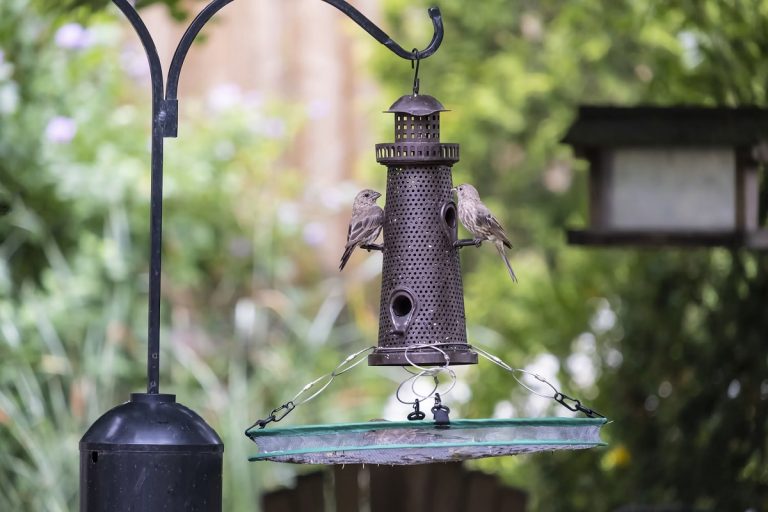
Specialized niger seed feeders are designed to accommodate small, lightweight seeds and prevent waste. He or she can feed comfortably from tube feeders with fine mesh or small openings, which allow seeds to be easily extracted while minimizing spillage. These feeders often include perches that support birds of various sizes, such as finches and sparrows.
Feeders should be placed in safe locations, away from predators and harsh weather. Regular cleaning is essential to prevent mold or bacterial growth, ensuring seeds remain fresh and healthy. Using feeders designed for niger seeds not only attracts the intended bird species but also provides an organized feeding environment that reduces seed loss and encourages repeated visits.
Ground Feeding And Platforms
Some birds prefer feeding on the ground or low platforms. He or she may visit shallow trays, seed mats, or small dish feeders where niger seeds are spread evenly. This method is particularly effective for sparrows, doves, and other ground-feeding birds that might struggle with hanging feeders.
Platforms should be positioned in safe, open areas to reduce the risk of predator attacks. Providing multiple feeding spots can prevent overcrowding and competition, allowing birds to feed comfortably. Regular refilling and cleaning of these platforms maintain seed quality and attract a wider variety of birds, giving observers a chance to watch diverse species feeding together.
Mixing With Other Seeds
Niger seeds can be mixed with other small seeds to attract a broader range of bird species. He or she benefits from variety while feeding, as many birds enjoy alternating between niger seeds and sunflower, millet, or safflower seeds. This approach can make feeders more appealing and encourage shy or less common species to visit.
Careful mixing ensures that the niger seeds remain accessible and are not buried beneath larger seeds. Observing how birds select seeds in mixed trays provides insight into their preferences and feeding behavior. Offering a balanced mix of seeds supports dietary diversity, energy needs, and overall health of visiting birds.
Seasonal Placement And Protection
Proper placement of niger seeds throughout the year ensures maximum accessibility and safety. He or she may benefit from feeders positioned in shaded areas during hot months or protected spots during rain and snow. Seasonal adjustments help maintain seed quality and reduce spoilage.
Protection from predators is also essential. Feeders should be placed high enough to avoid cats or other animals, and near bushes or trees to provide quick escape routes. By considering seasonal conditions and safety, birds can feed confidently, and you can enjoy consistent visits and observe natural feeding behaviors in a safe, supportive environment.
Maintaining Freshness And Hygiene
Keeping niger seeds fresh and clean is crucial for bird health. He or she benefits from seeds that are free from mold, dust, or moisture, which can reduce nutritional value and cause illness. Storing seeds in airtight containers and cleaning feeders regularly prevents contamination.
Rotating old seeds and refilling feeders with fresh batches ensures a steady supply of energy-rich food. Birds quickly recognize clean and reliable feeding stations, leading to more frequent visits. Prioritizing hygiene and freshness not only supports the health of birds but also enhances the feeding experience, encouraging diverse species to take advantage of the niger seeds offered.
Seasonal Considerations For Niger Seed Feeding
Feeding birds with niger seeds requires attention to seasonal changes, as weather, migration patterns, and natural food availability influence bird behavior. He or she benefits from strategic feeding throughout the year, ensuring that energy-rich seeds are provided when birds need them most. Understanding seasonal considerations helps maximize bird visits, maintain health, and support populations during challenging periods.
Winter Feeding
During winter, niger seeds become especially valuable for birds. He or she relies on high-energy foods to maintain body heat, sustain daily activity, and survive harsh conditions. Small finches, sparrows, and chickadees often flock to feeders more frequently during cold months.
Providing a steady supply of niger seeds in winter helps birds conserve energy while foraging less intensively. Feeders should be placed in sheltered areas, protected from wind and snow, to allow safe access. Observing birds at feeders during winter also highlights species interactions, feeding hierarchy, and flocking behavior, offering insight into how energy-dense seeds like niger support survival in challenging environments.
Spring And Breeding Season
In spring, birds increase feeding activity to support mating, nesting, and raising chicks. He or she benefits from protein-rich and high-energy foods, making niger seeds a valuable supplement during the breeding season. Increased nutritional intake aids in egg production and chick development.
Birds may feed more frequently and exhibit territorial behavior around feeders. Providing consistent access to niger seeds during spring encourages healthy reproductive cycles and helps fledglings develop energy reserves essential for survival. Observing birds in this period can reveal feeding strategies, pair interactions, and the role of supplemental food in supporting breeding success.
Summer Feeding
During summer, natural food sources like insects and berries become more abundant, but niger seeds can still provide supplemental energy. He or she may use seeds as a reliable fallback when insect availability fluctuates due to weather or habitat changes.
Feeders should be monitored to prevent spoilage in warmer temperatures, and seeds should be stored properly to maintain freshness. Summer feeding supports energy needs for continued breeding activity, territorial defense, and fledgling development. Birds that consistently access niger seeds demonstrate how supplemental feeding complements natural food sources in maintaining health and vitality.
Fall And Migration
In fall, many bird species begin migration or prepare for colder months. He or she benefits from energy-dense foods like niger seeds to build fat reserves needed for long flights. Increased feeding frequency and flocking behavior are common as birds stock up on nutrients.
Placing feeders in safe, accessible locations during fall ensures birds can feed efficiently before embarking on migratory journeys. Observing feeding behavior during this period provides insight into species diversity, migratory patterns, and how supplemental niger seeds support survival and successful migration. Seasonal awareness ensures that feeding efforts align with the birds’ natural energy demands and ecological rhythms.
Frequently Asked Questions
What Birds Eat Niger Seeds Most Frequently?
Niger seeds are highly favored by small, seed-eating birds such as finches, sparrows, and chickadees. He or she may visit feeders regularly to consume these oil-rich seeds, especially during cold weather or migration. The high energy content helps sustain activity, flight, and foraging throughout the day.
Different species may show preferences for niger seeds over other seeds due to their size, texture, and nutritional value. By offering these seeds, you can attract a variety of common backyard birds and observe their feeding behavior, flocking patterns, and social interactions in a natural and controlled setting.
Are Finches The Primary Birds That Eat Niger Seeds?
Yes, finches are among the top consumers of niger seeds. He or she often uses sharp, pointed beaks to extract seeds efficiently while feeding in small flocks. Species like American Goldfinches and Lesser Goldfinches show a strong preference for these seeds due to their high oil content.
Finches rely on niger seeds for energy during cold seasons, breeding, and daily activity. Their social feeding behavior makes them frequent and entertaining visitors to backyard feeders. Observing finches consuming niger seeds offers insight into their dietary habits, foraging techniques, and the importance of energy-dense foods in their diet.
Do Sparrows Eat Niger Seeds?
Many sparrow species, including House Sparrows and Tree Sparrows, readily consume niger seeds. He or she uses short, strong beaks to crack seeds efficiently, taking advantage of the energy and nutrients they provide. Sparrows often feed in groups, making them visible and active visitors at feeders.
Niger seeds support the high metabolic demands of sparrows, especially during colder months or when raising young. Their social behavior, including flocking and foraging coordination, can be observed closely when these seeds are offered. Providing niger seeds encourages consistent visits and supports overall bird health and vitality.
Are Chickadees And Titmice Attracted To Niger Seeds?
Yes, chickadees and titmice are highly attracted to niger seeds. He or she often hovers briefly or clings to feeders while extracting seeds, using agility and strong beaks to handle them efficiently. These birds are curious, energetic, and intelligent, making feeding stations lively and interactive.
Niger seeds provide concentrated energy to support their high activity levels, especially during cold weather or migration preparation. Observing chickadees and titmice feeding highlights behaviors such as caching seeds, flock coordination, and rapid foraging. Their consistent visits demonstrate the seeds’ value in supporting energy needs and natural behaviors.
Can Cardinals Eat Niger Seeds?
Cardinals also enjoy niger seeds, using their robust, cone-shaped bills to crack them open. He or she benefits from the high oil content, which provides energy for flight, foraging, and breeding activities. Cardinals often feed individually or in pairs, allowing close observation of their feeding habits.
Offering niger seeds encourages cardinals to visit feeders regularly. Watching these birds highlights their selective feeding patterns, social behavior, and territorial interactions. The nutritional benefits of niger seeds support overall health, reproductive success, and daily energy requirements for cardinals and other similarly sized seed-eating birds.
Is Mixing Niger Seeds With Other Seeds Effective?
Yes, mixing niger seeds with other small seeds can attract a broader range of birds. He or she benefits from variety while feeding, which may include sunflower seeds, millet, or safflower. Mixed feeders appeal to both specialized and opportunistic seed-eaters, increasing diversity at feeding stations.
Birds may selectively pick niger seeds first due to their high oil content and energy density. Mixing seeds also encourages natural foraging behavior and reduces competition. Providing a variety of seeds ensures birds receive balanced nutrition and encourages regular visits from multiple species, enhancing observation opportunities and supporting avian health.
When Is The Best Time To Offer Niger Seeds?
The best time to offer niger seeds is year-round, with particular emphasis on cold months, breeding season, and migration periods. He or she benefits most when energy demands are high, such as during winter or when raising young. Regular feeding ensures birds have reliable access to nutrient-dense seeds.
Seasonal placement and consistent availability of niger seeds support natural behaviors like flocking, territorial feeding, and migration preparation. Observing birds during these periods allows you to study changes in feeding frequency, social interactions, and species diversity, demonstrating the critical role of niger seeds in maintaining avian health throughout the year.
Final Words
Niger seeds are a favorite treat for many small birds, providing essential nutrients and energy that support their active lifestyles. These tiny seeds are especially popular among finches, sparrows, and canaries, making them a staple for backyard bird enthusiasts who want to attract a variety of feathered visitors. Offering niger seeds encourages natural foraging behavior and adds a dynamic element to birdwatching.
Knowing what birds eat niger seeds helps you choose the right feeders and placement to attract the most species. Hanging or ground feeders designed for small seeds ensure easy access for birds while minimizing waste. Regularly refreshing the seeds keeps them nutritious and appealing, and observing which birds visit most frequently can guide adjustments in feeding strategies.
Understanding what birds eat niger seeds also highlights the importance of providing a balanced diet alongside other seeds and treats. By maintaining clean feeding stations and offering fresh seeds, you can support the health, growth, and happiness of backyard birds throughout the year.