What Birds Are White – Stunning Feathered Beauties You Must See
White birds captivate with their elegance and striking presence. Their pure plumage makes them stand out in natural habitats, whether gliding gracefully through the sky, perched on branches, or wading in water. Observing white birds can be fascinating for bird watchers, photographers, and nature enthusiasts alike, as their appearance often signals beauty, rarity, or symbolic significance.
Many people are curious about the different species that display predominantly white feathers. Understanding these birds involves exploring their size, habitat, behavior, and diet, which varies widely across species. Some are small and delicate, while others are large and majestic, yet they all share the common feature of white plumage.
The question of what birds are white often arises among those looking to identify birds in their backyard, parks, or during travel. By learning about their characteristics and natural environments, you can recognize these birds more easily.
White birds also hold cultural and ecological importance, often representing peace, purity, or signaling specific behaviors in the wild. Observing them offers both aesthetic enjoyment and insight into nature.
Common White Birds Found Worldwide
White birds are admired for their elegance and distinctive appearance. They inhabit diverse ecosystems, from forests and wetlands to urban areas and coastal regions. Their striking plumage often makes them easy to spot, and they play important roles in their environments as predators, scavengers, or symbolic species. Learning about common white birds worldwide helps enthusiasts identify them and appreciate their unique behaviors and adaptations.
The Snowy Egret
The Snowy Egret is a small to medium-sized wading bird known for its entirely white plumage and graceful movements. He or she is often found in marshes, swamps, and coastal wetlands across North and South America. This bird’s slender black legs and bright yellow feet provide a striking contrast to its pure white feathers, making it easily recognizable.
Snowy Egrets are skilled hunters, feeding primarily on fish, amphibians, and small invertebrates. They use their feet to stir the water and flush prey, demonstrating remarkable agility. During the breeding season, long, delicate plumes develop on their head, neck, and back, which are used in elaborate courtship displays. These birds are not only visually striking but also play a vital role in wetland ecosystems, controlling populations of small aquatic animals and contributing to overall biodiversity.
The Great Egret
The Great Egret is one of the largest white birds found worldwide, standing tall with a long, elegant neck and striking yellow bill. He or she inhabits wetlands, lakes, and riverbanks across North America, Europe, Asia, and Africa. Its all-white plumage and stately posture make it one of the most iconic wading birds.
This species primarily feeds on fish, frogs, and small reptiles, using its long, sharp bill to spear prey with precision. The Great Egret is also known for its migratory behavior, traveling long distances to find optimal feeding and breeding grounds. During the breeding season, ornamental plumes appear on its back, used in intricate courtship displays. The Great Egret’s presence is an indicator of healthy aquatic ecosystems, reflecting the availability of prey and suitable habitat conditions.
The White Dove
White doves are perhaps the most universally recognized white birds, symbolizing peace, purity, and love. He or she can be found in urban areas, parks, and rural landscapes worldwide, particularly as domesticated or semi-domesticated species. Their gentle cooing and graceful flight make them popular in cultural ceremonies and symbolic representations.
White doves primarily feed on seeds, grains, and occasionally fruits. Their calm nature and adaptability allow them to thrive alongside human settlements. While they are often associated with domestic settings, some wild populations continue to exist in open fields and woodlands. The white dove’s elegant plumage and serene behavior have made it a favorite among bird enthusiasts, photographers, and symbolic traditions around the world.
The Cattle Egret
The Cattle Egret is a small, stocky white bird commonly found near livestock, wetlands, and open fields across Africa, Asia, Europe, and the Americas. He or she often follows grazing animals, feeding on insects disturbed by their movements. Its white feathers and yellow bill make it easily identifiable among other birds in mixed habitats.
Cattle Egrets are opportunistic feeders, consuming grasshoppers, crickets, and small reptiles. Their symbiotic relationship with grazing animals provides both protection and food. During the breeding season, their plumage may develop golden-orange feathers on the head, chest, and back. These birds are highly adaptable and have expanded their range rapidly due to their ability to exploit human-altered landscapes. Observing Cattle Egrets offers insight into ecological interactions and the adaptability of white bird species to changing environments.
The Whooper Swan
The Whooper Swan is a large, majestic waterfowl with entirely white plumage and a distinctive yellow and black bill. He or she inhabits lakes, rivers, and wetlands across Europe and Asia. Known for its graceful flight and long neck, the Whooper Swan is both a visual and auditory delight, as its trumpeting calls can be heard over long distances.
Whooper Swans are herbivorous, feeding on aquatic plants, grasses, and grains. They form strong pair bonds, often mating for life, and are known for their elaborate courtship displays. These swans migrate seasonally, traveling thousands of kilometers to find suitable wintering grounds. Their presence reflects healthy wetland ecosystems, and their striking appearance makes them a favorite for wildlife watchers and conservationists worldwide.
The White Ibis
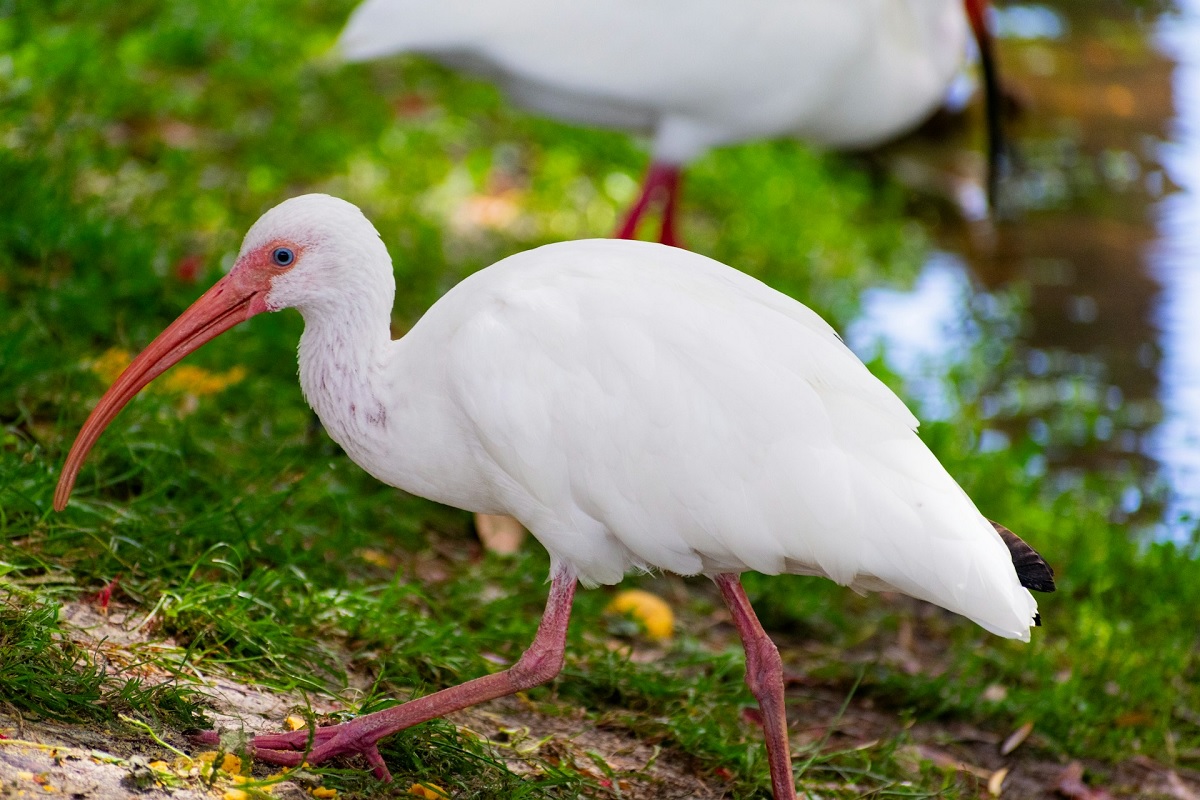
The White Ibis is a medium-sized wading bird native to the Americas, particularly in wetlands, marshes, and coastal regions. He or she is easily recognized by its white body, pinkish-red face, and long, downward-curving bill. White Ibises feed primarily on crustaceans, insects, and small aquatic animals, using their specialized bills to probe mud and shallow water.
These birds often travel and feed in flocks, creating striking visual patterns against wetland habitats. Breeding adults develop vibrant red coloring on their face and legs, enhancing their visual appeal. White Ibises play an important ecological role in controlling insect and crustacean populations while providing insight into wetland health. Their elegant appearance and social behavior make them a fascinating subject for bird watchers and photographers alike.
The Albino Crow Or Other Albino Birds
Albino birds, including crows, pigeons, and sparrows, are unique due to their complete lack of pigmentation. He or she displays entirely white feathers, often accompanied by pink eyes and legs, making them stand out in natural habitats. These birds are rare and can be found worldwide, though they are more vulnerable due to increased visibility to predators.
Albino birds exhibit the same behaviors as their normally pigmented counterparts but face higher survival challenges. They feed, migrate, and interact in similar ways but require caution when observed, as they are more sensitive to sunlight and predation. Seeing an albino bird is considered a rare and special experience for enthusiasts, highlighting the diversity and unpredictability of avian life.
Exotic White Bird Species
Exotic white bird species are admired for their unique beauty and rare appearances. They are often found in tropical or specialized habitats and exhibit behaviors and adaptations that distinguish them from more common white birds. Observing these species provides insight into avian diversity and showcases the elegance of birds that thrive in distant or less accessible regions.
The Great White Pelican
The Great White Pelican is a large waterbird found across Africa, Europe, and parts of Asia. He or she is known for its striking white plumage, long bill with a pink pouch, and massive wingspan that can reach over three meters. These birds are commonly found near lakes, rivers, and coastal wetlands, where they form large colonies.
Great White Pelicans feed primarily on fish, using cooperative hunting strategies to herd prey into shallow waters. Their social behavior and impressive size make them highly visible and fascinating to observe. During breeding season, subtle yellow and pink hues appear on the bill and facial skin, enhancing their striking appearance. These birds are not only visually captivating but also play a significant ecological role, helping regulate fish populations and maintaining the balance of aquatic ecosystems.
The Sulphur-Crested Cockatoo
The Sulphur-Crested Cockatoo is an exotic parrot species native to Australia, New Guinea, and nearby islands. He or she is recognized by its brilliant white feathers and striking yellow crest, which can be raised during displays of excitement or alarm. Sulphur-Crested Cockatoos are highly social and intelligent, forming strong bonds within flocks and with humans in captivity.
These cockatoos are omnivorous, feeding on seeds, nuts, fruits, and occasionally insects. Their loud calls serve as communication across long distances in dense forests. In addition to their distinctive appearance, Sulphur-Crested Cockatoos are known for their problem-solving abilities and playful nature. Their adaptability and vibrant personality make them highly sought-after in aviculture, while their presence in the wild contributes to seed dispersal and ecosystem health.
The Bali Myna
The Bali Myna, also known as the Bali Starling, is a critically endangered bird native to the island of Bali in Indonesia. He or she features striking white plumage with a black-tipped wing and bright blue skin around the eyes. This rare species is highly prized for its beauty, making conservation efforts essential for its survival.
Bali Mynas feed primarily on fruits, insects, and small invertebrates. Their social behavior includes cooperative breeding and vocal communication within flocks. Habitat loss and illegal capture have severely threatened wild populations, prompting breeding programs and protected reserves. Observing the Bali Myna offers a glimpse into the delicate balance of exotic bird conservation and highlights the importance of protecting unique white bird species in tropical ecosystems.
The Snowy Owl
The Snowy Owl is a large, exotic bird native to Arctic regions across North America and Eurasia. He or she is instantly recognizable by its pure white plumage, sometimes dotted with black or brown markings, and piercing yellow eyes. Snowy Owls are adapted to cold, open landscapes such as tundra, where their plumage provides camouflage against snow.
Snowy Owls primarily hunt small mammals, such as lemmings and rabbits, and are known for their exceptional vision and silent flight. These birds are migratory, moving southward in search of food during harsh winters. Their majestic appearance and striking hunting skills make them a favorite among bird watchers and wildlife photographers, representing one of the most iconic white birds in exotic, cold environments.
The White Peacock
The White Peacock is an exotic variant of the Indian Peafowl, notable for its entirely white plumage resulting from a genetic mutation called leucism. He or she displays long, elegant tail feathers, which fans out in spectacular fashion during courtship displays. These birds are native to India but are often kept in aviaries worldwide due to their beauty.
White Peacocks feed on seeds, fruits, insects, and small creatures. Despite their lack of coloration, they display the same behaviors as the common peafowl, including elaborate courtship dances and vocal communication. Their striking appearance, grace, and rarity make them a favorite among exotic bird enthusiasts. Observing a White Peacock in its full display highlights the remarkable diversity and beauty of exotic white bird species.
Birds With Partial White Plumage
Not all white birds are completely white; many species display partial white plumage, combining bright white with other colors for striking patterns. These birds often use their contrasting feathers for camouflage, communication, or courtship displays. Observing birds with partial white plumage allows enthusiasts to appreciate the variety and adaptability of avian species in different habitats around the world.
The Pied Kingfisher
The Pied Kingfisher is a small to medium-sized bird widely found near rivers, lakes, and coastal regions in Africa and Asia. He or she is characterized by a striking black-and-white pattern across its head, wings, and body, with white underparts that contrast sharply with black markings. This coloration aids in camouflage while hovering over water to hunt fish.
Pied Kingfishers are skilled hunters, using their keen eyesight to spot prey before diving headfirst into the water. Their partial white plumage helps reflect sunlight, reducing glare while hunting, and also plays a role in mating displays, as males exhibit their bold markings to attract females. Observing their flight and fishing techniques provides insight into how plumage patterns can influence survival and reproductive success in partially white birds.
The Magpie
Magpies are known for their striking black-and-white plumage, which covers their wings, back, and tail, while white feathers appear on their underparts and shoulders. He or she is native to Europe, Asia, and parts of North America, thriving in woodlands, farmlands, and urban areas. Their partial white coloration creates a bold visual contrast, making them easily recognizable in their habitats.
Magpies are highly intelligent birds, known for problem-solving, social interactions, and even using tools. The white portions of their plumage can play a role in communication, signaling social status or alerting others to danger. Their contrasting coloration also helps with camouflage in snowy or open landscapes. Understanding the function of partial white plumage highlights how visual patterns serve both ecological and social purposes.
The White-Crowned Sparrow
The White-Crowned Sparrow features a distinctive combination of white and black stripes on its head, while its body feathers are gray and brown. He or she is commonly found across North America in open fields, forests, and suburban areas. The contrasting head plumage makes identification easy and plays an important role in communication and courtship.
These sparrows feed primarily on seeds and insects, using their partial white plumage to blend into mixed habitats while remaining visible to potential mates. During mating season, males display their crown patterns to establish dominance and attract females. Observing the White-Crowned Sparrow highlights how partial white plumage can balance visibility for social interactions with camouflage against predators.
The Barn Swallow
Barn Swallows exhibit partial white plumage on their underparts and face, contrasted with deep blue or black on their back and wings. He or she is found across North America, Europe, Asia, and Africa, often nesting near human structures such as barns and bridges. The combination of colors enhances aerodynamics while providing visual signaling.
Barn Swallows are insectivorous, capturing prey mid-flight with remarkable agility. Their partial white plumage is used in social interactions, as patterns can help individuals recognize each other within flocks. The contrast also plays a role in predator distraction and mating displays. Studying these birds demonstrates how partial white plumage serves multiple ecological and behavioral functions, making them both visually appealing and highly adaptable.
Habitats Of White Birds
White birds inhabit a wide range of ecosystems, from wetlands and forests to coastal areas and urban landscapes. Their habitats influence their behavior, diet, and survival strategies. Understanding where white birds live helps bird watchers, photographers, and conservationists identify species, observe natural behaviors, and support efforts to preserve their environments.
Wetlands And Coastal Areas
Wetlands and coastal regions are prime habitats for many white bird species, such as egrets, herons, and pelicans. He or she is often found wading through shallow waters in search of fish, amphibians, and invertebrates. The abundance of food and the availability of open water make these areas ideal for feeding, nesting, and social interactions.
Wetlands also provide protection from predators, offering tall grasses, reeds, and marshy areas for concealment. Seasonal migration patterns are common in these habitats, with birds moving to find optimal feeding grounds. Observing white birds in wetlands and along coasts highlights their adaptability and specialized hunting techniques, while also emphasizing the importance of preserving these ecosystems for biodiversity.
Forests And Woodlands
Forests and woodlands are home to white birds such as cockatoos, doves, and certain owls. He or she may use trees for nesting, shelter, and perching, taking advantage of the canopy for protection and food sources. Dense foliage provides cover from predators and harsh weather, supporting the survival of both adult birds and chicks.
White birds in forests often feed on fruits, seeds, and insects, depending on their species. Their plumage can serve as camouflage among dappled light and branches, making them less visible to predators. Forest habitats also encourage social behaviors, such as flocking or cooperative feeding, which contribute to survival and reproduction. Conservation of forested areas is critical for maintaining these species and their ecological roles.
Urban And Suburban Environments
Some white birds have adapted to urban and suburban areas, including pigeons, doves, and certain gulls. He or she may exploit human-provided food sources, nesting on ledges, roofs, and parks, or scavenging near water bodies. Urban habitats require high adaptability and tolerance of human activity, which some white bird species have mastered.
While these environments offer abundant food and nesting opportunities, they also present challenges such as pollution, traffic, and disturbance from people. Observing urban white birds showcases their resilience and ability to coexist with humans while maintaining natural behaviors. Encouraging responsible coexistence ensures that urban habitats remain supportive for these adaptable species.
Mountains And Arctic Regions
Some white birds, including snowy owls and certain swans, inhabit mountainous or Arctic regions. He or she thrives in cold, open landscapes where white plumage provides camouflage against snow and ice. These habitats are often harsh, with limited food availability, requiring specialized adaptations for survival.
In these regions, birds feed on small mammals, fish, or vegetation depending on the species. Migration and seasonal movements are common as birds search for suitable feeding and breeding areas. Studying white birds in mountainous and Arctic habitats provides insight into their remarkable adaptations and resilience in extreme environments.
Behavior And Adaptations Of White Birds
White birds exhibit fascinating behaviors and adaptations that allow them to survive and thrive in diverse environments. Their plumage, feeding strategies, migration patterns, and social interactions are all influenced by evolutionary pressures. Understanding these traits helps bird enthusiasts, researchers, and conservationists appreciate the ecological roles and unique qualities of white bird species worldwide.
Camouflage And Plumage Function
White plumage provides both advantages and challenges for birds. He or she may benefit from blending into snowy, sandy, or reflective water environments, which helps evade predators and approach prey undetected. In some species, pure white feathers also serve as signals during courtship or social interactions.
However, the conspicuousness of white feathers in certain habitats can increase vulnerability to predators. Birds have adapted by nesting in hidden locations, remaining vigilant, or forming flocks to reduce individual risk. Seasonal changes in plumage, such as breeding colors or ornamental feathers, enhance survival and reproductive success. Observing these adaptations demonstrates how color plays a crucial role in behavior and ecological fitness.
Feeding Strategies And Hunting Techniques
White birds exhibit diverse feeding behaviors depending on their species and habitat. He or she may wade through wetlands, dive for fish, probe mud for invertebrates, or forage in open fields for seeds and insects. Their physical adaptations, such as long bills, sharp talons, or agile flight, allow efficient hunting and resource acquisition.
Some species, like egrets and pelicans, use cooperative hunting techniques to increase success rates. Others, such as certain doves and sparrows, rely on opportunistic foraging near humans or livestock. The variety of feeding strategies reflects the adaptability of white birds and their ability to exploit different ecological niches while maintaining energy efficiency and survival.
Social Behavior And Communication
Many white birds are social, engaging in flocking, cooperative breeding, or coordinated migration. He or she may use vocalizations, visual displays, or body movements to communicate with conspecifics, warn of danger, or establish dominance. Social behavior enhances survival by providing protection, aiding in resource location, and facilitating reproduction.
Courtship displays are often visually striking, with white plumage used to attract mates or signal readiness to breed. Flocking behavior reduces individual predation risk, and coordinated group movements help maintain cohesion during migration. Observing these social adaptations highlights the interplay between appearance, behavior, and ecological success in white bird species.
Migration And Seasonal Adaptations
Migration is a common adaptation among many white birds, allowing them to exploit seasonal resources and avoid harsh conditions. He or she may travel hundreds or thousands of kilometers between breeding and wintering grounds, relying on navigation skills, energy storage, and timing cues from environmental factors.
Seasonal adaptations often include changes in plumage, feeding behavior, and social organization. For example, birds may form larger flocks during migration or molt into feathers better suited for thermoregulation. These behaviors demonstrate remarkable endurance and ecological flexibility, showcasing how white birds have evolved to survive in a wide range of habitats and climates.
Nesting And Reproductive Adaptations
White birds have developed specific nesting behaviors and reproductive adaptations to increase the survival of their offspring. He or she may choose concealed or elevated sites, use materials that blend with the environment, or form colonies for added protection. Nesting strategies vary widely depending on species, habitat, and predation risk.
Parental care is often highly developed, with both sexes participating in feeding, protection, and teaching survival skills to chicks. Breeding plumage or visual displays often play a role in mate selection, ensuring the strongest individuals reproduce. These behavioral and reproductive adaptations highlight the intricate strategies white birds employ to maintain populations and thrive across diverse ecological niches.
FAQs
What Birds Are White And Found Worldwide?
White birds are found in diverse habitats around the world, including wetlands, forests, mountains, and urban areas. He or she may encounter species such as egrets, pelicans, doves, swans, and snowy owls. These birds often have entirely white plumage, though some may display partial white feathers combined with other colors.
These birds serve various ecological roles, from controlling fish and insect populations to acting as indicators of healthy ecosystems. Observing white birds worldwide offers insight into avian diversity, migration patterns, and adaptations, highlighting the range of behaviors and appearances in white-feathered species.
Why Are Some Birds Completely White?
Birds display complete white plumage due to genetic factors, natural selection, and environmental adaptations. He or she may use white feathers for camouflage in snowy or aquatic habitats, courtship displays, or signaling social status.
White coloration can also reduce heat absorption in sunny environments or help birds blend into reflective water surfaces while hunting. While white feathers can make some birds more visible to predators, behavioral adaptations such as flocking, vigilance, and nesting in concealed locations help them survive in a wide variety of habitats.
Which White Birds Are Commonly Seen In Wetlands?
Wetlands are home to many white birds like snowy egrets, great egrets, and pelicans. He or she may observe these species wading through shallow waters, hunting fish, amphibians, or crustaceans with precision.
Wetlands provide abundant food and nesting opportunities, as well as protection from predators. Seasonal migration is common, with birds moving to find optimal feeding grounds. Observing these white birds in wetlands highlights their specialized hunting techniques, social behaviors, and ecological importance in maintaining healthy aquatic ecosystems.
Are There White Birds That Live In Urban Areas?
Yes, several white birds have adapted to urban environments, including pigeons, doves, and some gulls. He or she may find these birds perching on rooftops, window ledges, or parks, where they exploit human-provided food and nesting spaces.
Urban habitats offer convenience but also pose challenges such as traffic, pollution, and human disturbance. White birds in cities often display high adaptability, maintaining natural behaviors like flocking and foraging while coexisting with humans. These species demonstrate resilience and the ability to thrive in altered landscapes.
What Are Some Exotic White Bird Species?
Exotic white birds include species such as the Bali Myna, Sulphur-Crested Cockatoo, Great White Pelican, and White Peacock. He or she may observe these birds in tropical forests, coastal wetlands, or protected aviaries around the world.
These species often feature additional distinctive traits like colorful crests, ornamental feathers, or unique calls. Many are rare or endangered, making conservation efforts vital. Studying exotic white birds offers insight into specialized adaptations, ecological roles, and the beauty of rare avian species.
Do White Birds Have Special Behavioral Adaptations?
Yes, white birds often exhibit behavioral adaptations like flocking, cooperative hunting, and seasonal migration. He or she may notice these birds using visual displays during courtship, camouflage in snowy or reflective environments, and vocal signals for communication.
These adaptations enhance survival by improving foraging efficiency, predator avoidance, and reproductive success. White plumage often interacts with behavior, such as using bright feathers in mating rituals or partial white patterns for social signaling, demonstrating the close relationship between appearance and ecological strategies.
How Can I Identify Birds With Partial White Plumage?
Birds with partial white plumage, such as magpies, pied kingfishers, and white-crowned sparrows, combine white feathers with black, gray, or brown patterns. He or she can identify these species by focusing on distinctive markings, flight patterns, size, and habitat preferences.
Partial white plumage often serves as camouflage, communication, or mating display. Observing behavior, vocalizations, and seasonal changes in feather patterns can help distinguish these birds from fully white or other colored species, providing a deeper understanding of their ecological and social roles.
Final Thoughts
White birds capture attention with their elegance, unique plumage, and often striking presence in natural habitats. From the graceful swan gliding across a lake to the delicate snowy egret in wetlands, these birds stand out for their beauty and adaptability. Observing them provides insight into their behaviors, survival strategies, and the diverse ecosystems they inhabit.
Exploring what birds are white allows bird enthusiasts to identify a wide range of species, from common doves and domestic pigeons to rare albino or exotic birds. Many white birds use their plumage for camouflage, mating displays, or signaling, making their appearance both functional and visually captivating. Knowing these species helps in understanding their habits and environmental needs.
Understanding what birds are white also encourages appreciation and conservation efforts. Protecting their habitats ensures that these striking birds continue to thrive, allowing future generations to witness the elegance and charm of white-feathered species in the wild.