Can Birds Eat Bell Peppers: A Guide To Feeding Your Feathered Friends Safely
Birds have a varied diet that includes seeds, fruits, vegetables, and insects, which helps them meet their nutritional needs. Among the many foods people consider offering their feathered friends, bell peppers are a colorful and nutritious option. Understanding how these vegetables affect birds’ health is essential for responsible feeding.
Can birds eat bell peppers? The answer lies in their composition and nutritional benefits. Bell peppers are rich in vitamins A, C, and E, as well as antioxidants, which can support a bird’s immune system, feather health, and overall well-being. Offering bell peppers as part of a balanced diet can provide essential nutrients while adding variety to their meals.
Birds may respond differently to new foods, so observing their interest and reaction is important. Some species enjoy the crunchy texture and natural sweetness of bell peppers, while others may be hesitant at first.
Providing fresh, clean, and properly prepared bell peppers ensures that they are safe and beneficial for birds. This simple addition can make feeding time more engaging and nutritionally rewarding for your feathered companions.
Nutritional Benefits of Bell Peppers for Birds
Bell peppers are a vibrant and nutrient-rich vegetable that can offer significant health benefits to birds. Including bell peppers in a bird’s diet can provide essential vitamins, antioxidants, and minerals that support growth, immunity, and overall well-being. Understanding these nutritional components helps ensure that your birds receive a balanced and healthful diet.
Rich Source of Vitamins
Bell peppers are an excellent source of vitamins, particularly vitamins A, C, and E. Vitamin A supports healthy vision, skin, and feather growth, which is essential for birds to maintain proper plumage and overall physical health. Vitamin C acts as an antioxidant, boosting the immune system and helping birds fight off infections and environmental stressors. Vitamin E contributes to cellular health and reproductive function, supporting egg-laying in breeding birds and overall vitality.
Including bell peppers in a bird’s diet can complement other fruits and vegetables, providing a natural way to deliver these essential nutrients. Birds can absorb vitamins more effectively when foods are fresh and varied, enhancing their overall health and longevity. Observing birds as they try bell peppers can also indicate their natural preference for colorful, nutrient-rich foods, reflecting their instinctive selection of a balanced diet in the wild.
Antioxidant Properties
Bell peppers contain a range of antioxidants, including carotenoids and flavonoids, which play a crucial role in reducing oxidative stress in birds. These compounds protect cells from damage caused by free radicals, supporting cardiovascular health, immune function, and even cognitive abilities. For birds exposed to urban environments, pollution, or captivity-related stress, antioxidants can help maintain resilience and reduce the impact of environmental toxins.
The antioxidant content varies slightly with color, with red bell peppers typically having the highest levels. Offering a variety of colored bell peppers can maximize the benefits, providing a natural boost to overall health. Regular inclusion of these vegetables in a bird’s diet can contribute to healthier feathers, stronger immunity, and improved energy levels, ensuring that birds thrive both physically and behaviorally.
Low-Calorie and Hydrating
Bell peppers are low in calories but high in water content, making them an excellent addition to a bird’s diet without contributing to obesity or digestive issues. The water content also supports hydration, which is particularly important in hot climates or for birds that spend extended periods in captivity. Proper hydration aids in digestion, kidney function, and overall metabolic health, helping birds maintain optimal body condition.
The low-calorie nature of bell peppers allows them to be fed frequently as a treat or supplement without upsetting the balance of seeds, grains, or pellets in a bird’s regular diet. Birds naturally enjoy the crisp texture and mild flavor, making it easy to introduce these vegetables gradually and in combination with other fresh foods.
Mineral Content
In addition to vitamins, bell peppers provide essential minerals such as potassium, magnesium, and calcium. Potassium supports heart and muscle function, while magnesium contributes to bone strength and enzymatic processes necessary for metabolism. Calcium is critical for bone health, feather development, and egg production in female birds.
Providing bell peppers alongside other mineral-rich foods ensures a well-rounded diet, particularly for birds in breeding programs or those showing signs of nutrient deficiency. Fresh vegetables complement commercial bird food, offering a natural and varied source of essential minerals while encouraging foraging and engagement with food.
Enhancing Appetite and Foraging Behavior
The bright colors and crunchy texture of bell peppers can stimulate a bird’s appetite and encourage natural foraging behavior. Birds in captivity may benefit from these visual and sensory cues, reducing boredom and promoting physical activity. Foraging for fresh vegetables also provides mental stimulation, supporting cognitive development and overall well-being.
Introducing bell peppers as part of a varied diet helps maintain a bird’s interest in food, ensuring they receive consistent nutrition while engaging in natural feeding behaviors. Observing their preferences can also guide future dietary choices, allowing caretakers to provide a mix of nutrients that birds enjoy and benefit from.
How Birds Can Safely Eat Bell Peppers
Bell peppers are a safe and nutritious food for birds when offered in the right way. Providing them properly ensures that birds gain vitamins, minerals, and antioxidants without risk. Understanding selection, preparation, portioning, and feeding techniques is key to incorporating bell peppers into a balanced diet for both small and large bird species.
Selecting Fresh Bell Peppers
Choosing high-quality bell peppers is essential for bird safety and nutrition. Fresh, firm peppers with vibrant colors—red, yellow, or green—are ideal. Avoid peppers with soft spots, blemishes, or signs of mold, as these may harbor bacteria or spoil quickly, which could be harmful to birds. Organic options reduce exposure to pesticides, making them a safer choice.
Washing peppers thoroughly under running water before feeding removes dirt and residual chemicals. Avoid using soap or chemical cleansers, as residues could be toxic to birds. Selecting fresh, uncontaminated produce ensures that birds benefit fully from the vitamins, antioxidants, and water content found in bell peppers while reducing the risk of digestive upset or illness.
Proper Preparation Techniques
Preparation is crucial for safe consumption. Remove all stems and seeds, as these parts can be difficult for birds to digest or pose a choking hazard. Cut the peppers into small, bite-sized pieces suitable for your bird’s size. Larger parrots and raptors may handle larger slices, while smaller birds like finches or parakeets require finely chopped pieces.
Raw bell peppers are preferred, as cooking can reduce nutrient content and change texture. Their natural crunch provides enrichment, encouraging chewing and foraging behaviors. Mixing bell peppers with other fresh vegetables, fruits, or leafy greens can make them more enticing while supporting a well-rounded diet. Observing a bird’s response can help determine the best size and presentation method for safe feeding.
Portion Control and Feeding Frequency
Moderation is important when offering bell peppers. While nutritious, too many can disrupt the balance of a bird’s regular diet. Introduce small amounts initially and observe how the bird responds. Depending on the species and diet, bell peppers can be offered a few times per week rather than daily to ensure variety and maintain proper nutrient balance.
Providing bell peppers as part of a diverse menu ensures birds receive essential vitamins like A, C, and E without overloading their digestive systems. Overfeeding any single vegetable can cause digestive discomfort or reduce appetite for other necessary foods, including seeds, grains, and pellets. By controlling portions, caretakers promote health and dietary balance.
Encouraging Safe Eating Habits
Presentation and feeding methods can encourage safe and enjoyable eating. Place bell pepper pieces on a clean dish, hang small pieces in foraging toys, or mix them with other vegetables to stimulate interest. Rotating colors and cutting styles can make feeding time more engaging, mimicking natural foraging behavior.
Supervision during initial feedings is recommended to ensure birds handle the peppers safely and do not overconsume. Observing their chewing, manipulation, and consumption patterns can help refine portion size and preparation. Encouraging safe eating habits supports both physical health and mental stimulation, making bell peppers a beneficial addition to a bird’s diet.
Additional Tips for Safety
Avoid using seasonings, oils, or additives when offering bell peppers. Birds are sensitive to salt, sugar, and artificial flavorings, which can be harmful even in small amounts. Store cut peppers in a sealed container in the refrigerator and offer only fresh pieces to prevent spoilage.
By following these guidelines, bell peppers can become a safe, nutritious, and enjoyable treat for a variety of bird species. Proper selection, preparation, portioning, and presentation ensure that birds benefit from the vegetable’s rich nutrient profile while minimizing health risks.
Birds That Commonly Eat Bell Peppers
Bell peppers are a safe, nutritious, and colorful addition to the diet of many bird species. While not all birds naturally consume vegetables, several species readily enjoy bell peppers for their flavor, texture, and nutritional content. Understanding which birds are most likely to eat bell peppers can help bird owners and enthusiasts provide a balanced and enjoyable diet.
Parrots and Parakeets
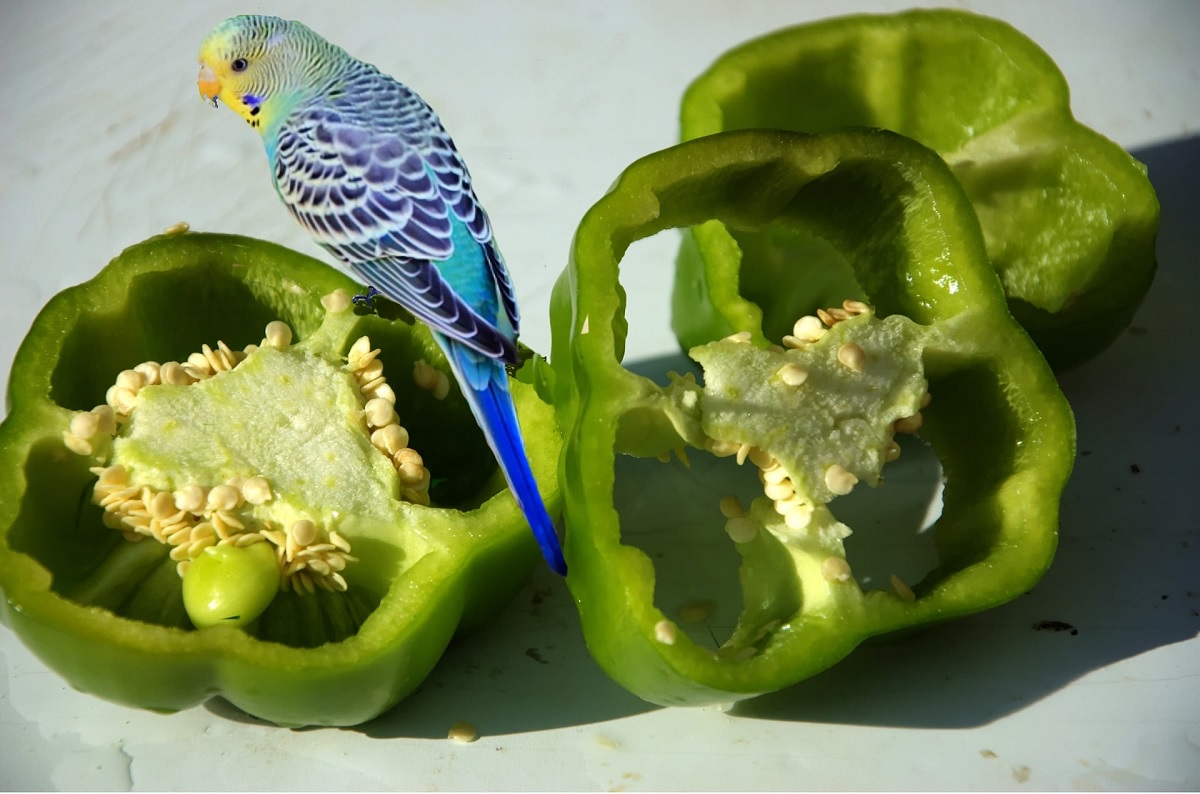
Parrots, parakeets, and related species are among the most enthusiastic consumers of bell peppers. These birds are naturally attracted to bright colors and a variety of textures, making bell peppers a visually appealing and stimulating food choice. They use their strong beaks to bite, peel, and manipulate the vegetable, encouraging natural foraging behaviors that support mental enrichment.
Bell peppers provide essential vitamins, particularly vitamin C, which is crucial for parrots’ immune system function and overall health. Regularly offering small portions of bell peppers can complement their primary diet of seeds, pellets, and fruits, ensuring a well-rounded nutritional profile. Observing their feeding behavior allows caretakers to gauge preferences and introduce other vegetables gradually, supporting a varied and healthy diet.
Parrots and parakeets often show enthusiasm for all colors of bell peppers—red, yellow, and green—but red peppers tend to be the most preferred due to their sweetness. Introducing these vegetables in rotation keeps meals engaging while maximizing nutrient intake.
Cockatoos and Conures
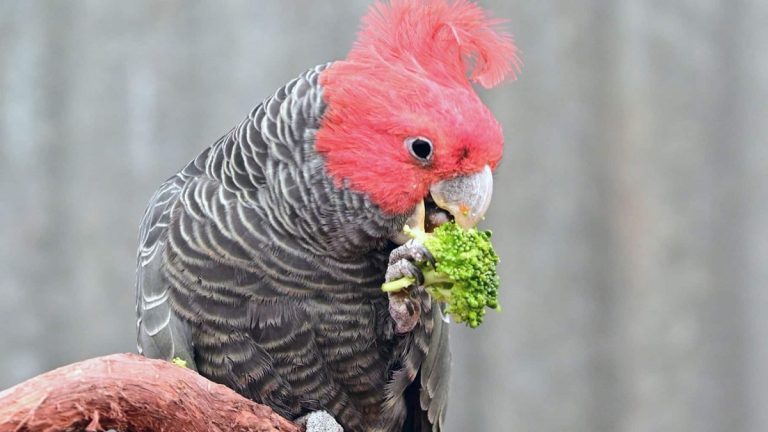
Cockatoos and conures are similarly responsive to bell peppers. Their active nature and high intelligence make them excellent candidates for vegetable enrichment. Bell peppers’ crunchy texture encourages chewing, which helps maintain beak health and reduces boredom-related behaviors like feather plucking.
Nutritionally, bell peppers provide antioxidants and essential vitamins, which contribute to feather quality, immune function, and energy levels. For these species, offering bell peppers in combination with fruits and leafy greens ensures they receive a variety of nutrients necessary for overall well-being. Cutting peppers into bite-sized pieces or incorporating them into foraging toys can make mealtime more stimulating and engaging.
Behaviorally, cockatoos and conures enjoy exploring food textures, so bell peppers offer both nutrition and mental enrichment. The variety in color and shape keeps their interest high and encourages natural foraging instincts. Caretakers can monitor consumption to ensure balanced intake alongside regular diets.
Songbirds and Finches
Smaller birds, including songbirds, finches, and canaries, may also consume bell peppers, though they often require finely chopped or small pieces to eat safely. These birds benefit from the vitamins and antioxidants in bell peppers, which support feather development, immune health, and energy.
Introducing bell peppers to songbirds requires careful observation, as they may be hesitant at first. Mixing diced peppers with their usual seeds or pellets encourages gradual acceptance. Over time, these birds often develop a preference for the vegetable, especially when presented in small, manageable pieces that allow easy handling and consumption.
Providing bell peppers for songbirds also encourages natural foraging behaviors. Scattering pieces on a flat dish or using shallow feeding trays can stimulate exploration while ensuring safety. Their consumption, though smaller in quantity than larger parrots or conures, contributes meaningful nutrients to their overall diet.
Toucans and Other Tropical Birds
Tropical species such as toucans and hornbills are naturally drawn to fruits and vegetables, making bell peppers an excellent dietary addition. These birds are highly visual feeders, so the vibrant colors of bell peppers are particularly enticing. Their strong, curved beaks allow them to manipulate and consume even large pieces efficiently.
Bell peppers provide essential vitamins, antioxidants, and hydration for tropical birds, supporting energy levels and feather health. Offering peppers as part of a varied diet alongside tropical fruits, vegetables, and seeds ensures balanced nutrition and encourages natural feeding behaviors. Foraging enrichment, such as hanging or hiding pieces, adds mental stimulation and reduces boredom.
Tropical birds also benefit from the crunchy texture, which contributes to beak maintenance. Gradually introducing bell peppers into their diet ensures they accept the vegetable readily while providing a healthy, enriching food source. Observing their response helps caretakers tailor feeding strategies to individual preferences.
Raptors and Larger Birds
Even some raptors and larger bird species may consume bell peppers occasionally, particularly in captivity. While their primary diet is typically high in protein, such as small mammals or birds, bell peppers can provide supplemental vitamins and hydration. Birds like owls, hawks, and eagles may explore bell peppers offered in small amounts as enrichment or dietary variety.
Feeding bell peppers to larger birds should be done carefully, ensuring pieces are appropriately sized to prevent choking. Incorporating vegetables into their routine can encourage curiosity, natural manipulation behaviors, and mental stimulation, which is especially important for captive raptors. Though not a primary food source, bell peppers can add diversity and nutritional benefits to their diet.
Providing bell peppers to a wide range of bird species demonstrates how versatile this vegetable is. From small songbirds to large parrots, many birds enjoy the flavor, texture, and nutritional boost that bell peppers offer, making them a valuable addition to any bird diet.
Potential Risks and Precautions
While bell peppers are generally safe and nutritious for birds, certain risks must be considered to ensure their consumption remains healthy. Understanding potential hazards and taking proper precautions helps prevent digestive issues, choking, and exposure to harmful substances, ensuring birds can enjoy bell peppers safely as part of a balanced diet.
Risk of Choking
Choking is one of the most common risks when feeding birds bell peppers, especially for smaller species. Whole or large pieces can become lodged in the bird’s throat, causing distress or injury. Birds with smaller beaks, such as finches or canaries, are particularly vulnerable to this hazard.
To prevent choking, always cut bell peppers into small, manageable pieces appropriate for the bird’s size. For tiny birds, finely diced or shredded pieces are safest. Offering peppers in shallow dishes or scattering them across feeding trays allows birds to pick up small portions at a time. Supervision during initial feedings helps ensure they consume the food safely, and observing chewing and swallowing behavior allows caretakers to adjust the size of pieces accordingly.
Regularly monitoring feeding habits reduces the risk of choking and ensures birds can enjoy bell peppers without compromising safety. Introducing peppers gradually and observing preferences also helps birds handle new foods effectively.
Digestive Issues
Bell peppers are high in fiber and water content, which generally supports healthy digestion. However, overfeeding can lead to gastrointestinal discomfort, diarrhea, or changes in stool consistency. Birds are sensitive to sudden dietary changes, so excessive portions can disrupt their digestive balance.
To minimize digestive risks, offer bell peppers in moderation and gradually introduce them into the diet. Combining bell peppers with other familiar vegetables, fruits, or seeds can help birds adjust to the new food. Feeding small portions several times a week, rather than large quantities at once, ensures that birds receive nutrients without overwhelming their digestive system.
Maintaining a varied diet, including pellets, seeds, and other vegetables, reduces the risk of nutritional imbalance and digestive upset. Observation during feeding is essential to identify any adverse reactions early and adjust portion sizes as needed.
Pesticide and Chemical Exposure
Non-organic bell peppers may contain pesticide residues, wax coatings, or other chemicals that could be harmful to birds. Birds are particularly sensitive to toxins, and ingestion of contaminated produce can lead to illness, weakened immunity, or long-term health issues.
To mitigate this risk, always wash bell peppers thoroughly under running water before feeding. Using a soft brush can help remove surface residues. Choosing organic or locally grown peppers further reduces exposure to harmful chemicals. Avoid using soap, detergents, or chemical cleansers during washing, as residues can be toxic.
Proper storage also prevents chemical exposure from spoiled or contaminated vegetables. Keeping cut peppers in sealed containers in the refrigerator ensures freshness and minimizes the risk of bacterial growth, which could further harm birds.
Allergic Reactions or Sensitivities
While rare, some birds may exhibit mild sensitivities or allergic reactions to bell peppers. Symptoms can include digestive upset, feather plucking, or changes in behavior after initial exposure. Sensitivities are more likely in young, elderly, or health-compromised birds.
To address this risk, introduce bell peppers gradually, offering small amounts at first while observing the bird’s response. Signs of discomfort or avoidance should be noted, and feeding should be paused if adverse reactions occur. Over time, most birds tolerate bell peppers well, but caretakers must remain vigilant to ensure continued safety and well-being.
Introducing bell peppers cautiously, monitoring health, and maintaining a balanced diet minimizes the likelihood of sensitivities or allergic reactions. This careful approach ensures birds receive nutritional benefits while avoiding unnecessary risks.
Safe Feeding Practices
Safe feeding practices combine moderation, preparation, and observation. Cut peppers into appropriate sizes, wash thoroughly, offer in clean dishes, and monitor consumption closely. Rotate with other vegetables and fruits to ensure variety, and avoid seasonings, oils, or additives, which may be harmful.
By implementing these precautions, birds can enjoy the nutritional advantages of bell peppers while minimizing potential risks. Responsible feeding ensures that these vegetables become a safe, enriching, and healthful component of a bird’s diet.
FAQs
Can Birds Safely Eat Bell Peppers?
Yes, birds can safely eat bell peppers when they are properly prepared. Bell peppers are rich in vitamins A, C, and E, providing essential nutrients that support your bird’s immune system, feather health, and overall well-being.
To ensure safety, wash the peppers thoroughly, remove seeds and stems, and cut them into bite-sized pieces suitable for your bird’s size. Feeding them raw preserves nutrients and offers a crunchy texture that encourages natural chewing and foraging behaviors. Offering bell peppers in moderation helps maintain a balanced diet.
Are All Colors of Bell Peppers Safe for Birds?
All colors of bell peppers—red, yellow, green, and orange—are safe for birds. Each color contains slightly different nutrient profiles, with red peppers typically having the highest vitamin and antioxidant content.
Offering a variety of colors can help stimulate your bird’s interest and provide a broader range of nutrients. Birds are often attracted to bright colors, which makes bell peppers visually appealing. Rotate colors in their diet to ensure they receive the benefits of different vitamins and antioxidants while keeping feeding time engaging.
How Should Bell Peppers Be Prepared for Birds?
Bell peppers should be washed thoroughly under running water to remove dirt, chemicals, or pesticides. Avoid using soaps or chemicals that could be toxic to birds. Remove the seeds and stems, which can be a choking hazard, and cut the peppers into small, manageable pieces.
For larger birds, slices or strips may be suitable, while smaller species benefit from finely diced or shredded peppers. Raw bell peppers are best, as cooking can reduce their vitamin content and alter texture. Offering them in small, fresh portions encourages safe consumption and natural foraging behavior.
How Often Can Birds Eat Bell Peppers?
Birds should eat bell peppers in moderation as part of a balanced diet. Offering small portions a few times per week is ideal to provide vitamins and antioxidants without overwhelming their digestive system.
Overfeeding bell peppers may lead to gastrointestinal upset or reduce appetite for other essential foods like seeds, pellets, or fruits. Introducing bell peppers gradually allows your bird to adjust while maintaining dietary balance. Monitoring their response helps ensure they enjoy the vegetable safely and benefit from its nutrients.
Can Bell Peppers Cause Allergic Reactions in Birds?
While rare, some birds may have mild sensitivities to bell peppers. Symptoms could include digestive upset, changes in behavior, or feather plucking after consumption. Young, elderly, or health-compromised birds are more likely to show reactions.
To prevent issues, introduce bell peppers gradually and observe your bird for any signs of discomfort. Stop feeding them temporarily if adverse reactions occur. Most birds tolerate bell peppers well over time, but careful observation ensures their continued safety and health.
Can Birds Eat Bell Peppers with Seeds?
It is not recommended for birds to eat bell peppers with seeds. Seeds can pose a choking hazard or be difficult for small birds to digest. Removing seeds before offering peppers ensures safe consumption.
Even larger birds benefit from seed removal, as it prevents accidental swallowing and promotes easier handling. Cutting peppers into bite-sized portions and removing all seeds ensures a safe, nutritious, and stress-free feeding experience while maintaining the bird’s interest in the vegetable.
Are Cooked Bell Peppers Safe for Birds?
Birds can eat cooked bell peppers, but raw peppers are preferable. Cooking can reduce the vitamin content, particularly vitamin C, and alter the texture that birds enjoy for chewing and foraging.
If you choose to offer cooked peppers, avoid adding seasonings, oils, or salt, as these can be harmful. Steaming or lightly boiling without additives is the safest method. Offering small portions of cooked peppers occasionally is acceptable, but raw, fresh peppers provide the best combination of nutrients, texture, and enrichment.
Conclusion
Bell peppers can be a colorful and nutritious addition to a bird’s diet when offered correctly. They provide essential vitamins, minerals, and antioxidants that support overall health, and their natural sweetness often makes them appealing to many species. By preparing them properly—washing, chopping, and removing seeds—you can safely introduce this vegetable to your feathered friends.
If you are wondering about can birds eat bell peppers, the answer is yes for most common pet and wild birds, including parrots, parakeets, finches, and canaries. Moderation is key, as overfeeding any single food can upset their digestive balance. Mixing bell peppers with a variety of fruits and vegetables ensures a well-rounded diet.
Observing your birds’ preferences and reactions when introducing bell peppers helps you create a safe and enjoyable feeding experience. Understanding can birds eat bell peppers encourages responsible feeding while supporting their health, energy, and overall happiness.